Prep & Assembly
Sweating Aromatics
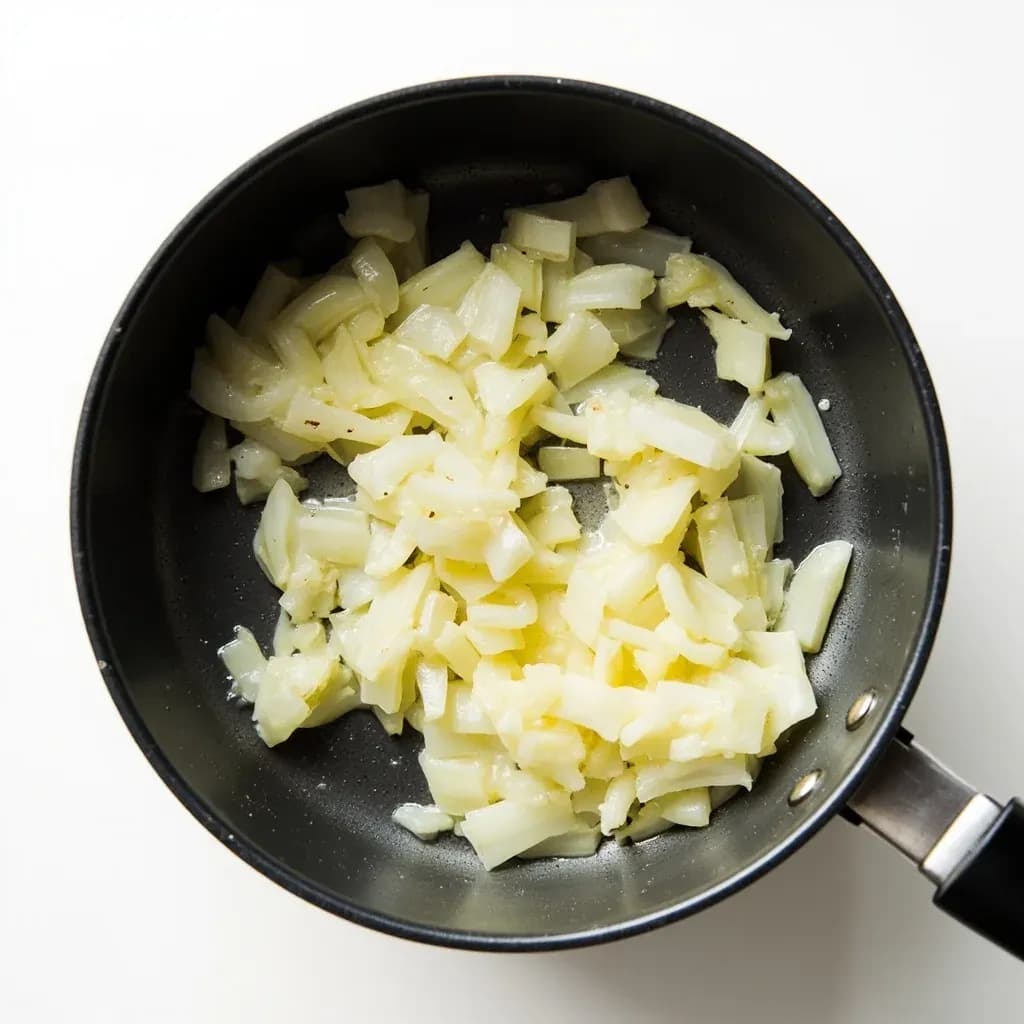
Cooking onions and aromatics gently in fat until soft and translucent without browning.
Sweating cooks aromatics like onion, celery, and pepper slowly over low heat in a little fat until they turn soft and translucent without taking on color. It draws out their moisture and mellows their sharpness, building a sweet, savory flavor base for soups, sauces, and stews. A pinch of salt early on helps the vegetables release water and prevents them from browning.
Sweating aromatics is one of the most fundamental techniques in the kitchen, and one of the most easily overlooked. It describes cooking chopped vegetables — usually onions, carrots, celery, and their kin — gently in a small amount of fat until they soften, turn translucent, and release their moisture, all without developing any color on the edges. The result is a sweet, mellow, deeply aromatic base that quietly underlies stocks, sauces, soups, braises, and risottos across virtually every cuisine that uses a stove.
What makes the technique distinctive is the role of moisture. Once salt is added, the vegetable cells begin to release their water through osmosis. That water pools in the pan, then — with the lid partially closed and the heat held low — turns to steam, which surrounds the vegetables and cooks them gently from all sides. As the cooking continues, the liquid reduces back into the fat, and the aromatics end up glossy, soft, and fully flavored. There is no Maillard browning, no fond, no caramelization; just the pure, clean taste of cooked allium and root.
The skill, such as it is, lies in restraint. Most cooks run the pan too hot, hear the vegetable sizzle, and end up sautéing or browning instead. Sweating wants you to be patient: low heat, a heavy pan, a partial lid, and the occasional stir. Get it right, and you'll taste the difference in everything that follows.
- Difficulty
- Easy
Types & varieties
The most common form: diced onion cooked in fat until translucent, the backbone of French and Italian cooking.
Onion, carrot, and celery sweated together, usually 2:1:1 by volume; foundation of stocks, soups, and braises.
Italian equivalent: onion, carrot, and celery (often with pancetta) sweated in olive oil as the start of ragù, soups, and risotto.
Iberian and Latin American builds featuring onion, garlic, peppers, and sometimes tomato sweated in olive oil.
Louisiana and Cajun sweat of onion, celery, and green bell pepper in equal parts, base for gumbo and étouffée.
Delicate allium sweat common in French sauces, often finished with a splash of white wine.
How to do it
- 1
Prepare the aromatics
Peel and dice the vegetables to a uniform size, about ¼-inch / 5–6 mm for most applications. Keep garlic, fresh herbs, and chilies separate for later — they have different cooking times.
- 2
Heat the fat
Add 1–2 tablespoons of butter, olive oil, or neutral oil to a heavy skillet or saucepan over low to medium-low heat. Let the fat warm but not smoke; butter should foam gently, oil should shimmer only faintly.
- 3
Add the sturdy aromatics
Add the densest vegetables first — carrots, celery, fennel, or onion. Season with a small pinch of salt and stir to coat in fat.
- 4
Cover and cook gently
Partially cover the pan. Cook 8–15 minutes, stirring every couple of minutes, until the vegetables have released their liquid, gone translucent, and softened. If the pan dries out before tenderness, add a splash of water.
- 5
Add the delicate aromatics
Stir in garlic, shallots, fresh herbs, or chili in the last 1–2 minutes so they soften without burning or turning bitter.
- 6
Proceed with the recipe
Once the aromatics are soft, translucent, and showing no color, deglaze with wine, add stock, or move directly into the next stage of the dish.
How Sweating Works
The technique is essentially a small, controlled braise inside a sauté pan. When salt meets a cut onion cell, osmosis begins pulling water out of the vegetable and into the pan. That water, trapped by a partially closed lid, becomes a gentle steam bath that cooks the aromatics evenly and prevents the pan from drying out. As the vegetables soften, the liquid gradually reduces — evaporating off the surface and condensing the dissolved sugars and flavor compounds back into the fat. The end state is a vegetable that is fully cooked, sweet, and translucent, but has never seen a temperature high enough to brown its surface. Pan choice matters throughout: a thin pan creates hot spots that scorch the edges; a heavy one spreads heat evenly. A wider pan gives better contact with fat; a deeper one holds more steam.
Sweating vs. Sautéing vs. Caramelizing
These three are often confused, but they produce very different results. Sautéing uses higher heat (300–375°F / 150–190°C) in more fat, with the goal of quick cooking and some color development — the vegetables brown lightly at the edges. Caramelizing is much slower (30–60 minutes) and intentionally drives the natural sugars of the vegetable past golden into deep brown, producing sweet, jammy results with significant fond in the pan. Sweating sits between them in time but is defined by what does not happen: no color forms. If the edges of your onion are turning gold, you have left sweating behind and are on your way to one of the other two.
Make-Ahead and Storage
Sweated aromatics are one of the best weeknight time-savers in a cook's repertoire. Cool them quickly, then refrigerate in a sealed container for 3–4 days, or freeze in ice-cube trays or small portions for up to three months. Drop a frozen cube into a pan with a splash of water or stock, and you have an instant head start on soups, grains, beans, and pan sauces.
Common uses
Tips & pitfalls
- Keep heat low; if you hear sizzling, the pan is too hot and you are sautéing, not sweating.
- Cut aromatics to a uniform size so they soften at the same rate.
- Add a pinch of salt at the start to draw moisture out of the cells faster.
- Use a heavy-bottomed pan to spread heat evenly and prevent hot spots that scorch the edges.
- Cover the pan (lid slightly ajar) to trap steam and speed softening without browning.
- Stir every minute or two; if the pan goes dry before the vegetables are tender, add a small splash of water.
- Add garlic, fresh herbs, and other delicate aromatics in the last 1–2 minutes, since they burn and turn bitter at low heat over time.
- Denser roots (carrots, parsnips, fennel) can go in 3–5 minutes before softer alliums.
- For deep flavor without color, deglaze with a tablespoon of water or white wine and let it absorb before proceeding.
- Do not crowd the pan; a dense layer will steam unevenly and weep liquid instead of softening in fat.
Good to know
- Heat level
- Low to medium-low, roughly 200–250°F / 95–120°C at the pan surface
- Typical time
- 5–15 minutes for diced onions; 10–20 minutes for denser vegetables like carrots or fennel
- Fat options
- Olive oil, unsalted butter, neutral oil, or rendered bacon or pancetta fat
- Visual cue
- Vegetables become translucent, soft, and glossy, with no color on the edges
- Pan
- Wide, heavy-bottomed skillet or saucepan; lid used partially or fully to trap steam
- Salt
- A small pinch added at the start draws out moisture via osmosis
- Origin of term
- French culinary tradition; describes the way vegetables release and reabsorb their own liquid
- Related bases
- Mirepoix (France), soffritto (Italy), sofrito (Spain/Latin America), holy trinity (Louisiana), refogado (Portugal), supprezzata (Greece)
Also called
Sweating the Trinity · Suer · Sweating Onions
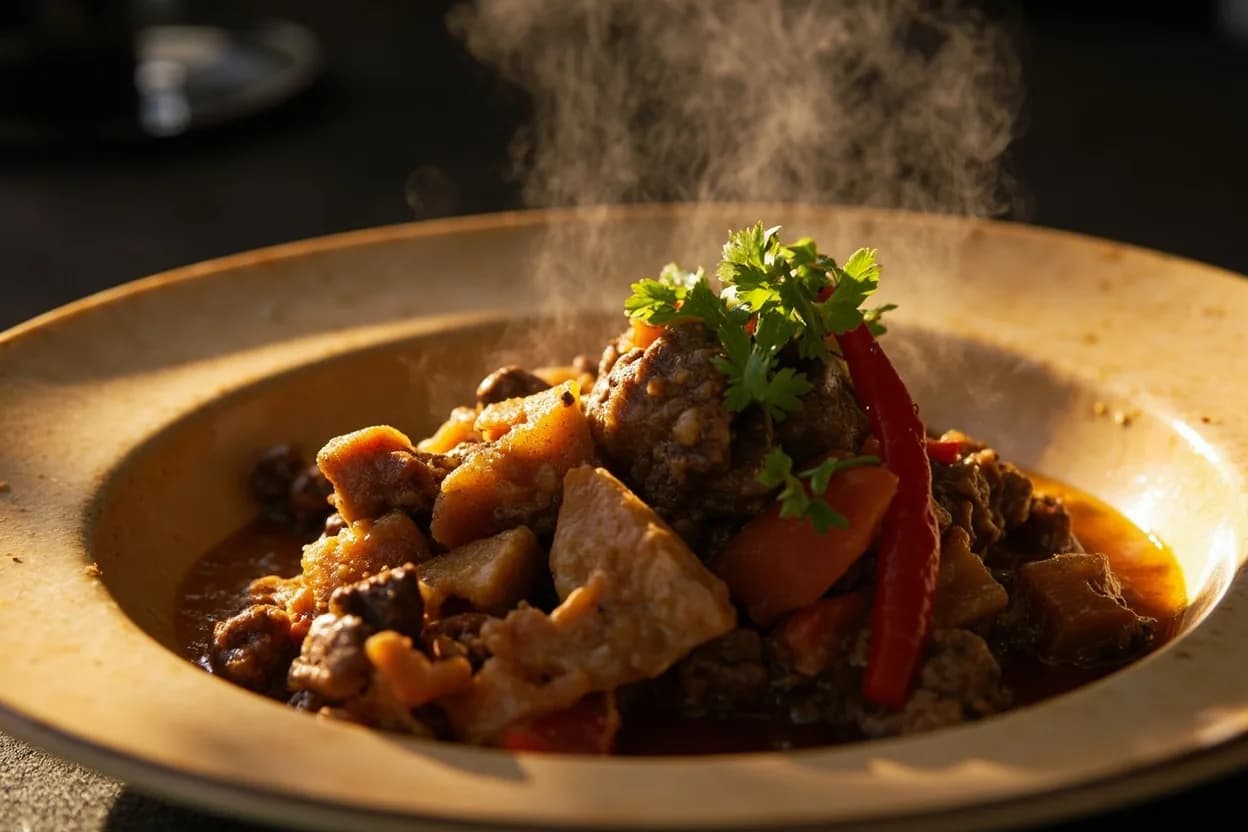
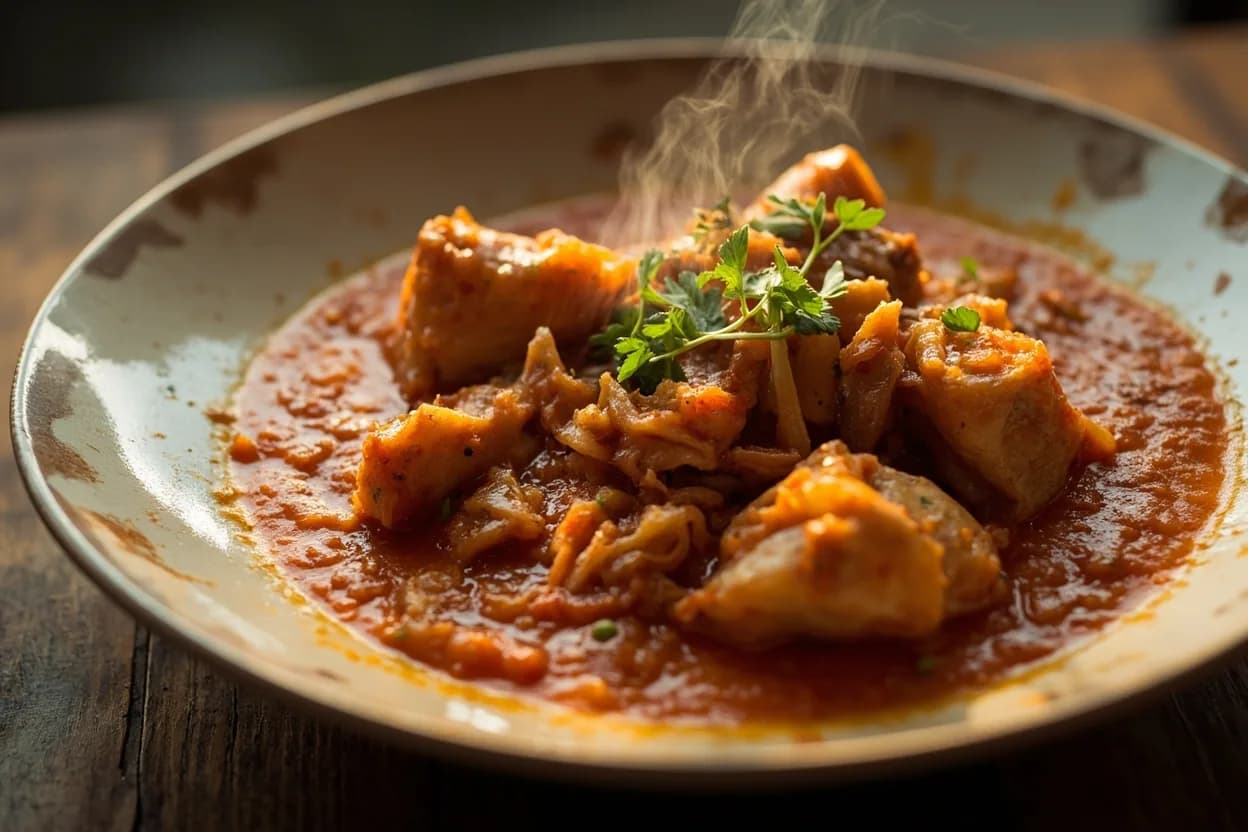
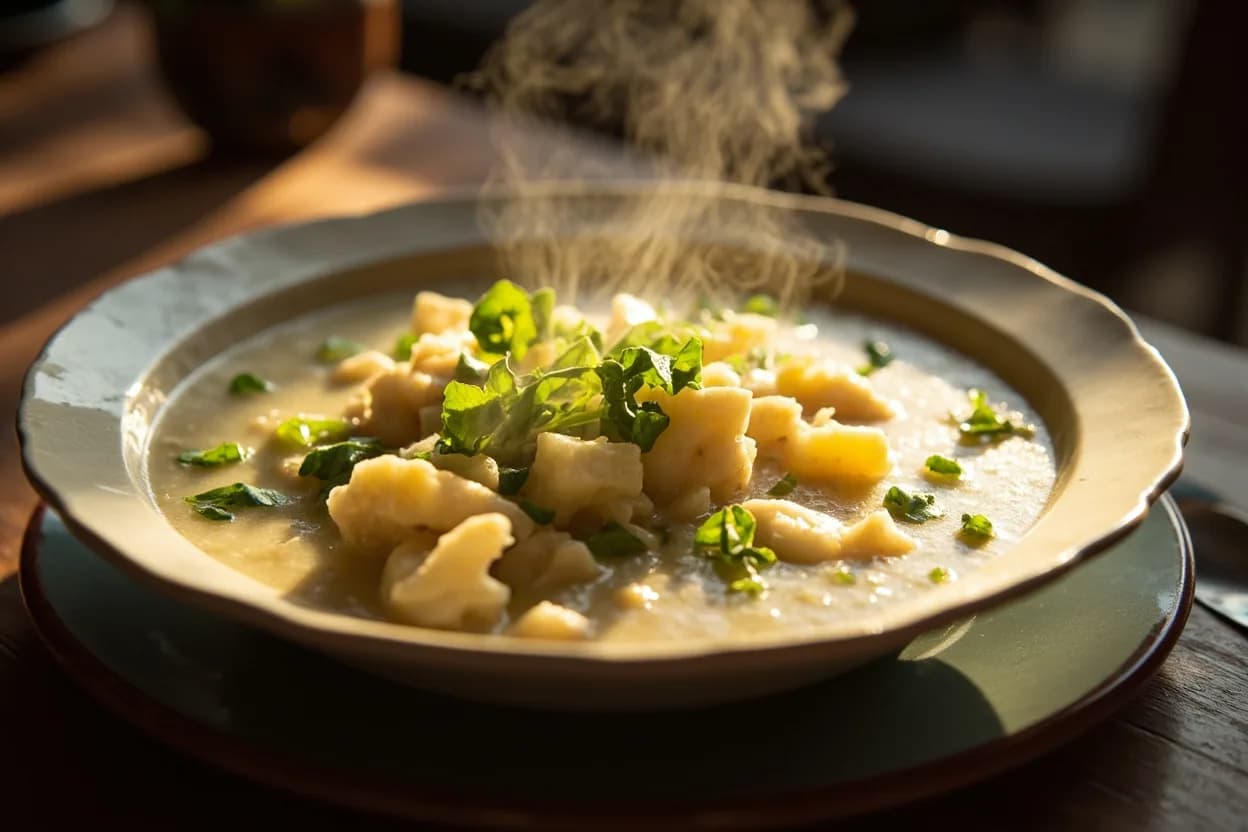
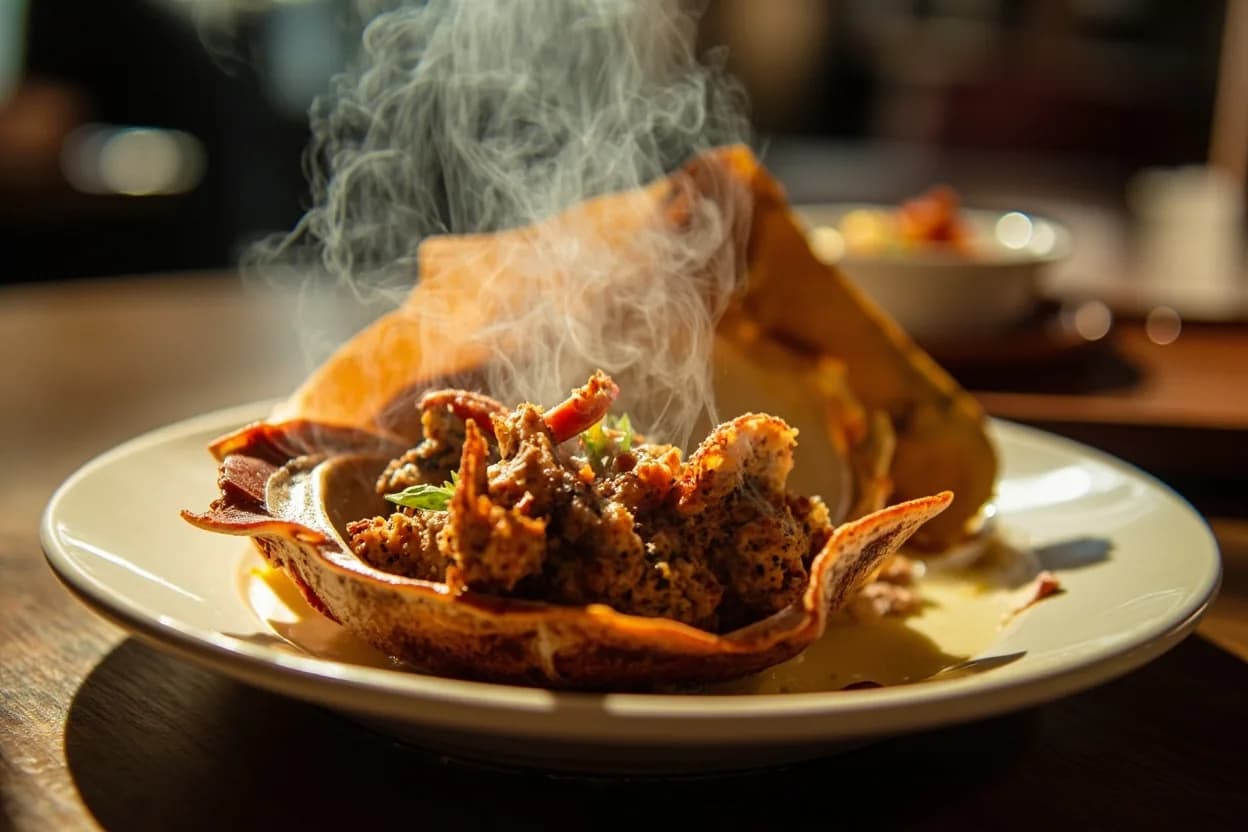
Dishes that rely on it
Related

Whisk
Beat ingredients smooth and aerated with a looping wire motion

Sift
Pass dry ingredients through mesh to aerate and remove lumps

Strain
Pour through mesh to separate solids from liquid for a smooth result

Filter
Pass liquid through fine material to clarify out the smallest particles

Rice
Press cooked potatoes through small holes for fluffy, lump-free texture

Mash
Crush soft cooked food into a rustic, creamy purée

Grind
Crush food into a coarse to fine texture, from spices to meat

Grate
Shred food into fine bits against a sharp-toothed surface