
Heat & Fire
Sofrito
Slow-cook aromatics in oil into a deep, sweet flavor foundation
Sofrito gently cooks finely chopped aromatics — onion, garlic, tomato, peppers — in oil until they collapse into a sweet, jammy base for countless Spanish and Latin dishes. It rewards patience: the longer and lower you go, the deeper the foundation beneath your whole dish.
Sofrito is both a technique and the aromatic base it produces: finely chopped aromatics — onion, garlic, tomato, peppers, sometimes herbs — cooked slowly in plenty of oil until they collapse into a sweet, jammy, deeply concentrated foundation. It's the quiet starting point of countless Spanish and Latin American dishes, the layer of background flavor that makes a paella, sauce, bean pot, or stew taste like it took all day. It has a close Italian cousin, the soffritto (a sweated onion-celery-carrot base without tomato) — related, but not the same thing. The whole craft is patience and low heat: the longer and slower you cook it, the more the raw sharpness gives way to mellow, caramelized depth.
- Difficulty
- Intermediate
Types & varieties
Onion, garlic, and tomato slow-cooked in olive oil — the base of paella and stews.
The lighter onion-celery-carrot battuto, often sweated rather than jammed down.
A raw or briefly cooked blend heavy on peppers, garlic, cilantro/culantro, and ají.
How to do it
- 1
Chop very finely
Mince the aromatics small and even so they melt down into a smooth base rather than staying chunky.
- 2
Warm generous oil
Heat a good amount of olive oil over low to medium-low heat — the oil carries and stores the flavor.
- 3
Start with the onion
Cook the onion (and pepper) slowly until soft and translucent, then golden, before adding garlic so it doesn't burn.
- 4
Add tomato and reduce
Stir in grated or chopped tomato and cook it down patiently until the water's gone and it darkens to a jam.
- 5
Cook until it's a paste
Keep going until the mixture is thick, dark, and the oil separates and pools — that's a finished sofrito. Expect 30–45 minutes of low, patient cooking; it reduces dramatically, a big pan of aromatics cooking down to just a few spoonfuls of dark paste, so don't stop early at the 5-minute mark.
Why low and slow builds the base
A sofrito's depth comes from two slow transformations. First, the aromatics' moisture has to cook off entirely — as long as there's water, the mixture can only simmer, and only once it's gone can the sugars start to caramelize and the flavors concentrate. Second, the generous oil acts as both a heat-transfer medium and a flavor reservoir: fat-soluble aromas from the onion, garlic, tomato, and peppers dissolve into it, so the oil itself becomes deeply flavored and carries that taste through the whole dish. Rushing on high heat scorches the surface before this slow reduction and caramelization can happen, giving harsh, bitter notes instead of sweet depth.
Common uses
Tips & pitfalls
- Don't skimp on the oil — it stores the flavor and carries it through the dish.
- Grate the tomato to a pulp so it melts in smoothly without skins or chunks.
- Make a big batch and freeze it in portions — it's a head start on many dishes.
- Wait for the oil to separate and the mixture to darken before you call it done.
Good to know
- Heat level
- Low to medium-low; long and gentle
- Best for
- Flavor base for rice dishes, stews, beans, sauces
- Equipment
- Wide pan or the dish's own pot, with generous oil
- Fat needed
- Generous olive oil — it's part of the base
- Time
- 20–45 minutes for a deep one
Also called
soffritto · sofregit
Dishes that rely on it
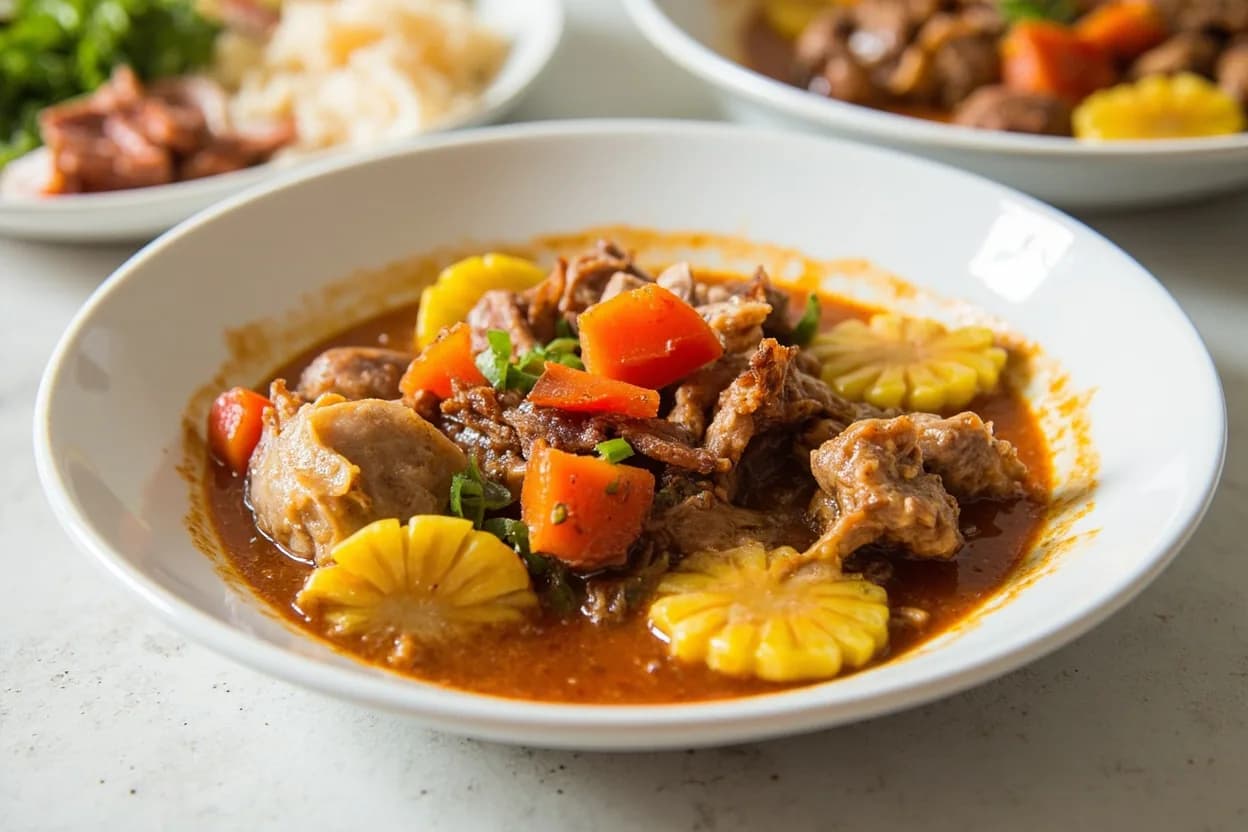
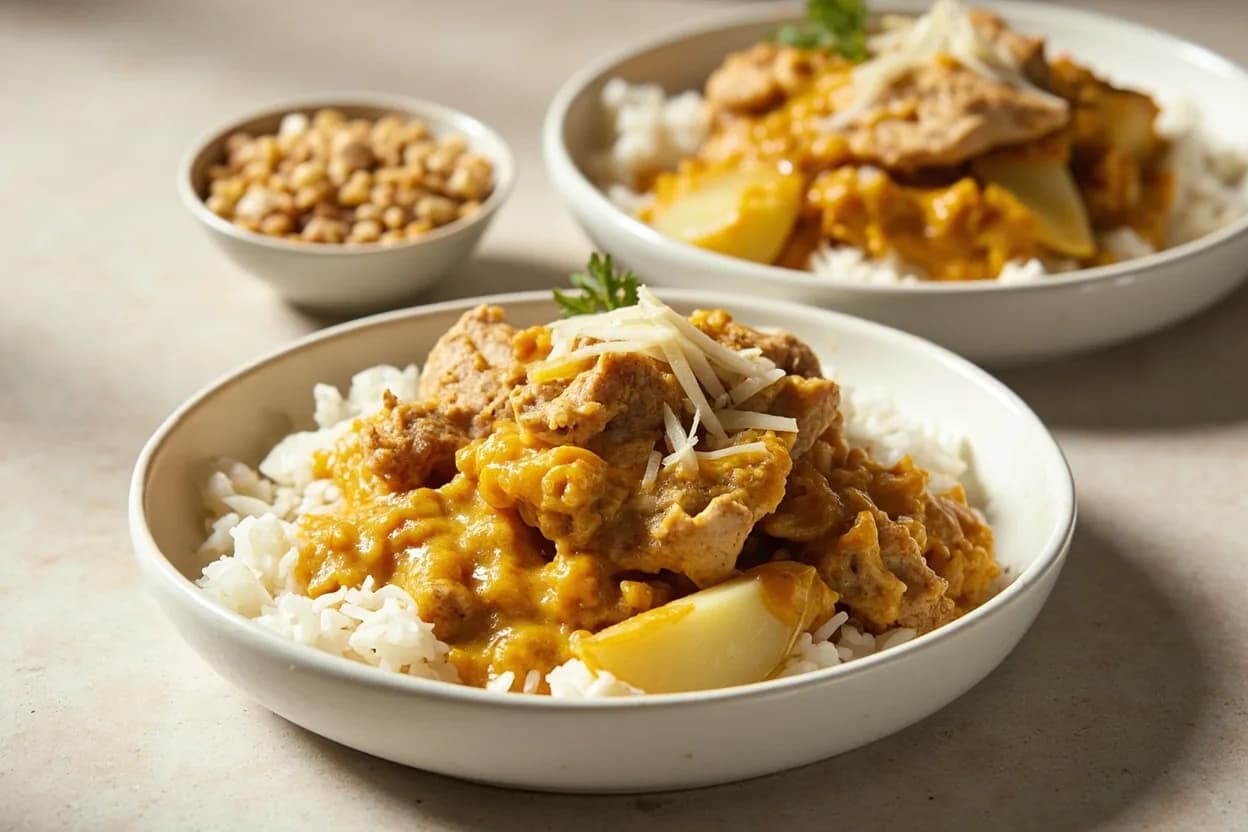
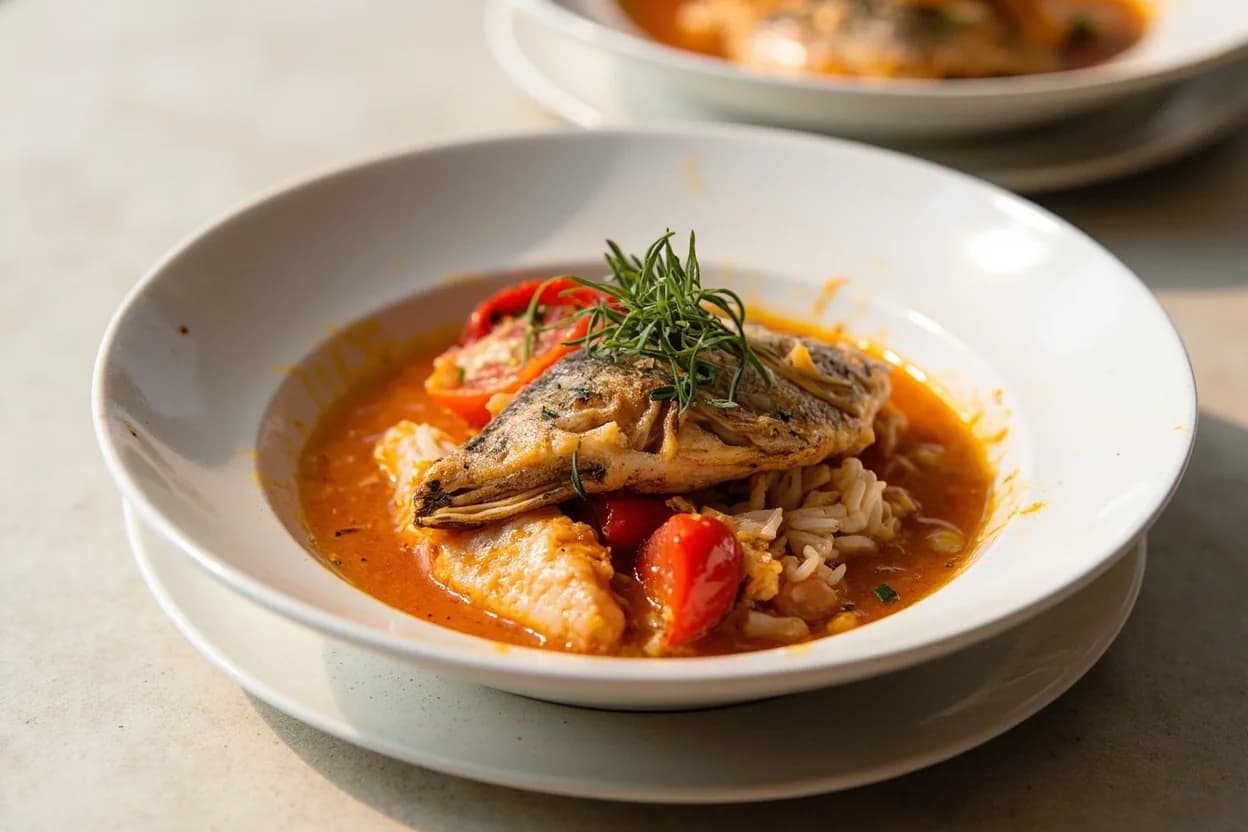
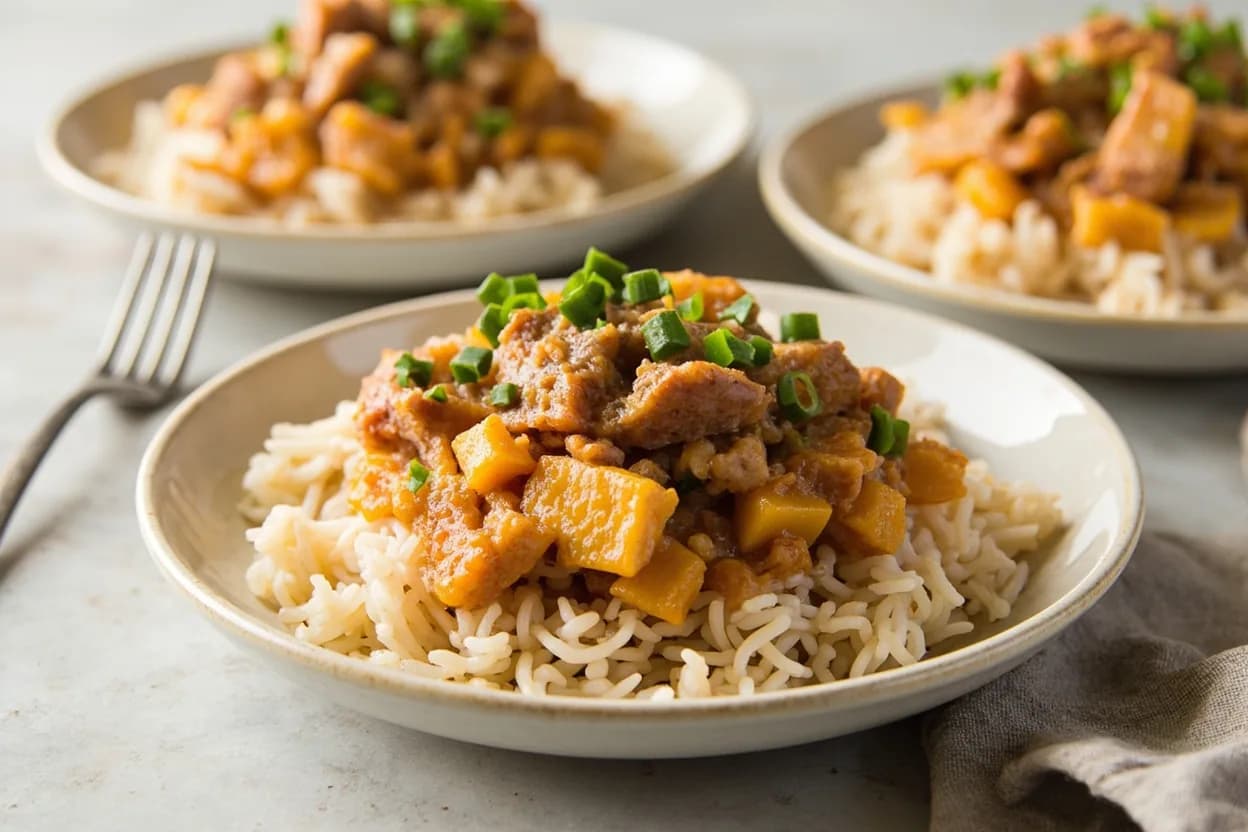
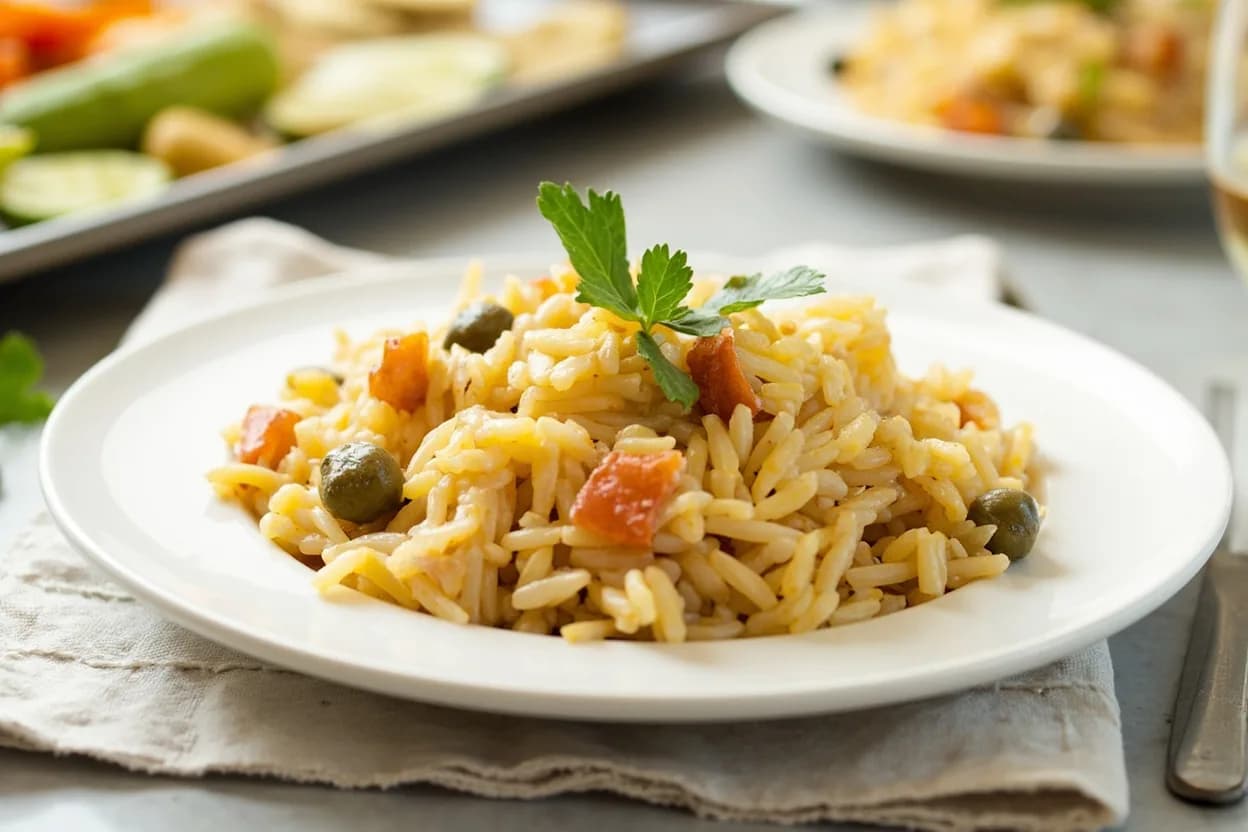
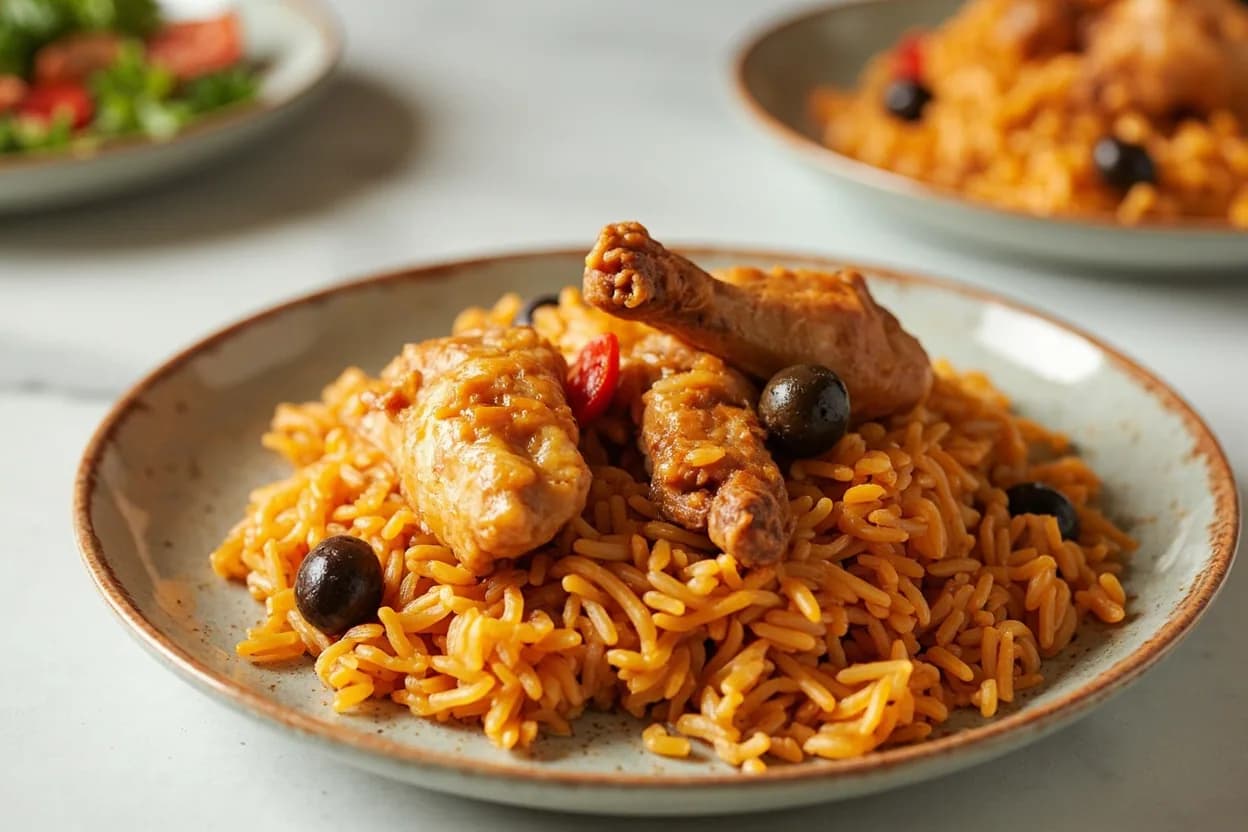
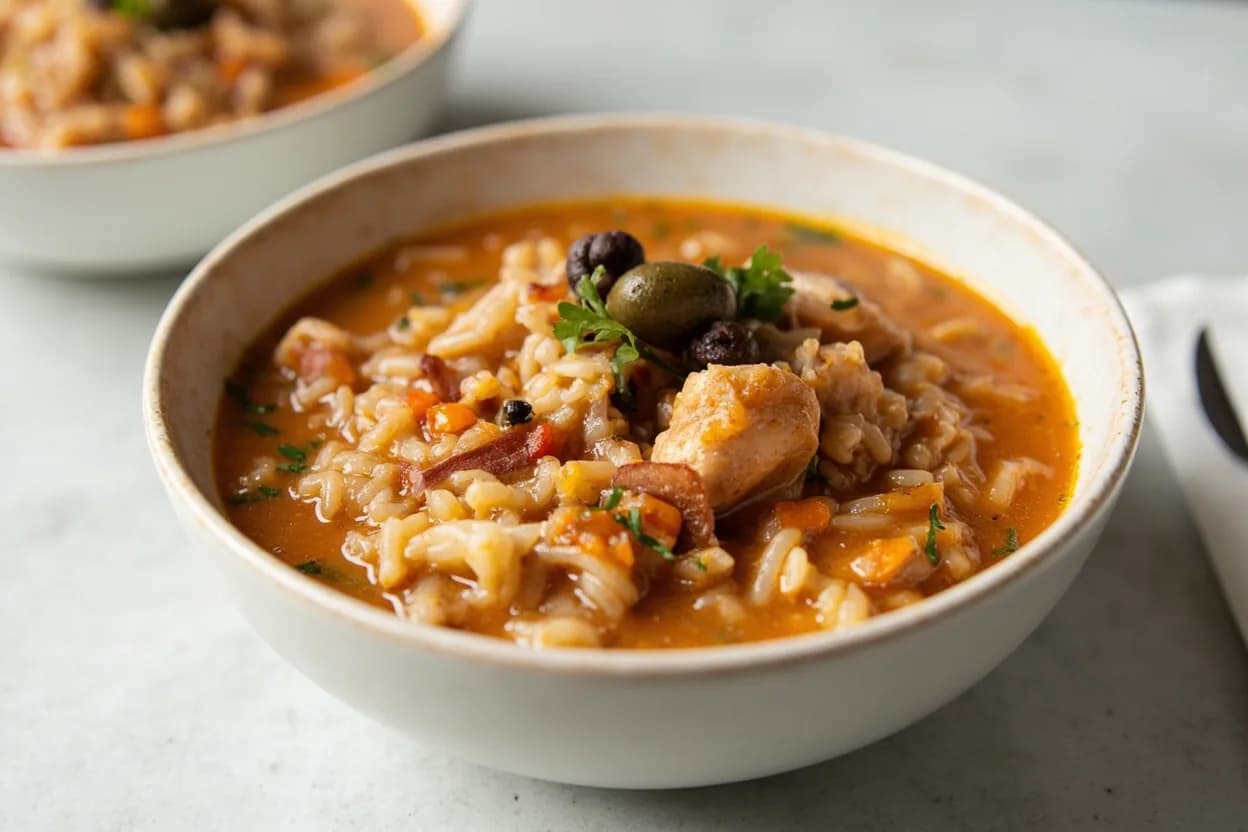

Related

Sear
Blast the surface hot for a deep-browned, savory crust

Sauté
Cook quickly in a little fat over lively heat, tossing as you go

Stir-Fry
Toss bite-sized pieces over roaring heat for fast, smoky cooking

Pan-Fry
Crisp food in a shallow layer of hot fat, turning once or twice

Deep-Fry
Submerge in hot oil for an all-over crackling crust

Roast
Cook uncovered in dry oven heat for browned edges and tender centers

Bake
Cook with steady, surrounding oven heat — the soul of bread and pastry

Broil
Hit food from directly above with fierce overhead heat