
Heat & Fire
Sauté
Cook quickly in a little fat over lively heat, tossing as you go
Sautéing keeps small, even pieces moving through a thin film of hot fat so they cook fast and color lightly. It's the everyday workhorse for vegetables, aromatics, and quick proteins. Keep the heat high and the pan in motion so nothing sits long enough to scorch.
Sautéing is the kitchen's everyday workhorse: small, evenly cut pieces cooked fast in a thin film of hot fat while you keep them moving, so they color lightly and cook through before they have a chance to stew or scorch. The name comes from the French sauter, "to jump" — a reference to the way a confident cook flicks the pan to flip the food rather than stir it. Use it whenever you want quick browning and tender-crisp texture without the heavy crust of a sear or the mess of deep-frying: weeknight vegetables, aromatics for a sauce base, shrimp, sliced chicken, mushrooms.
- Difficulty
- Easy
Types & varieties
How to do it
- 1
Prep and dry
Cut everything to a uniform, bite-friendly size and pat proteins dry — surface moisture steams instead of browns.
- 2
Heat the pan first
Set the empty pan over medium-high for a minute or two until it's hot; on bare stainless or cast iron a drop of water should skitter and evaporate fast. Don't dry-heat a nonstick pan — heat it with the oil already in, never empty.
- 3
Add fat, then food
Swirl in oil or butter until it shimmers (butter should stop foaming), then add food in a single uncrowded layer.
- 4
Let it sit, then move
Give it 20–30 seconds to take color, then toss or stir. Crowding drops the temperature and makes food steam.
- 5
Keep it lively
Maintain the heat and the motion so nothing sits long enough to burn but everything browns evenly.
- 6
Finish and rest the pan
Pull food when it's just done; build a pan sauce on the residual fond if you like.
Common mistakes
Most sauté failures come down to temperature and crowding.
- Cold pan: food sticks and releases water instead of browning.
- Overcrowding: drops the heat, traps steam, and turns a sauté into a braise.
- Wet food: pat dry or the fat spits and the surface won't color.
- Constant stirring with no pause: nothing gets a chance to brown.
Common uses
Tips & pitfalls
- Work in batches rather than overload the pan — two quick rounds beat one soggy one.
- Add garlic and delicate aromatics late; they burn in seconds at sauté heat.
- A pan with sloped sides makes tossing easy and lets steam escape.
- Salt at the end for crisp vegetables; salting early pulls out moisture.
Good to know
- Heat level
- Medium-high to high
- Best for
- Small, even pieces of veg, aromatics, quick-cooking proteins
- Equipment
- Wide skillet or sauté pan with sloped or low sides
- Fat needed
- 1–2 tbsp; just a glistening film
- Time
- 2–10 minutes, depending on the food
Also called
pan-cook
Dishes that rely on it
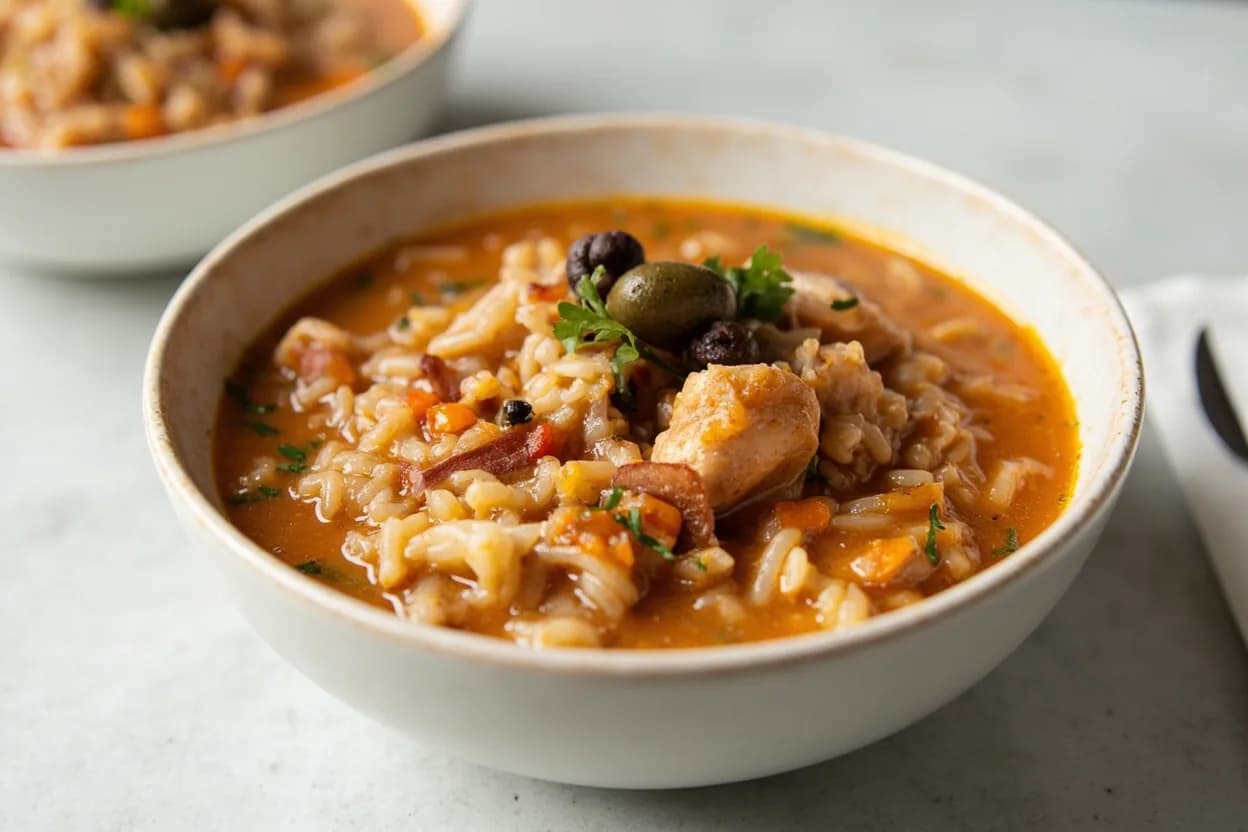
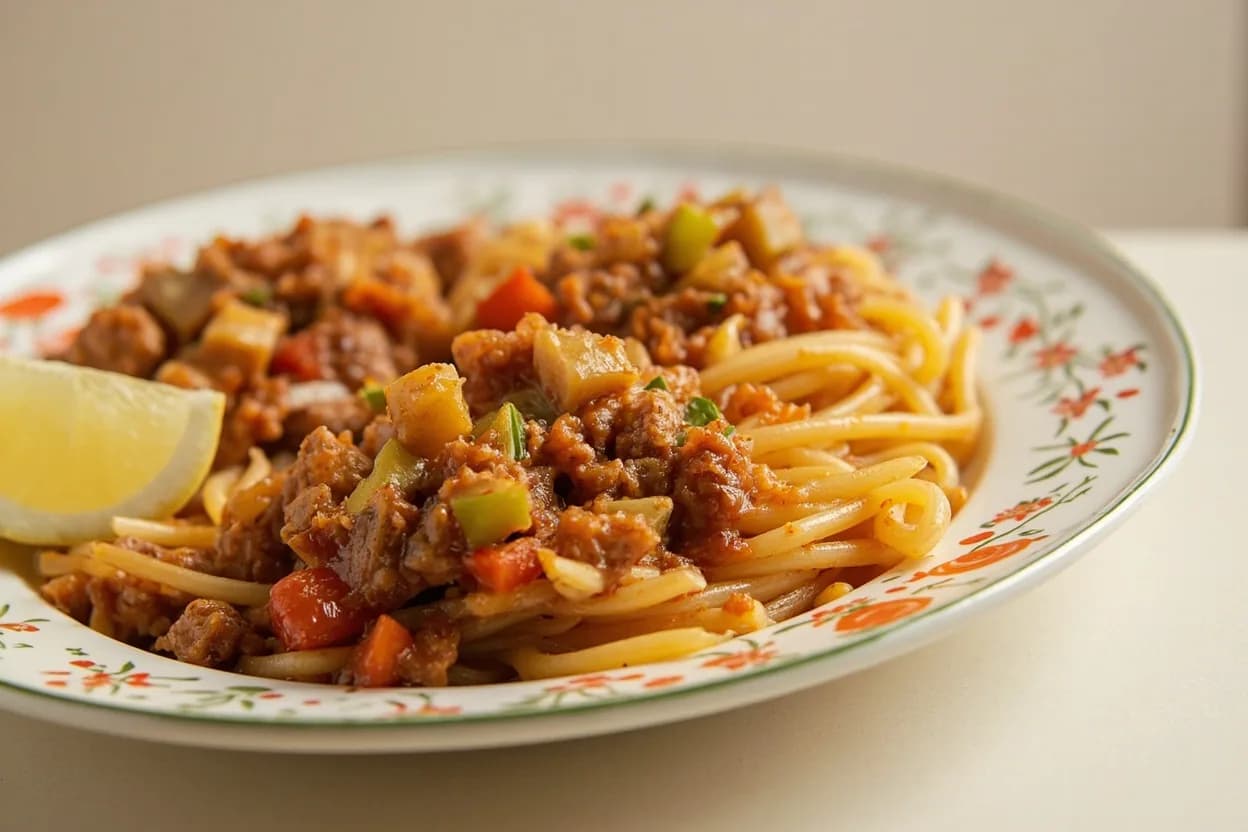
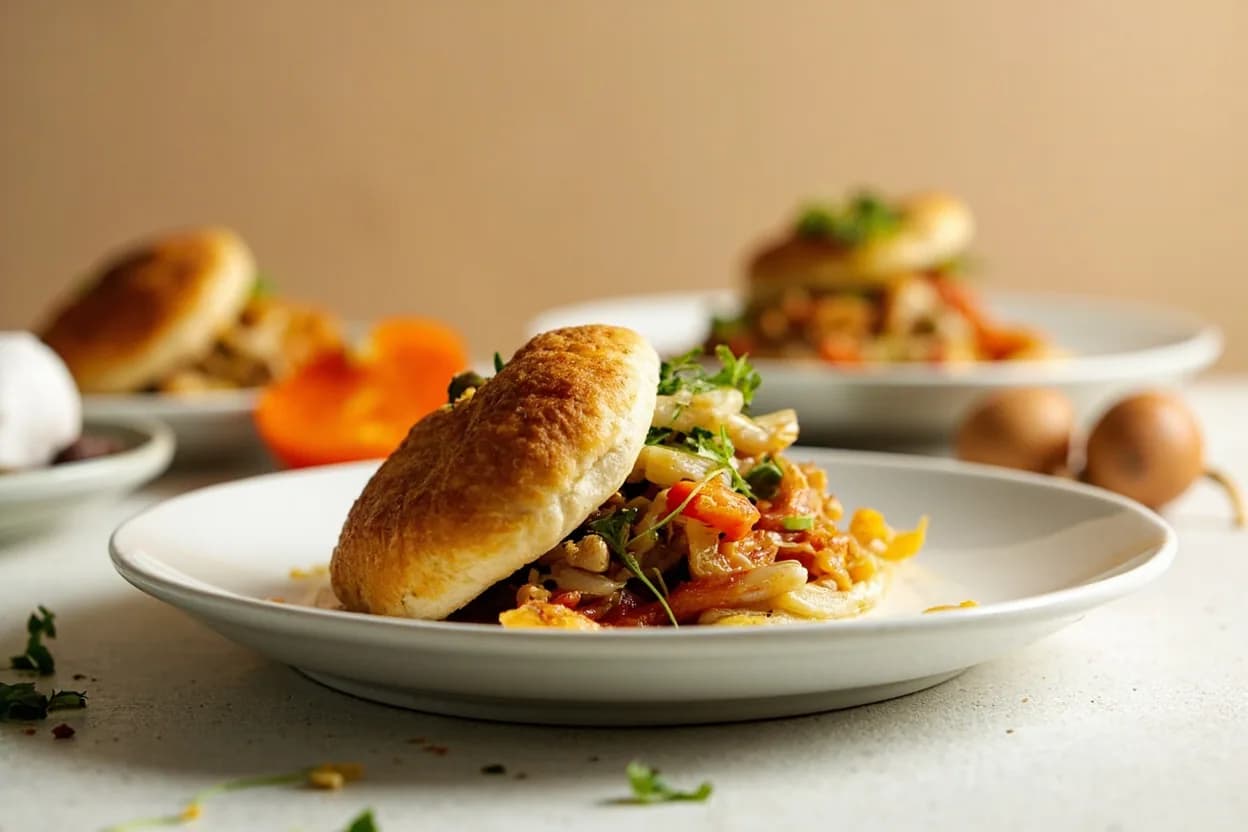
Related

Sear
Blast the surface hot for a deep-browned, savory crust

Stir-Fry
Toss bite-sized pieces over roaring heat for fast, smoky cooking

Pan-Fry
Crisp food in a shallow layer of hot fat, turning once or twice

Deep-Fry
Submerge in hot oil for an all-over crackling crust

Roast
Cook uncovered in dry oven heat for browned edges and tender centers

Bake
Cook with steady, surrounding oven heat — the soul of bread and pastry

Broil
Hit food from directly above with fierce overhead heat

Grill
Cook over live fire for char, smoke, and bar-marked edges