
Heat & Fire
Bake
Cook with steady, surrounding oven heat — the soul of bread and pastry
Baking uses gentle, even oven heat to set batters and doughs from the outside in. It's how breads rise, cakes crumb, and gratins go golden. Accurate temperature and an oven you don't keep opening matter more here than almost anywhere else in cooking.
Baking uses steady, surrounding oven heat to set batters and doughs from the outside in — the soul of bread, pastry, cakes, and gratins. Where roasting prizes browned surfaces on already-formed food, baking is also a transformation: gluten and starch set, leaveners expand, sugars caramelize, and a wet batter becomes a structured crumb. Because the chemistry is precise and timing-sensitive, accurate temperature and a consistently closed oven matter more here than almost anywhere else in cooking.
- Difficulty
- Easy
Types & varieties
Fan-circulated air for faster, more even browning — drop the temperature ~15°C / 25°F.
Pre-bake a pastry shell with weights so it stays crisp under a wet filling.
Add moisture early for crusty, open-crumbed artisan breads.
Gentle, even heat for custards and cheesecakes to prevent cracking.
Topping a dish with cheese, crumbs, or butter and baking under high top heat until a browned, crisp crust forms over a soft interior.
How to do it
- 1
Measure precisely
Weigh ingredients when possible — baking is a chemical ratio, and volume measures vary too much for delicate doughs. If you only have cups, use the spoon-and-level method: spoon flour into the cup and sweep it flat with a straight edge; never scoop-and-pack, which can add 25% extra flour.
- 2
Preheat fully
Give the oven 15–20 minutes to reach temperature; an oven thermometer reveals the lie of the built-in dial.
- 3
Position the rack
Use the middle for even heat; lower for crusty bottoms, upper for browned tops.
- 4
Bake without peeking
Keep the door shut for at least the first two-thirds — opening it drops the temperature and can collapse a rise.
- 5
Test for doneness
Use the right cue: a clean skewer for cake, a deep hollow tap for bread, internal temperature for both as backup.
- 6
Cool correctly
Cool on a rack so steam escapes; cutting bread or cake too hot gives a gummy crumb.
Oven spring and the science of rise
In the first minutes of baking, heat causes gases (CO2 from yeast or chemical leaveners, plus steam from the dough's water) to expand rapidly — the dramatic final puff called oven spring. The structure sets as starches gelatinize and proteins (gluten or egg) coagulate, locking that expanded shape in place before the crust hardens. Open the door early and the temperature crash can stall the rise before the structure sets, leaving a dense or sunken result.
Common uses
Tips & pitfalls
- Buy a cheap oven thermometer — most home ovens run 15–25°C off their dial.
- Rotate pans halfway through if your oven has hot spots, but only after the structure has set.
- Bring eggs and butter to room temperature for cakes unless a recipe says otherwise.
- Don't open the door during the first rise of bread or the puff of a soufflé.
Good to know
- Heat level
- Moderate, commonly 160–220°C / 325–425°F
- Best for
- Breads, cakes, pastries, casseroles, gratins
- Equipment
- Reliable oven, scale, parchment, the right pans
- Fat needed
- Recipe-dependent; structural, not for frying
- Time
- 10 minutes to over an hour
Also called
oven-bake
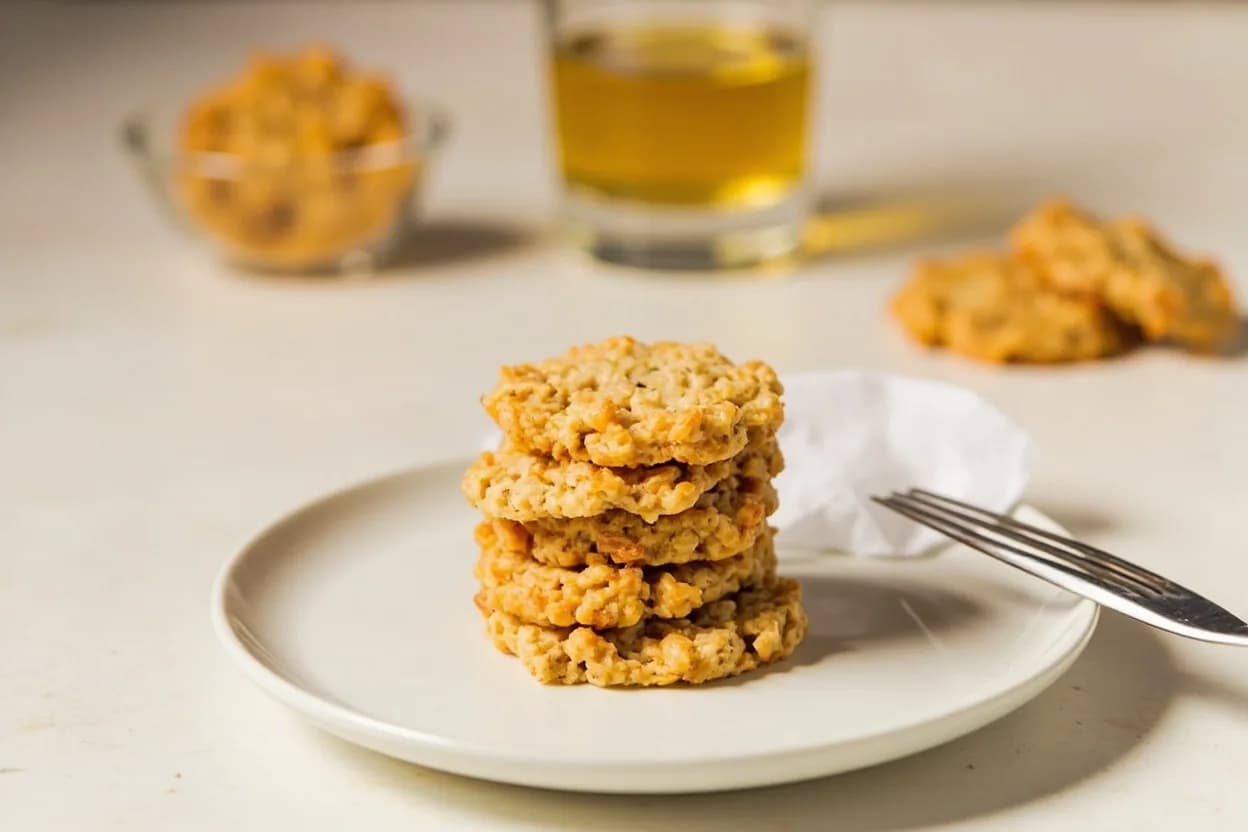
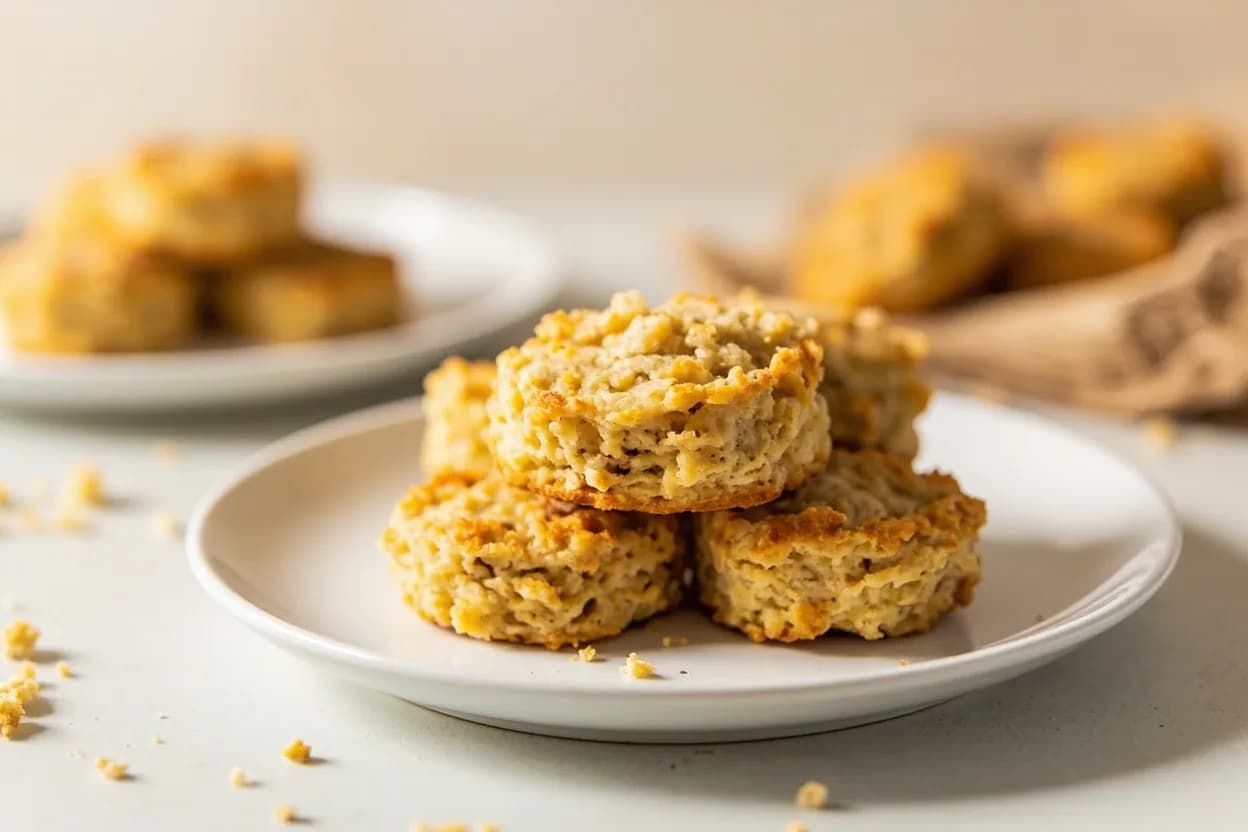
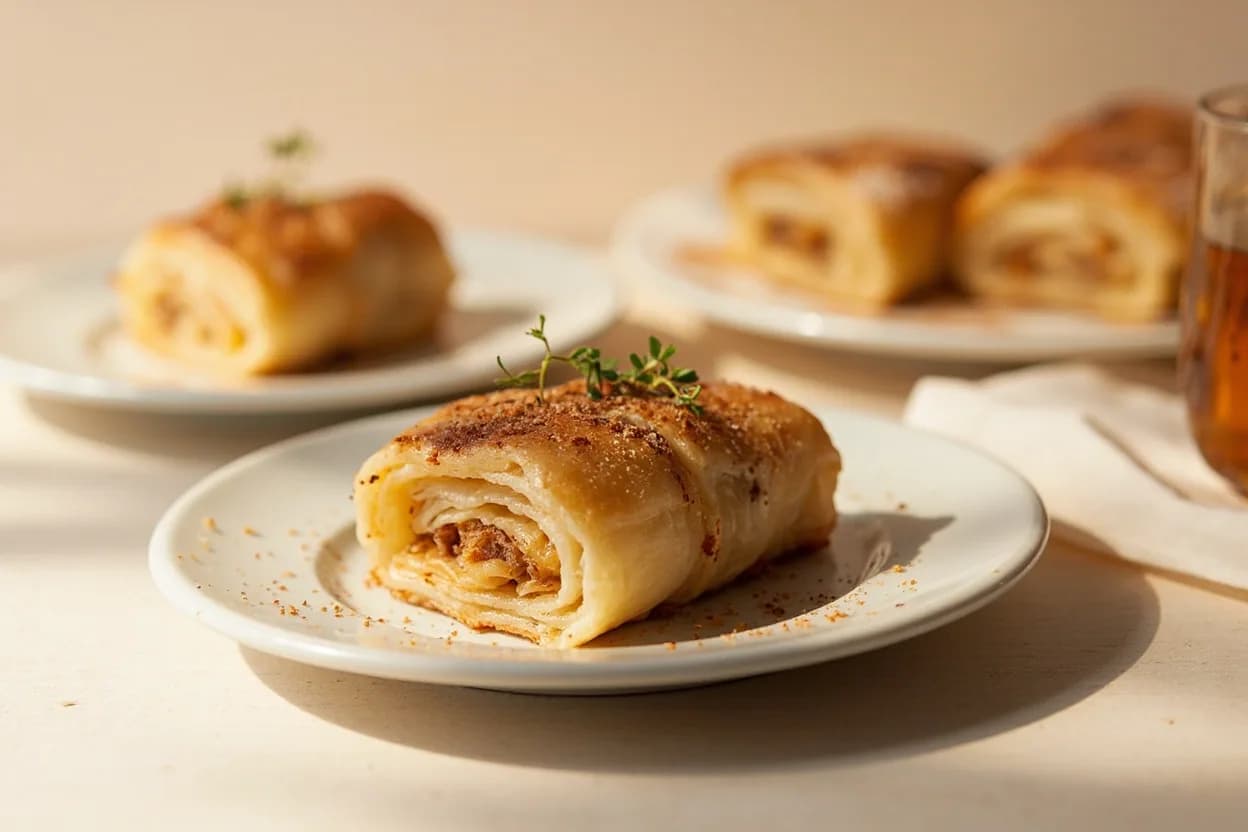
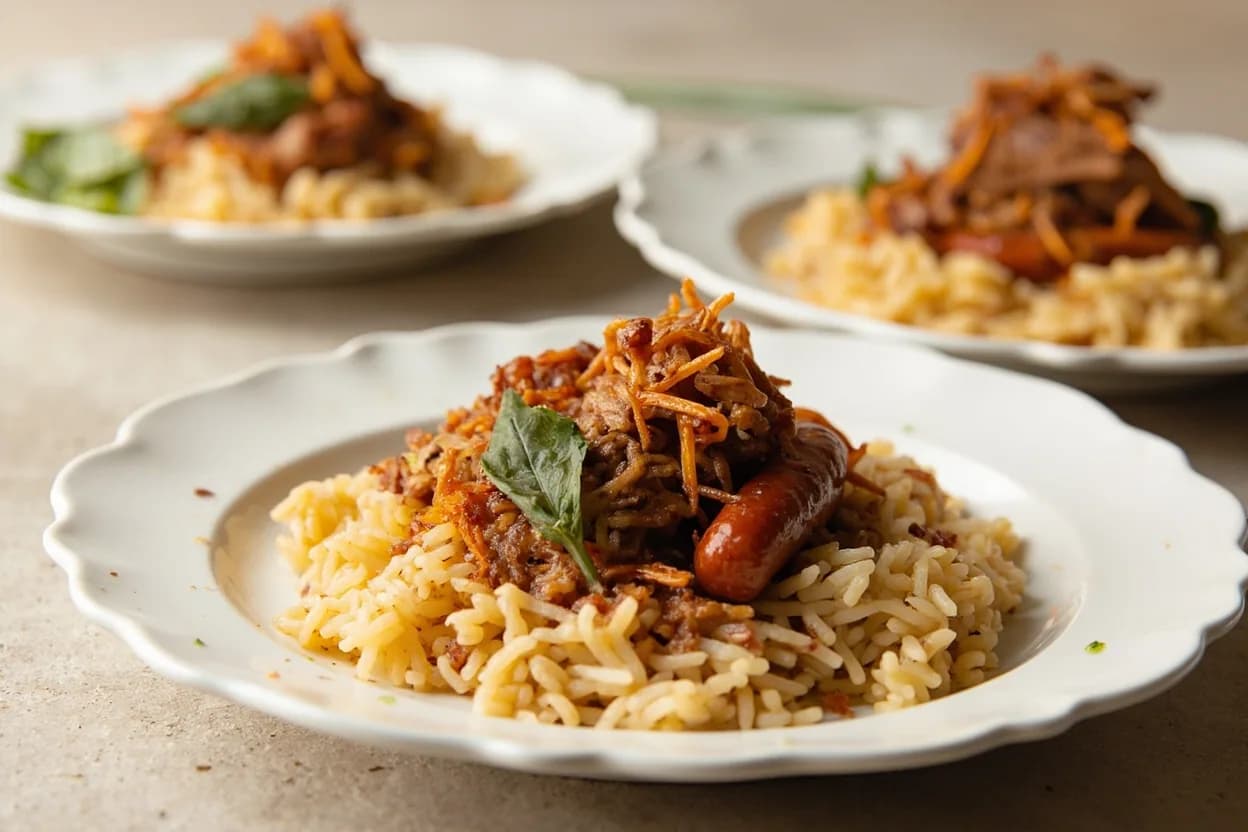
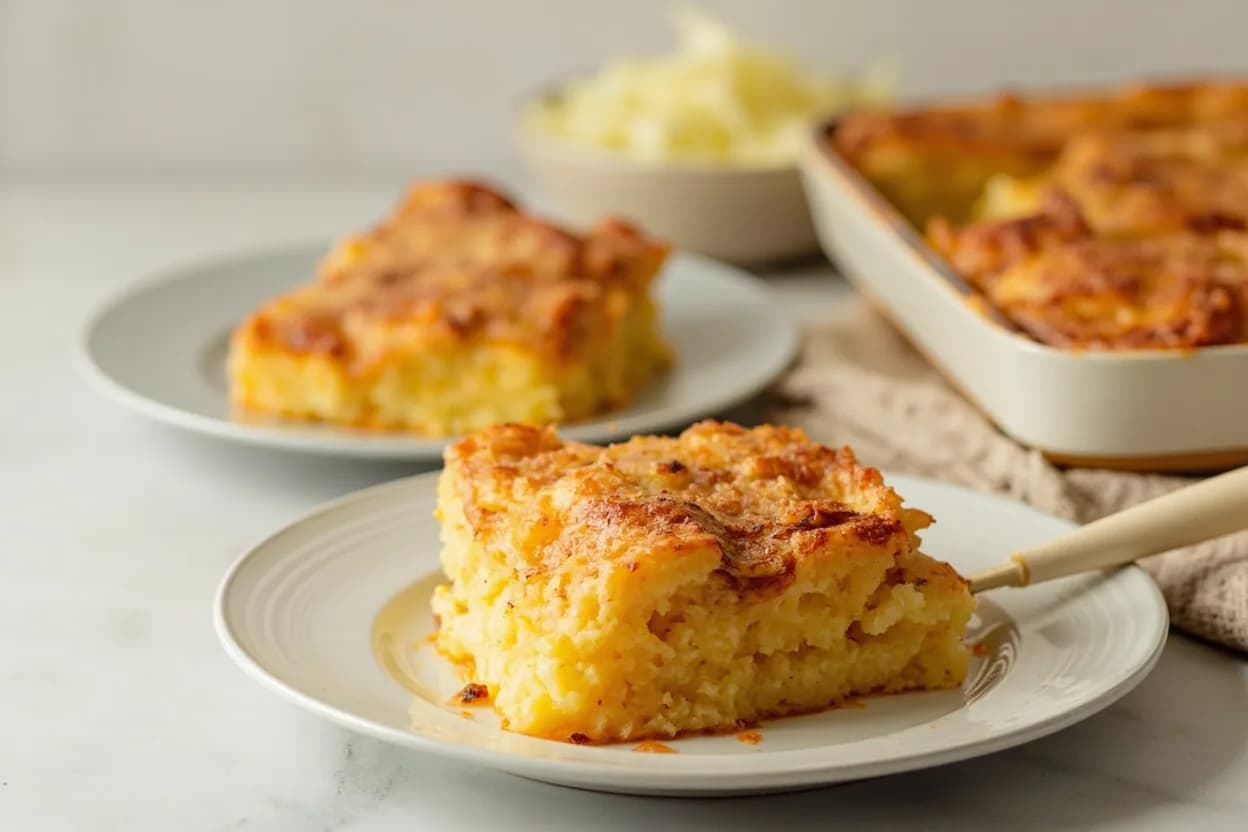
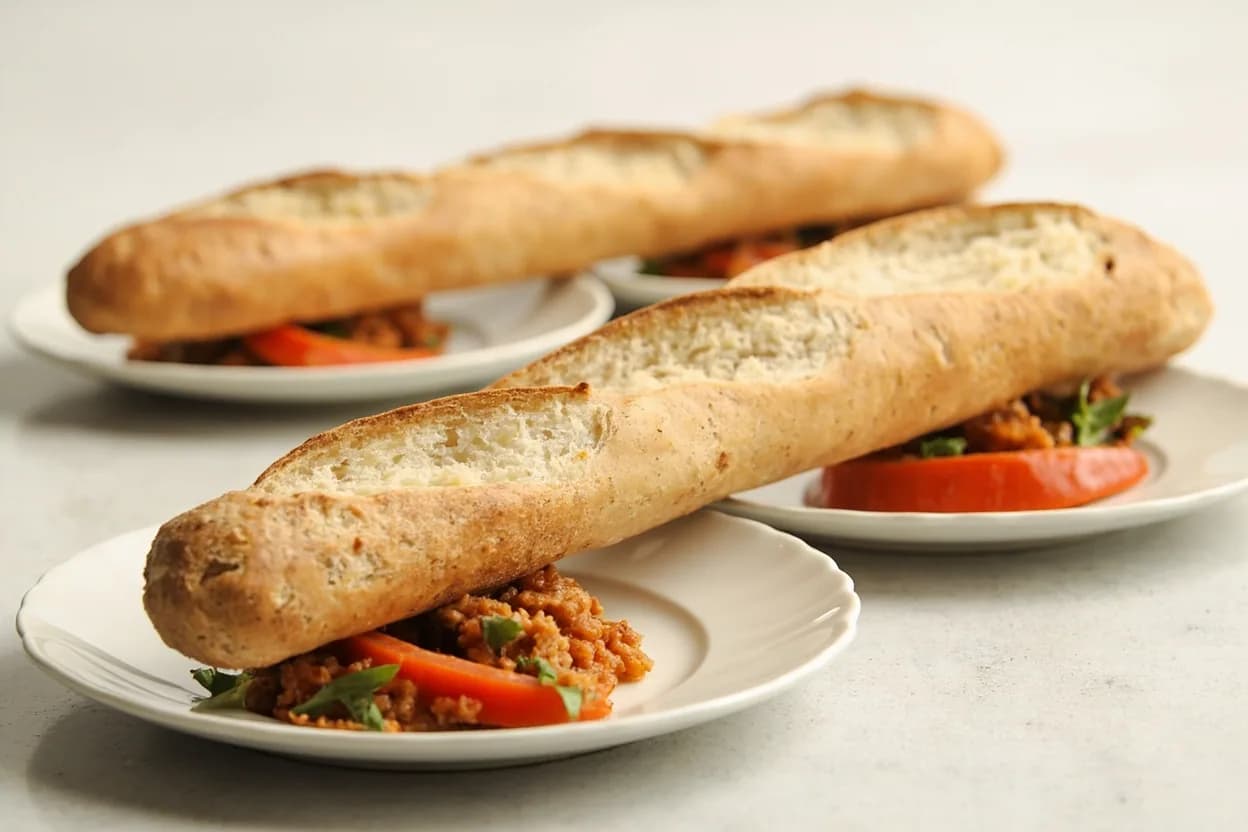
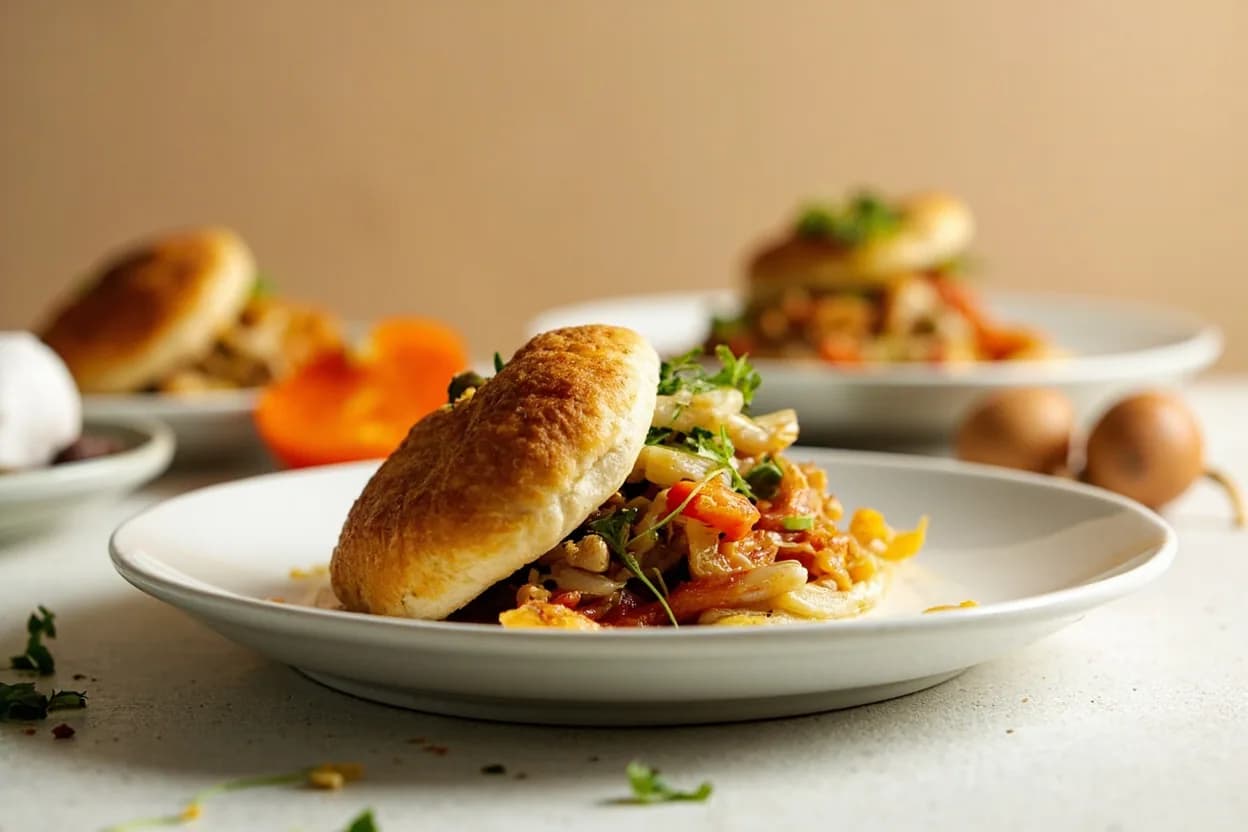
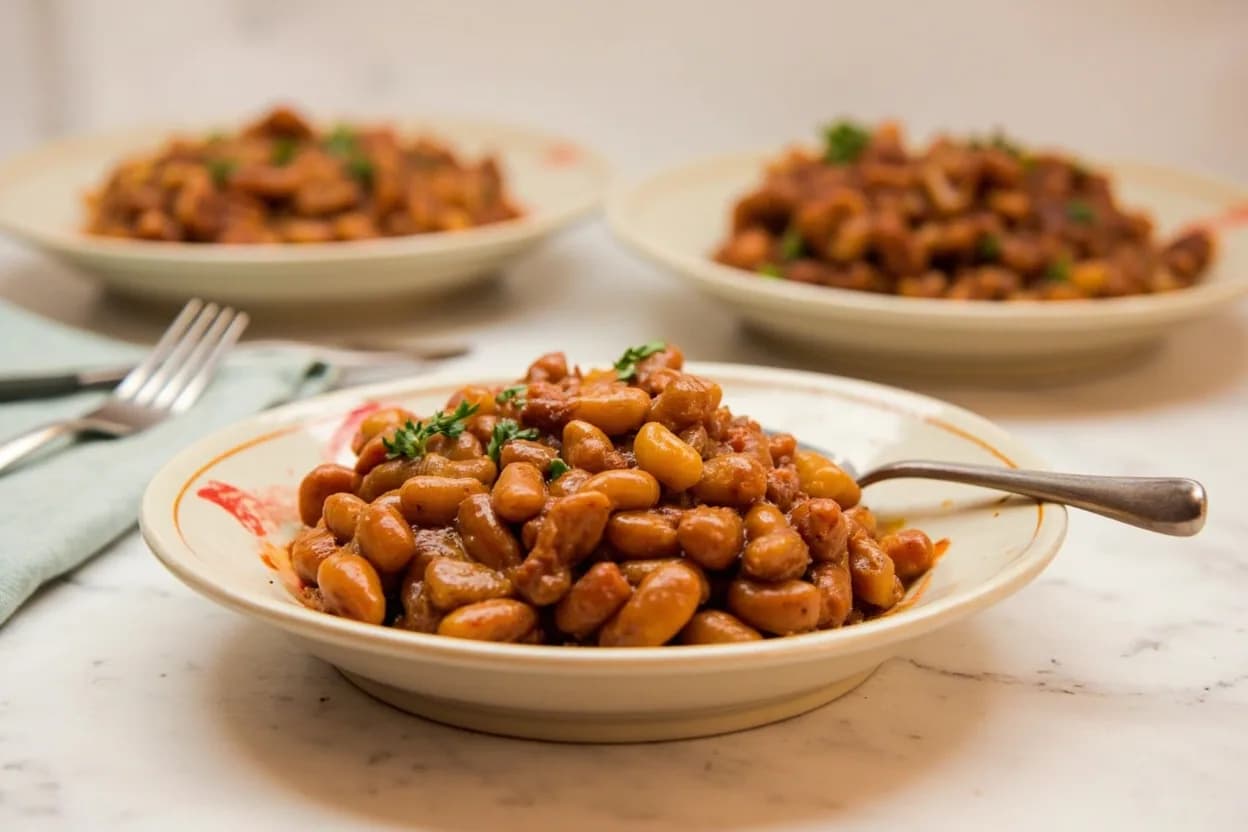
Dishes that rely on it
Related

Sear
Blast the surface hot for a deep-browned, savory crust

Sauté
Cook quickly in a little fat over lively heat, tossing as you go

Stir-Fry
Toss bite-sized pieces over roaring heat for fast, smoky cooking

Pan-Fry
Crisp food in a shallow layer of hot fat, turning once or twice

Deep-Fry
Submerge in hot oil for an all-over crackling crust

Roast
Cook uncovered in dry oven heat for browned edges and tender centers

Broil
Hit food from directly above with fierce overhead heat

Grill
Cook over live fire for char, smoke, and bar-marked edges