
Heat & Fire
Grill
Cook over live fire for char, smoke, and bar-marked edges
Grilling cooks food over an open flame or coals, lacquering the surface with char and smoke. It suits steaks, vegetables, and anything that benefits from a kiss of fire. Build two heat zones so you can sear over the hottest coals and move food to gentler heat to finish.
Grilling cooks over a live, radiant heat source — wood coals, charcoal, or gas — close enough that the surface chars and the dripping fat flares into smoke that re-coats the food. Two things make grilling taste like grilling: the Maillard browning of high direct heat, and the aromatic compounds from fat and juices vaporizing on the hot coals and bathing the food in smoke. The defining skill is heat management. A single blast of high heat will char the outside before a thick cut is cooked through, so experienced grillers build distinct hot and cool zones and move food between them deliberately.
- Difficulty
- Intermediate
Types & varieties
Food sits right over the heat — fast, high, for thin or quick-cooking items.
Food sits beside, not over, the coals with the lid down — oven-like, for thick cuts and whole birds.
Sear over the hot side, then slide to the cool side to finish through without burning.
Real smoke and the highest searing heat; lump or briquette.
Fast, controllable, cleaner — less smoke flavor but easy zone control.
How to do it
- 1
Build two zones
Bank the coals to one side (or leave a burner off) so you have a hot direct zone and a cooler indirect zone.
- 2
Get the grate hot and clean
Preheat with the lid down, then scrape the grate clean and oil it lightly with a rag.
- 3
Dry and oil the food
Pat food dry, brush it (not the grate) lightly with oil, and season just before it goes on.
- 4
Sear over direct heat
Lay food over the hot zone for crust and grill marks; rotate 45° once for crosshatch if you like.
- 5
Move to indirect to finish
Slide thicker cuts to the cool zone, lid down, to cook through gently without scorching.
- 6
Manage flare-ups
If fat ignites, move food to the cool zone and let the flames die — don't douse with water.
- 7
Check temperature
Use an instant-read thermometer at the thickest point; pull a few degrees early for carryover.
- 8
Rest
Tent and rest meat so juices settle before slicing.
Direct vs. indirect
Direct heat browns fast but can outrun the interior; indirect heat cooks gently like a convection oven. Nearly everything thicker than about 2.5 cm benefits from searing direct then finishing indirect.
- Thin and fast (asparagus, shrimp, thin steaks): mostly direct.
- Thick and slow (bone-in chicken, roasts, ribs): mostly indirect.
- Lid down for indirect cooking — it traps convection heat and smoke.
Charcoal vs. gas
Charcoal burns hotter and gives genuine wood-smoke flavor, with a slower start and more cleanup. Gas lights instantly and dials in precisely but generates far less smoke. Neither is 'better' — choose by what you're cooking and how much control you want.
Grill marks and the char line
Those dark crosshatch marks are concentrated Maillard browning where the bars touch. They look beautiful but the flavor is in overall surface browning, not just the stripes — don't chase marks at the expense of even color.
Common uses
Tips & pitfalls
- Oil the food, not the grate — oil on a screaming grate just smokes and burns off.
- A clean, preheated grate is the difference between food that releases and food that tears.
- Resist the urge to flip constantly; let a crust form so it lifts cleanly.
- Keep a cool zone open as a safe harbor for flare-ups and overcooking pieces.
- Bring food close to room temperature before grilling so the inside isn't fridge-cold when the outside chars.
- Salt vegetables and oil them lightly so they char rather than dry out.
Good to know
- Heat source
- Charcoal, wood, or gas; live radiant heat
- Direct-zone temp
- 230–290°C (450–550°F) at the grate
- Best for
- Steaks, burgers, vegetables, kebabs, whole fish
- Setup
- Two-zone fire — hot side + cool side
- Key cue
- Clean grate, glossy fat, defined char marks
Also called
barbecue · char-grill
Dishes that rely on it
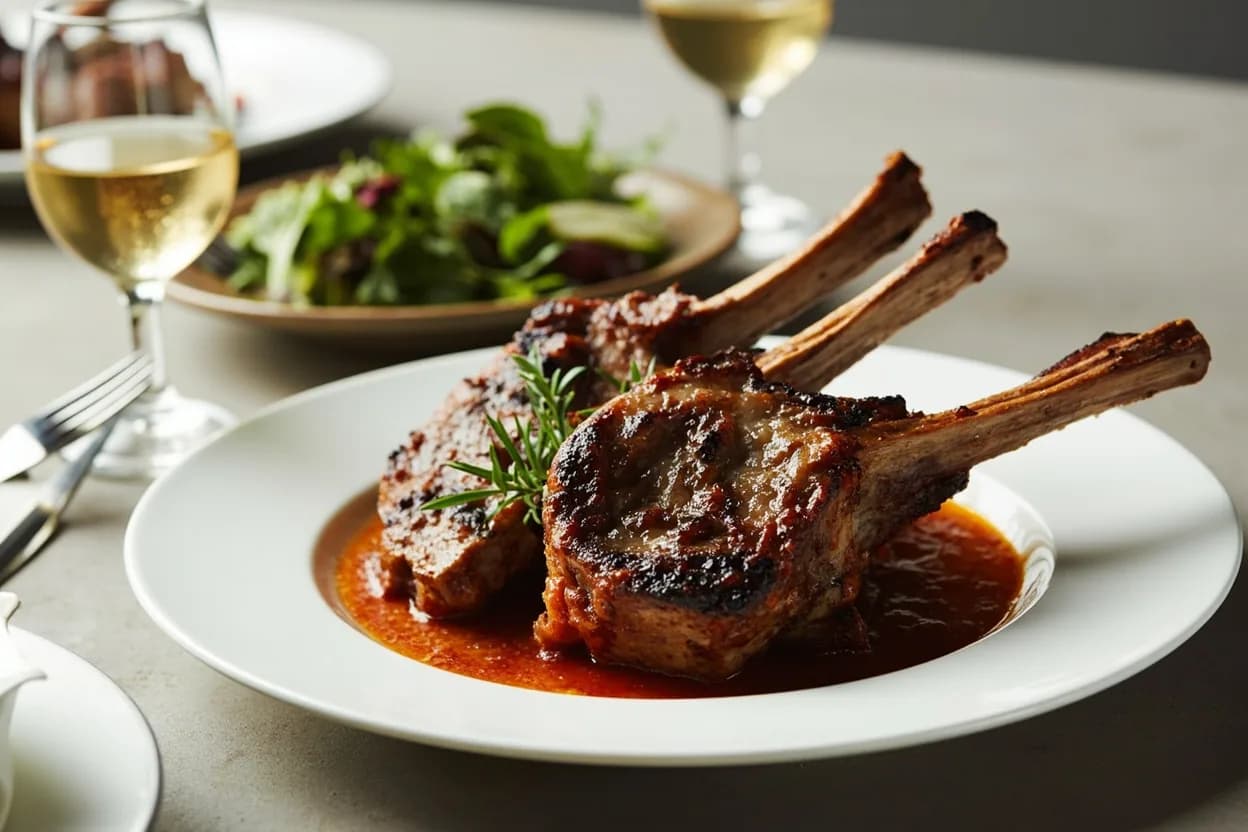
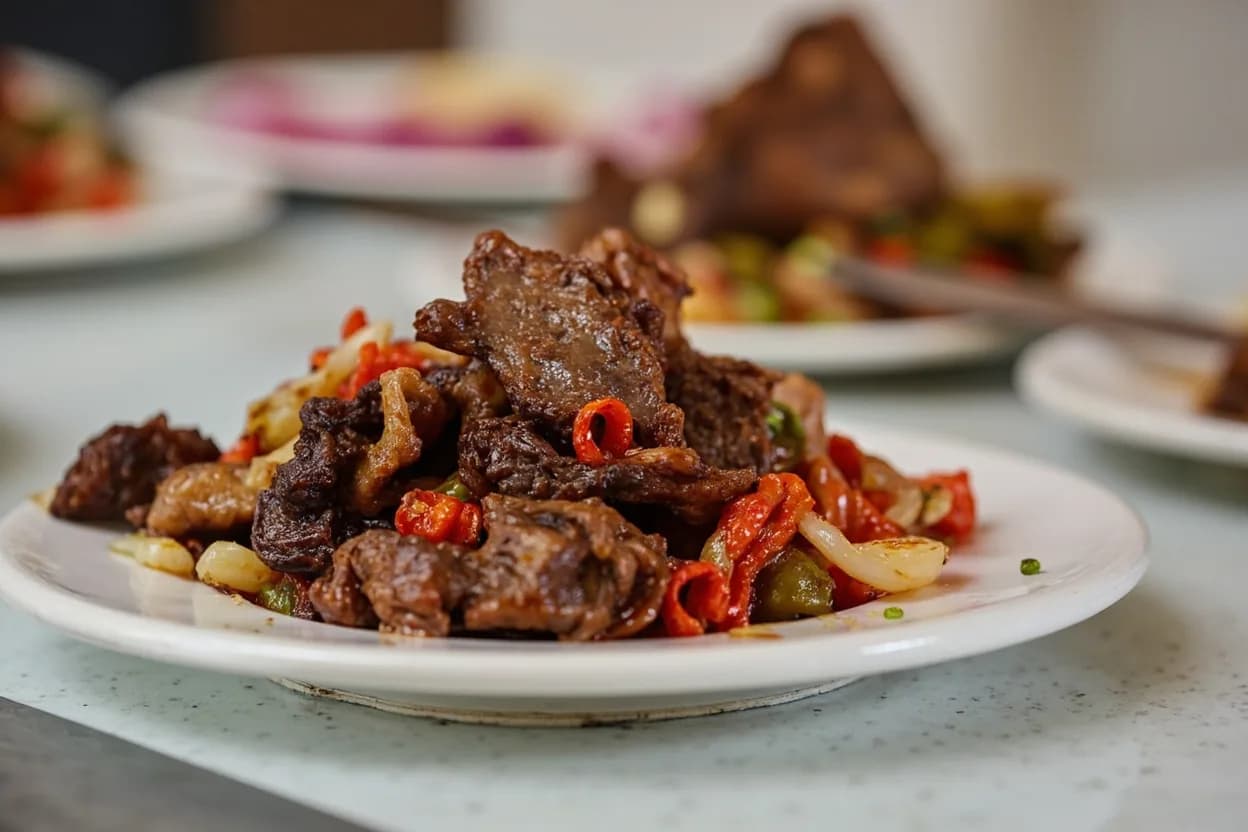
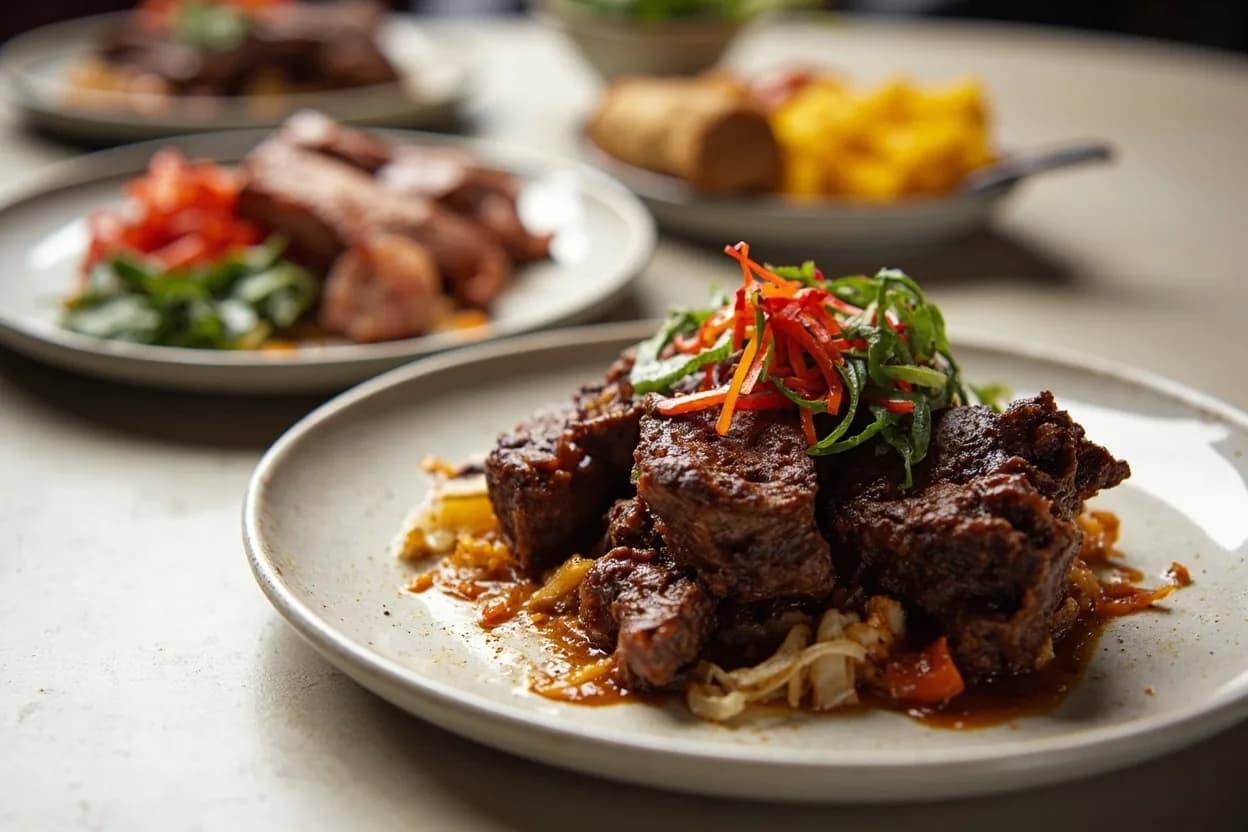
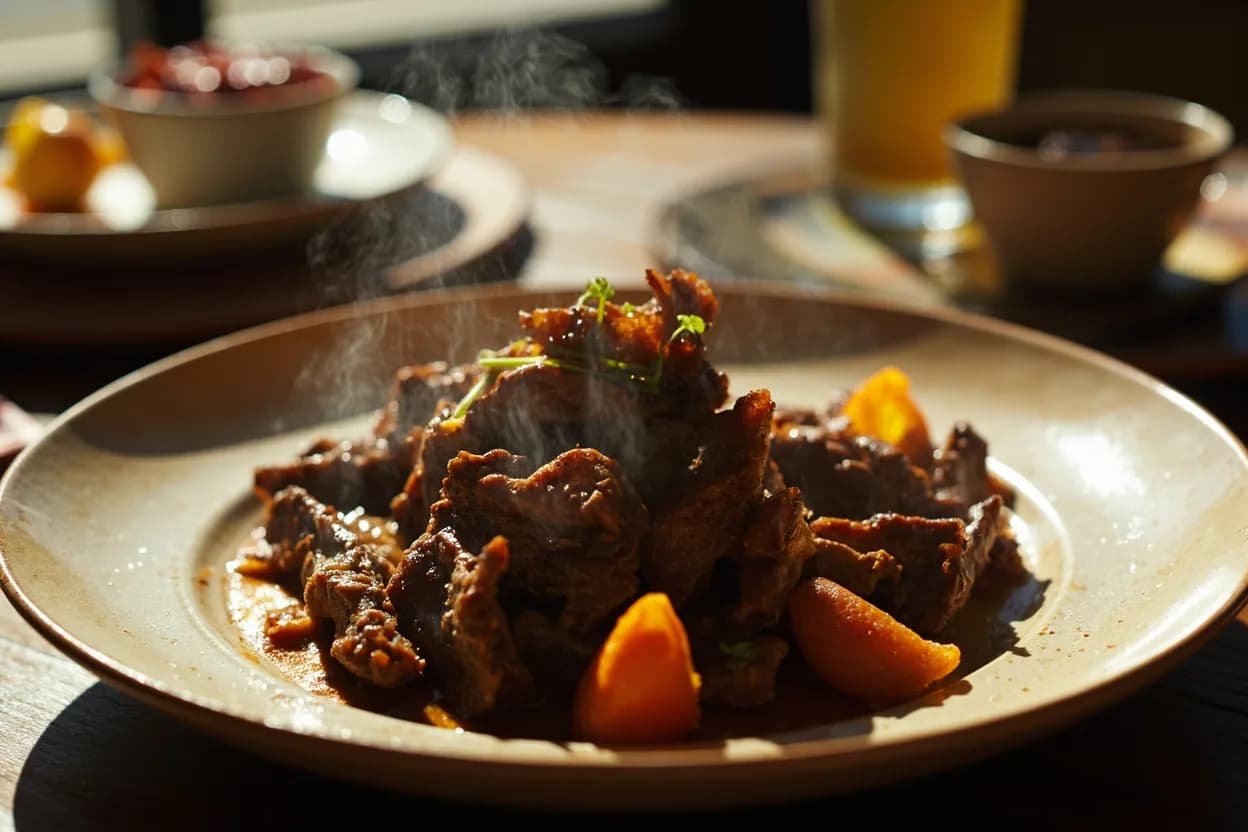
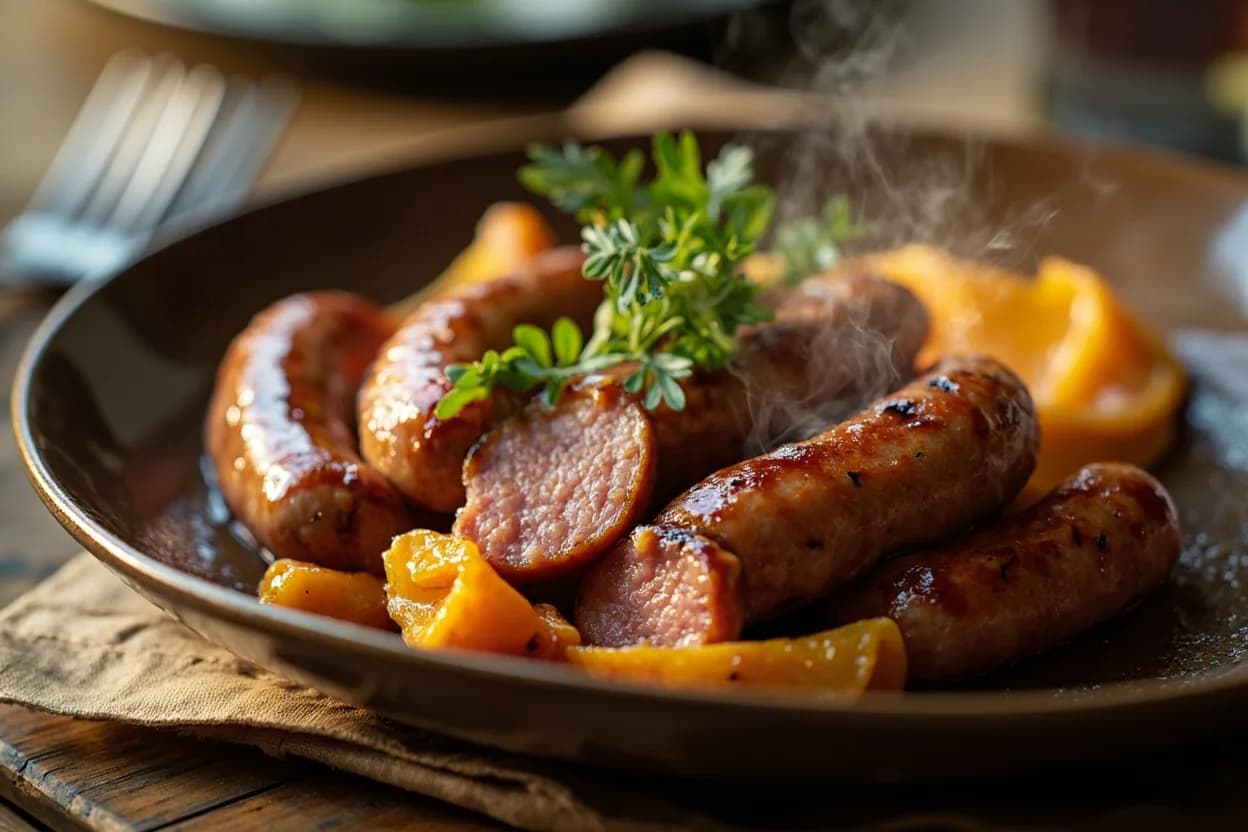
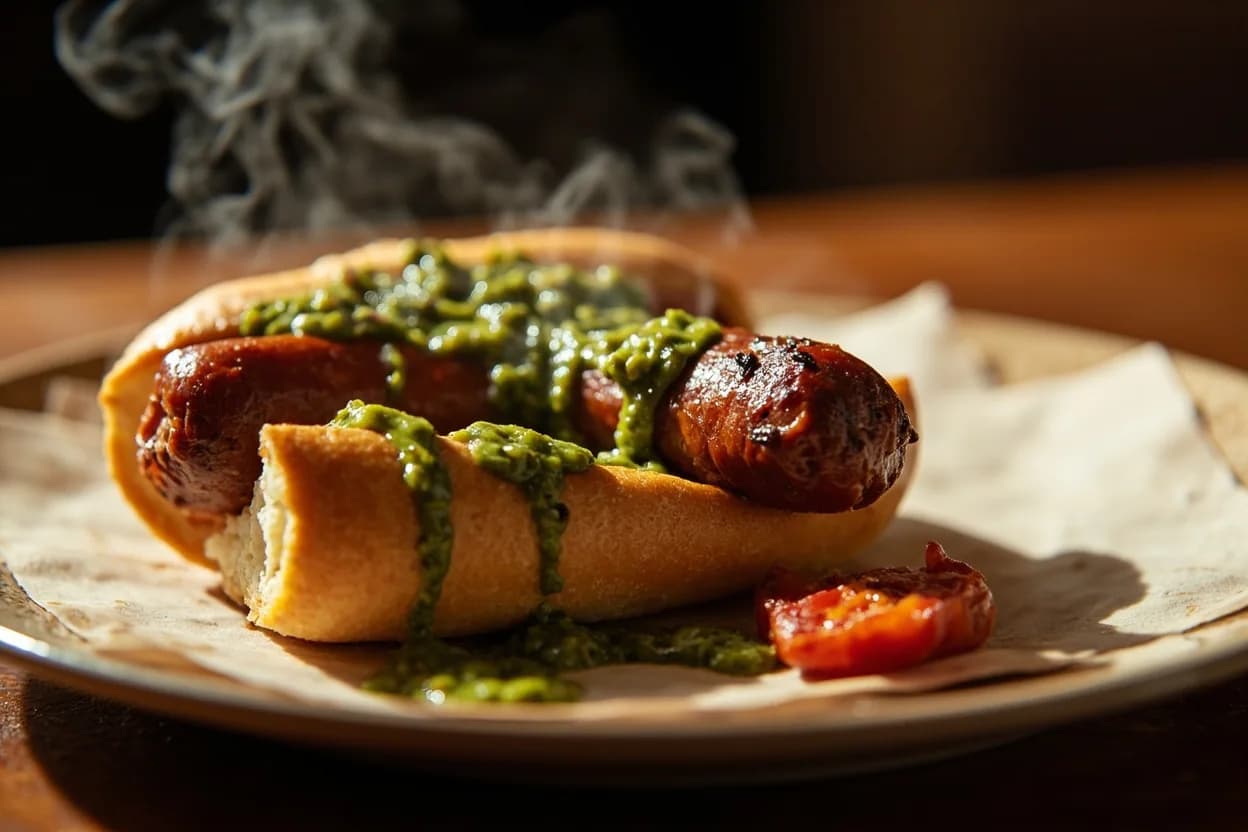

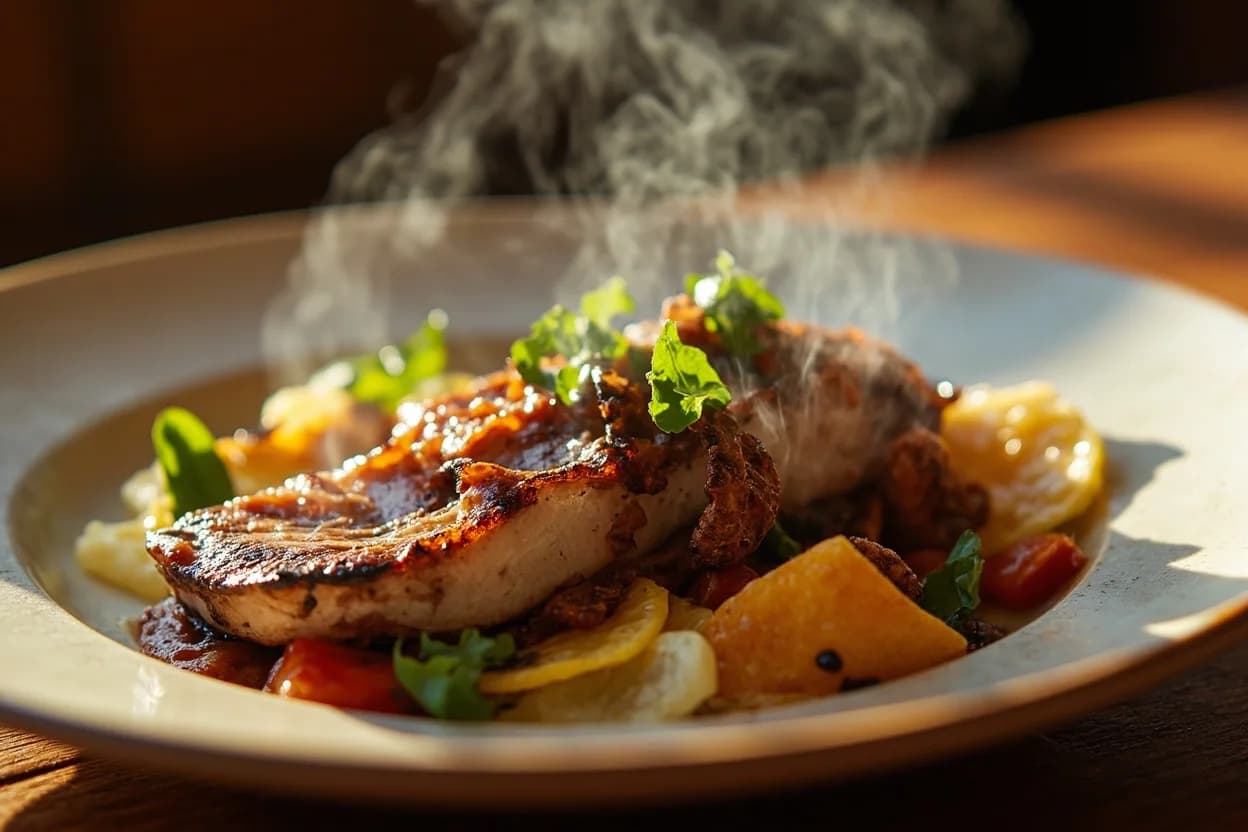
Related

Sear
Blast the surface hot for a deep-browned, savory crust

Sauté
Cook quickly in a little fat over lively heat, tossing as you go

Stir-Fry
Toss bite-sized pieces over roaring heat for fast, smoky cooking

Pan-Fry
Crisp food in a shallow layer of hot fat, turning once or twice

Deep-Fry
Submerge in hot oil for an all-over crackling crust

Roast
Cook uncovered in dry oven heat for browned edges and tender centers

Bake
Cook with steady, surrounding oven heat — the soul of bread and pastry

Broil
Hit food from directly above with fierce overhead heat