
Heat & Fire
Roast
Cook uncovered in dry oven heat for browned edges and tender centers
Roasting surrounds food with dry oven heat so the outside caramelizes while the inside cooks through. It's ideal for whole birds, large cuts, and vegetables you want browned and concentrated. Give the pieces room and don't open the door too often, so the heat stays steady.
Roasting surrounds food with dry, ambient oven heat so the exterior browns and caramelizes while the interior cooks through gently. It's the technique for whole birds, large cuts of meat, and vegetables you want concentrated and deeply browned. Roasting is a balance of two goals — a flavorful crust from Maillard browning on the surface, and an evenly cooked, juicy center — which is why higher heat and lower heat each have their place, and why a probe thermometer beats guessing every time.
- Difficulty
- Easy
Types & varieties
Hot and fast for vegetables and small cuts — maximum browning, crisp edges.
Gentle heat for big cuts, prized for even, tender interiors.
Slow-roast to just under target, then blast the heat to crisp the outside.
Flatten a bird so it roasts faster and more evenly.
Roasting meat on a slowly turning spit before the heat so it self-bastes in its rendering fat, giving evenly browned, crisp-skinned results.
Roasting at a low oven temperature over a long time so the interior cooks evenly to a uniform doneness, then searing briefly for color.
How to do it
- 1
Bring to room temperature
Let large cuts sit out 30–60 minutes so they cook evenly instead of cold in the center.
- 2
Dry, season, and oil
Pat the surface bone-dry, season generously (salt ahead for meat), and coat lightly with fat for browning.
- 3
Preheat fully
Get the oven to temperature and arrange food on a rack so hot air circulates underneath.
- 4
Roast undisturbed
Keep the door shut to hold steady heat; resist basting too often, which cools and steams the surface.
- 5
Probe for doneness
Check internal temperature in the thickest part and pull about 3–5°C / 5–10°F below the target (more for large cuts), since the temperature keeps climbing during the rest.
- 6
Rest before carving
Tent loosely and rest 10–20 minutes so juices redistribute instead of running out.
Carryover and resting
A roast keeps cooking after it leaves the oven: residual heat from the surface drives inward, raising the center another 3–8°C / 5–15°F depending on size. Pull large cuts that much below your target. Resting also lets muscle fibers relax and reabsorb juices that high heat pushed to the center — carve too soon and that liquid floods the board instead of staying in the meat.
Common uses
Tips & pitfalls
- Salt meat hours or a day ahead for seasoning that reaches the interior and a drier, crispier surface.
- Give vegetables room on the pan; crowding traps steam and prevents browning.
- Trust an instant-read thermometer over time charts — every oven and cut differs.
- Save the pan drippings (fond) for gravy or a pan sauce.
Good to know
- Heat level
- Moderate to high, often 175–230°C / 350–450°F
- Best for
- Whole birds, large cuts, root and dense vegetables
- Equipment
- Sturdy roasting pan, rack, instant-read thermometer
- Fat needed
- A coating to help browning; not submerged
- Time
- 20 minutes to several hours by size
Also called
oven-roast
Dishes that rely on it
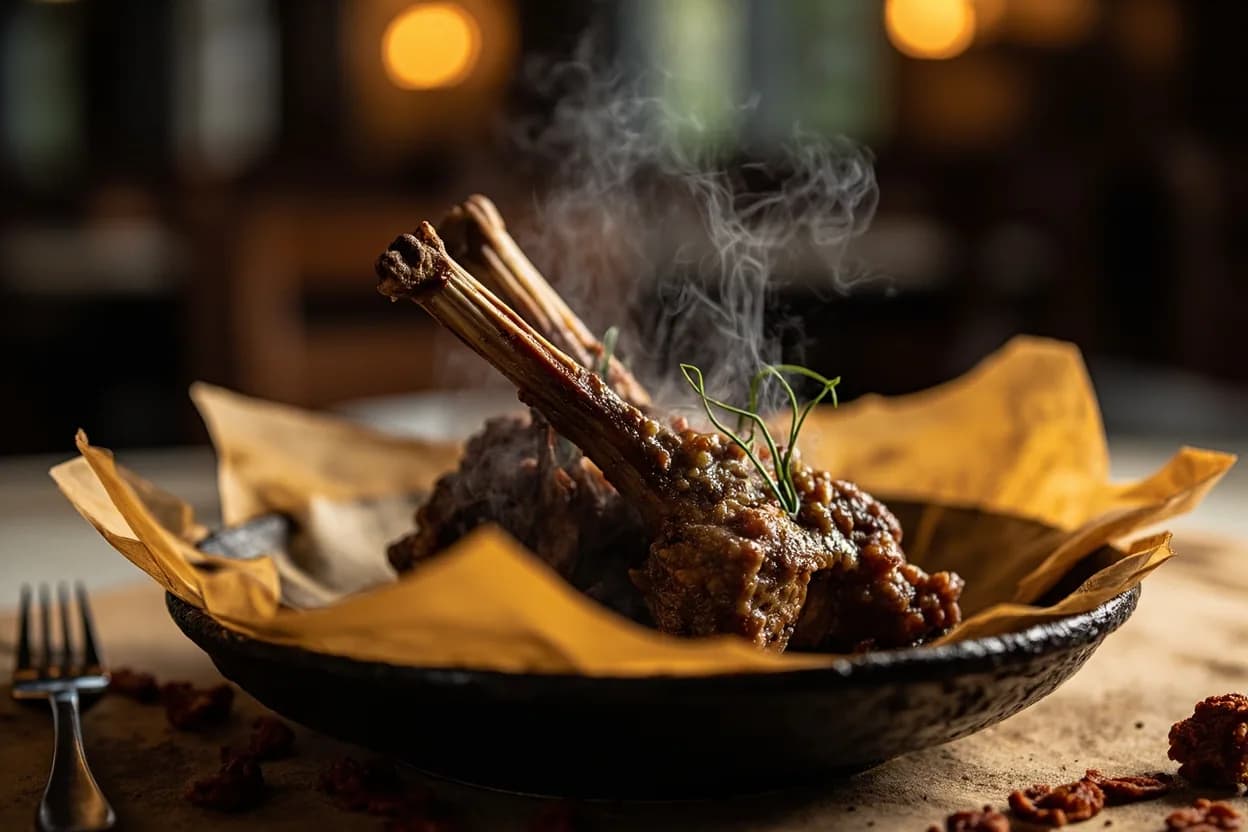
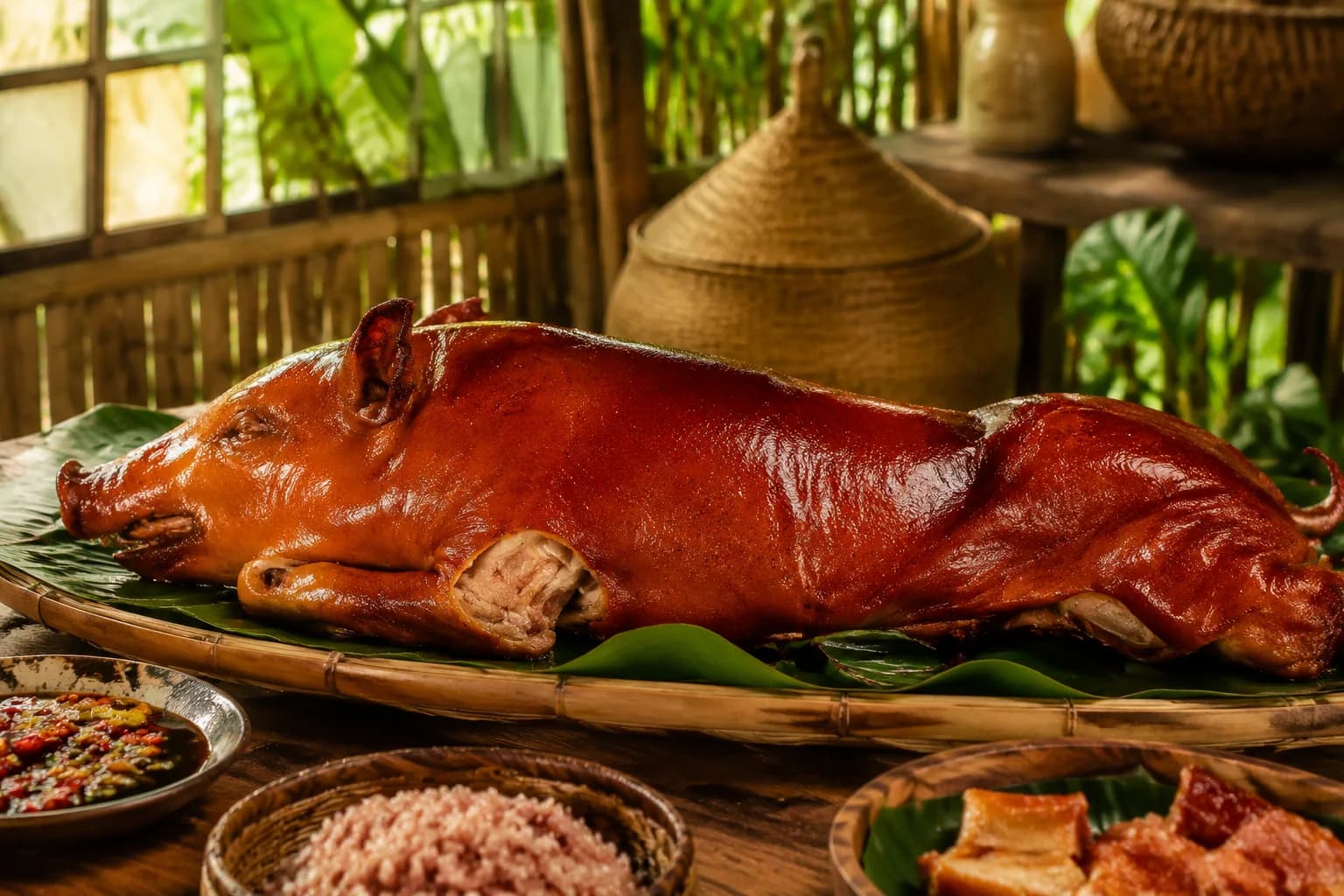
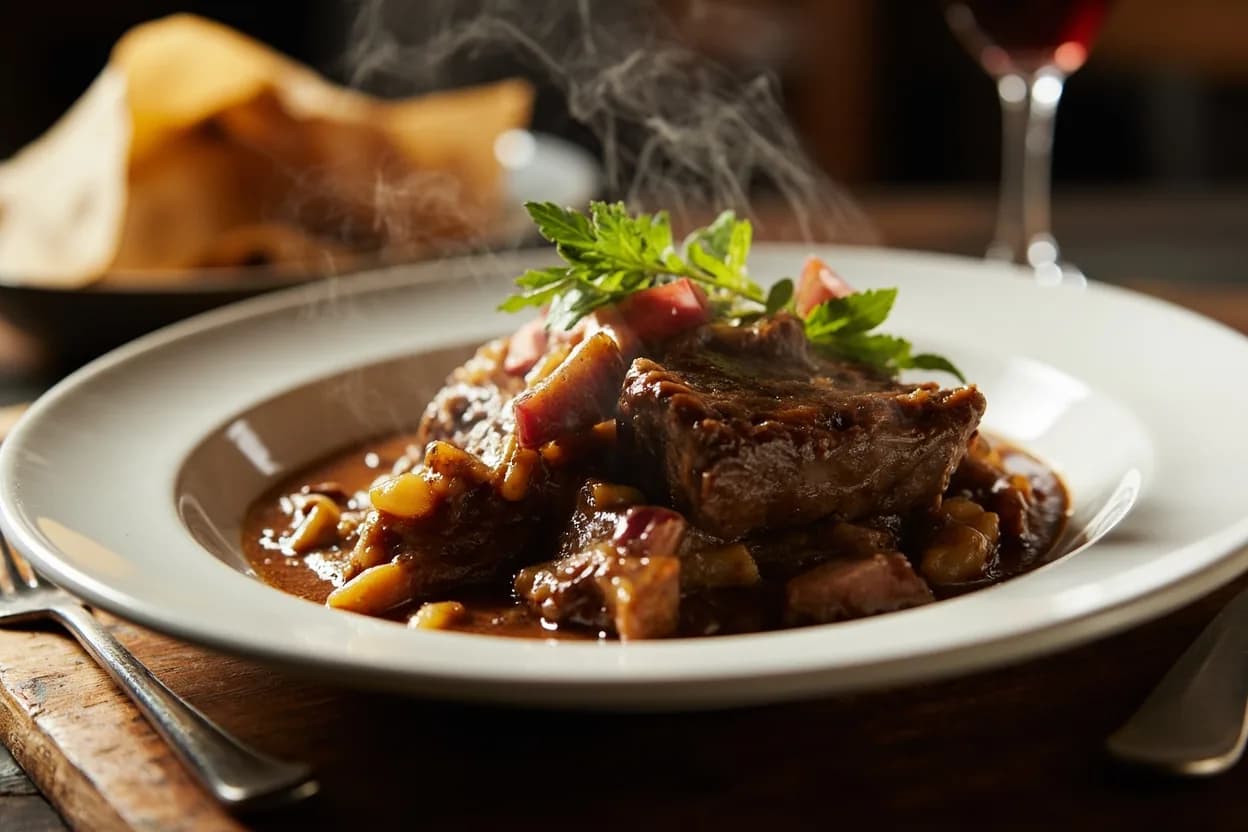
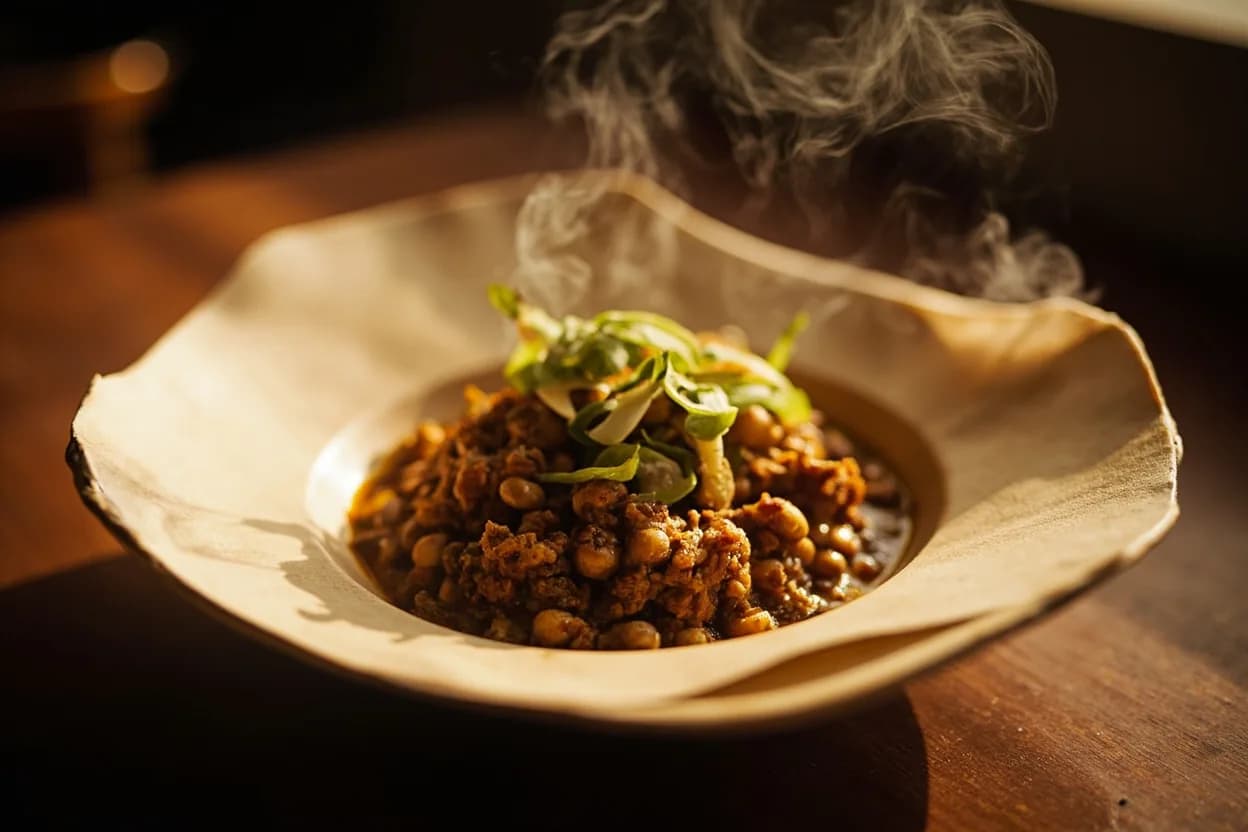
Related

Sear
Blast the surface hot for a deep-browned, savory crust

Sauté
Cook quickly in a little fat over lively heat, tossing as you go

Stir-Fry
Toss bite-sized pieces over roaring heat for fast, smoky cooking

Pan-Fry
Crisp food in a shallow layer of hot fat, turning once or twice

Deep-Fry
Submerge in hot oil for an all-over crackling crust

Bake
Cook with steady, surrounding oven heat — the soul of bread and pastry

Broil
Hit food from directly above with fierce overhead heat

Grill
Cook over live fire for char, smoke, and bar-marked edges