
Heat & Fire
Sear
Blast the surface hot for a deep-browned, savory crust
Searing drives a screaming-hot pan against the surface of meat or fish to build a brown, flavor-dense crust through the Maillard reaction. Reach for it whenever you want depth before the interior finishes by gentler heat. Dry the surface first and don't crowd the pan, or you'll steam instead of brown.
Searing is the deliberate sacrifice of a thin outer layer to the highest heat your pan can give, trading a few millimeters of surface for a crust dense with savory, roasted, almost meaty flavor. That browning is the Maillard reaction — a cascade of reactions between amino acids and sugars that only fires meaningfully above about 140°C (285°F) and accelerates toward 180°C. Because water boils away long before browning begins, the single most important thing you can do is start with a bone-dry surface: every drop of surface moisture must evaporate before the temperature can climb into the browning range, and a wet steak will steam, gray and limp, instead of crusting.
- Difficulty
- Easy
Types & varieties
The everyday version — hot skillet, thin film of oil, one or two flips.
Cook low in a 110–135°C oven first, then sear the surface; edge-to-edge pink, deepest crust.
Tilt the pan and spoon foaming butter, garlic and thyme over the top to brown and perfume.
Maximum heat, minimum movement — for a thick crust on a well-rested steak.
A fast, blistering finish on protein already cooked through in a water bath.
How to do it
- 1
Dry thoroughly
Pat the surface bone-dry with paper towel; salt at least 40 minutes ahead (or right before), never in the wet window between.
- 2
Preheat the pan
Heat a heavy skillet over medium-high until a drop of water skitters and evaporates instantly — usually 3–5 minutes.
- 3
Add fat
Film the pan with a high-smoke-point oil and let it shimmer, just to the edge of smoking.
- 4
Lay it down away from you
Place the food in the pan and press it flat for full contact; you want an immediate, aggressive sizzle.
- 5
Leave it alone
Don't move or peek for 2–3 minutes — the crust needs uninterrupted contact, and it will release on its own when ready.
- 6
Flip once
Turn when the underside is deeply browned and the food lifts without sticking; sear the second side.
- 7
Baste and finish
Add butter, garlic and herbs, tilt the pan, and spoon the foaming fat over the top for the last minute.
- 8
Rest
Let meat rest 5–10 minutes so juices redistribute before slicing.
The science (and the myth)
Searing does not 'seal in juices' — that idea was disproven decades ago; a seared steak loses about as much moisture as an unseared one. What searing actually delivers is flavor and texture from the Maillard reaction. Treat it as a flavor step, not a moisture step.
- Browning needs a surface above ~140°C (285°F), which is why a dry surface matters most.
- Crowding drops the pan temperature and traps steam — brown in batches.
- A cold pan or cold oil gives you a gray, stuck-on result.
Choosing your pan
You want mass and even heat: cast iron and carbon steel hold temperature when cold food hits them, where thin nonstick crashes and stalls. Stainless triply works well too. Avoid nonstick for high searing — the coating degrades past about 230°C.
Doneness cues
Go by feel and temperature, not the clock. Pull beef around 49–52°C for rare to medium-rare; it climbs 3–5° while resting (carryover). Scallops and tuna are seared on the outside and left translucent within.
Common uses
Tips & pitfalls
- If it sticks, it isn't ready to flip — proteins release themselves once the crust forms.
- Salt early (40+ min) or right before searing; salting 5 minutes ahead draws moisture to the surface and ruins the crust.
- Use neutral oil for the sear and add butter only at the end — butter's milk solids burn at high heat.
- A splatter screen, not a lid; a lid traps steam and softens your crust.
- Rest meat on a wire rack, not a plate, so the underside doesn't steam soggy.
Good to know
- Heat level
- High, pan at 200–230°C (400–450°F)
- Best for
- Steaks, chops, scallops, duck breast, tuna
- Equipment
- Heavy cast-iron or carbon-steel skillet
- Fat
- High-smoke-point oil; finish with butter
- Time
- 2–4 min per side for a thick cut
- Key cue
- Dry surface, loud sizzle, no crowding
Also called
pan-sear
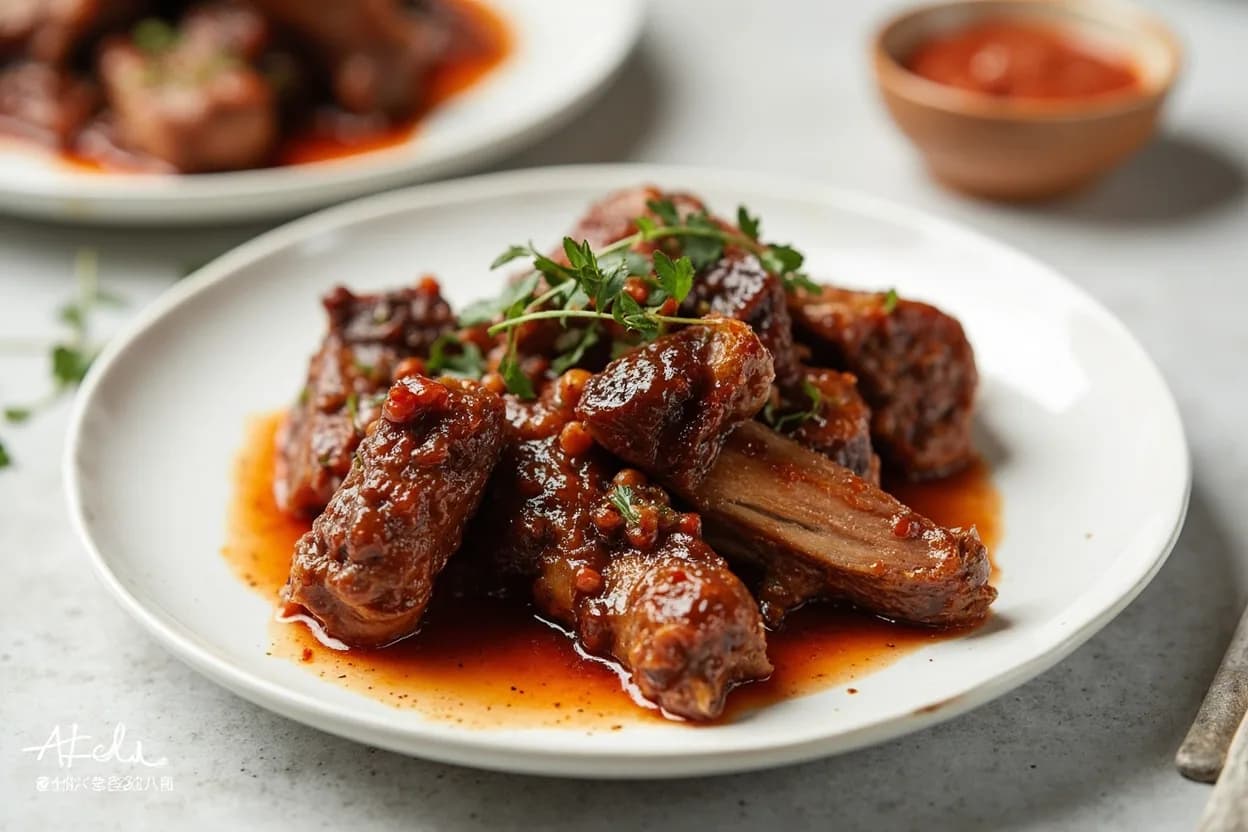
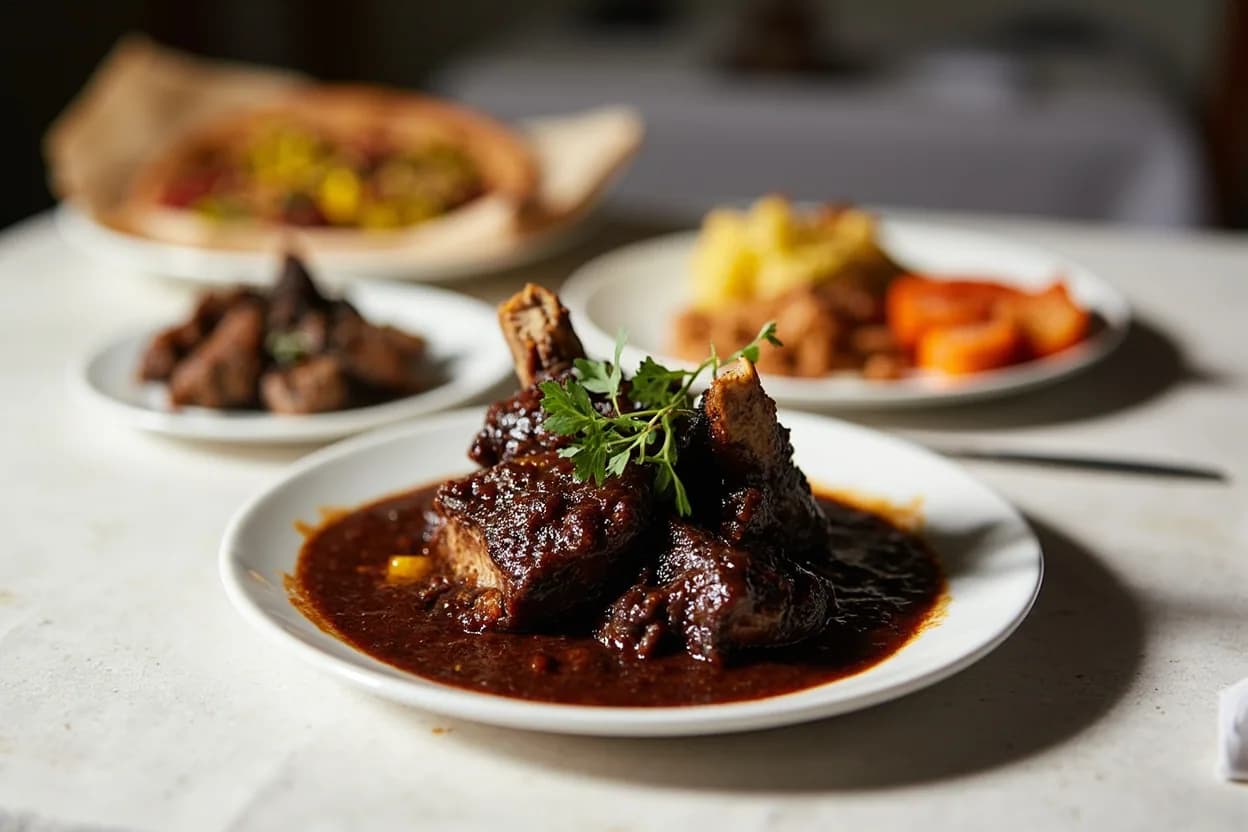
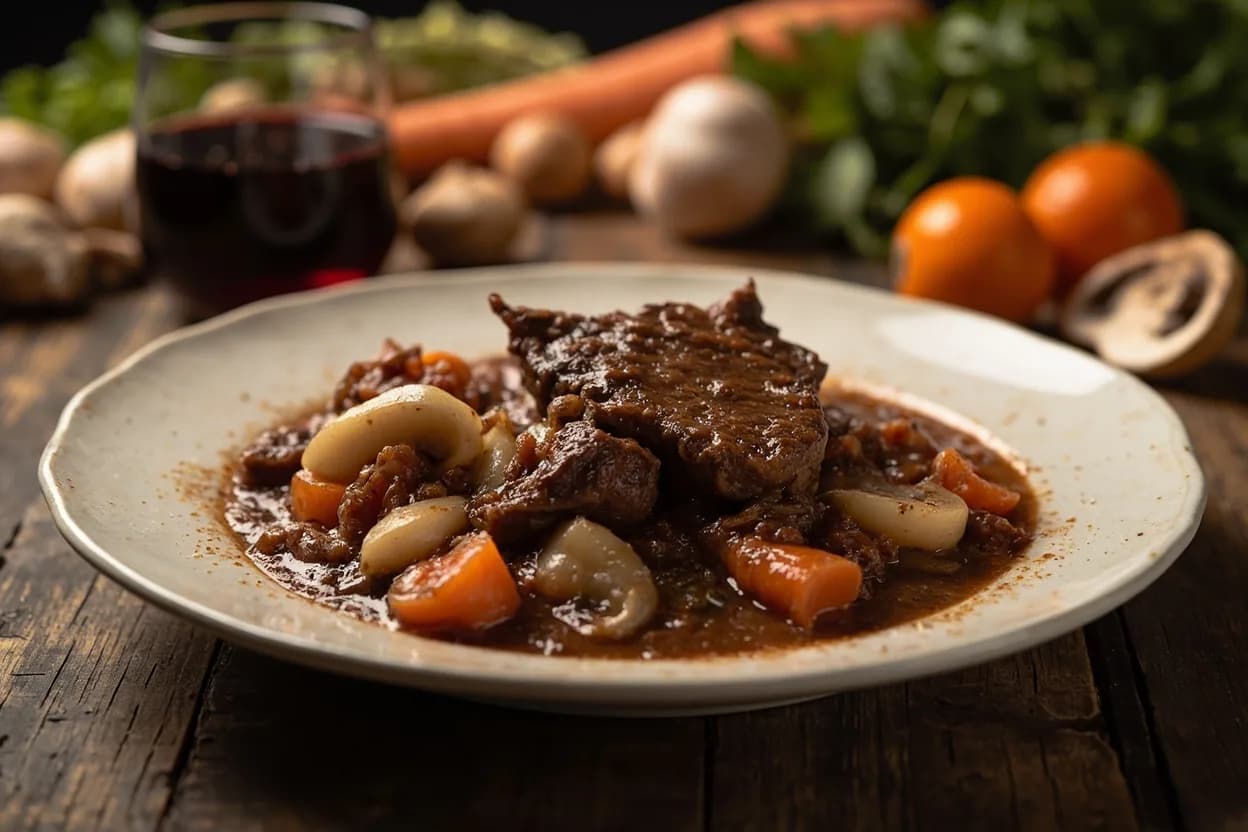
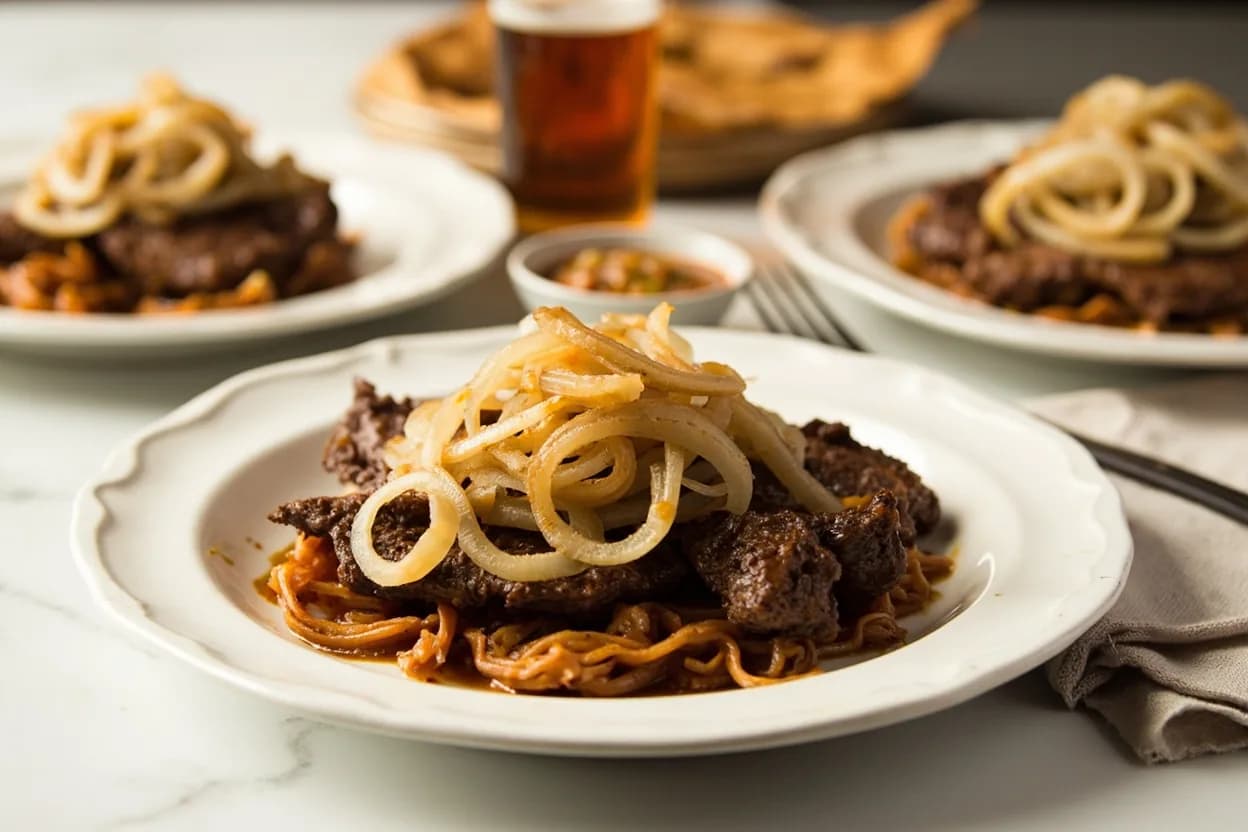
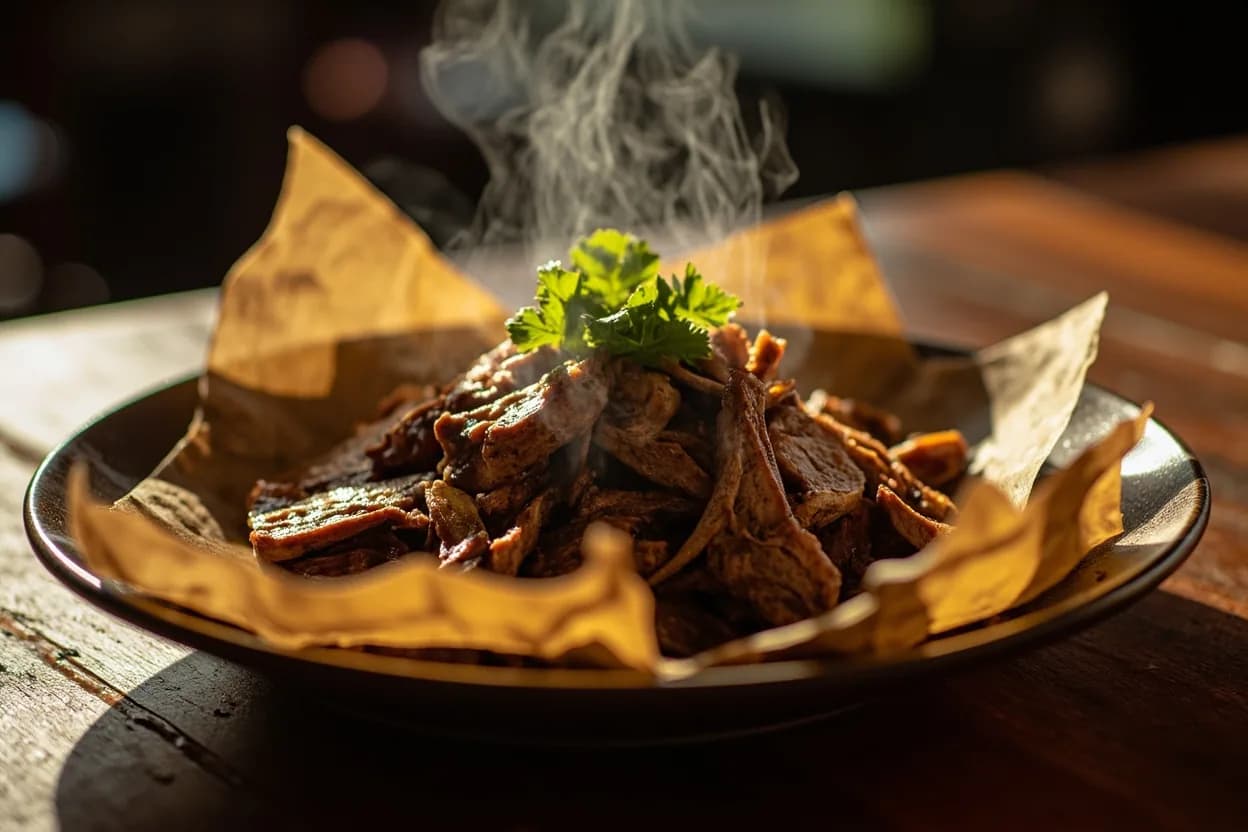
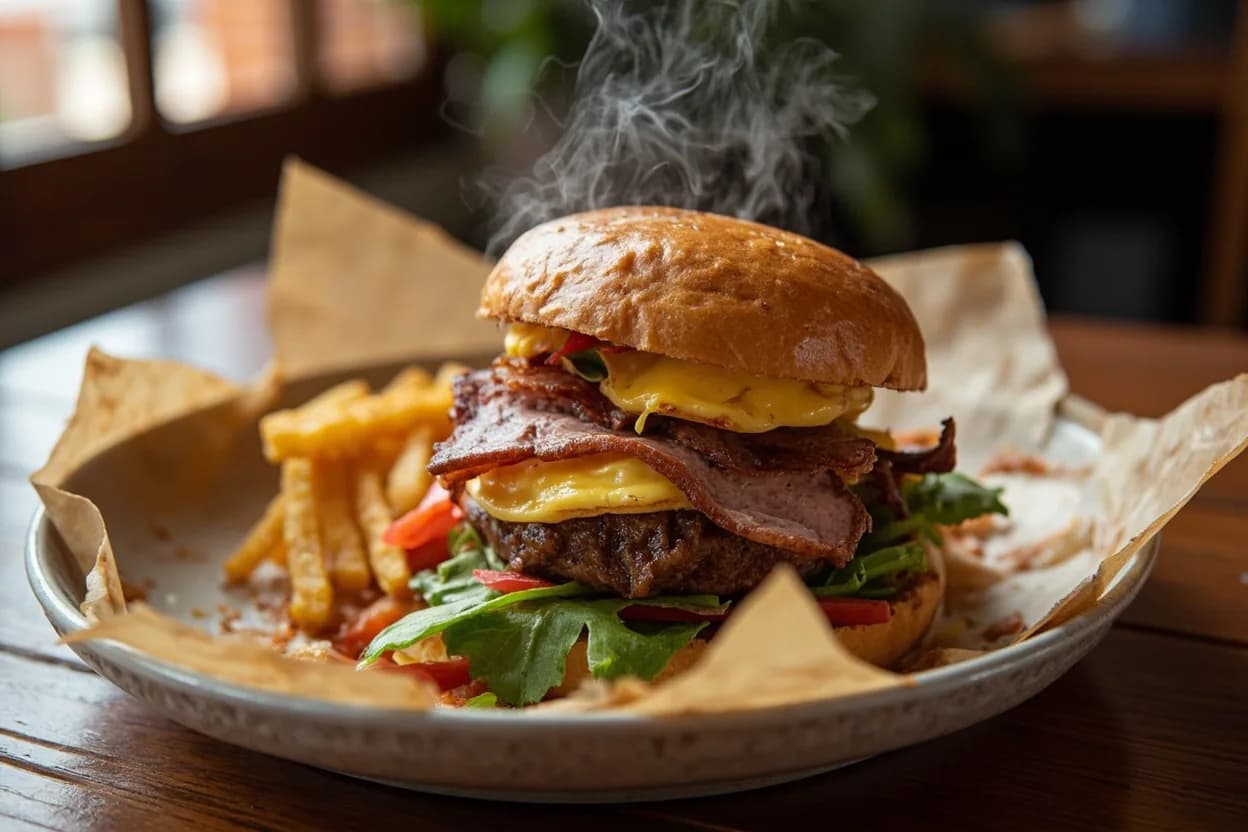
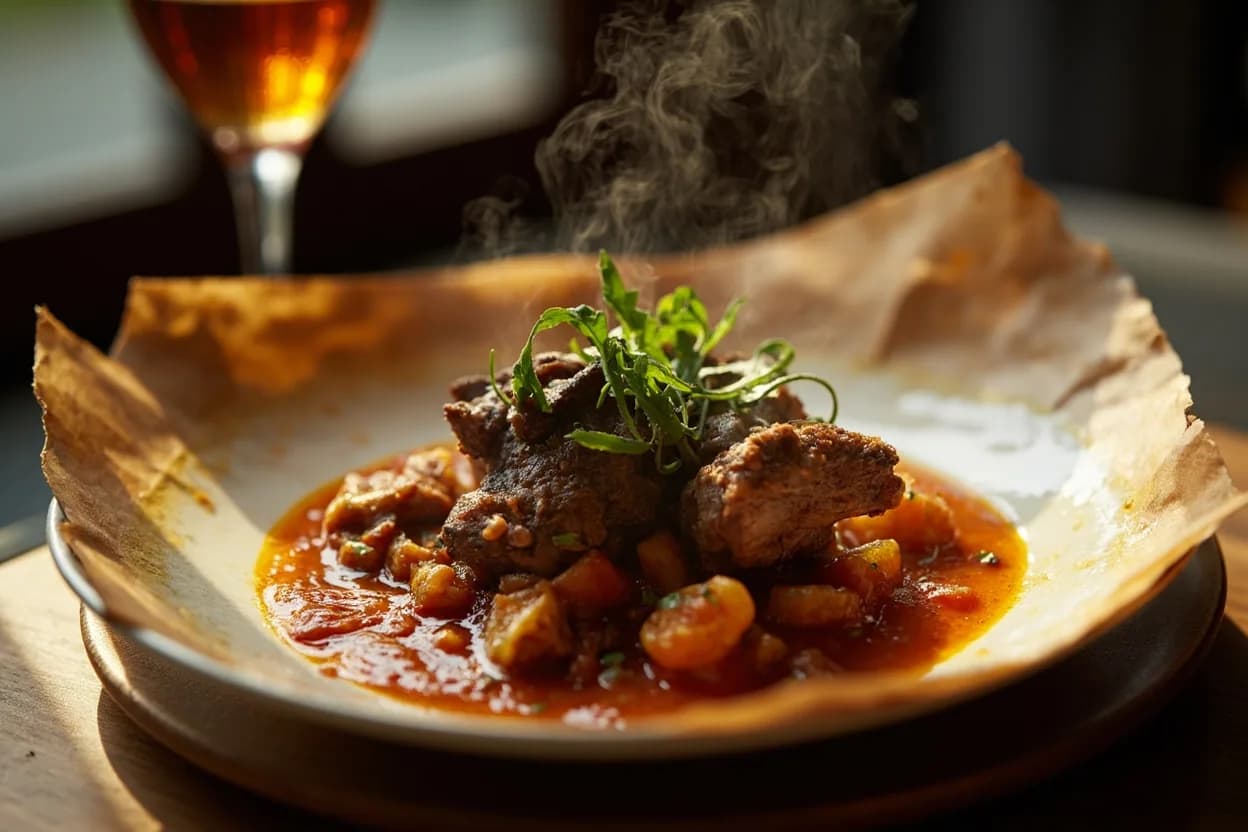
Dishes that rely on it
Related

Sauté
Cook quickly in a little fat over lively heat, tossing as you go

Stir-Fry
Toss bite-sized pieces over roaring heat for fast, smoky cooking

Pan-Fry
Crisp food in a shallow layer of hot fat, turning once or twice

Deep-Fry
Submerge in hot oil for an all-over crackling crust

Roast
Cook uncovered in dry oven heat for browned edges and tender centers

Bake
Cook with steady, surrounding oven heat — the soul of bread and pastry

Broil
Hit food from directly above with fierce overhead heat

Grill
Cook over live fire for char, smoke, and bar-marked edges