
Heat & Fire
Stir-Fry
Toss bite-sized pieces over roaring heat for fast, smoky cooking
Stir-frying cooks quickly in a wok over the highest heat, constantly tossing so everything cooks in minutes while staying crisp. It rewards prep: have every ingredient cut and lined up before the oil shimmers. The faint smokiness of wok hei comes from a hot pan and not overloading it.
Stir-frying cooks bite-sized pieces over the highest heat you can manage, tossing constantly so everything is done in minutes while staying crisp and vivid. Developed for the Chinese wok, it's the fastest way to cook fresh ingredients with maximum flavor and minimum fat. The prized, faintly smoky aroma cooks call wok hei (Cantonese, 鑊氣) — "the breath of the wok" — comes from a screaming-hot pan, a little oil, and not overloading the surface so the food can sear rather than steam. Most home burners run far cooler than a restaurant range, so treat "ripping hot" as the aspiration, not a requirement: use a wide skillet if you lack a wok, cook in smaller batches, and don't overload the pan. Success is almost entirely about prep and heat: cut and line up everything before the oil ever shimmers, because once you start there's no time to chop.
- Difficulty
- Intermediate
Types & varieties
Coat meat in cornstarch and egg white and pre-cook it for silky tenderness.
Sichuan style with little sauce, cooked longer to concentrate and crisp.
Finished with a thickened slurry-bound sauce that clings to each piece.
How to do it
- 1
Mise en place fully
Cut all ingredients uniformly thin, mix the sauce, and arrange everything within arm's reach. Nothing can wait while you chop.
- 2
Get the wok ripping hot
Heat the dry wok until it smokes faintly, then add oil and swirl to coat the sides.
- 3
Sear aromatics, then protein
Drop in ginger, garlic, and scallion for a few seconds, then the protein in one layer; let it sit briefly to sear before tossing.
- 4
Cook in order of hardness
Remove the protein if needed, add vegetables from firmest to most delicate so each finishes at once.
- 5
Return everything and sauce
Tip the protein back, pour the sauce down the hot sides, and toss hard until it bubbles and coats.
- 6
Out of the pan fast
Serve immediately — residual heat keeps overcooking food left in a hot wok.
The science of wok hei
Wok hei comes mainly from oil and food droplets briefly combusting and pyrolyzing in the flame at very high heat — the trace lipid-derived aroma compounds that gives the signature smoky note — plus some Maillard browning where food meets the hot metal. It needs a thin food layer in contact with metal above roughly 200°C / 390°F, brief flare-ups as oil hits the flame, and constant motion that flings food through the hottest air just above the pan. A crowded or cool wok can't produce it — the food just simmers in its own juices.
Common uses
Tips & pitfalls
- Heat the wok empty first, then add oil — it prevents sticking and reaches temperature faster.
- Cook protein and vegetables in separate batches if your burner is weak, then combine at the end.
- Slice meat against the grain and on a slight bias for tenderness and quick cooking.
- Have the sauce premixed in a small bowl; there's no time to measure mid-cook.
Good to know
- Heat level
- Very high — the hottest your burner allows
- Best for
- Thin-sliced meat, firm tofu, quick-cooking vegetables
- Equipment
- Carbon-steel wok or wide heavy skillet
- Fat needed
- 1–2 tbsp high-smoke-point oil (peanut, grapeseed)
- Time
- 3–8 minutes total once cooking starts
Also called
wok cooking · wok-fry
Dishes that rely on it
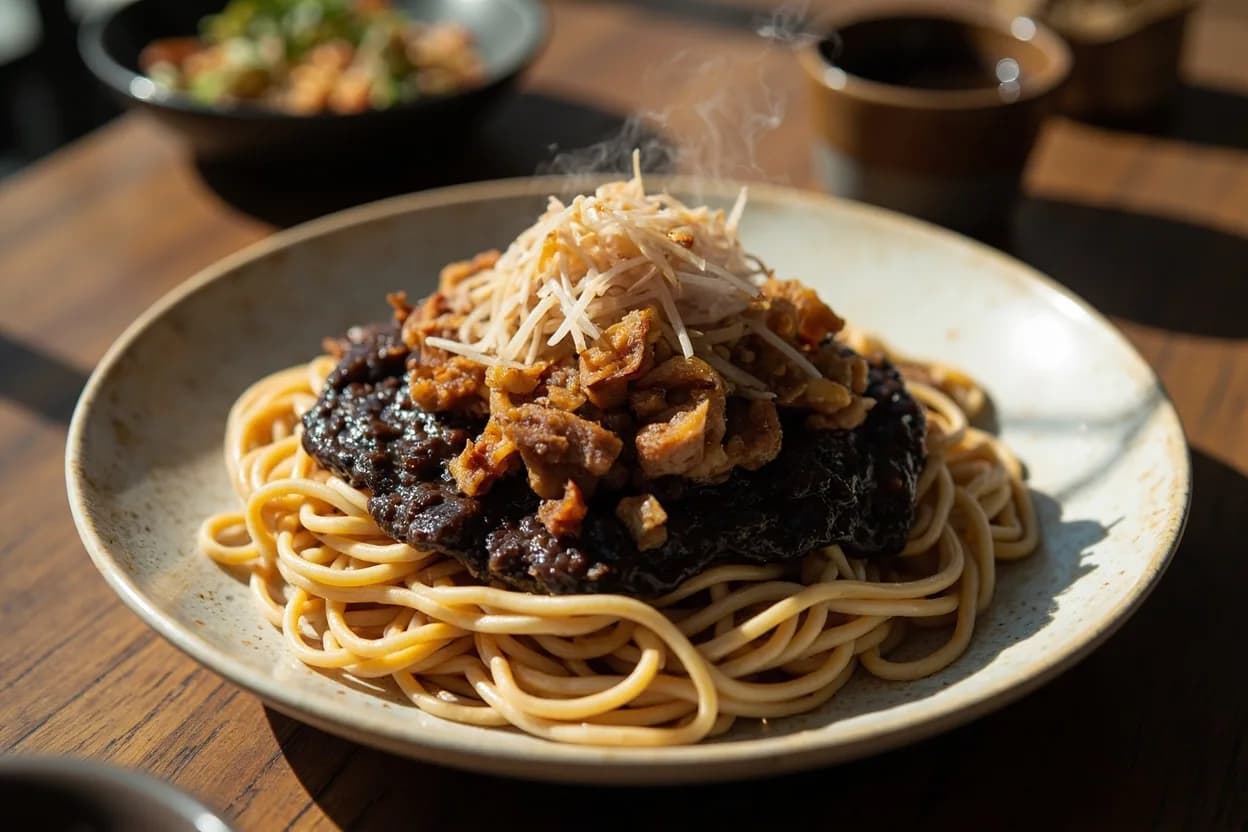
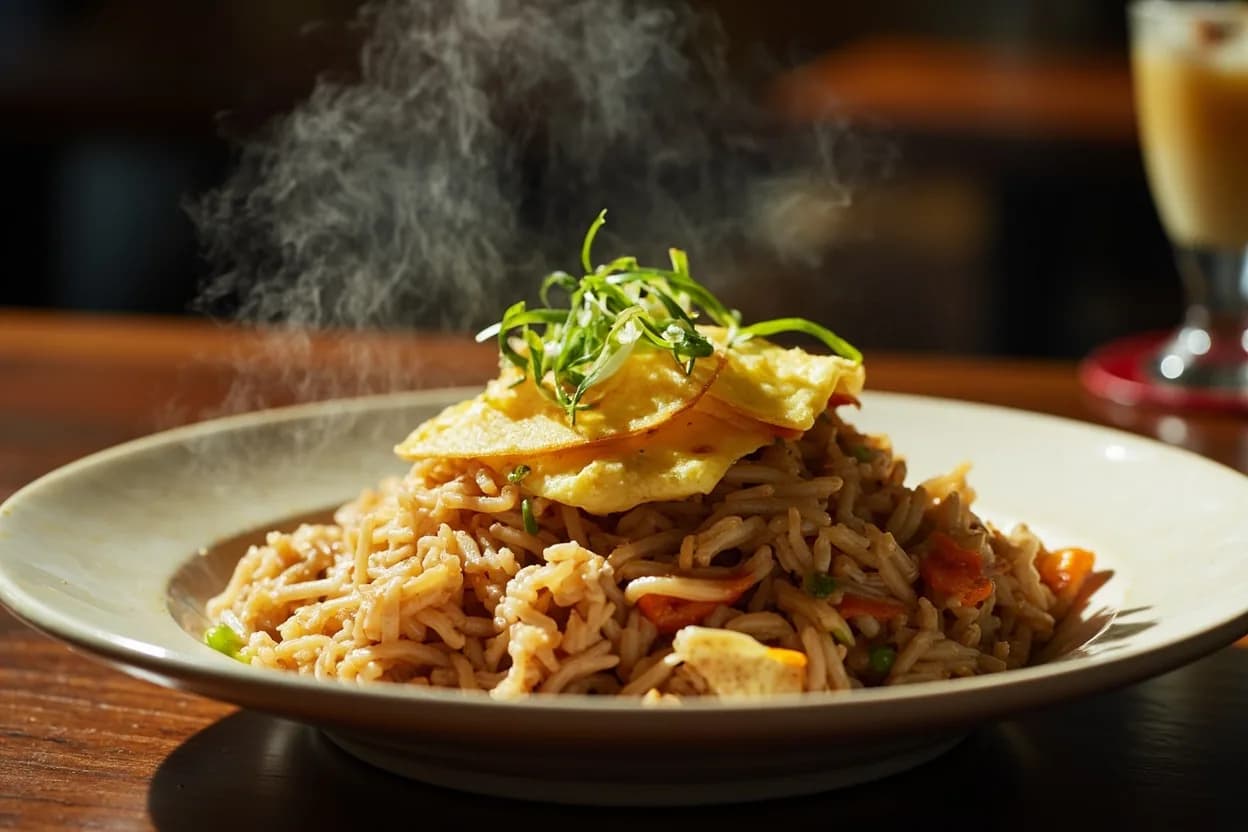
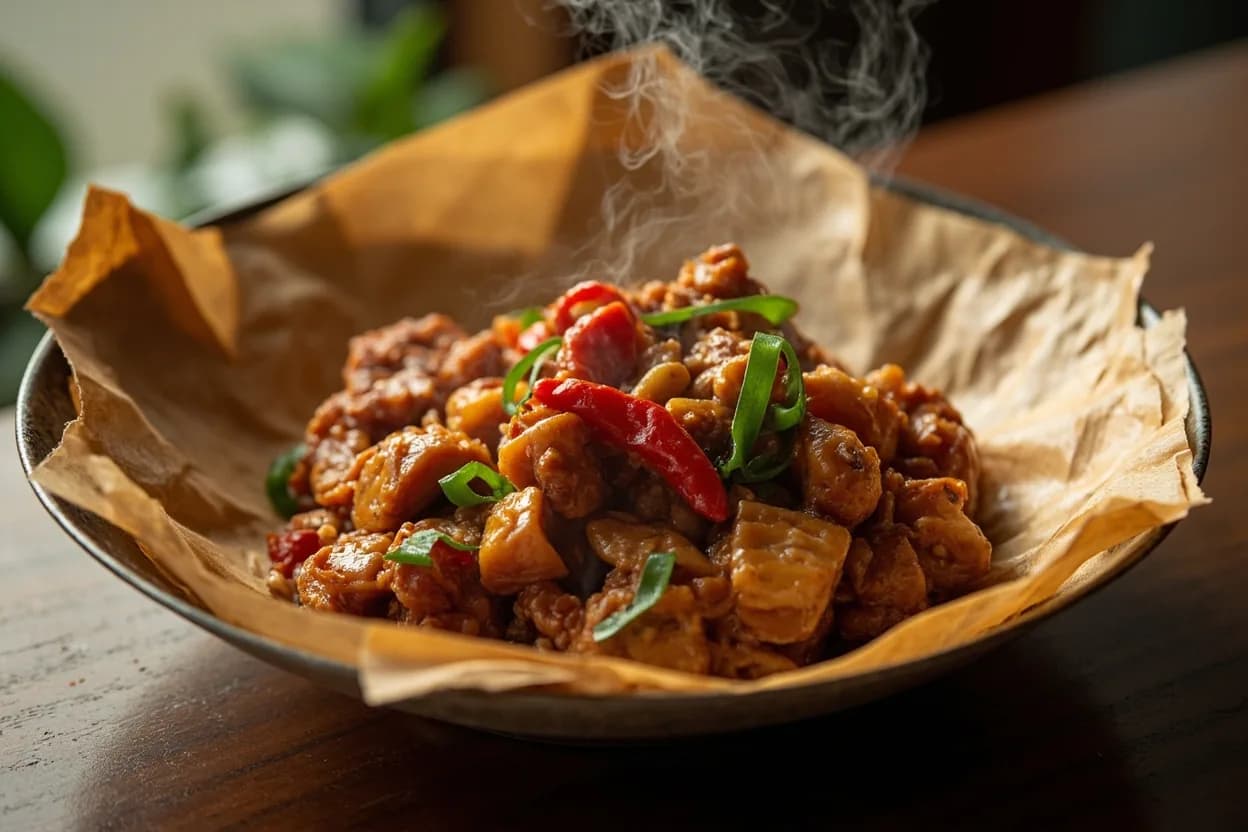
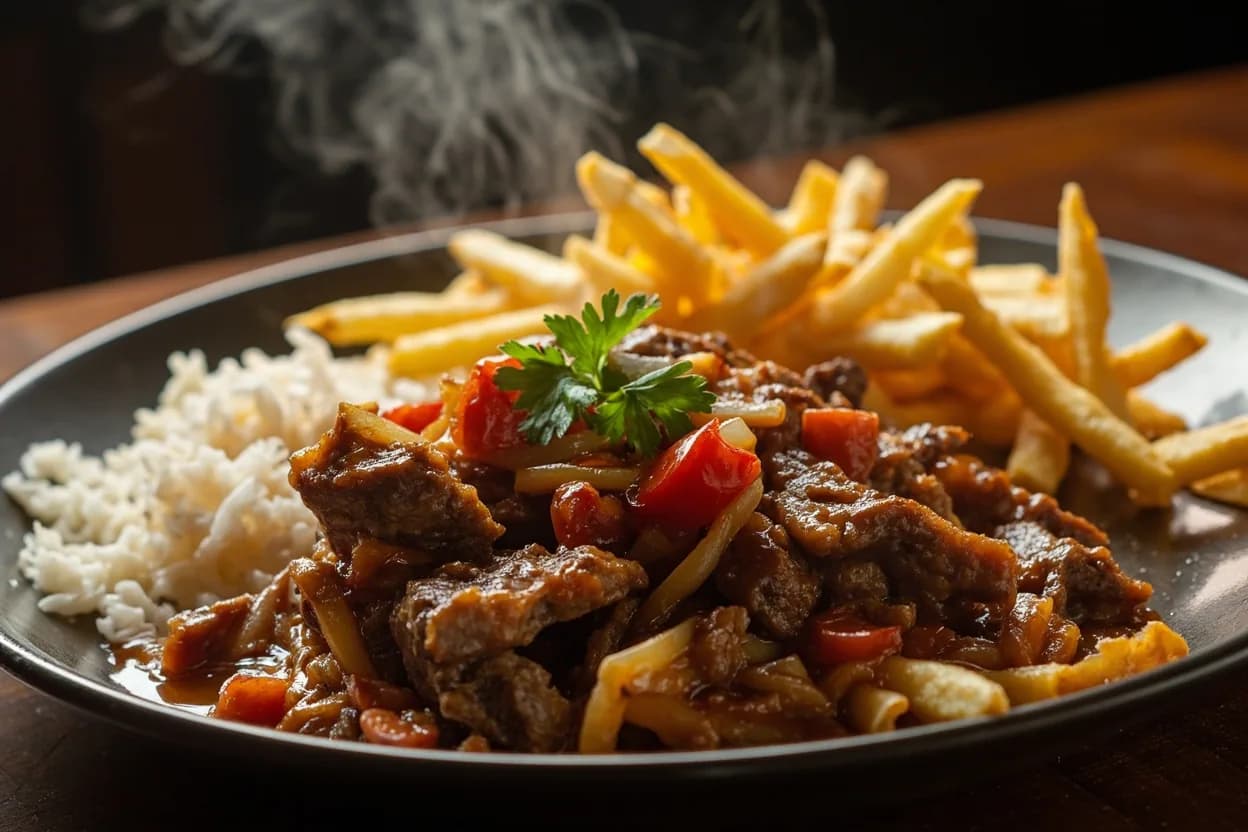
Related

Sear
Blast the surface hot for a deep-browned, savory crust

Sauté
Cook quickly in a little fat over lively heat, tossing as you go

Pan-Fry
Crisp food in a shallow layer of hot fat, turning once or twice

Deep-Fry
Submerge in hot oil for an all-over crackling crust

Roast
Cook uncovered in dry oven heat for browned edges and tender centers

Bake
Cook with steady, surrounding oven heat — the soul of bread and pastry

Broil
Hit food from directly above with fierce overhead heat

Grill
Cook over live fire for char, smoke, and bar-marked edges