South America (Southern Peruvian Andes)
Arequipeña
Also: Cocina Arequipeña, Arequipa Cuisine, La Ciudad Blanca Cooking
Peru's fiercely independent second cuisine, forged in volcanic highlands where rocoto chiles ignite ancient stews and the picanterías are living museums of Andean-Spanish culinary fusion.
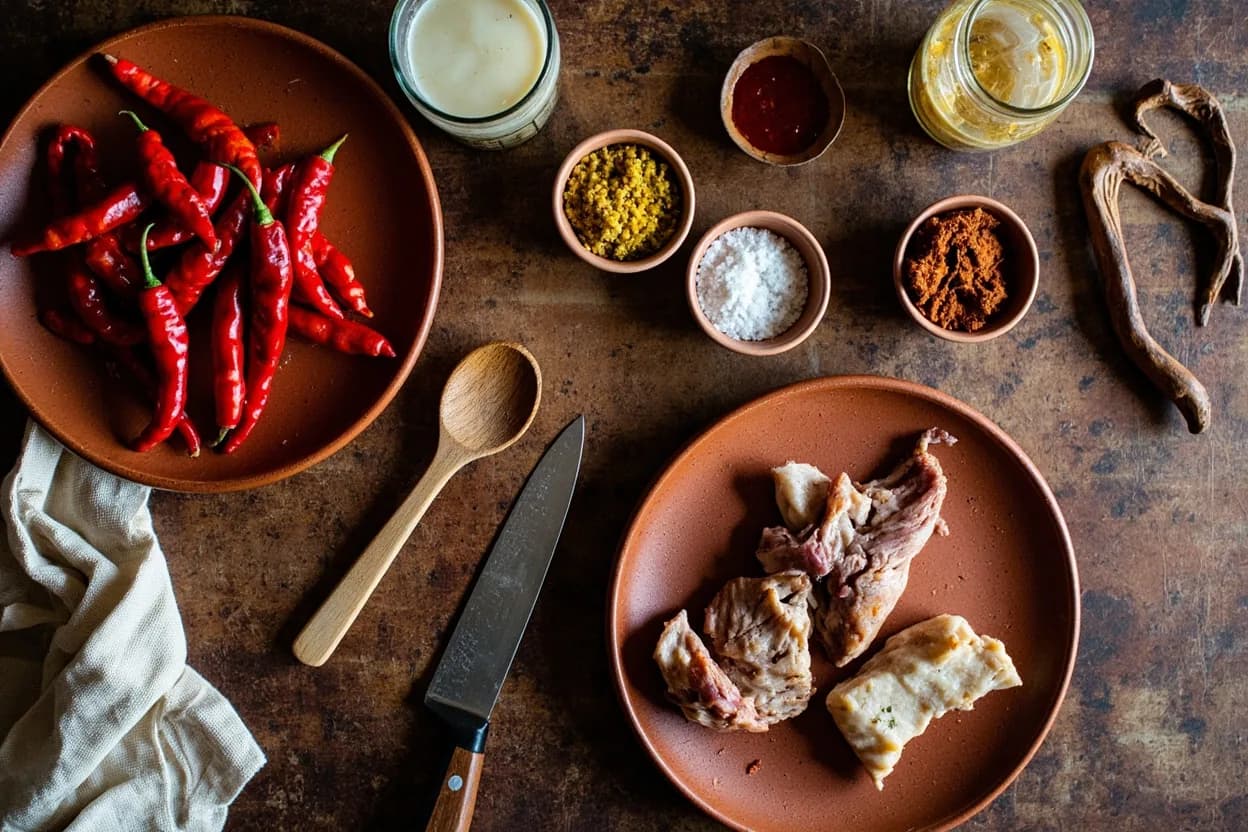
Arequipeña cuisine is the culinary tradition of Arequipa, Peru's second city, perched at 2,335 meters above sea level in the valley of the Chili River beneath the volcano El Misti. It is widely considered Peru's 'second cuisine' after Lima's — distinct, proud, and resistant to outside influence. The cuisine's defining characteristics are a fierce reliance on the rocoto pepper (Capsicum pubescens, a round, black-seeded chile that tolerates high altitude and delivers intense, fruity heat), a tradition of slow-braised stews using alpaca, lamb, and pork, and the picanterías — a form of indigenous restaurant that has existed since colonial times as a civic and gastronomic institution. The sillar (white volcanic stone) architecture of Arequipa has lent the city its nickname 'La Ciudad Blanca,' but the cuisine is anything but pale.
The flavour base
Rocoto pepper as the dominant heat and flavor agent; ají amarillo and ají panca for secondary depth; chicha de jora (fermented corn beer) as a braising and marinating liquid; cumin, garlic, and vinegar as foundational aromatics.
Pantry staples
Key ingredients
Signature techniques
Signature dishes
Arequipeña on the table
At the table
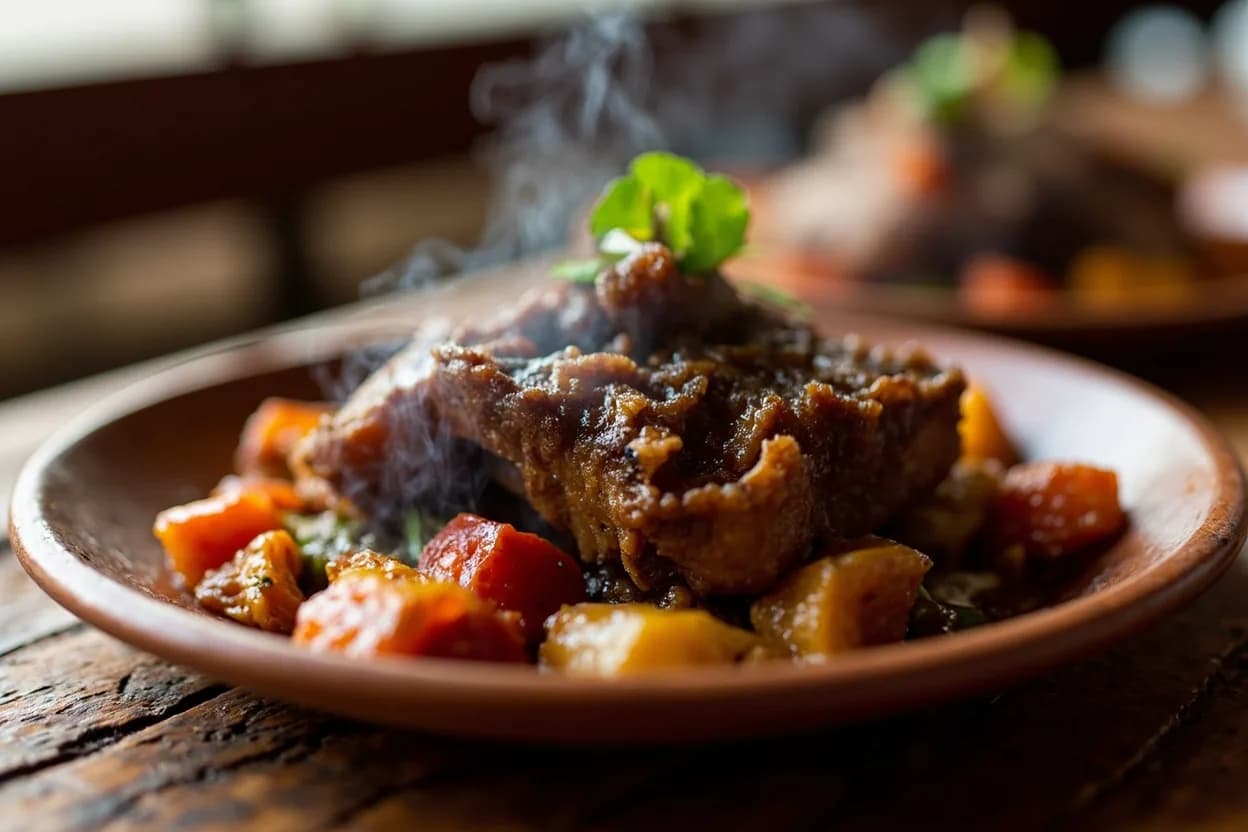
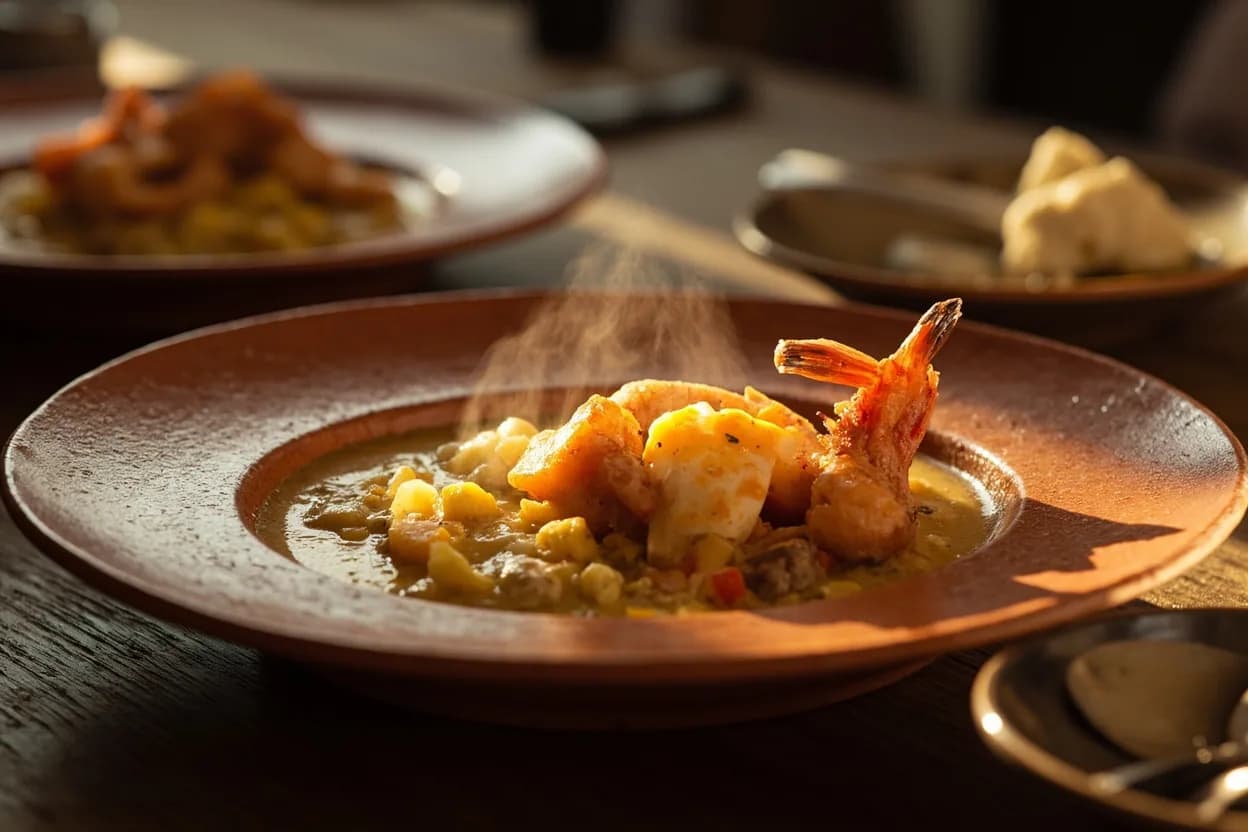
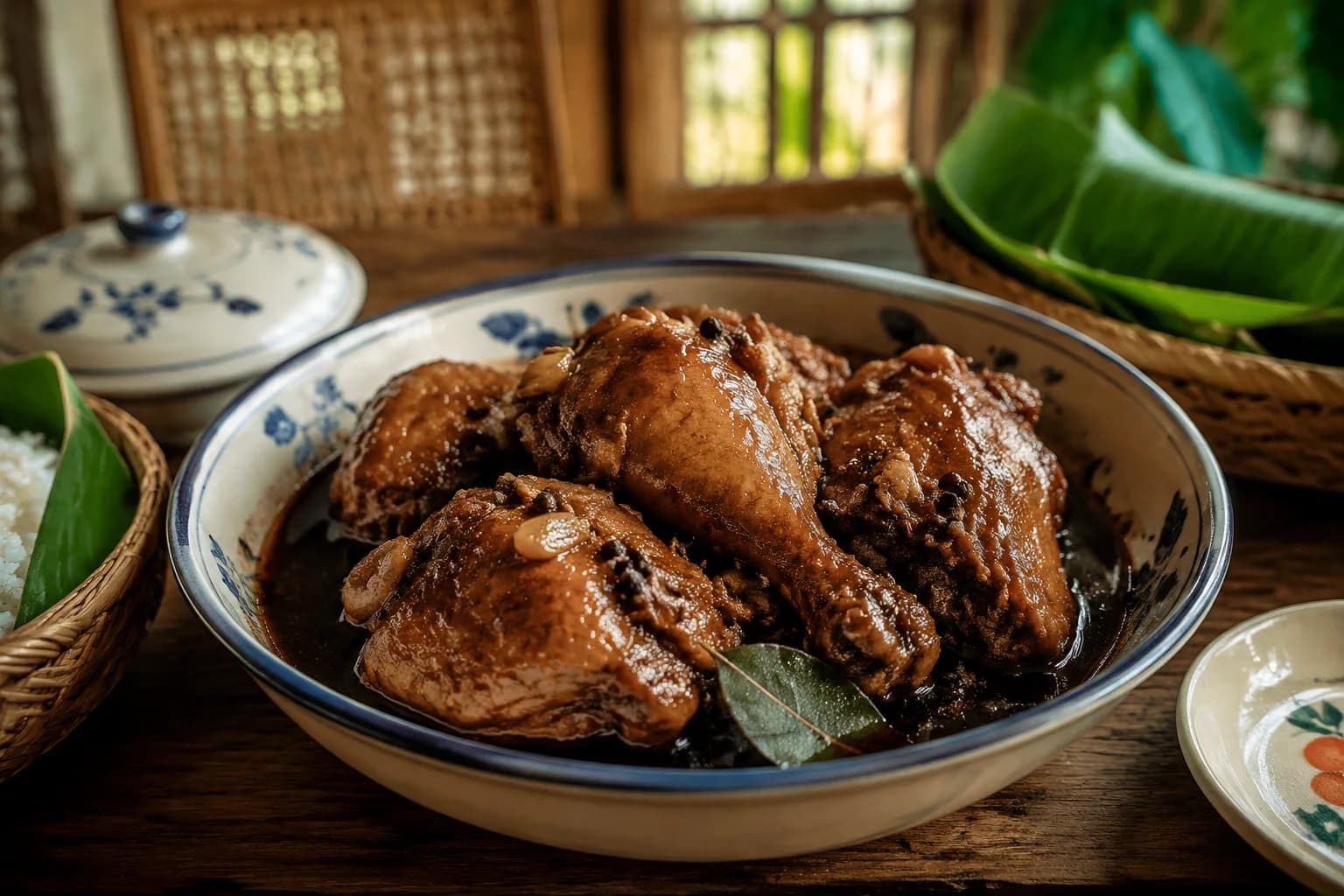
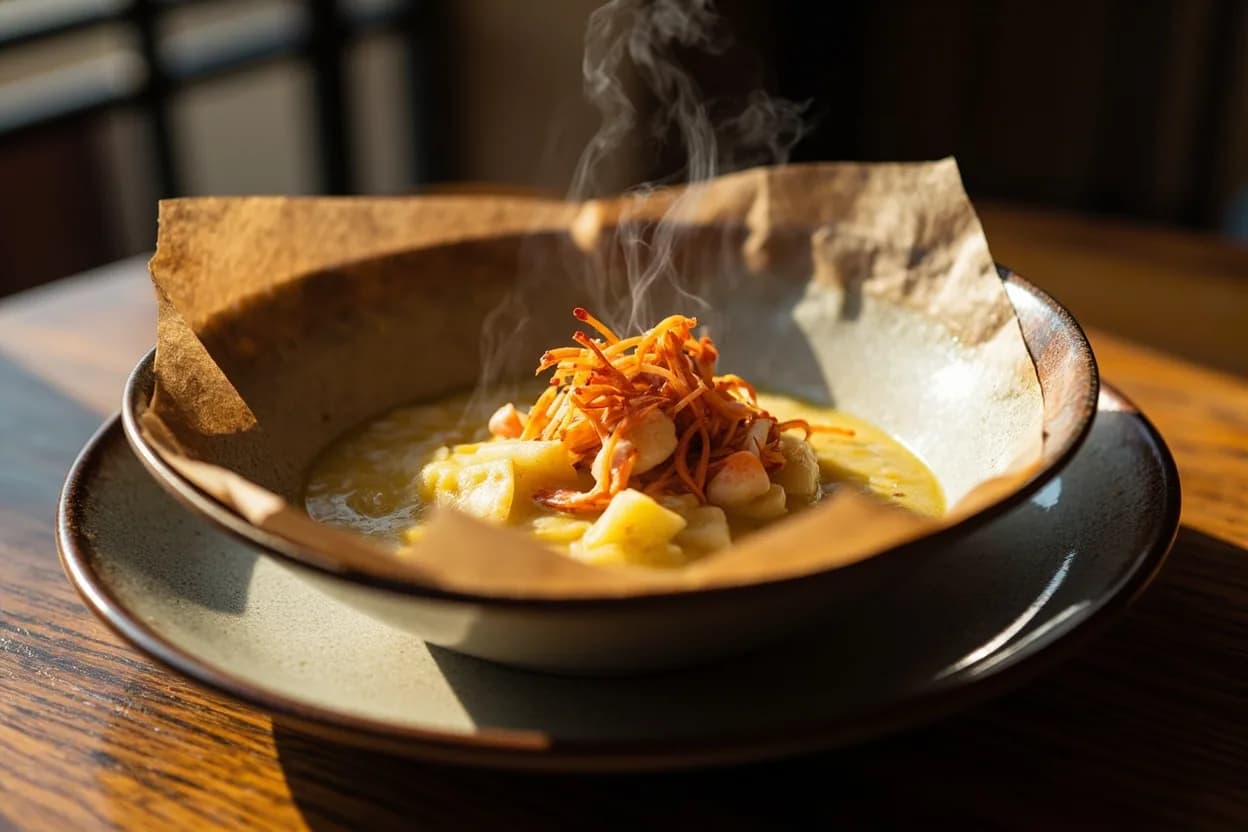
Picanterías traditionally serve a single fixed preparation per day, often a rotating weekly schedule (adobo on Sundays, chairo on Saturdays, chupe de camarones on Fridays). Meals begin with chicha de jora, served in a ceremonial glass vessel. Large shared portions are the norm, eaten at communal tables with cancha and cheese. Lunch is the main meal of the day; picanterías typically do not serve dinner. The Sunday morning adobo ritual — consuming the dish after early mass — is one of Arequipa's most steadfast civic traditions.
History & context
Arequipa was founded by the Spanish in 1540 on the site of an Inca mitma settlement, in a fertile valley already producing maize, potato, and rocoto. The picanterías emerged in the colonial period as venues where chicheras (women fermenters of chicha) served food alongside their drink — historically operating outside the formal tavern system and associated with Indigenous and mestiza women's economic independence. By the 18th century, picanterías were defining institutions of Arequipeño identity, serving the miners, muleteers, and traders passing through the city on routes between Lima, the altiplano, and Bolivia. The cuisine absorbed Spanish techniques (braising in vinegar, cheese in stuffings, wheat additions) while retaining a deeply Andean ingredient base. UNESCO recognized Arequipa's picanterías as Intangible Cultural Heritage of the Nation in 2012. The late 20th-century Lima-centric 'Peruvian cuisine' boom initially overshadowed Arequipeña cooking, but its champions — including gastronomic historian Sergio Zapata Acha and the Sociedad Picantera de Arequipa (founded 2009) — have secured its status as an independent and essential culinary tradition.
Regional variations
- City Picanterías (Yanahuara, Sachaca)
Traditional fixed-menu daily service; adobo, chairo, chupe de camarones rotate; ceremonial chicha service; communal tables; the most ancient form.
- Colca Canyon
More chuño and moraya; cuy more prominent; simpler preparations reflecting higher-altitude agricultural conditions; influence of Collagua and Cabana peoples.
- Camaná (coastal Arequipa)
Rice replaces potato as a starch; Pacific seafood (corvina, pejerrey) supplements river shrimp; preparations lighter but seasoned with the same rocoto-cumin-vinegar base.
Related cuisines
- Lima / Novoandina
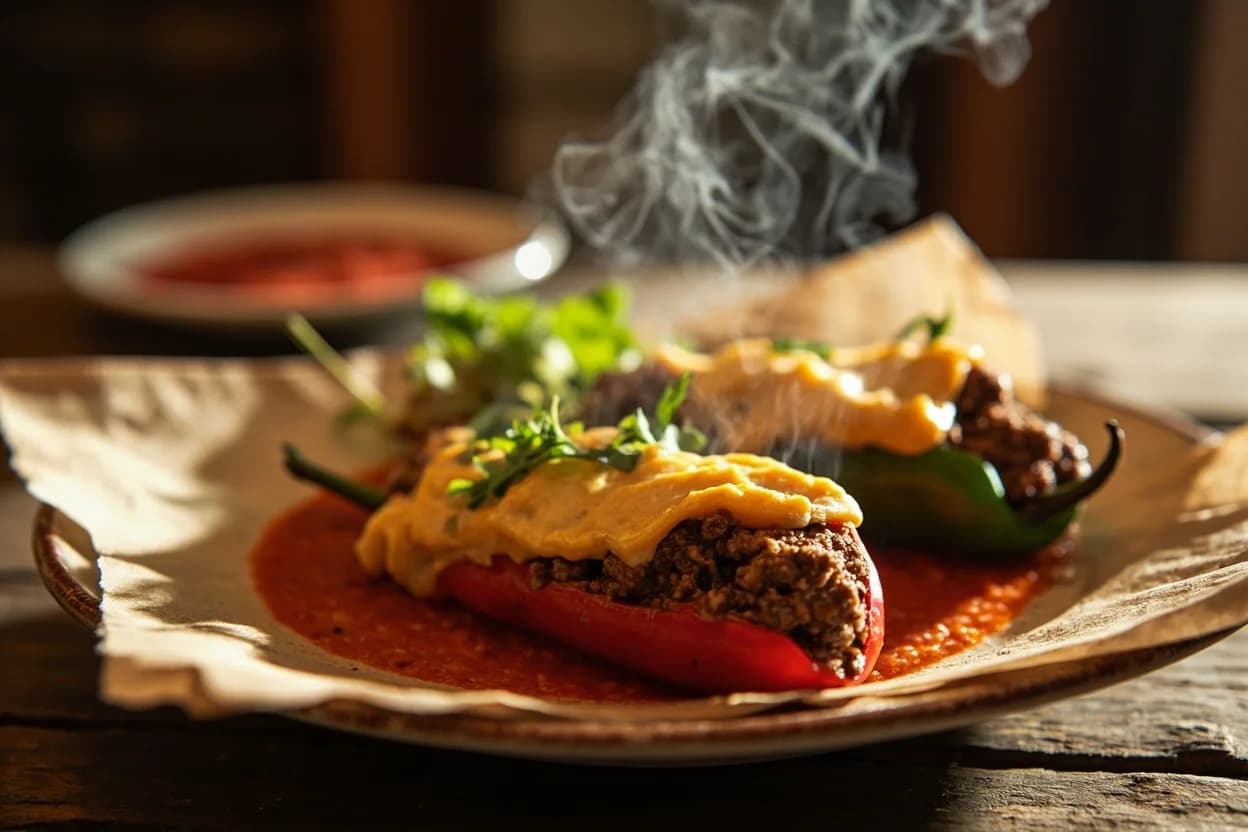
Lima's restaurant scene has absorbed Arequipeña dishes (especially rocoto relleno and chupe de camarones) into high-end menus, though Arequipeños consider the urban adaptations pale imitations.
- Bolivian Altiplano
Shares chuño, moraya, and chicha as staples; similar slow-stew logic; the trade routes connecting Arequipa to Potosí and La Paz created deep culinary exchange.
- Cusqueña
Sister Andean highland cuisine; both rely on potato landraces, cuy, and chicha, but Cusco's cuisine is more influenced by the Inca imperial kitchen and lacks Arequipa's European vinegar-braising tradition.
Canonical recipes
The dishes that define Arequipeña, documented in the Canon.
References
- 1.Zapata Acha, Sergio — Diccionario de Gastronomía Peruana Tradicional (2006, Universidad de San Martín de Porres)
- 2.Presilla, Maricel E. — Gran Cocina Latina (2012, W.W. Norton)
- 3.Morales, Isabel — Picanterías y chicherías del Perú: Cocina, chicha e identidad cultural (2012, Ministerio de Cultura del Perú)
- 4.Custer, Tony — The Art of Peruvian Cuisine (2003, Ediciones Ganesha)
Confidence: high
Notes
The Sociedad Picantera de Arequipa
Founded in 2009 by chicheras, picantera cooks, and food historians, the Sociedad Picantera de Arequipa has campaigned successfully for legal protections and heritage recognition for the picantería institution. Their work codified the canon of authentic Arequipeña dishes and established certification criteria that distinguish genuine picanterías from tourist-oriented restaurants using the name without the practice.
Rocoto vs. ají amarillo
While ají amarillo is the defining chile of Lima's ceviche and anticucho culture, rocoto is the uncompromising badge of Arequipa. The two chiles are culturally and culinarily distinct: rocoto is round, black-seeded, and grows in cool highland climates; ají amarillo is elongated, orange, and coastal. Using ají amarillo in rocoto relleno is considered in Arequipa an error of category, not merely of recipe.