South America
Argentine Asado
Also: Asado Argentino, La Parrilla Argentina, Argentine Barbecue
Argentina's sacred fire ritual — where the asador commands the parrilla for hours, and chimichurri, morcilla, and grass-fed beef become the grammar of national identity.
Argentine asado is simultaneously a cooking tradition, a social ceremony, and a philosophical stance toward meat and fire. It encompasses the techniques, cuts (cortes), condiments, and social protocols governing open-fire or embergrill cooking of beef, pork, offal, and sausages across Argentina. The parrilla (iron grill) is the central tool; the asador (grill master) is its priest. What distinguishes asado from other barbecue traditions is its commitment to indirect, slow, patient heat — fat renders gently, crusts form without charring, and the result is defined by subtlety rather than smoke overwhelm.
The flavour base
Hardwood embers (quebracho, espinillo, or fruit woods) providing clean, dry heat; chimichurri (parsley, garlic, oregano, red wine vinegar, olive oil) as the universal condiment; rock salt as the primary seasoning applied directly to meat; rendered beef fat basted back onto the grill surface.
Pantry staples
Key ingredients
Signature techniques
Signature dishes
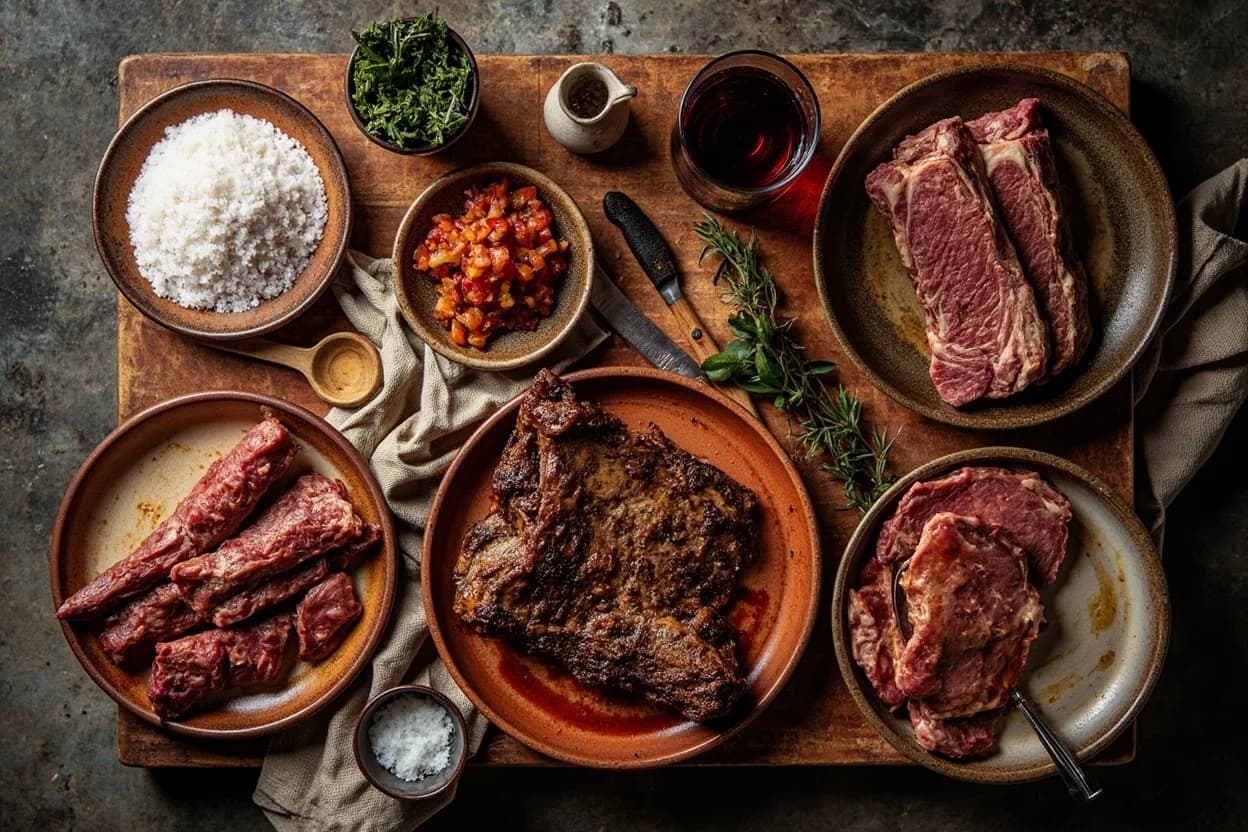
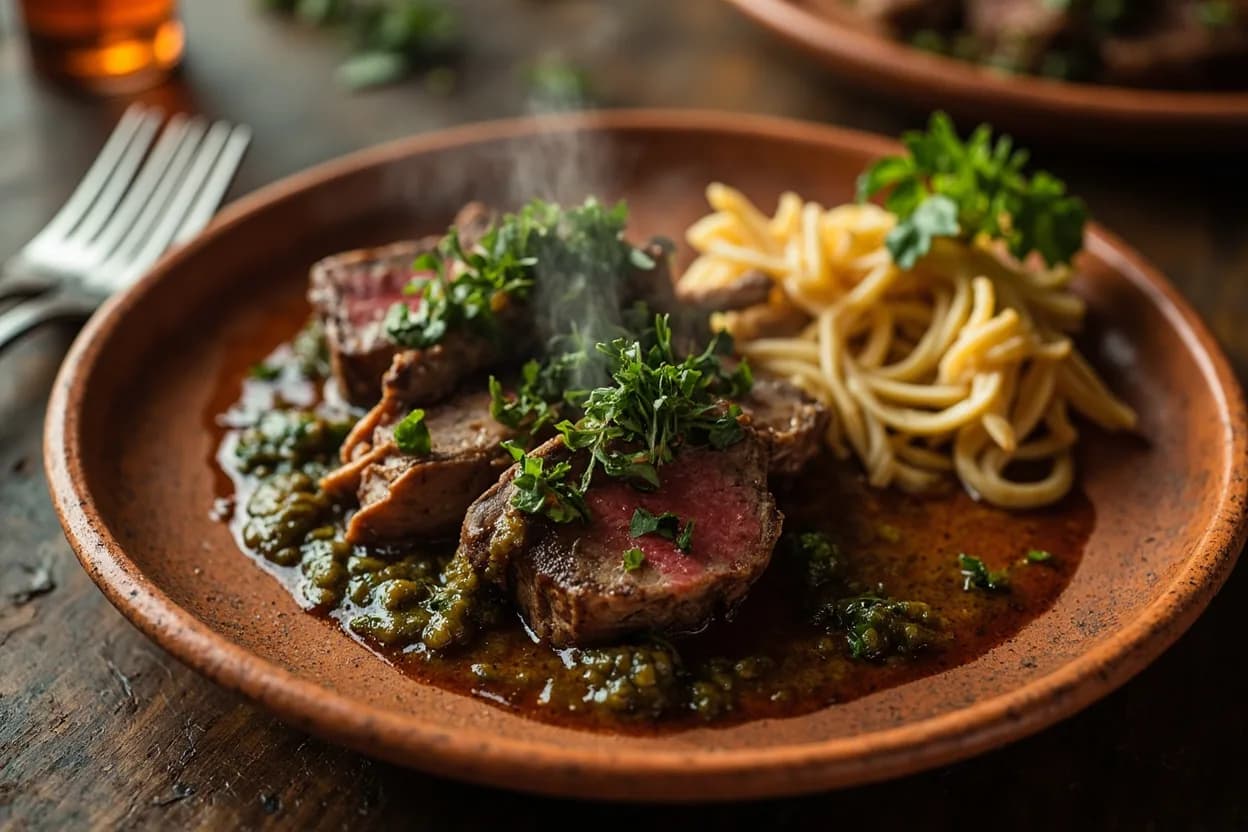
Argentine Asado on the table

At the table
The asado follows a sacred temporal sequence. Achuras (offal) and sausages go on first, cooked through and served as appetizers (picada) while guests drink wine or Fernet con Coca. Then the large cuts arrive — tira de asado, vacío, entraña — emerging over the next 1–2 hours. Salads (ensalada mixta), bread, and chimichurri accompany. Dessert is informal: fruit, queso y dulce (cheese with quince paste). The event is social infrastructure — Sunday asado is a near-religious family institution. An asador never abandons the fire; doing so is a social failure.
History & context
The tradition traces to the gauchos — the mestizo and indigenous horsemen of the Pampas — who herded feral cattle across the grasslands from the 17th century onward. Gauchos ate almost exclusively beef, cooked over open fires on iron skewers called asadores (giving the tradition its name), and developed an intuitive mastery of fire and meat that predates formal cookery. European immigration waves (1880–1930) — especially from Italy and Spain — introduced bread, wine culture, chorizo, and morcilla, enriching but not displacing the gaucho core. Argentina's grass-fed Pampas beef, considered among the world's finest for marbling and flavor from a grass diet, provided unmatched raw material. The 20th century institutionalized the parrilla as both domestic fixture and restaurant format (parrillas and parriladas are Argentina's most numerous restaurant type). Asado was declared UNESCO Intangible Cultural Heritage in 2023.
Regional variations
- Buenos Aires (Rioplatense)
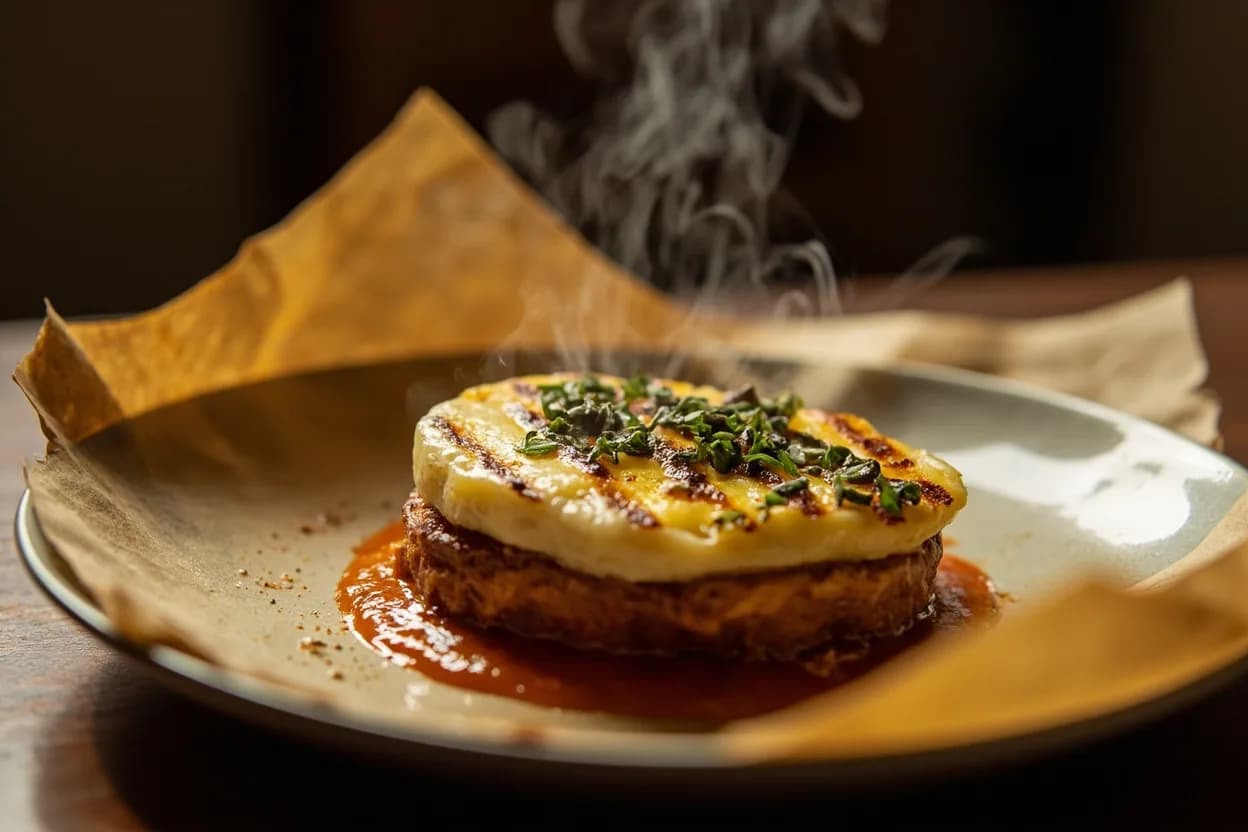
Urban parrillas prioritize vacío, entraña, and short ribs; provoleta is common; more sophisticated wine pairing; Malbec from Mendoza the default bottle.
- Patagonia
Cordero patagónico (Patagonian lamb) often replaces beef; whole animals splayed on a cruz (iron cross) over a slow fire for 6–8 hours; smoky lenga beech wood common.
- Litoral (Corrientes, Entre Ríos)
Riverine influence; surubí (freshwater catfish) and dorado also grilled; Paraguayan influence visible in chipá bread served alongside.
- Cuyo (Mendoza, San Juan)
Wine country; chivo (goat) asado also popular; grape vine prunings (sarmientos) used as fuel, imparting subtle sweetness; close ties to Chilean cuisine across the Andes.
Related cuisines
A parallel fire tradition across the Río de la Plata — both share gaucho origins and cattle-culture roots, but churrasco favors espeto rotisserie and picanha; asado is grill-only and slower-cooked.
- Uruguayan Asado
Nearly identical tradition; Uruguay claims equal ownership of the gaucho fire tradition; slight differences in preferred cuts and chimichurri formulation.
- Chilean Parrilla
Cross-Andean cousin; Chilean asado uses more pork and a wider range of vegetables on the grill; pebre (cilantro-based sauce) replaces chimichurri.
- Paraguayan Sopa Paraguaya
Paraguay and Argentina share the Litoral borderlands; Paraguayan barbecue and Argentine asado overlap in the northeast.
Canonical recipes
The dishes that define Argentine Asado, documented in the Canon.
References
- 1.Seven Fires: Grilling the Argentine Way — Francis Mallmann and Peter Kaminsky (Artisan, 2009)
- 2.Patagonia: Cookbook and Stories — Francis Mallmann (Artisan, 2019)
- 3.The Food and Cooking of Argentina — Alejandro Magliano (Anness, 2010)
- 4.The Oxford Companion to Food — Alan Davidson (Oxford University Press, 3rd ed., 2014)
Confidence: high
Notes
The asador's code
In Argentina, the role of asador carries genuine social weight. The person who lights the fire owns the process — unsolicited advice about temperature or timing is a serious social slight. An asador who leaves the fire is abandoning guests. The job requires patience: Argentine cuts are cooked far more slowly and at lower heat than North American barbecue, sometimes 3–4 hours for a full tira de asado.
On the chimichurri debate
No two Argentine families agree on the correct chimichurri. The constants are flat-leaf parsley, garlic, red wine vinegar, and oil; beyond these, oregano, ají molido (mild red chili flakes), cumin, bay, and thyme are all contested additions. Chimichurri rojo adds tomato paste or roasted red pepper. The sauce should sit for at least 24 hours before serving to allow the garlic to mellow.