Natural form
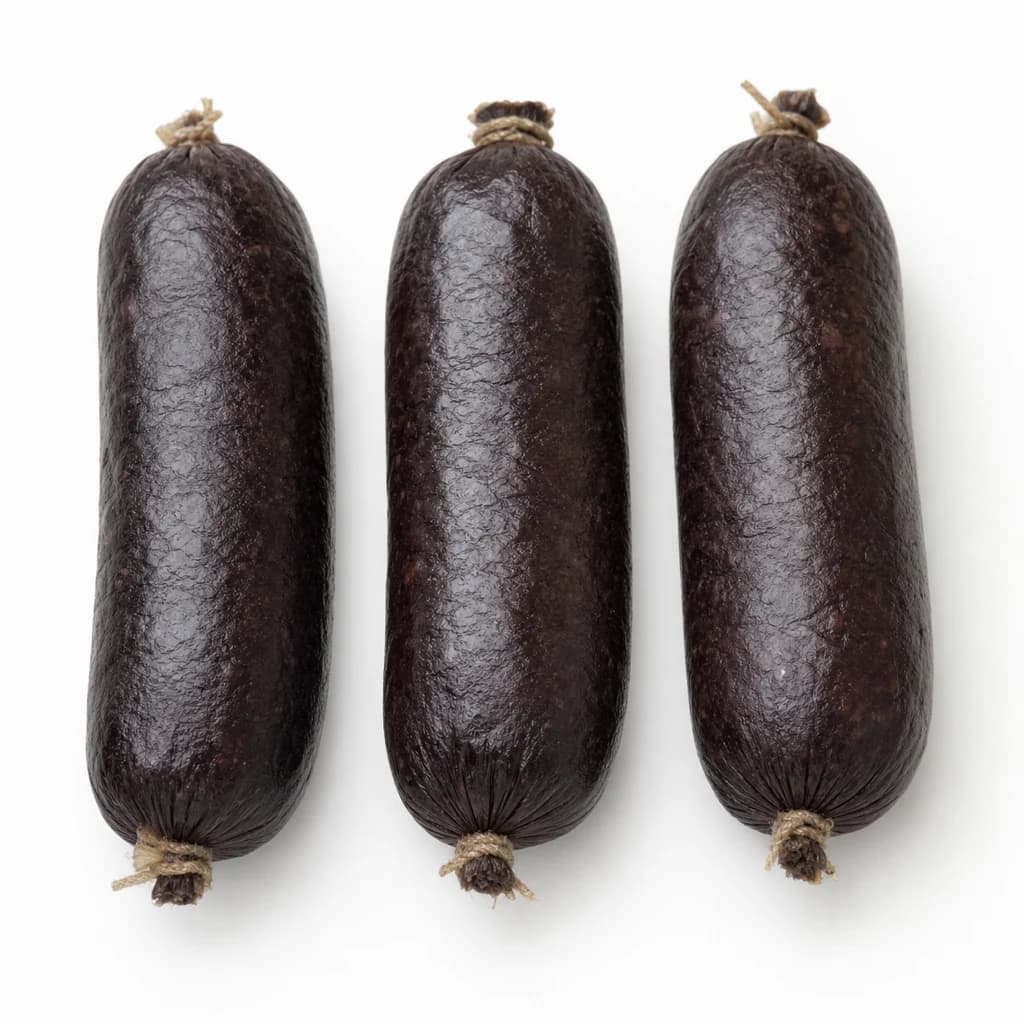
Whole blood sausage links showing their dark, near-black exterior casing and cylindrical shape.
Shows the reader exactly what to look for when buying blood sausage: its distinctive very dark color, diameter, and tied-end casing.
Proteins
Blood Sausage
Sausage made from blood, fat, and grains or onion — fried, grilled, or simmered; rich, dark, and savory.
Blood sausage is a dark, rich sausage made from animal blood combined with fat and fillers like rice, grains, onion, or breadcrumbs. It is sliced and pan-fried, grilled, or simmered into stews across Europe and Latin America, with regional versions like Spanish morcilla and Catalan botifarra negra. Its texture is soft and creamy with a deep, mineral, savory flavor.
Blood sausage is one of humanity's oldest meat-preservation techniques, documented in Greek and Roman texts and practiced across virtually every culture that raised livestock. It emerged as a practical response to the problem of blood—a perishable byproduct of slaughter that cultures learned to transform into a deeply savory, iron-rich food. The basic formula is consistent worldwide: animal blood (pork, beef, duck, or sometimes poultry) is gently cooked with an anticoagulant such as vinegar or salt to keep it fluid, then combined with pork fat and a filler—oats, barley, rice, onions, or breadcrumbs—and stuffed into natural or collagen casings. The result is a dense, dark sausage with a distinctive metallic quality that comes from the iron in the blood.
In France and Belgium, boudin noir is a seasonal specialty sold at charcuteries from October through March, often served simply with apples or fried bread. British black pudding is a breakfast staple in the North and Midlands, where Stornoway black pudding holds PGI-protected status. Spanish morcilla de Burgos is prized not for eating out of hand but for adding body and richness to stews like fabada. The flavor is assertive and savory—iron-forward, with the filler providing subtle sweetness or allium notes depending on the variety. Most commercial blood sausages are fully cooked, meaning you are reheating rather than raw-cooking them, which simplifies preparation considerably.
Nutritionally, blood sausage is one of the most iron-dense foods available, making it nutritionally significant in cultures where it is a staple. When purchasing, look for firm, glossy casings with no bulging—bulging indicates bacterial fermentation and spoilage. The high fat content means blood sausage releases considerable grease during cooking, so plan accordingly. It is an ingredient that rewards simple treatment: proper crisping of the casing, gentle warming of the interior, and pairing with something to cut its richness—acid, sweetness, or bitter elements.
- Measured in
- g
- Storage
- Fridge
Types & varieties
Classic Parisian style is made with pork blood, fat, and onions; finer texture; often served with apples or in composed dishes
Traditional English and Irish varieties use oatmeal or barley as filler; Stornoway black pudding has PGI-protected status; notably firm texture
Distinct from English; Coolea and Clonakilty are celebrated brands; traditionally served as breakfast with white pudding
Morcilla de Burgos is dense and uses rice as filler; Morcilla de arroz has visible rice grains; also made with onions; used in fabada and rice dishes
Coarser, often contains bacon and herbs; sometimes encased in cloth; excellent sliced cold
Typically grilled and served with apples and syrup; characteristic sweetness
Made with pork blood, rice, onion, and spices; used in mole, pozole, and tamales; richer spice profile than Spanish varieties
Shaped differently (elongated, tapered); traditionally made with poultry blood but modern versions vary; served grilled
Made with buckwheat or barley and pig's blood; often grilled and served with horseradish
A blood stew rather than a stuffed sausage; made with pork blood, offal, and vinegar; served with rice
Traditional from Umbria and Molise; used in sauces, especially for pasta; chocolate versions exist in some regions
Grilled and served with apple sauce and mustard; sweet style popular in northern Netherlands
Buying and Storing
When purchasing fresh blood sausage, choose links that feel firm and heavy for their size with glossy, intact casings. Avoid any packages where the casings bulge or feel soft at the ends—this indicates bacterial fermentation and spoilage. The color should be a deep, even dark maroon when raw. For the best flavor and texture, use fresh blood sausage within 7–10 days of purchase. Smoked or cured varieties last 2–4 weeks refrigerated. For longer storage, freeze in airtight packaging for up to three months and thaw slowly in the refrigerator—never at room temperature.
- Refrigerate fresh blood sausage immediately; it is perishable
- Freeze for up to 3 months; do not refreeze after thawing
- Look for firm, glossy casings with no bulging or soft spots
- Bring to room temperature 15 minutes before cooking for cleaner slicing
The Blood Sausage Spectrum
Blood sausages range widely in texture and intended use. At one end are firm, dense British and Irish black puddings, engineered for thick slicing and substantial bite. At the other are softer French boudin noir varieties, which have a finer, almost pâté-like consistency and are often pushed from the casing onto plates. Spanish morcilla de Burgos is notably dense and is intended primarily as an ingredient for stews rather than a standalone item—it melts into the cooking liquid and thickens it. German blutwurst is coarser, sometimes containing visible bacon pieces and herbs, and is frequently served sliced cold as part of a charcuterie selection. Understanding this spectrum helps you choose the right variety for your intended preparation.
- Firm black puddings: thick-slice and pan-fry for breakfast
- Soft boudin noir: push from casing for sauces or composed plates
- Dense Spanish morcilla: use as a stew ingredient, not a main dish
- Coarse German blutwurst: serve cold-sliced or lightly pan-fry
Common uses
Tips & pitfalls
- Prick the casing 2–3 times with a fork before cooking if you want to crisp the casing and prevent bursting—this allows steam to escape
- Use medium heat; high heat causes the casing to split and the fat to render out too quickly
- Blood sausages are typically fully cooked—you are reheating, not raw cooking—so internal temperature only needs to reach 140°F (60°C)
- Start fat-side down in a cold skillet and bring to heat gradually for even rendering and crisping
- Drain on paper towels after cooking; they release significant fat during cooking
- Slicing a cold blood sausage cleanly is difficult; let it rest at room temperature for 15 minutes before cutting
- When grilling, use indirect heat initially, then sear directly to finish—continuous direct heat risks explosion
- Do not pierce while cooking if you want to retain internal moisture—instead, cook slowly at low heat
- Crumble and cook the casing off separately if you want only the filling for a dish (common in British stuffing recipes)
- Leftover fried blood sausage firms up considerably when chilled; reheat gently in a covered pan with a splash of water to steam
Nutrition
Energy
1586 kJ · per 100 g
Where the calories come from
Protein
14.6g
29% DV
Carbs
1.3g
0% DV
Fat
34.5g
44% DV
Fiber
0g
0% DV
Sugars
1.3g
of which
Sodium
680mg
30% DV
Source · USDA FoodData Central · Blood sausage
View on FDC →In the shops
Matched grocery products
 €3.79
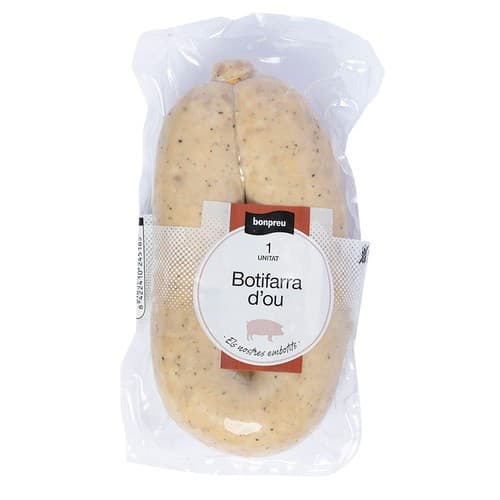
€3.79Egg Sausage
BONPREU · kg · Bonpreu
 €4.99
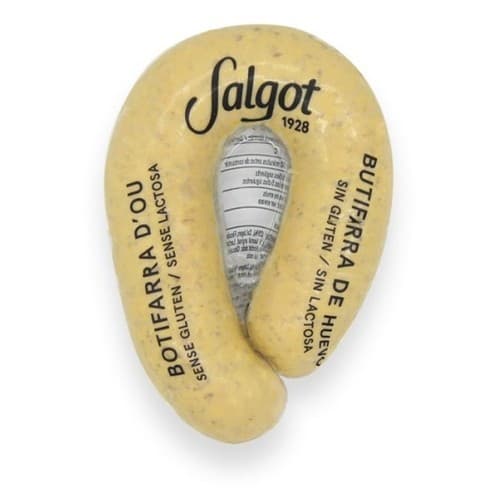
€4.99Egg Sausage
SALGOT · kg · Bonpreu
 €5.99
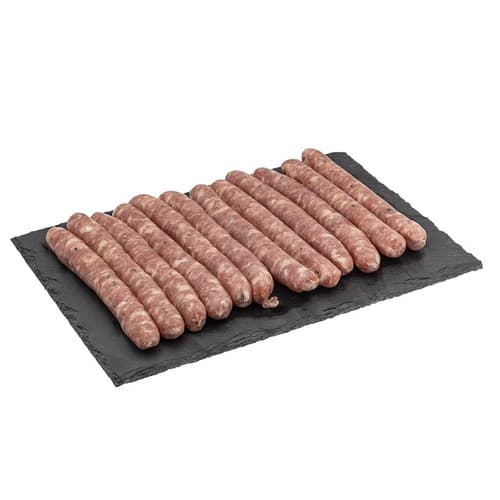
€5.99Pork Sausage
BONPREU DE L'ERA · kg · Bonpreu
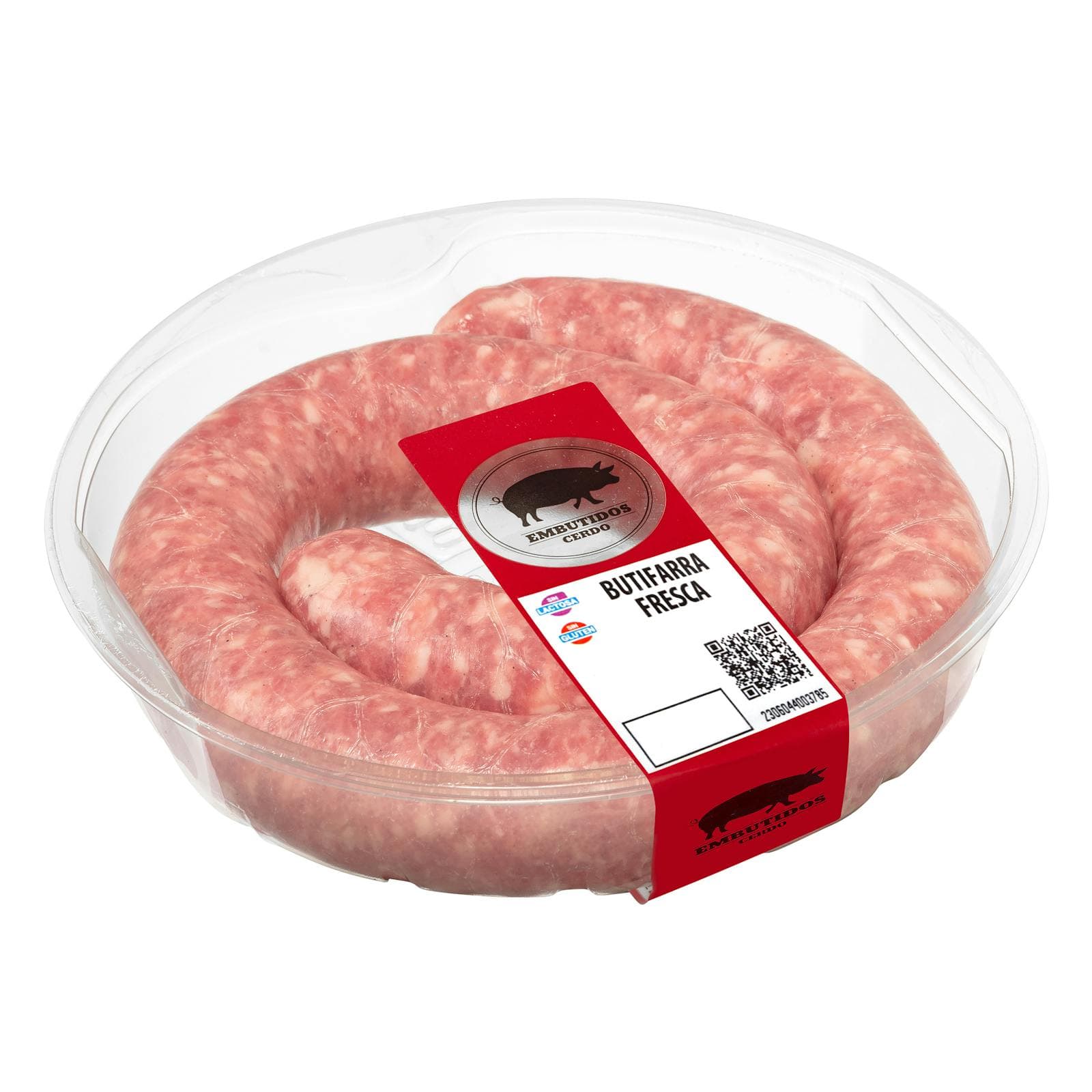 €3.62
€3.62Fresh Sausage
640 g · Mercadona
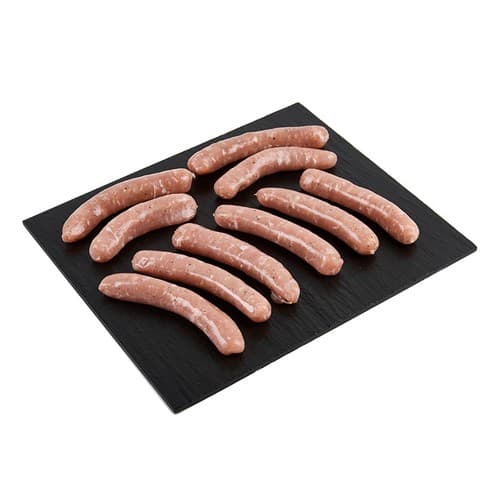 €6.75
€6.75Rabbit Sausage
BONPREU · kg · Bonpreu
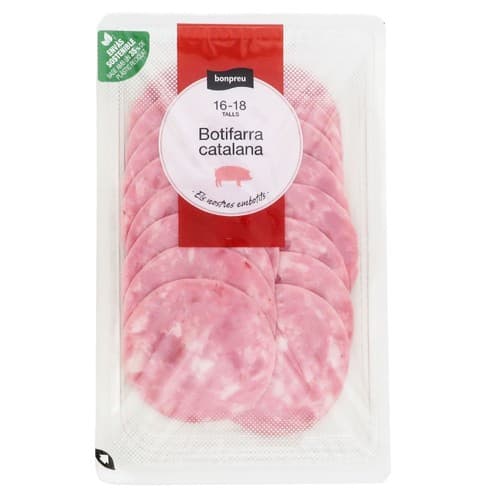 €1.89
€1.89Catalan Sausage
BONPREU · kg · Bonpreu
Good to know
- Origin
- Ancient; documented in Greek and Roman texts; found across Europe, Asia, Latin America, and West Africa
- Primary Ingredients
- Animal blood (pork, duck, or beef), pork fat, filler (oats, barley, rice, onions, or breadcrumbs)
- Form
- Stuffed into natural or collagen casings; links or rings, typically 3–6 inches long
- Color
- Very dark brown to black when cooked; dark maroon when raw
- Flavor
- Rich, metallic, savory; iron-forward; filler adds subtle sweetness or allium notes depending on variety
- State
- Most commercial varieties are fully cooked; some fresh sausages require cooking
- Refrigerated Shelf Life
- 7–10 days raw; 2–4 weeks if smoked or cured
- Frozen Shelf Life
- Up to 3 months; thaw slowly in refrigerator
- Difficulty
- Easy — requires only basic cooking; casing can split under high heat
- Equipment
- Skillet or grill pan; optional: Instant-read thermometer
Substitutes
- Linguica or chorizo — Neither contains blood, so the flavor profile differs significantly (smoky, paprika-forward rather than iron-rich), but both provide similar savory weight and fat content in cooked dishes
- Cooked ham or guanciale, finely crumbled — Provides savory, salty contrast but lacks the metallic richness and dense texture; acceptable for those who cannot source blood sausage
- Mushrooms (porcini or shiitake), finely minced and crisped — Best vegetarian substitute for umami depth and meaty texture; blood sausage's iron quality cannot be replicated
- Fine-ground pork breakfast sausage — Similar fat content and bulk in stuffings
Pairs with
Also called
Blood Sausage (Verivorst) · Blood Sausage (Morcilla) · Blood Sausage (Botifarra Negra) · Morcilla · Black Pudding · Verivorst
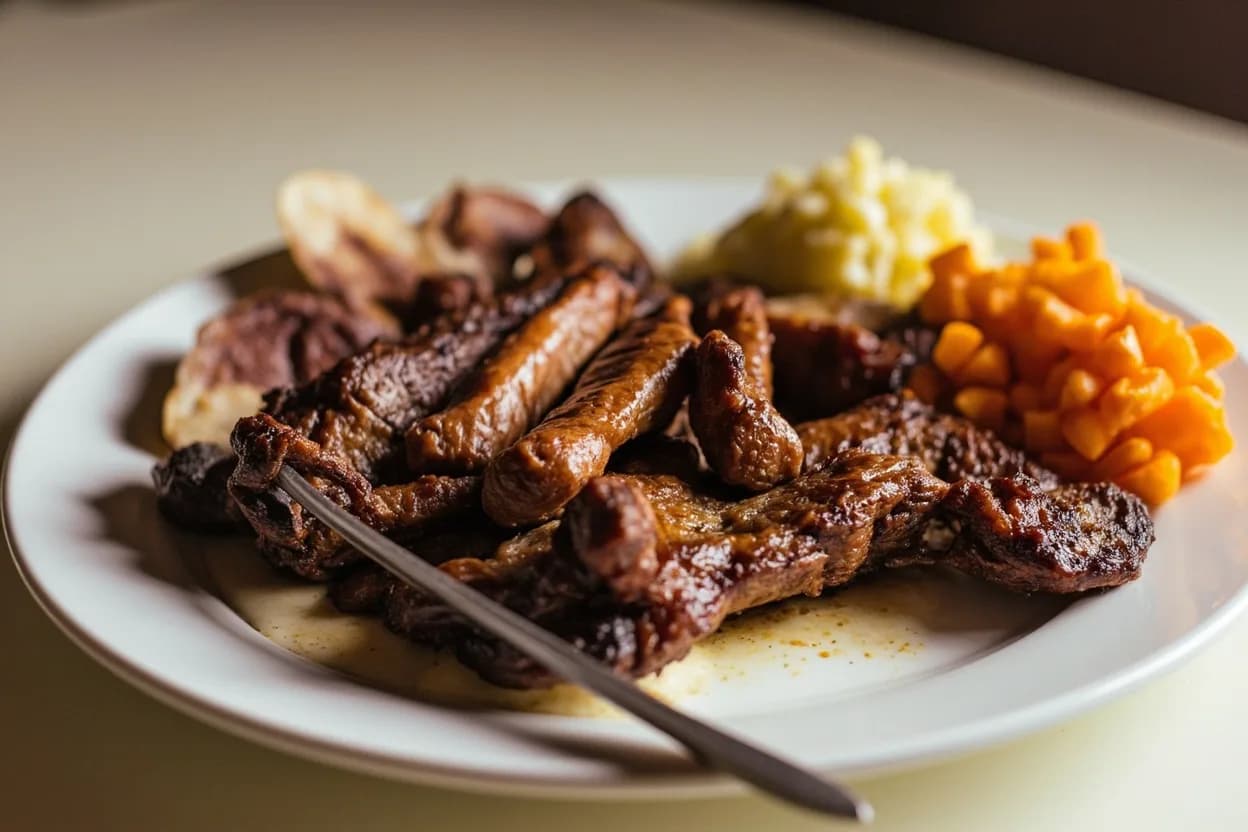
Appears in these dishes
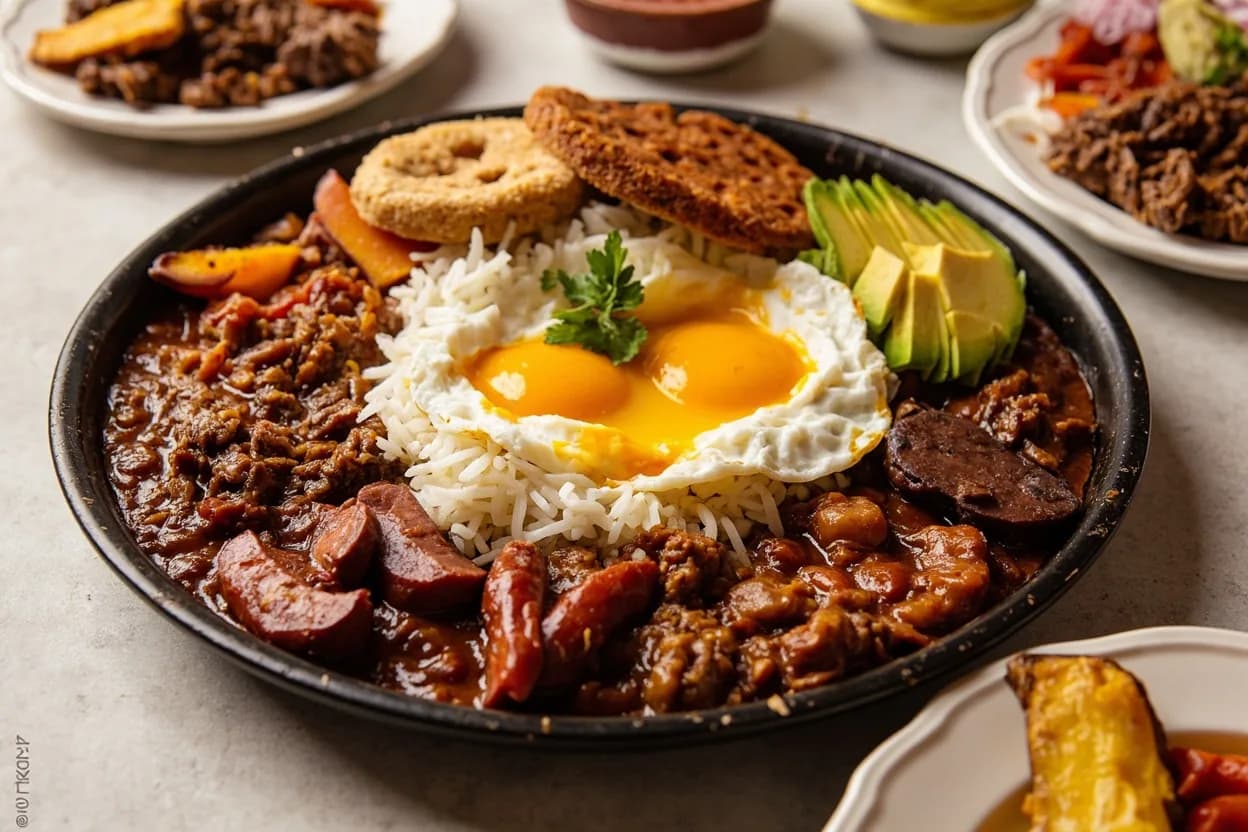
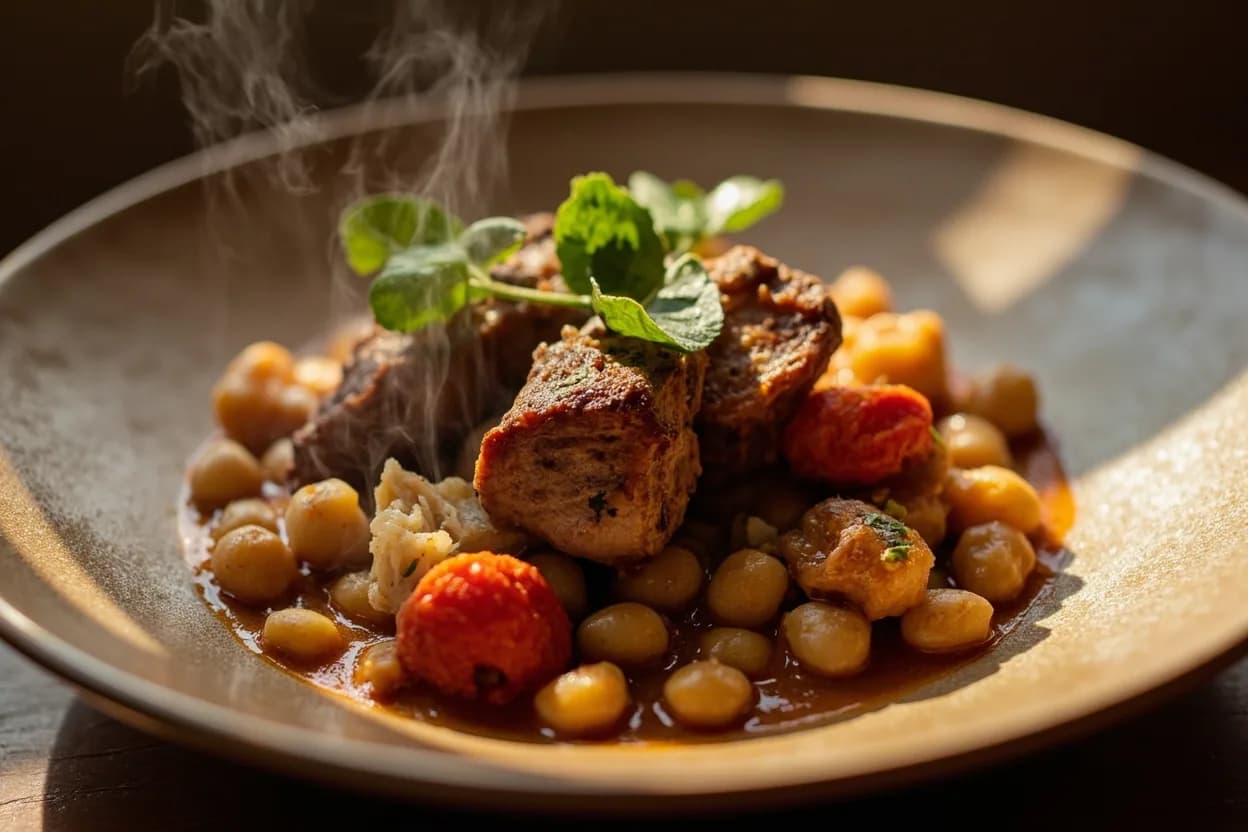
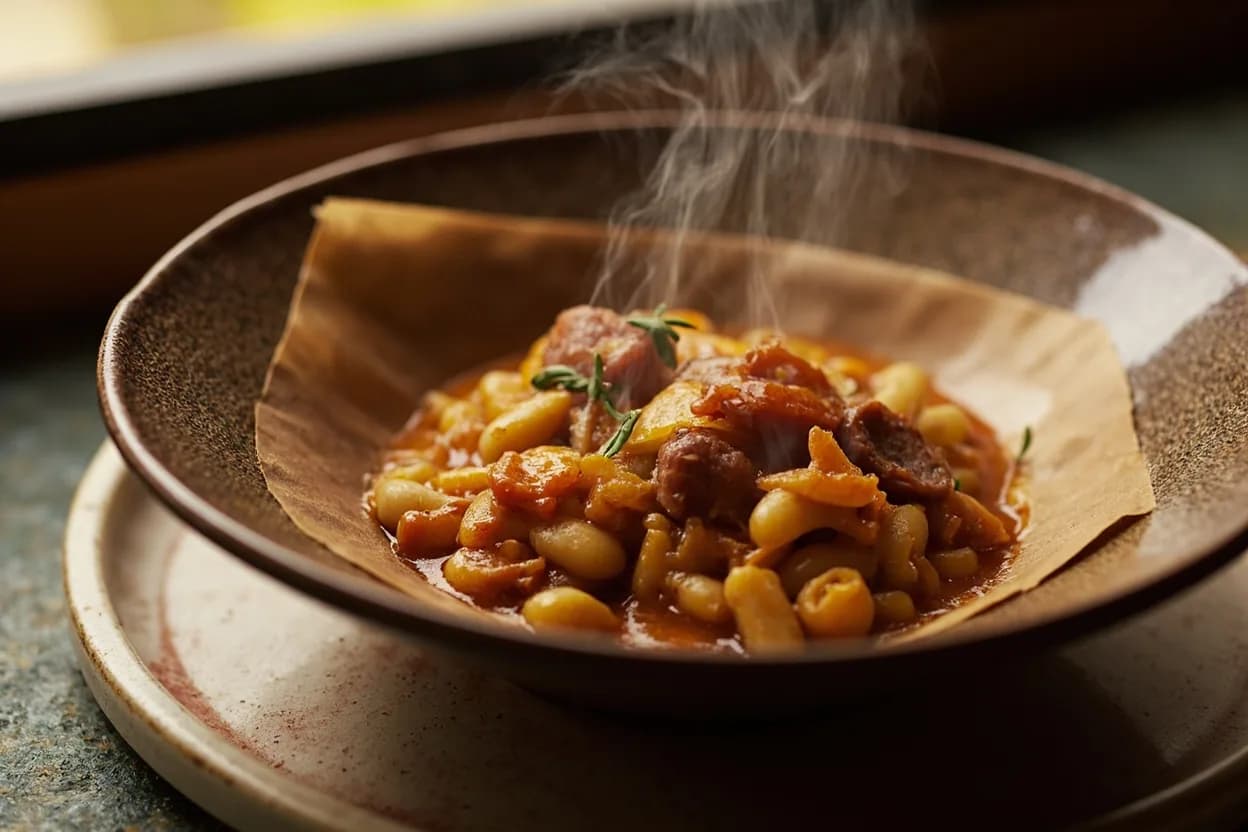
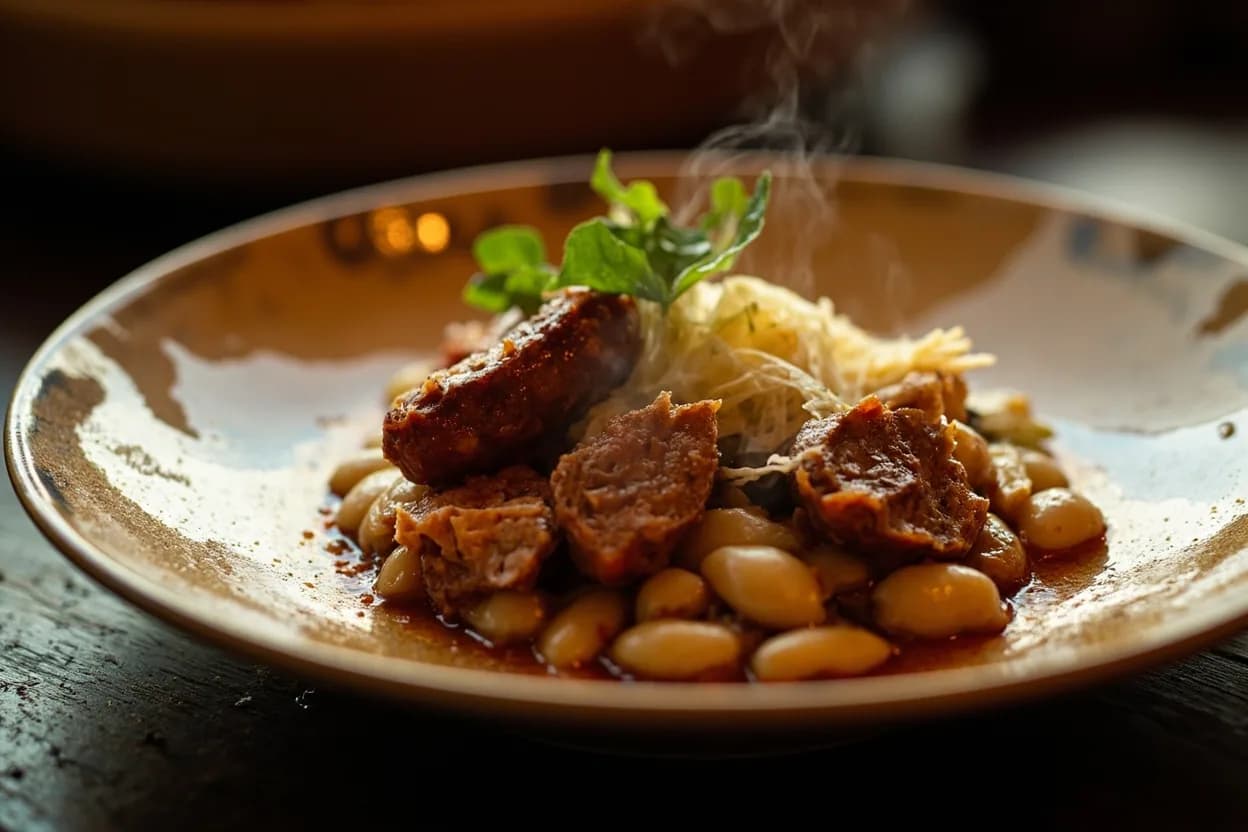
Related
Egg
The kitchen's everything ingredient — bind, leaven, enrich, or fry
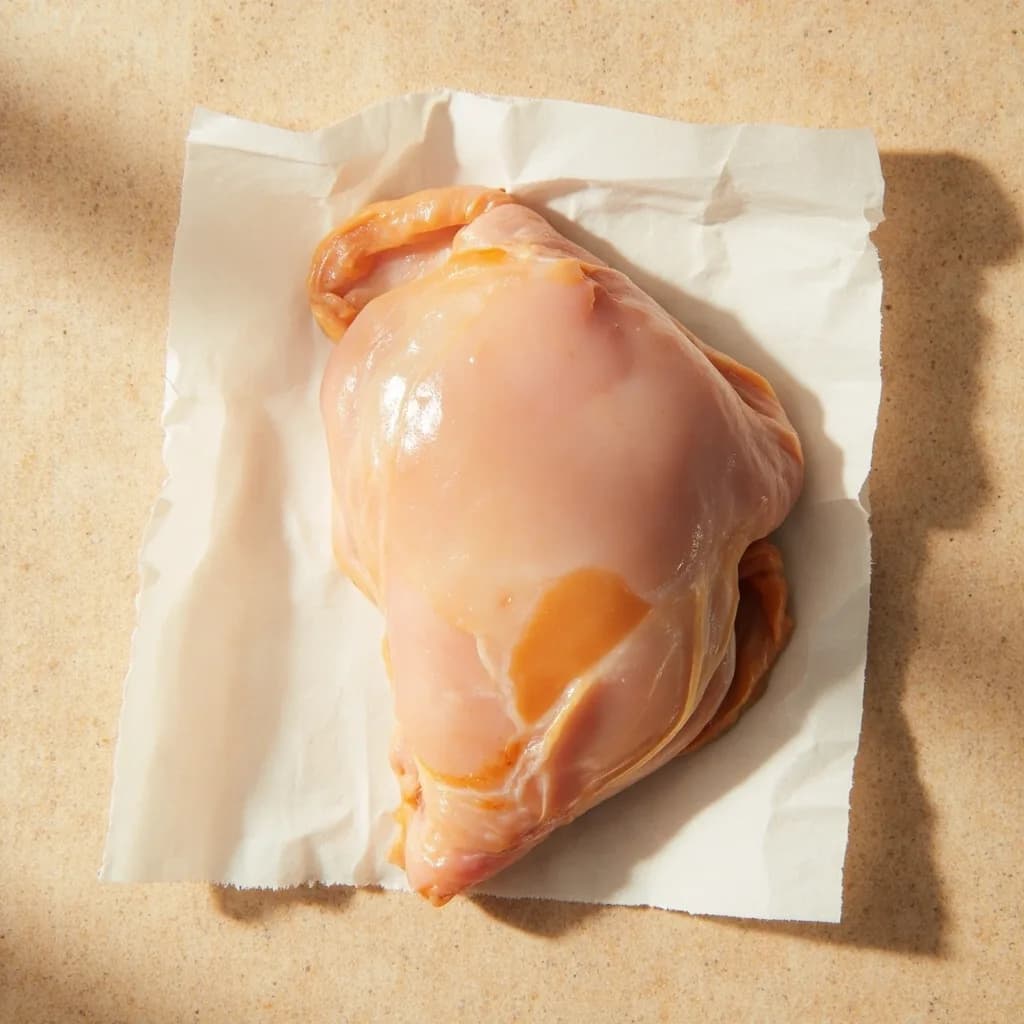
Chicken Breast
Lean, quick-cooking white meat for everyday dinners

Ground Beef
Versatile minced beef for burgers, ragù, tacos, and meatballs
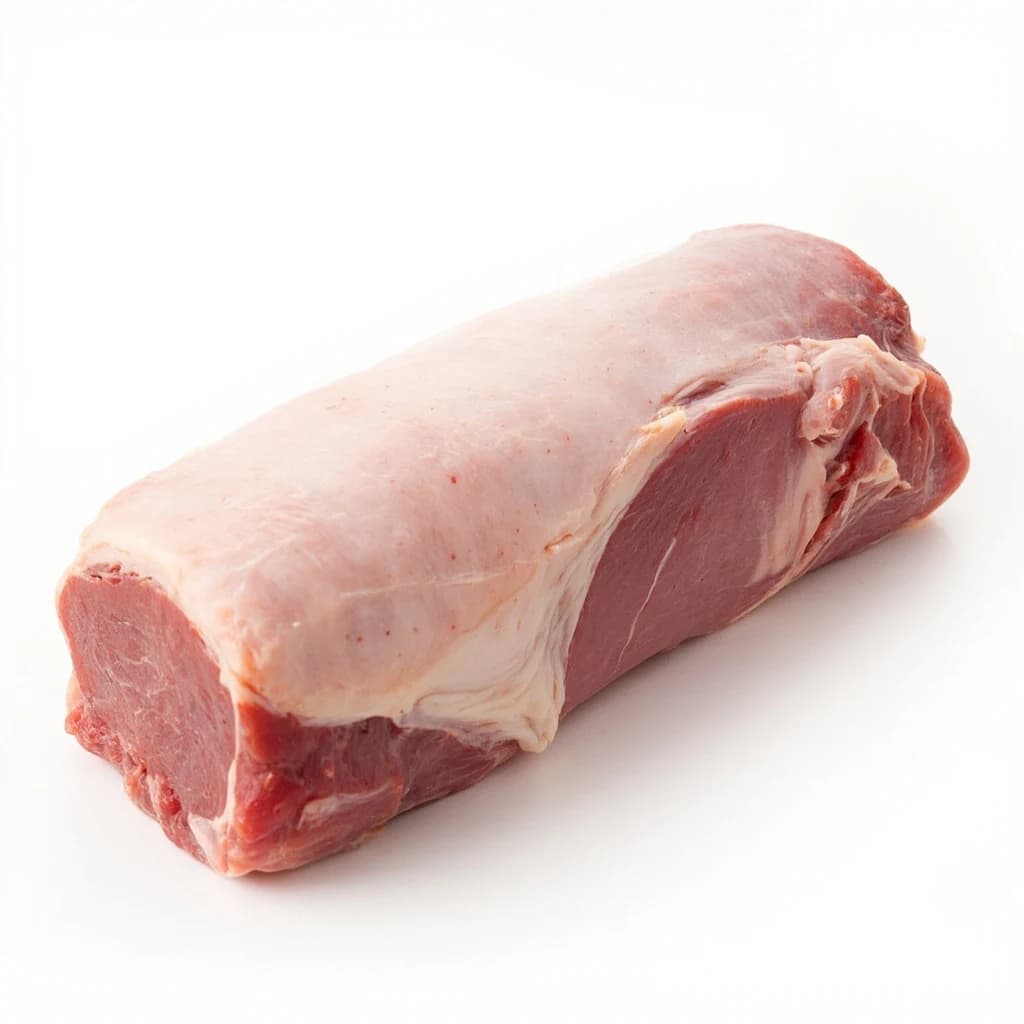
Pork Loin
Lean, tender roasting cut that stays juicy with care
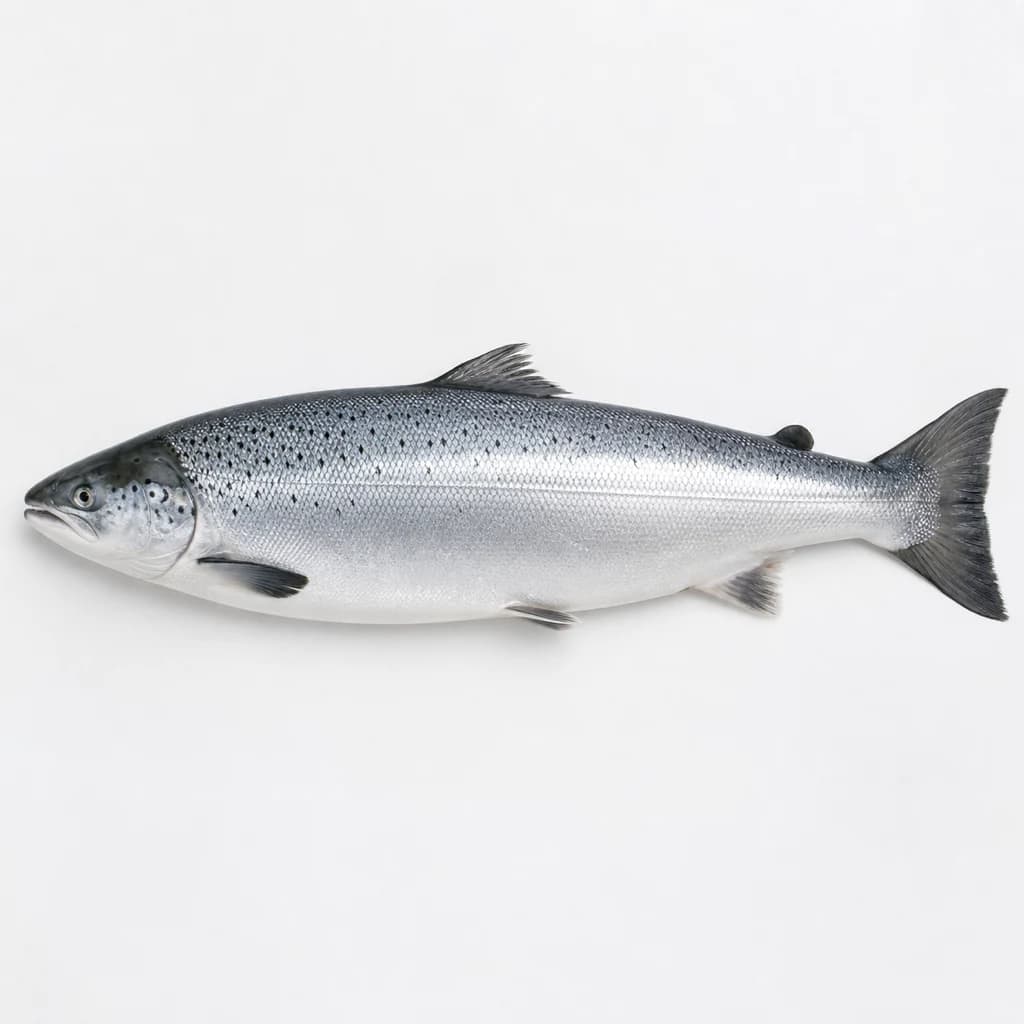
Salmon
Rich, rosy fish that roasts, grills, or cures beautifully

Egg White
Pure protein that whips to airy peaks for meringue and more
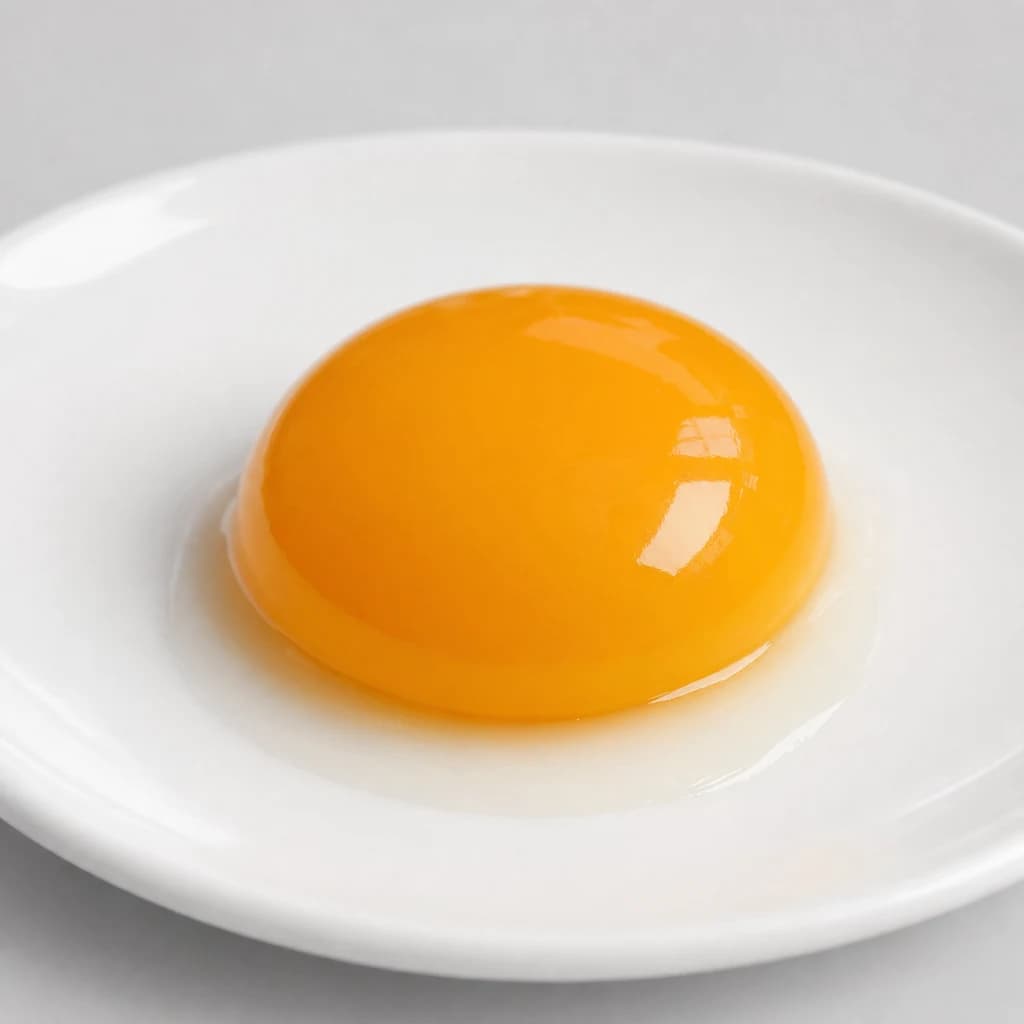
Egg Yolk
Rich, golden yolk for custards, mayonnaise, and pasta

Quail Egg
Tiny, speckled eggs for garnishing and elegant bites