Caucasus / Levant
Armenian (Diaspora & Homeland)
Also: Armenian cuisine, Hayastan cooking, Armenian-American food, Western Armenian cuisine, Eastern Armenian cuisine
A cuisine shaped by both ancient highland culture and genocide survival — Armenia's smoky grilled meats, herb-stuffed dolma, crackling lavash, and walnut-laden sweets are inseparable from a history of extraordinary loss and stubborn continuity.
Armenian cuisine encompasses two related but distinct traditions: Eastern Armenian (the Republic of Armenia and Iranian Armenians, drawing on Caucasian and Persian influence) and Western Armenian (the culinary heritage of Armenian communities from Anatolia, largely carried by genocide survivors and their descendants into Syria, Lebanon, France, and the Americas). Both share a core vocabulary — lavash flatbread, dolma, khorovats grilled meat, manti dumplings, pilaf, and a repertoire of herb-forward preparations — but differ in spice profile, dairy use, and specific dishes. The 1915 Armenian Genocide destroyed the living food culture of Western Armenian communities in Anatolia; what survives does so in diaspora kitchens in Beirut, Aleppo (now itself devastated), Paris, Los Angeles, and Buenos Aires, carried by family memory, church cookbooks, and community organizations. The cuisine is thus simultaneously a living culinary tradition and an act of cultural memory against erasure.
The flavour base
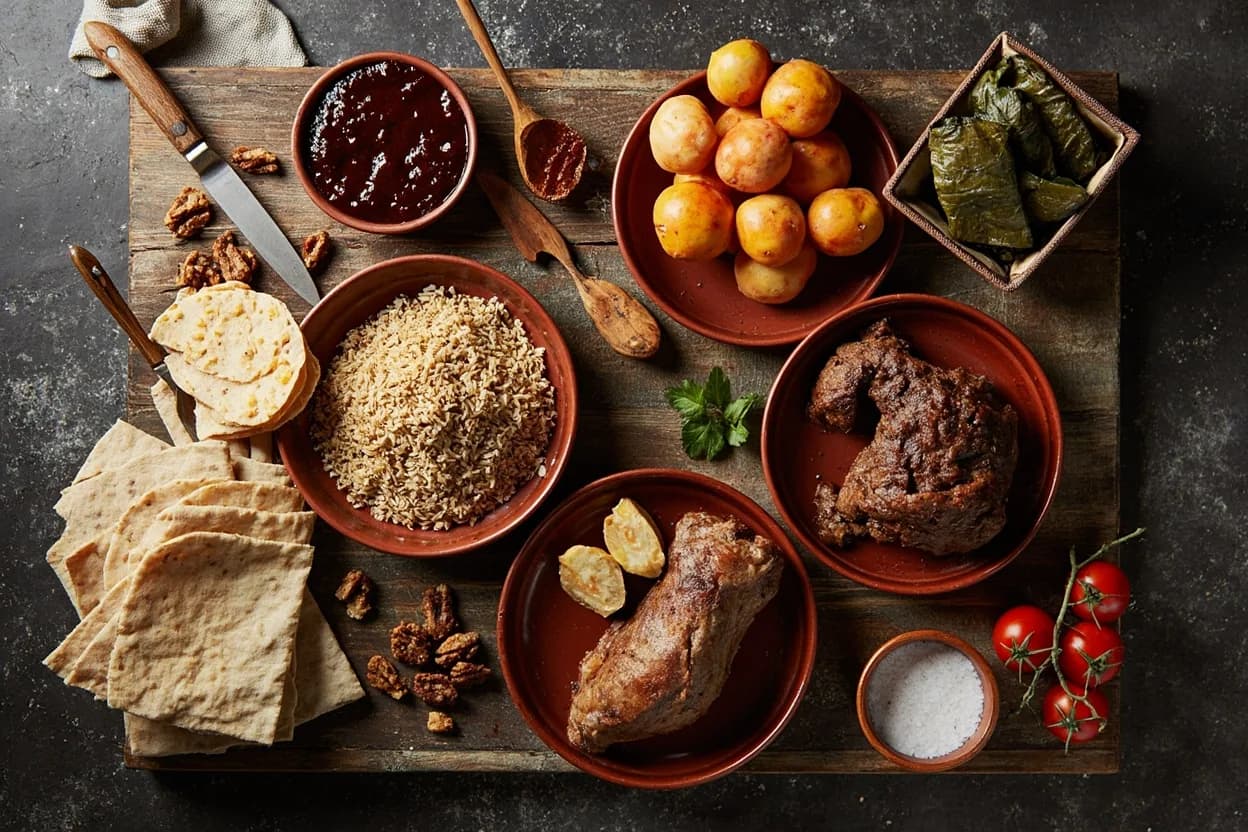
Butter and lamb fat underpin Eastern Armenian cooking; olive oil enters in the western diaspora. Dried herbs (mint, tarragon, fenugreek), cumin, allspice, and red pepper flakes are the primary seasoning layer; pomegranate molasses and tart plum (tkemali) add fruity acidity.
Pantry staples
Key ingredients
Signature techniques
Signature dishes
Armenian (Diaspora & Homeland) on the table
At the table
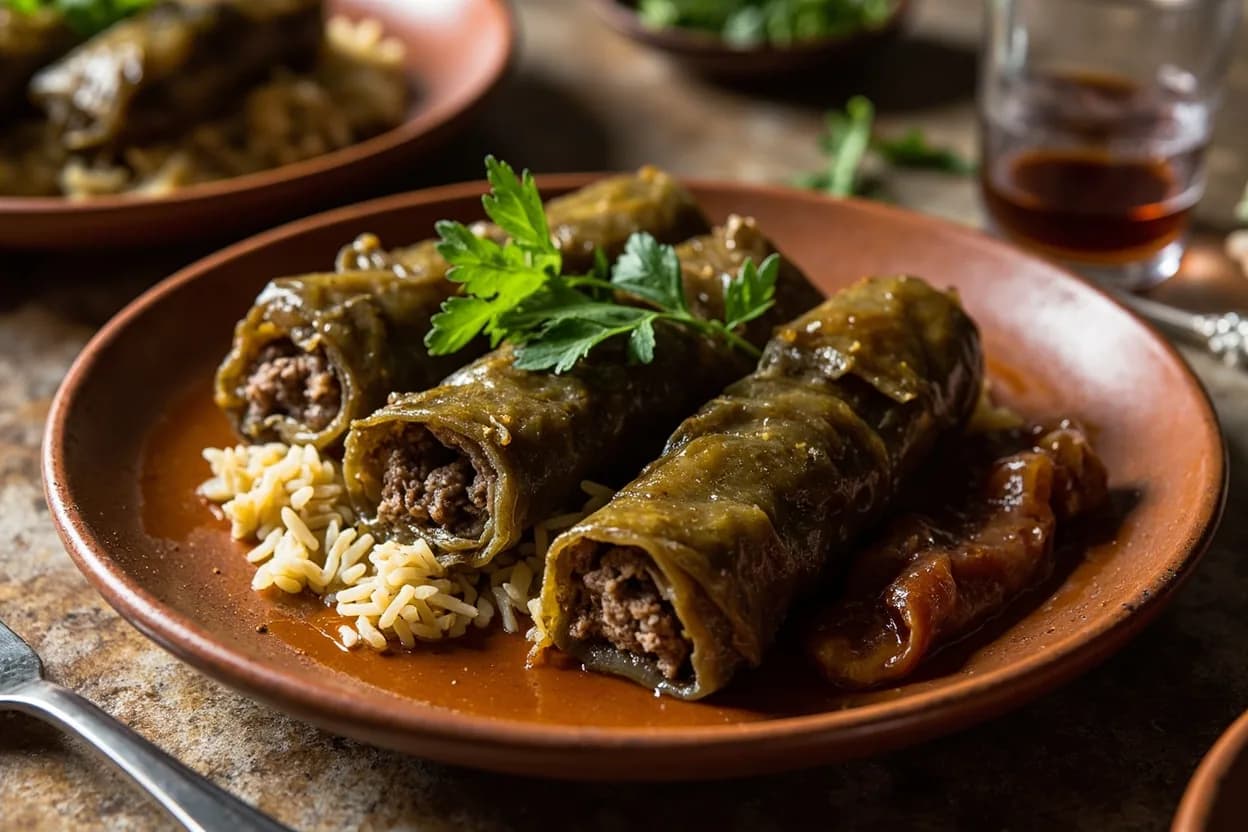
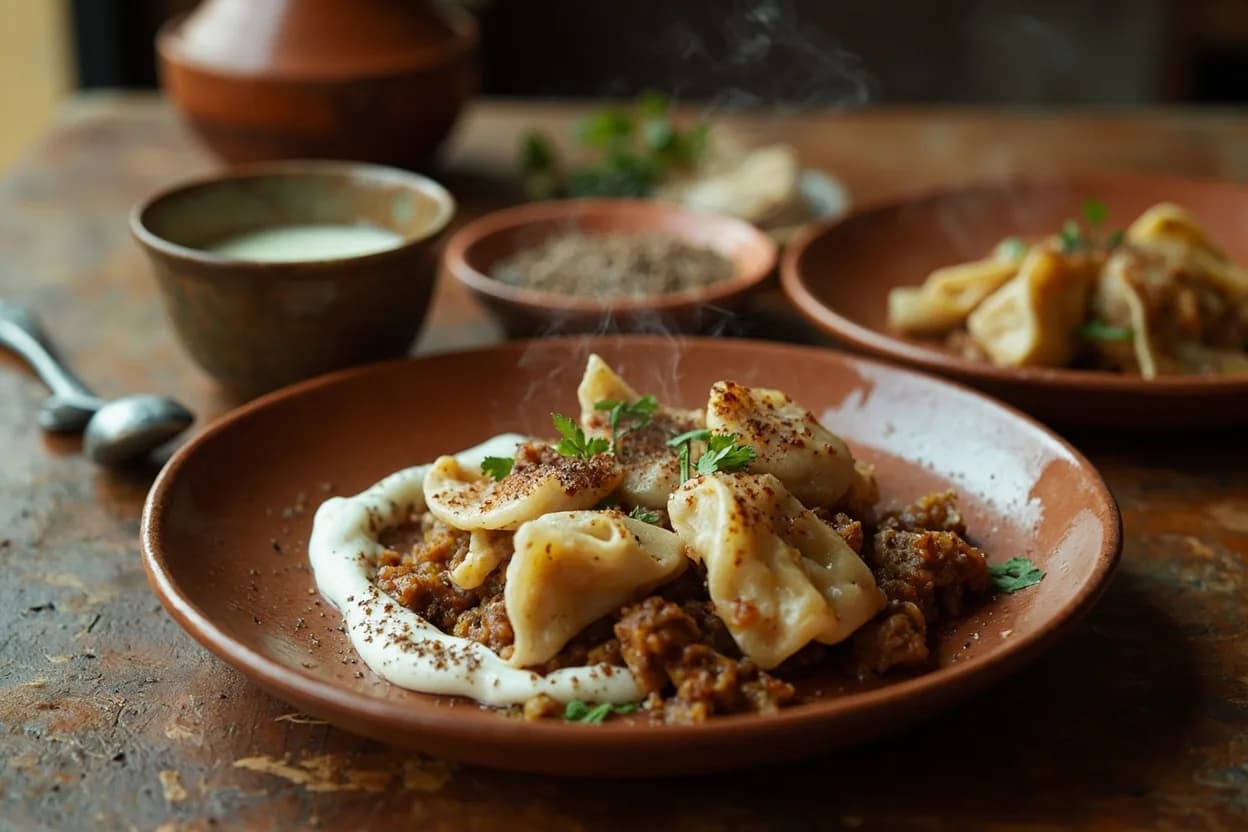
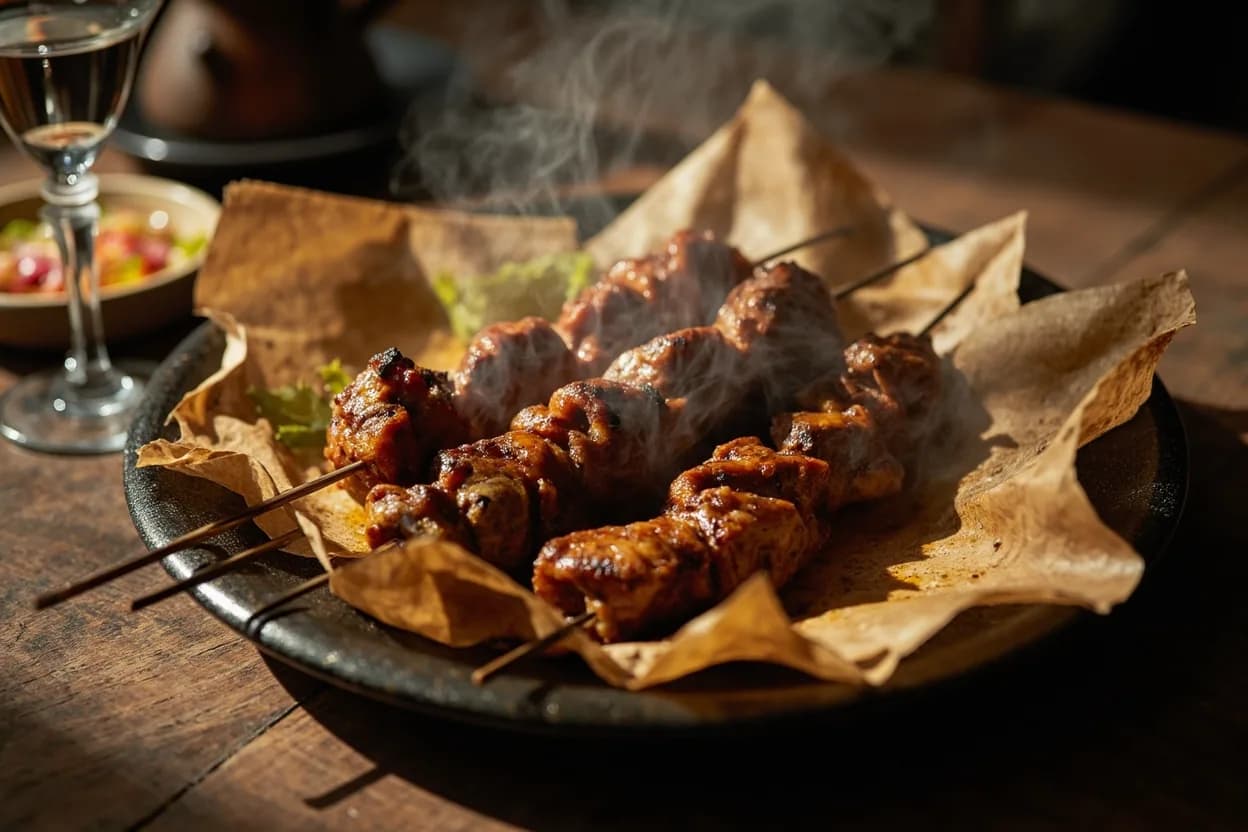
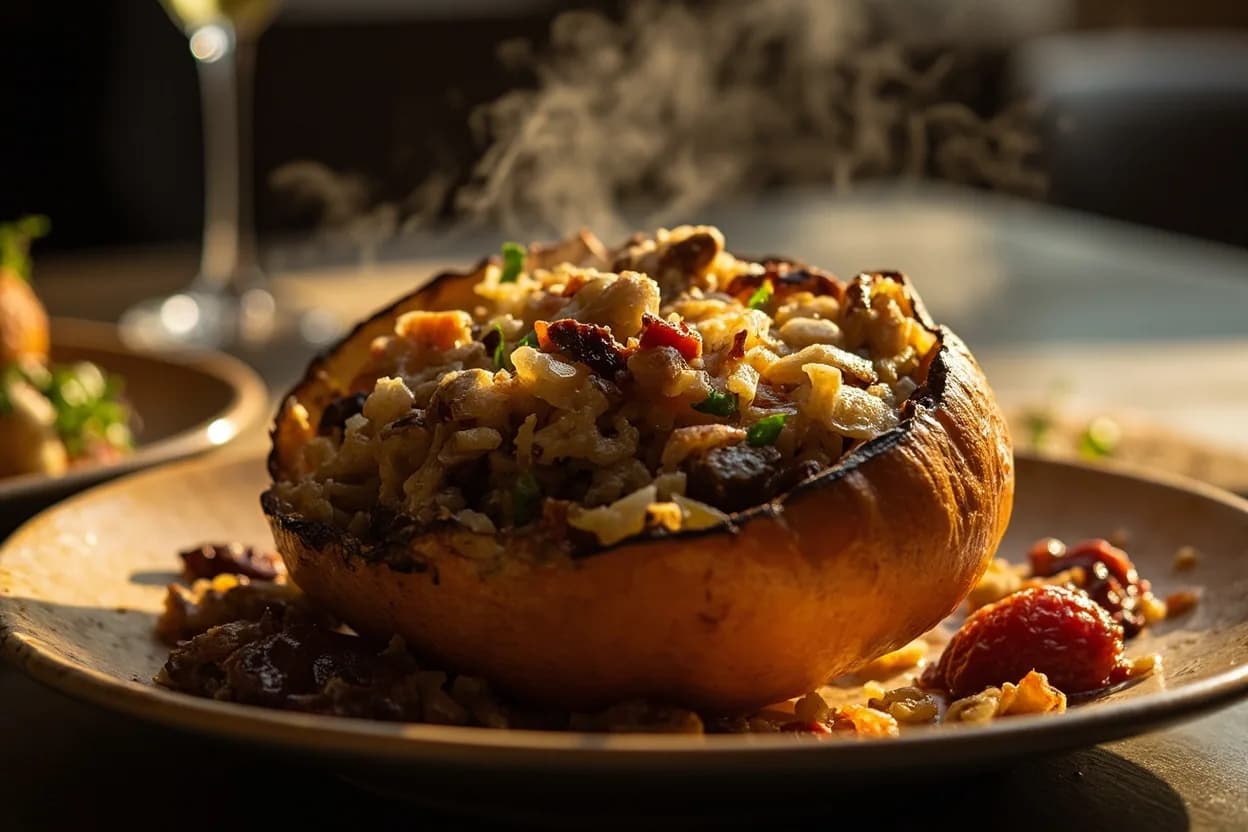
The main meal is midday in homeland Armenia; in diaspora communities it mirrors the adopted country's schedule. A full spread begins with salads, cheeses (white brine cheese, chechil string cheese), and pickled vegetables. Soup (often spas — yogurt and barley — or borscht in Eastern Armenia) precedes the main. Khorovats anchors outdoor gatherings; dolma and manti are the indoor celebration centerpieces. Bread — lavash or matnakash (soft leavened bread) — is always present and treated with respect; dropped bread is picked up immediately. Armenian cognac and local wine accompany meals; coffee (Armenian style, fine-ground) and sweet preserves close them.
History & context
Armenia sits at one of the oldest continuously inhabited regions on earth — archaeological evidence of winemaking in the Armenian highlands dates to c. 4100 BCE. The medieval Armenian kingdoms developed a sophisticated court cuisine, and Armenian merchants spread their food culture across the Silk Road. The catastrophe of the Armenian Genocide (1915–1923), in which the Ottoman government killed an estimated 600,000–1.5 million Armenians and expelled the survivors, destroyed the living food culture of Western Armenia (historic Anatolia). Survivors carried their cuisine into the Arab world (many settled in Aleppo, Beirut, and Damascus, where Armenian culinary influence on Levantine cooking is still traceable) and eventually to Europe and the Americas. In the Republic of Armenia (Soviet until 1991), Eastern Armenian traditions were preserved but also shaped by Soviet food culture. Since independence, there has been a significant culinary revival linking both branches.
Regional variations
- Eastern Armenia (Republic of Armenia)
Stronger Russian and Persian influence; khorovats uses pork as well as lamb (unlike the diaspora); tonir-baked lavash and matnakash bread; spas (yogurt-barley soup) is a signature dish.
- Western Armenian Diaspora (Beirut, Aleppo)
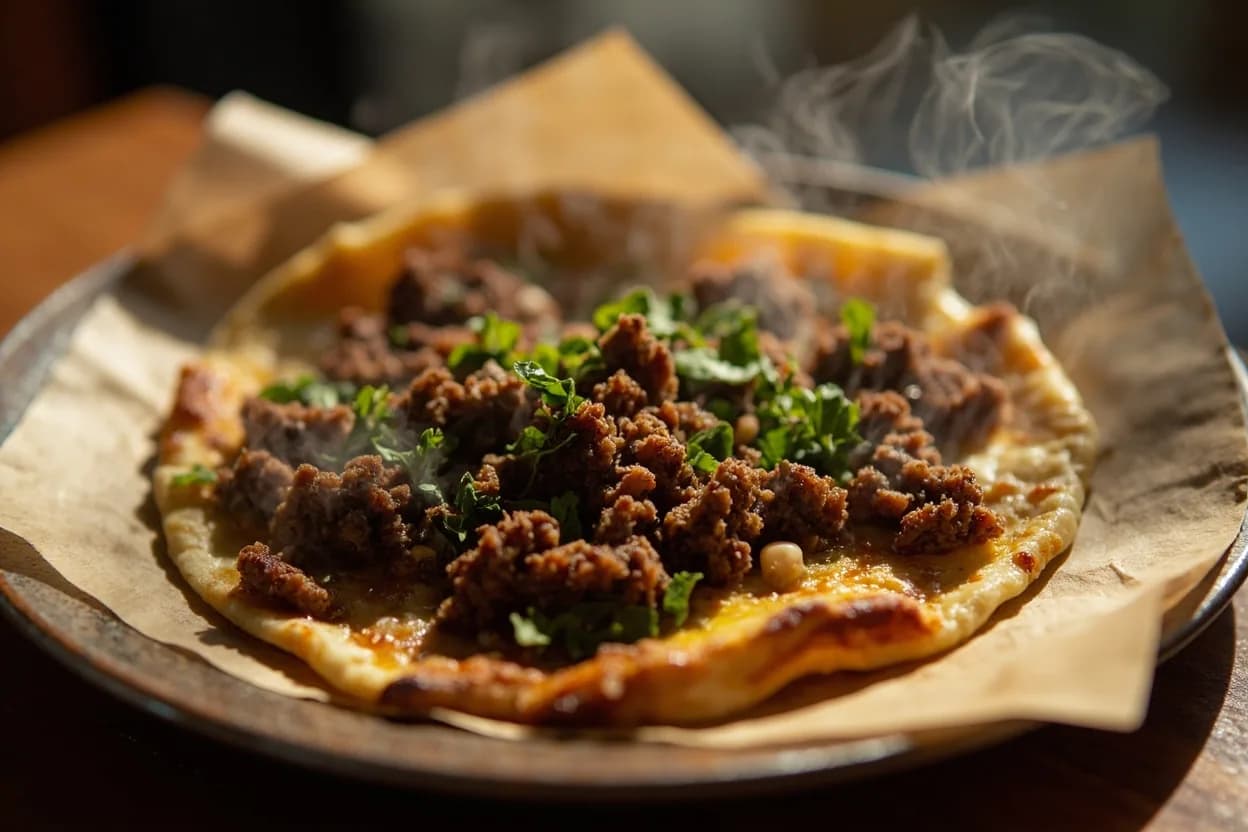
More olive oil, more Levantine spicing (Aleppo pepper, seven-spice baharat); lahmajoun is a staple; dialect dishes like mante (smaller dumplings baked in broth) reflect Anatolian origin.
- Iranian Armenian
Persian rice culture (polo preparations) and the use of dried fruits and herbs in savory dishes enter the repertoire; fesenjan (pomegranate-walnut stew) is adopted.
- Armenian-American (Los Angeles, Boston)
Preserved Western Armenian traditions; community church cookbooks are key documentation; integration of American ingredients (iceberg lettuce in salads, American lamb cuts) but core dishes maintained.
Related cuisines
- Turkish
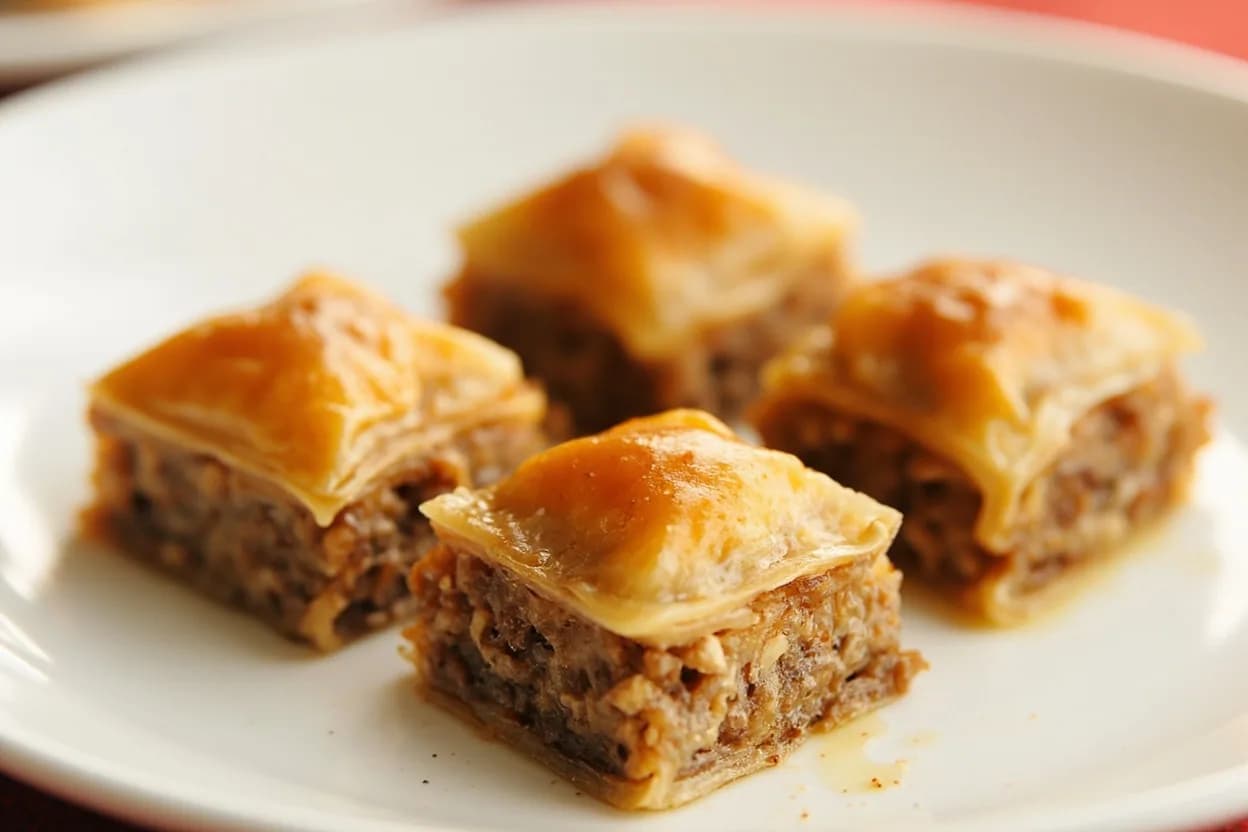
Centuries of shared Anatolian geography mean deep overlaps in dolma, börek, manti, baklava, and lahmajoun — attribution is politically contested but culinary exchange was genuinely bidirectional.
- Georgian
Caucasian neighbors share walnut sauces, herb salads, grilled meats, and lavash; Eastern Armenian cuisine has absorbed Georgian tkemali (sour plum sauce) and churchkhela confection.
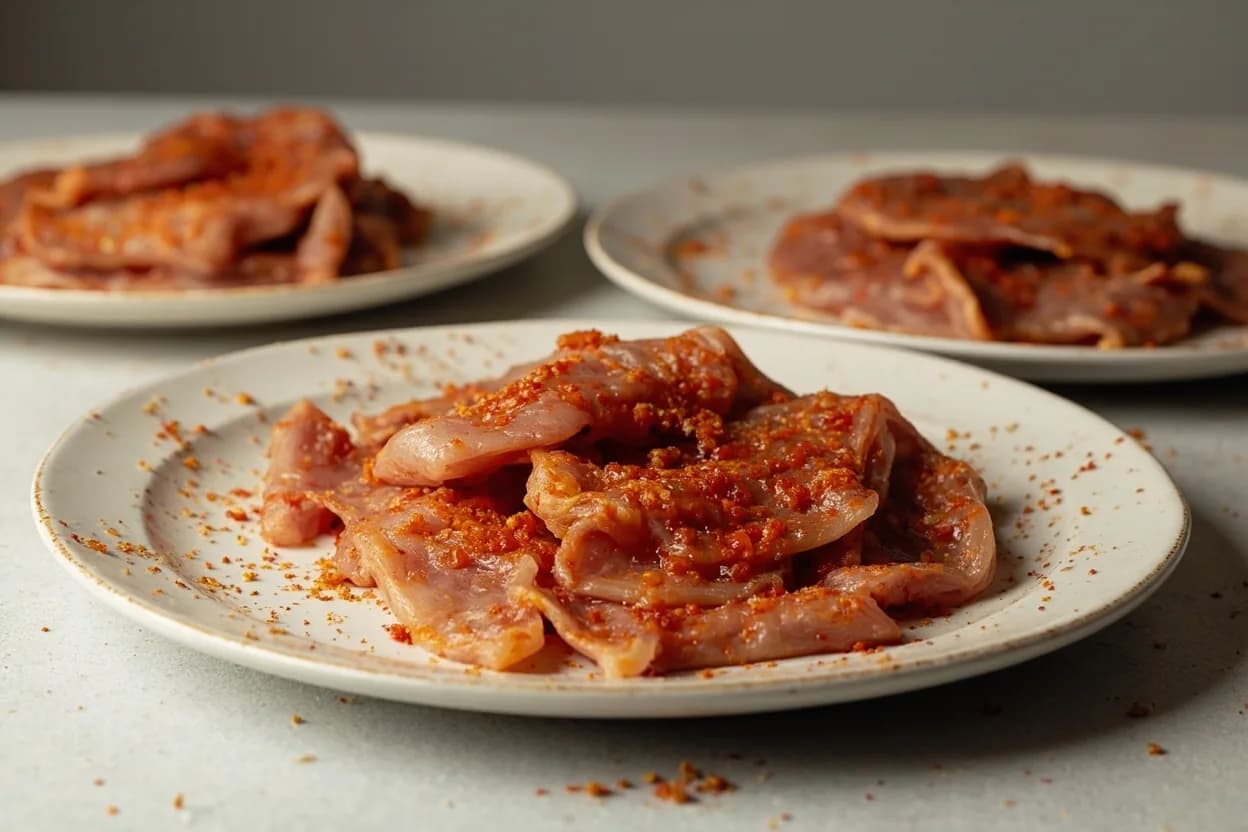
Armenians were a significant community in Beirut for decades; mante, lahmajoun, and basturma entered Lebanese street-food culture; the exchange ran both ways.
Canonical recipes
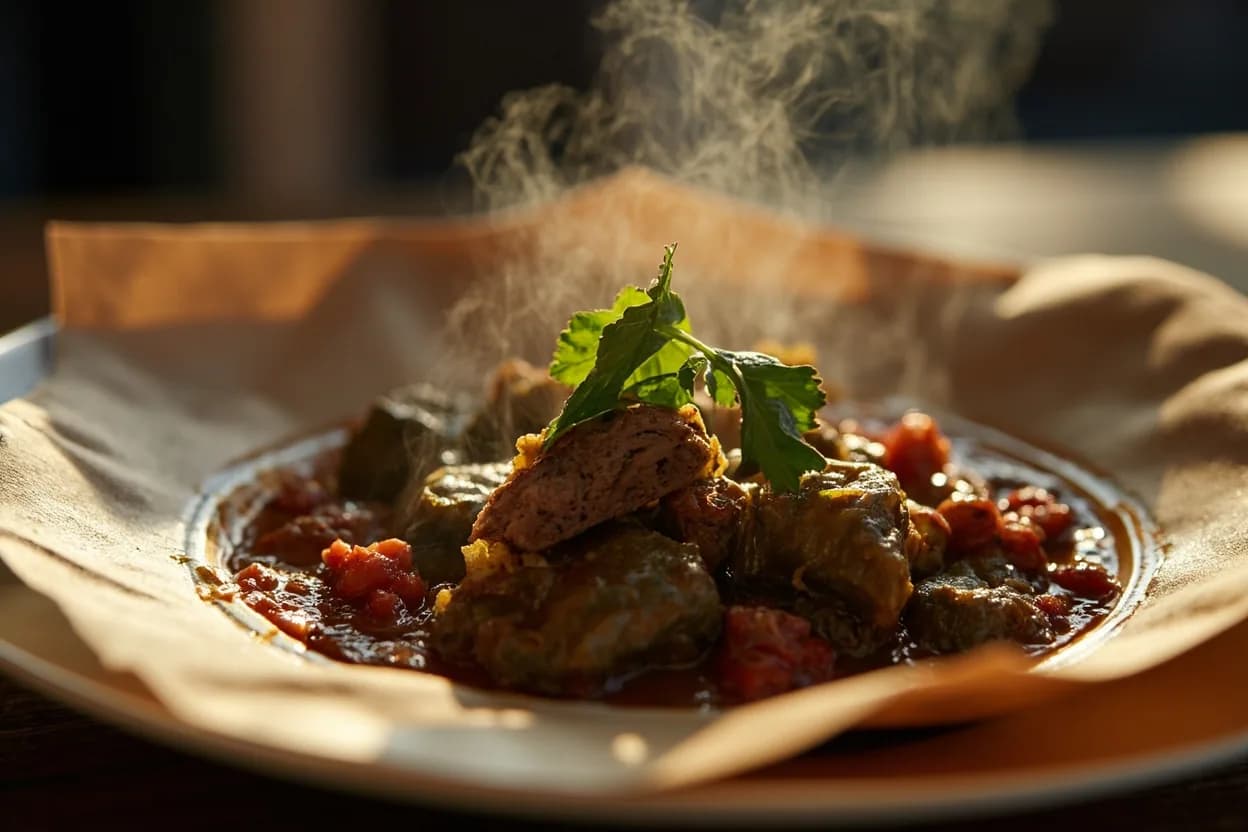
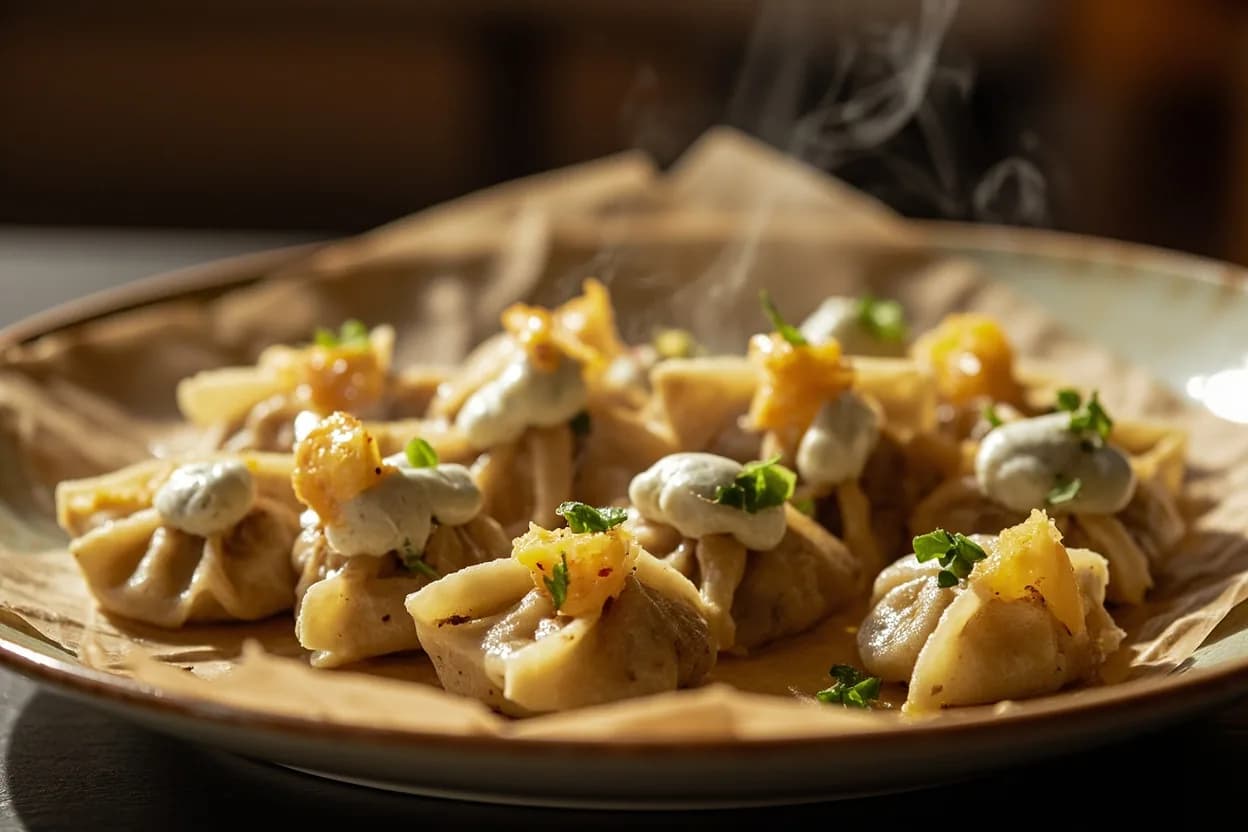
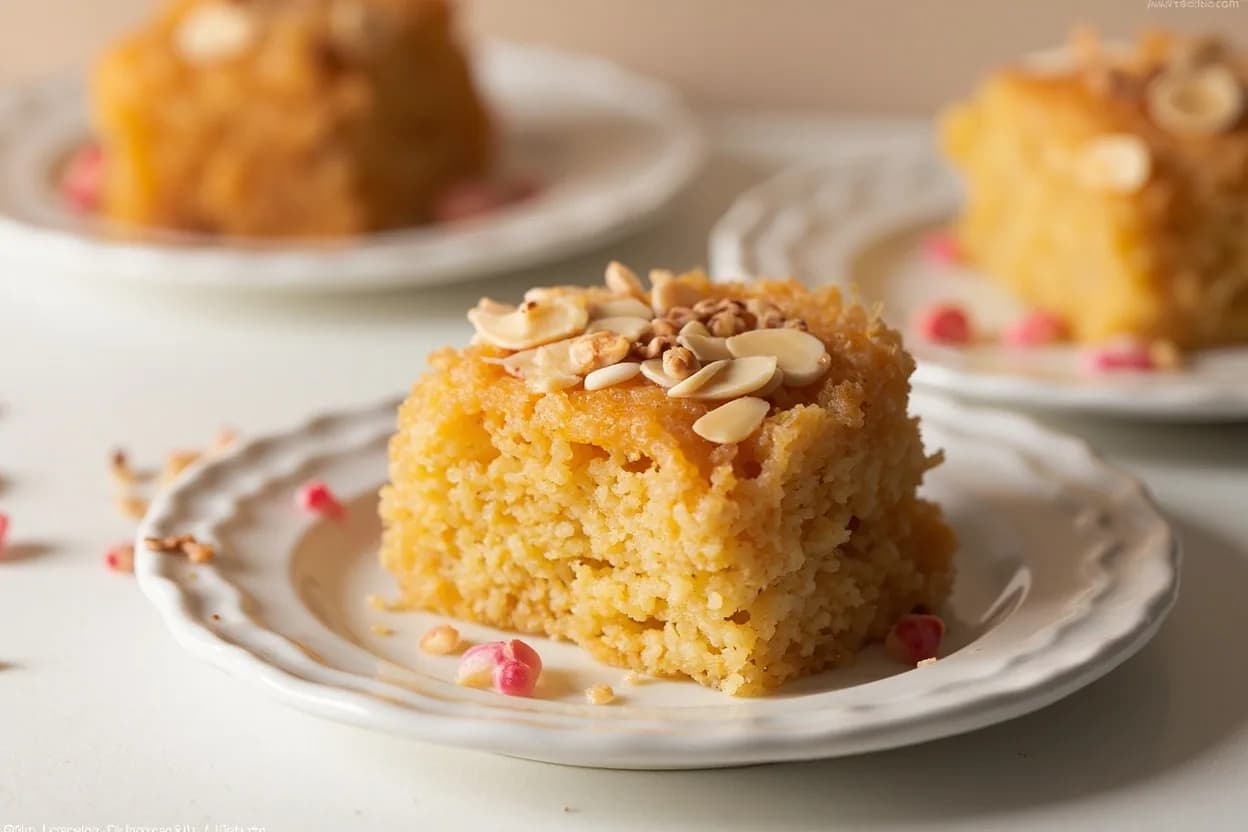
The dishes that define Armenian (Diaspora & Homeland), documented in the Canon.
References
- 1.Barbara Ghazarian, 'Simply Armenian: Naturally Healthy Ethnic Cooking Made Easy' (2012)
- 2.Alice Antreassian, 'Armenian Cooking Today' (1975)
- 3.Naomi Duguid, 'Taste of Persia' (2016) — Armenian-Iranian chapter
- 4.Claudia Roden, 'The New Book of Middle Eastern Food' (2000)
Confidence: high
Notes
Harissa and the fast-feast paradox
Harissa (not to be confused with the North African chili paste) is an Armenian dish of wheat berries and lamb slow-cooked to a thick porridge — the same dish Armenians ate during the Siege of Musa Dagh in 1915, cooked in large communal pots to feed thousands. It is now eaten celebratorily at church festivals and the Feast of the Assumption; the same dish that sustained survival is now the marker of communal feast.
Lavash and intangible heritage
In 2014, UNESCO inscribed Armenian lavash — the paper-thin flatbread baked on the inner wall of a tonir clay oven — on its Intangible Cultural Heritage list. The baking is a social act: women work in groups to roll, stretch, and slap the dough onto the curved interior walls. Dried lavash lasts months; fresh lavash, pliable and warm, is eaten with cheese and herbs at every meal.