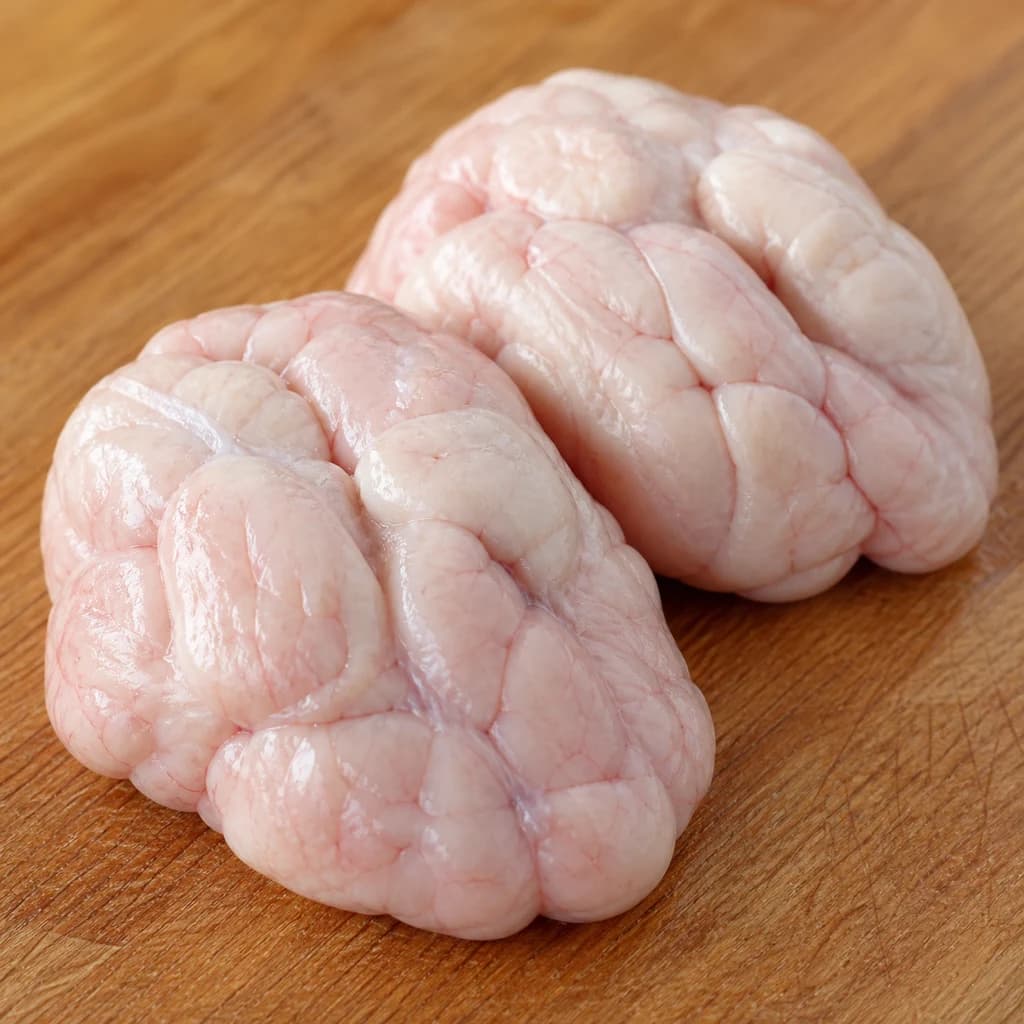
Natural form
Raw veal sweetbreads before soaking: pale, lobed thymus glands with delicate membrane.
Shows the ingredient in its raw state so readers recognize it at the butcher or market.
Proteins
Sweetbreads (Mollejas)
Delicate thymus or pancreas glands, soaked then crisped for a creamy bite.
Sweetbreads are the thymus or pancreas glands of veal, lamb, or beef, with a tender, creamy interior and mild flavor. They are soaked, poached, peeled, then breaded and fried or seared until golden and crisp, a delicacy in French and Argentine cooking where they are called mollejas. Their luxurious texture is prized despite the careful prep they require.
Sweetbreads are the thymus or pancreas glands of young animals—primarily veal calves, lambs, and occasionally pork. In classical European cuisine, they rank among the most prized offal preparations, celebrated for a delicate, creamy interior that absorbs sauces and pan juices while developing a richly golden crust when seared. The name carries no connection to bread or sweetness; it derives from the Old English 'sweete' (sweet or rich) and 'bræd' (flesh). In French they are called ris de veau, in Italian animelle, and in Spanish mollejas. What makes sweetbreads singular is their textural duality: a smooth, fine-grained interior that remains creamy at the center when properly cooked, encased by a surface that fries to a crisp, golden shell. They require substantial advance preparation—hours of soaking, parboiling, trimming, and pressing—but the technique is straightforward once understood, and the result rewards patience with one of the most satisfying proteins in classical cooking.
The thymus gland, located in the throat and neck region, produces the large, uniformly textured sweetbreads preferred by restaurants and fine butchers. The pancreas gland, from the stomach area, yields smaller, more irregular pieces that are generally considered inferior. Because the thymus gland shrinks significantly after an animal matures, young animals are essential—veal from calves four to six months old provides the finest quality and largest size, while lamb sweetbreads come from animals just four to eight weeks old. This is not a forgiving ingredient: overcooked sweetbreads become dry and mealy, under-trimmed ones taste bitter, and insufficient browning leaves you with something closer to scrambled eggs than the crisp, luxurious bite that defines a well-executed preparation.
Sweetbreads occupy a unique position in the kitchen as both a vehicle for flavor and a flavor itself. Their taste is mild and faintly mineral, with a natural sweetness that registers more as richness than sugar—the flavor essentially becomes whatever sauce or butter surrounds it. This makes them extraordinarily adaptable across cuisines: the French finish them with brown butter, capers, lemon, and parsley in the grenobloise tradition; Italians grill or pan-roast them with olive oil and garlic; the Spanish fry them crisp and serve with all-i-oli or bravas sauce. At the highest level, they appear alongside game birds, roasted fish, or truffled preparations where their delicate nature can hold its own against luxury ingredients.
- Measured in
- g
- Storage
- Fridge
Types & varieties
From 4–6 month old calves. The largest variety, 200–600 g each. Preferred for restaurant service and most versatile applications; creamy, mild, and substantial. Peak quality in spring.
From young lambs typically 4–8 weeks old. Much smaller, 30–80 g each. More intensely flavored with a slightly firmer texture. Often served whole or halved. More common in Mediterranean and South American cuisines.
Less commonly available. Smaller and denser than veal. More aggressively flavored; occasionally used in charcuterie or regional preparations. Not widely carried by most butchers.
The gland from the neck and throat region. The preferred type: uniform grain, smooth texture, good portion size. Most often simply labeled 'sweetbreads' at fine butchers.
From the pancreas region. Smaller and more irregularly shaped than thymus sweetbreads. Can be tougher. Sometimes incorrectly labeled 'heart sweetbreads' — a misnomer with no connection to cardiac tissue.
The preparation sequence
Understanding the why behind each preparation step makes the process less intimidating and the results more reliable. Sweetbreads contain significant blood and connective tissue that cause bitterness if not removed, and the internal structure is too loose to hold together during high-heat cooking unless compressed first.
- Soaking in salted cold water or milk (4 hours minimum, overnight preferred) draws out blood and purges impurities that would otherwise create bitter flavors and prevent browning
- Parboiling denatures proteins and firms the structure; adding acid (lemon juice or white wine vinegar) accelerates this process and makes subsequent trimming far easier
- Ice bathing immediately after parboiling stops the cooking and firms the sweetbreads to a state where trimming is manageable without crumbling
- Trimming removes the outer membrane (which will not crisp during cooking), fat deposits, and any discolored tissue
- Pressing under weight for 20–30 minutes compresses the interior, creating a denser texture that holds together during searing and feels more substantial on the plate
Common uses
Tips & pitfalls
- Soak in well-salted cold water or whole milk for at least 4 hours, preferably overnight in the refrigerator — this draws out blood and impurities that cause bitterness and poor browning
- After soaking, parboil in salted water or lightly salted milk for 5–8 minutes until just firm. Acidified water (a splash of lemon juice or white wine vinegar) helps firm the proteins and makes trimming easier
- Immediately transfer parboiled sweetbreads to an ice bath to stop cooking. This firms them for the critical trimming step
- Trim carefully: peel off the outer membrane with your fingers or a paring knife, and remove any fat deposits or discolored tissue. Work over a fine-mesh strainer to catch small fragments
- Press between two weighted plates or a weighted cutting board for 20–30 minutes after trimming to compress the interior — this prevents crumbling during cooking and creates a denser, meatier texture
- Season with salt only at the very end of cooking. Salt before searing draws moisture and prevents browning
- Use high heat and enough fat to submerge at least halfway. Cast iron retains heat best for achieving a deep golden crust without steaming
- Do not overcook: sweetbreads should be removed from heat while they still feel slightly yielding at the center. They continue cooking from residual heat
- Serve immediately. Sweetbreads lose their prized crisp exterior within minutes of leaving the pan
- Ask your butcher to cut large sweetbreads in half before you take them home — halving cooked sweetbreads cleanly is difficult due to their delicate, compressible texture
- For frozen sweetbreads, choose individually quick-frozen (IQF) rather than block-frozen product for easier separation during soaking
Nutrition
Energy
1268 kJ · per 100 g
Where the calories come from
Protein
11.5g
23% DV
Carbs
0g
0% DV
Fat
28.6g
37% DV
Fiber
0g
0% DV
Sugars
0g
of which
Sodium
64mg
3% DV
Source · USDA FoodData Central · Beef, New Zealand, imported, sweetbread, raw
View on FDC →In the shops
Matched grocery products
No matched grocery products for Sweetbreads (Mollejas) yet.
Good to know
- Source
- Thymus or pancreas glands of young veal calves, lambs, or occasionally pork
- Primary types
- Thymus (throat/neck) sweetbreads — preferred for size and texture; pancreas (stomach) sweetbreads — smaller, less uniform, generally considered inferior
- Peak season
- Spring for veal sweetbreads, when young calves are most available; lamb sweetbreads from specialty butchers year-round
- Flavor
- Mild and delicate with a faint mineral note; essentially absorbs and takes on the character of surrounding sauces and fats
- Texture
- Smooth, dense, fine-grained interior with a crisp, golden crust when properly seared; creamy yielding center when correctly cooked
- Yield
- Approximately 65–70% after soaking, parboiling, and trimming removes blood, membranes, and excess fat
- Perishability
- 1–2 days refrigerated when fresh; up to 3 months frozen (choose individually quick-frozen over block-frozen for easier handling)
- Prep difficulty
- High — requires 4+ hours soaking, 5–8 minutes parboiling, careful trimming, and 20–30 minutes pressing before cooking
- Origin
- European classical cuisine — French (ris de veau), Italian (animelle), and Spanish (mollejas) traditions
Substitutes
- Chicken livers — Most accessible substitute. Pan-sautéed and crumbed, they replicate the richness and creamy interior, though the texture is softer and the flavor more intense.
- Calf's liver — Similar delicate, mild flavor and similar cooking method. Slice thin, coat in flour or semolina, and sauté quickly in butter. More familiar to most cooks.
- Brains (calf's or lamb's) — Similar mild, creamy flavor and delicate texture. Require identical soaking and parboiling preparation. Can be substituted in most recipes at equal weight.
- Scallops — The sweet, delicate flavor and quick-searing method translate reasonably well. Not a textural match but close in taste profile.
- Mushrooms (hen of the woods, chanterelles) — For vegetarian applications, sautéed in brown butter with capers and lemon, they approximate the earthy richness and textural contrast of crispy exterior vs. tender interior.
Pairs with
Also called
Mollejas · Veal Sweetbreads · Beef Sweetbreads
Appears in these dishes
Related
Egg
The kitchen's everything ingredient — bind, leaven, enrich, or fry
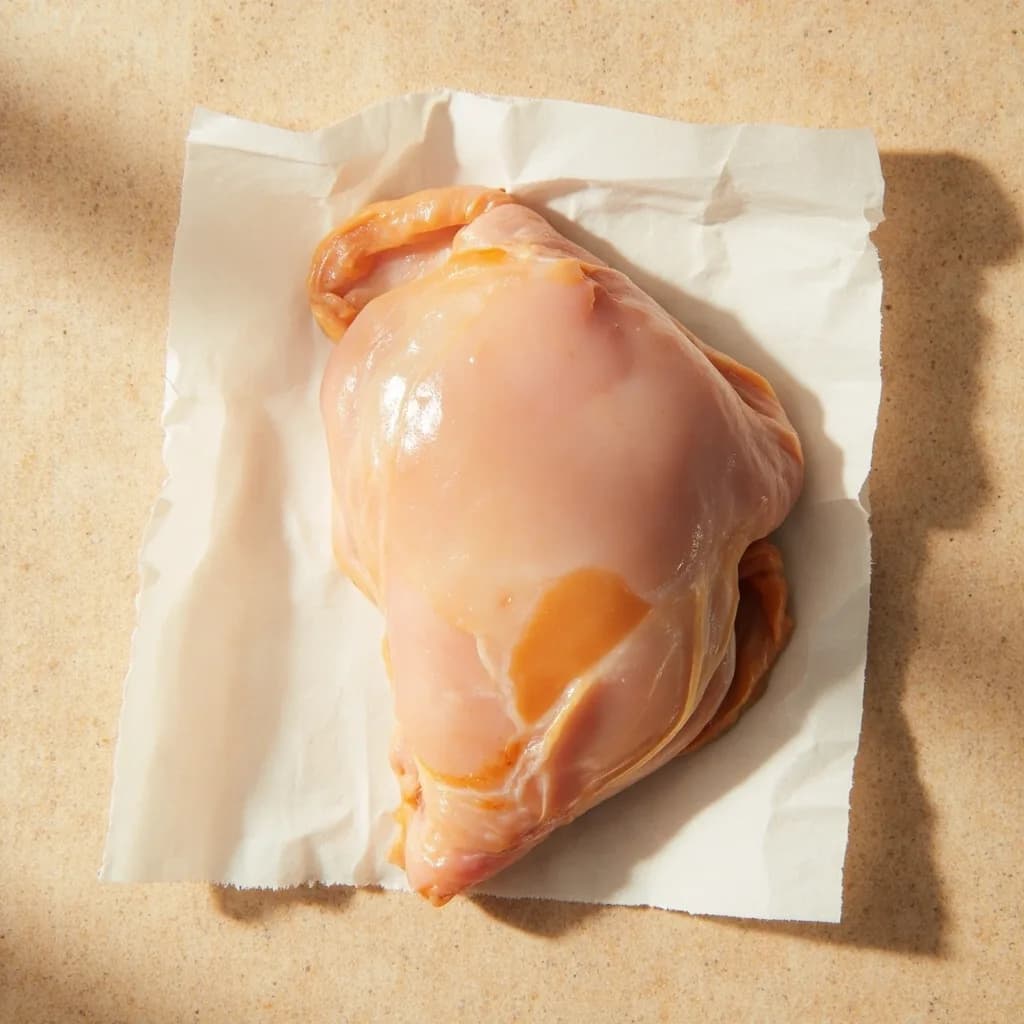
Chicken Breast
Lean, quick-cooking white meat for everyday dinners

Ground Beef
Versatile minced beef for burgers, ragù, tacos, and meatballs
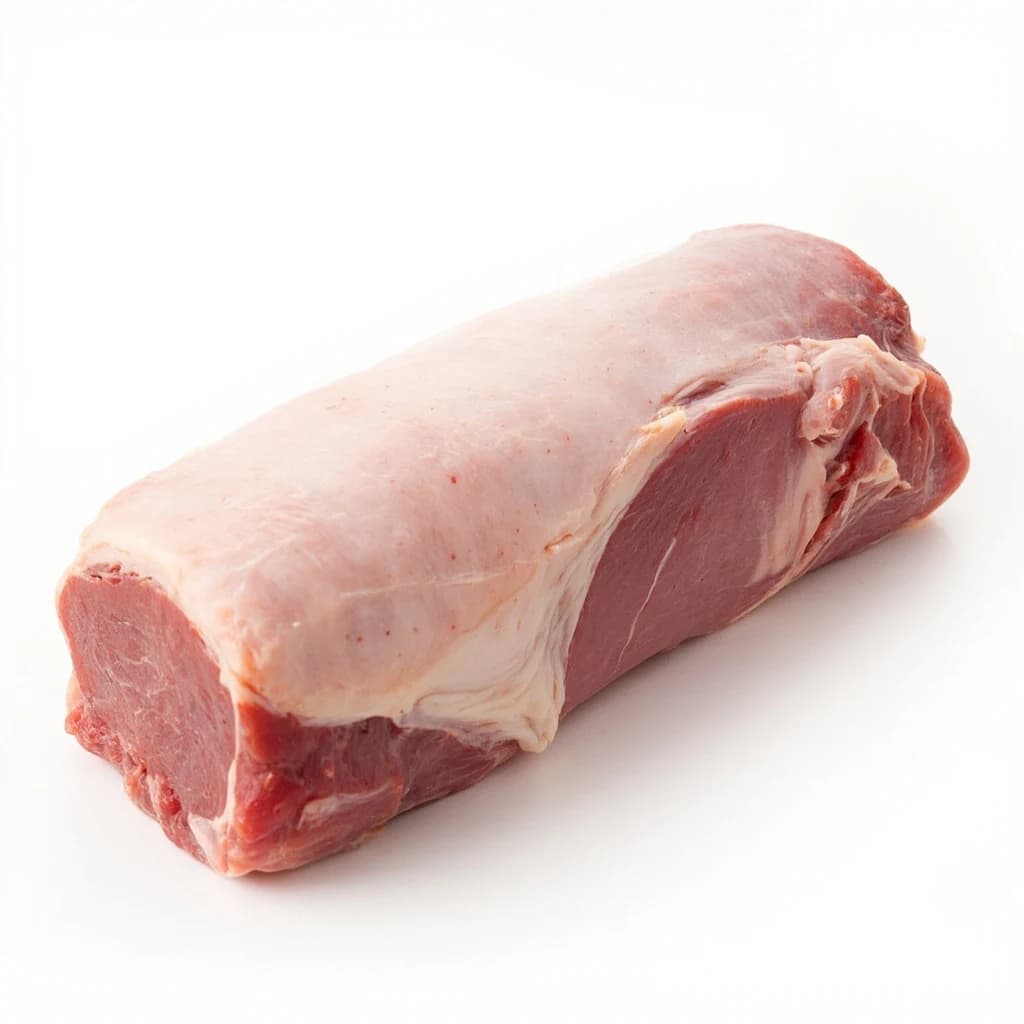
Pork Loin
Lean, tender roasting cut that stays juicy with care
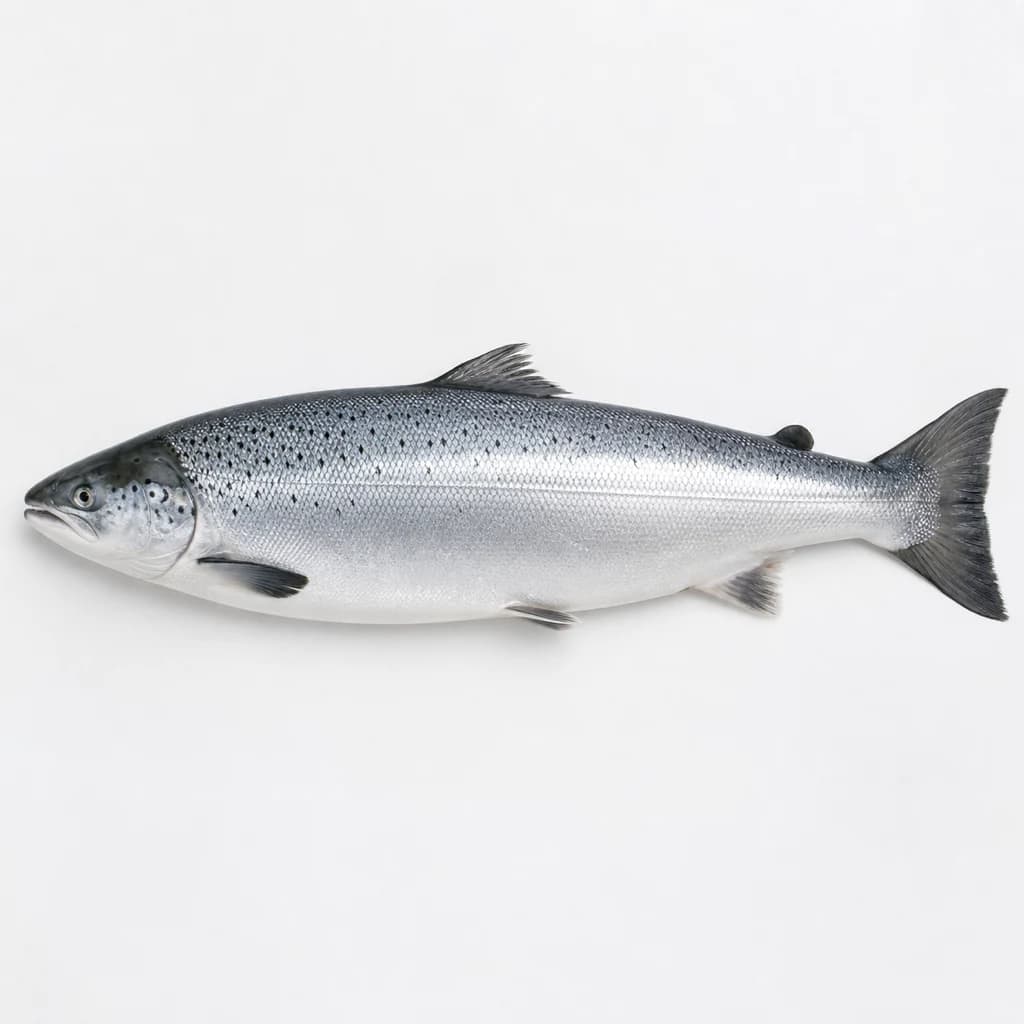
Salmon
Rich, rosy fish that roasts, grills, or cures beautifully

Egg White
Pure protein that whips to airy peaks for meringue and more

Egg Yolk
Rich, golden yolk for custards, mayonnaise, and pasta

Quail Egg
Tiny, speckled eggs for garnishing and elegant bites