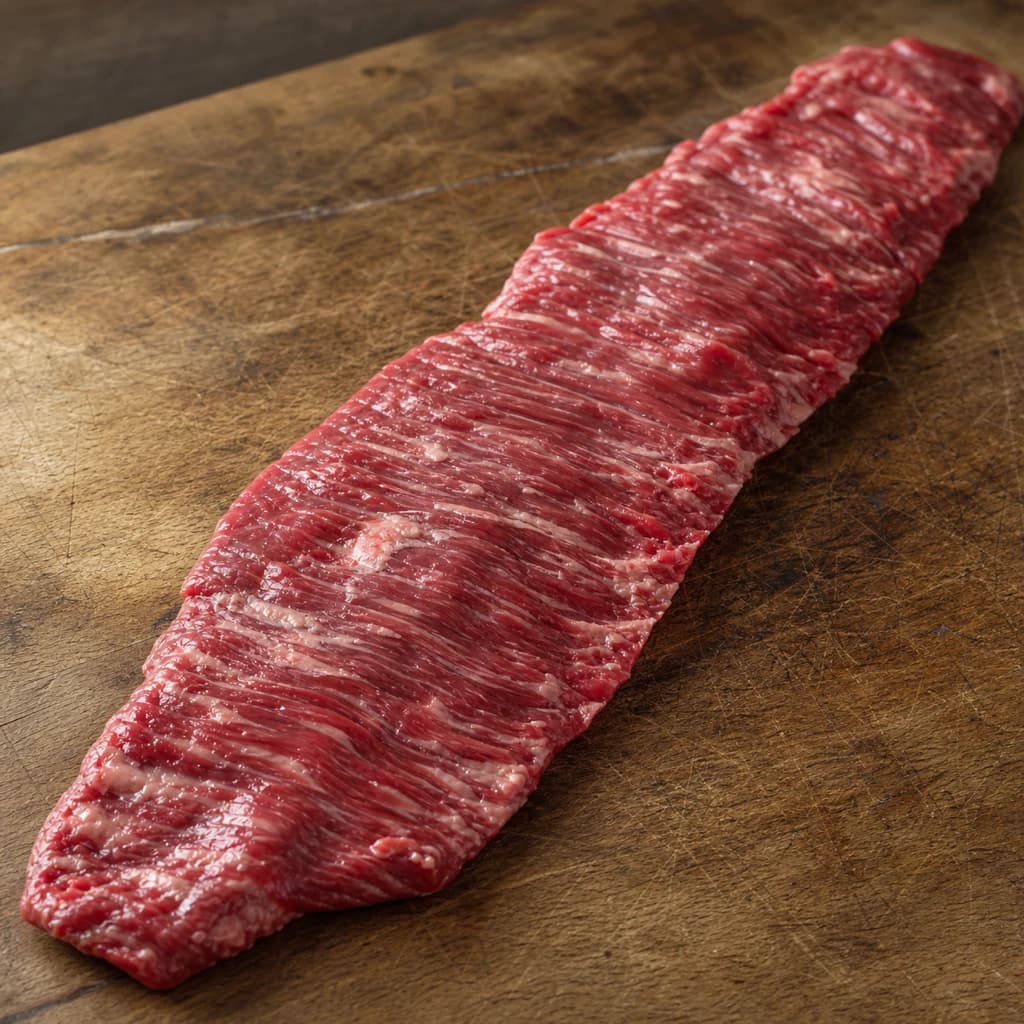
Natural form
Raw skirt steak showing its long flat shape, pronounced grain, and rich marbling.
Establishes the cut's distinctive elongated, loosely-grained form and marbling that set it apart from other beef cuts.
Proteins
Skirt Steak (Entraña)
Long, thin, richly marbled beef cut, deeply flavorful when grilled hot and sliced thin.
Skirt steak is a long, flat cut from the beef plate with pronounced grain and rich, beefy flavor. It is best cooked fast over high heat and sliced thinly against the grain, making it the classic choice for Argentine entraña, fajitas, and stir-fries. The loose fibers soak up marinades quickly.
Skirt steak is a long, narrow cut from the diaphragm muscles of the cow, running along the plate section beneath the ribs. It is one of the most intensely flavored beef cuts available, owing to its heavy intermuscular marbling and the nature of the diaphragm muscles, which work constantly throughout the animal's life. The cut is divided into two types: inside skirt (entraña del centro), slightly narrower with finer grain and less surface membrane, and outside skirt (entraña de la falda), the more common American supermarket cut, wider and thicker with a heavy silver skin that must be removed before cooking.
What makes skirt steak indispensable is its extraordinary porosity—the meat is riddled with tiny channels that accept marinades readily, making it ideal for bold, acidic preparations like Mexican carne asada or Argentine chimichurri. Its long, coarse muscle fibers run cleanly along the length of the cut, which is why proper technique matters so much: slicing perpendicular to these fibers transforms a naturally chewy cut into something yielding and pleasant. Skirt steak is not a tender cut by any means, but it rewards attention to heat, timing, and butchery. Cooked correctly to medium-rare and sliced thin, it outperforms many more expensive steaks in pure beefy satisfaction.
In Argentine asado tradition, entraña is considered a premier cut, prized over tenderness for its concentrated flavor. In Mexican cuisine it is the authentic choice for fajitas and carne asada. In France it becomes bavette, served with shallot butter. The key to working with skirt steak is understanding its limitations: it demands high heat and cannot tolerate being cooked past medium-rare without becoming rubbery. Its behavior in the pan is predictable once you know the cut—it sears quickly, releases easily from a hot surface when well-oiled, and rests gratefully. The investment in learning this cut pays dividends across a dozen cuisines.
- Measured in
- g
- Storage
- Fridge
Types & varieties
Slightly narrower, finer-grained, and more tender than the outside cut. Has less surface membrane. More prized in Argentine asado tradition.
The cut most commonly sold in U.S. supermarkets. Wider, thicker, with a heavy silverskin on one edge that must be trimmed. Slightly more robust in flavor.
Butchered into shorter steaks (3–4 inches wide) rather than sold as a whole long piece. Common retail presentation for easier handling and portioning.
Skirt vs. Flank: Knowing the Difference
These cuts are often confused but come from entirely different parts of the animal. Skirt steak is from the diaphragm muscles along the plate section beneath the ribs—it is more marbled and has a more pronounced, intense beefy flavor. Flank steak comes from the abdominal muscles below the loin, is broader and flatter with a tighter grain, and is leaner with less fat. Both cuts require the same critical technique—slicing against the grain—but they are not interchangeable. Skirt's heavier marbling makes it more forgiving of high heat and yields richer flavor. Flank is better suited to dishes where you want the meat to take on marinade character without as much inherent beefiness of its own.
- Skirt steak: diaphragm muscles, more marbled, more intensely flavored
- Flank steak: abdominal muscles, leaner, broader grain structure
- Both must be sliced against the grain to achieve tenderness
- Skirt is the traditional cut for authentic Mexican carne asada and fajitas
- Flank is traditional for London broil and some Korean preparations
Common uses
Tips & pitfalls
- ALWAYS slice against the grain—this single step transforms the texture from chewy to tender. The grain runs lengthwise along the long axis.
- Trim the silverskin completely before cooking; it will not render and will be inedibly chewy. Use a sharp boning knife held nearly parallel to the surface.
- Bring to room temperature for 30 minutes before cooking. Cooking cold steak on high heat results in an overcooked exterior and cold center.
- Use very high heat—grill, cast iron, or torch. Skirt steak should sear quickly, 2–3 minutes per side for a 1-inch-thick piece.
- Acid-based marinades work: lime juice, vinegar, or yogurt tenderize the surface. Do not exceed 4 hours in an acidic marinade or the flesh will turn mushy.
- Dry-brining with coarse salt 45 minutes to 2 hours before cooking is a superior alternative to wet marinades for beefy flavor; the salt dissolves muscle proteins and improves moisture retention.
- Do not cook past medium-rare. The connective tissue and fine muscle fibers dry out and become rubbery at higher temperatures. If you prefer well-done, choose a different cut.
- Score the surface in a crosshatch pattern before marinating to allow flavors to penetrate deeply—this cut is extremely porous and accepts marinades readily.
Nutrition
Nutrition
No USDA FoodData Central match for Skirt Steak (Entraña) yet. We surface a per-100 g profile once a generic whole-food entry is matched and verified.
In the shops
Matched grocery products
No matched grocery products for Skirt Steak (Entraña) yet.
Good to know
- Also called
- Arrachera (Mexico), Entraña (Argentina/Uruguay), Bavette (France), Philly Flat Iron (when trimmed and re-cut)
- Location on animal
- Diaphragm muscles, from the plate/fajita section; two types exist—inside skirt (from the diaphragm proper) and outside skirt (from the more exterior transversus abdominis)
- Marbling
- Heavy, even intermuscular fat; this is what gives it intense beefy flavor
- Typical weight
- 1–2.5 lbs per steak; whole skirts sold at 3–5 lbs before trimming
- Typical dimensions
- 12–24 inches long, 3–6 inches wide, about 1 inch thick before trimming
- Silverskin
- Thick silver skin on one edge must be trimmed completely before cooking; it will not render and becomes inedible
- Ideal internal temp
- 145°F for medium-rare (USDA recommended); professional kitchens often target 125–130°F for a more pink, juicy result
- Resting time
- 5–10 minutes minimum before slicing against the grain
- Grain direction
- Runs lengthwise along the long axis—slice perpendicular for tenderness
Substitutes
- Flank steak — Similar long-fiber structure and beefy flavor; slightly leaner and broader. Must also be sliced against the grain. Best marinated. Less marbling than skirt.
- Hanger steak (onglet) — Comparable intensity of flavor, similar grain structure. Slightly more tender than skirt. The 'butcher's cut' known for its beefy taste.
- Flat iron steak — Cut from the top blade; much more tender but with less beefy intensity. Good for quick cooking when tenderness is prioritized over depth of flavor.
- Tri-tip — Different grain structure (tapering triangular cut from the bottom sirloin). Requires similar high-heat treatment. Can work in a pinch but flavor profile differs.
- Chuck eye roll — From the chuck, with good marbling. Less intense flavor than skirt but similar texture. Can be used as a budget substitute.
Pairs with
Also called
Entraña
Appears in these dishes
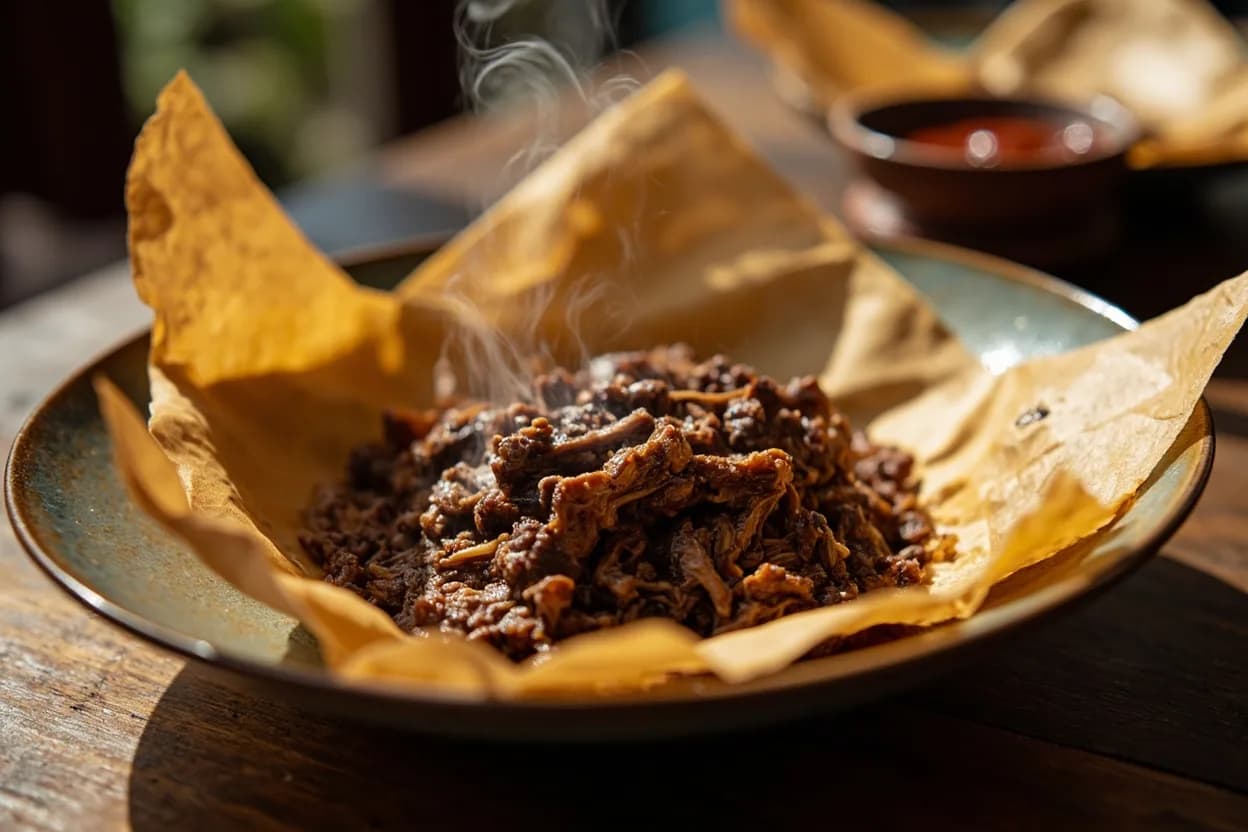
Related
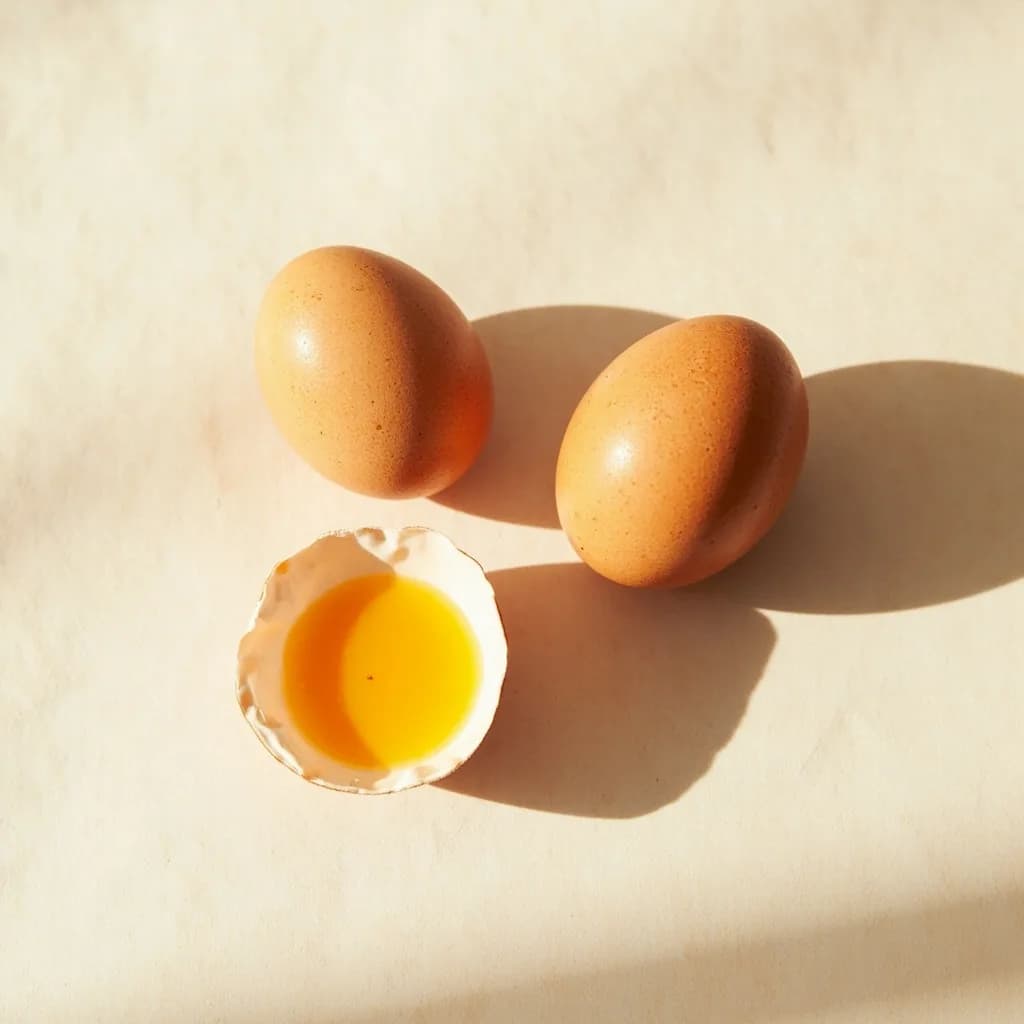
Egg
The kitchen's everything ingredient — bind, leaven, enrich, or fry
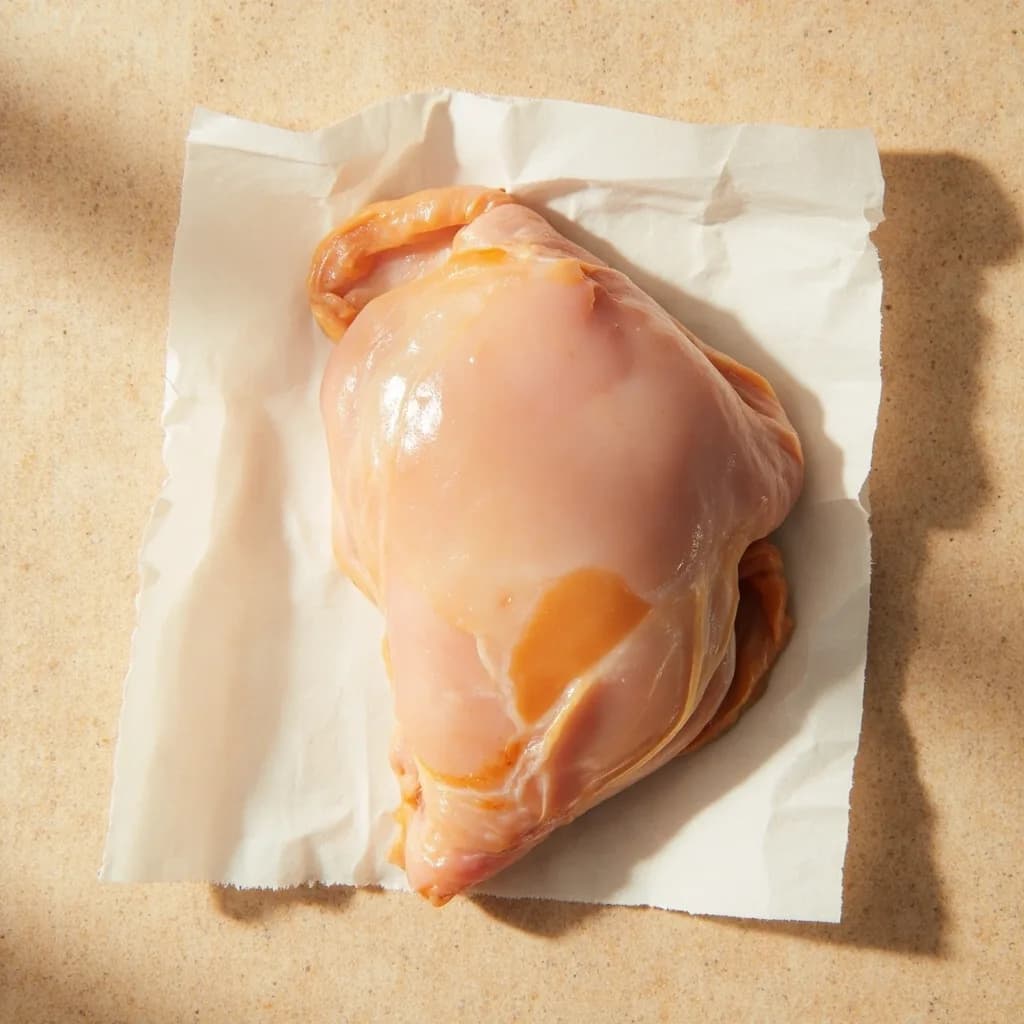
Chicken Breast
Lean, quick-cooking white meat for everyday dinners

Ground Beef
Versatile minced beef for burgers, ragù, tacos, and meatballs
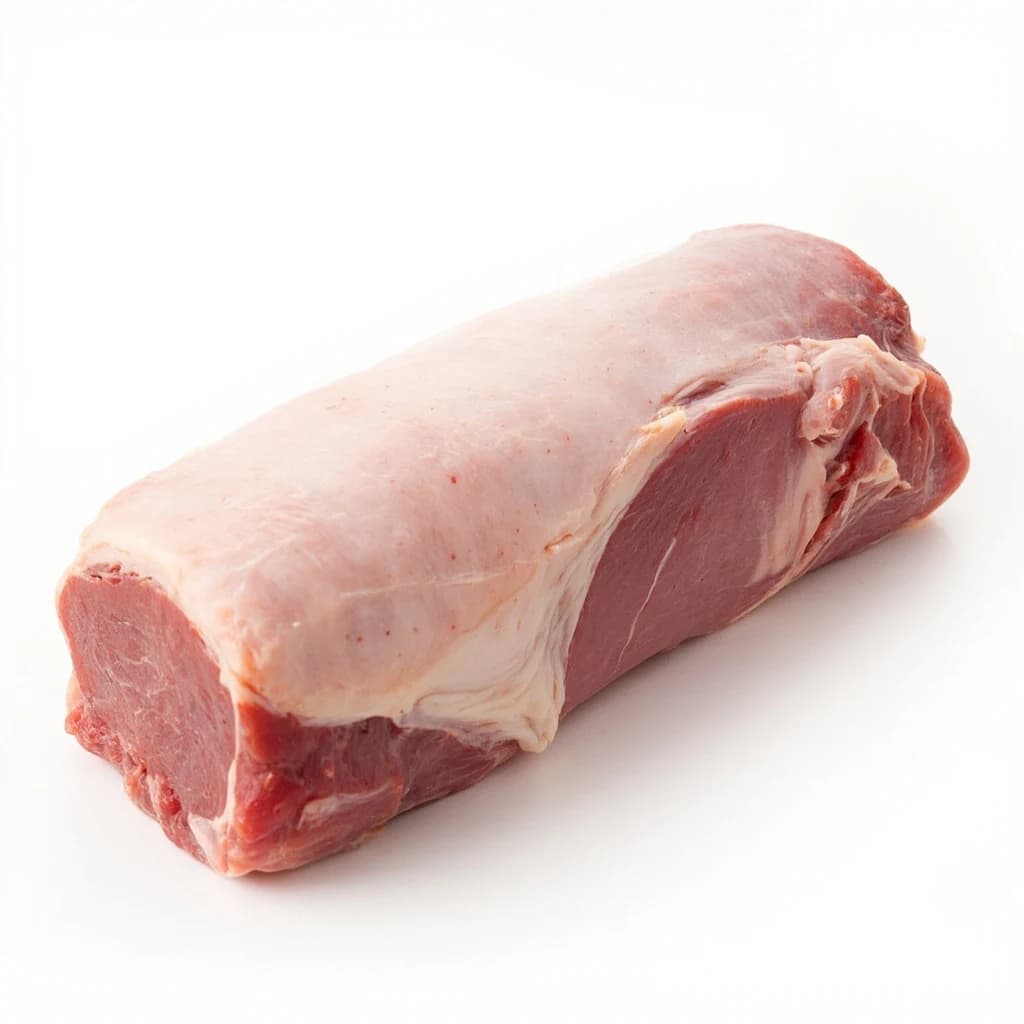
Pork Loin
Lean, tender roasting cut that stays juicy with care
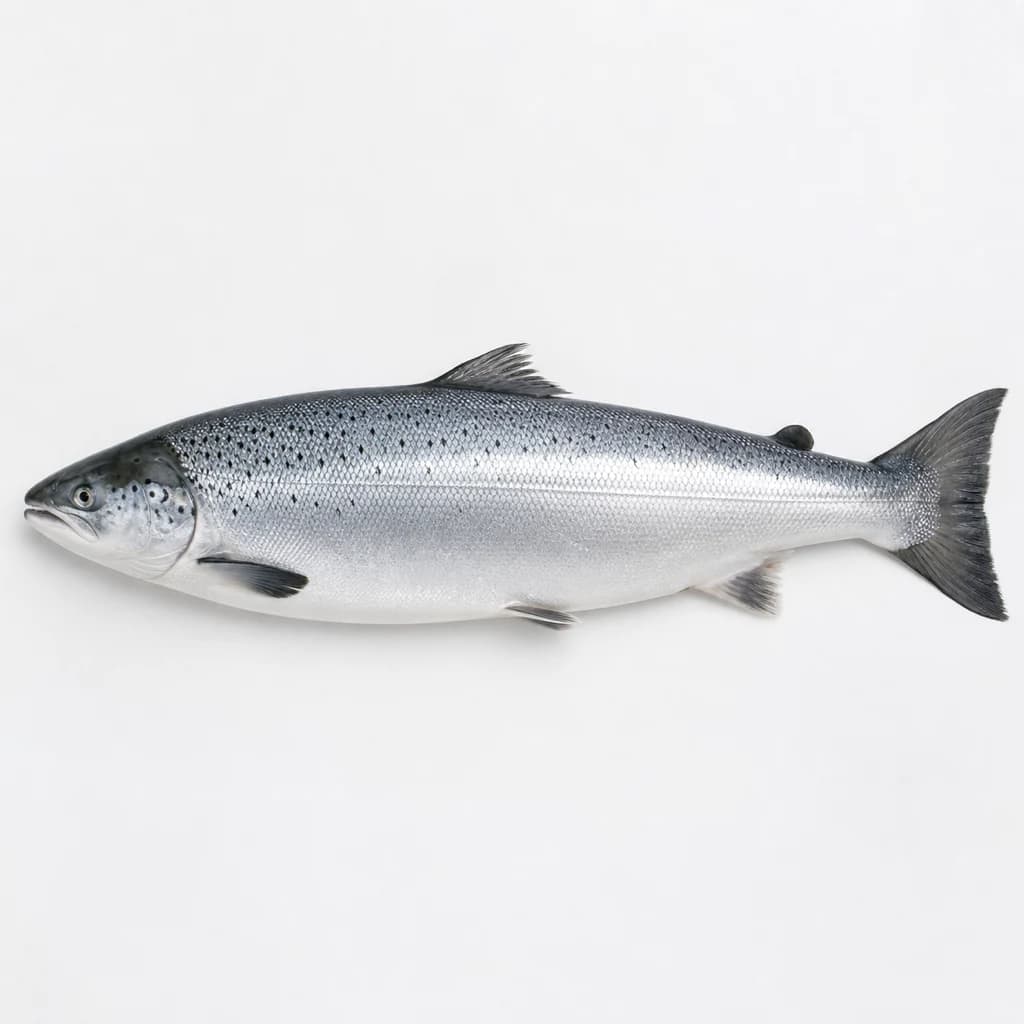
Salmon
Rich, rosy fish that roasts, grills, or cures beautifully

Egg White
Pure protein that whips to airy peaks for meringue and more
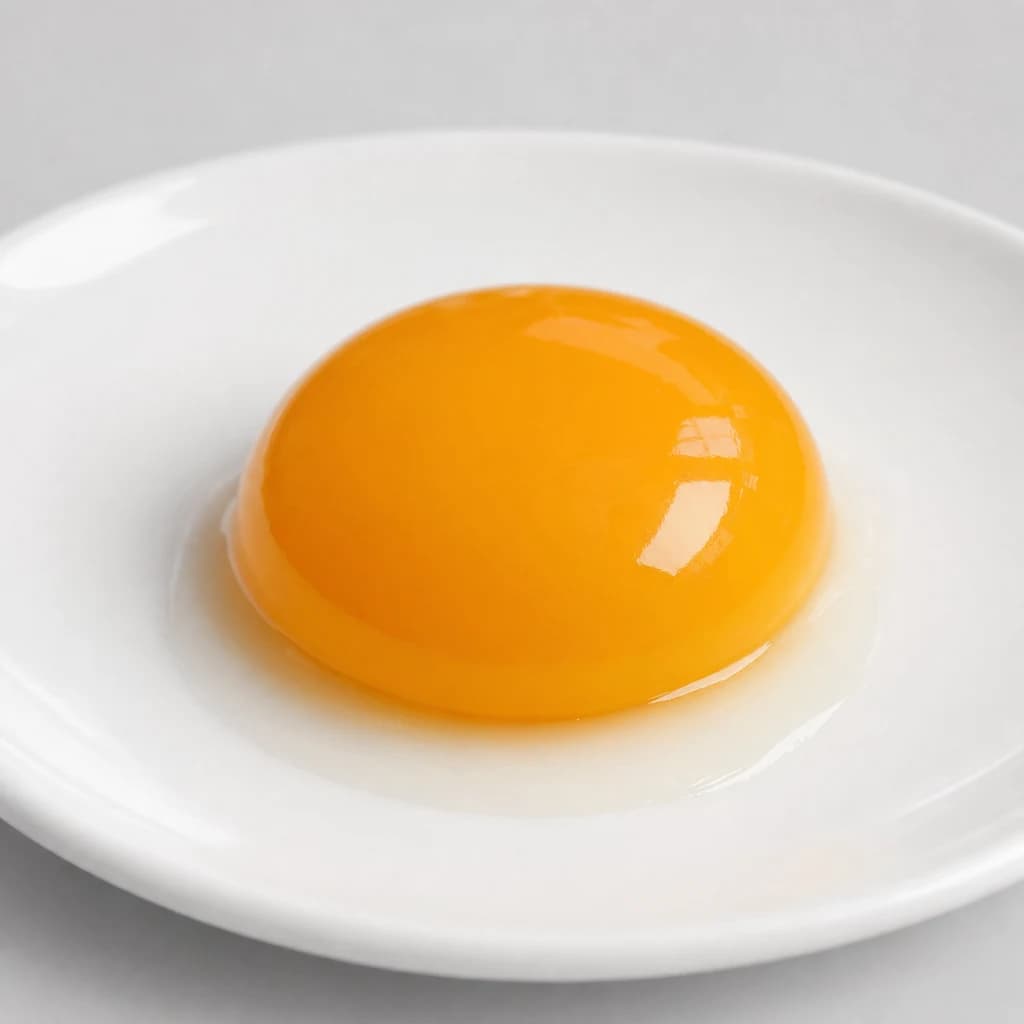
Egg Yolk
Rich, golden yolk for custards, mayonnaise, and pasta

Quail Egg
Tiny, speckled eggs for garnishing and elegant bites