Central America / Southern Mexico
Chiapanecan
Also: Chiapas cuisine, cocina chiapaneca, Maya-Tzotzil cuisine
A living Maya highland cuisine built on ancestral corn rituals, wild herbs like chipilín, and slow-fire techniques unchanged for centuries.
Chiapanecan cuisine is rooted in the pre-Hispanic culinary traditions of the Tzotzil, Tzeltal, Tojolabal, and Chol Maya peoples of Mexico's southernmost highlands and tropical lowlands. It is defined by its exceptional corn culture—including a vast repertoire of tamales—by the endemic herb chipilín used in broths, tamales, and rice, and by dishes like cochito chiapaneco (achiote-marinated roasted pork). Unlike central Mexican cuisine, Chiapanecan cooking retains strong indigenous structure: heavy on beans, squash, greens, and local chiles, with colonially introduced pork absorbed into a pre-existing framework. San Cristóbal de las Casas and Tuxtla Gutiérrez anchor the urban expression, while Tzeltal and Tojolabal village kitchens preserve the most archaic forms.
The flavour base
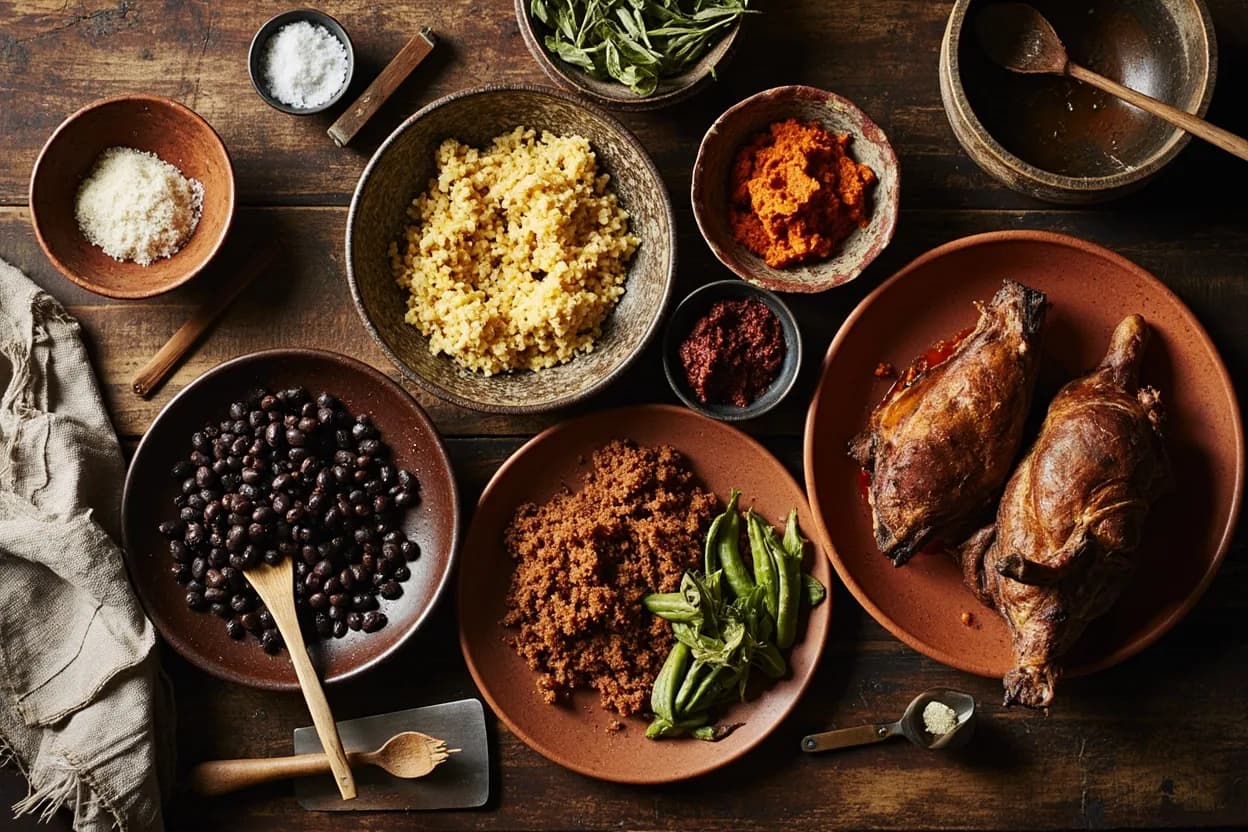
Chipilín herb, dried chiles (chile de agua, chipotle), achiote, and slow-simmered black bean broths form the aromatic foundation; corn masa is the structural constant.
Pantry staples
Key ingredients
Signature techniques
Signature dishes
Chiapanecan on the table
At the table
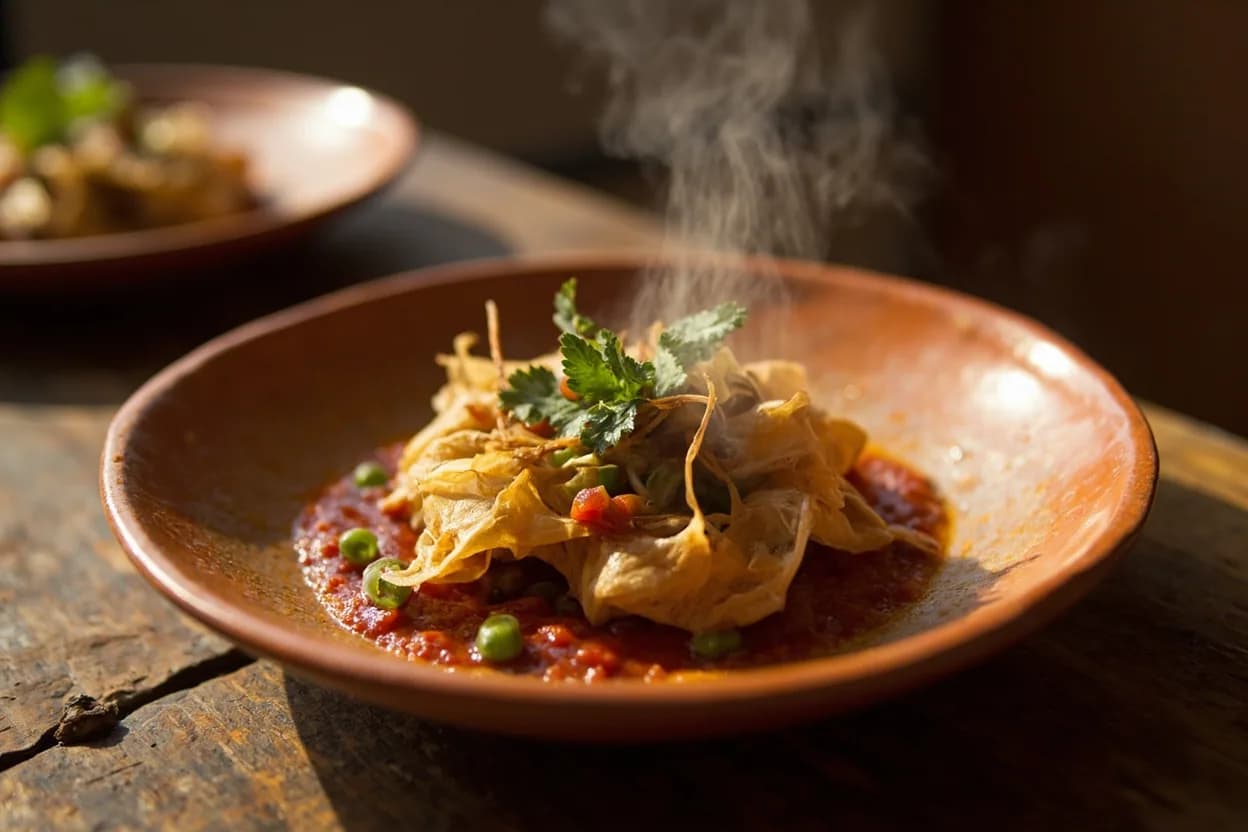
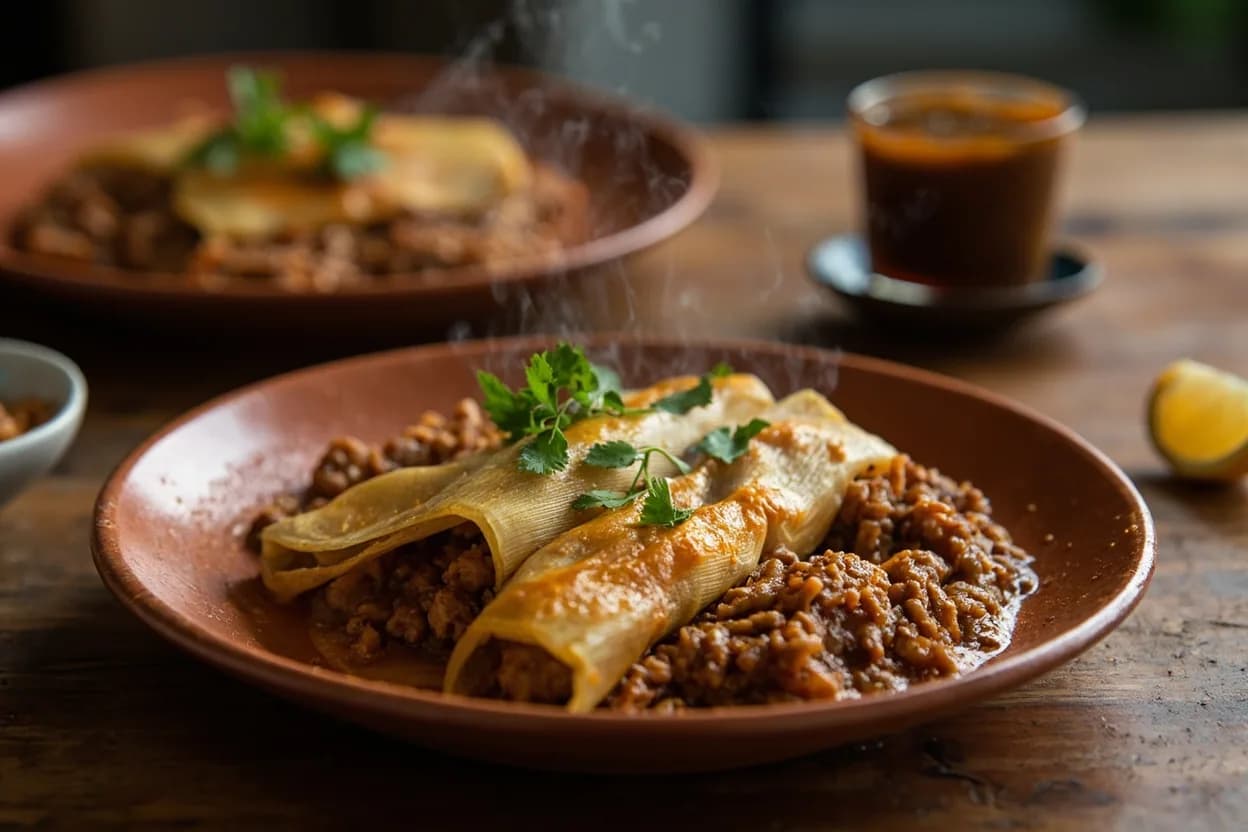
Meals center on the comida (midday main meal) with tortillas or tamales as the starchy anchor. Breakfast is atole or tascalate with tamales. Ceremonial meals—critical in Tzotzil and Tzeltal communities—feature elaborately constructed tamales offered communally. Street eating in market towns provides antojitos from early morning through afternoon.
History & context
Chiapas was the southeastern frontier of Mesoamerican civilization, home to Maya city-states like Palenque and Tonina. Corn cultivation here dates to at least 3500 BCE. Spanish colonization after 1528 introduced pigs, chicken, canela, and piloncillo, which were grafted onto existing tamale and bean traditions without displacing them. Unlike central Mexico, Chiapas remained predominantly indigenous through the colonial era, preserving a culinary continuity remarkable in its depth. The Tzotzil communities around San Cristóbal still conduct food rituals tied to the Maya calendar. The region's isolation—no rail connection until the 20th century—insulated local foodways from Mexico City modernization well into the 1970s.
Regional variations
- Tzotzil Highlands (Los Altos)
San Cristóbal area; emphasis on tamales de bola, chipilín-rich dishes, chorizo ahumado, and ceremonial food tied to cargo system fiestas.
- Tzeltal / Tojolabal lowlands
Warmer zone; stronger use of tropical ingredients, hierba santa, and river fish; tascalate consumed daily.
- Tuxtla Gutiérrez / urban Chiapas
Cochito chiapaneco, sopa de pan, and chanfaina are flagship dishes; more pork-forward owing to colonial mestizo influence.
- Soconusco coast
Pacific coastal strip; cacao-growing region with distinct seafood dishes, mole de camarón, and African-inflected tamales from historic plantation labor populations.
Related cuisines
- Guatemalan
Shares Maya heritage, banana-leaf tamale tradition, chipilín use, and black bean base across the Chiapas-Guatemala border.
Adjacent region with parallel corn-chile-mole grammar and strong indigenous culinary continuity, though Oaxaca's mole tradition diverges sharply.
Neighboring lowland state; both share tropical ingredients but Tabasco leans toward river fish and chocolate where Chiapas leans to highland herbs and pork.
Canonical recipes
The dishes that define Chiapanecan, documented in the Canon.
References
- 1.Diana Kennedy, 'The Essential Cuisines of Mexico' (2000)
- 2.Patricia Quintana, 'México: La Gran Cocina Mexicana' (2004)
- 3.CONACULTA, 'Cocina Indígena y Popular' series — Chiapas volume
- 4.Sophie D. Coe, 'America's First Cuisines' (1994)
Confidence: high
Notes
Chipilín
Chipilín (Crotalaria longirostrata) is a nitrogen-fixing leguminous shrub whose leaves are used as freely as epazote elsewhere in Mexico. It is high in iron, calcium, and protein—nutritionally critical in a diet historically thin on animal protein. It has a mild, grassy bitterness that rounds into sweetness when cooked.
Ceremonial tamales
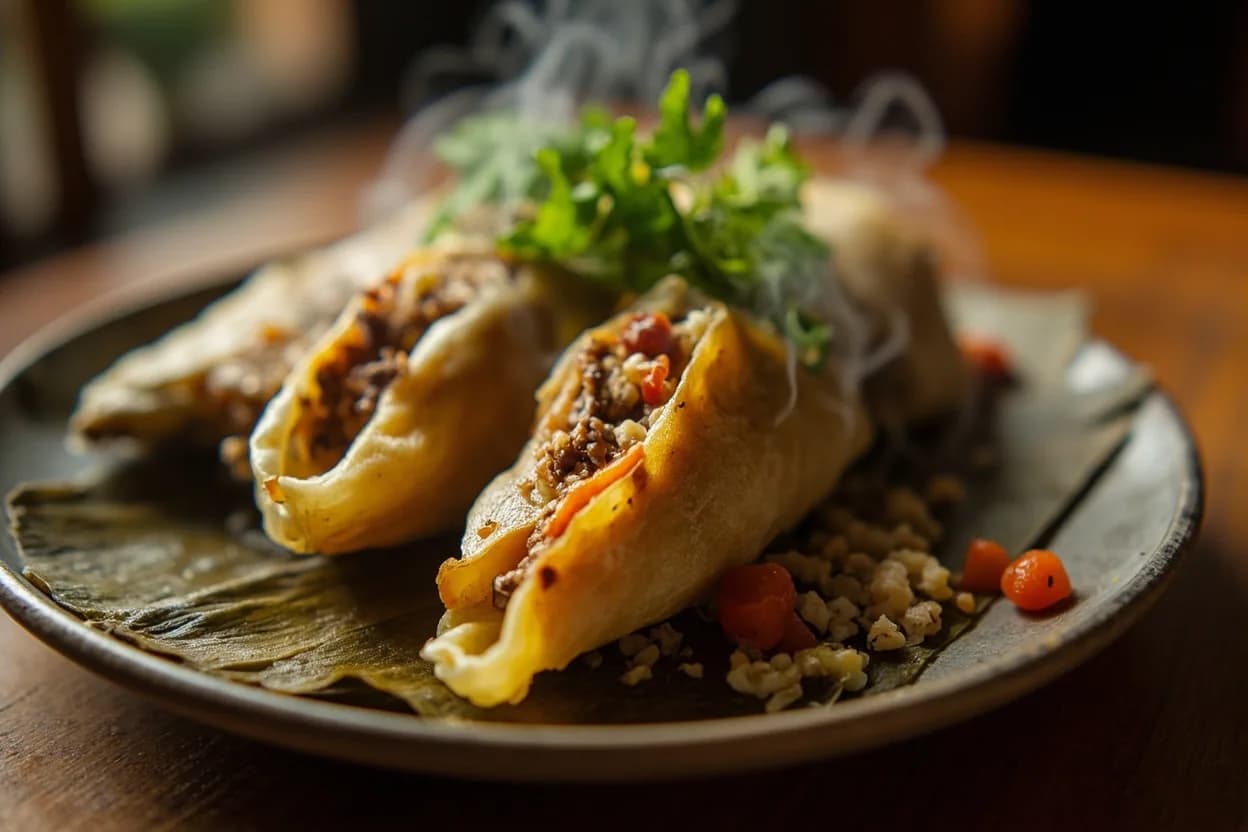
In Tzotzil communities, tamales de bola—large spherical tamales wrapped in banana leaves—are not everyday food. They appear at weddings, cargo-system fiestas, and Day of the Dead offerings, made collectively by extended family groups in a process that encodes social bonds as much as culinary tradition.