Southern Mexico / Gulf Coast
Tabasqueña
Also: Tabasco cuisine, cocina tabasqueña, cocina del sureste
Mexico's wettest, most tropical cuisine—built on river fish, swamp game, cacao, and a lush abundance that reflects Tabasco's position at the mouth of the Grijalva and Usumacinta rivers.
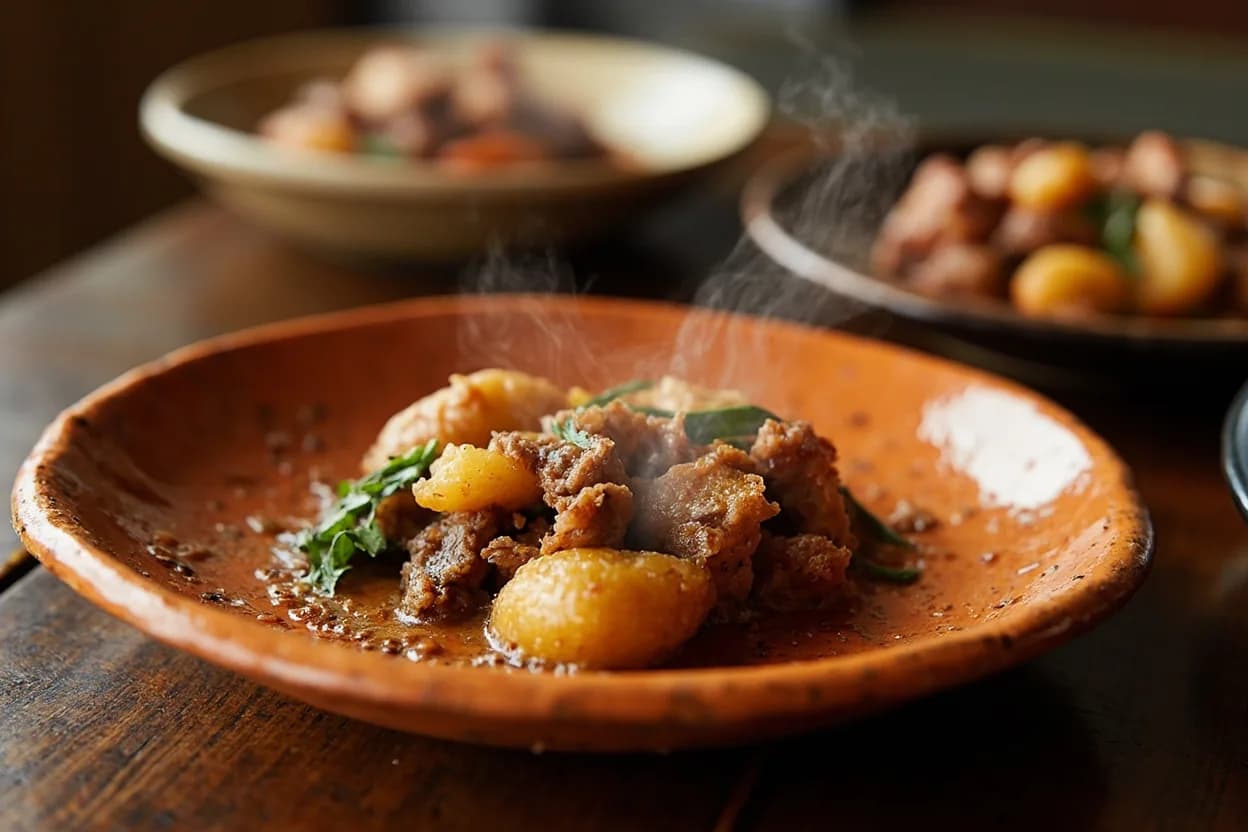
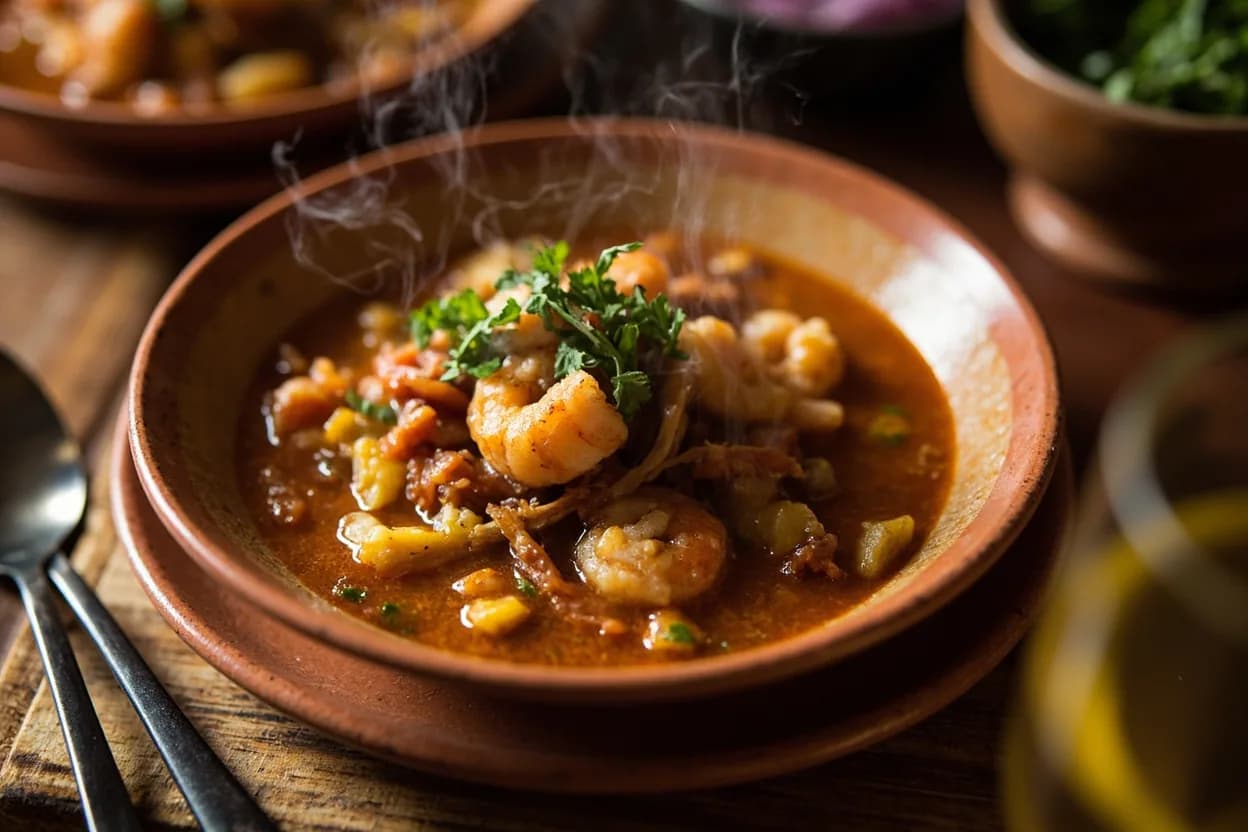
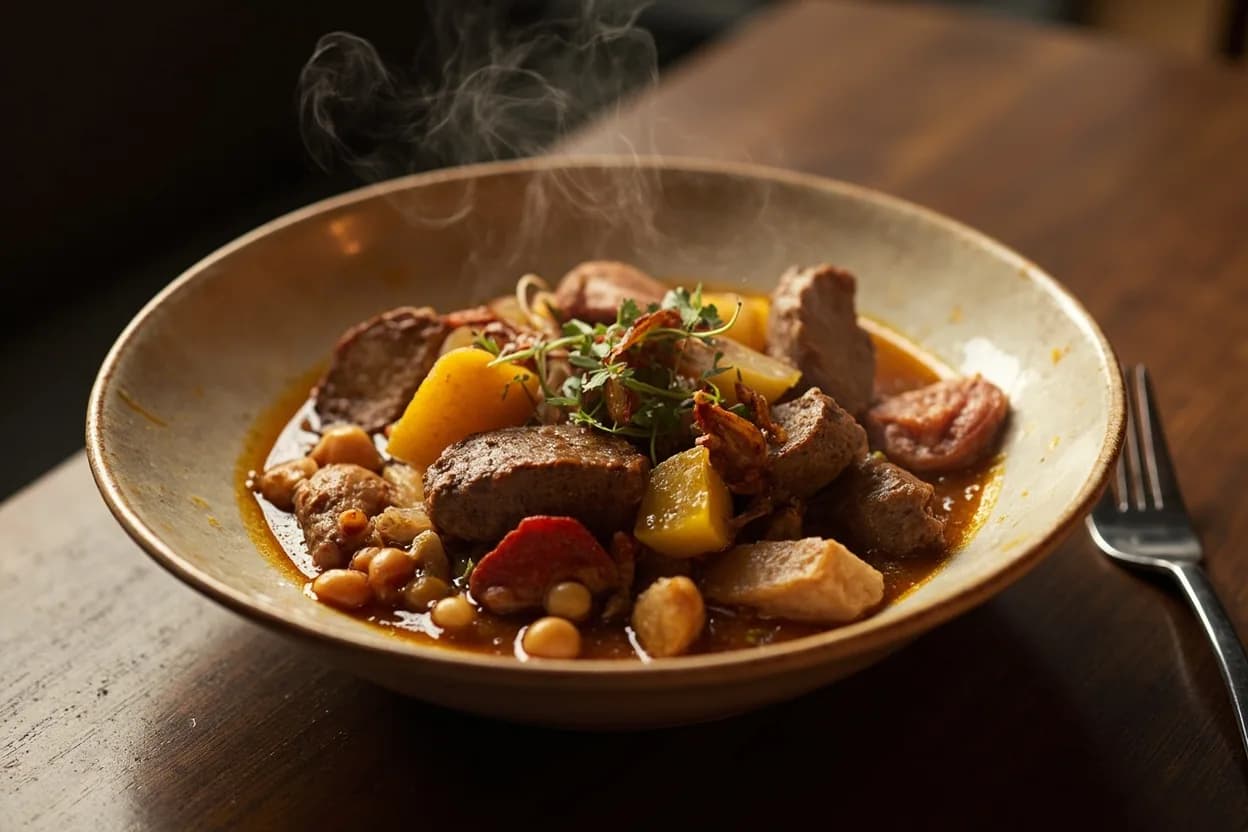
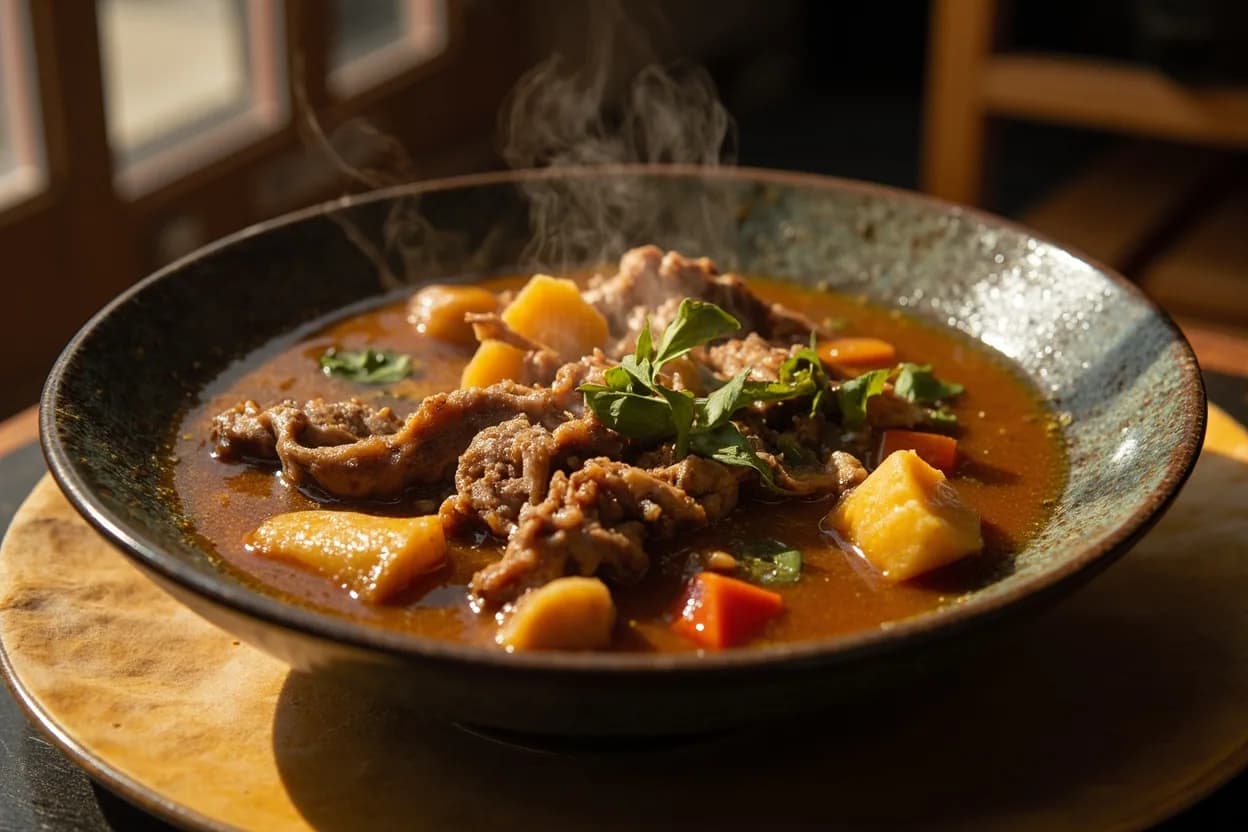
Tabasqueña cuisine emerges from the floodplain ecology of Tabasco, a state covered in rivers, lagoons, and mangroves that historically supplied pejelagarto (alligator gar), mojarra, and turtle, alongside jungle game. The cuisine is distinguished by its extravagant use of fresh herbs—especially hierba santa and chipilín—its chocolate heritage (Tabasco and adjacent Chiapas are among the oldest cacao-growing zones in the world), and a culinary logic oriented around boiling and stewing rather than grilling or frying. Puchero tabasqueño, a multi-meat broth enriched with plantains, chayote, and corn, is the emblematic festive dish. African culinary influence arrived via enslaved plantation workers in the colonial era and shaped the region's use of plantain and certain stew techniques.
The flavour base
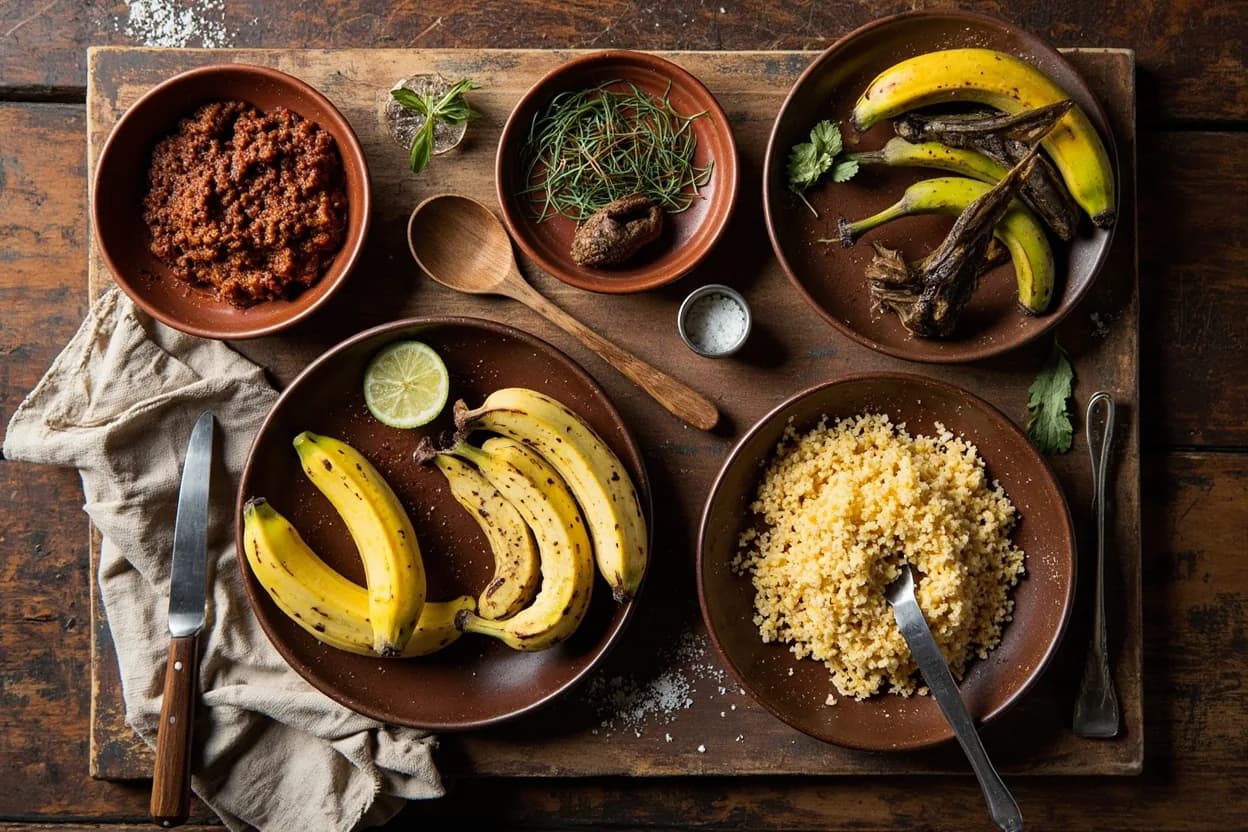
Fresh river fish and tropical herbs (hierba santa, chipilín, perejil) in lard- or oil-based broths; achiote for color and earthiness; plantain as sweet-starchy body.
Pantry staples
Key ingredients
Signature techniques
Signature dishes
Tabasqueña on the table
At the table
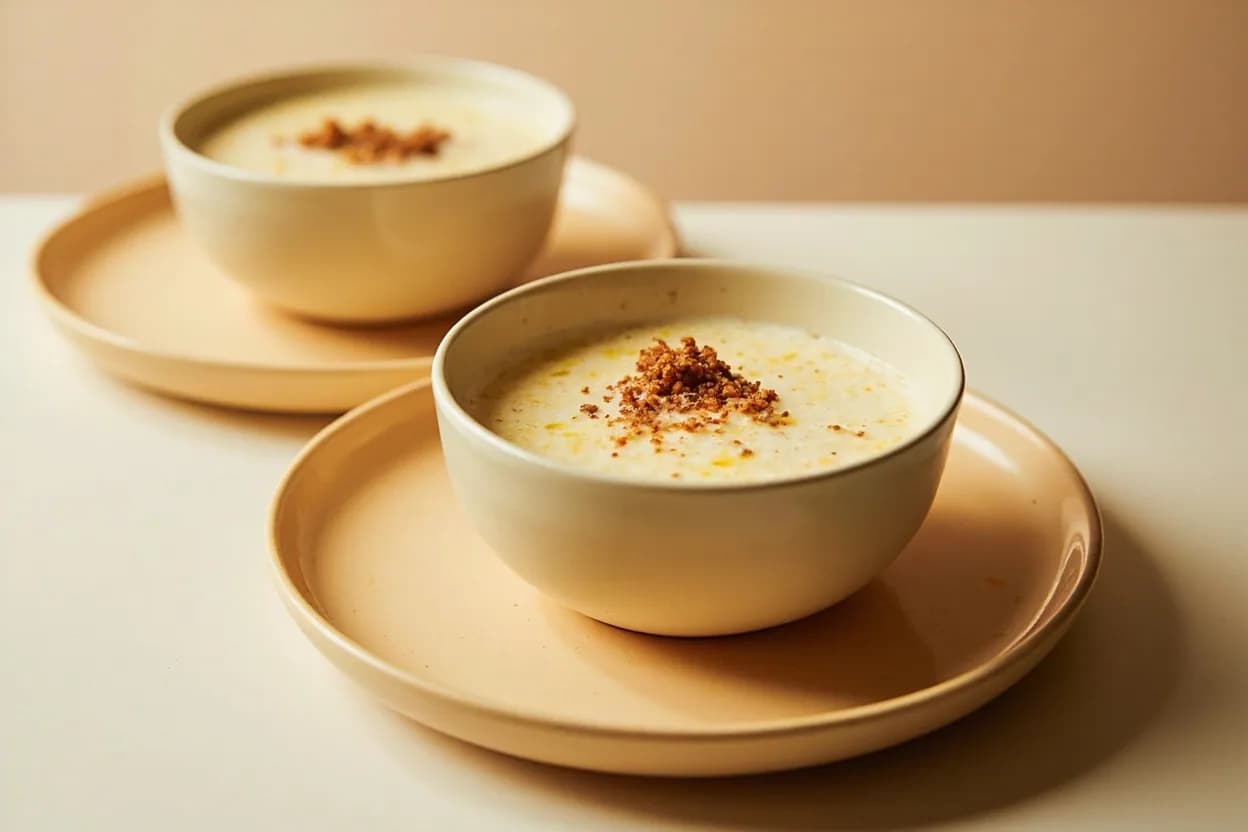
The main meal (comida) is eaten at midday and tends toward large communal pots—puchero or caldo served with corn tortillas made fresh on the comal. Breakfast features atoles, tamales, and eggs scrambled with local herbs. Garnachas (small masa boats with refried beans and pickled onion) are quintessential street food eaten in the afternoon. Cacao-based drinks bookend ritual and social occasions.
History & context
Tabasco was the first mainland territory encountered by the Spanish in 1519—Hernán Cortés landed at the mouth of the Grijalva before marching on the Aztec empire. The region was home to Olmec, Zoque, and Chontal Maya civilizations, all of whom cultivated cacao and developed river-fishing cultures. Colonial plantation agriculture (cacao, sugar) brought enslaved Africans whose culinary influence merged with indigenous and Spanish elements. Tabasco's endemic flooding—the state is essentially a river delta—made refrigeration impossible before the 20th century, driving a cuisine of fresh-cooked fish and boiled meats rather than cured or dried preparations. The discovery of oil in the mid-20th century modernized infrastructure but disrupted traditional fishing.
Regional variations
- Villahermosa (urban capital)
Most mestizo-influenced; restaurant versions of puchero and pejelagarto are polished; garnachas sold from market stalls around the Mercado José María Pino Suárez.
- Chontal Maya communities (Centla, Jonuta)
More archaic fish and turtle preparations; atoles made from fresh corn; stronger persistence of pre-Hispanic culinary logic.
- Sierra (highland Tabasco, near Chiapas border)
Cooler microclimate; pork features more prominently; closer to Chiapanecan herb-and-tamale tradition.
Related cuisines
Shares chipilín, cacao, banana-leaf tamales, and Maya heritage; Chiapas diverges toward highland pork and chile complexity.
- Campeche
Fellow Gulf-adjacent tropical cuisine with shared use of achiote and seafood; Campeche is more overtly coastal/maritime.
Both are Gulf-facing cuisines with strong African-Mexican and tropical fruit influences; Veracruz is more urban and European-inflected.
Canonical recipes
The dishes that define Tabasqueña, documented in the Canon.
References
- 1.Diana Kennedy, 'The Art of Mexican Cooking' (1989)
- 2.CONACULTA, 'Cocina Indígena y Popular' series — Tabasco volume
- 3.Ignacio Ruiz Moreno, 'La Cocina Tabasqueña' (1997)
- 4.Sophie D. Coe, 'America's First Cuisines' (1994)
Confidence: high
Notes
Pejelagarto
Pejelagarto (Lepisosteus tropicus, alligator gar) is the emblematic fish of Tabasco—an ancient species whose armored scales appear in Olmec iconography. It is typically split, grilled whole, and served in salsa verde or asado negro, with the elongated snout left on as a signifier of authenticity. Urban restaurants in Villahermosa serve it as a point of regional pride.
Cacao heritage
Tabasco and southern Chiapas produced the cacao from which Mesoamerican chocolate culture spread. Local Criollo cacao was prized by pre-Hispanic elites for xocolatl drinks. Contemporary Tabasqueña cooking uses cacao in atoles and some moles, but the primary cacao economy now serves export chocolate makers rather than local culinary use.