East Asia
Taiwanese
Also: Taiwan cuisine, Formosan cuisine, 台灣料理
A vibrant fusion of Hokkien, Hakka, Japanese colonial, and mainlander Chinese influences, most alive in the electric chaos of the night market.
Taiwanese cuisine is a layered synthesis shaped by four centuries of migration and colonization. The Hokkien-speaking settlers from Fujian brought braised pork, oyster congee, and rice-based staples; Hakka immigrants contributed preserved vegetables and rice cakes; fifty years of Japanese rule embedded techniques like bento culture, sashimi, and an obsessive attention to ingredient quality; and the 1949 exodus of mainlanders from all of China's provinces deposited regional cooking from Beijing to Shanghai to Sichuan in a concentrated urban environment. The result is a cuisine of exceptional range and democratic spirit, best experienced at night-market stalls and small-family-run restaurants rather than in formal dining rooms.
The flavour base
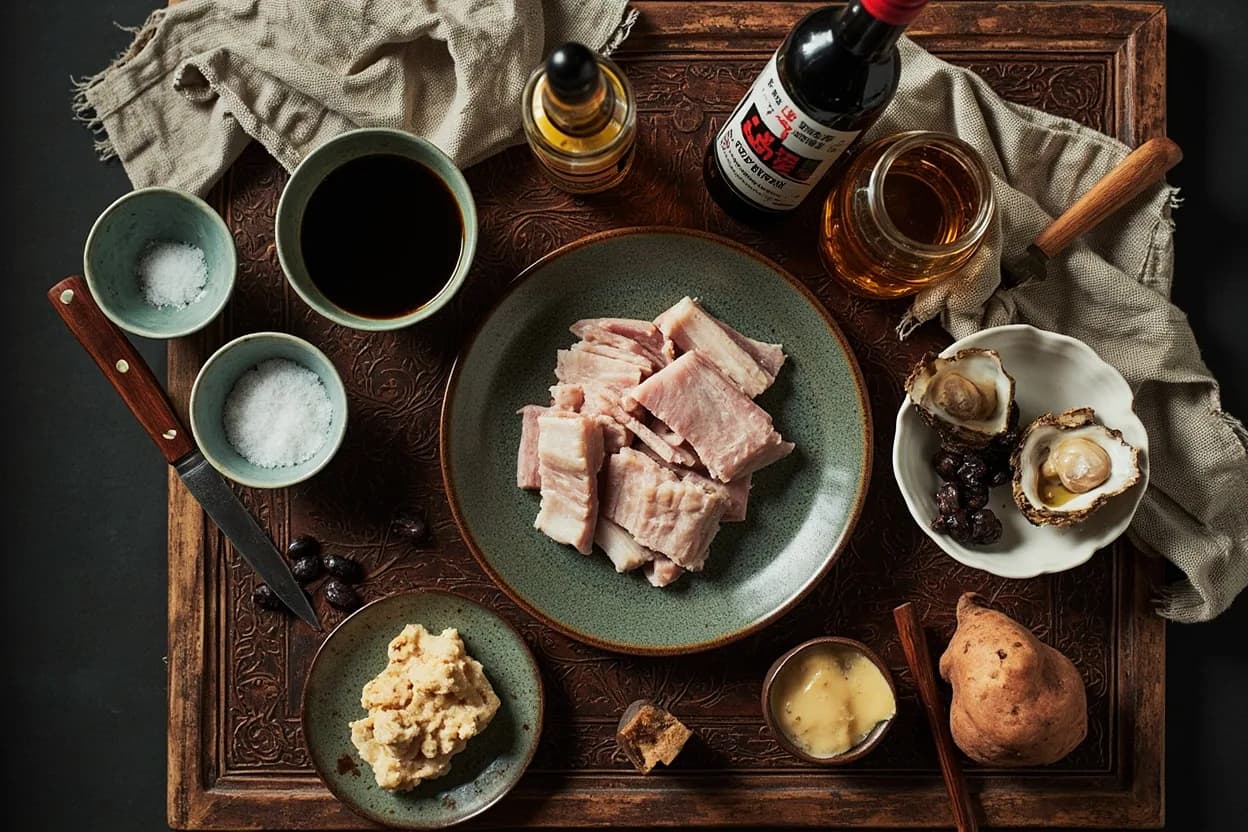
Soy sauce, rice wine (mijiu), sesame oil, and garlic form the baseline; fermented black beans (douchi), oyster sauce, and a light hand with spice complete the grammar. Japanese dashi influence is felt in clear broths and delicate seasoning.
Pantry staples
Key ingredients
Signature techniques
Signature dishes
Taiwanese on the table
At the table
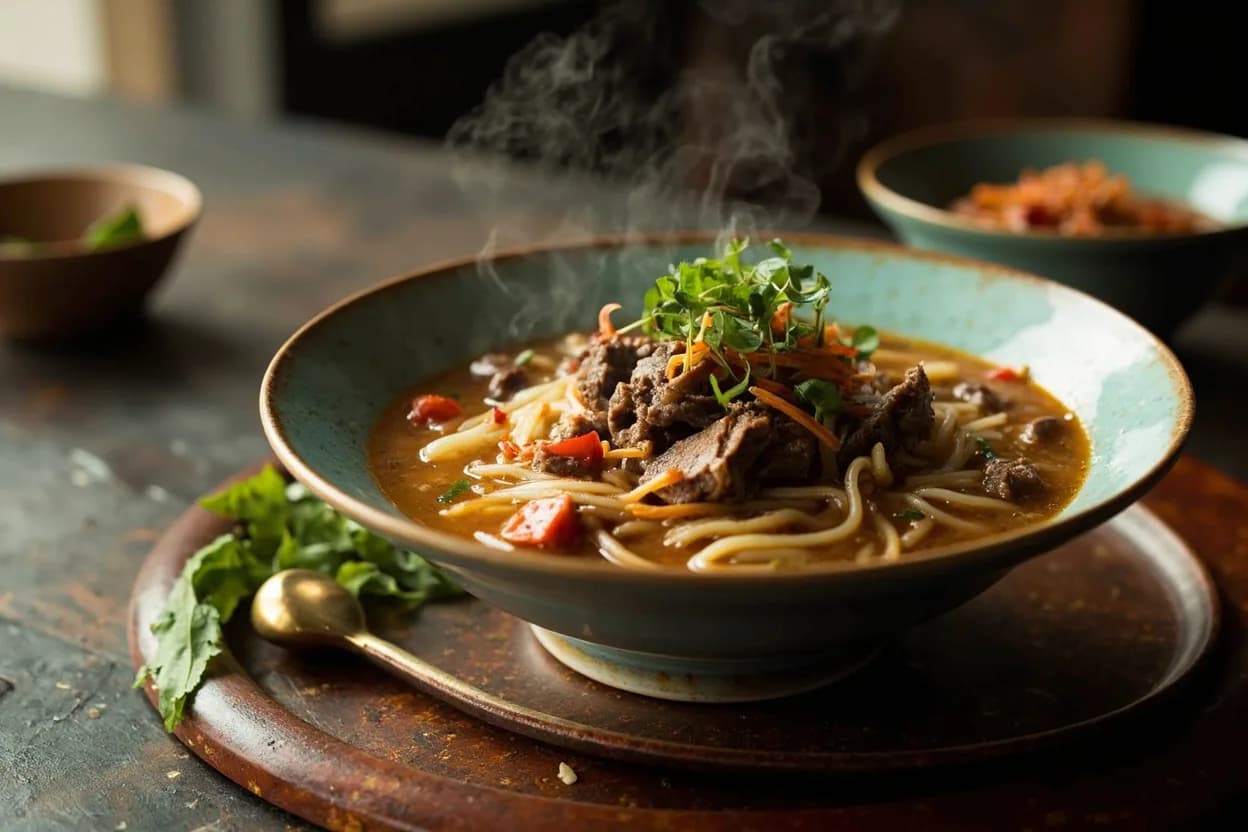
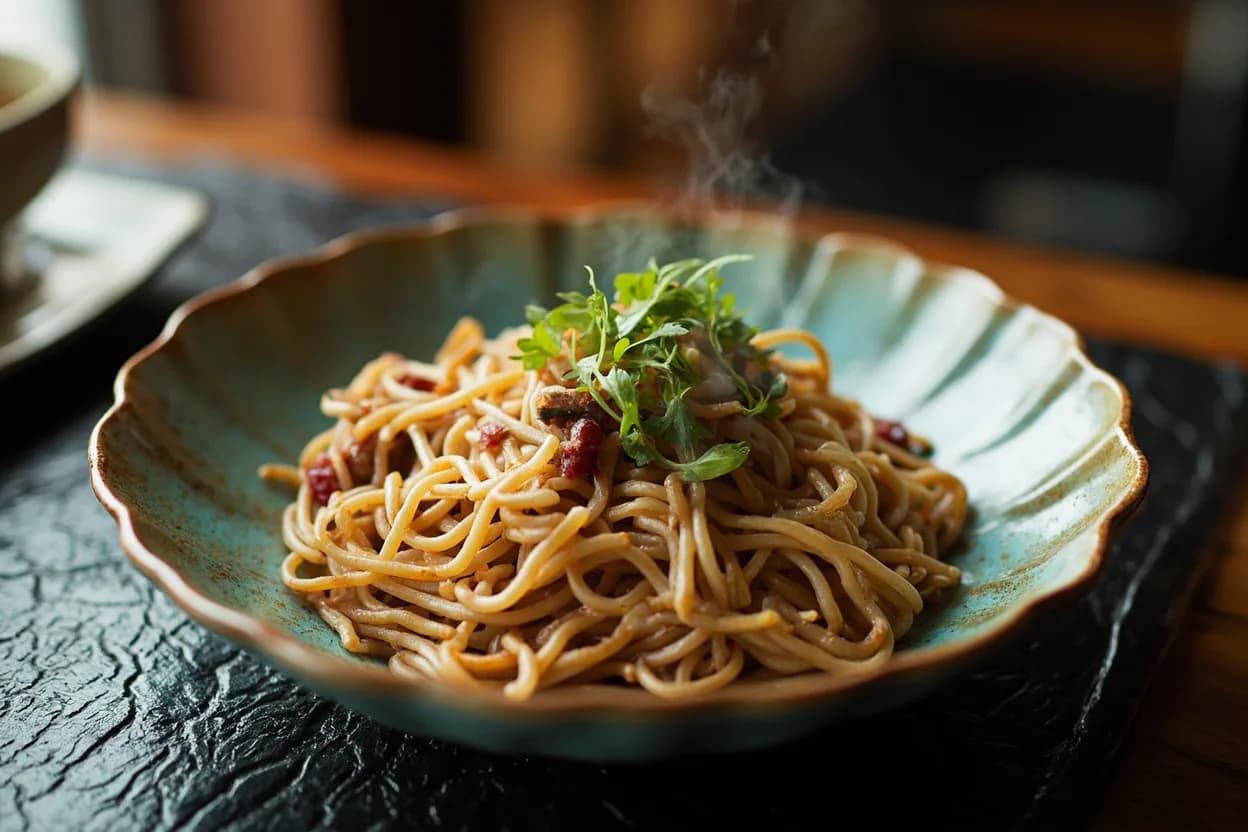
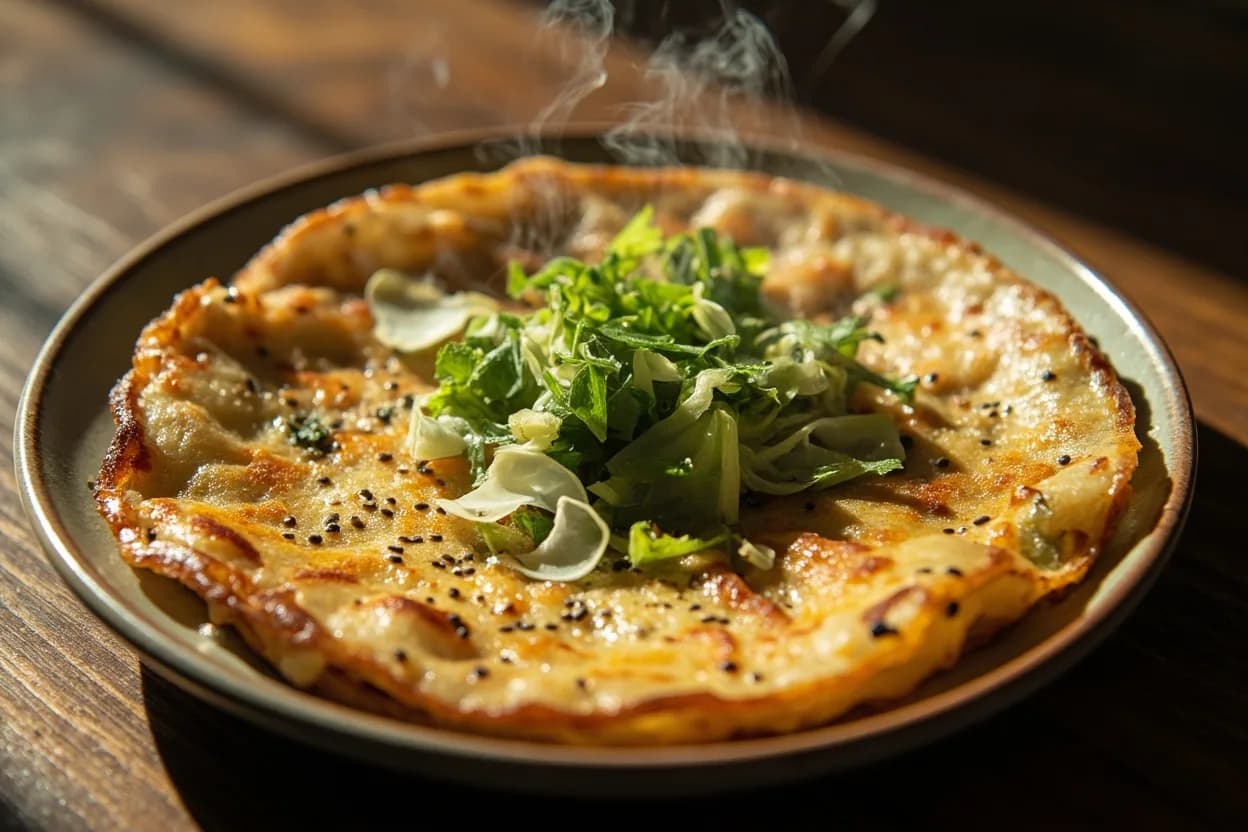
Meals are typically informal and pluralistic. A family table features rice at center with multiple shared dishes — a braised protein, a stir-fried vegetable, a soup. Night-market eating is serial snacking: small portions of multiple dishes across many stalls rather than a single plated meal. Breakfast culture is dedicated (soy milk shops, scallion pancake stalls, rice congee) and distinct from any other meal.
History & context
Taiwan's culinary identity began with Austronesian indigenous peoples (Taiwanese aborigines) who cultivated millet, hunted deer, and fished coastal waters. Hokkien migration from the 17th century established a predominantly southern Chinese culinary base. Dutch and Spanish colonial periods (1624–1662) left minimal food trace. Japanese rule (1895–1945) had the deepest structural impact: Japanese rice varieties, market infrastructure, bento culture, and high standards for produce freshness all took root. The 1949 arrival of approximately 1.2 million mainlanders from every province of China created an unprecedented concentration of regional Chinese cooking styles, making Taipei a culinary capital where authentic Shandong dumplings, Shanghainese red-braised pork, and Hunanese preserved-vegetable dishes coexist with Hokkien oyster porridge. From the 1980s, Taiwan's economic boom fueled a night-market explosion that became the world's most celebrated street-food culture.
Regional variations
- Tainan
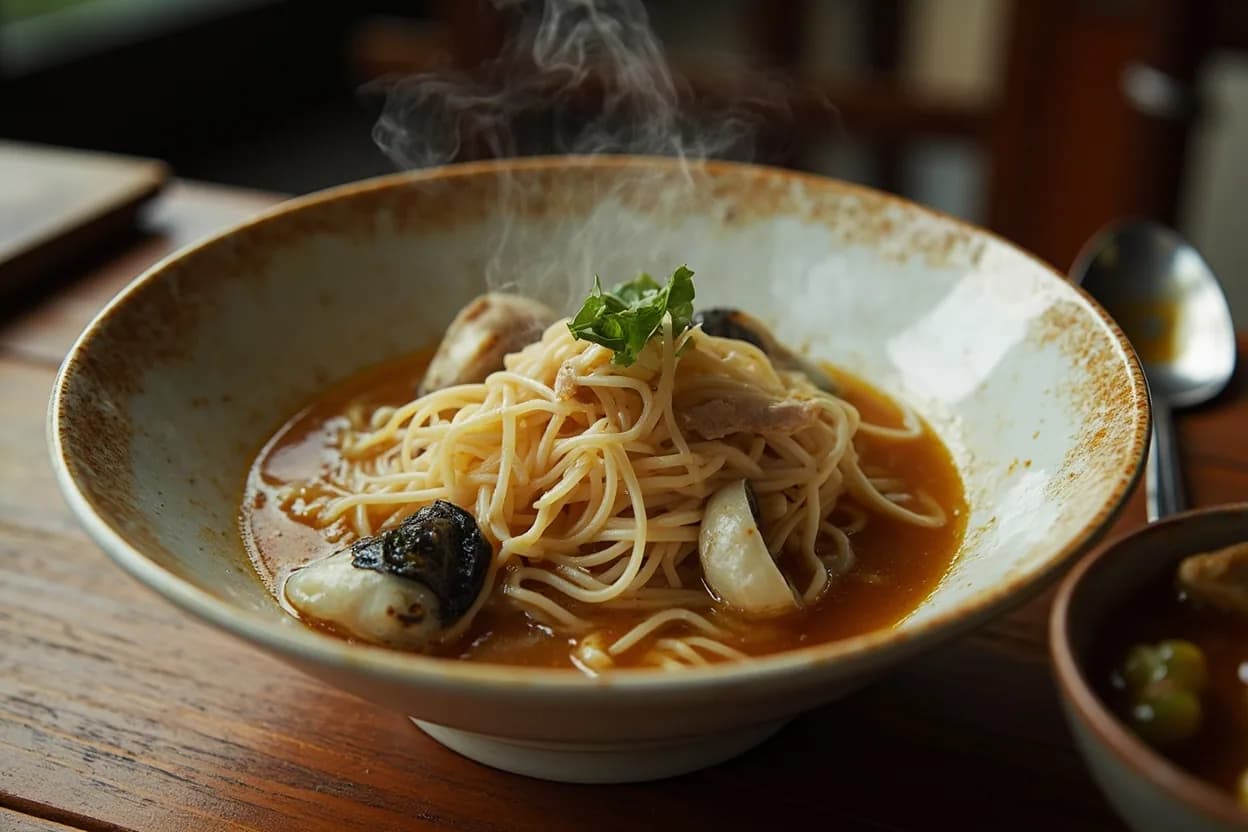
Taiwan's culinary heartland — smaller portions, sweeter seasoning, and the greatest concentration of traditional Hokkien dishes including coffin bread, milkfish soup, and dan zai noodles
- Taipei
The most cosmopolitan expression, incorporating mainlander regional imports, Japanese-influenced yakitori culture, and the most diverse night markets including Shilin and Raohe
- Hakka communities (Miaoli, Hsinchu)
Emphatic use of preserved vegetables (meigan cai), ban tiao flat rice noodles, pork lard, and rice-wine chicken — hearty, frugal cooking
Related cuisines
- Hokkien
The foundational settler cuisine; oyster dishes, rice noodles, and braised pork trace directly to Fujian
- Hakka (Taiwan)
A parallel native tradition emphasizing preservation, pork lard, and hearty countryside cooking
- Japanese
Fifty years of colonial rule embedded dashi thinking, bento culture, and produce standards into everyday Taiwanese food
Canonical recipes
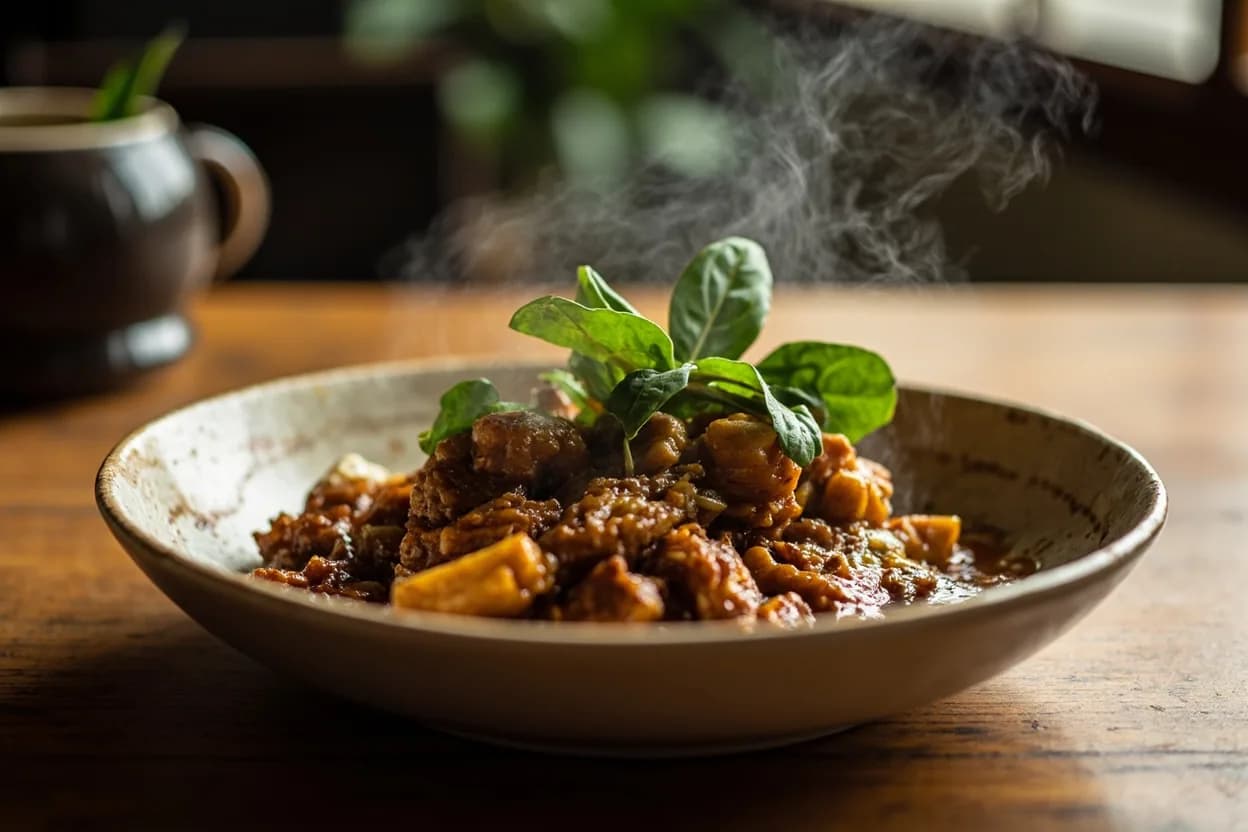
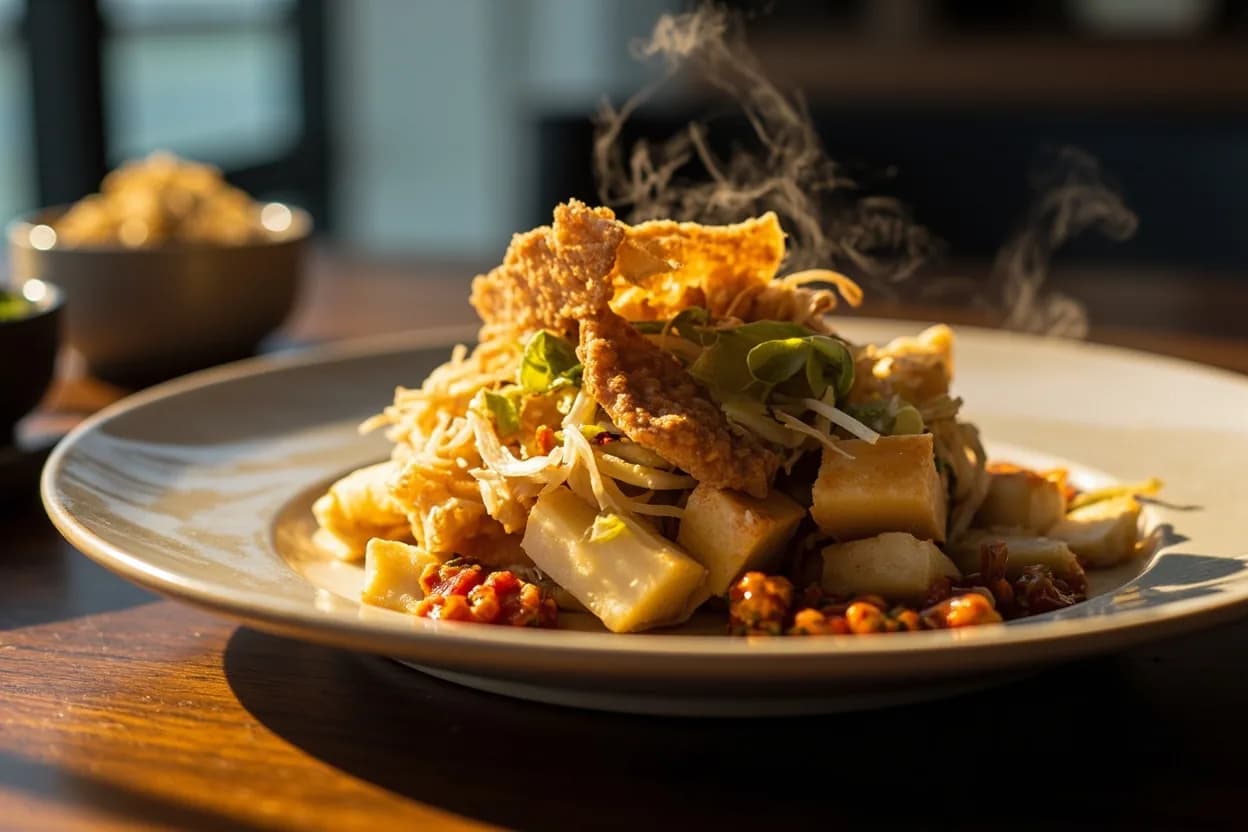
The dishes that define Taiwanese, documented in the Canon.
References
- 1.The Food of Taiwan — Cathy Erway (Houghton Mifflin Harcourt, 2015)
- 2.Taiwan: The Cookbook — Meilee Soong (Phaidon, 2022)
- 3.Wild Sweets: Taiwanese Street Food — documentary research, Su-Mei Yu
Confidence: high
Notes
Night-market canon
The night market (夜市) is the primary arena of Taiwanese culinary identity. Shilin, Raohe, and Fengjia are the most famous, but every city of consequence has its own circuit of stalls. The sociological function is as important as the food: night markets are democratic, multigenerational, and operated mostly by family-run businesses that have passed specialties down across decades.
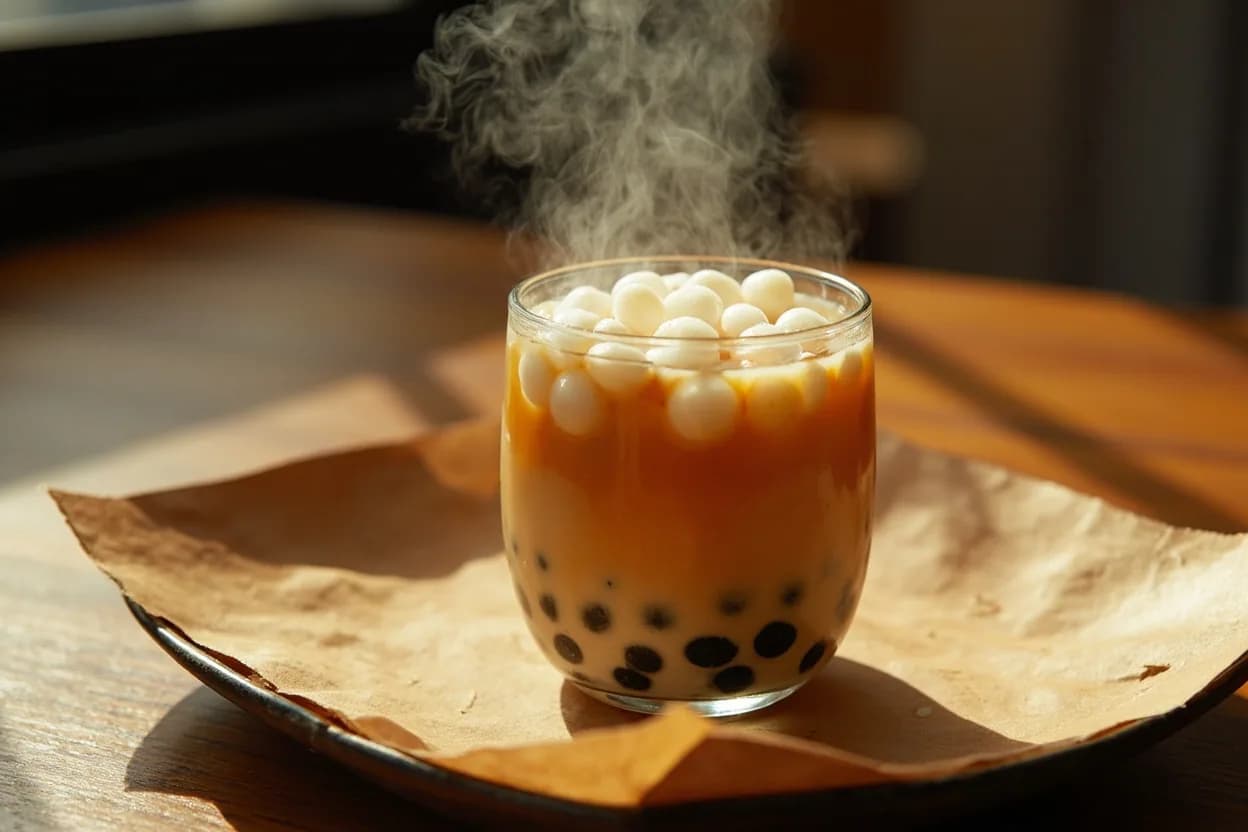
Bubble tea provenance
Taiwan is the universally credited origin of bubble tea (boba), developed in Taichung and Tainan tea shops in the early 1980s. The drink — sweet tea shaken with ice and chewy tapioca pearls — has become one of the most globally replicated Taiwanese exports.