Northeast China
Dongbei (Northeast Chinese)
Also: Northeast Chinese cuisine, 东北菜, Dongbei cai, Manchurian cuisine
China's cold, big-hearted north — gut-warming stews, fat dumplings, sour fermented cabbage, and a larder shaped by Siberian winters and Silk Road crossroads.
Dongbei cuisine is the food of China's three northeastern provinces — Heilongjiang, Jilin, and Liaoning — a region historically known as Manchuria. It is the most cold-adapted of all Chinese regional traditions, built around hearty preservation techniques (salting, pickling, fermenting), long-simmered one-pot dishes, and generous portions designed to fuel agricultural and industrial labor in brutal winters. Dongbei cooking is direct and unfussy — flavors are bold and savory, portions are enormous, and the communal pot is the primary vessel. Korean and Russian influences are palpable: suancai (sour fermented napa cabbage) mirrors Korean kimchi and Russian sauerkraut; dumplings (jiaozi) are eaten at a scale and frequency unseen elsewhere in China.
The flavour base
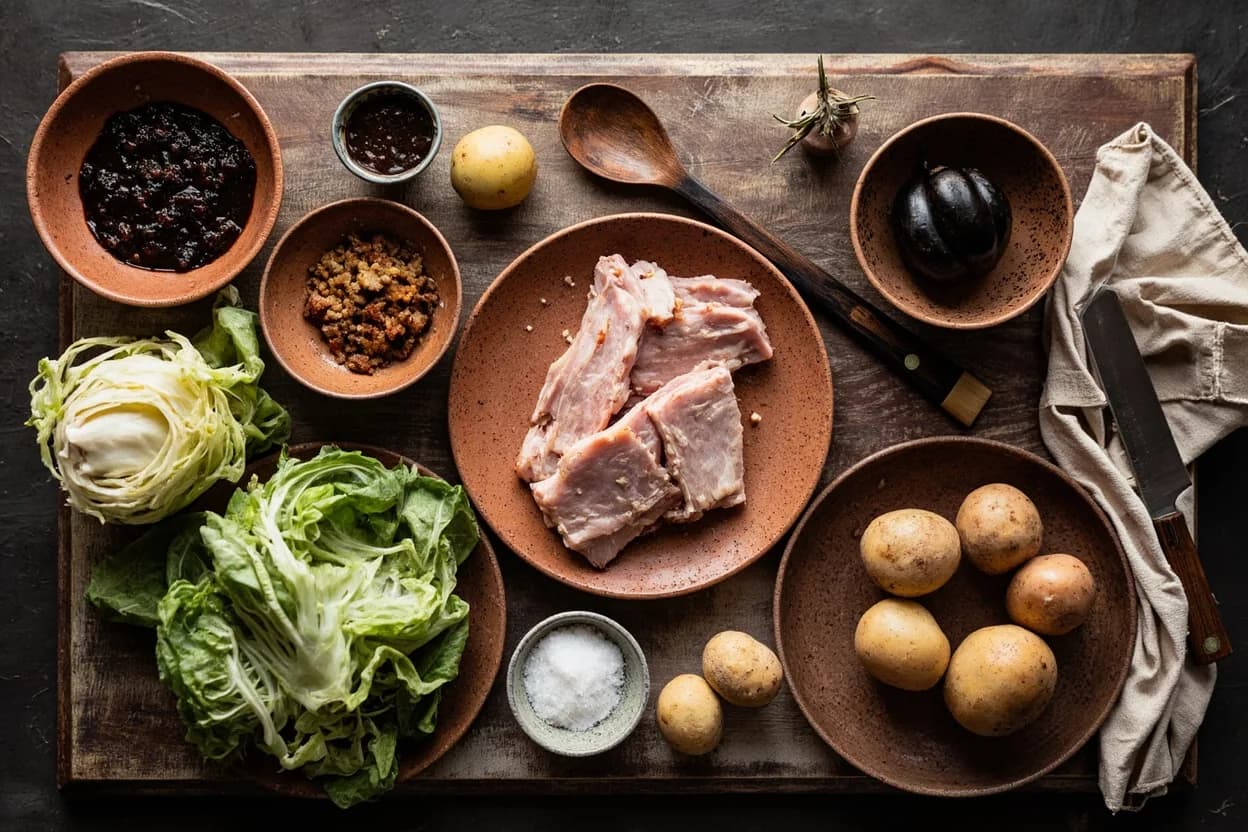
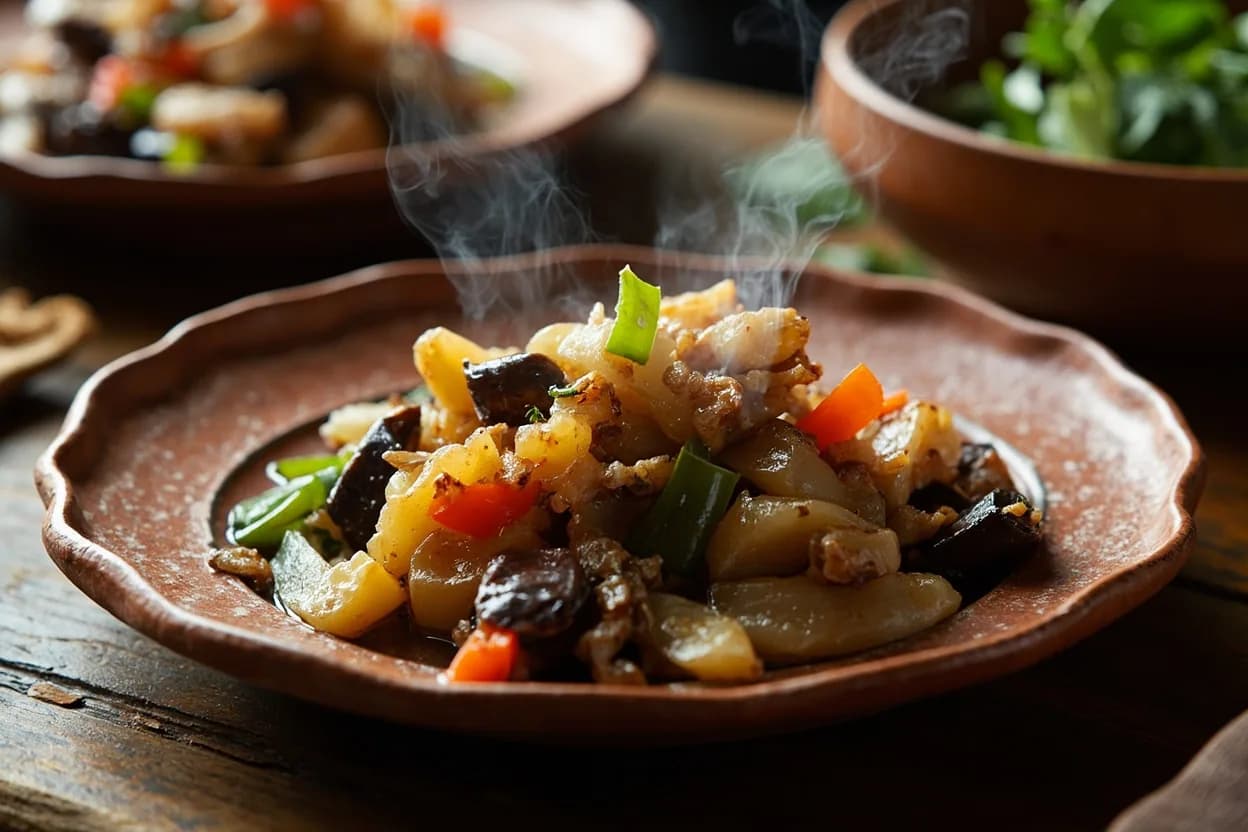
Suancai (fermented sour cabbage), soy sauce, and pork fat form the essential base. Garlic, scallion, and ginger are used in near-universal quantities. The 'three fresh' (di san xian) — potato, eggplant, and green pepper — cooked in a dark, savory sauce is a regional archetype of the soy-garlic-sugar braising style.
Pantry staples
Key ingredients
Signature techniques
Signature dishes
Dongbei (Northeast Chinese) on the table

At the table
Dongbei meals are abundant and informal. Large shared dishes arrive simultaneously — no strict coursing — centered on a hot pot or stew, surrounded by cold salads (liang cai), stir-fries, and always a soup. Dumplings may replace rice at formal occasions. Baijiu (sorghum spirit) or locally brewed beer accompanies everything. Breakfast often means corn porridge (bang zi zhou) or millet gruel.
History & context
The Dongbei region was the homeland of the Manchu people, who founded the Qing Dynasty (1644–1912) and ruled China for over two centuries. Manchu culinary traditions — especially game, preserved meats, and dairy — shaped the regional larder. Han migration during the Qing and Republican eras brought Shandong and Hebei influences, layering the cuisine with jiaozi culture and braising techniques. Russian settlers in Harbin from the late 19th century introduced bread baking, sausages, and a love of dairy. Korean communities in Yanbian brought kimchi and cold noodle traditions. The region's industrial past under Japanese occupation and Soviet-era development gave it a distinct 'worker's cuisine' character — plain, fortifying, generous.
Regional variations
- Harbin (Heilongjiang)
Strongest Russian and Eastern European influence; famous for smoked sausages (Hong Chang), bread, and a distinctive barbecue culture. Da lapi noodles originate here.
- Shenyang (Liaoning)
The most urbanized Dongbei sub-style; guo bao rou and Manchu-court-influenced banquet dishes; proximity to Beijing sharpens presentation.
- Yanbian Korean Autonomous Prefecture (Jilin)
Korean-Chinese fusion: cold buckwheat noodles (naengmyeon), kimchi, dog soup, and barbecue are woven into everyday Dongbei cooking here.
Related cuisines
- Korean
Yanbian borderlands created genuine fusion; suancai and kimchi are parallel fermentation traditions that likely influenced each other.
- Shandong
The largest Han migration into Dongbei came from Shandong; Shandong's braising and dumpling traditions are the backbone of Dongbei cooking.
- Russian
Harbin's Russian community left lasting marks in sausage-making, bread, and beer brewing.
- Inner Mongolian
Shared reliance on lamb, dairy, and preserved winter foods along the western frontier.
Canonical recipes
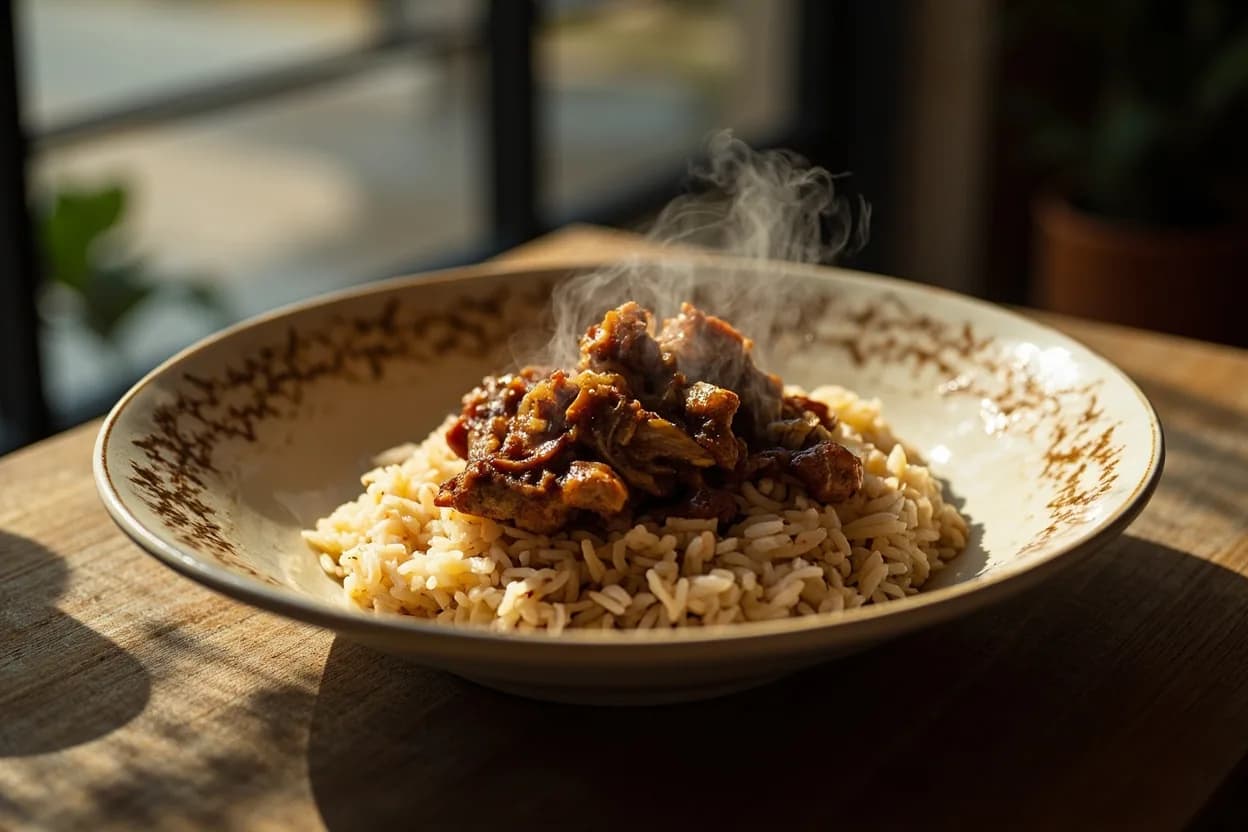
The dishes that define Dongbei (Northeast Chinese), documented in the Canon.
References
- 1.Land of Plenty — Fuchsia Dunlop (2003, Norton)
- 2.Every Grain of Rice — Fuchsia Dunlop (2012, Bloomsbury)
- 3.China: The Cookbook — Kei Lum Chan & Diora Fong Chan (2016, Phaidon)
Confidence: high
Notes
Jiaozi Culture
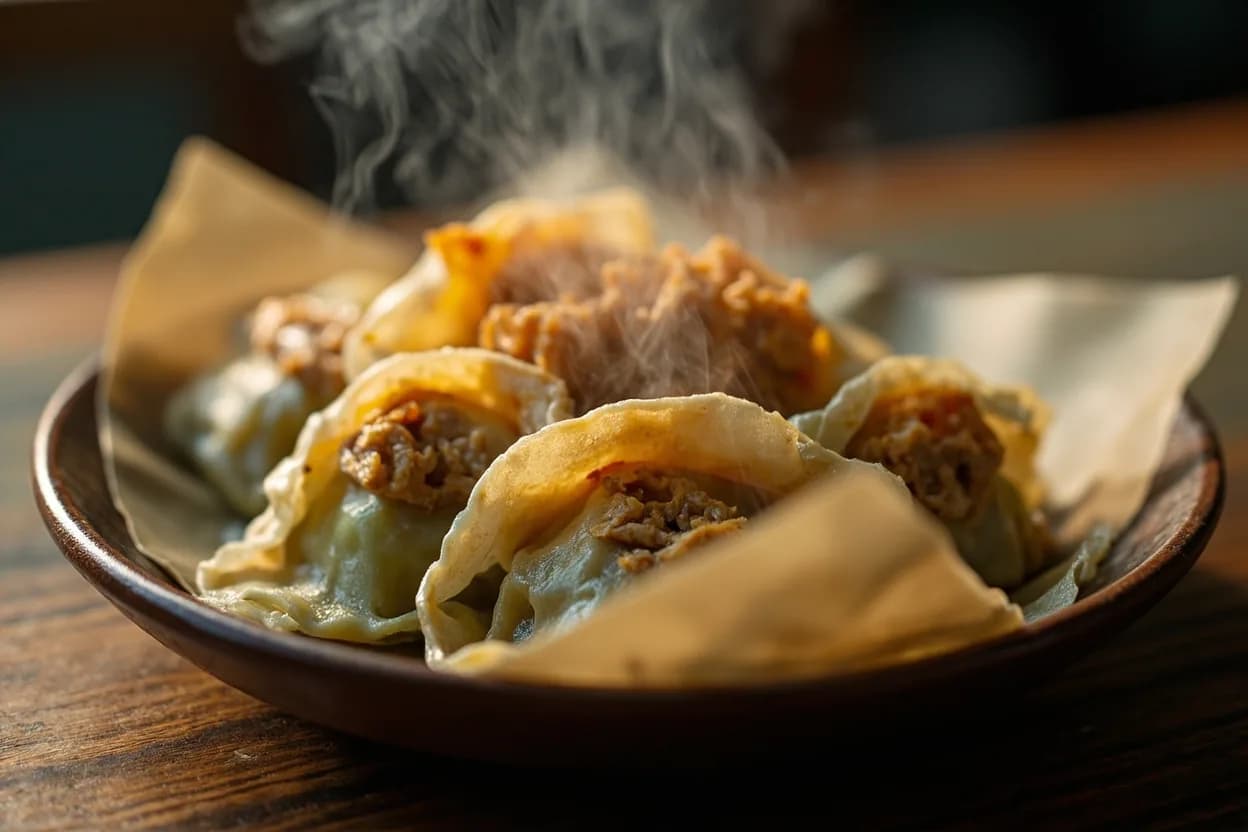
No region in China consumes jiaozi with the intensity of Dongbei. Dumplings are expected at Lunar New Year, birthdays, welcoming guests, and as a default comfort meal. Local variation is wide: cabbage-pork, sauerkraut-pork, leek-egg, three-fresh (shrimp, egg, chive) — the pleating style and skin thickness also vary by household.
Guo Bao Rou Origin
Guo bao rou — the sweet-sour crispy pork that many outsiders know as a Cantonese dish — actually originated in Harbin in the early 20th century, created by a Qing Dynasty cook who adapted a traditional dish to please Russian guests who preferred sweeter flavors. The original used rice vinegar; later versions shifted to fruit vinegar or orange juice.