Levant
Druze
Also: Druze cuisine, Druse cooking
A highland Levantine cuisine of extraordinary hospitality, built on stuffed flatbreads, kibbeh, labneh, and sage tea drawn from the terraced mountains of Lebanon, Galilee, and the Hauran.
Druze cuisine is the food tradition of the Druze communities inhabiting the mountainous uplands of Mount Lebanon, the Galilee highlands of northern Israel, the Golan, and the Jabal al-Druze (Hauran) plateau in southern Syria. It is an expression of a small, close-knit, esoteric community whose isolation in the mountains shaped a cuisine of subsistence abundance: wild herbs, hand-milled wheat, sheep and goat dairy, olive oil, and highland vegetables. Hospitality is a near-sacred obligation — a guest must eat, and the table must overflow. The cooking is deeply feminine, passed mother-to-daughter, and largely unbothered by restaurant commercialization.
The flavour base
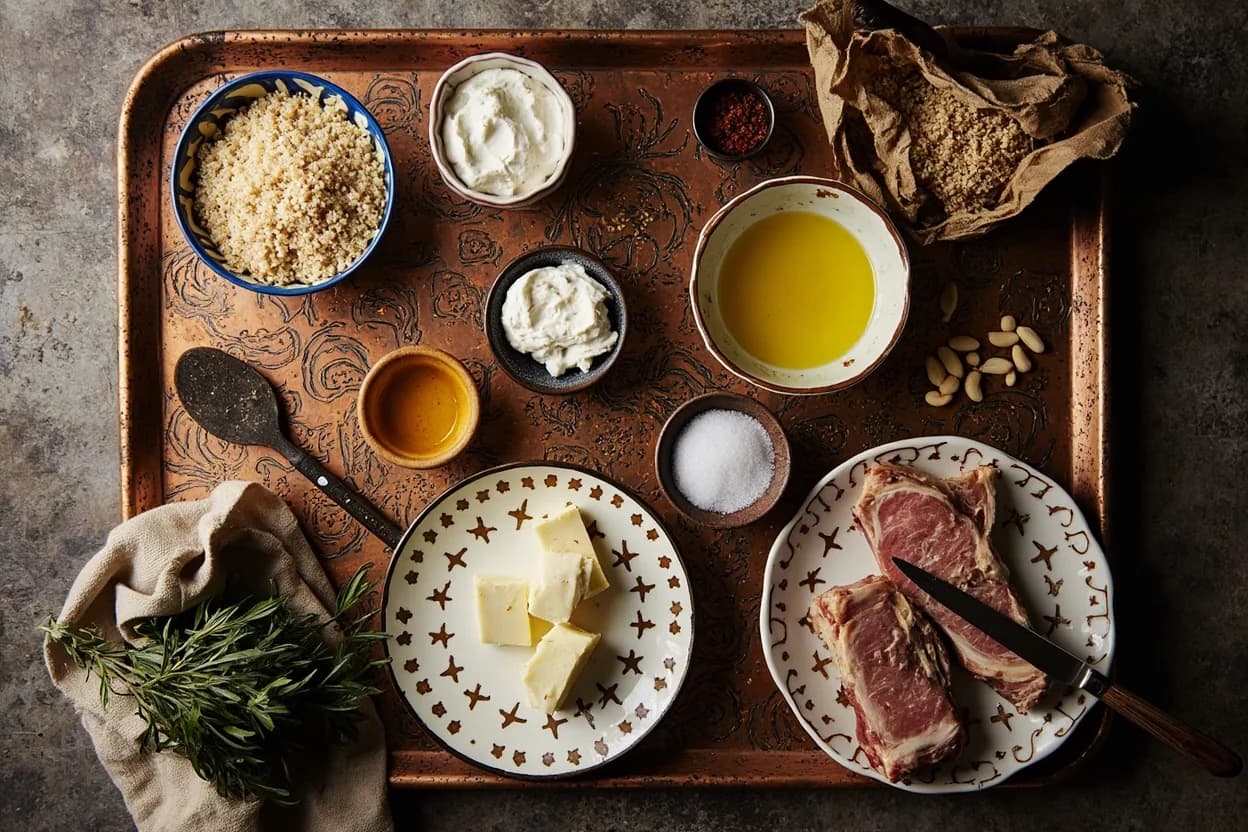
Olive oil, wild thyme (za'atar), sumac, and onion underpin almost every savory preparation; labneh (strained goat yogurt) and clarified butter (samn) enrich both cooked dishes and spreads.
Pantry staples
Key ingredients
Signature techniques
Signature dishes
Druze on the table
At the table
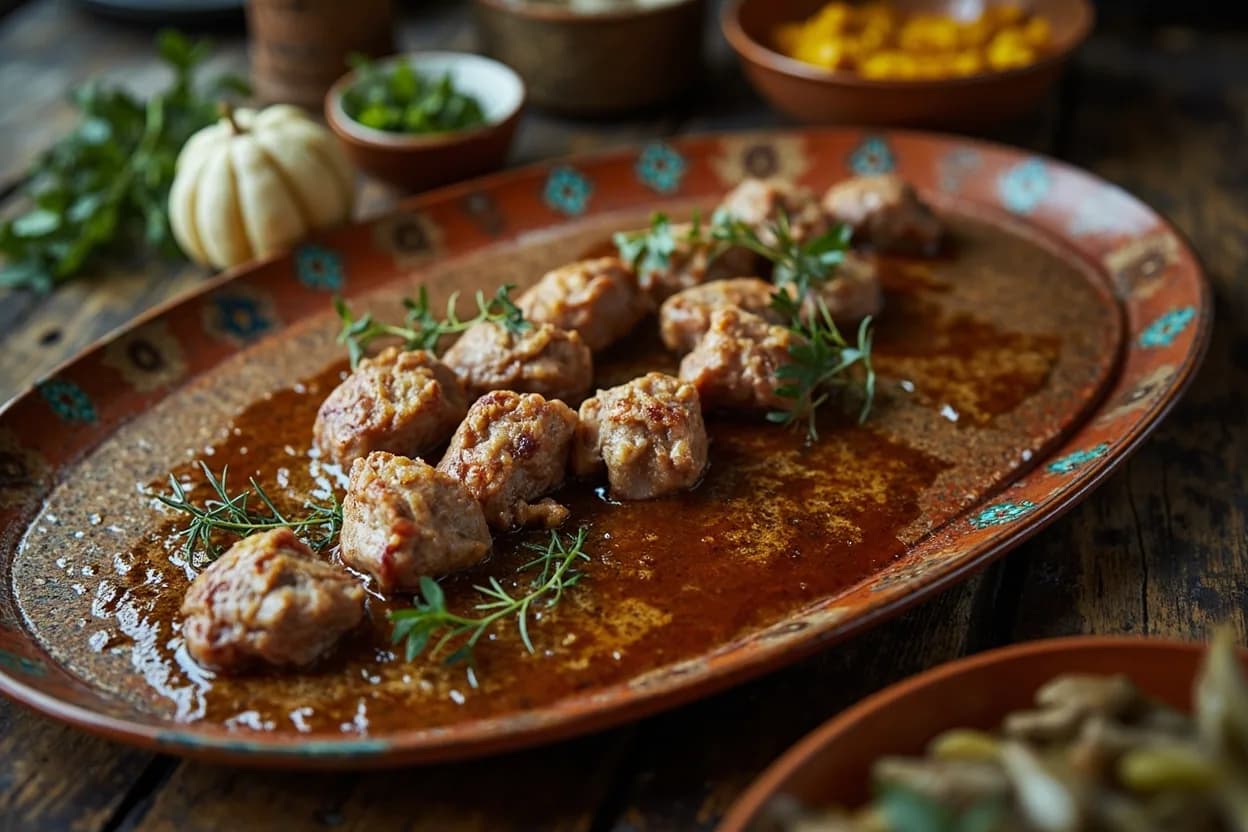
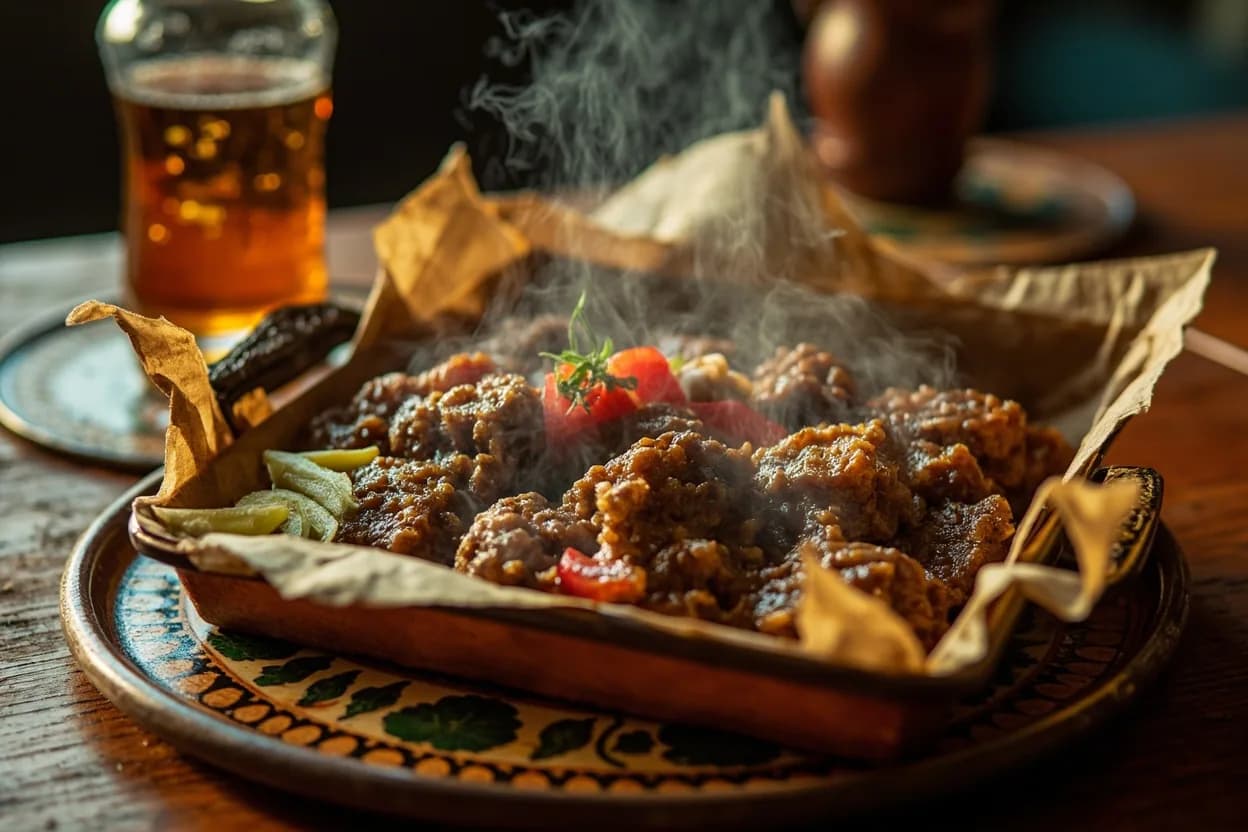
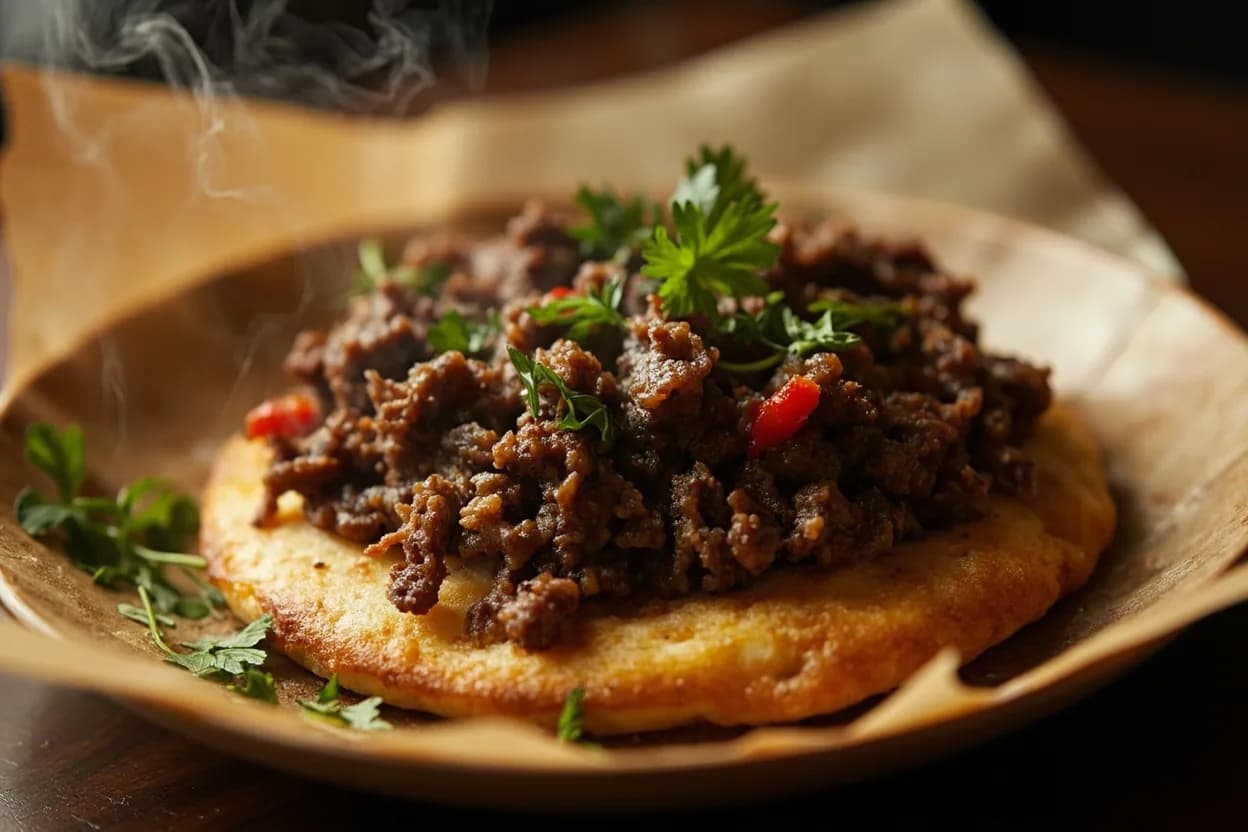
Meals are communal and generous. A full Druze spread opens with a mezze of labneh, olives, raw vegetables, and flatbreads baked on the saj. A central main — often a whole braised lamb or kibbeh siniyyeh — follows. Sage tea (shai maramiyya) is obligatory at every social gathering, served sweet in small glasses as both welcome and farewell. There is no formal dessert culture; dried fruits, nuts, and sweetened tea close the meal.
History & context
The Druze, an eleventh-century offshoot of Ismaili Islam, retreated into mountainous redoubts across the Levant partly for religious protection and partly through political circumstance. Their highland isolation meant that the cuisine evolved independently of urban Ottoman and coastal influences that reshaped lowland cooking. Mountain subsistence — sheep, goat herding, terraced olive orchards, wild herb gathering — became the cuisine's permanent vocabulary. The Druze diaspora (particularly in Brazil, Australia, and West Africa) carried the cooking abroad but community endogamy and tight social structure preserved its authenticity far better than most diaspora cuisines.
Regional variations
- Mount Lebanon (Chouf)
Greater use of kibbeh varieties and kishk (fermented dried yogurt-wheat); proximity to coastal trade means more citrus and pine nuts.
- Galilee (northern Israel)
Strong overlap with Palestinian Arab village cooking; more abundant use of fresh herbs and wild greens (khubbeizeh, 'akkoub); pita more common than saj bread.
- Jabal al-Druze / Hauran (Syria)
Steppe-influenced; lamb and goat are central; basalt stone cooking surfaces give dishes a distinctive dry-heat character; wheat bulgur dominant over rice.
Related cuisines
Shares mezze culture, kibbeh, labneh, and saj bread; Druze cooking is more rural, austere, and less influenced by French-Ottoman urban refinement.
Galilee Druze villages and Palestinian Arab villages share wild herb foraging, musakhan, and flatbread traditions.
Jabal al-Druze cooking is essentially a variant of southern Syrian peasant cuisine, sharing freekeh, bulgur, and slow-braised lamb.
Canonical recipes
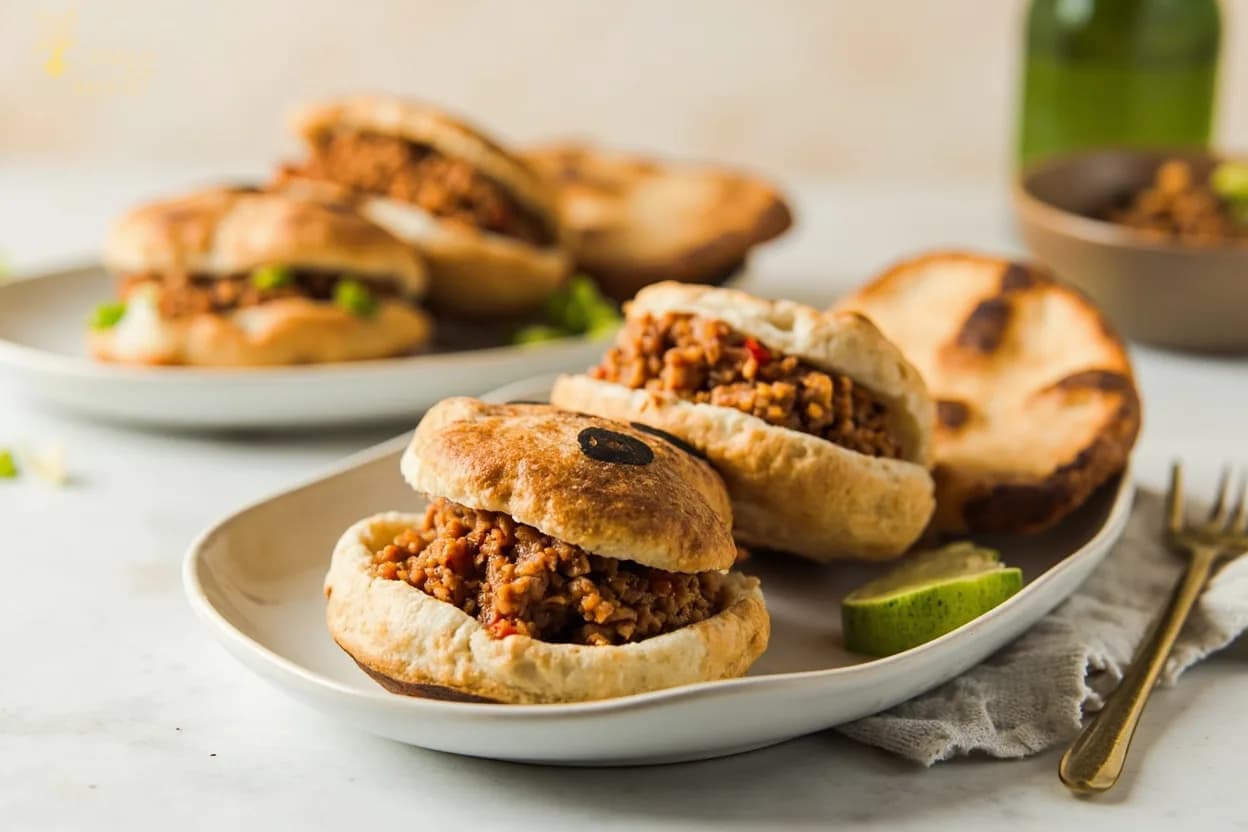
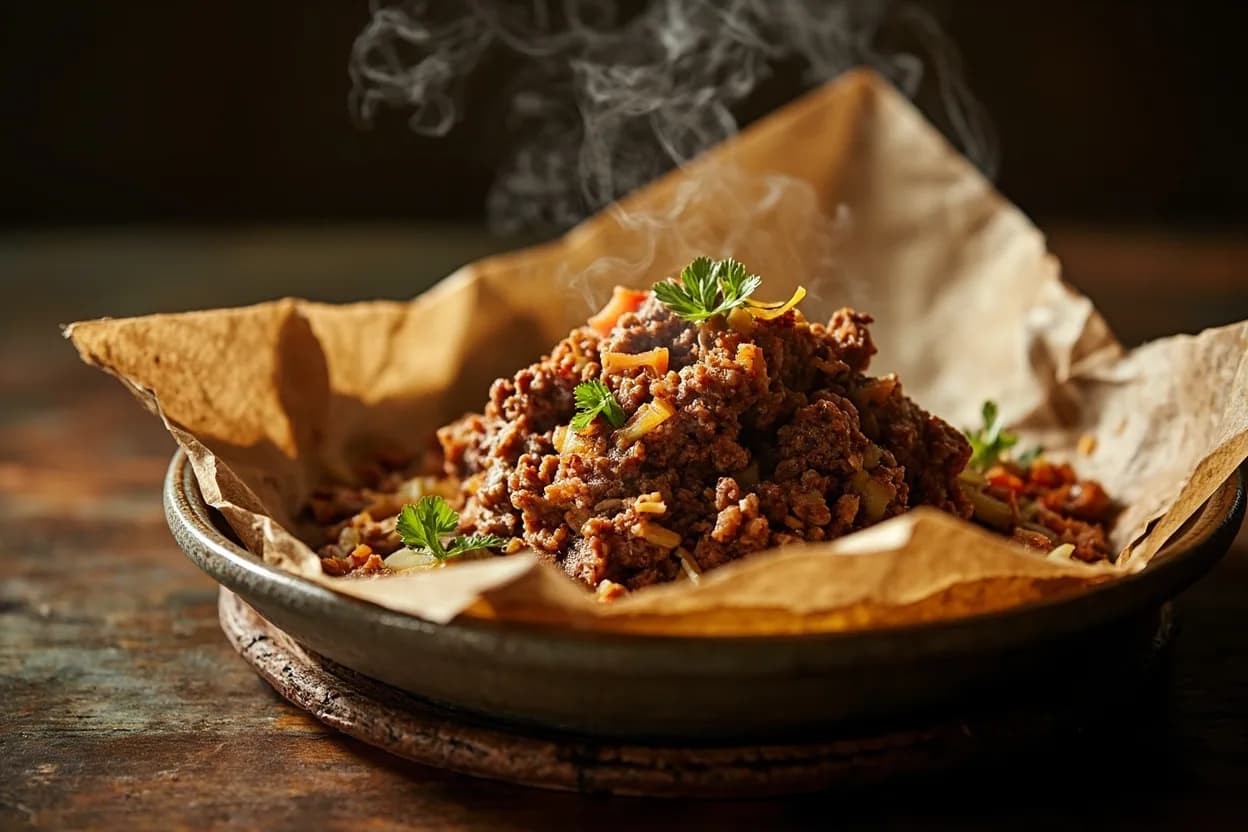
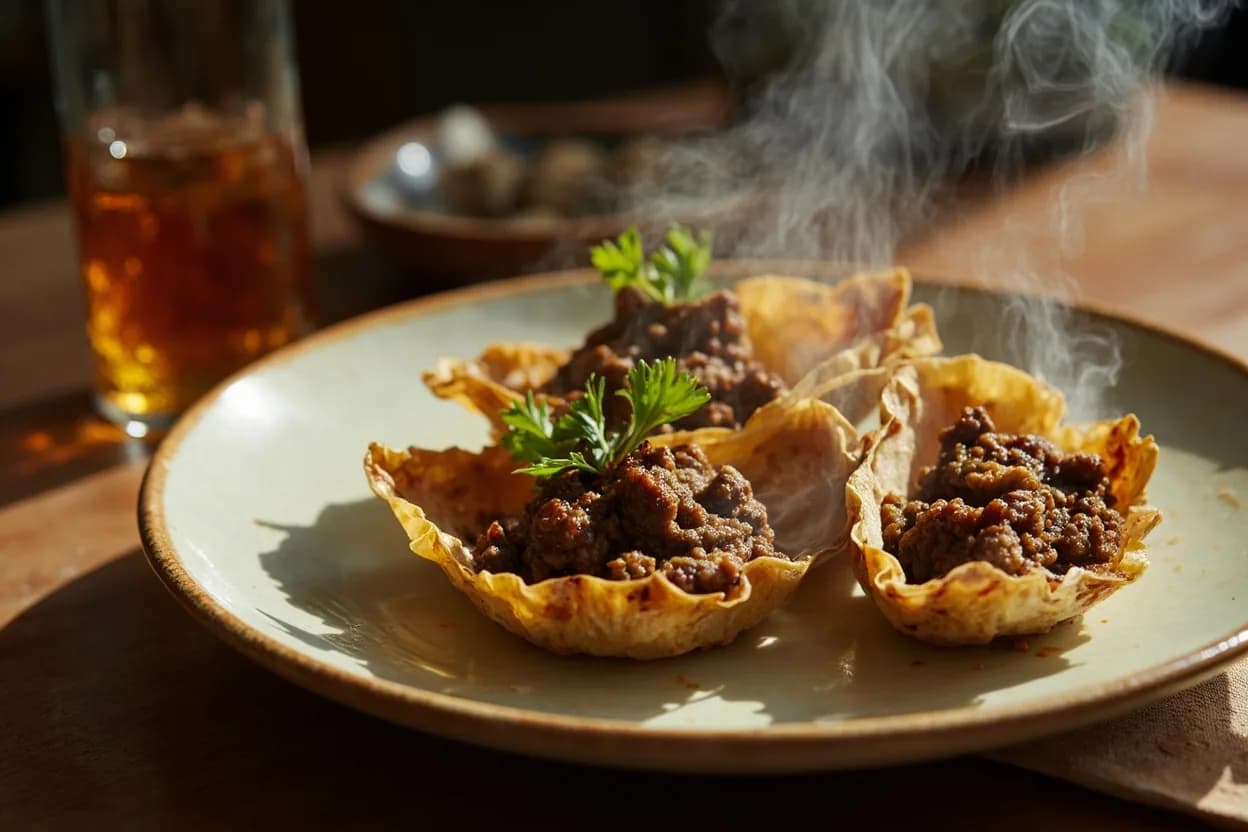
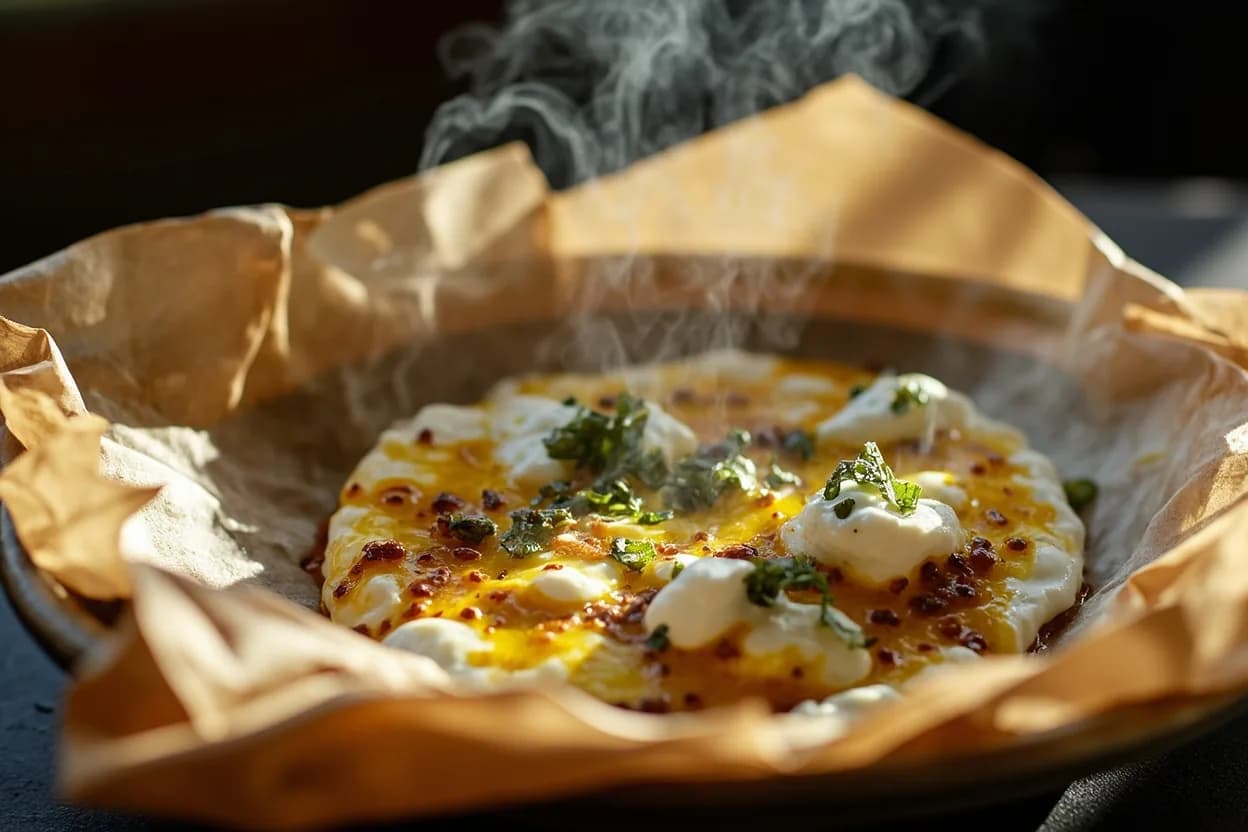
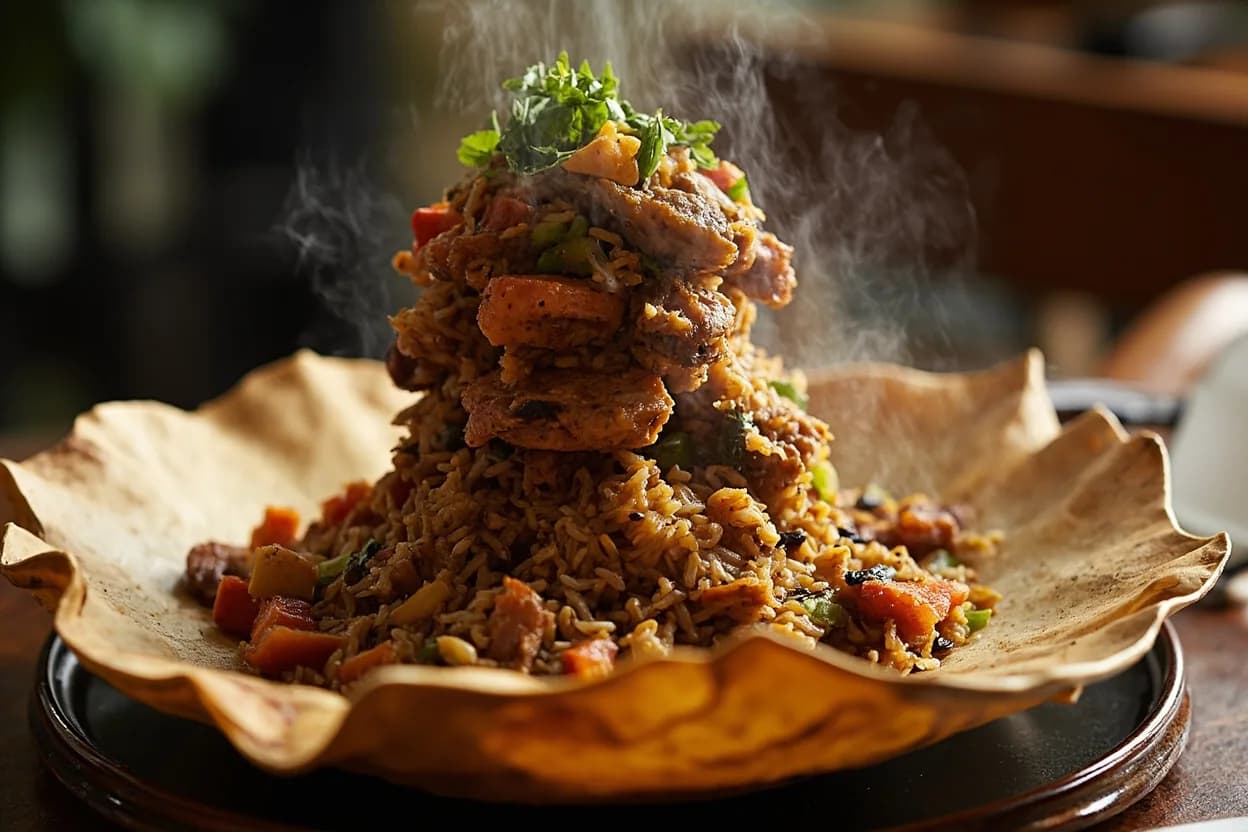
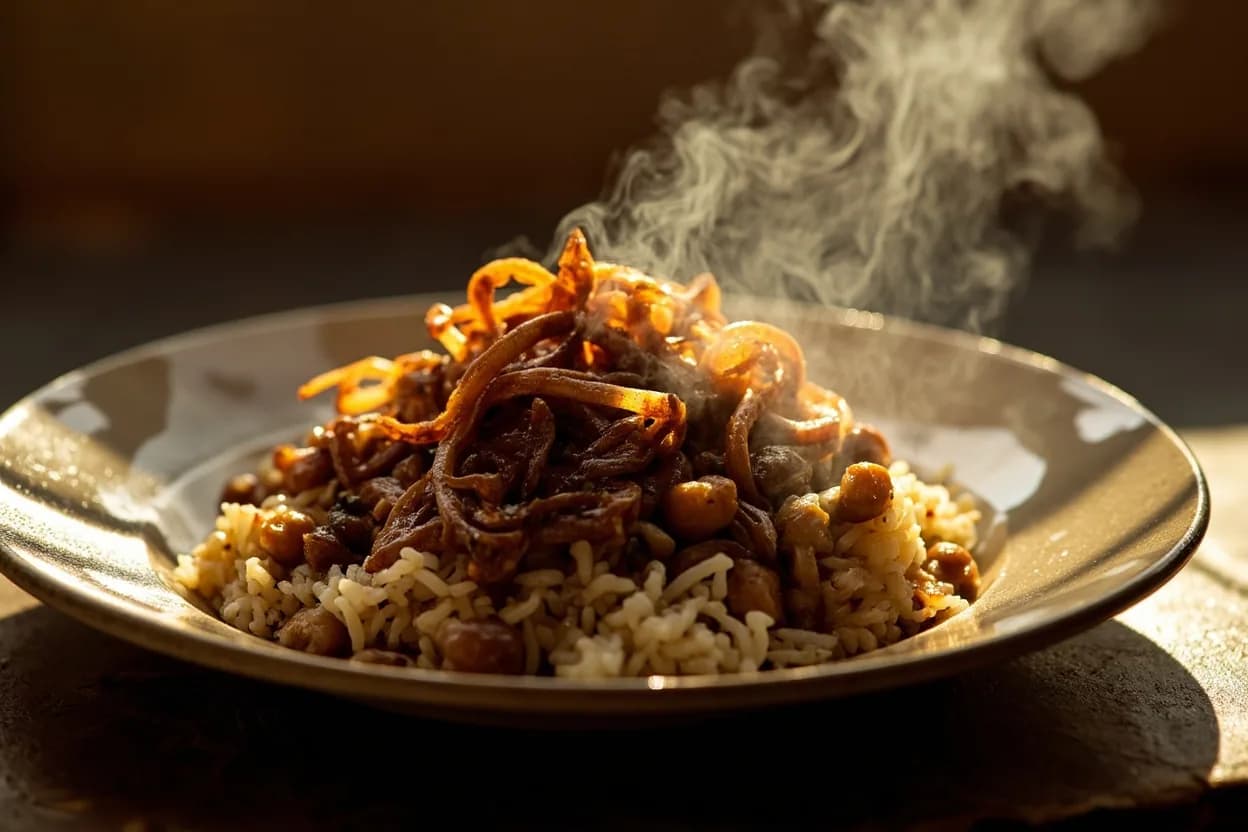
The dishes that define Druze, documented in the Canon.
References
- 1.Anissa Helou, 'Feast: Food of the Islamic World' (2018)
- 2.Claudia Roden, 'The New Book of Middle Eastern Food' (2000)
- 3.Sami Tamimi & Tara Wigley, 'Falastin' (2020) — Galilee chapter
Confidence: medium
Notes
Hospitality as law
Among the Druze, refusing a guest food is a grave social transgression. A visitor arriving unannounced will be fed a full meal within minutes — this shapes the cuisine's reliance on pantry-stable staples (labneh, olives, bulgur) that can be assembled without advance preparation.
Sage tea
Shai maramiyya — wild sage boiled with water and sweetened — is not merely a beverage but a cultural signal. It is served at births, mourning visits, reconciliations, and business meetings alike, and its presence marks every social rite.