Northwestern Europe
Dutch
Also: Netherlands cuisine, Hollandse keuken, Nederlandse keuken
A practical, dairy-rich Northern European table transformed by the VOC spice trade into one of history's great pantry cultures.
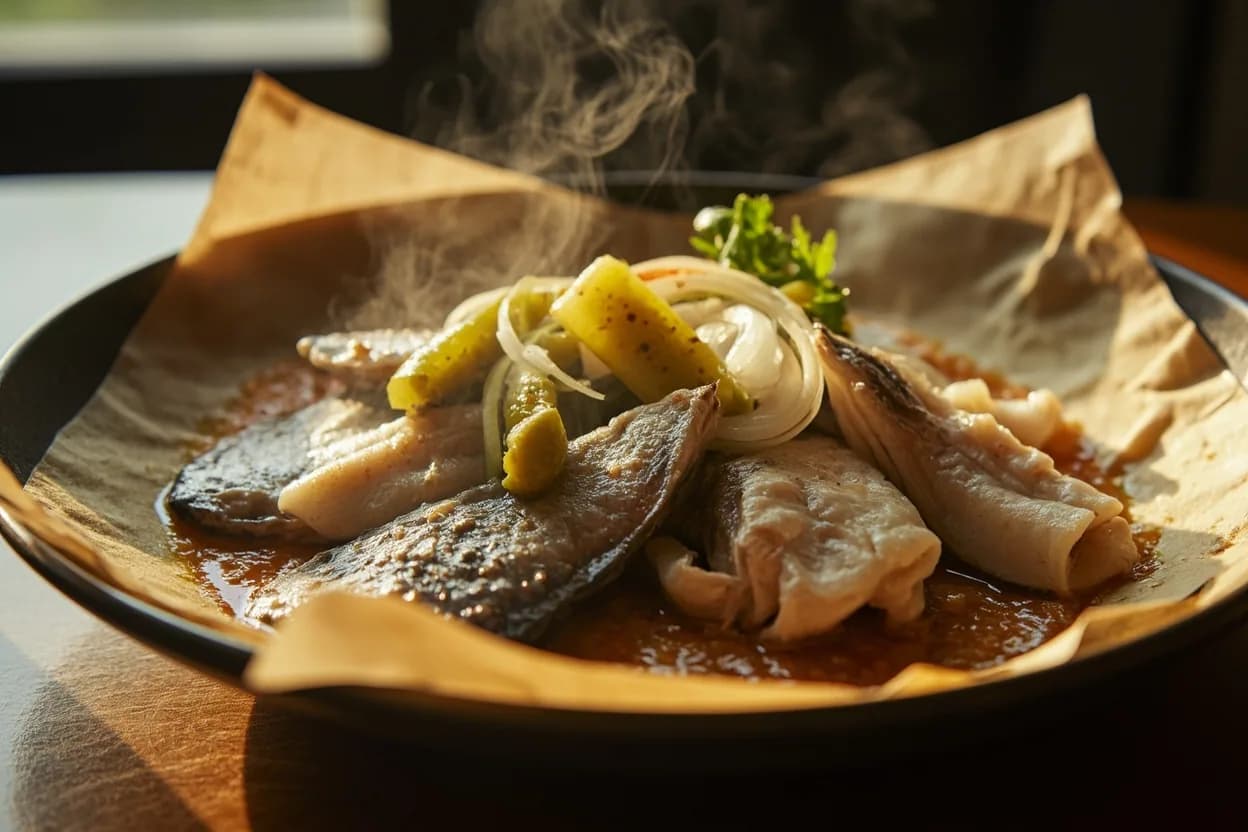
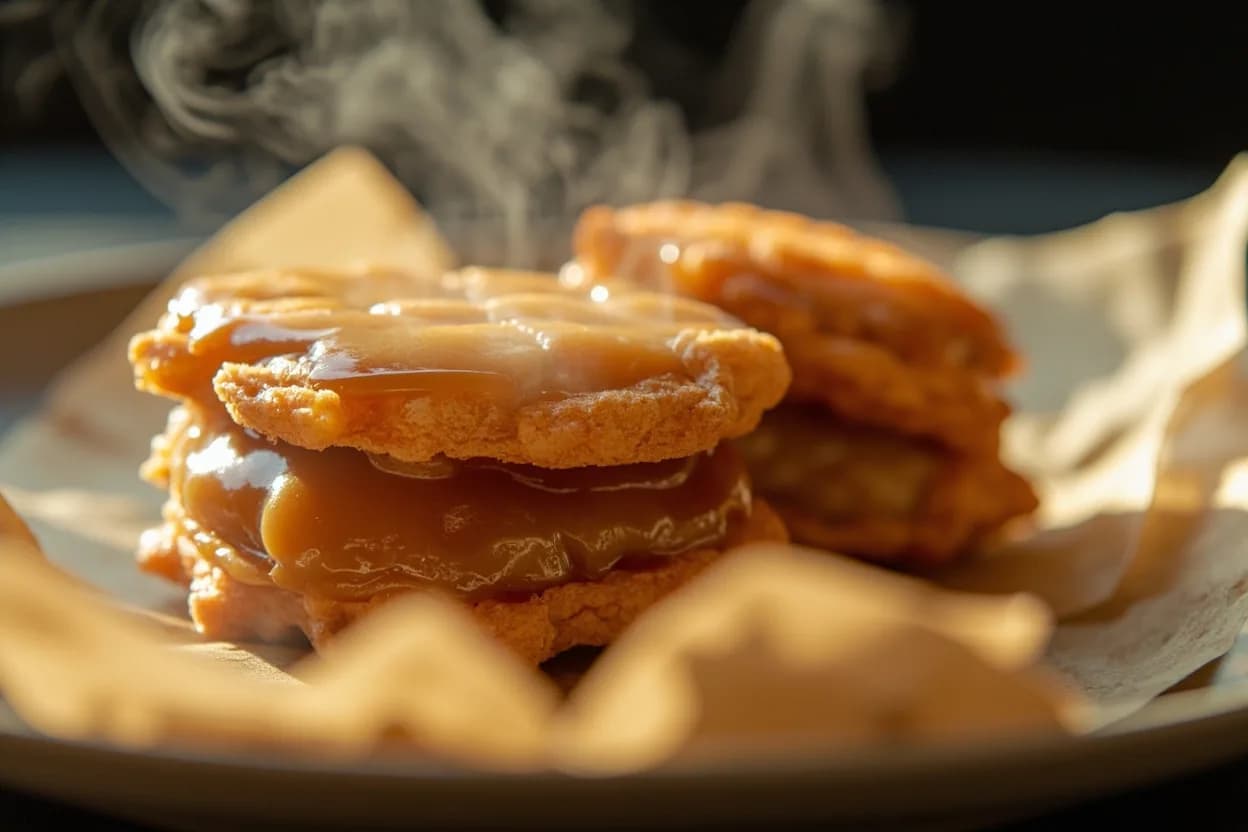
Dutch cuisine is shaped by two forces that seem contradictory but are historically intertwined: a Protestant preference for plain, nourishing food — stamppot, erwtensoep, bread-based lunches — and a spice pantry more exotic than almost any other European nation's, acquired through the Dutch East India Company (VOC) monopoly on nutmeg, mace, cloves, and pepper. The result is a cuisine of quiet comfort food at home and an outsized global pantry legacy: Indonesia's rijsttafel arrived in the Netherlands as a colonial import; stroopwafels and hagelslag (chocolate sprinkles on bread) are fiercely domestic; and raw haring with onion eaten at a street stall is the purest expression of Dutch relationship with the sea.
The flavour base
Butter, cream, and salt (dairy triad) for daily cooking; Dutch curry powder (kerrie), nutmeg, and sambal for pantry-trade influenced preparations
Pantry staples
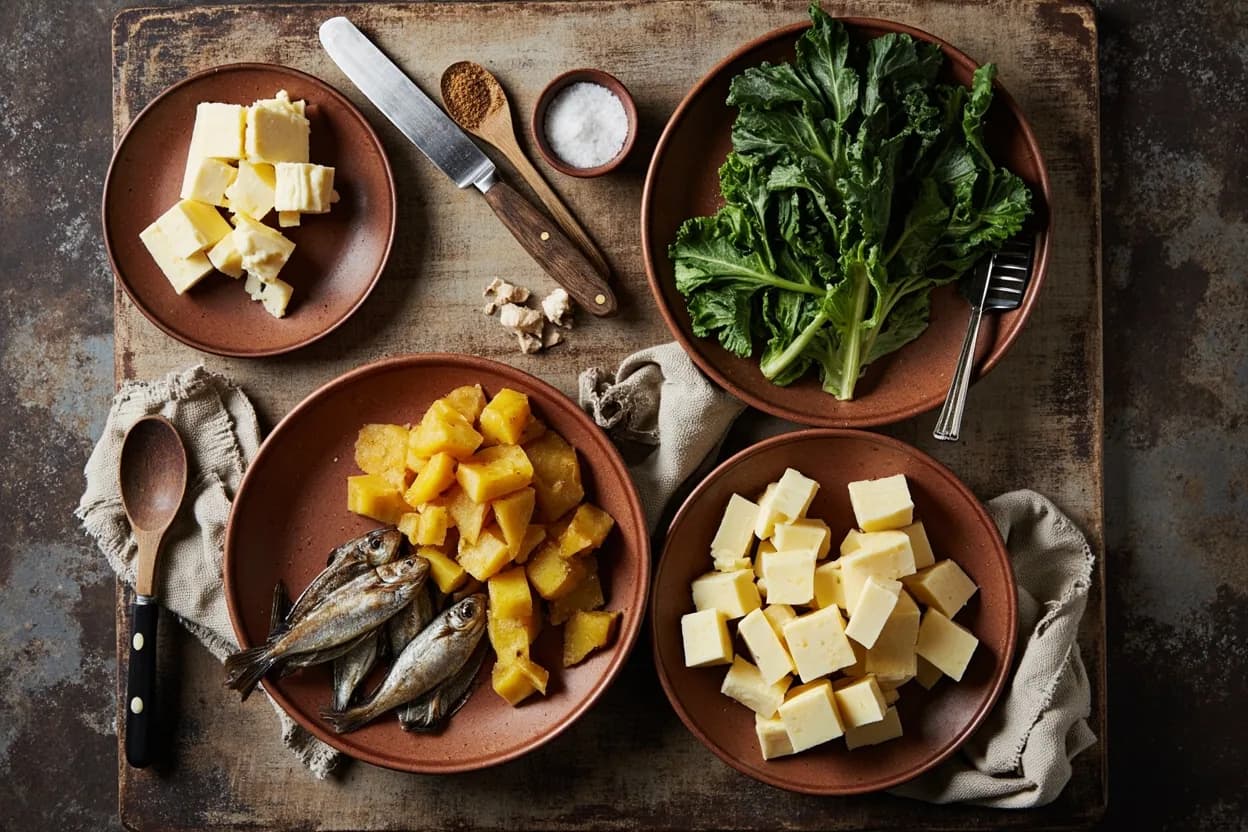
Key ingredients
Signature techniques
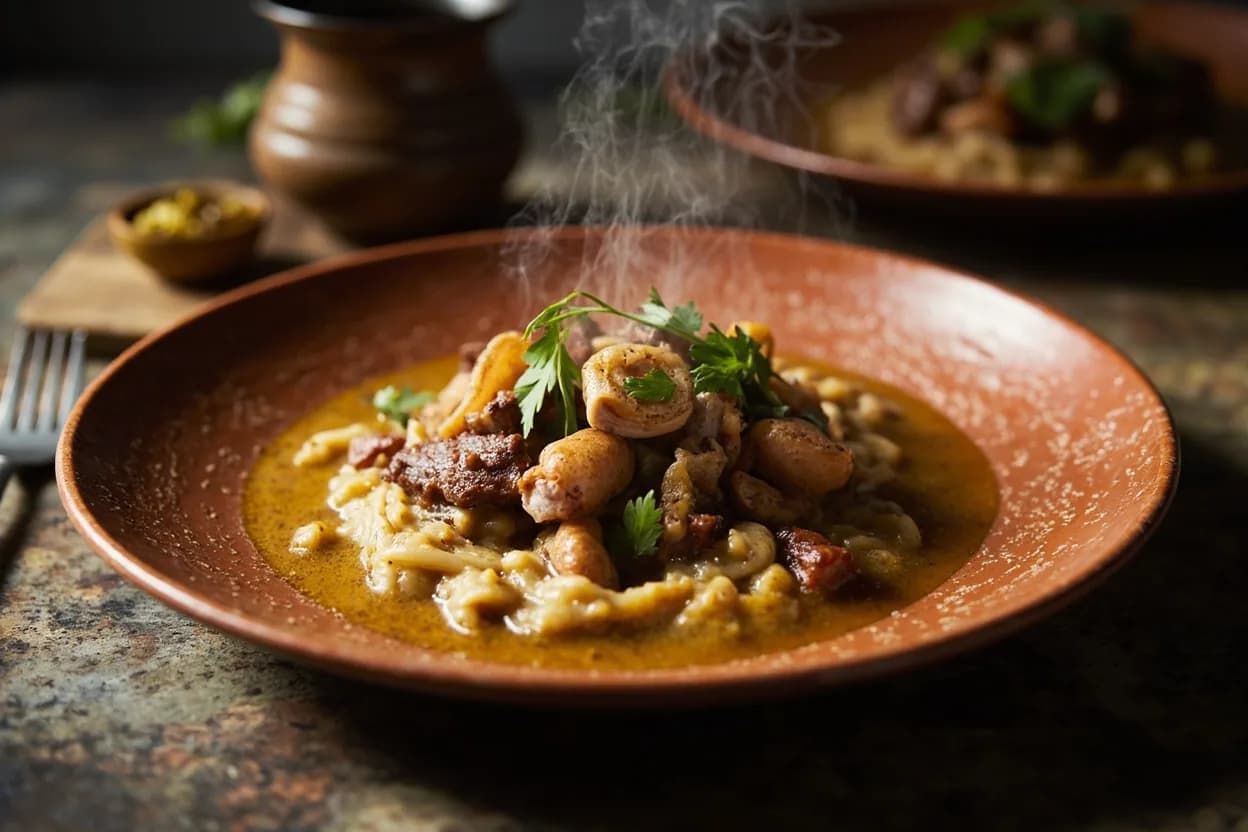
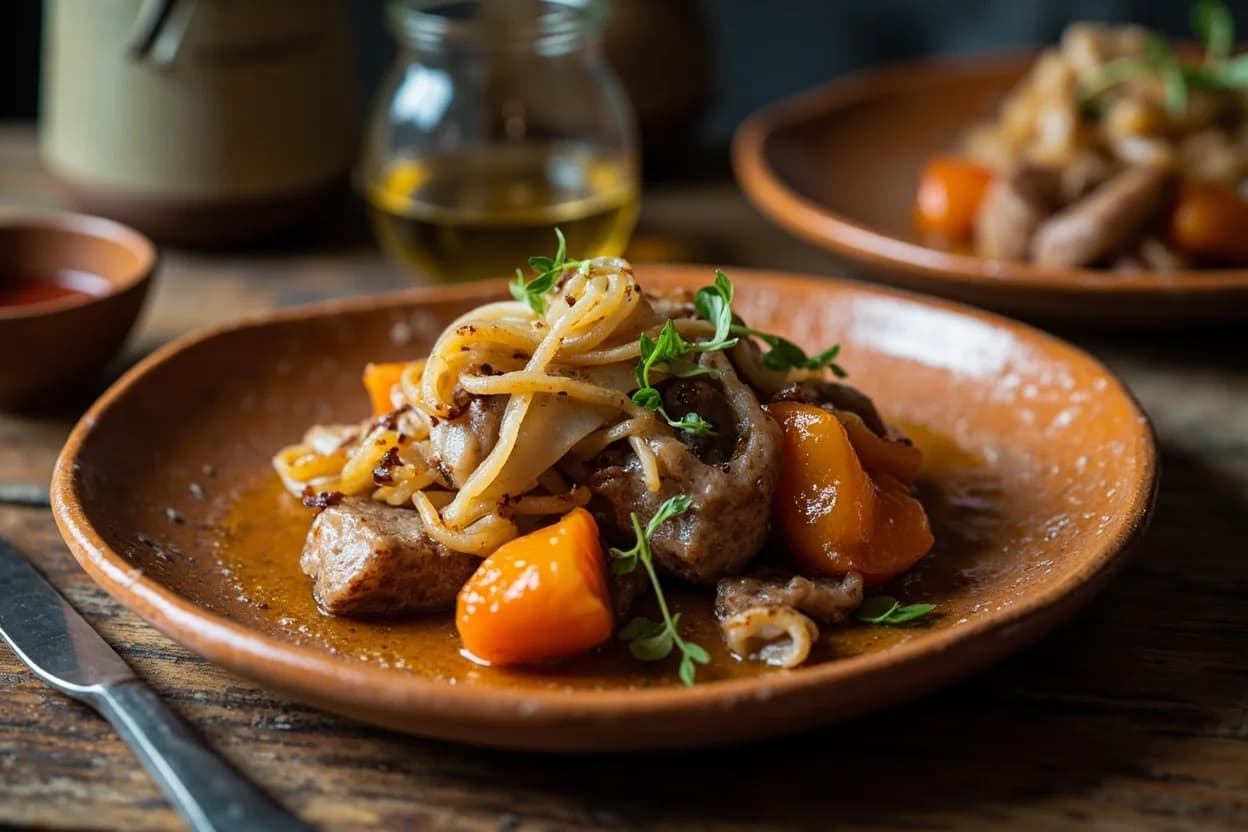
Signature dishes
Dutch on the table
At the table
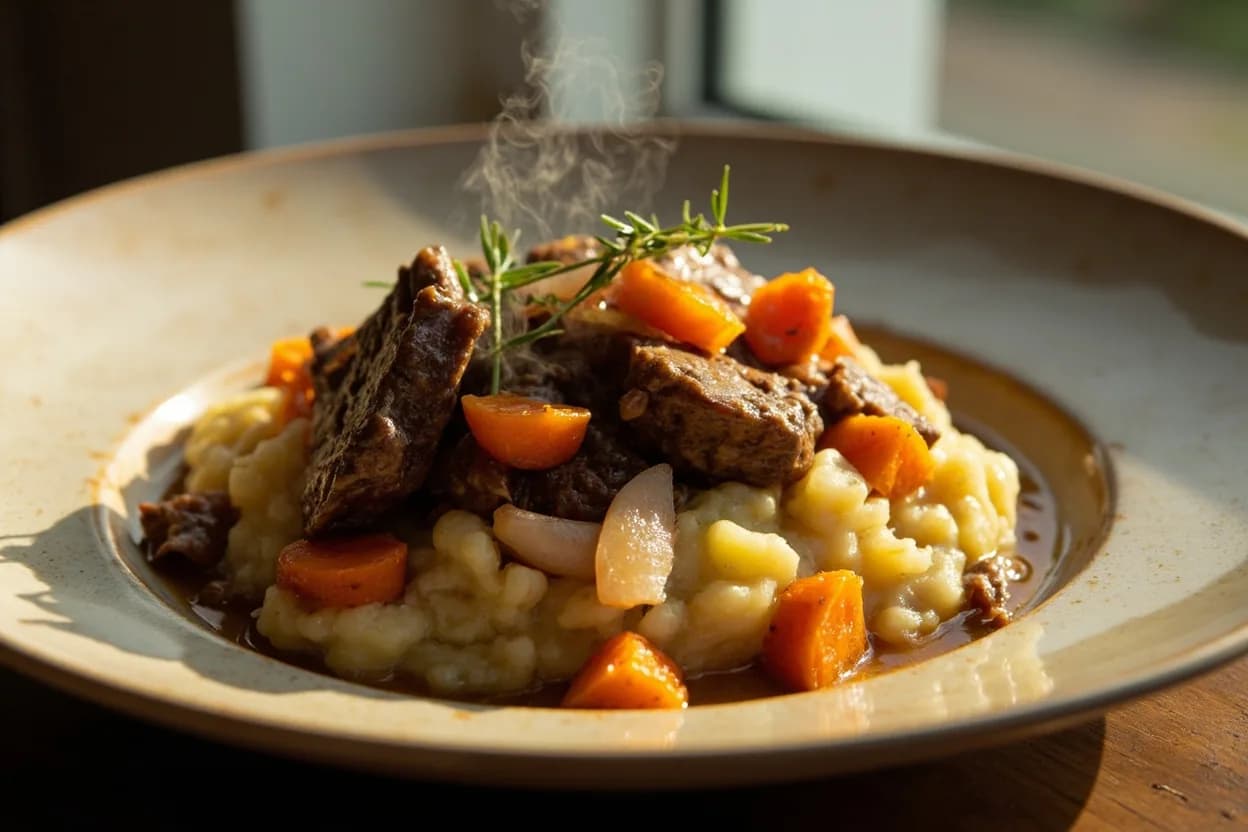
The Dutch meal pattern is distinctively sparse at breakfast and lunch — bread with cheese, hagelslag, or peanut butter eaten standing or at a desk — and generous at dinner (warme maaltijd), which is the day's single cooked meal. Dinner is typically a single course: meat or fish, potatoes or stamppot, and one vegetable. Jenever is drunk before dinner at a proeflokaal (tasting house); coffee and a koekje (biscuit) follow a meal.
History & context
Dutch food culture was forged in the maritime economy of the 16th–17th century Golden Age. The VOC (1602–1799) made Amsterdam the spice capital of Europe, but the profits were reinvested in trade rather than court cuisine — unlike France or Spain. Calvinist sobriety kept Dutch tables plain while the pantry grew global. The herring trade (the 'mother trade' of Dutch prosperity) was industrialised by the 15th century via the gibbing cure that allowed barrels of salt herring to cross Europe. Colonial engagement with Indonesia introduced the rijsttafel tradition — a Dutch construct translating Indonesian archipelago diversity into a banquet format — which remains embedded in Dutch restaurant culture today.
Regional variations
- Zeeland
Coastal province celebrated for mussels (mosselen), oysters, and lobster; Zeelandse mosselen in white wine is a national dish.
- Limburg
Southern Catholic province with a richer food culture; Limburgse vlaai (fruit tart) and zuurvlees (sweet-sour beef stew) reflect Belgian-German border influence.
- Friesland
Dairy heartland; Friesian cheese (like Frisian clove cheese), omakoek, and the tradition of eating koffietafel (cold lunch) is most pronounced here.
- North Holland / Amsterdam
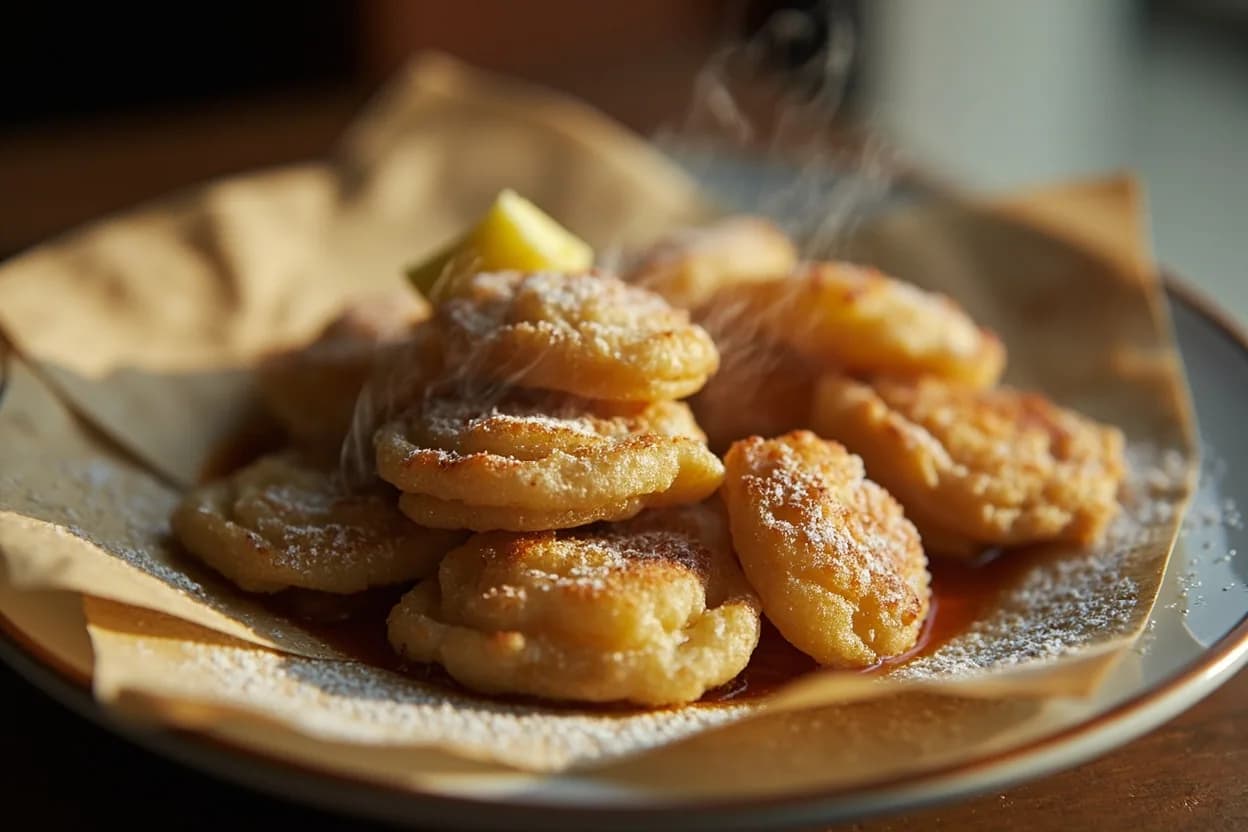
Urban street food culture: haring carts, poffertjes stalls, and the highest concentration of Indonesian restaurants (rijsttafel) outside Indonesia.
Related cuisines
- Belgian
Shared border and history; Belgian cuisine is richer and more Francophone, but both share frites, mussels, and beer culture.
- Indonesian
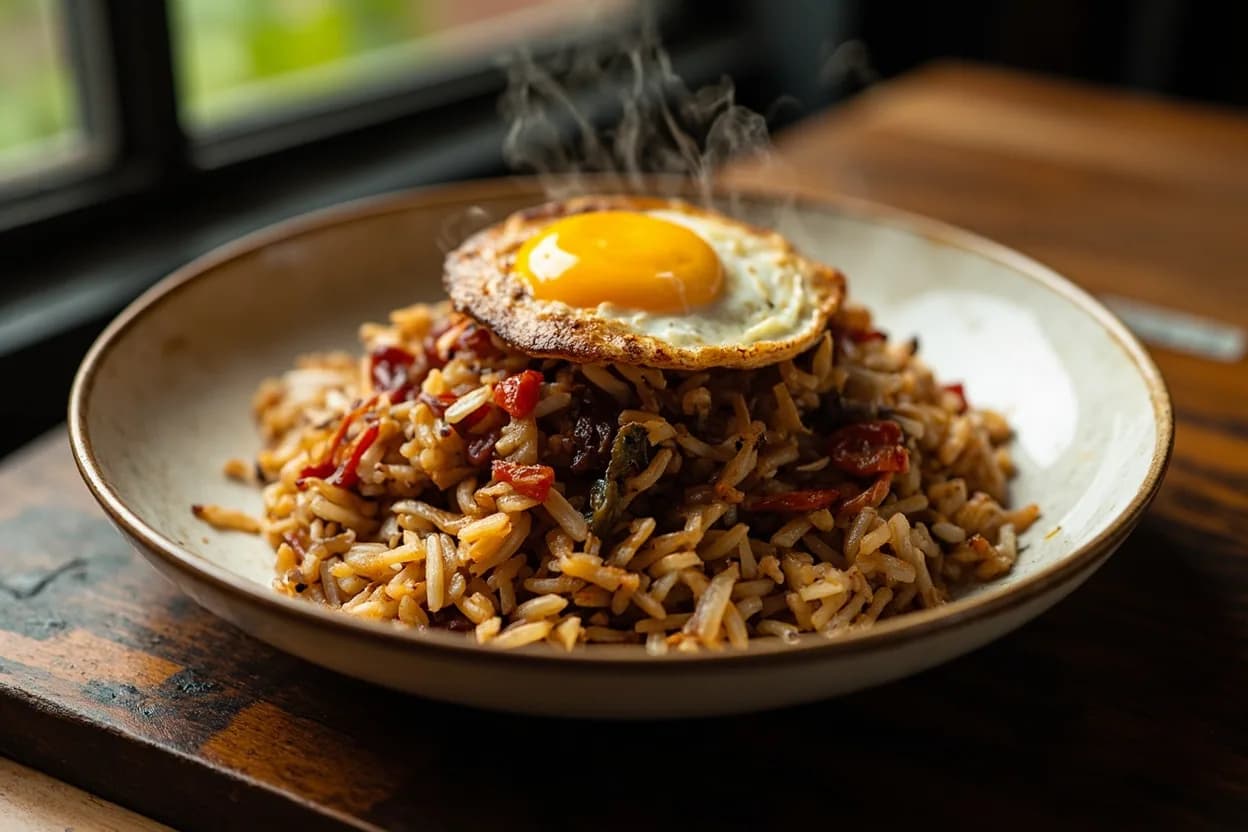
The colonial relationship produced rijsttafel and made nasi goreng, satay, and sambal everyday Dutch pantry items.
- German
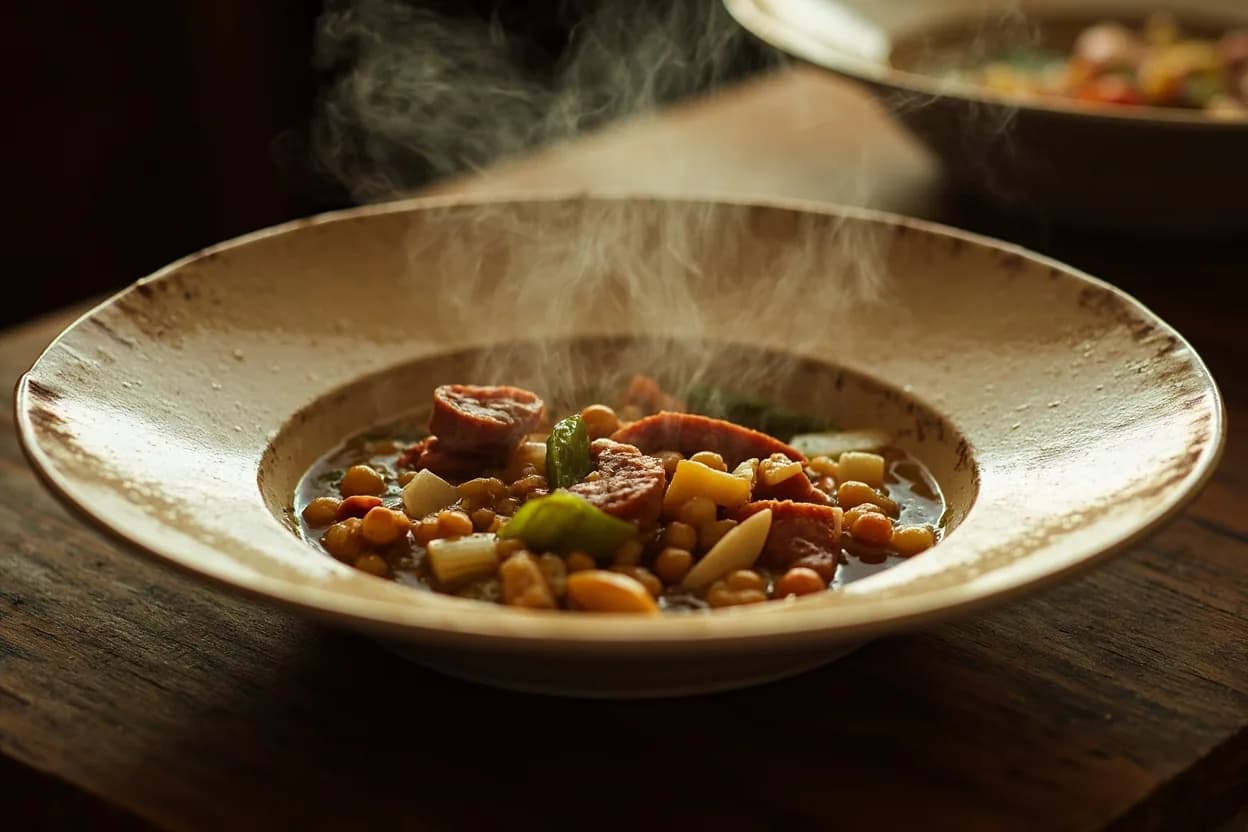
Shared Rhenish influence in Limburg and eastern provinces; pea soup, smoked sausage, and potato-heavy winter dishes appear on both sides of the border.
Canonical recipes
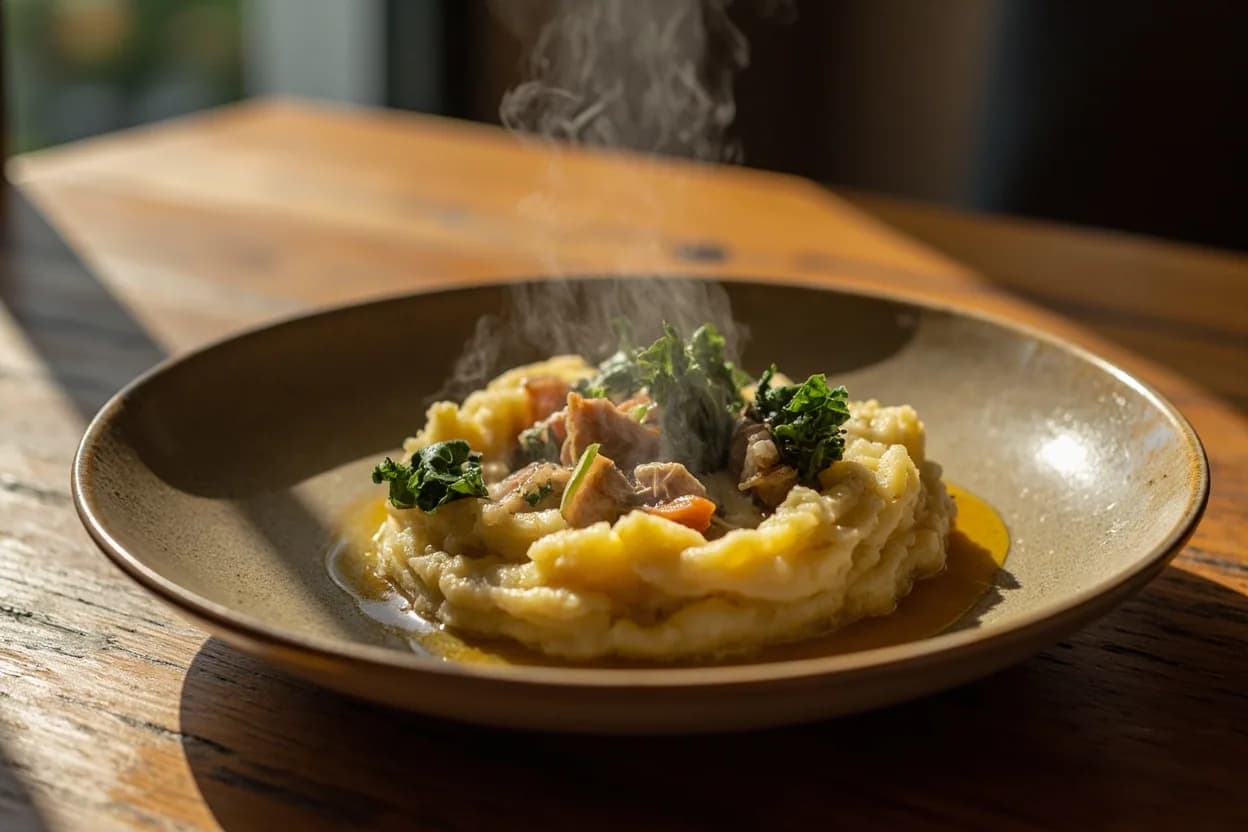
The dishes that define Dutch, documented in the Canon.
References
- 1.Jansen, A. — De Nederlandse keuken (Kosmos, 2015)
- 2.Coebergh, C. — The Dutch Table (Overlook Press, 2010)
- 3.Israel, J. — The Dutch Republic: Its Rise, Greatness, and Fall 1477–1806 (Oxford, 1995)
- 4.van Otterloo, A. — Eten en eetlust in Nederland 1840–1990 (Bert Bakker, 1990)
Confidence: high
Notes
Hollandse Nieuwe
Raw 'new herring' (caught after the spring feeding season, high in fat) is the Dutch street-food benchmark. The traditional eating method — hold the fish by the tail, tip the head back, and lower the entire fillet into the mouth — is still practiced at haringkraam carts, though chopped with onion and pickles in a soft roll (broodje haring) is equally common.
The rijsttafel legacy
Rijsttafel ('rice table') was invented by Dutch colonists in the Dutch East Indies as a display of the archipelago's diversity for European guests, served by a procession of servers each carrying one dish. It has no authentic Indonesian analogue. Brought back by returning colonists, it became naturalized Dutch restaurant culture and remains the context in which most Dutch people encounter Indonesian food.