West Africa
Hausa-Fulani (Northern Nigerian)
Also: Northern Nigerian cuisine, Hausa cuisine, Fulani cuisine
The grain-and-legume cooking of Nigeria's Muslim north, shaped by the Sahel, trans-Saharan trade, and centuries of Islamic dietary tradition.
Hausa-Fulani cuisine is the dominant food culture of northern Nigeria, a vast semi-arid zone spanning Kano, Katsina, Sokoto, and beyond. It is distinguished from southern Nigerian cooking by its reliance on grains (sorghum, millet, rice) over root starches, its restrained use of palm oil in favor of groundnut oil and dawadawa (fermented locust bean), its Islamic dietary constraints (no pork, limited alcohol-based preparations), and its deep connections to the pastoral Fulani cattle economy. Dishes are often soupy, mildly spiced, and built for endurance in a hot, dry climate.
The flavour base
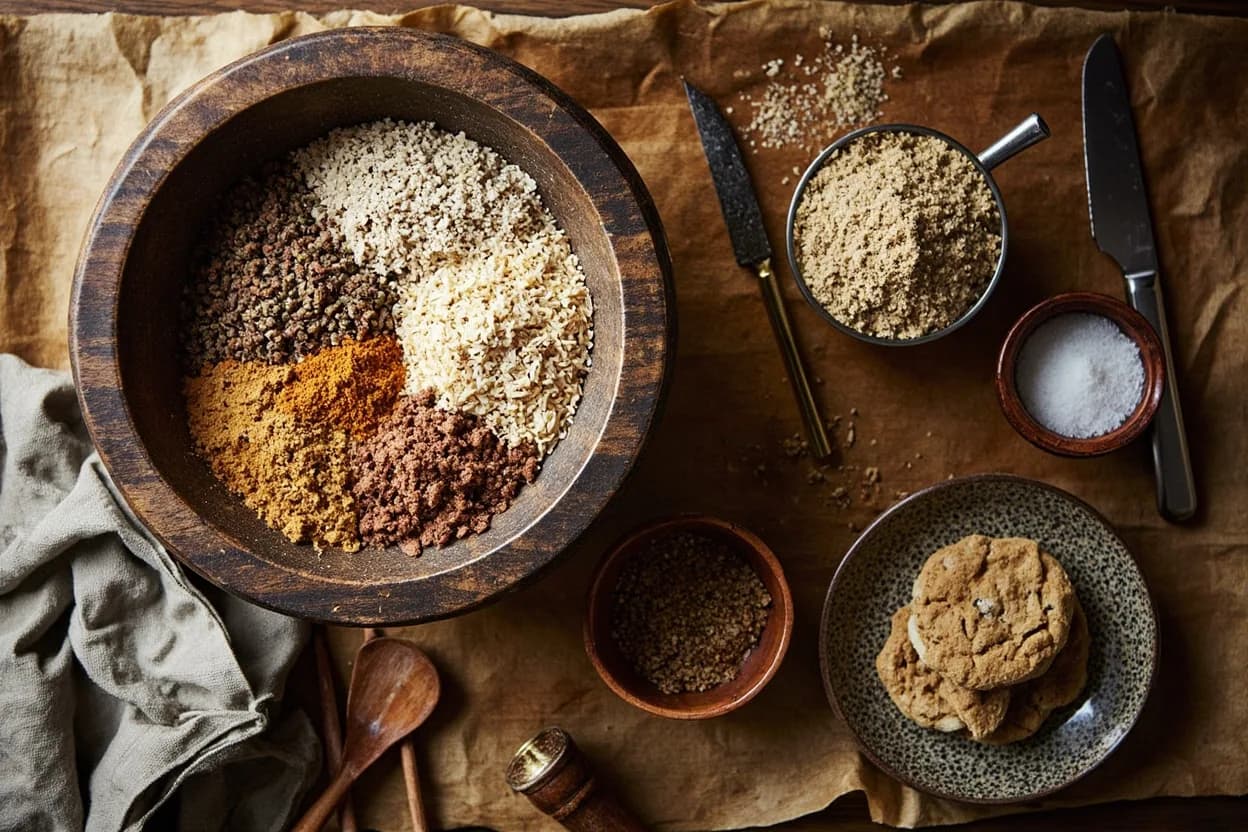
Dawadawa (fermented locust bean) and groundnut paste provide the umami-savory foundation; dried baobab leaf (kuka) adds earthy depth; ginger, cloves, and grains of selim supply warmth.
Pantry staples
Key ingredients
Signature techniques
Signature dishes
Hausa-Fulani (Northern Nigerian) on the table
At the table
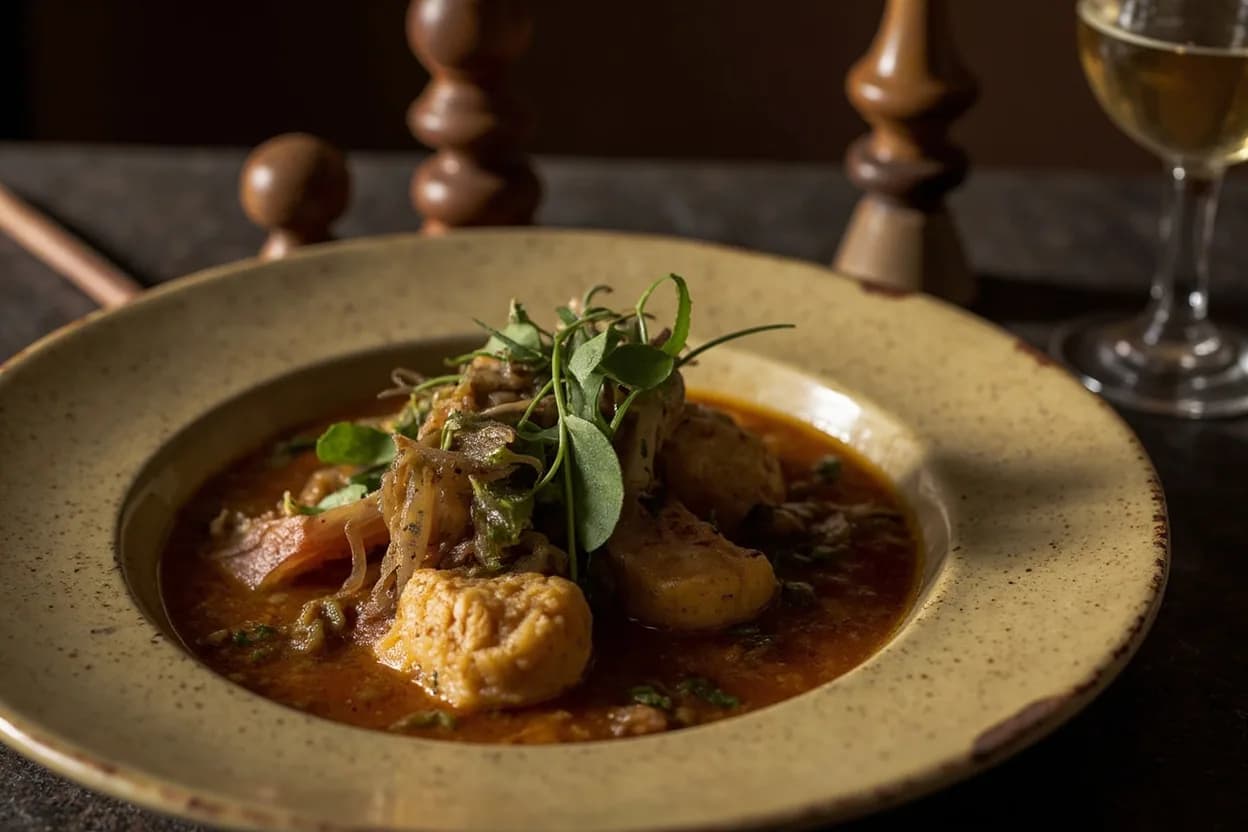
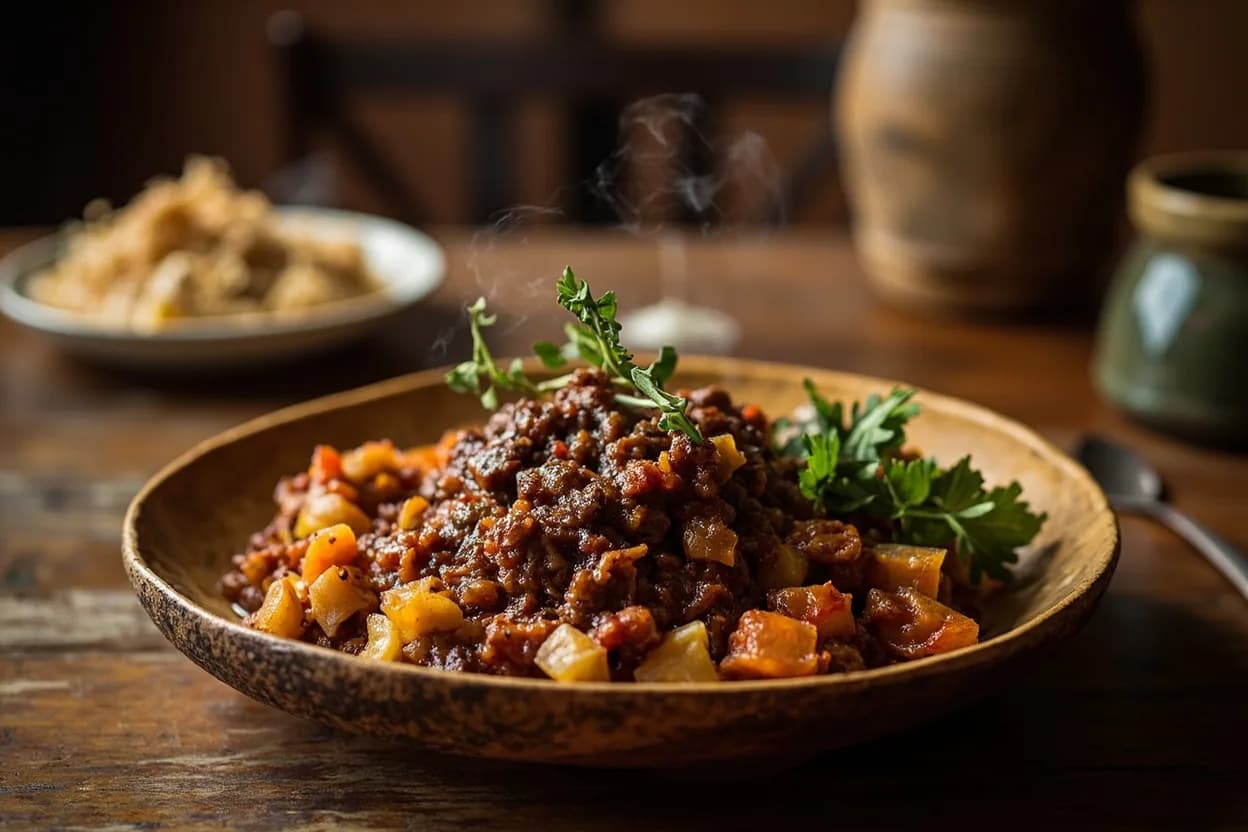
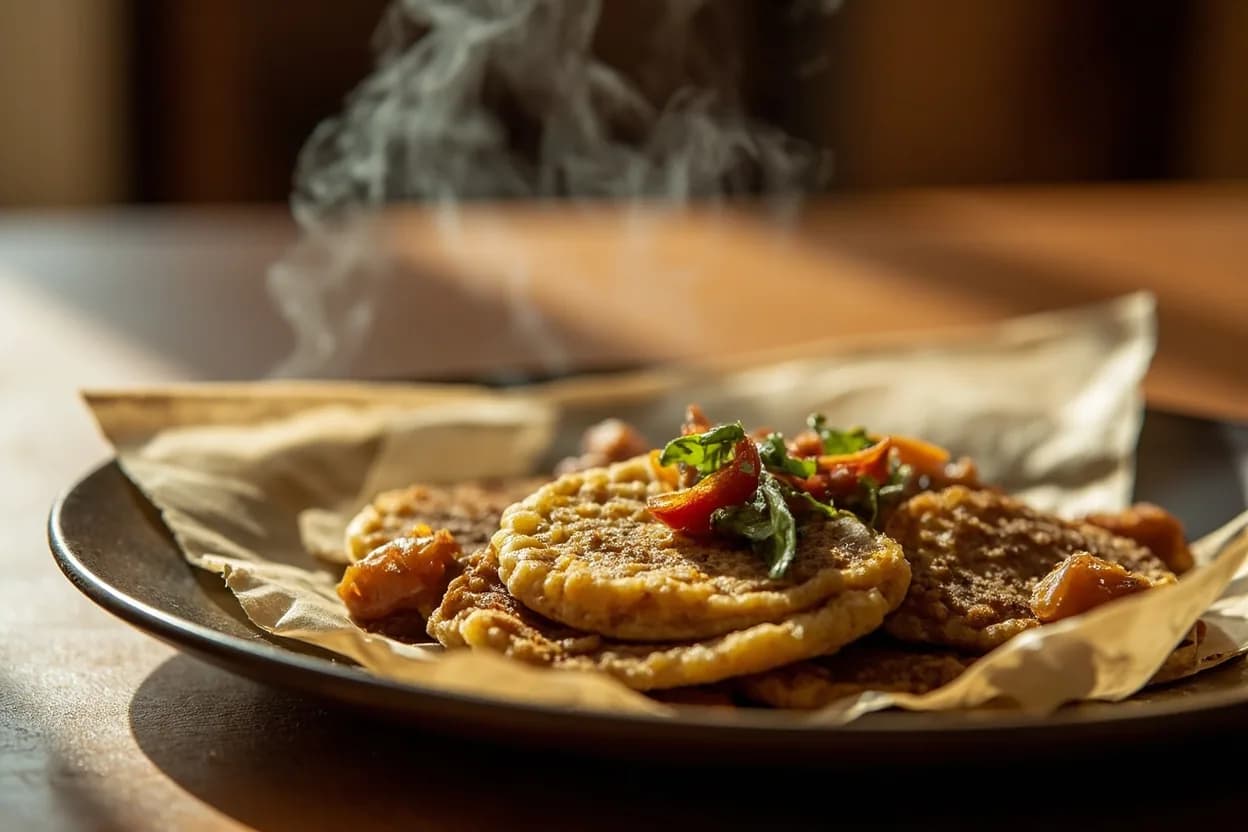
The main meal is typically lunch: a large portion of tuwo (stiff porridge) accompanied by one or two soups or stews. Breakfast may be kunu (a thin grain drink) with masa or kosai (bean fritters). Suya is a popular street food eaten in the evening. Ramadan transforms the schedule entirely, with iftar and suhoor meals anchoring the day.
History & context
The Hausa city-states were major nodes on trans-Saharan trade routes by the 10th century CE, connecting sub-Saharan Africa to North Africa and the Arab world. Islam arrived gradually from the 14th century and became dominant after the Fulani jihad of Usman dan Fodio in the early 19th century, which established the Sokoto Caliphate and unified much of the north under Islamic governance. This history shaped a cuisine that absorbed Arab and Berber influences (spice blends, dried meat preservation, dairy fermentation) while maintaining indigenous Hausa grain and legume traditions. The Fulani pastoral contribution — fresh and fermented cattle milk, butter, and beef — layered onto an already complex food culture.
Regional variations
- Kano
Urban center famous for suya, kilishi production, and a vibrant street-food economy of kosai and masa vendors.
- Sokoto
Caliphate heartland with stronger Fulani dairy influence; fura da nono is especially prominent.
- Borno / Kanuri northeast
Distinct Kanuri traditions (muguli, ngilari) overlap but differ; Kanuri cuisine stands as its own tradition with Lake Chad fish and slightly different spicing.
Related cuisines
Shared groundnut soup traditions and trans-Sahelian ingredient flows.
- Nigerien
Immediate northern neighbor sharing millet, tuwo, and Hausa language and culture.
Southern neighbor with overlapping suya and grilled-meat traditions brought by Fulani herdsmen.
Parallel Sahelian grain cooking with tô porridge analogous to tuwo.
Canonical recipes
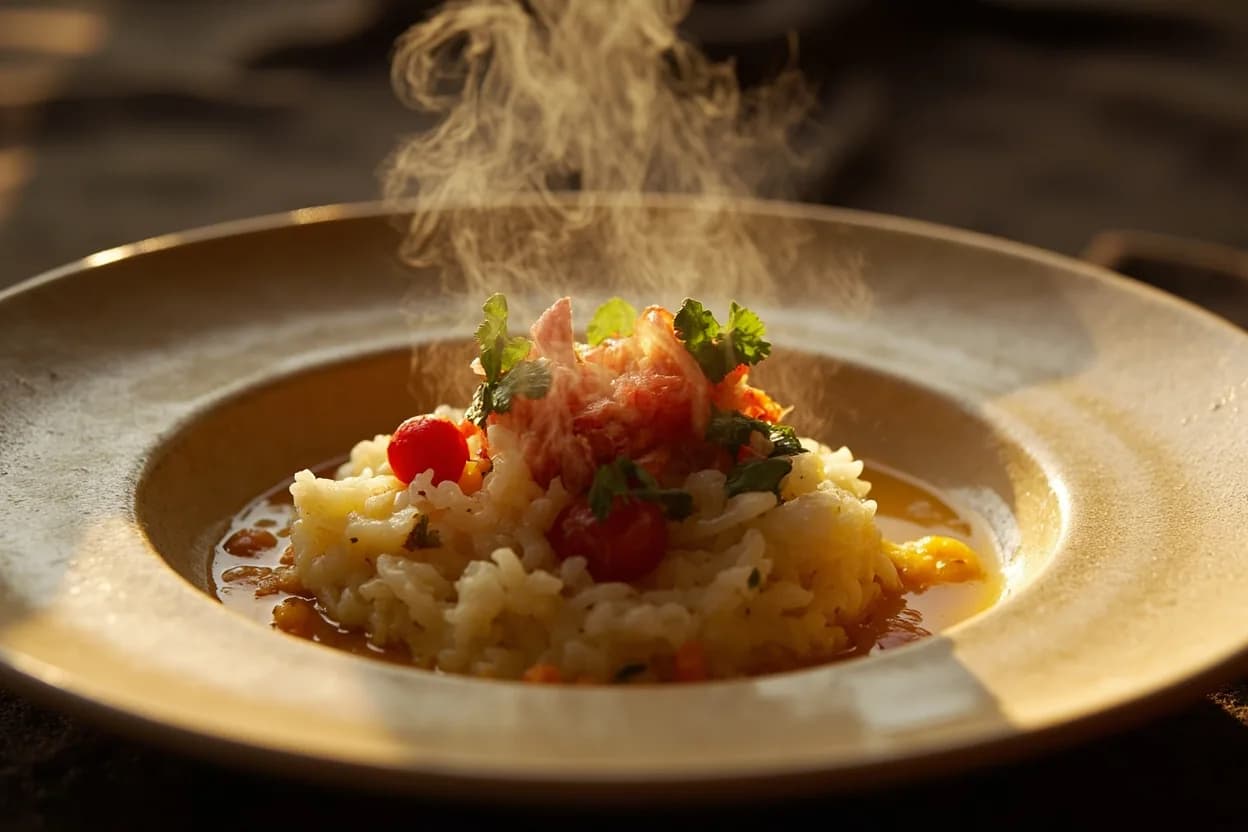
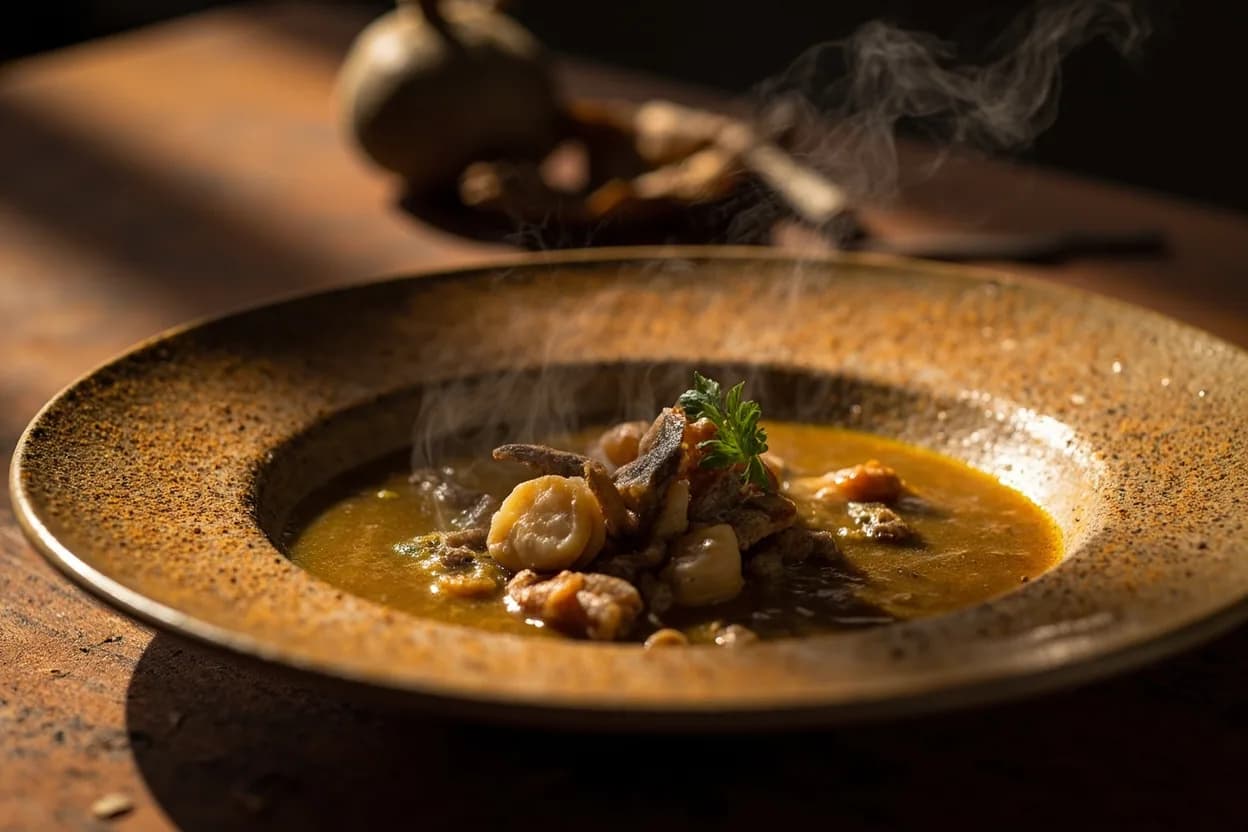
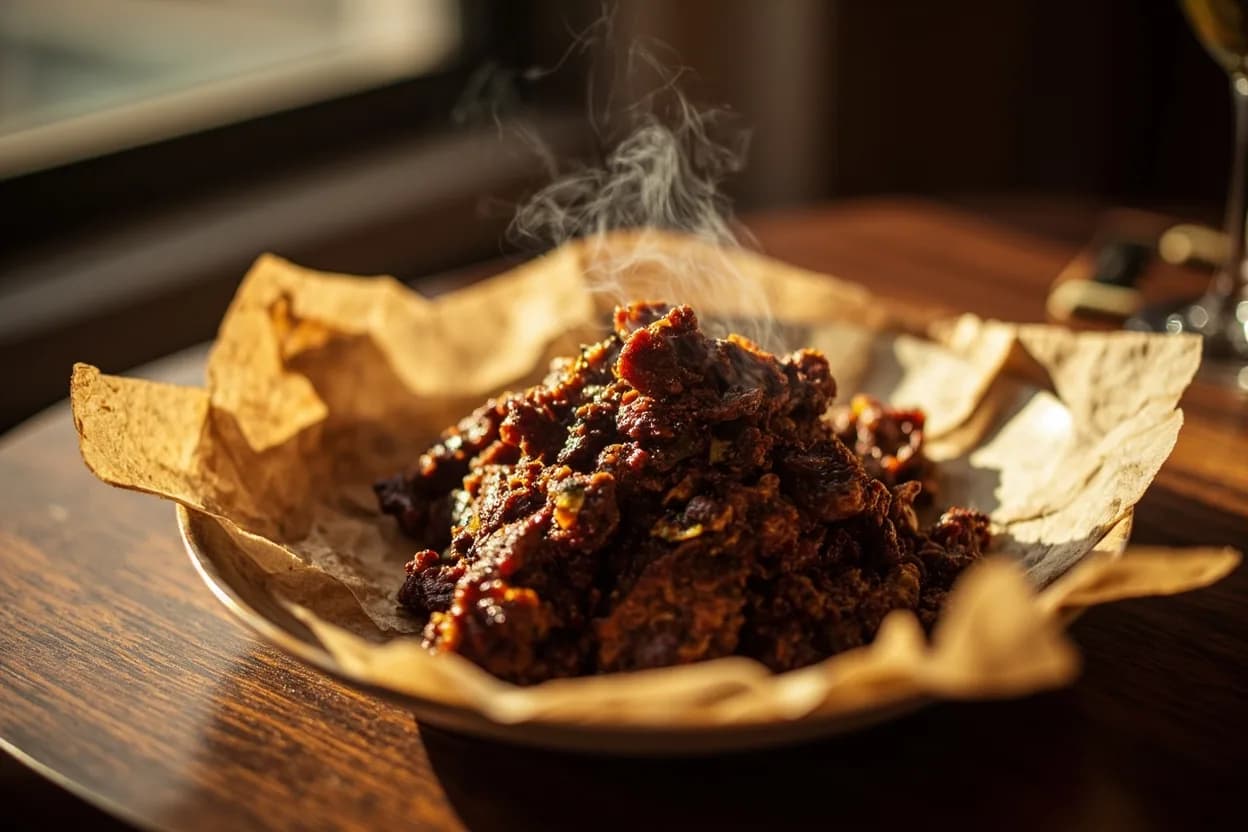
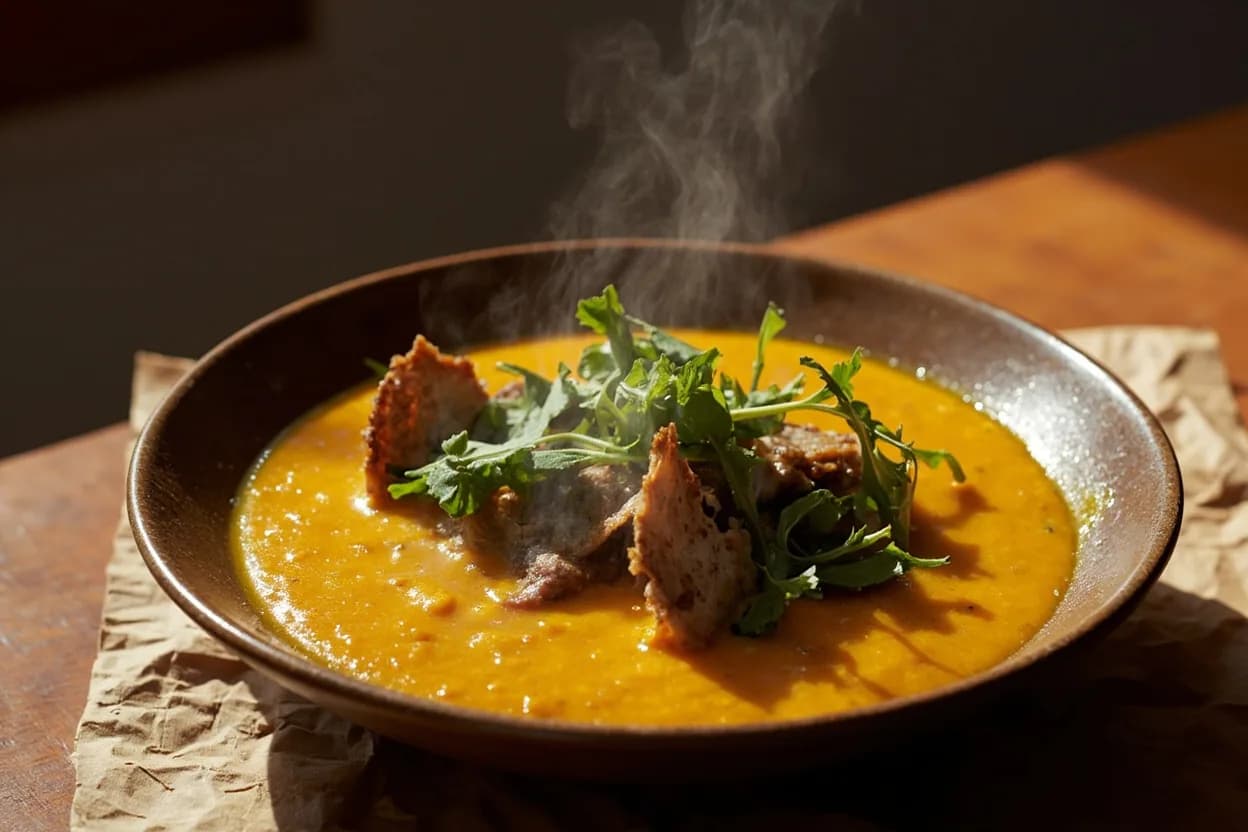
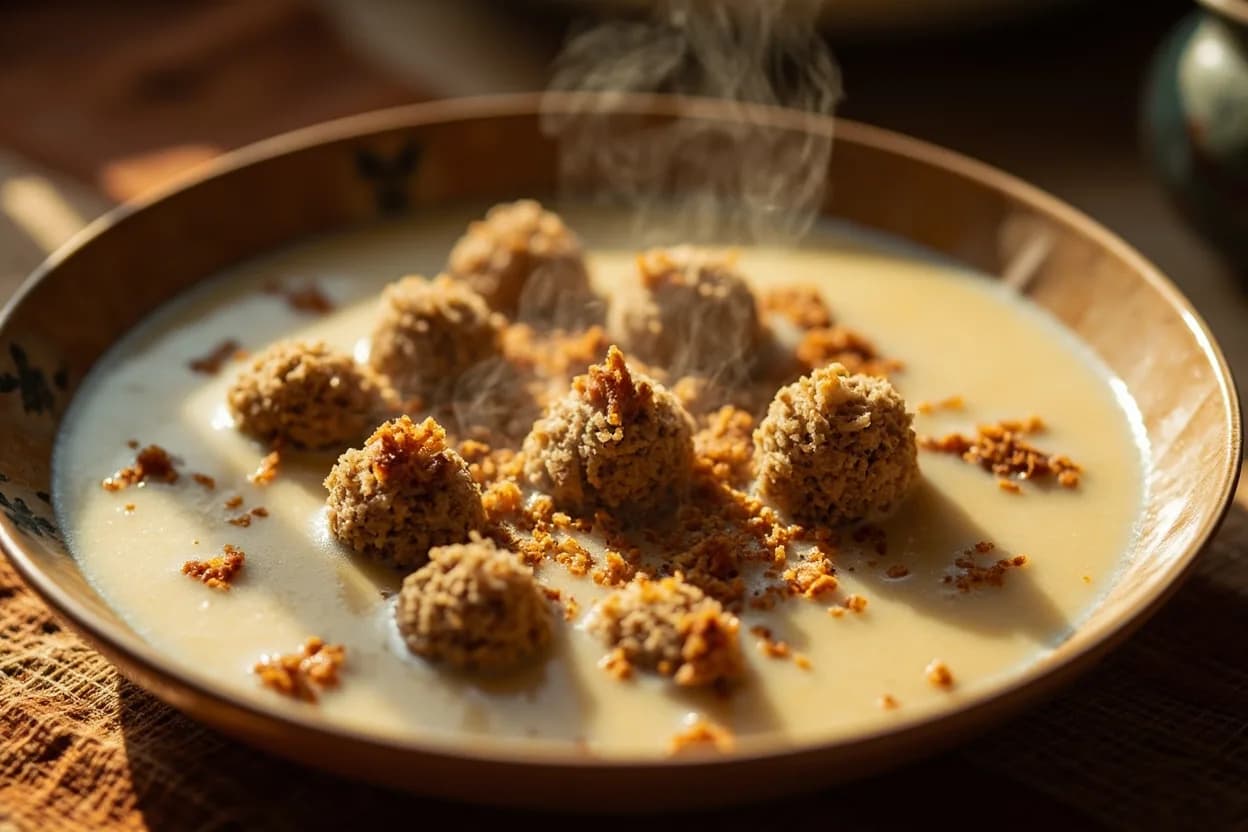
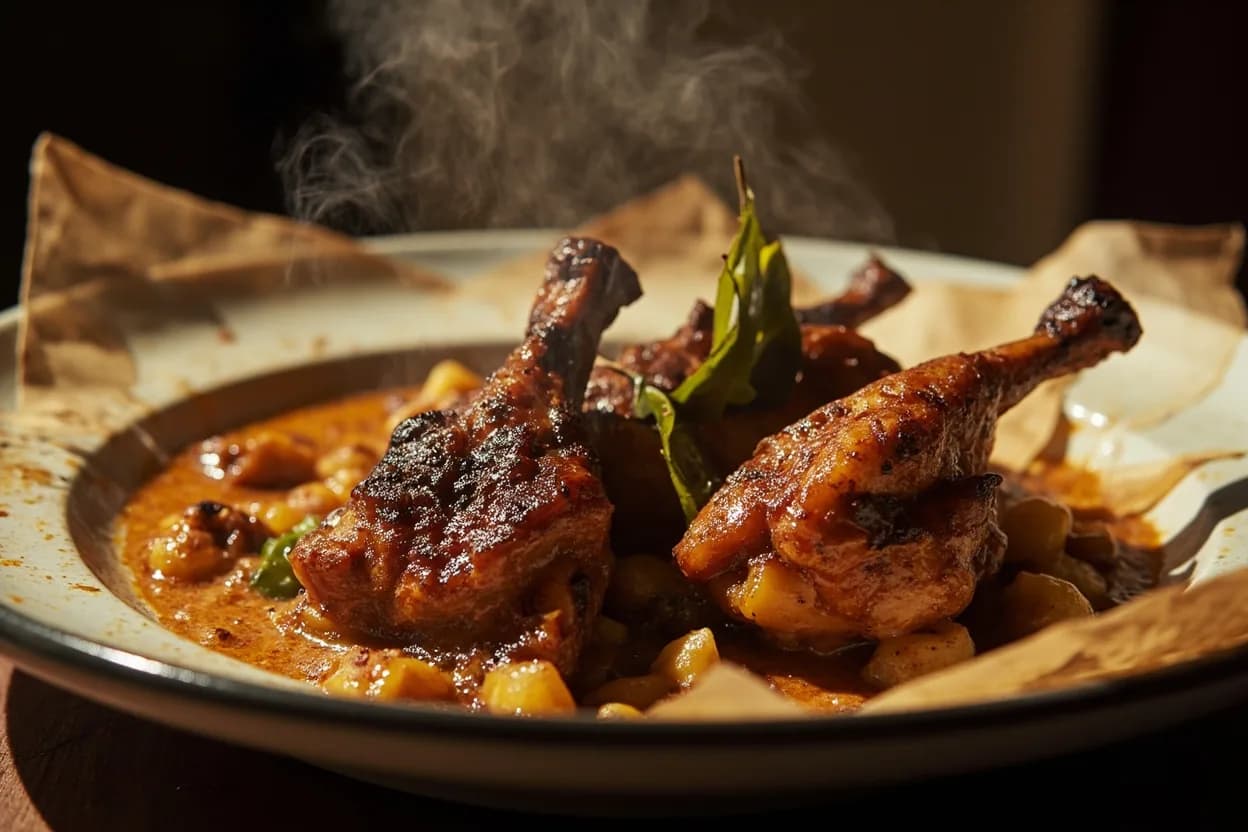
The dishes that define Hausa-Fulani (Northern Nigerian), documented in the Canon.
References
- 1.The Africa Cookbook — Jessica B. Harris (1998)
- 2.Longthroat Memoirs: Soups, Sex and Nigerian Taste Buds — Yemisi Aribisala (2016)
- 3.Food and Foodways in Africa — edited by Femi Ogunyemi
- 4.The Oxford Companion to Food — Alan Davidson (3rd ed., 2014)
Confidence: high
Notes
Kilishi: Africa's answer to biltong
Kilishi is thinly sliced beef, sun-dried and then coated in a paste of groundnuts, spices (yaji blend), and potash before a final roasting. The result is intensely savory, shelf-stable, and protein-dense — originally engineered for Fulani herders traveling vast distances across the Sahel. Kano is the production capital, and premium kilishi is exported across West Africa and the diaspora.
Suya's northern origin
Suya — spiced, skewered grilled beef now eaten across all of Nigeria and throughout the diaspora — is a Hausa-Fulani creation. The signature yaji spice rub (groundnuts, ginger, paprika, kuli kuli, dried chili) was developed by Hausa butchers and is still associated with northern vendors who traveled south to urban centers like Lagos.