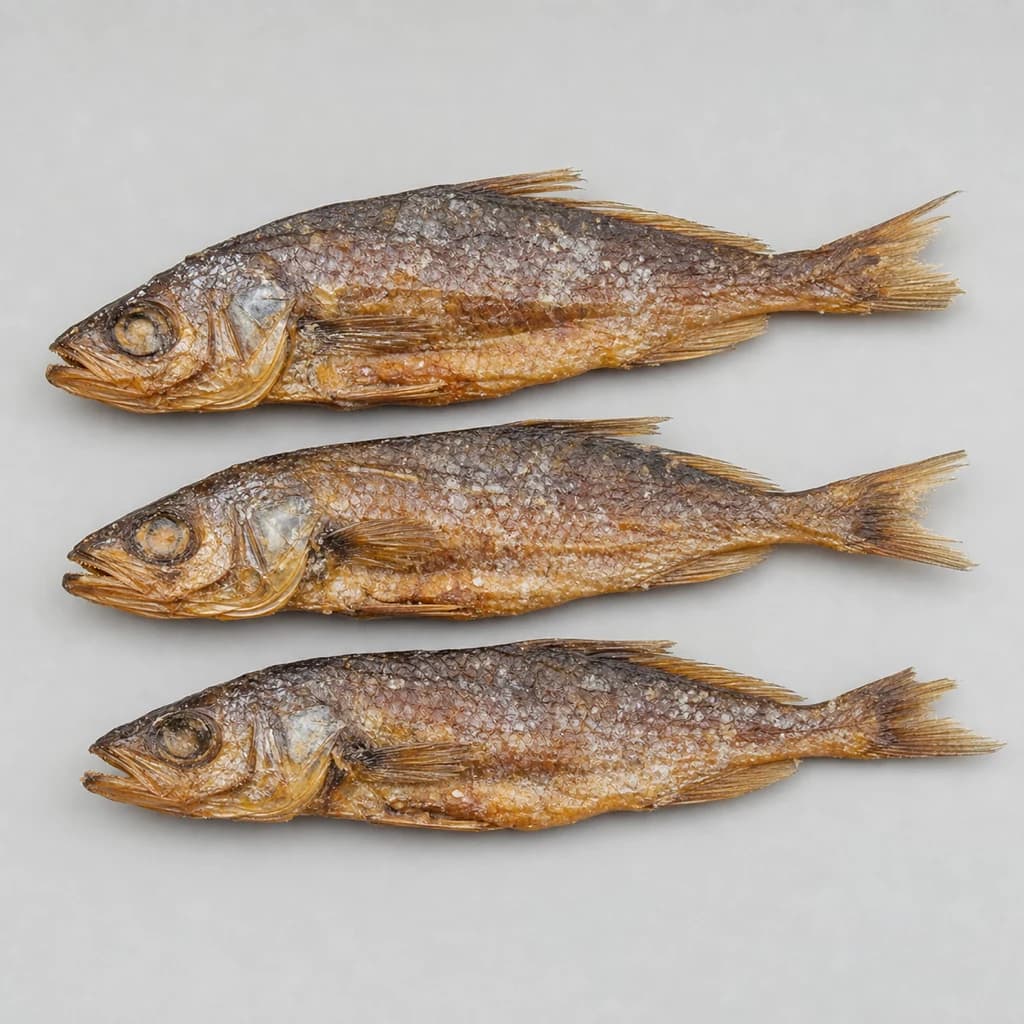
Natural form
Whole sun-dried fish with amber, stiff flesh and visible salt crystals on skin.
Shows the intact preserved form readers will encounter at markets or in packaging.
Proteins
Dried Fish
Sun- or smoke-dried fish used as a concentrated umami seasoning and protein in stews and sauces.
Dried fish is whole or split fish preserved by sun-drying or smoking, concentrating its flavor into an intense, salty-savory ingredient. It is rehydrated and added to stews, soups, and relishes across Africa, Southeast Asia, and the Indian Ocean as both a protein and a deep umami seasoning. A little goes a long way, lending a smoky, fermented depth.
Dried fish is one of humanity's oldest and most efficient food preservation techniques, transforming perishable catch into shelf-stable, flavor-concentrated ingredients that have shaped cuisines from Norway to the Philippines. The process strips water from the fish, concentrating proteins and creating an intensely savory, umami-rich product that ranges from mild and delicate to bold and pungent depending on species and method. Unlike fresh fish, which cooks quickly and provides subtle background notes, dried fish functions as both a primary protein and a seasoning agent—sometimes in the same dish, depending on the culinary tradition. The drying process also develops glutamate content dramatically, making dried fish one of the most potent natural sources of umami available to cooks, capable of adding profound depth to stocks, braises, and sauces without announcing themselves as "fish" in the final dish. Understanding whether your dried fish is meant to be the star or a background player is essential to using it well.
- Measured in
- g
- Storage
- Pantry
Allergens
Types & varieties
Unsalted, air-dried cod or pollock; sold in rigid, rock-hard planks; the classic base for lutefisk and traditional Nordic stocks and stews
Heavily salted then dried; central to Portuguese bacalhau dishes, Spanish cuisine, and Caribbean/Latin American cooking; requires prolonged soaking to desalt
Tiny, intensely flavored; used whole in Southeast Asian stir-fries and soups, or ground as an umami seasoning in Korean, Japanese, and Filipino cuisines
Small lizardfish dried in India; traditionally used in curries; has a distinctive pungent aroma when cooked that mellows in the dish
Common in Korean cuisine for grinding into seasoning powders; mild flavor compared to other dried fish varieties
Fish smoked over low heat until semi-dry; used in West African, Scandinavian, and Eastern European cuisines; adds smoky depth beyond simple drying
Smoked, dried, fermented skipjack tuna; sold in paper-thin, rigid blocks; shavings used as a garnish and the essential base for dashi stock
Whole small fish dried hard; used in Scandinavian cuisine, particularly Sweden; often called 'torrfisk' when referring to stockfish made from haddock or cod
Popular in Portugal, Greece, and West Africa; sold whole, brittle, and strongly flavored; used in stews or briefly grilled as-is
Common uses
Tips & pitfalls
- Soak dried fish in cold water, not warm; cold water rehydrates evenly without cooking the exterior while the interior remains hard
- Change the soaking water 1–2 times for heavily salted varieties to control saltiness; always taste a piece before adding to a dish
- For stockfish, pounding with a mallet or cleaver breaks the fibers and speeds rehydration; simmer gently once rehydrated to prevent mushiness
- Store in airtight containers with desiccant packs in humid climates; properly dried fish exposed to moisture spoils rapidly
- For frying dried small fish (anchovies, Bombay duck), fry in hot oil at 180°C/350°F for only 30–60 seconds; they transition from crisp to burned quickly
- When grinding dried fish into a powder, toast the pieces briefly in a dry pan first to deepen the flavor and make grinding easier
- Do not discard the soaking water for salted fish; it contains concentrated umami and makes an excellent brine or stock base
- For bacalao, soak 24–48 hours in the refrigerator, changing water every 8–12 hours, before cooking
Nutrition
Energy
1213 kJ · per 100 g
Where the calories come from
Protein
62.8g
126% DV
Carbs
0g
0% DV
Fat
2.4g
3% DV
Fiber
0g
0% DV
Sugars
0g
of which
Sodium
7027mg
306% DV
Source · USDA FoodData Central · Fish, cod, Atlantic, dried and salted
View on FDC →In the shops
Matched grocery products
No matched grocery products for Dried Fish yet.
Good to know
- Origin
- One of the oldest preservation methods; documented in Scandinavia, East Asia, Southeast Asia, the Mediterranean, and South Asia for millennia
- Primary Drying Methods
- Sun-drying, air-drying, smoke-drying, or a combination; smoke-drying adds distinct smoky flavor beyond simple dehydration
- Key Species Used
- Cod, pollock, haddock, mackerel, herring, anchovies, sardines, tuna, and numerous tropical species depending on region
- Shelf Life
- 6–12 months minimum when kept cool, dry, and airtight; unsalted stockfish can keep for years
- Salt Content
- Ranges from unsalted (stockfish) to heavily salted and dried (bacalao style); always check packaging and adjust recipes accordingly
- Umami Level
- Extremely high; dried fish is one of the most concentrated natural sources of glutamate, making it invaluable for building savory depth
- Typical Prep Required
- Soaking 4–24 hours depending on thickness and salt content, then cooking or frying; change soaking water for salted varieties
Substitutes
- Fish sauce (liquid) — Use 1–2 tablespoons to replace a few pieces of dried fish in a dish; provides umami but not texture; add at the end of cooking to preserve flavor
- Anchovy paste or fillets — Good for mimicking the savory depth in sauces and dressings; 1–2 teaspoons paste per serving
- Dried shrimp — Provides similar umami intensity and chewy texture; commonly used as an alternative in Southeast Asian and Korean cooking
- Kombu dashi or katsuobushi flakes — Best for Japanese-style applications; not a direct substitute for stronger Southeast Asian or Mediterranean dried fish flavors
Pairs with
Also called
Dried Fish (Peixe Seco) · Dried Smoked Fish · Maldive Fish (Valhomas) · Peixe Seco · Valhomas
Appears in these dishes
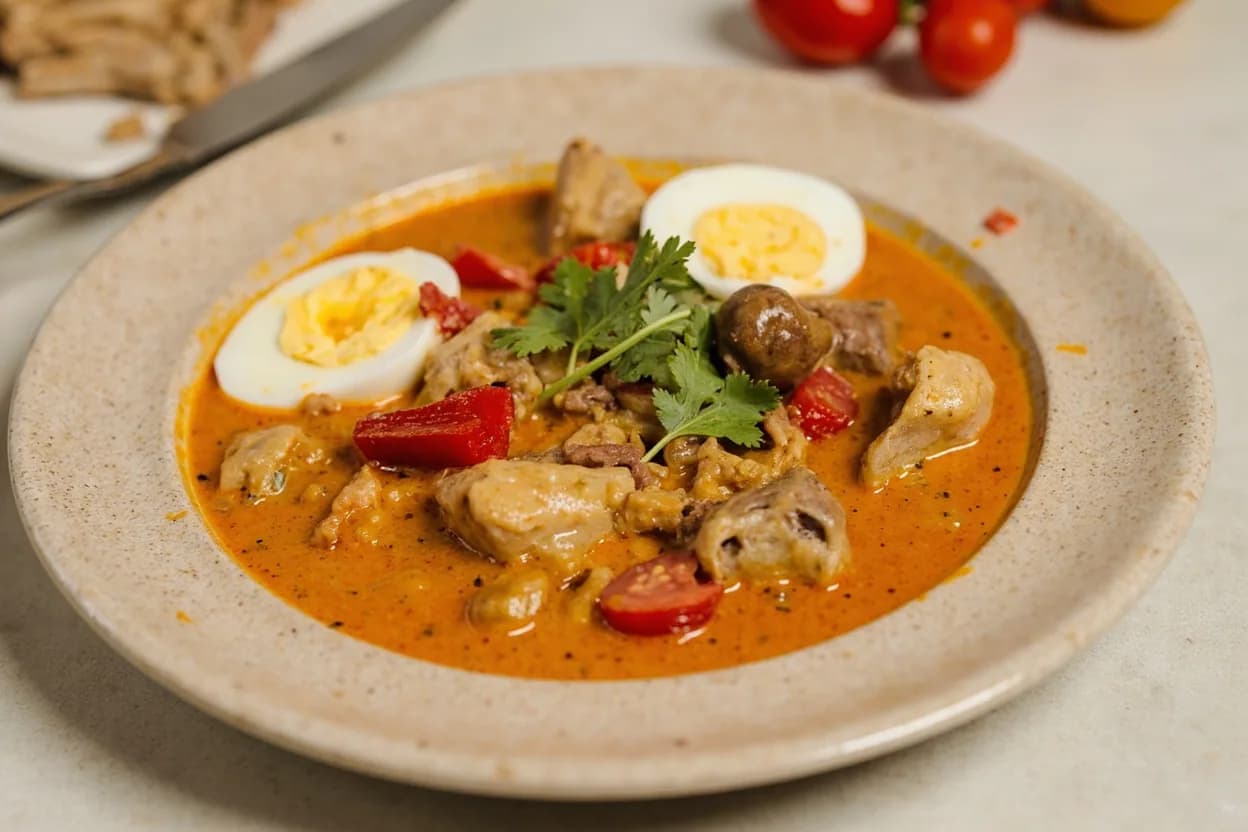
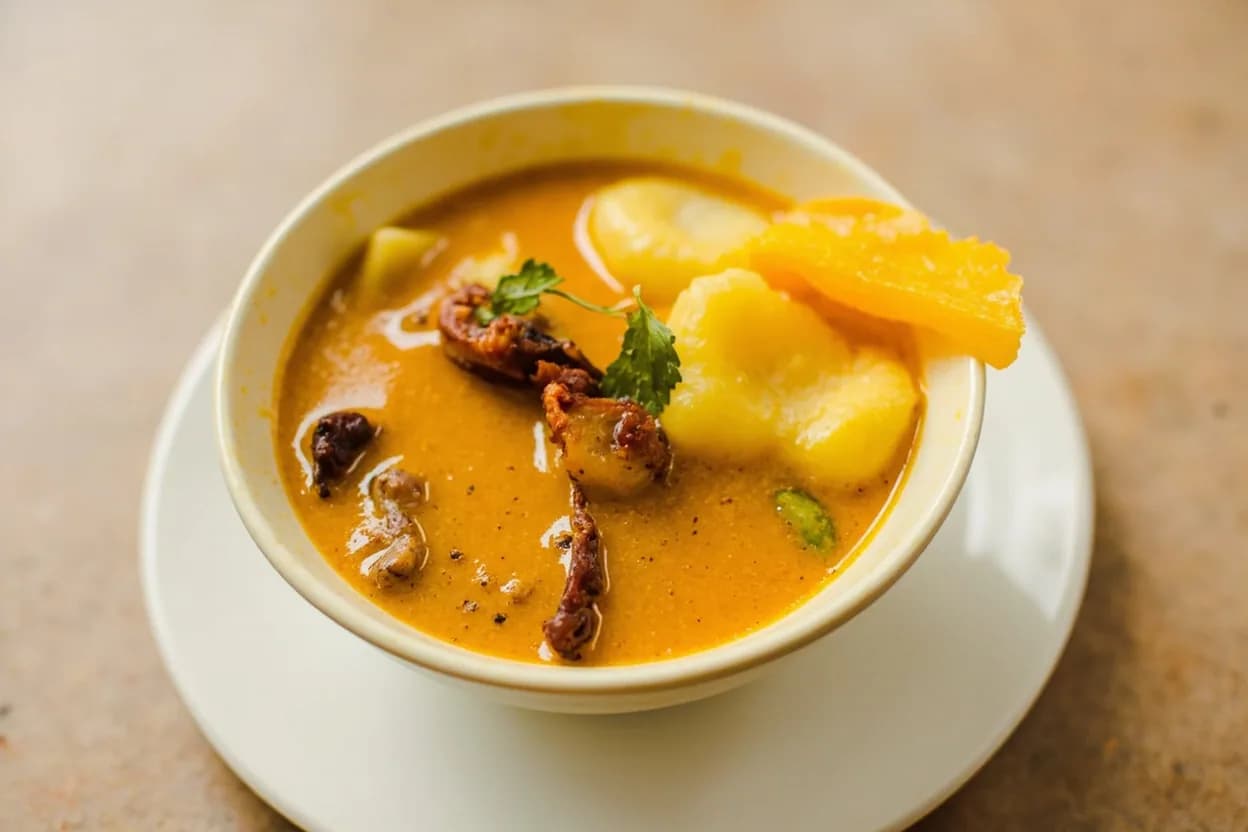
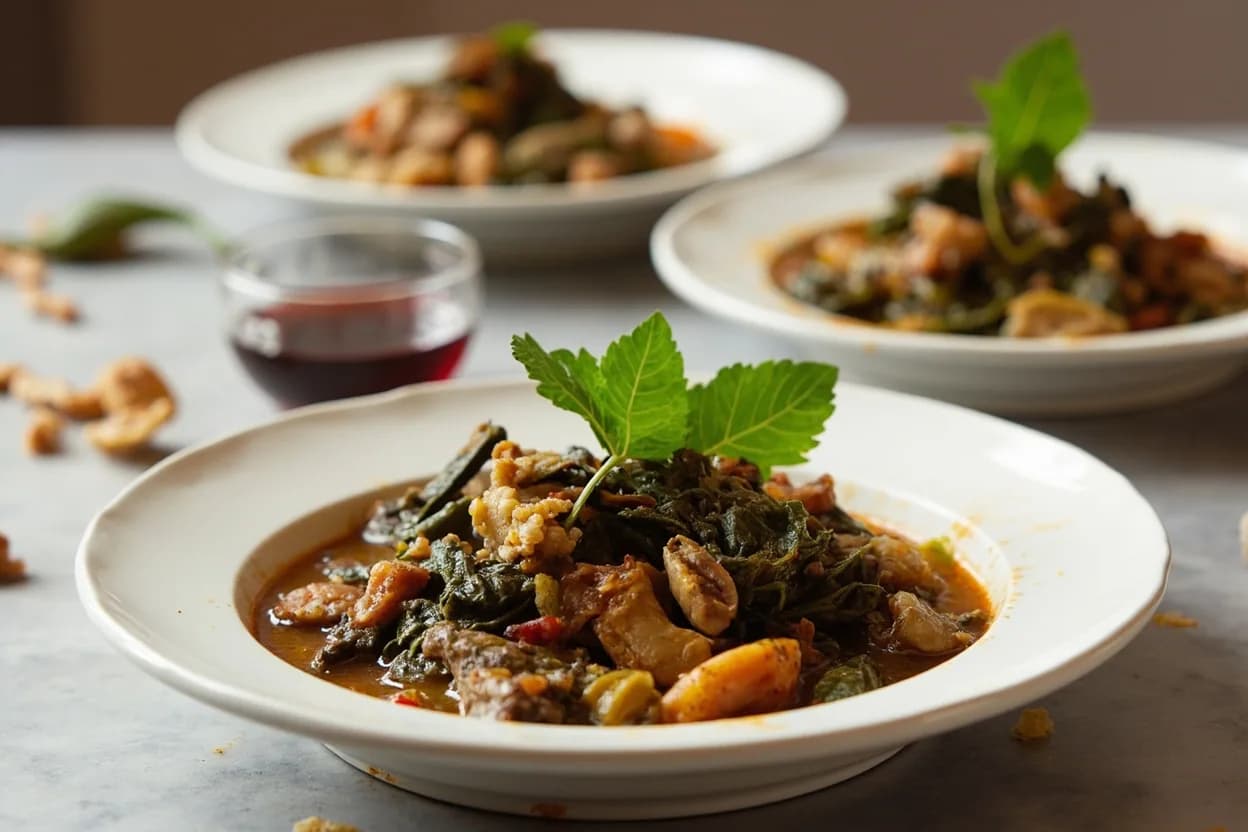
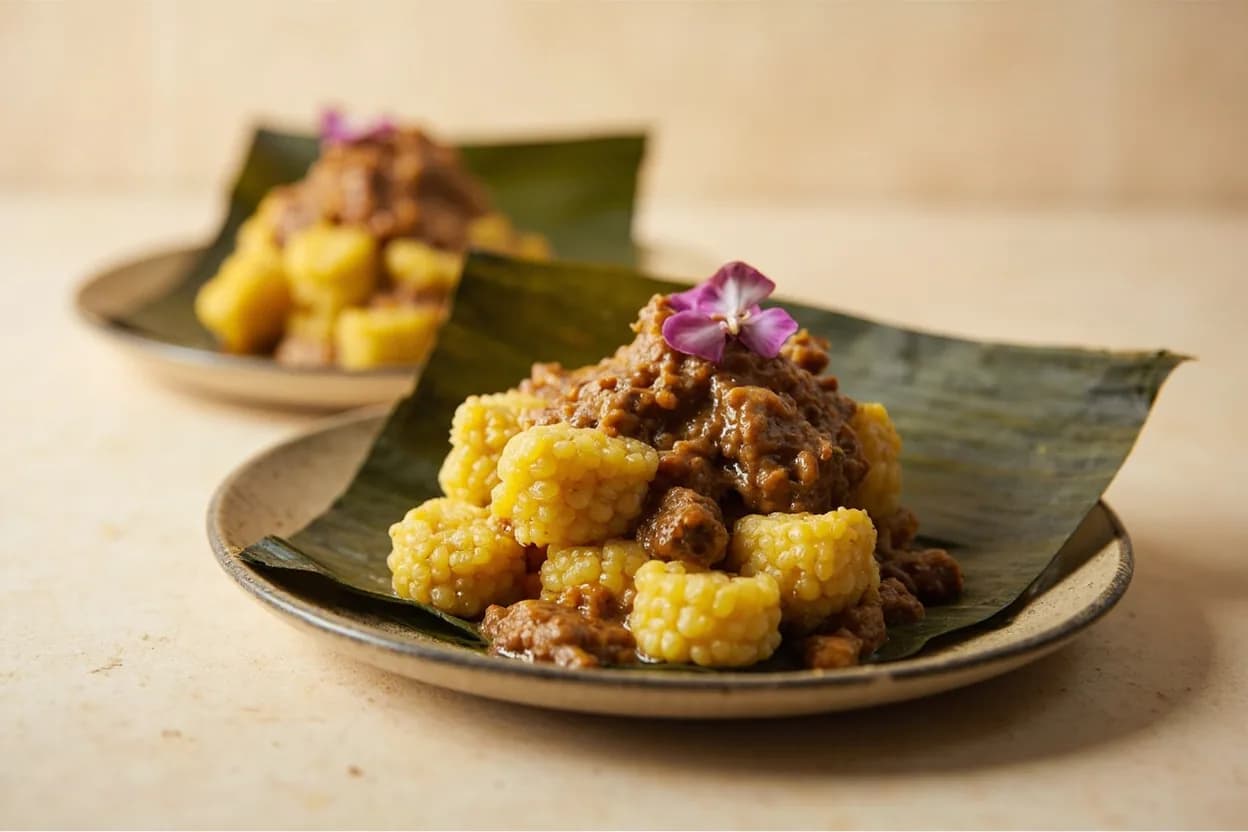
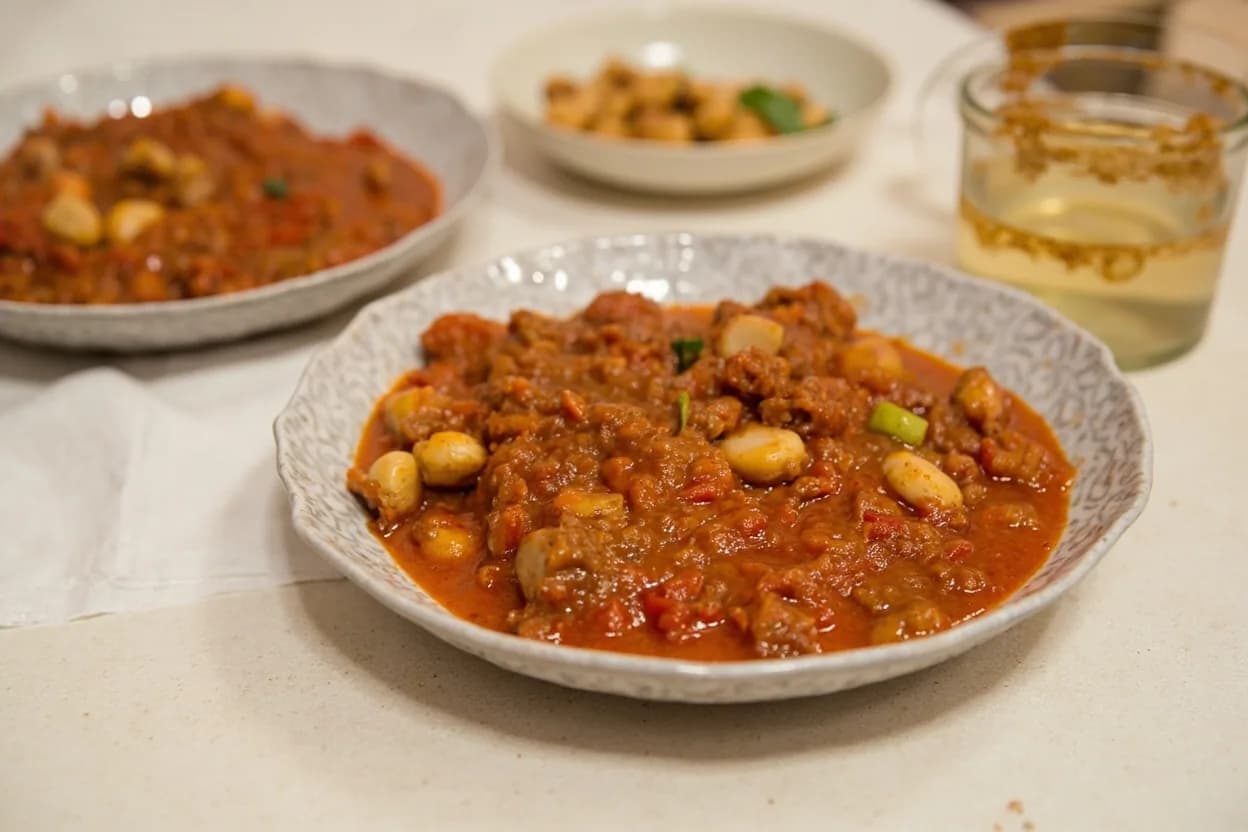
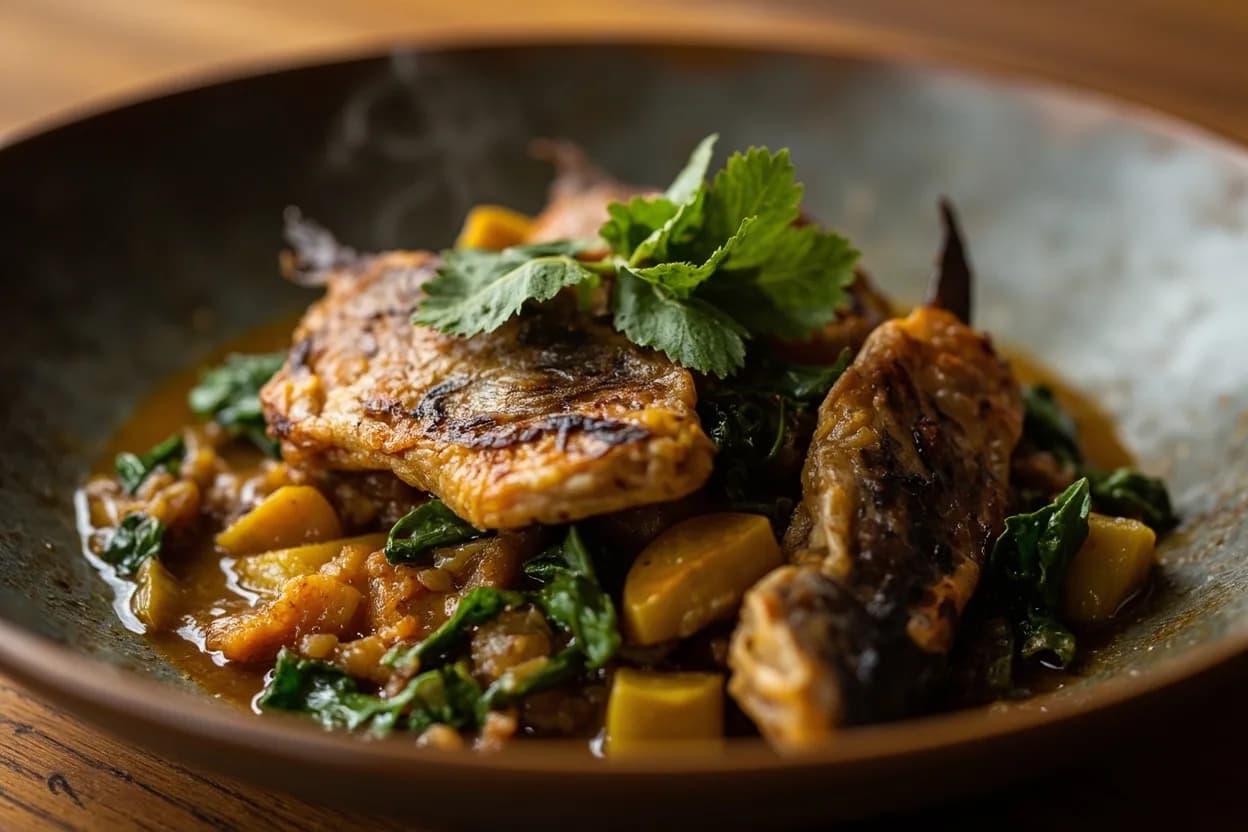
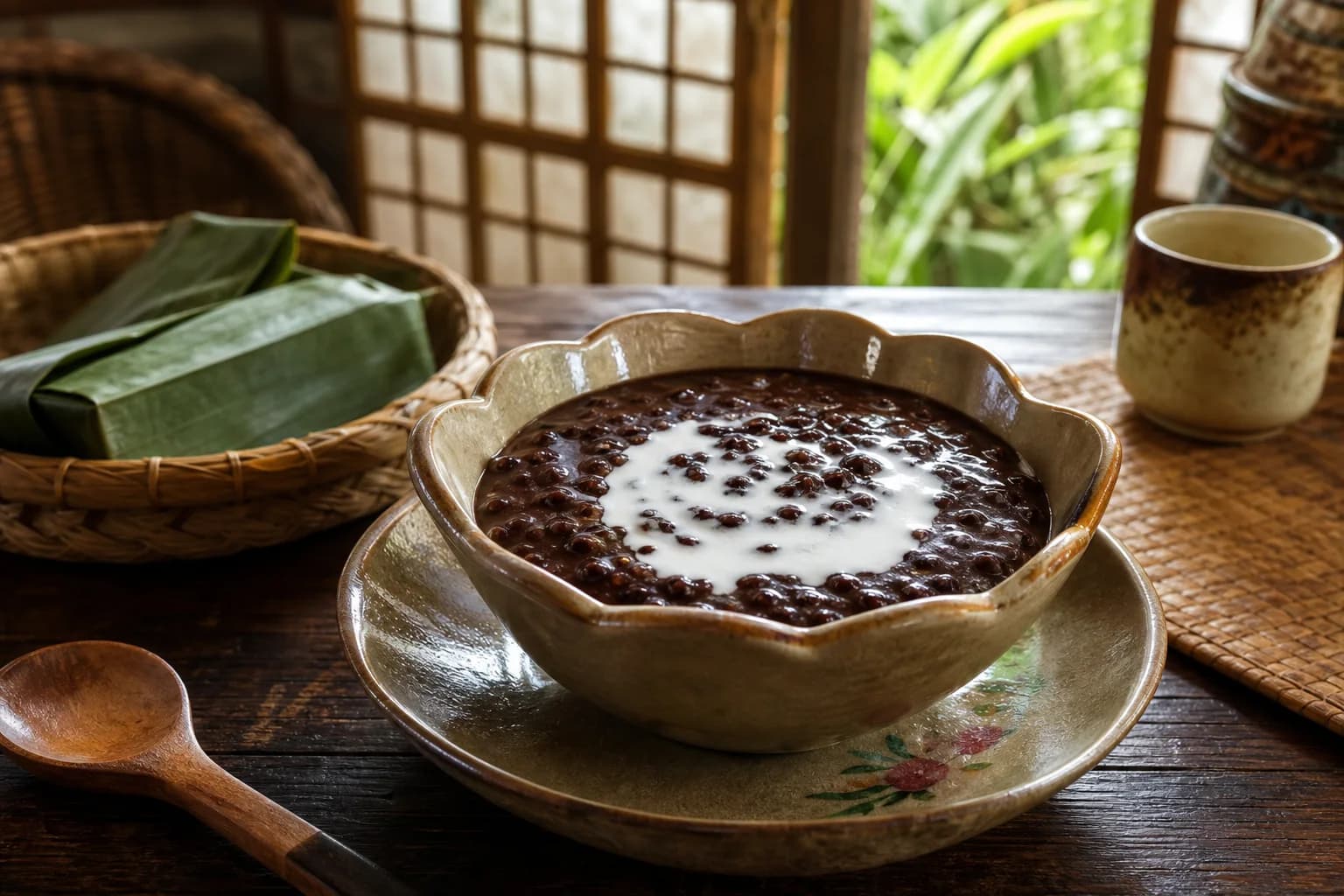
Related
Egg
The kitchen's everything ingredient — bind, leaven, enrich, or fry
Chicken Breast
Lean, quick-cooking white meat for everyday dinners

Ground Beef
Versatile minced beef for burgers, ragù, tacos, and meatballs
Pork Loin
Lean, tender roasting cut that stays juicy with care
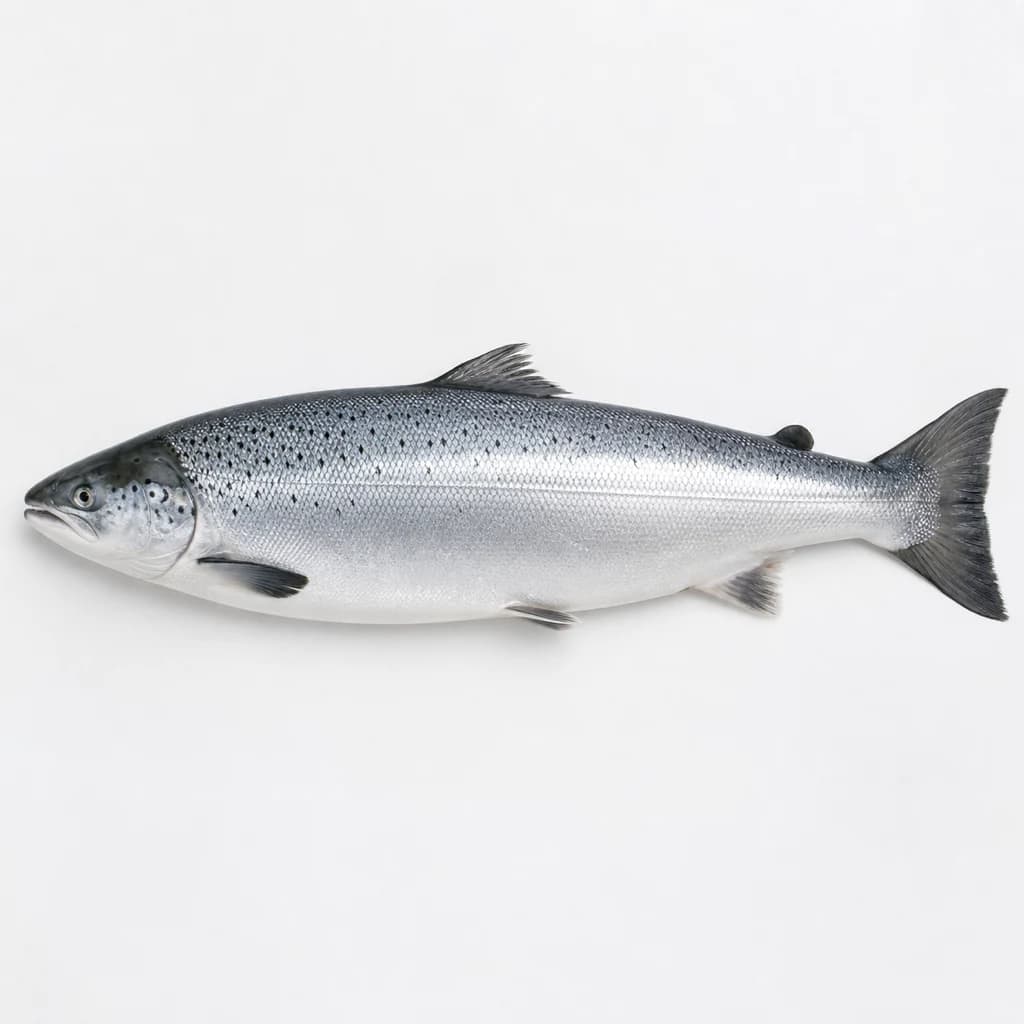
Salmon
Rich, rosy fish that roasts, grills, or cures beautifully

Egg White
Pure protein that whips to airy peaks for meringue and more
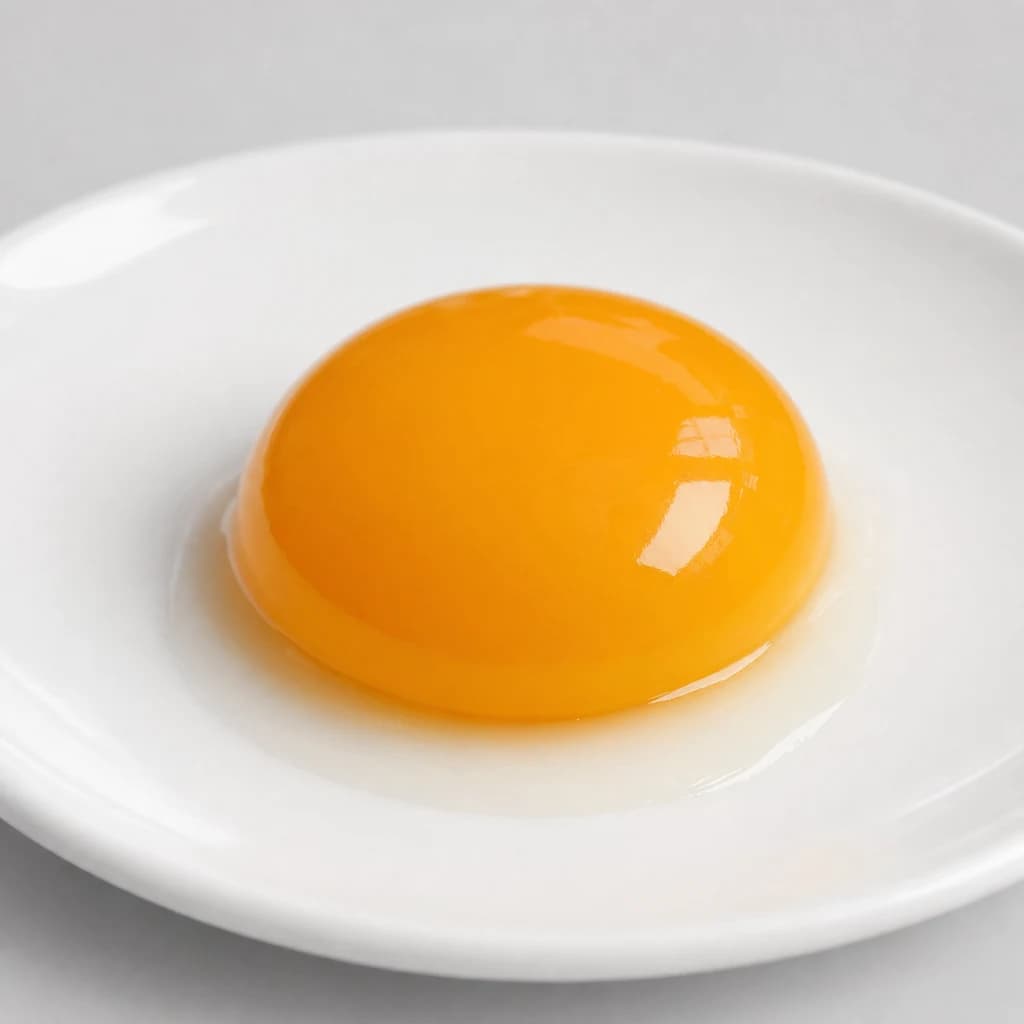
Egg Yolk
Rich, golden yolk for custards, mayonnaise, and pasta

Quail Egg
Tiny, speckled eggs for garnishing and elegant bites