East Asia
Jeonju (Jeolla) Cuisine
Also: Jeolla Cuisine, Honam Cuisine, 전주음식, 전라도 음식
Korea's gastronomic heartland, where the most abundant banchan tables, meticulous fermentation craft, and the definitive bowl of bibimbap converge.
Jeonju and the broader Jeolla province (North and South) are widely regarded as the culinary capital of Korea. The region's fertile Honam Plain, extensive coastline, and temperate climate yield exceptional produce, seafood, and grain. Jeolla cuisine is distinguished by its sheer generosity — a single meal may arrive with twenty or more banchan — and by deep investment in fermentation, seasoning precision, and ancestral technique. Jeonju bibimbap, the flagship dish, is not a simple mixed bowl but a composed presentation of individually prepared ingredients over stone-pot rice, finished with gochujang and sesame oil. The cuisine prizes balance between richness and brightness, between deeply fermented depth and fresh seasonal produce.
The flavour base
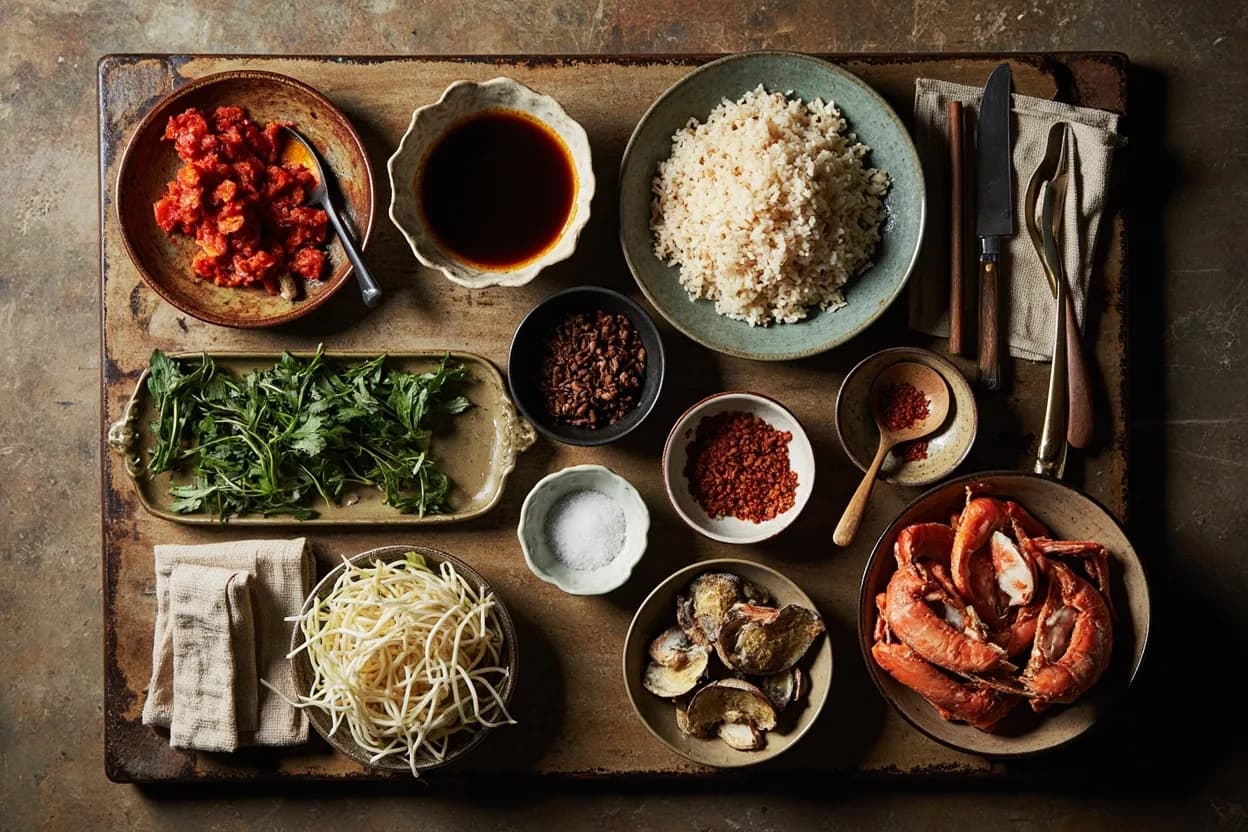
Fermented doenjang (soybean paste) and ganjang (soy sauce) aged longer and saltier than Seoul equivalents; gochujang made from Sunchang red pepper; sesame oil and perilla; anchovy and dried seafood stocks. The larder skews bolder and more pungent than northern Korean styles.
Pantry staples
Key ingredients
Signature techniques
Signature dishes
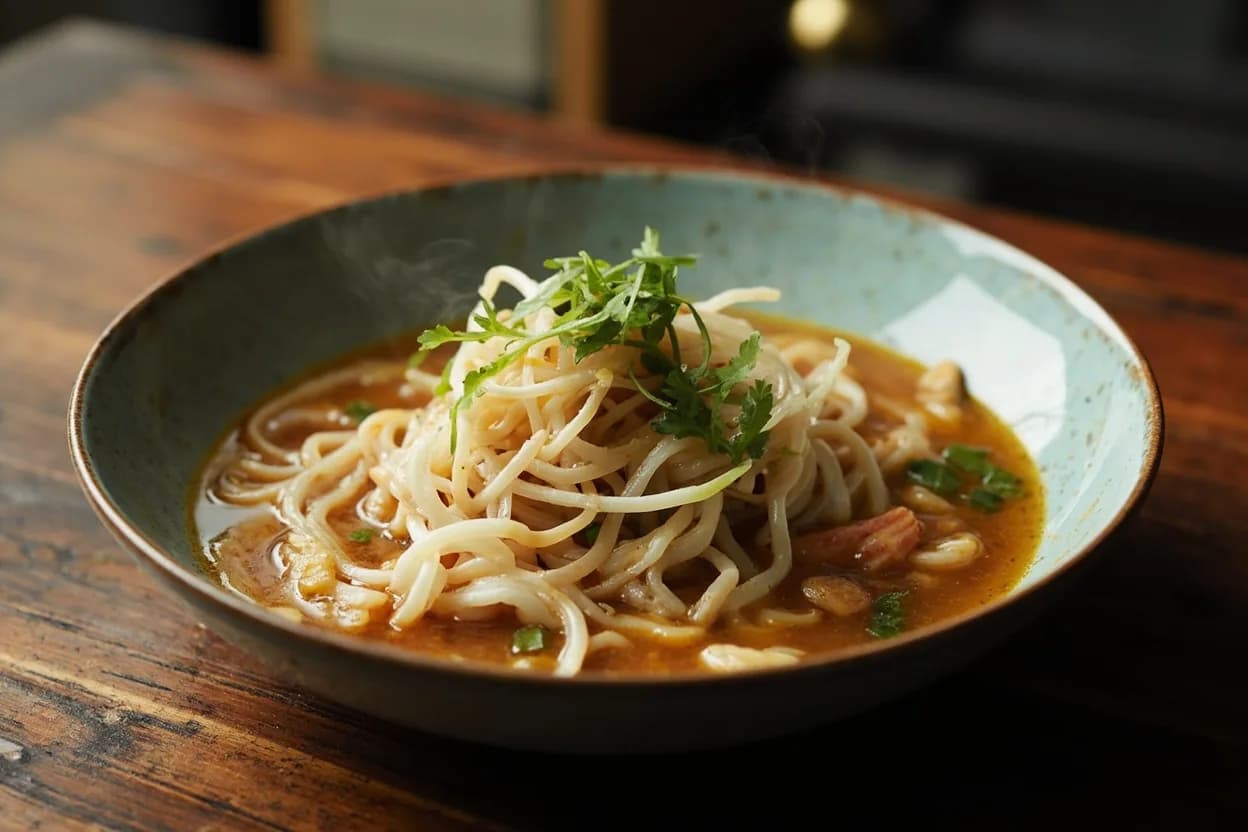
Jeonju (Jeolla) Cuisine on the table

At the table
Meals are built around a central bowl of rice (bap) surrounded by an extensive banchan spread — in formal hanjeongsik meals, 12 to 30 side dishes may appear simultaneously. Soups or stews (guk, jjigae) anchor the table alongside grilled, braised, pickled, and raw preparations. Jeolla hospitality is culturally codified: to serve a small banchan table is considered poor hosting. Makgeolli or soju accompanies evening meals.
History & context
The Jeolla region served as the royal granary during the Joseon dynasty (1392–1897), supplying tribute rice and luxury provisions to the capital. Proximity to the sea on three sides and the Honam Plain's agricultural wealth created conditions for culinary refinement that outlasted political marginalization. The region became associated with cultural resistance movements, including the 1980 Gwangju Uprising, and its food culture carries a fierce regional pride. Jeonju was designated a UNESCO Creative City of Gastronomy in 2012, cementing its international standing.
Regional variations
- South Jeolla (Jeollanam-do)
Stronger emphasis on raw seafood preparations (hoe), dried seafood, and coastal kimchi varieties; Gwangju is the hub.
- North Jeolla (Jeollabuk-do)
Centered on Jeonju; inland grain and mountain vegetable focus; home of Sunchang gochujang.
- Namwon area
Associated with chueotang (loach soup) and pansori cultural heritage; more rural mountain vegetable repertoire.
Related cuisines
- Korean Royal Court Cuisine
Jeolla supplied ingredients and culinary techniques that influenced Joseon royal table preparations.
- Gyeongsang Cuisine
Neighboring southeast province; saltier and spicier profile, smaller banchan spreads — contrasting regional identity.
- Chungcheong Cuisine
Northern neighbor; milder, less fermented, sharing some mountain vegetable traditions.
Canonical recipes
The dishes that define Jeonju (Jeolla) Cuisine, documented in the Canon.
References
- 1.Flavors of Korea — Debra Samuels and Taekyung Chung
- 2.The Korean Kitchen — Judy Joo
- 3.Korean Food Culture Series — National Institute of Korean Language
- 4.Jeonju UNESCO Creative City of Gastronomy Designation Report, 2012
Confidence: high
Notes
The bibimbap debate
Jeonju and Jinju both claim bibimbap heritage. The Jeonju version is distinguished by the use of locally grown short-grain rice cooked in beef bone broth, a raw egg yolk (not cooked), kongnamul seasoned with sesame, and a dolsot (stone pot) that creates a scorched rice crust (nurungji). No other regional variant assembles all four of these markers.
Sunchang gochujang
Sunchang County produces Korea's most prized gochujang, fermented in onggi (earthenware) crocks outdoors over one to three years. The microbial terroir of Sunchang's climate and the specific Meju mold culture make this paste distinctively complex. It holds geographic indication status in Korea.