
Natural form
Fresh soybean sprouts showing the distinctive yellow bean head and long ivory stem.
Establishes the key visual identifiers — yellow head, pale stem — that distinguish soybean sprouts from mung bean sprouts.
Produce
Soybean Sprout (Kongnamul)
Long yellow-headed soybean sprouts with a nutty crunch, central to Korean banchan and soups.
Soybean sprouts are sprouted soybeans with a long ivory stem and a distinctive yellow bean head, crunchier and nuttier than mung bean sprouts. In Korean cooking they are blanched and dressed as kongnamul-muchim banchan or simmered into the hangover soup kongnamul-guk. They must be cooked through, as raw soybean sprouts are unpleasantly grassy and hard to digest.
Soybean sprout, known in Korean as kongnamul, is the sprouted germ of the soybean plant (Glycine max), distinguished by its creamy white stalk and pale yellow to ochre cotyledon—the plump, rounded head at the tip. This yellow coloring is not a sign of aging or oxidation; it is the natural result of growing the sprouts in darkness, which suppresses chlorophyll production and converts the cotyledons to carotenoids, yielding a milder, less grassy flavor than light-grown sprouts. The sprout consists of three edible parts: the white hypocotyl (stalk), the yellow cotyledon head, and a short white root—none of which need be discarded under normal circumstances. Kongnamul is fundamental to Korean cuisine, serving as a cooling, balancing element alongside richer dishes, and its clean nutty flavor and satisfying crunch make it as versatile in the kitchen as it is nutritious, providing protein and fiber developed during the sprouting process.
- Measured in
- g
- Storage
- Fridge
Allergens
Types & varieties
Standard Korean variety; creamy white body, yellow-tipped cotyledon head, short white root
Larger, thicker sprouts grown from larger soybean seeds; more substantial texture
Kongnamul vs. Mung Bean Sprout
These two are frequently confused but differ fundamentally. Mung bean sprouts (nokdu namul) come from Vigna radiata, are smaller, have a greenish tip, and offer a cleaner, more vegetal flavor. Soybean sprouts are thicker, longer, and carry a distinctly nutty, beany character that mung sprouts lack. In Korean cooking, the two are not interchangeable: kongnamul muchim and kongnamul guk specifically require soybean sprouts for their flavor profile, while mung sprouts are preferred for fresher, lighter preparations like naengmyeon toppings or quick vegetable sides. Using the wrong sprout will produce an unfamiliar taste even if the technique is correct.
- Soybean sprouts: thicker stalk, yellow head, nutty flavor, Glycine max
- Mung bean sprouts: thinner, green-tipped, cleaner flavor, Vigna radiata
- Kongnamul dishes (muchim, guk) specifically need soybean sprouts
Freshness and Selection
Freshness is paramount with all sprouts, but especially kongnamul. The sprouted beans should be plump and snap cleanly when bent—limp or bent stalks indicate age. Smell the batch: fresh kongnamul has a mild, clean scent. If they smell sour or musty, discard them. Check for a slight slimy coating, which signals bacterial growth and past-peak freshness. The roots should be short and white; excessively long or hairy roots suggest overgrowth. Avoid any batch with green discoloration throughout the stalk, which indicates light exposure during growing and a more grassy flavor.
- Snap test: fresh sprouts bend and spring back; wilted ones bend without resistance
- Sour smell or slimy coating = discard immediately
- Short white roots indicate proper growth; long hairy roots suggest overgrowth
- Green tinge throughout the stalk means light exposure during growing
Common uses
Tips & pitfalls
- Blanch or parboil briefly (30–60 seconds) then shock in ice water to set color and preserve crunch; do not fully cook until serving
- Rinse thoroughly under cold running water, picking through to remove any brown or damaged sprouts
- Trim the root end only if discolored or gritty; the entire sprout including roots is edible
- Add to soups in the final 1–2 minutes of cooking to prevent them from becoming mushy
- Press gently with a paper towel before seasoning to remove excess moisture so the dressing adheres
- The yellow color is natural and indicates proper growing conditions without light exposure; avoid sprouts with green tinges throughout
- For kongnamul muchim, massage sesame oil into the still-warm sprouts and let them absorb the dressing for 5 minutes before serving
- If sprouts smell sour or have a slimy coating, discard them—they have passed peak freshness
Nutrition
Energy
180 kJ · per 100 g
Where the calories come from
Protein
3.4g
7% DV
Carbs
9g
3% DV
Fat
0.3g
0% DV
Fiber
3.8g
14% DV
Sugars
2.2g
of which
Sodium
25mg
1% DV
Source · USDA FoodData Central · approx. Brussels sprouts, raw
View on FDC →In the shops
Matched grocery products
No matched grocery products for Soybean Sprout (Kongnamul) yet.
Good to know
- Scientific Name
- Glycine max
- Origin
- Cultivated in East Asia; central to Korean cuisine
- Color
- Creamy white stalk with pale yellow to ochre cotyledon head
- Typical Size
- 3–8 cm long; thicker than mung bean sprouts
- Flavor
- Nutty, slightly beany, clean; milder than mung bean sprouts
- Storage
- Refrigerate in a breathable container or loosely wrapped; use within 2–3 days
- Season
- Year-round; most fresh in spring and fall
- Yield
- Roughly 4–6× dried weight; expect 400–600 g finished sprouts from 100 g dried soybeans
- Key Characteristic
- Yellow head (cotyledon) from growing in darkness; converts chlorophyll to carotenoids
Substitutes
- Mung Bean Sprout (Nokdu Namul) — Similar texture but cleaner, more vegetal flavor; acceptable in soups and stir-fries but not for kongnamul muchim which relies on the nutty soybean flavor
- Alfalfa Sprout — Too delicate; lacks the crunch and beany flavor; best avoided as a primary substitute
- Lentil Sprout — Firmer, earthier; can work in cooked applications but not traditional for Korean preparations
- Fresh Pea Shoots — Similar fresh, clean flavor in salads but lacks the characteristic crunch and texture
Pairs with
Also called
Kongnamul · Soy Sprouts · Soybean Sprouts
Related
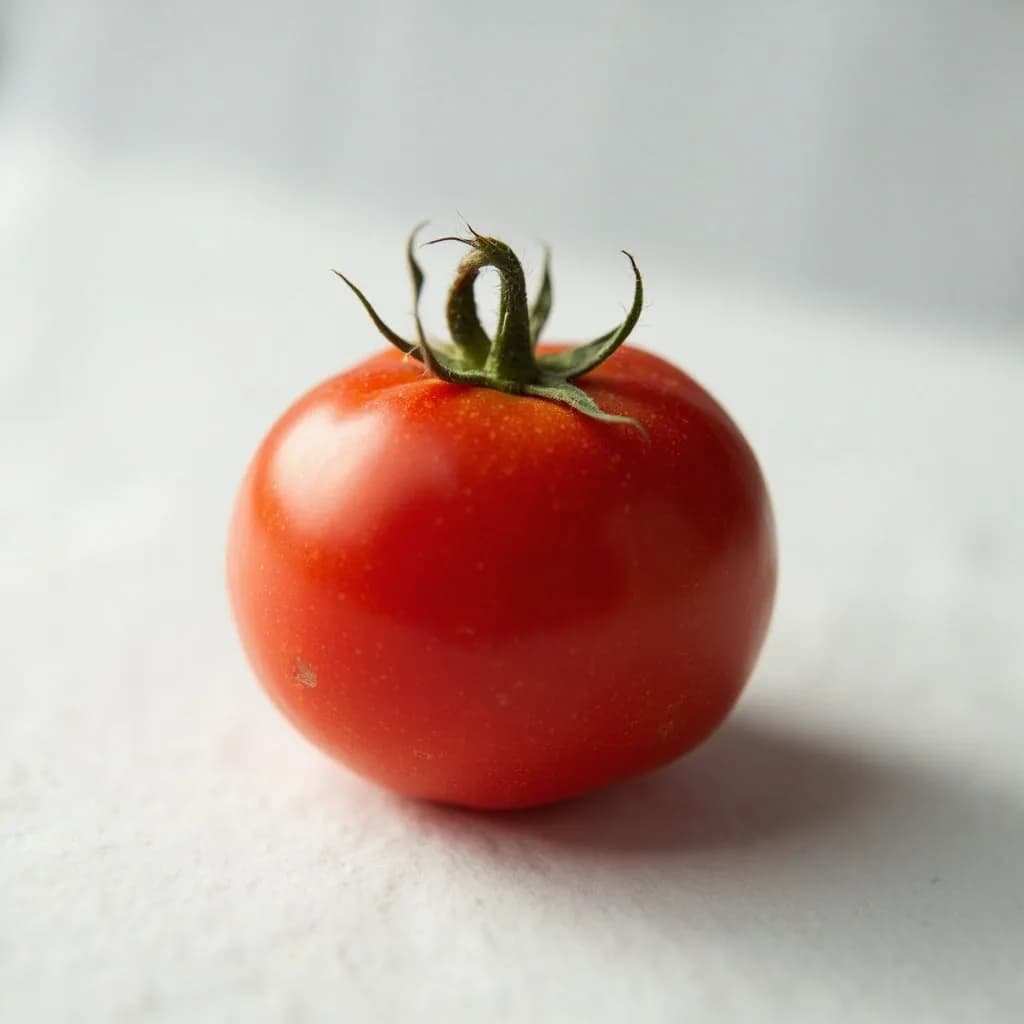
Tomato
Juicy, sun-sweet fruit for sauces, salads, and slow-cooked depth
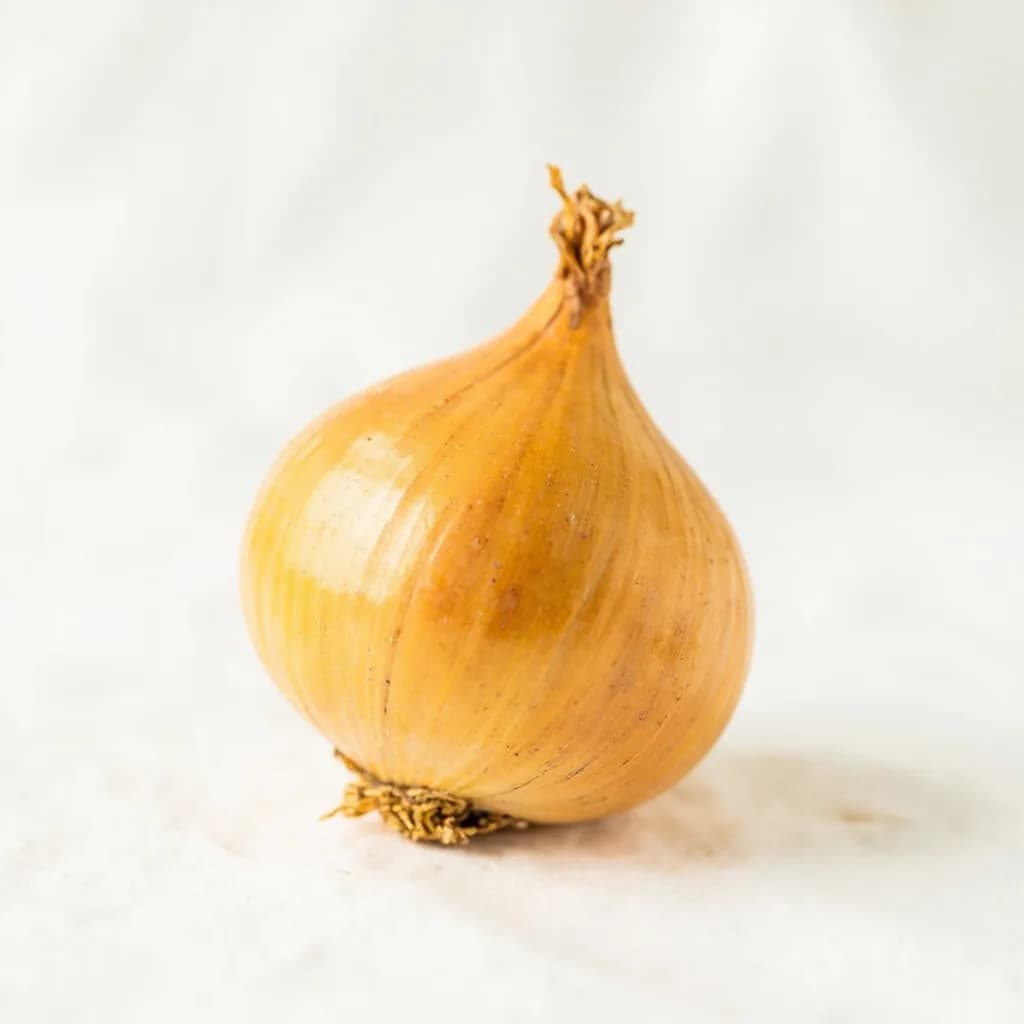
Yellow Onion
The aromatic backbone of soups, sofritos, and braises
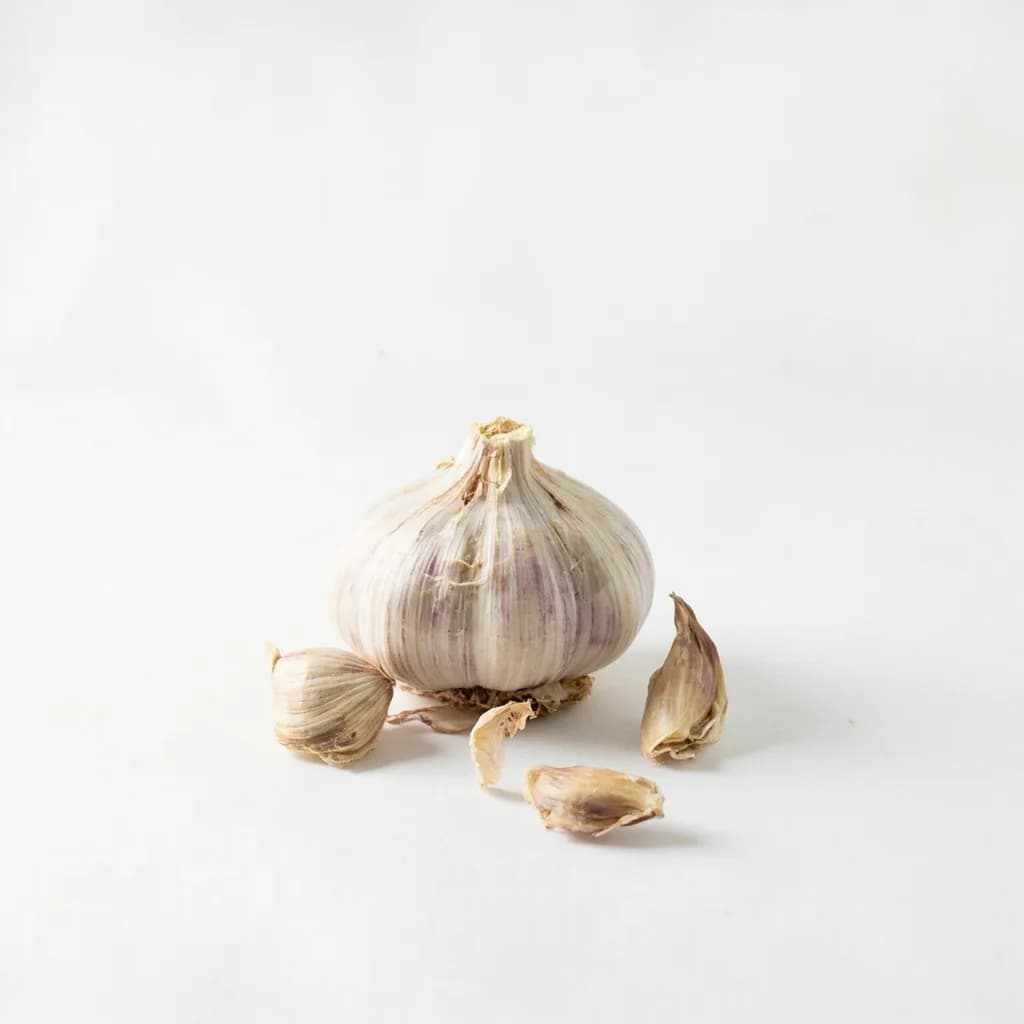
Garlic
Pungent cloves that perfume nearly every savory dish
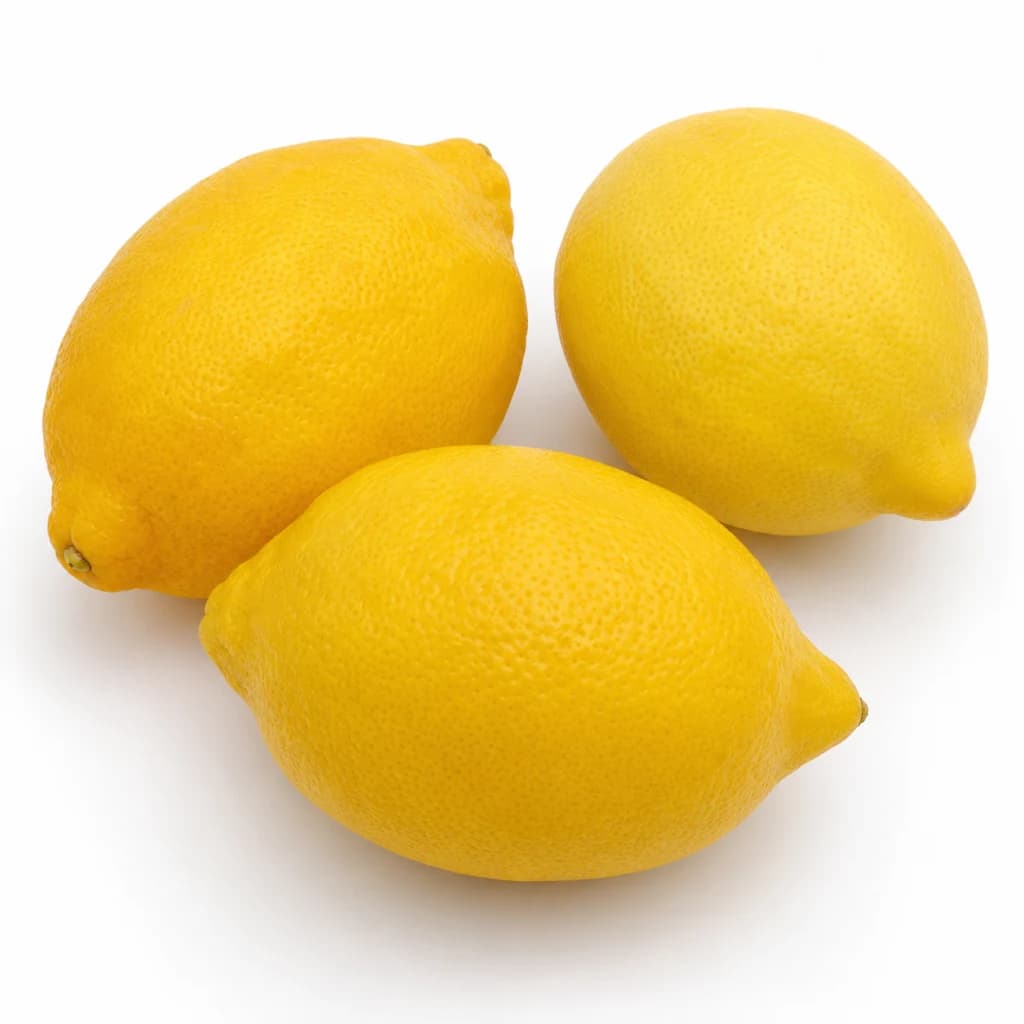
Lemon
Bright, acidic citrus that wakes up almost any dish
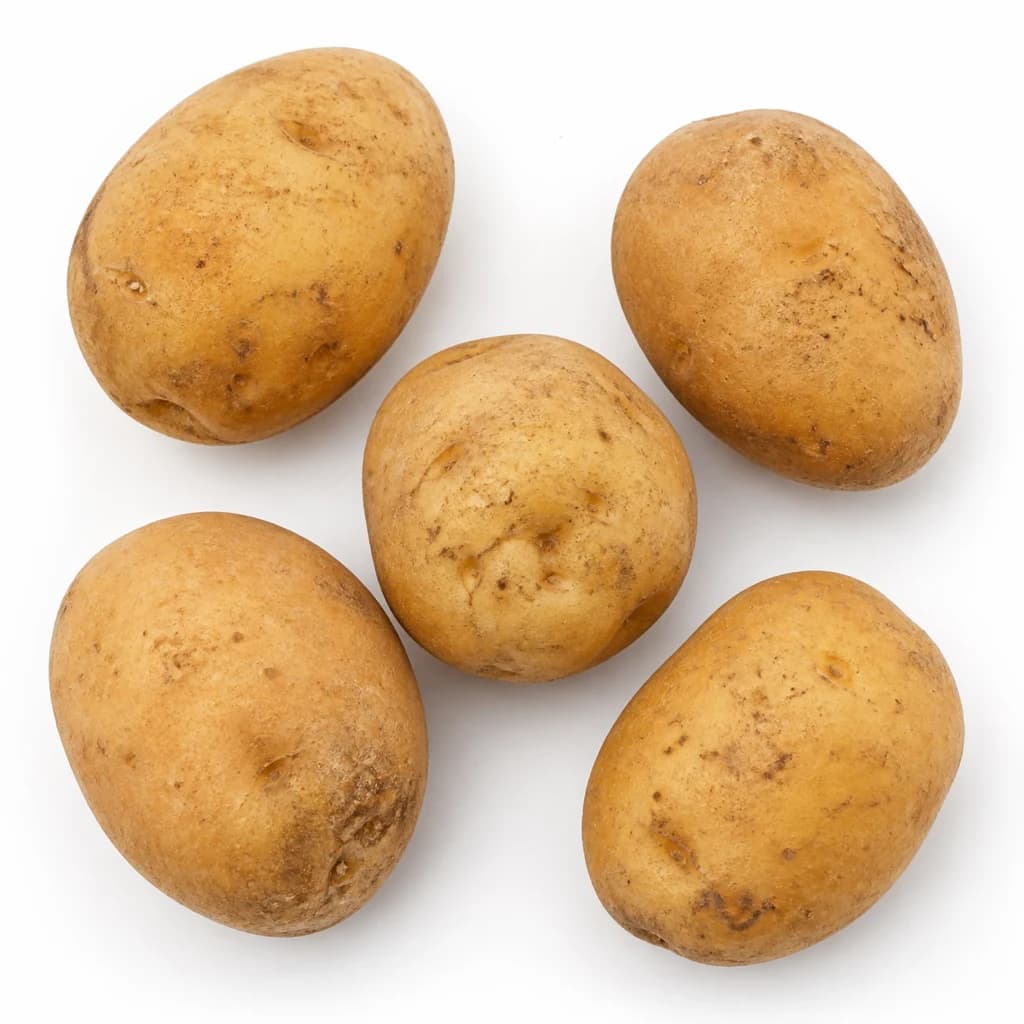
Potato
Humble, hearty staple — roast, mash, fry, or boil
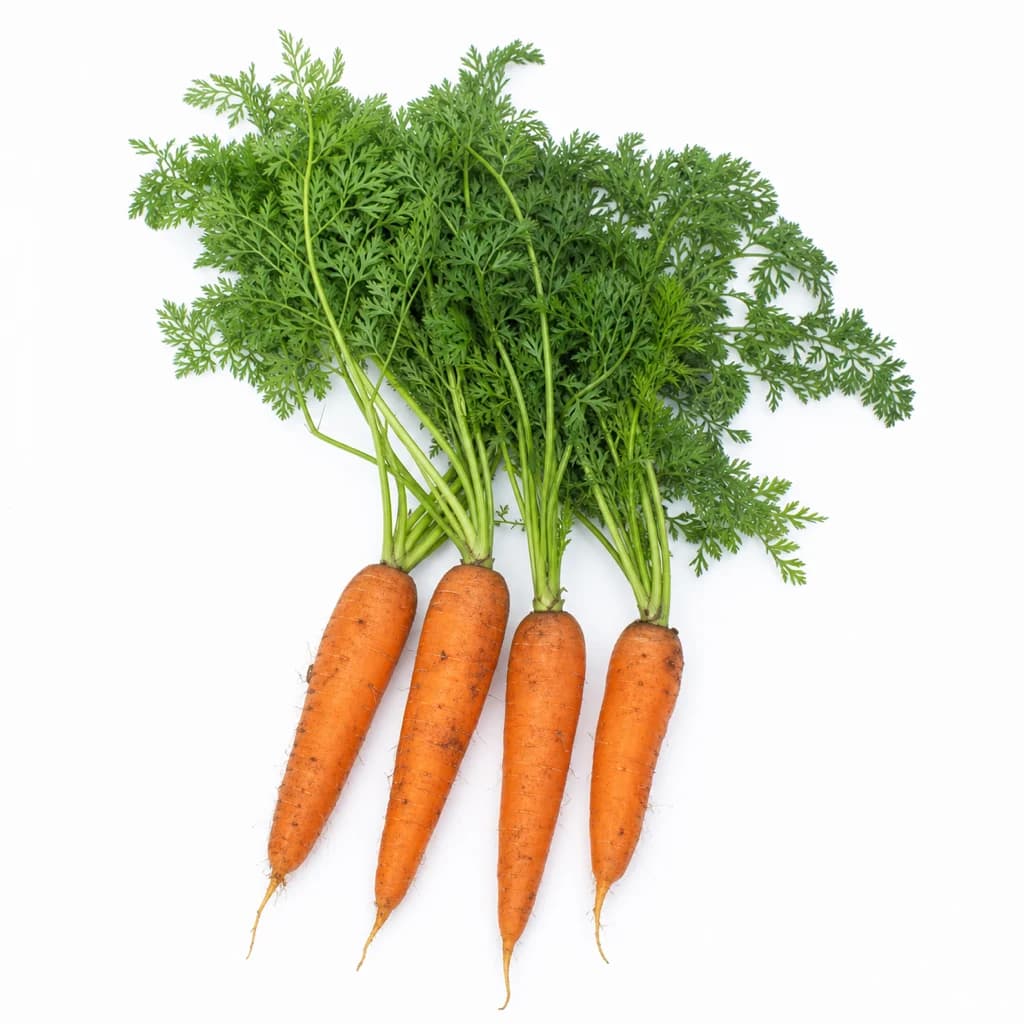
Carrot
Sweet, crunchy root — raw, roasted, or the base of a sofrito
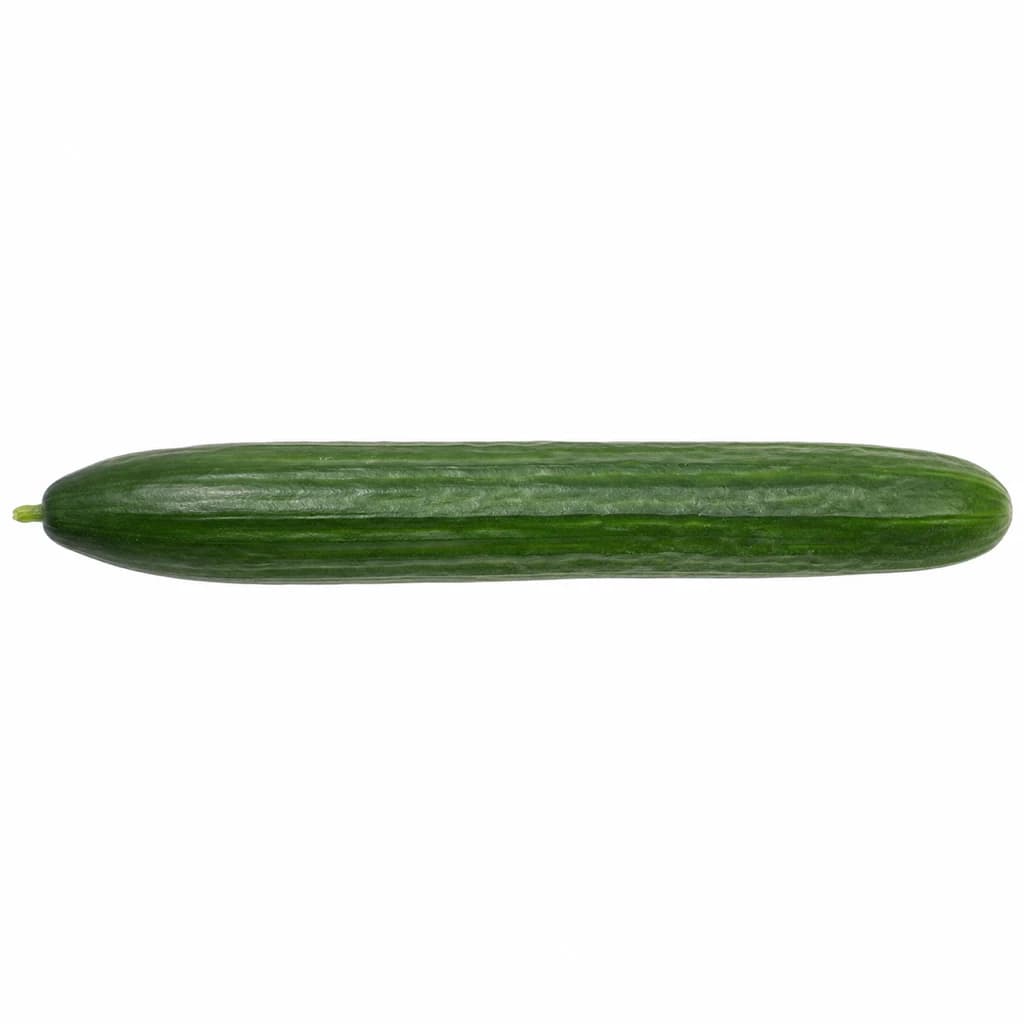
Cucumber
Cool, crisp, and watery — for salads, pickles, and tzatziki

Lettuce
Crisp leaves for salads, wraps, and a fresh crunch