Natural form
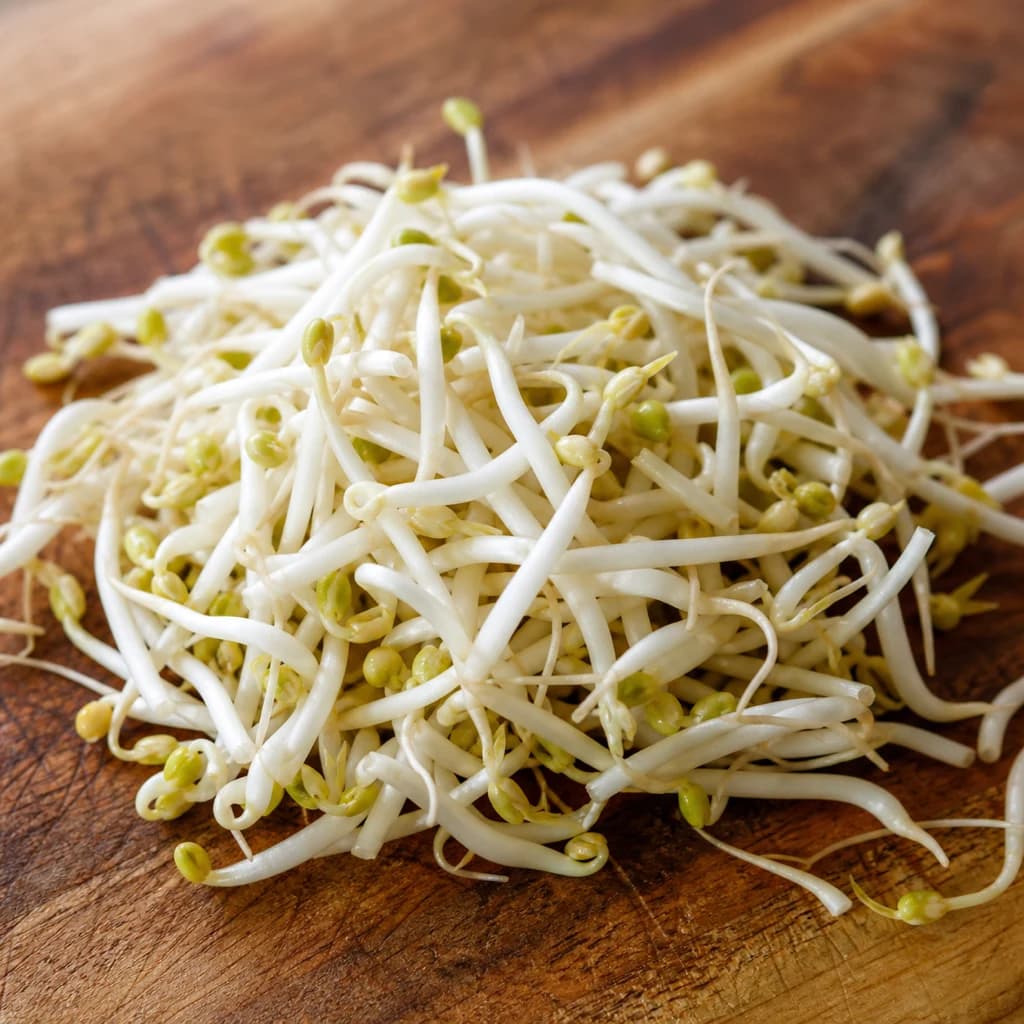
Fresh mung bean sprouts piled loose, showing their characteristic white shoots and tiny yellow-green seed heads.
Shows the raw ingredient exactly as a shopper or cook encounters it — the defining white stem, pale root tail, and small rounded seed cap.
Produce
Mung Bean Sprout
Crunchy white sprouts of the mung bean, a staple in Asian stir-fries.
Mung bean sprouts are the tender white shoots germinated from mung beans, with a crisp texture and mild, fresh flavor. They are widely used across East and Southeast Asia in stir-fries, spring rolls, pho and pad thai, added near the end of cooking to keep their crunch. They are very perishable and best used within a day or two.
Mung bean sprouts are the young shoots and roots of the mung bean (Vigna radiata), produced by soaking and sprouting seeds in controlled, humid conditions. They are among the most widely used and versatile vegetables across Asian cuisines, prized for their clean, vegetal crunch and remarkable ability to absorb the flavors of the dishes they accompany. The sprouts range from 1 to 4 inches (2.5–10 cm) in length, with white or pale yellow roots and small yellow-green leaves at the tip when light-grown. Their texture is crunchy and watery, with a satisfying tender chew in the thicker lower stems. The difference between darkness-grown and light-grown sprouts is significant: commercial darkness production yields the long, porcelain-white moyashi prized in Japanese cooking, while light exposure produces firmer, slightly green-tinted sprouts typical of Korean and Vietnamese preparations. Both types share the same botanical origin but behave differently in the kitchen and carry distinct culinary identities. Mung bean sprouts are a highly perishable ingredient that demands proper handling from the moment of purchase to maintain their characteristic snap and fresh flavor.
- Measured in
- g
- Storage
- Fridge
Types & varieties
Grown in darkness; very white, longer (3–5 inches), milder and more crisp
Light-grown or blanched; includes the small leaf, slightly green-tinted, firmer texture
Light-grown with small leaves; widely used fresh in pho and bánh mì
Short, thick-stemmed variety (1–2 inches); very crunchy; common in Cantonese stir-fries
Common uses
Tips & pitfalls
- Spread sprouts out immediately after purchase; piling them creates heat and causes rapid spoilage and unpleasant odor
- Rinse thoroughly under cold running water before use to remove any remaining seed husks
- Do not soak sprouts; they absorb water quickly and become soggy, losing their characteristic crunch
- Add sprouts in the last 30–60 seconds of cooking in stir-fries; high heat and brief cooking preserve their crisp texture
- Pat sprouts dry with a clean towel after rinsing; excess water steams the dish rather than searing
- Blanch in boiling water for 30–60 seconds before using in cold dishes; this reduces bacterial risk while retaining texture
- Store-bought sprouts are pre-washed but not sterile; always cook thoroughly or blanch before raw consumption, especially for vulnerable individuals
- Korean-style kongnamul is blanched, shocked in ice water, and seasoned with sesame oil, salt, and minced garlic as a banchan
- Do not overcook; prolonged heat collapses sprouts into a mushy, dull component that loses its appeal entirely
Nutrition
Energy
180 kJ · per 100 g
Where the calories come from
Protein
3.4g
7% DV
Carbs
9g
3% DV
Fat
0.3g
0% DV
Fiber
3.8g
14% DV
Sugars
2.2g
of which
Sodium
25mg
1% DV
Source · USDA FoodData Central · approx. Brussels sprouts, raw
View on FDC →In the shops
Matched grocery products
No matched grocery products for Mung Bean Sprout yet.
Good to know
- Botanical Name
- Vigna radiata (mung bean)
- Typical Length
- 1–4 inches (2.5–10 cm)
- Color
- White to pale yellow root; yellow-green leaves at tip when light-grown
- Flavor
- Mild, slightly sweet and nutty; clean, vegetal crunch
- Texture
- Crunchy and watery; tender chew in the thicker lower stems
- Storage
- Refrigerate in loosely closed bag with ventilation; use within 2–3 days for best quality
- Food Safety
- Cook or blanch thoroughly before consuming; rinse well; avoid raw consumption from unknown sources
Substitutes
- Soy Bean Sprout (Daizu) — Larger, nuttier, and chewier; can be substituted 1:1 but carries a distinct flavor and texture profile
- Alfalfa Sprout — Smaller, leafier, milder; works in cold applications but loses character when cooked
- Radish Sprout (Kaiware) — Peppery, small, and delicate; best raw in salads and sandwiches; not suitable for stir-frying
- Pea Shoot — Leafy and tender; adds different texture and flavor; cook very briefly as a garnish rather than a main component
Pairs with
Also called
Green Mung Bean Sprout · Bean Sprouts
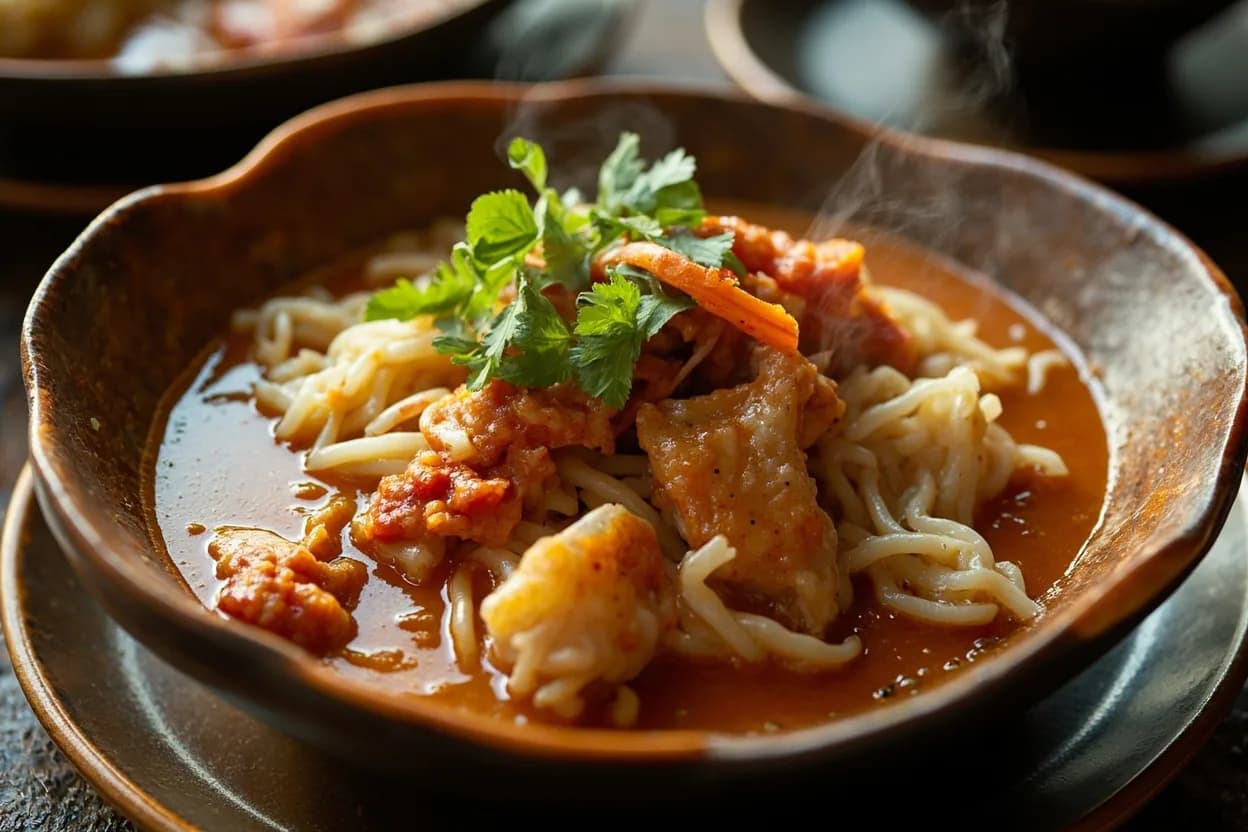
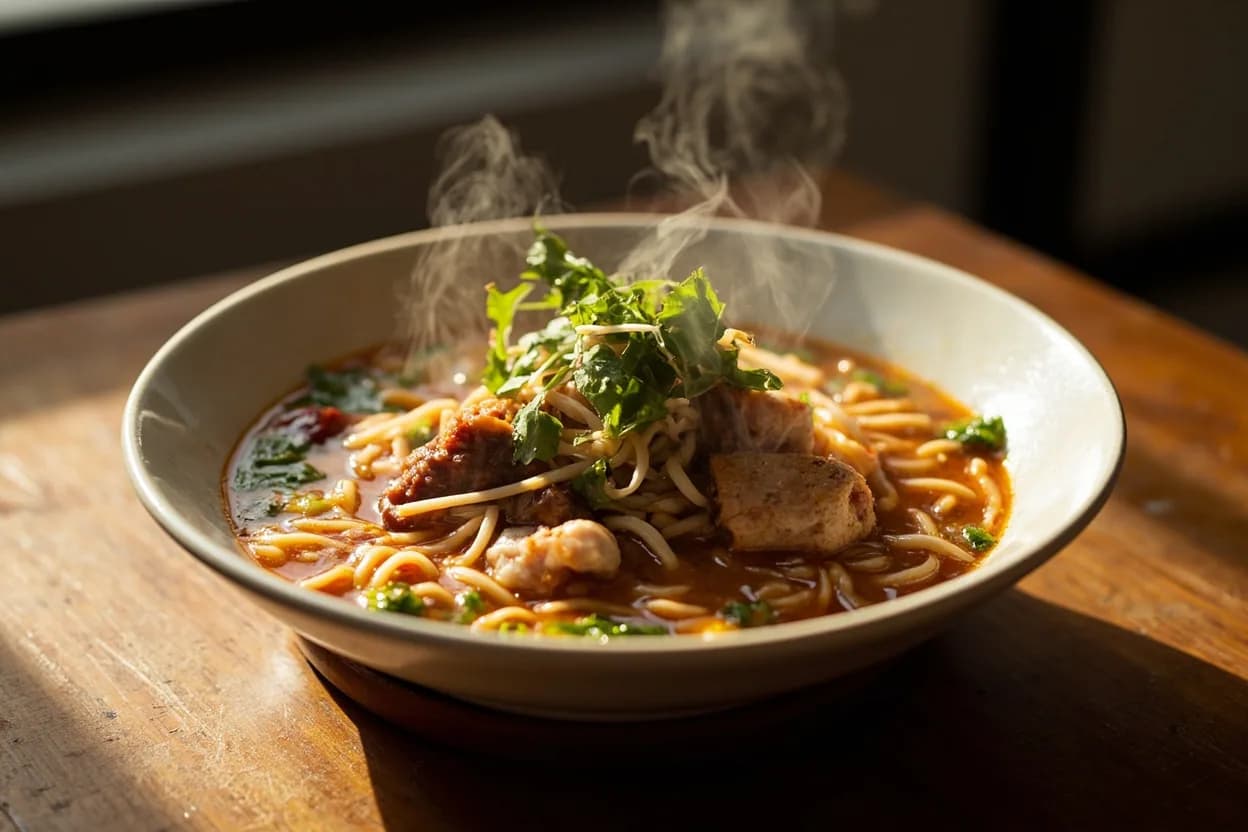
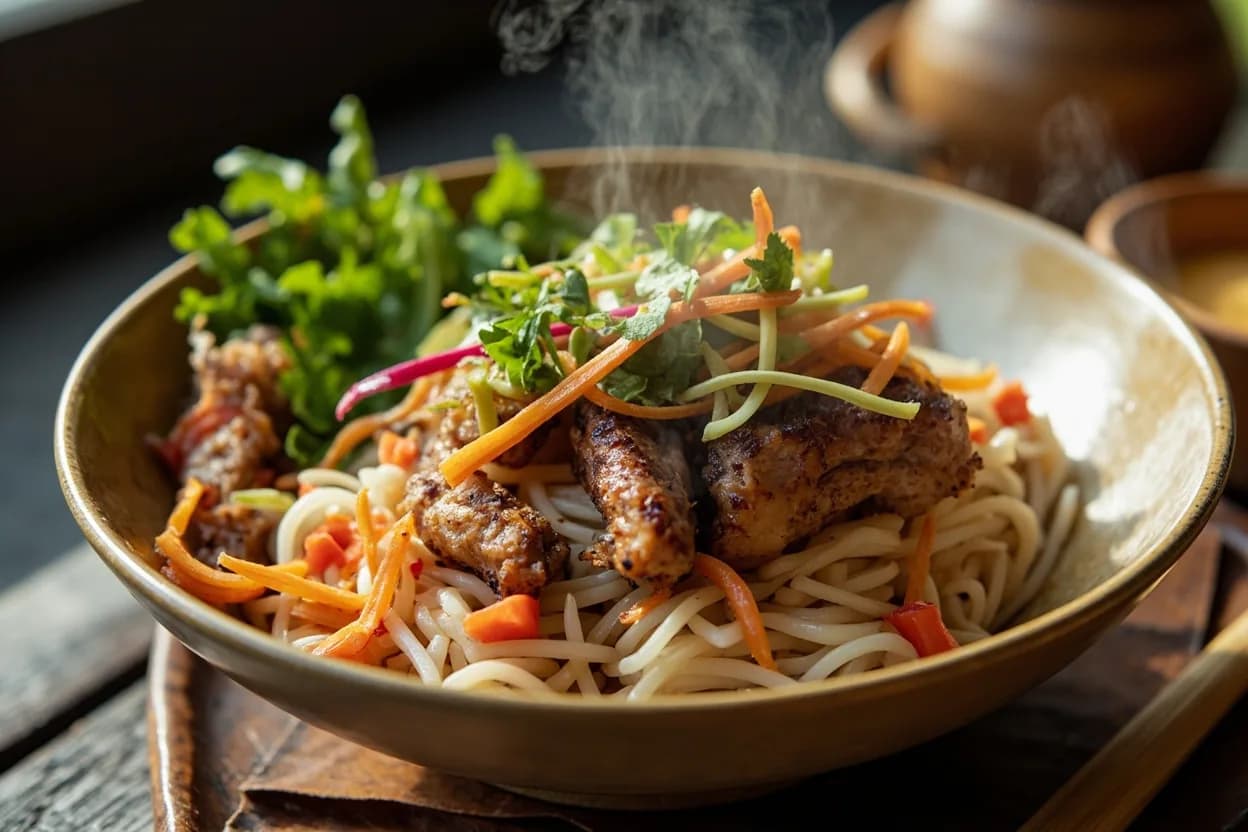
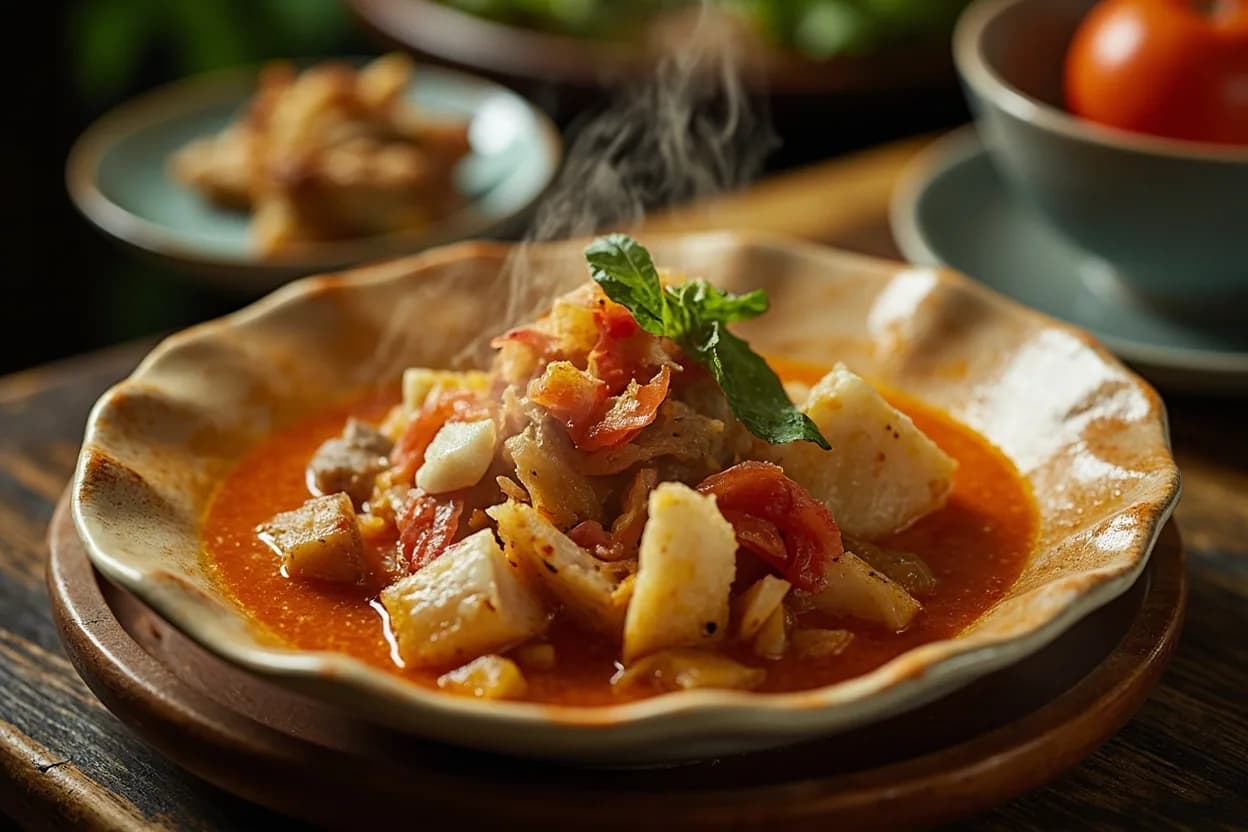
Appears in these dishes
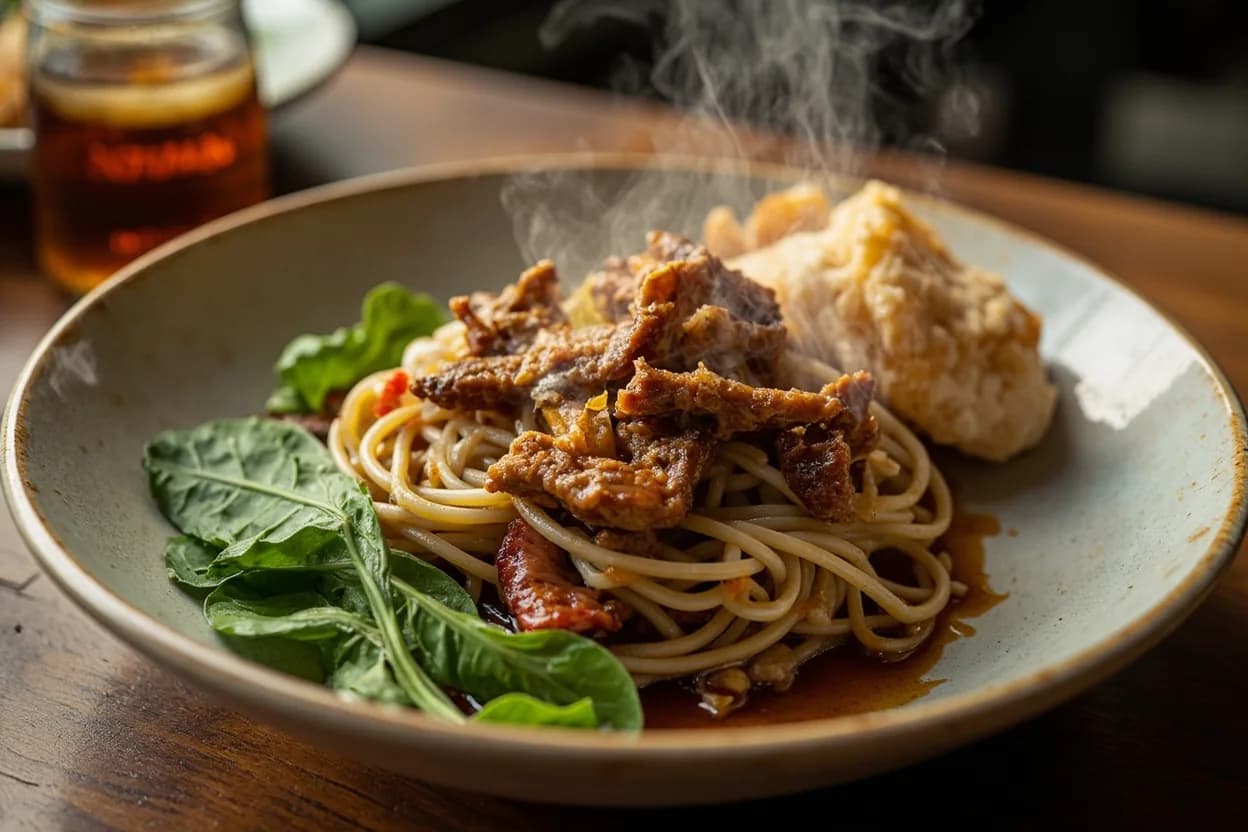
Related
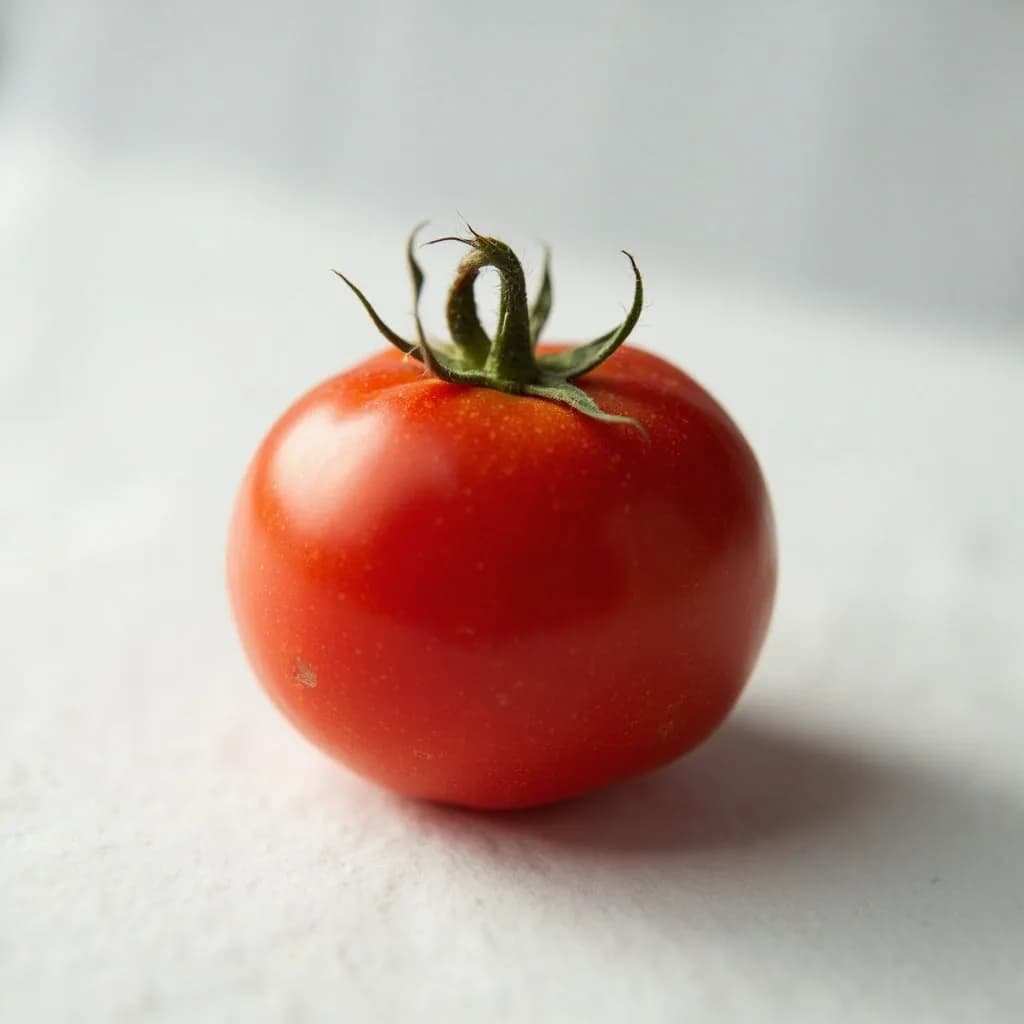
Tomato
Juicy, sun-sweet fruit for sauces, salads, and slow-cooked depth
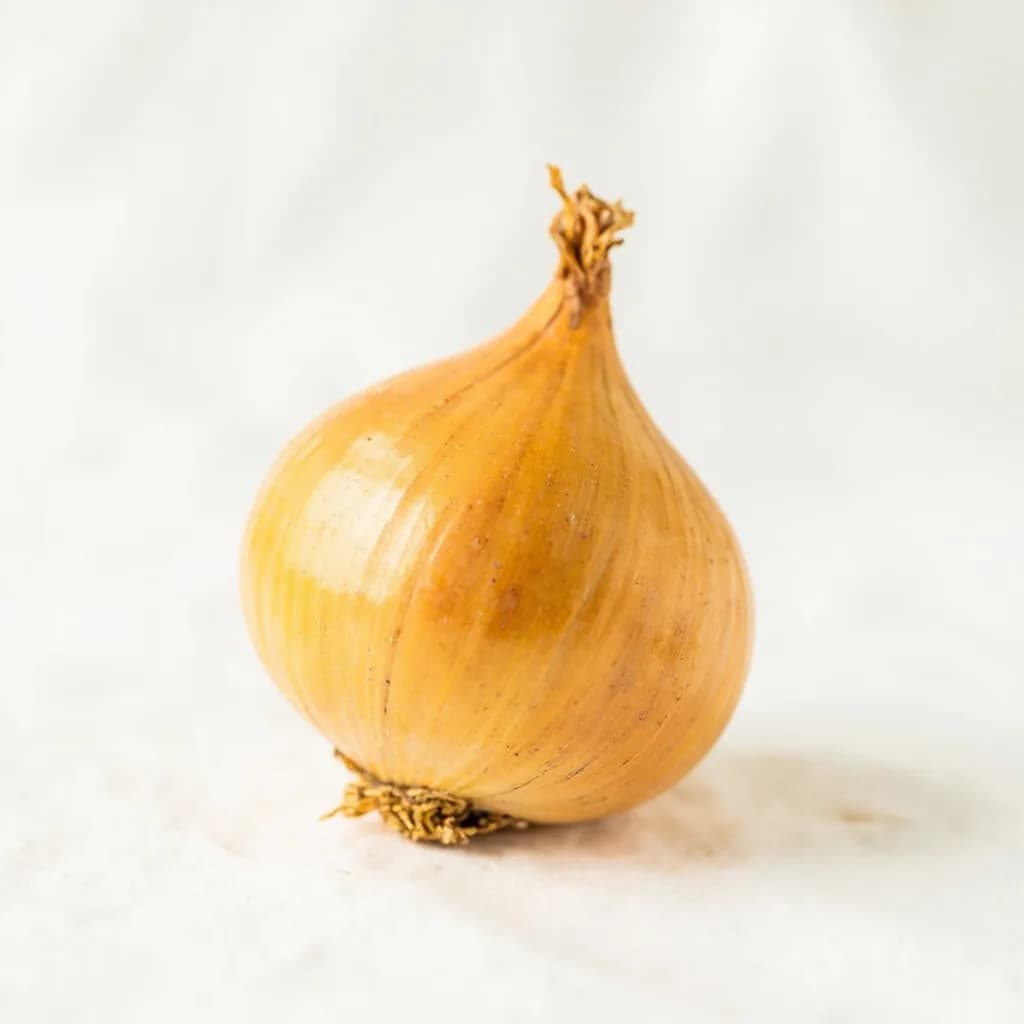
Yellow Onion
The aromatic backbone of soups, sofritos, and braises
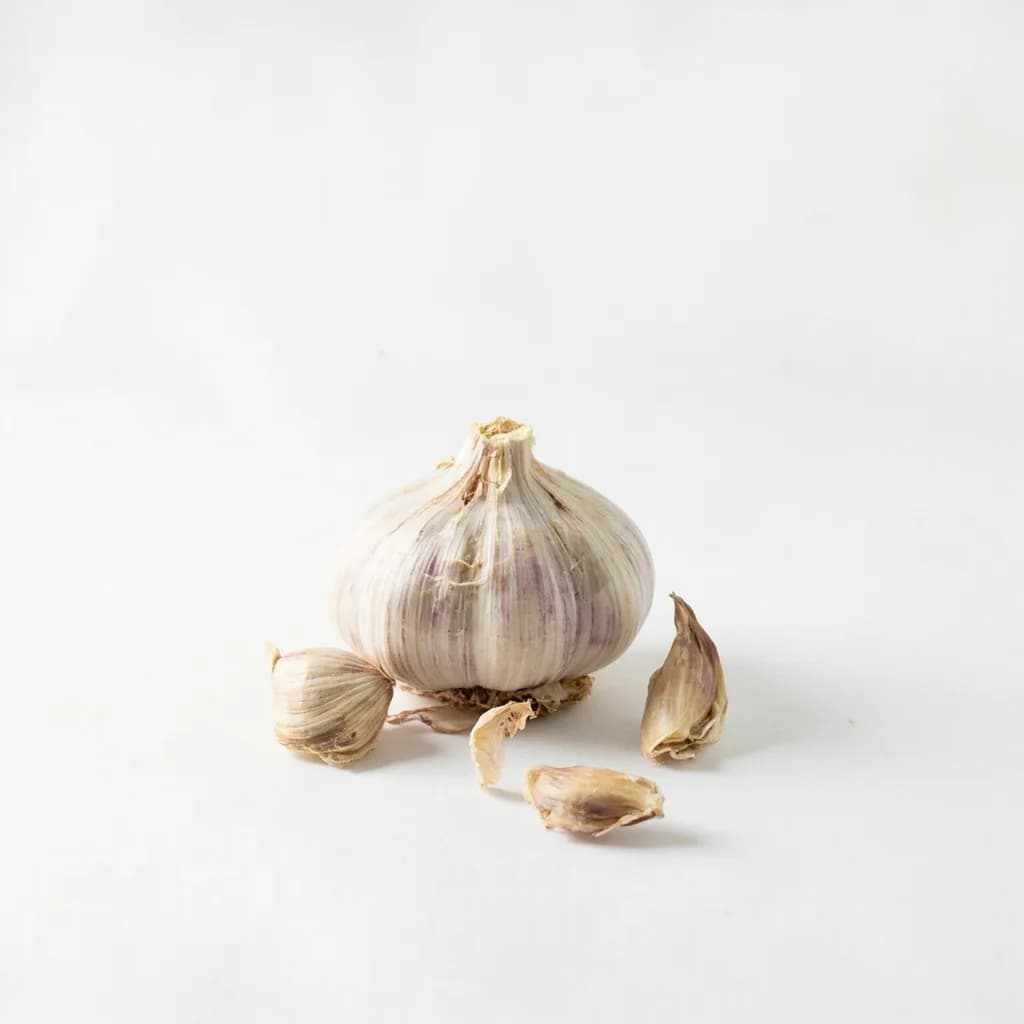
Garlic
Pungent cloves that perfume nearly every savory dish
Lemon
Bright, acidic citrus that wakes up almost any dish
Potato
Humble, hearty staple — roast, mash, fry, or boil
Carrot
Sweet, crunchy root — raw, roasted, or the base of a sofrito
Cucumber
Cool, crisp, and watery — for salads, pickles, and tzatziki

Lettuce
Crisp leaves for salads, wraps, and a fresh crunch