Southern Europe
Pugliese
Also: Apulian, Cucina Pugliese, Cuisine of Apulia
Italy's breadbasket cuisine — cucina povera at its most proud, built on durum wheat, olive oil, and bitter greens.
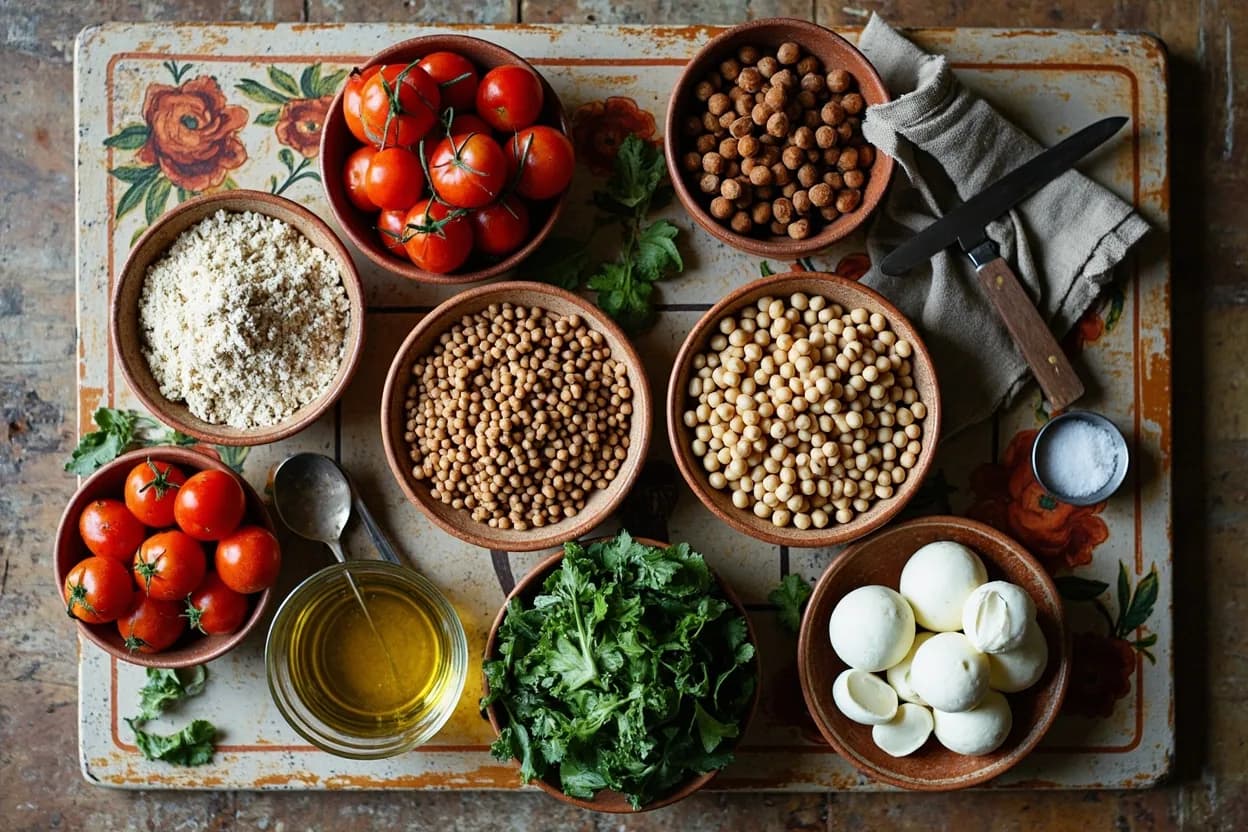
Pugliese cuisine is the most thoroughgoing expression of cucina povera in Italy. Apulia produces more olive oil and more durum wheat than any other Italian region, and those two ingredients define the kitchen's logic: homemade pasta extruded without eggs (because eggs were scarce) in shapes designed to hold sauce in every crevice, and fried or braised vegetables in generous olive oil. Meat is secondary — historically reserved for feast days — while legumes, bitter greens, and dried vegetables do the nutritional heavy lifting. Burrata and stracciatella cheeses, now globally fashionable, originated in the masserie (farmsteads) of the Murgia plateau. The Adriatic and Ionian coasts add raw sea urchin (ricci), mussels (cozze tarantine), and octopus.
The flavour base
Garlic, Puglian extra-virgin olive oil, and bitter leafy greens (cime di rapa, cicoria) form the base of the majority of Pugliese dishes; chili and anchovies add depth without obscuring the vegetable character.
Pantry staples
Key ingredients
Signature techniques
Signature dishes
Pugliese on the table
At the table
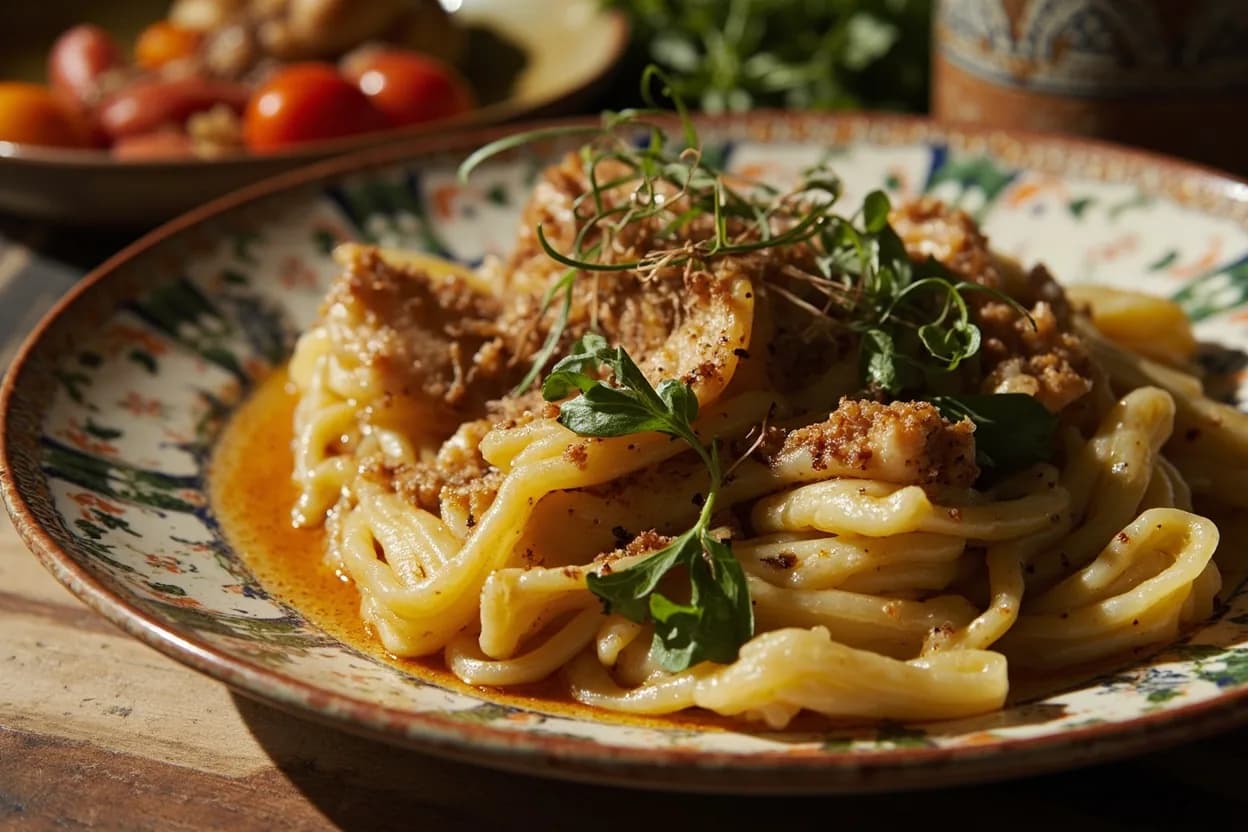
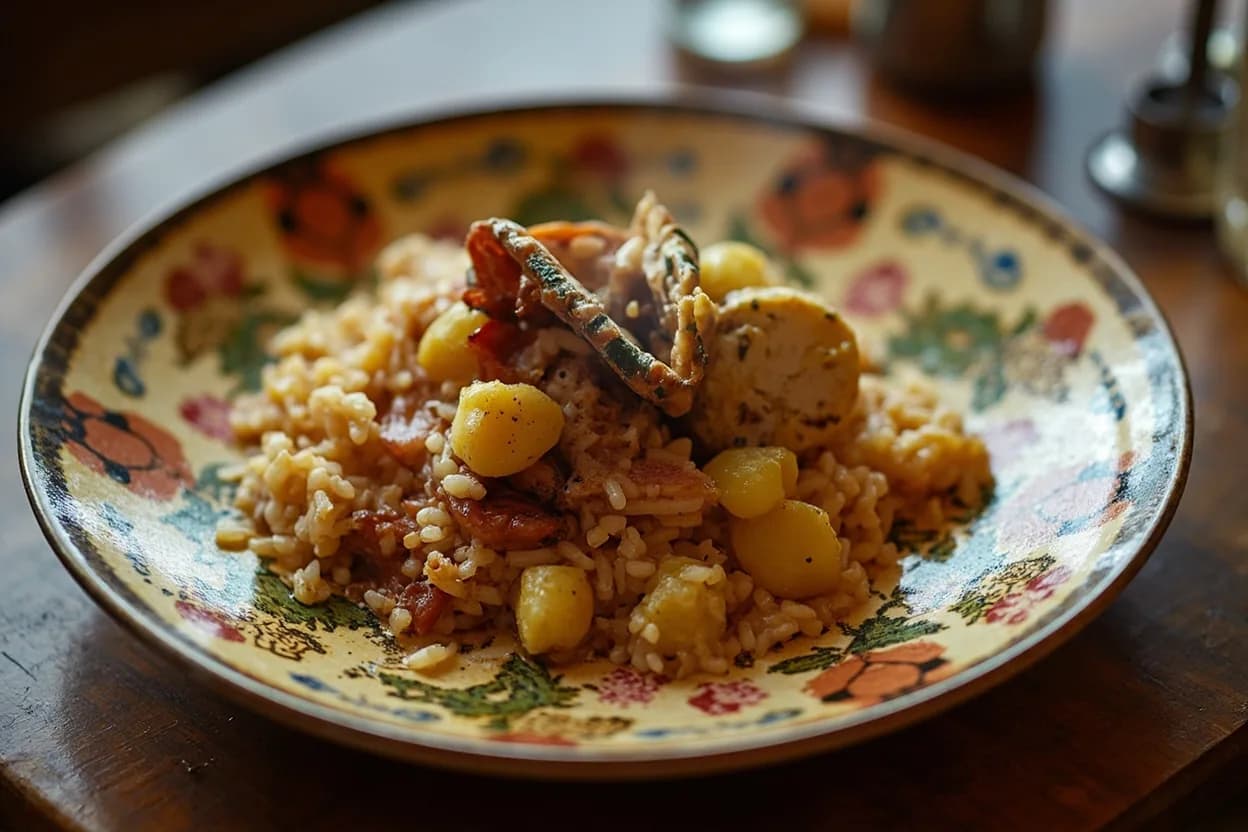
Meal structure in Puglia follows the Italian two-course pattern but the primo is the undisputed star — often a pasta dish so substantial it constitutes the whole meal. Antipasto here is generous: frisa (dried bread rounds soaked in water and oil with tomatoes and origano), raw shellfish, burrata, and cured meats from Martina Franca. Secondo is often a grilled or roasted piece of meat, or a secondo di pesce on the coast. Dessert includes pasticciotti (custard pastries) and cartellate (fried pastry spirals in honey or vincotto).
History & context
Apulia's culinary identity was forged by millennia of occupation — Greeks, Romans, Byzantines, Normans, Aragonese, and Bourbons all passed through and left traces. The Tarentine Greeks established olive oil culture in the 8th century BC; the Romans made Apulia their grain empire. Centuries of feudal poverty under various foreign crowns drove the cucina povera ethos — making nourishing, delicious food from the cheapest available ingredients. This is the cuisine that invented orecchiette (shaped like 'little ears' to catch every drop of bitter green sauce), a pasta shape born of efficiency and ingenuity. Burrata was invented in Andria around 1920 as a way to use the fresh mozzarella off-cuts (stracciatella) by wrapping them in a mozzarella pouch.
Regional variations
- Bari
Barese cooking centres on the tiella, raw mussels, and the most authoritative orecchiette production; street food includes sgagliozze (fried polenta squares) and panzerotti (fried calzone).
- Lecce and Salento
More Greek-Byzantine cultural influence; 'pitta' flatbreads, more use of lamb (gnumarieddi — offal rolls), ciceri e tria (pasta with chickpeas, part fried), and pasticciotto leccese.
- Foggia and the Tavoliere plain
Wheat country; the most austere cucina povera; lampascioni (wild grape hyacinth bulbs) preserved in oil are a Foggian specialty with a bitter, complex flavour unlike any other Italian vegetable.
- Taranto coast
Mar Grande and Mar Piccolo produce the finest mussels in Italy; raw seafood culture is strongest here; 'cozze gratinate' (gratin-baked mussels) and raw ricci.
Related cuisines
Shares cucina povera DNA and abundant olive oil; Calabria is fiery where Puglia is bitter; both use dried legumes extensively.
- Greek
Salento was Magna Graecia; the influence is visible in lamb preparations, flatbreads, use of wild greens, and the pitta pastry tradition.
Shared Bourbon history and tomato-heavy sauce tradition; Neapolitan pizza culture is distinct but shares the same semolina flour and San Marzano tomato allegiance.
References
- 1.Puglia: A Culinary Memoir, Maria Pigozzi, Rizzoli
- 2.Gastronomy of Italy, Anna del Conte, Pavilion Books
- 3.Southern Italian Cooking, Jo Bettoja, Bantam Books
- 4.The Geometry of Pasta, Caz Hildebrand and Jacob Kenedy, Boxtree
Confidence: high
Notes
Orecchiette shaping
Authentic orecchiette are made with only semolina rimacinata and water — no eggs, no olive oil in the dough. The shape requires pressing and dragging with the thumb in a single motion; the inside stays rough (not smooth) so the pasta grips the sauce. The women of the old city (Bari Vecchia) who sell handmade orecchiette from outdoor tables represent an unbroken living tradition.
Lampascioni
Lampascioni (Muscari comosum, the tassel hyacinth bulb) are a Pugliese ingredient with almost no parallel elsewhere in the Italian kitchen. Intensely bitter, they are boiled, then preserved in olive oil or vinegar. Their taste is somewhere between a very bitter shallot and a radish. They appear on antipasto tables and in frittate in Foggia province.