South Asia
Punjabi
Also: Punjab Cuisine, Punjabi Cuisine, Panjabi Food
The bold, butter-rich cooking of India and Pakistan's breadbasket — tandoor-charred breads, slow-simmered black lentils, and sarson ka saag define a cuisine shaped by agricultural abundance and Sikh langar tradition.
Punjabi cuisine is the cooking tradition of the Punjab region, divided since 1947 between the Indian states of Punjab and Haryana and Pakistan's Punjab province. It is North India and Pakistan's most agriculturally productive zone — the Five Rivers (Panj Aab) irrigate wheat, mustard, rice, and sugarcane harvests that make grain and dairy the cuisine's structural backbone. Punjabi food is characterized by its directness: generous quantities of ghee and butter, clay-oven (tandoor) cooking, whole spices bloomed in fat, and slow-cooked legume dishes that sustain agricultural and laboring communities. Neither as aromatics-complex as Awadhi nor as seafood-centered as Bengal, it is a cuisine of robustness and generosity, best understood through the concept of langar — the Sikh tradition of community meals served free to all.
The flavour base
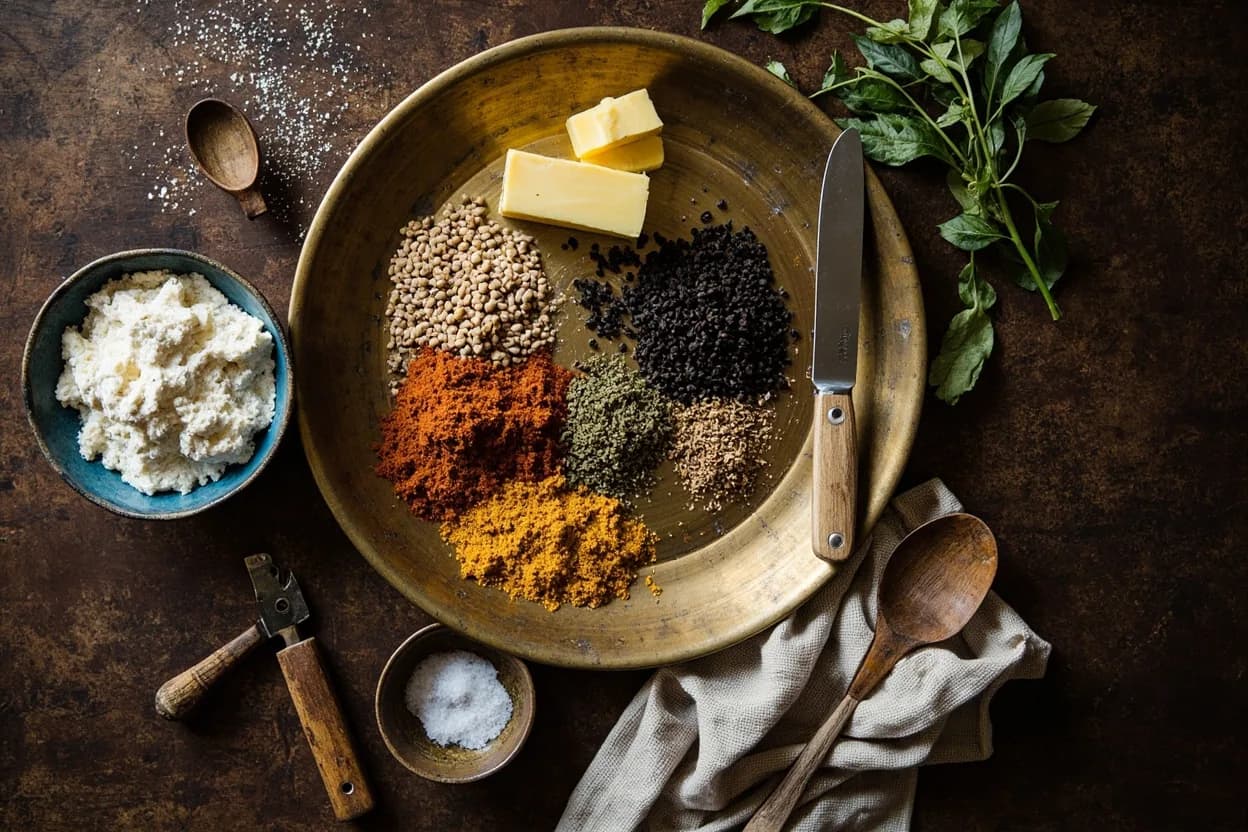
Onion-tomato-ginger-garlic masala base cooked down until oil separates (bhuno technique), finished with cream or butter; whole garam masala — cardamom, cloves, cinnamon — bloomed in ghee opens dishes
Pantry staples
Key ingredients
Signature techniques
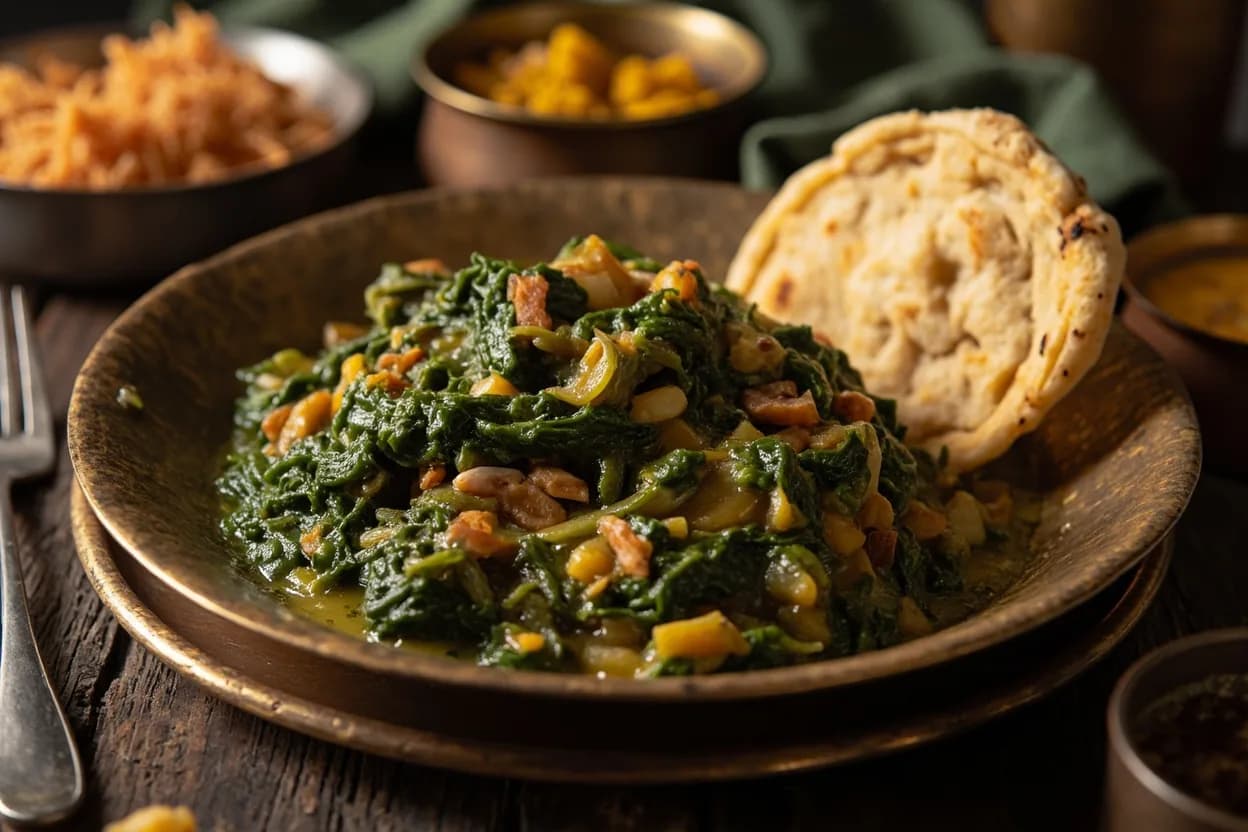
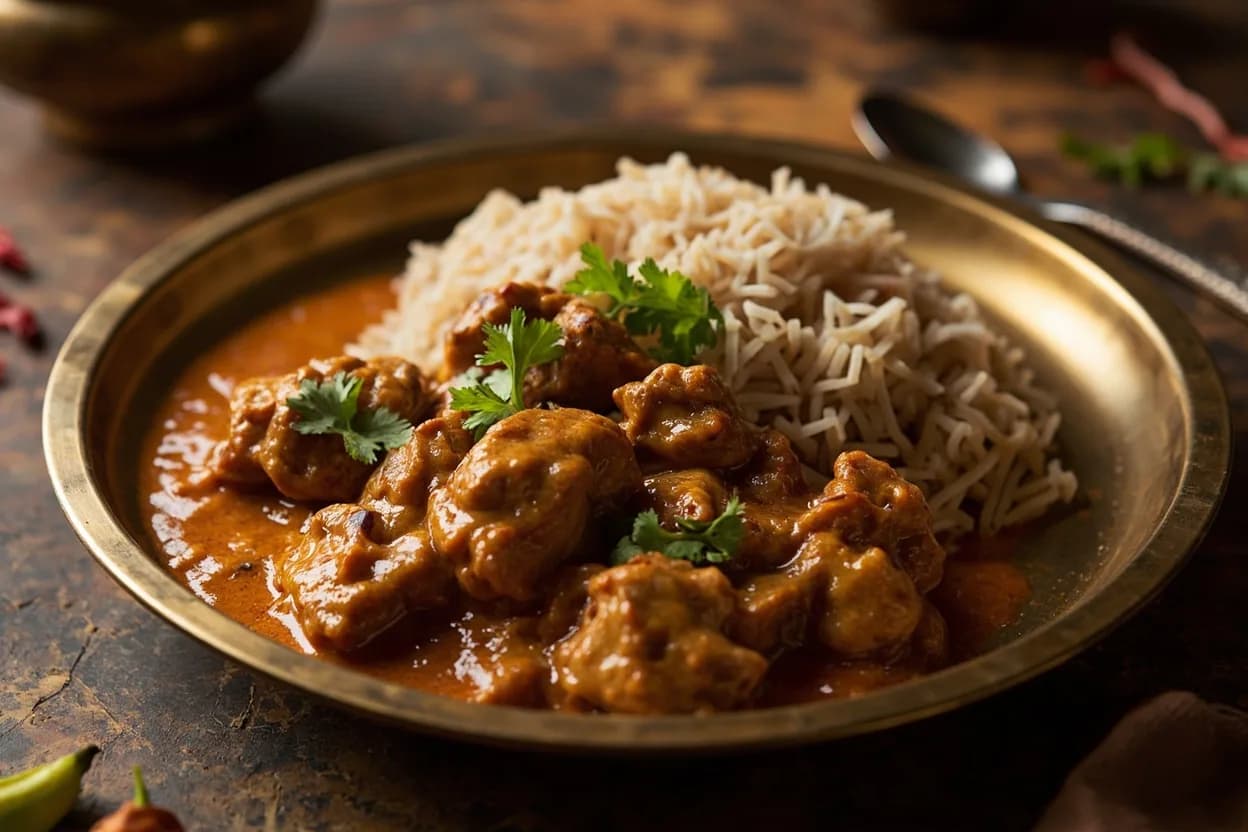
Signature dishes
Punjabi on the table
At the table
Meals are informal and generous. Lunch and dinner center on a main dal or sabzi (vegetable), one or two breads (roti, paratha, or rice), raita, and pickle. Breakfast is substantial — parathas with curd and pickle are standard. Langar meals in Gurdwaras are by definition simple but plentiful: dal, roti, kheer, and sabzi for unlimited diners.
History & context
Punjab's agricultural wealth made it the granary of the Mughal Empire and, subsequently, of the British Raj. The region's cooking absorbed successive waves of influence — Greek (post-Alexander), Persian (Mughal court), and Central Asian — while maintaining a distinct identity rooted in wheat farming and pastoral cattle culture. The 1947 Partition divided Punjab along religious lines (Sikh/Hindu east, Muslim west), and the subsequent movement of millions carried cooking traditions across the new border: Pakistani Punjab developed richer spice profiles for lamb and beef, while Indian Punjab retained more dairy and chicken. The post-Partition Punjabi diaspora spread the cuisine globally; today 'Indian restaurant food' in the UK, North America, and Australia is largely Punjabi in character.
Regional variations
- Amritsari (Indian Punjab)
Famous for amritsari kulcha and fish fry; the Golden Temple langar tradition produces enormous-scale vegetarian cooking; kulfi and lassi culture is strongest here
- Lahori (Pakistani Punjab)
Beef replaces pork entirely; Lahori karahi (wok-cooked lamb/beef with tomato and ginger) is distinctive; richer, spicier than Indian Punjab counterpart
- Malwa region
More rural and agricultural; makki di roti and sarson ka saag remain everyday winter staples; less restaurant-influenced than Amritsari or Lahori cooking
Related cuisines
Shares North Indian Mughal influence and slow-cooking heritage, but Awadhi is more courtly and restrained; Punjabi is bolder and more butter-forward
The imperial layer from which butter chicken and korma evolved; Punjabi cuisine secularized and domesticated Mughlai techniques
- Haryanvi
Adjacent agricultural cuisine; shares dairy emphasis but simpler, more austere — less chili, plainer bread preparations
Canonical recipes
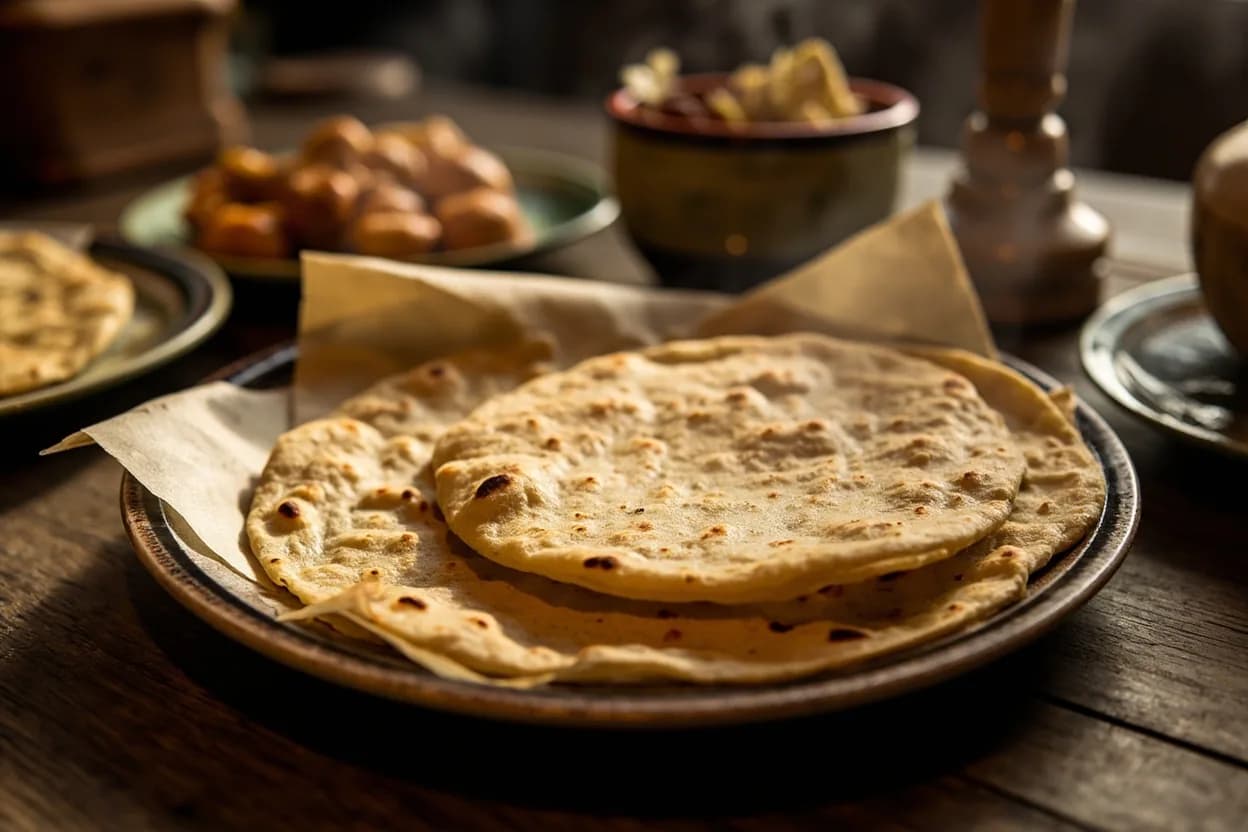
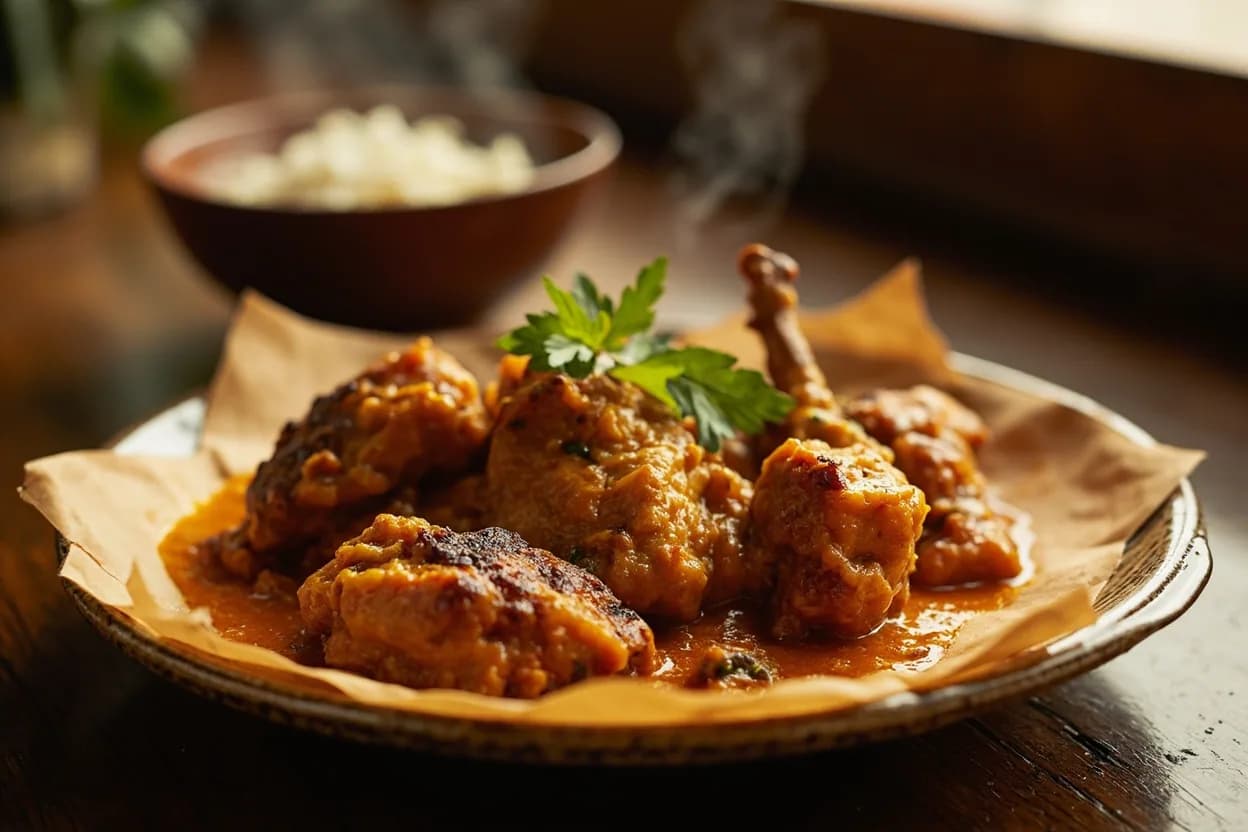
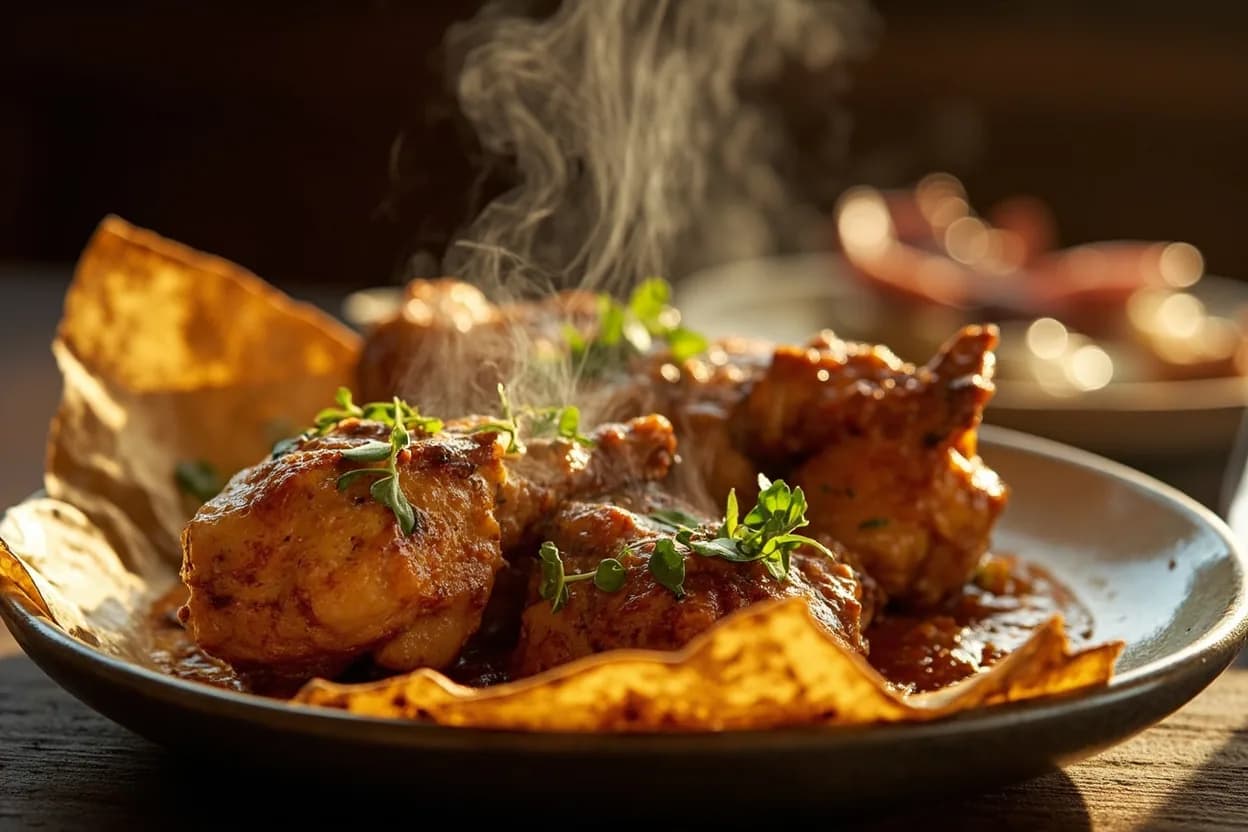
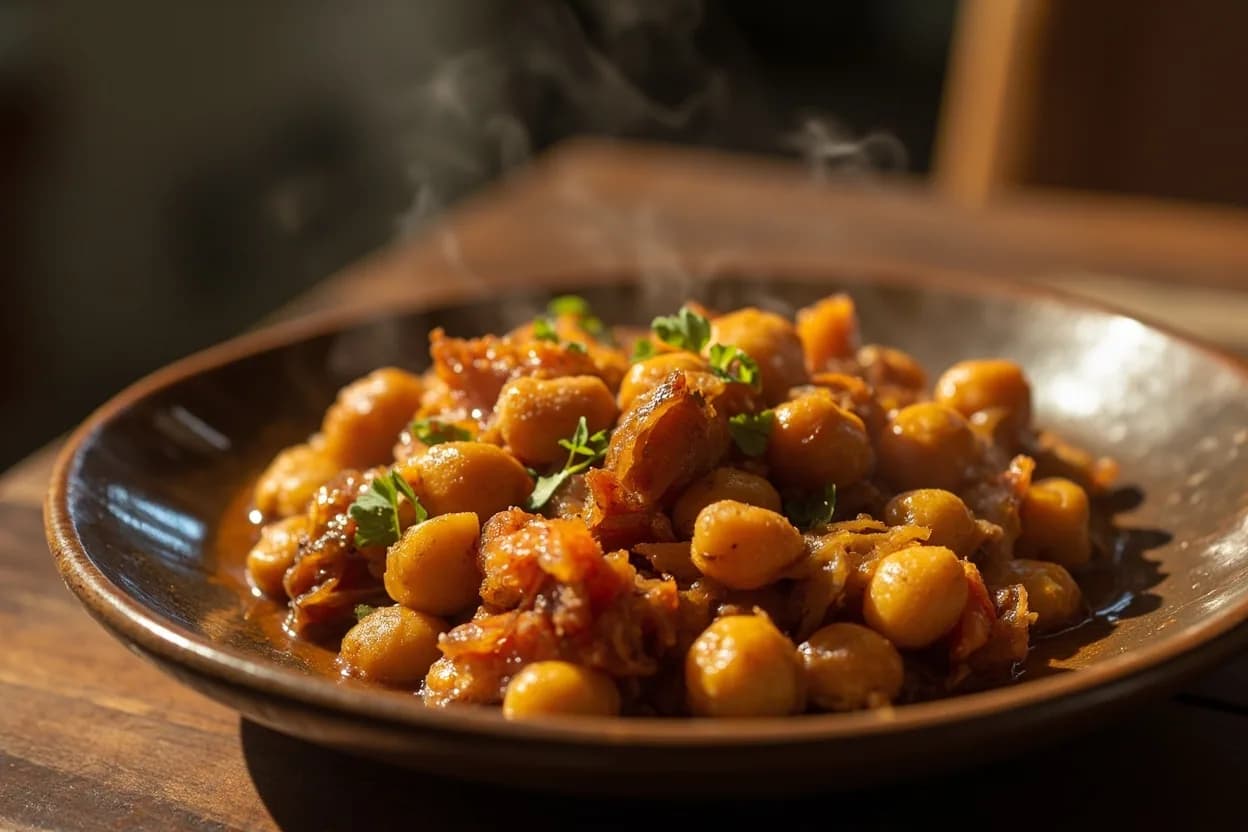
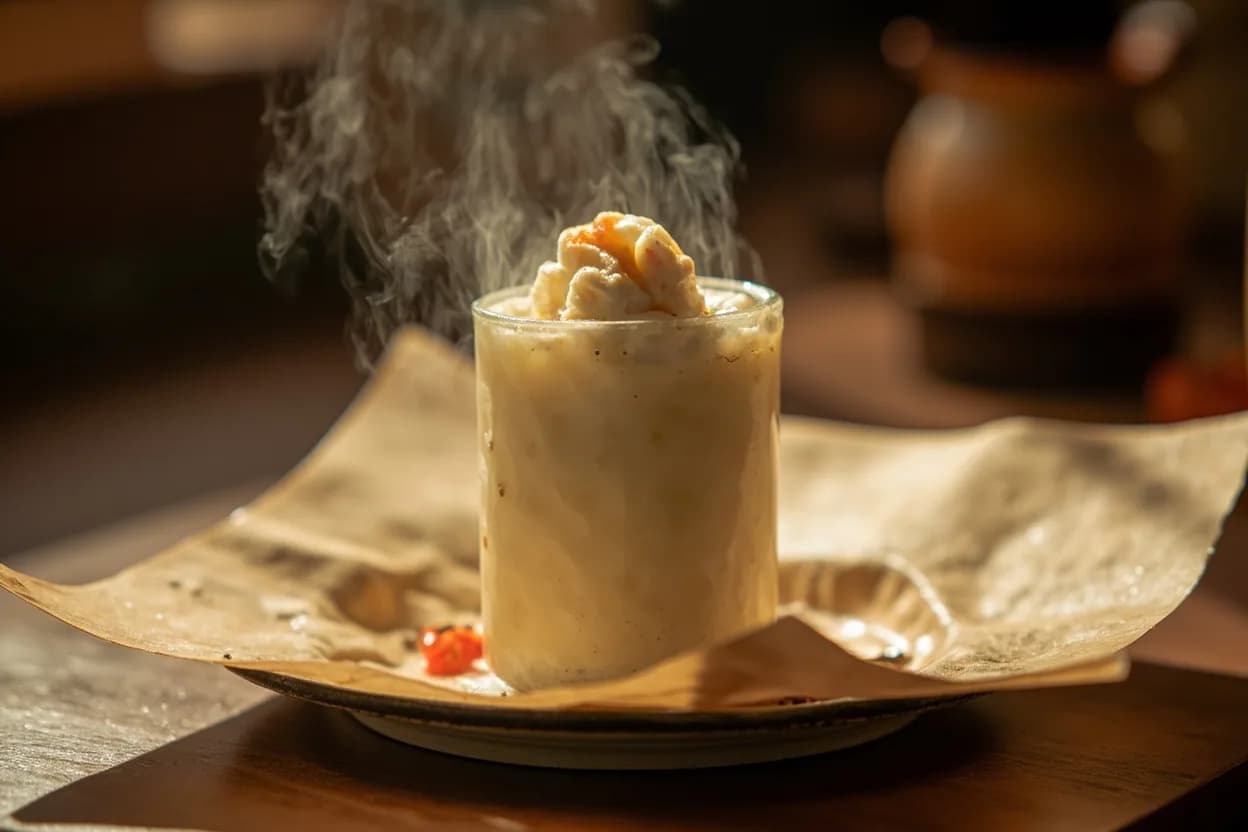
The dishes that define Punjabi, documented in the Canon.
References
- 1.India: The Cookbook — Pushpesh Pant
- 2.Prashad: Cooking with Indian Masters — J. Inder Singh Kalra
- 3.The Story of Our Food — K.T. Achaya
- 4.5 Senses of Cooking Indian — Nita Mehta
Confidence: high
Notes
Dal makhani's overnight clock
Authentic dal makhani is simmered for a minimum of 8–12 hours, often overnight, in restaurants with a wood or coal fire kept low. The dal grains should soften to near-collapse without losing their form entirely; the broth thickens from starch alone before cream and butter are stirred in at the finish.
Tandoor as community technology
Before domestic gas stoves, Punjabi neighborhoods shared a communal tandoor — women would carry dough from home to be baked and returned. The tandoor's high-heat dry cooking explains why Punjabi breads and meats develop the characteristic char and smokiness unavailable from home griddles.