South Asia
Mughlai
Also: Mughal Cuisine, Moghul Cuisine, Mughalai
The imperial synthesis of Persian, Central Asian, and Indian culinary traditions that gave the world biryani, korma, and kebabs — the gastronomic legacy of the Mughal Empire across three centuries of North Indian rule.
Mughlai cuisine is the cooking tradition developed in and patronized by the Mughal court from Babur's arrival in 1526 through the decline of the empire in the 18th century. It synthesizes Timurid Central Asian cooking (pilaf, kebab, dried fruit in meat), Persian court cuisine (saffron, rose water, almond paste, slow-braising), and the existing North Indian subcontinent traditions (spice complexity, dal, flatbreads). The result is a cuisine of organized luxury: meat slow-cooked in spiced yogurt gravies (korma), rice layered with meat and saffron (biryani), refined bread preparations, and sweets built on milk reduction (khoya) and nut pastes. Mughlai cooking values aromatic subtlety over sharp heat, and the display of wealth through the richness and complexity of each dish.
The flavour base
Almond-onion-yogurt base for korma gravies; whole warm spices (cardamom, cloves, cinnamon, mace) bloomed in ghee; saffron and rose water as finishing aromatics; browned onion (birista) for color and sweetness; nut pastes (almond, cashew, poppy seed) for body
Pantry staples
Key ingredients
Signature techniques
Signature dishes
Mughlai on the table
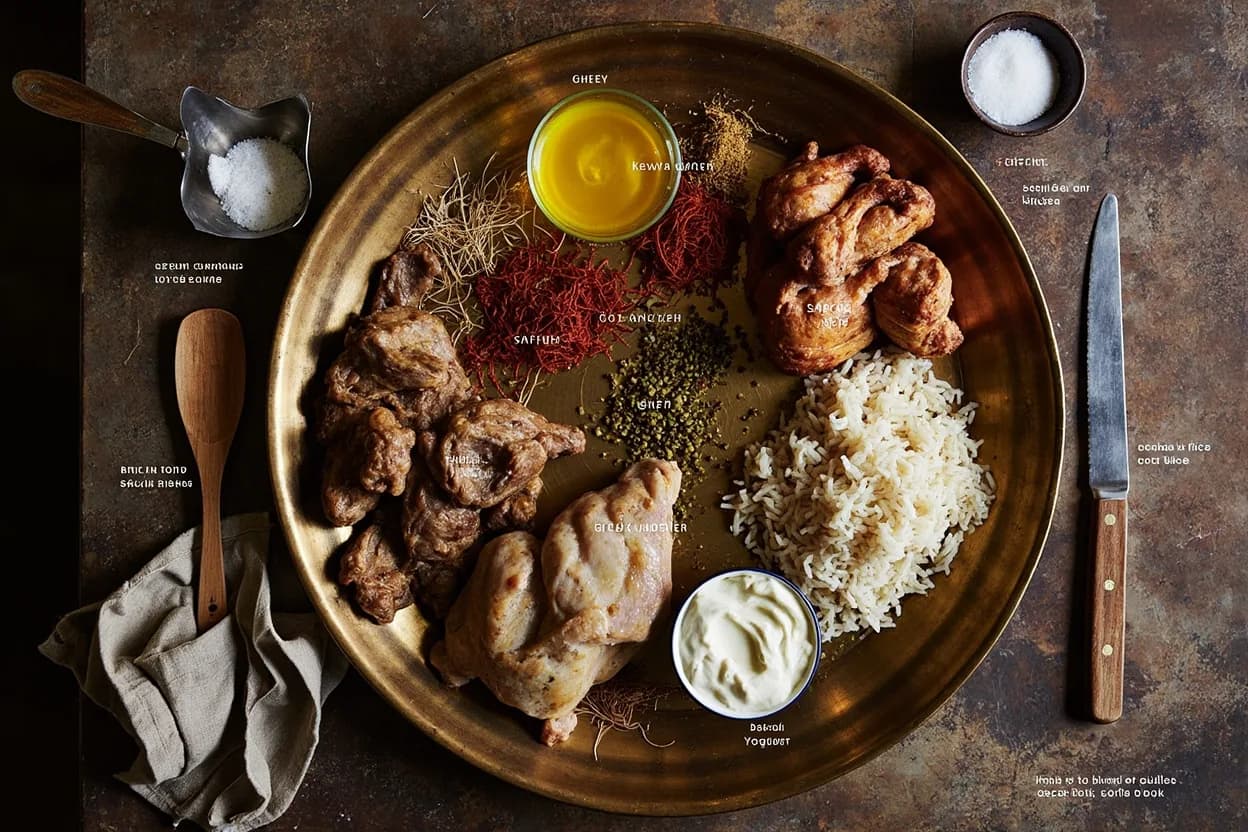

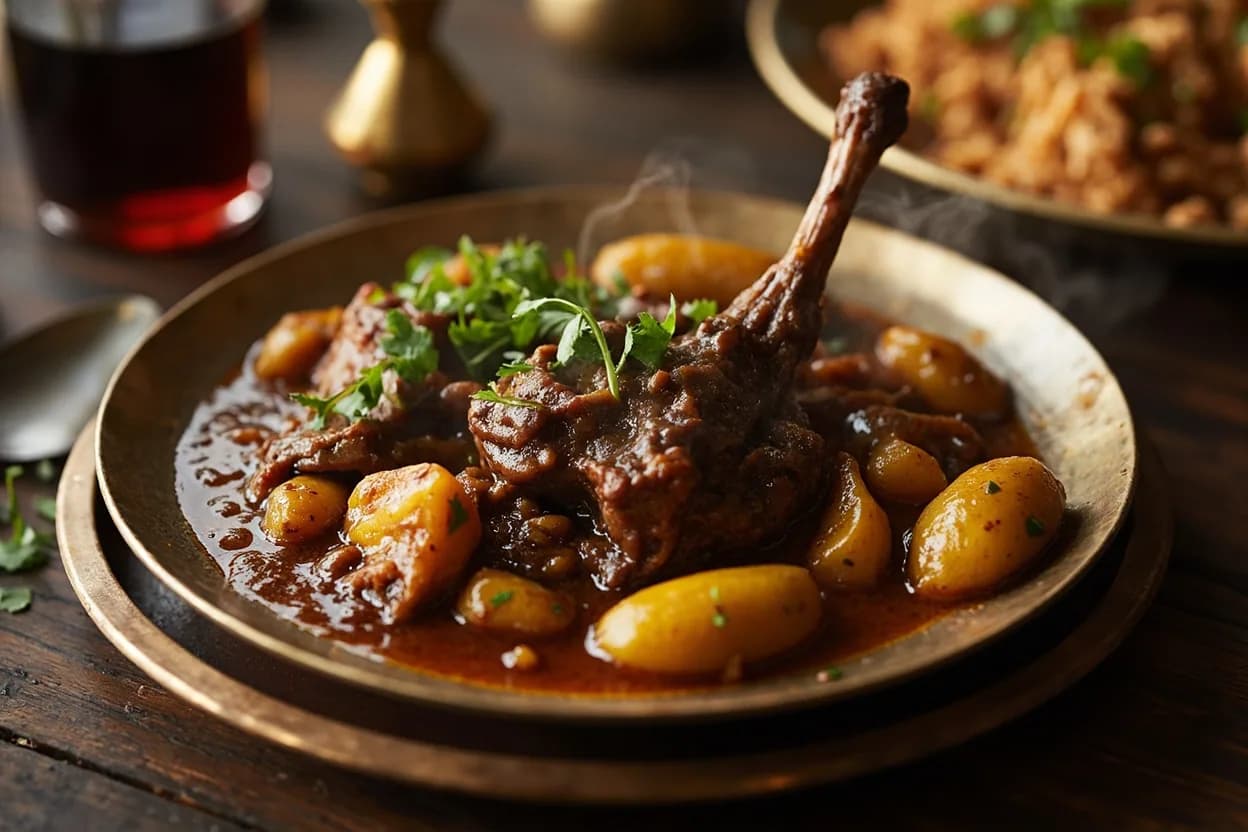
At the table
The full Mughal dastarkhwan (banquet cloth) was multi-course: shorbas, appetizer kebabs, main meat and rice preparations, accompanied breads, and sweets served with digestive elements (fennel, betel). In modern restaurants Mughlai food is presented as standard South Asian restaurant courses: starters (kebabs), mains (korma, biryani), bread, and dessert. The cuisine's home is the upscale North Indian restaurant globally.
History & context
Babur (r. 1526–1530), the first Mughal emperor, arrived from Fergana (modern Uzbekistan) bringing Timurid Central Asian tastes — lamb pilaf, melons, dried fruit — and was famously dismissive of Hindustan's food. His successors, particularly Akbar and Shah Jahan, actively sponsored culinary exchange: Persian cooks arrived with Humayun's return from Safavid exile, bringing new techniques for fruit in savory dishes, rose water, and refined nut-paste gravies. Over three generations the court synthesized a cuisine that absorbed local Indian spice complexity while retaining the Persian tradition of slow-cooked, aromatic, fat-enriched meat dishes. Shah Jahan's reign (1628–1658) is considered the golden age of Mughal gastronomy. As Mughal power fractured, court cooks dispersed to regional successors — Awadh, Hyderabad, Bhopal — where Mughlai traditions evolved into distinct regional variants still cooking today.
Regional variations
- Delhi Mughlai
Retains strong Central Asian markers — heavier use of dried fruit in meat, seekh kebabs on open flame; Old Delhi's Karim's is its most famous contemporary expression
- Awadhi (Lucknow)
Mughlai filtered through nawabi refinement; galawati kebabs, dum cooking, and kewra/rose water are taken to a more perfumed, subtle extreme
Mughlai merged with Deccani and Telugu influences; tamarind, coconut, and local spices give it a spicier, more acidic character than northern Mughlai
Related cuisines
Direct ancestor of Mughlai technique — khoresh (stewed meat), polo (pilaf), use of dried fruit and nut pastes, rose water all derive from Safavid Persian cooking
The most direct Mughlai descendant; Lucknow's nawabs refined and softened the imperial tradition after Mughal power faded
- Central Asian
Timurid Uzbek and Afghan cooking contributed pilaf structure, lamb-centeredness, and the use of dried fruit in savory dishes to the Mughal synthesis
Absorbed Mughlai techniques (butter chicken is a post-Partition commercialization of Mughlai murgh makhani) but is distinctly bolder and less court-refined
Canonical recipes
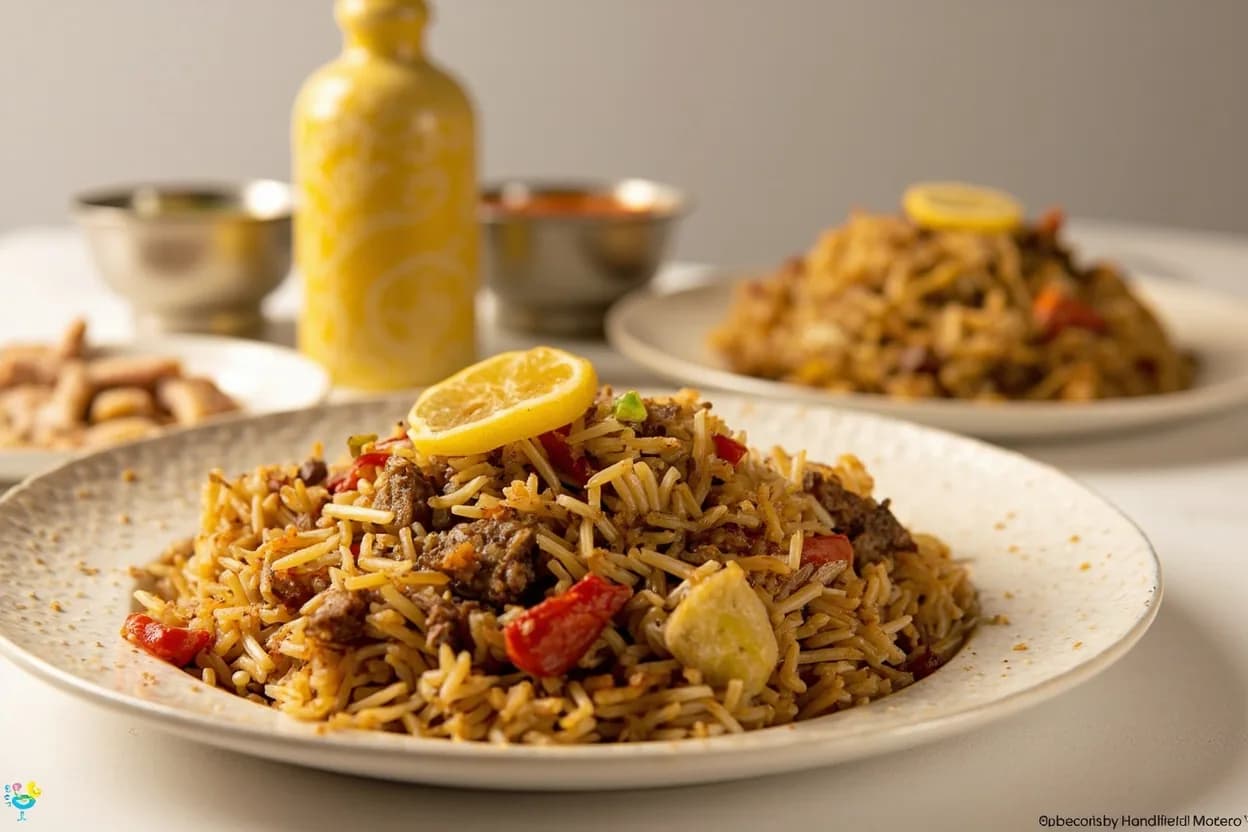
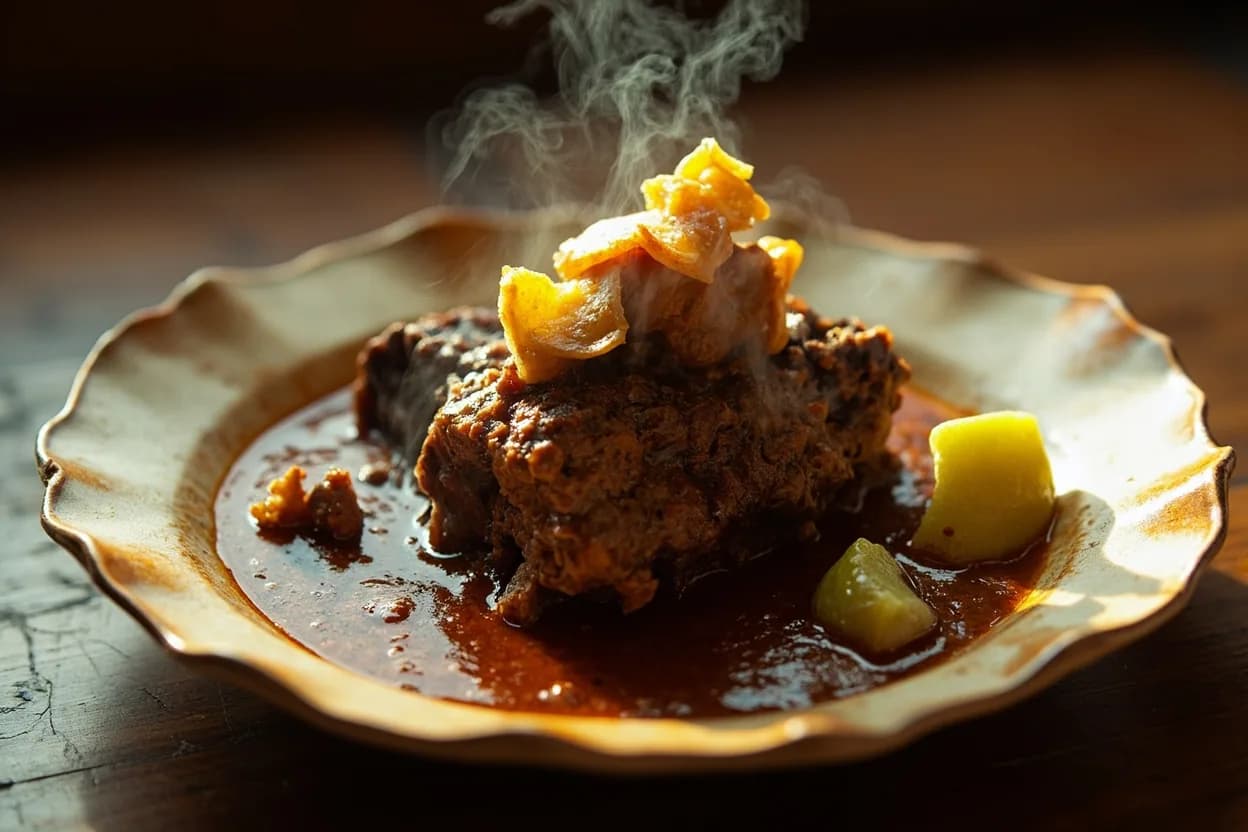
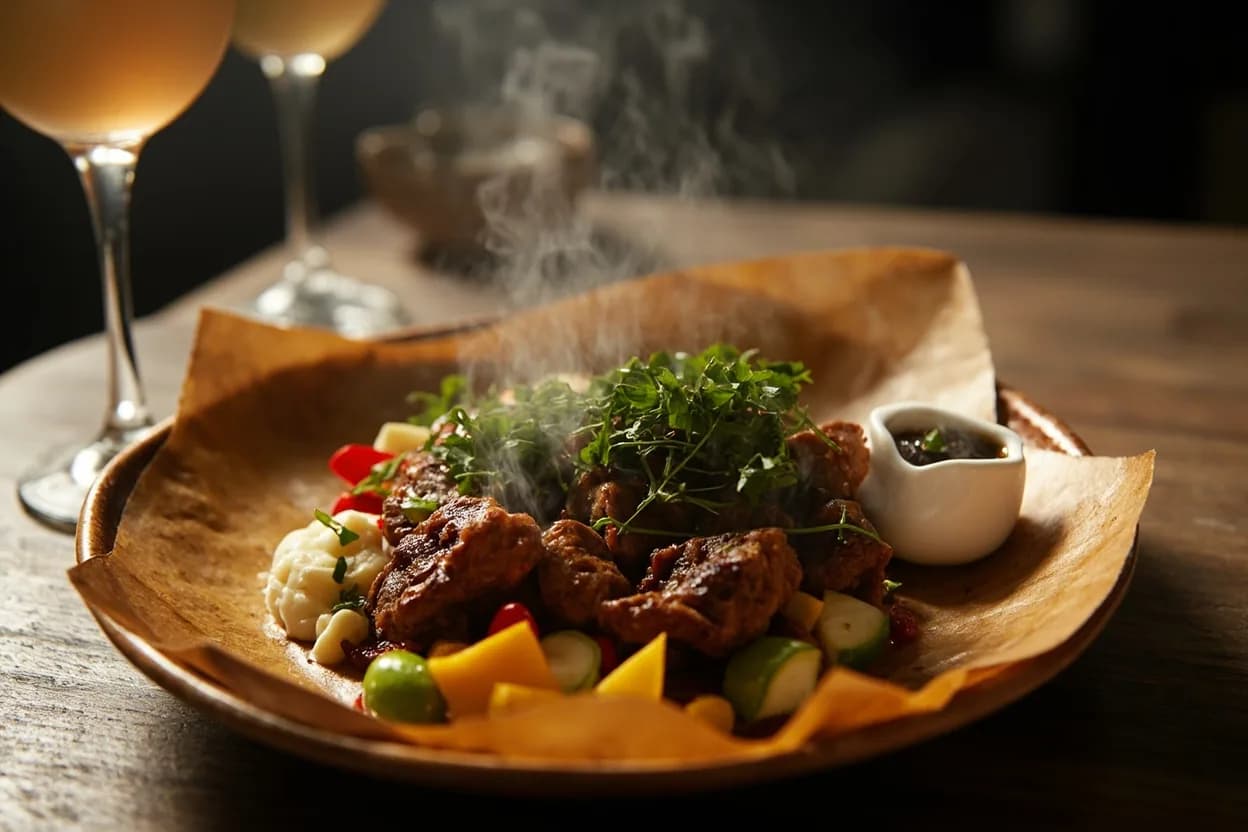
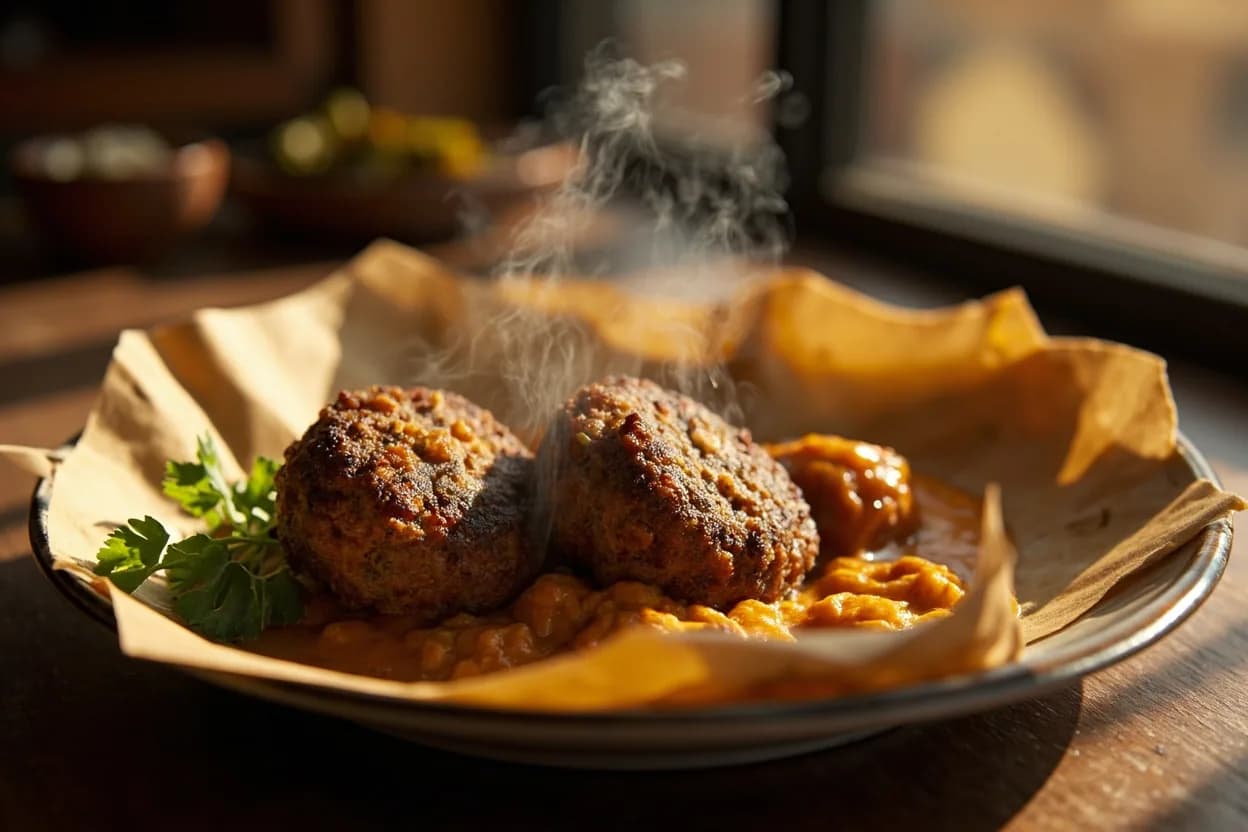
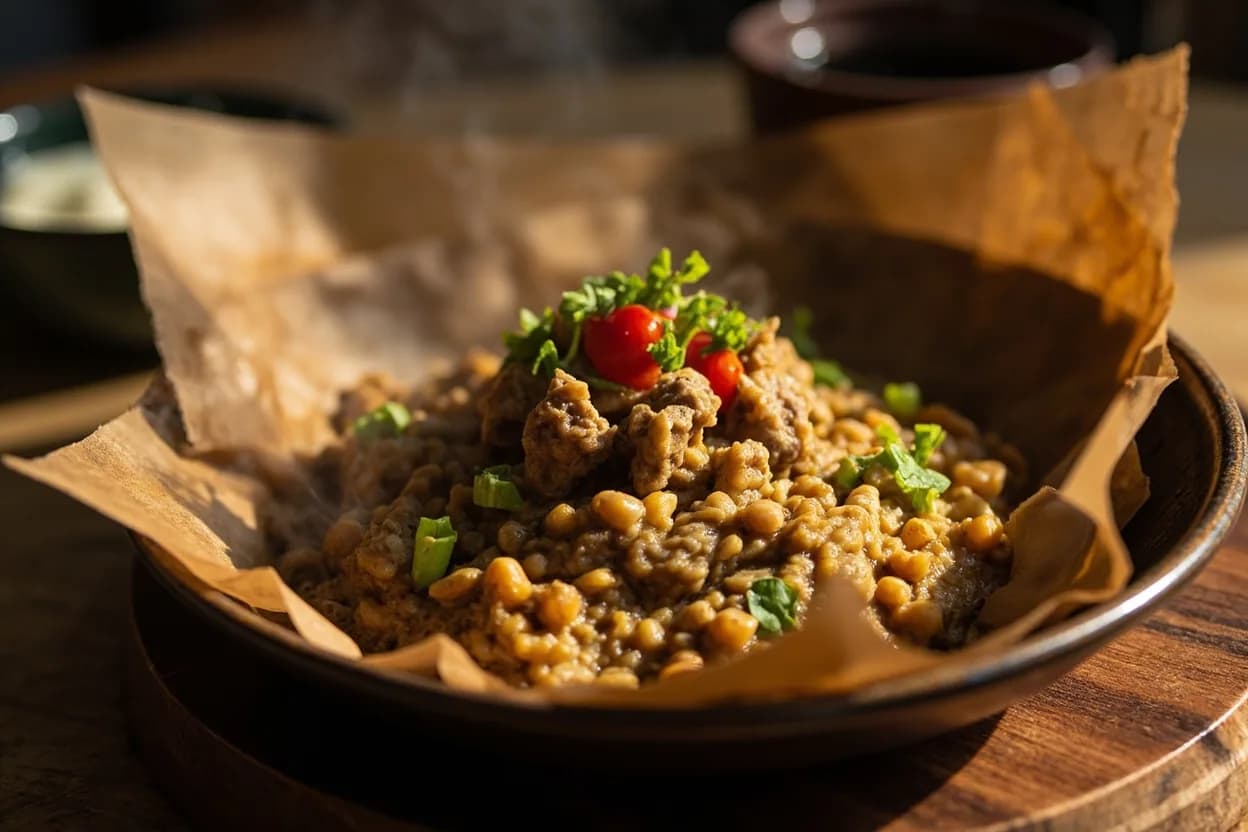
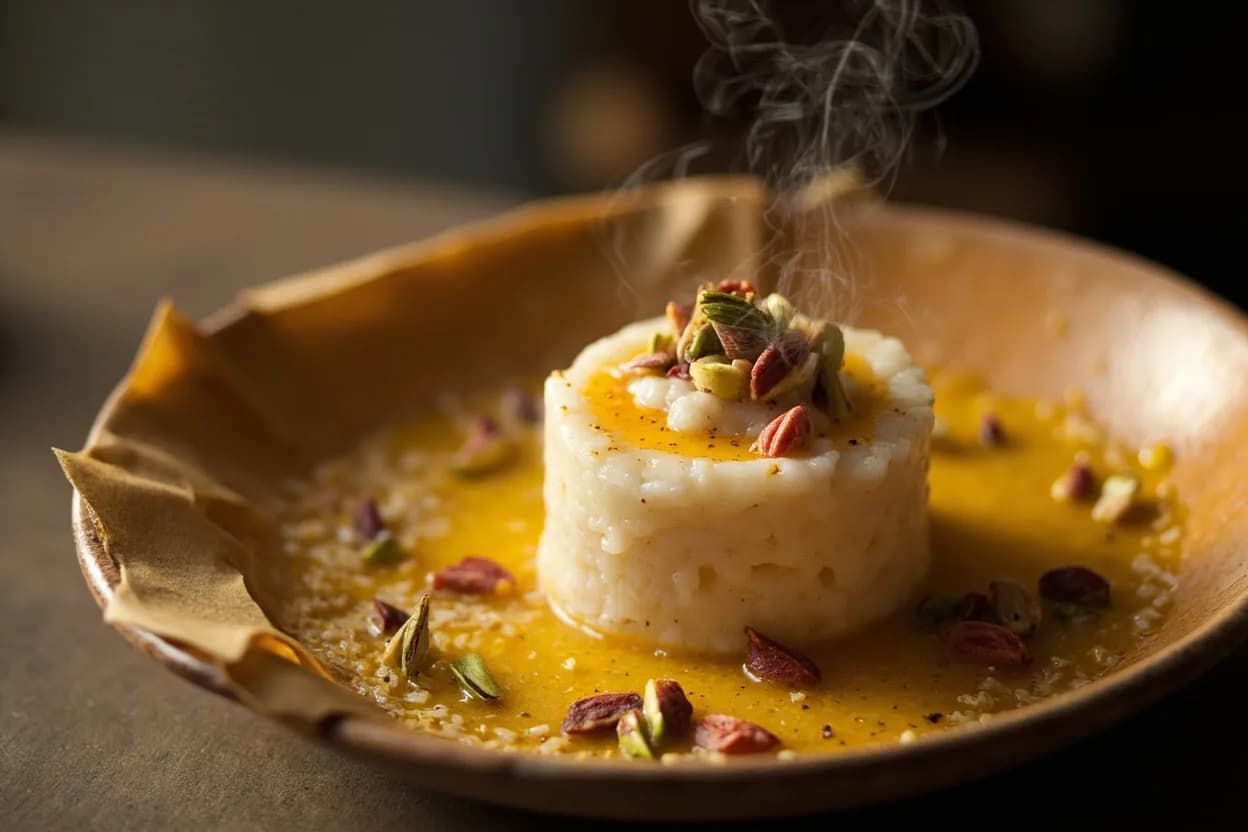
The dishes that define Mughlai, documented in the Canon.
References
- 1.Classic Indian Cooking — Julie Sahni
- 2.India: The Cookbook — Pushpesh Pant
- 3.Prashad: Cooking with Indian Masters — J. Inder Singh Kalra
- 4.Food and Drink in India — K.T. Achaya
- 5.Ain-i-Akbari (Akbar's court administration, including kitchen records) — Abu'l-Fazl ibn Mubarak, tr. Blochmann
Confidence: high
Notes
The Ain-i-Akbari kitchen records
Abu'l-Fazl's 16th-century administrative account of Akbar's court dedicates substantial sections to the royal kitchens, listing dishes, weights of spices, and kitchen organization. It is one of the earliest systematic records of any cuisine in South Asia and serves as a primary source for understanding Mughal food as court project as much as culinary tradition.
Mughlai as diaspora cuisine
Much of what the world calls 'Indian food' in diaspora contexts — particularly in the UK, where Indian restaurant culture was established by Sylheti immigrants post-WWII — is fundamentally Mughlai-derived: korma, biryani, kebab, naan. The South Indian, Bengali, and Goan traditions that are equally significant within India are dramatically underrepresented in the global diaspora menu.