Southern Europe
Neapolitan
Also: Cucina Napoletana, Naples cuisine, Cucina Partenopea
The volcanic southern city that invented wood-fired pizza, ragù napoletano, and the argument that pasta al pomodoro changed Western cooking forever.
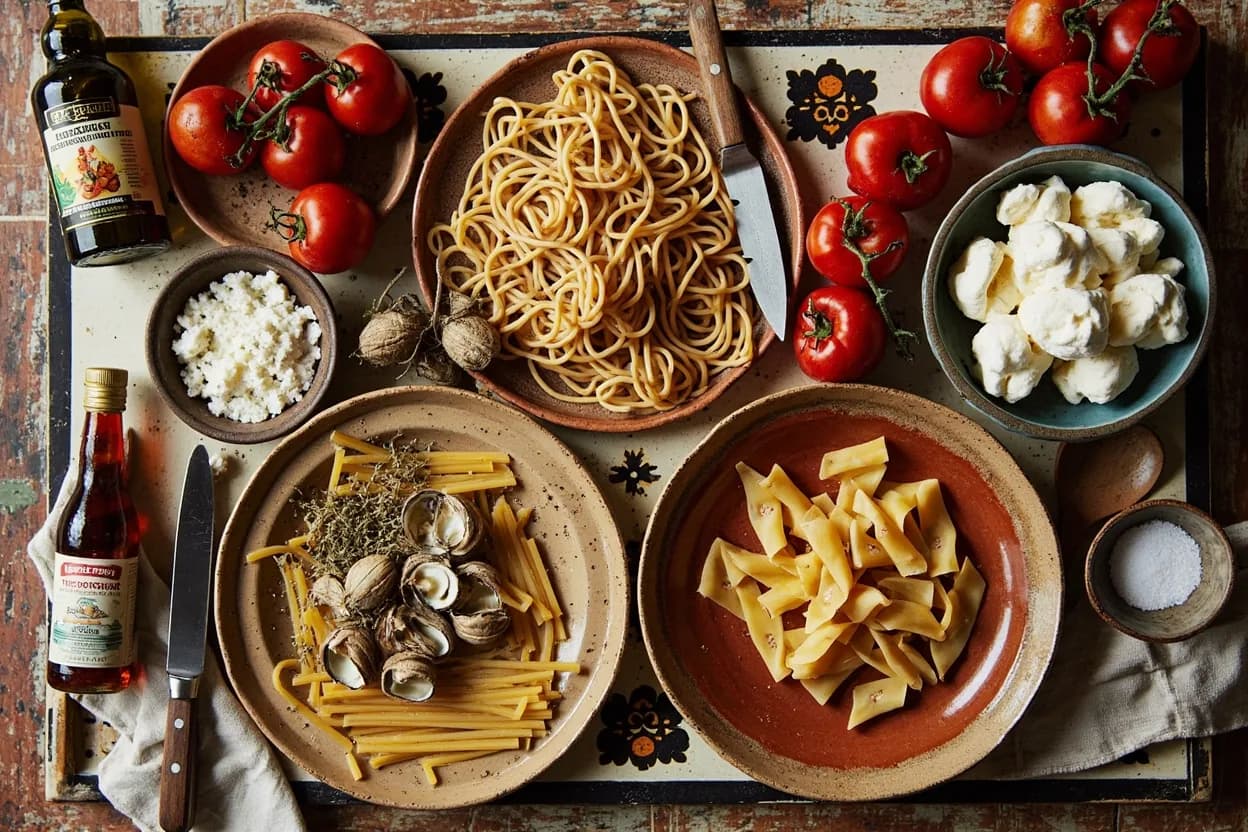
Neapolitan cuisine is the foundational dialect of southern Italian cooking — simultaneously aristocratic (timballo, sartù di riso from the French-influenced Bourbon court) and ferociously plebeian (fried street food, pizza fritta, pasta e fagioli). Its defining axis is the confrontation between the wealth of the sea — clams, mussels, octopus, anchovies — and the volcanic fertility of the Campanian plain, which produces San Marzano tomatoes, di Sarno bufala, and fior di latte that have no equal elsewhere. Naples exported the tomato sauce to the world and still polices it obsessively.
The flavour base
Soffritto of garlic in olive oil — not the onion-carrot-celery base of the north — often with a splash of dry white wine or anchovy to build depth before tomato is added. Fat is olive oil throughout; butter is a foreign interloper.
Pantry staples
Key ingredients
Signature techniques
Signature dishes
Neapolitan on the table
At the table
A traditional Neapolitan Sunday meal begins with a primo of pasta (often dressed with the ragù that has been cooking since dawn), followed by a secondo of the same meat pulled from the ragù, served with braised greens. Street food — cuoppo of mixed fried goods, pizza fritta, taralli — functions as an autonomous meal category eaten standing. Pastiera and sfogliatella are the dominant pastry register.
History & context
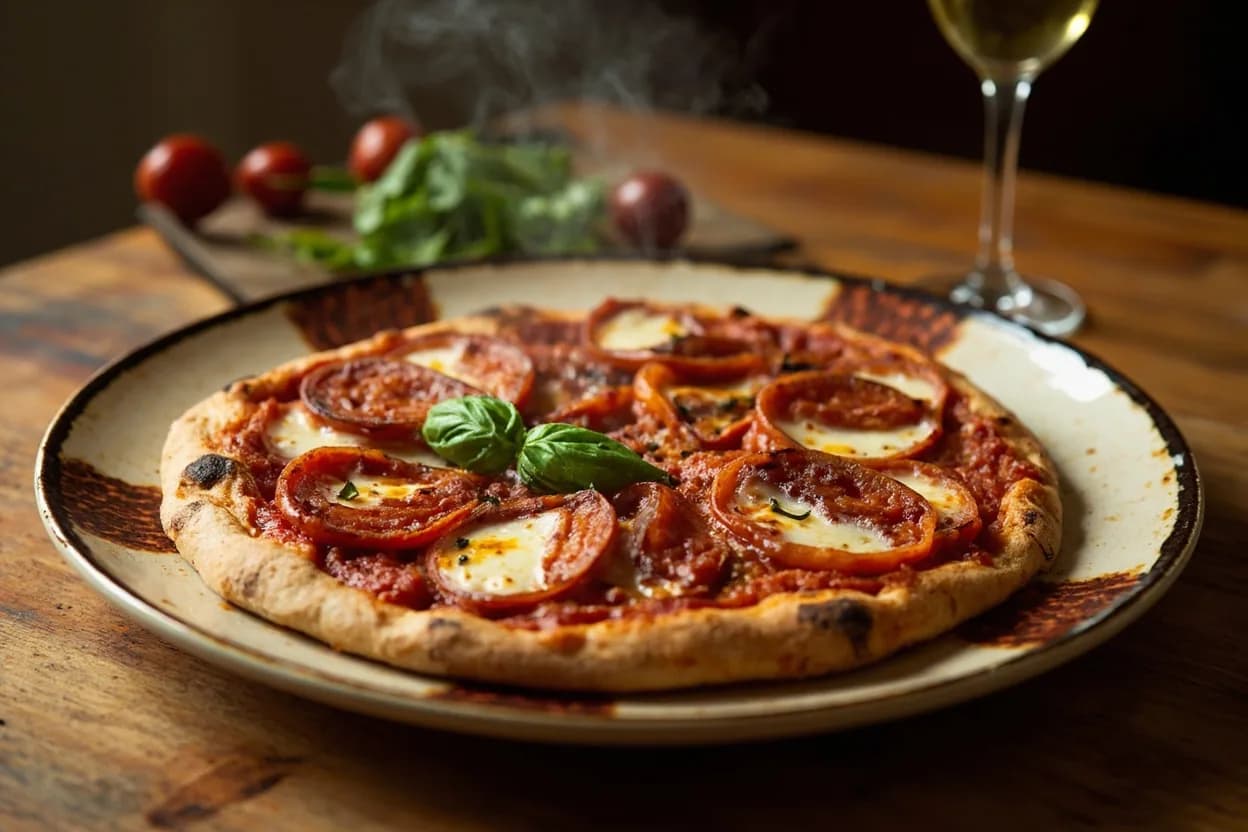
Naples was the capital of the Kingdom of the Two Sicilies and one of the largest cities in 18th-century Europe, sustaining a dual culinary tradition: the monzù (corrupt of monsieur) chefs of aristocratic households who spoke French cuisine, and the street-level cucina povera of the lazzaroni. The tomato arrived from the Americas in the 16th century and was first used medicinally before Neapolitan cooks adopted it aggressively in the 18th century. By 1830, pasta al pomodoro was documented in the city's cookbooks. The modern Neapolitan pizza was codified in the late 19th century — the Margherita name attached to Queen Margherita's 1889 visit is partly apocryphal, though the pizza style is genuine. Post-war emigration spread Neapolitan cooking to the world, often in degraded form; the Associazione Verace Pizza Napoletana (founded 1984) codified the wood-fire standard to protect authenticity.
Regional variations
- Vesuvian coast (Torre del Greco, Ercolano)
Sea urchin, frutti di mare, and Lacryma Christi wine from the volcanic slopes dominate; fish cookery is less brined, more direct.
- Caserta hinterland
Buffalo country — mozzarella eaten same-day; pork from the Casertana breed; the Bourbon palace town adds elaborate timballo traditions.
- Cilento
Mountainous southern fringe with a more austere cucina — legumes, dried figs, cacioricotta cheese, and the original Mediterranean diet research site.
Related cuisines
Shared Arab-Norman sweet-sour influence; both use raisins and pine nuts in savoury dishes.
Both are southern-Italian povera traditions, but Rome's quinto quarto and pecorino differ sharply from Naples' seafood and buffalo registers.
Shared reliance on 'nduja-style fermented pork and peperoncino across Campania's southern border.
Canonical recipes
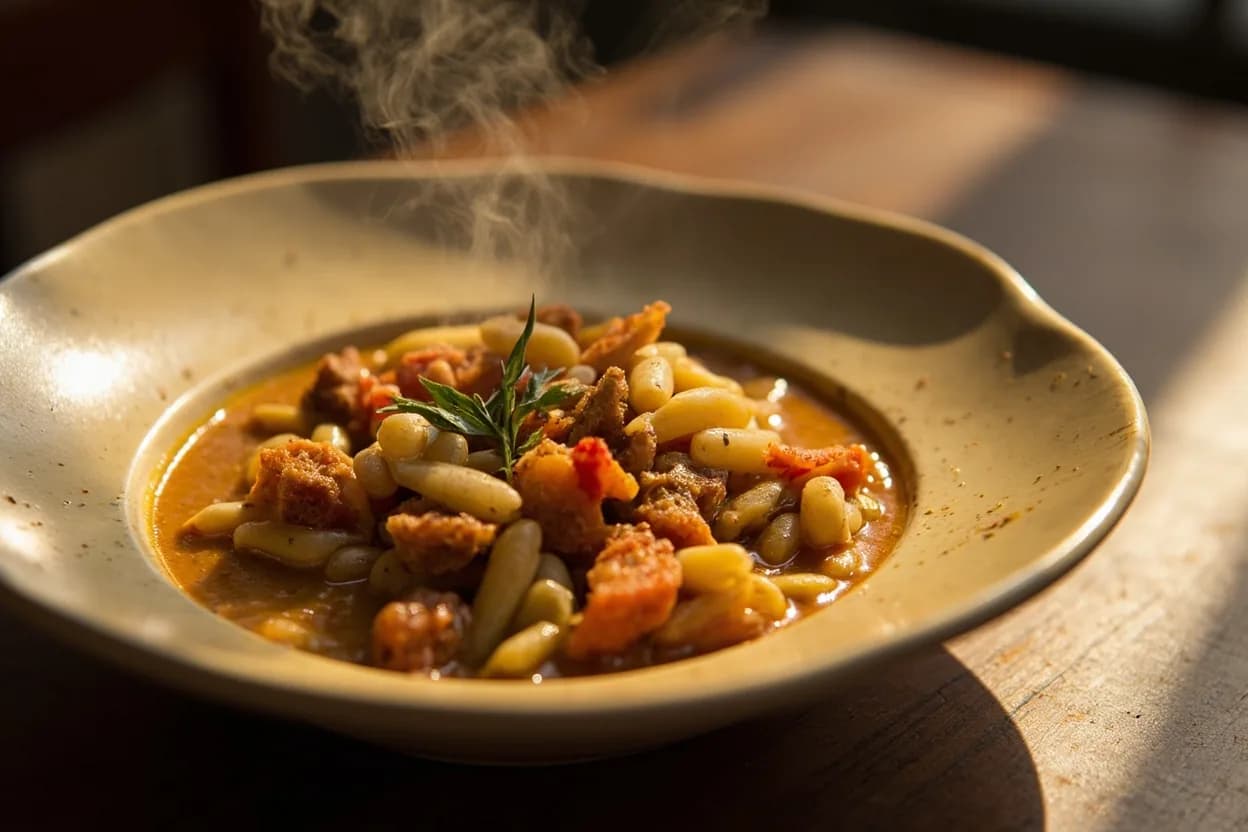
The dishes that define Neapolitan, documented in the Canon.
References
- 1.Il Cucchiaio d'Argento (The Silver Spoon) — Editoriale Domus (10th ed., 2011)
- 2.Delizia! The Epic History of Italians and Their Food — John Dickie (2008)
- 3.Naples at Table — Arthur Schwartz (1998)
- 4.Disciplinare di produzione della Specialità Tradizionale Garantita 'Pizza Napoletana' — AVPN / EU STG Reg. 97/2010
Confidence: high
Notes
The ragù debate
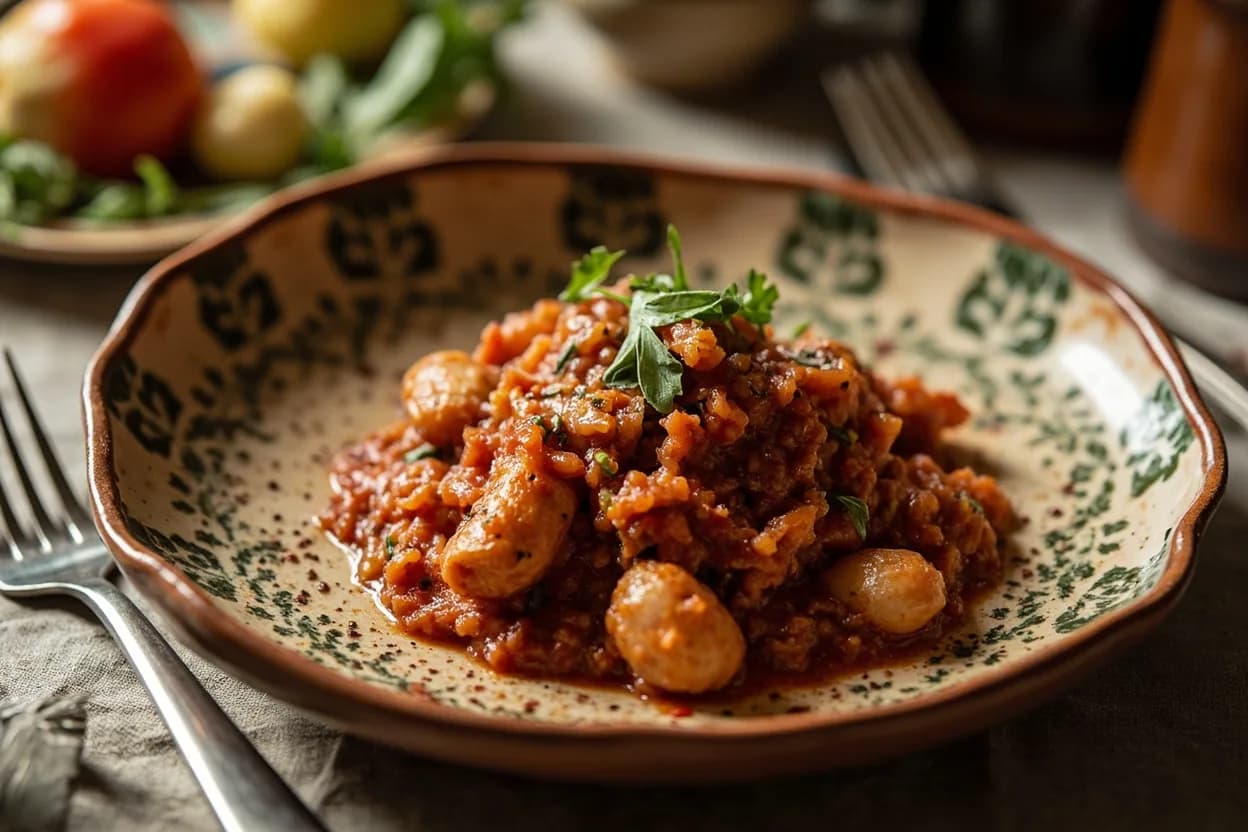
Neapolitan ragù is distinct from Bolognese: it uses whole cuts of pork (tracchiulelle ribs, braciole stuffed rolls) rather than minced meat, and a ratio of tomato that would horrify a Bolognese cook. The long cook renders the meat to sugo-absorbing tenderness while the sauce acquires a deep mahogany colour called 'pippiare' — the low simmer Neapolitans guard jealously.
Pizza STG
Neapolitan pizza has been an EU Specialità Tradizionale Garantita since 2010, with a production rulebook specifying flour type, dough hydration range, ingredient provenance, oven temperature, and baking time. The crust must char in leopard spots ('cornicione') — pallid pizza is a sign of insufficient heat or wet dough.