Southern Europe
Sicilian
Also: Cucina Siciliana, Sicily cuisine, Cucina dell'isola
The Mediterranean's most layered island cuisine — Arab sweet-and-sour, Norman luxury, Greek heritage, and North African spice fused under two millennia of conquest and sunshine.
Sicilian cuisine is the product of an extraordinary palimpsest of civilisations — Greek, Arab, Norman, Spanish, and finally Italian — each of which left a permanent structural imprint. The Arab presence (827–1072 CE) is the single most transformative: it introduced cane sugar, citrus, almonds, saffron, raisins, and the agrodolce (sweet-sour) principle that organises dishes as diverse as caponata and pesce in saor. The Greek inheritance persists in the olive, wheat, and vine monoculture of the interior. Norman luxury survives in the baroque confectionery (cassata, marzipan) that 18th-century convents transformed into art. The result is a cuisine of dramatic contrasts — fish and dried fruit together, saffron in a ragù, crunchy breadcrumbs where the mainland uses cheese.
The flavour base
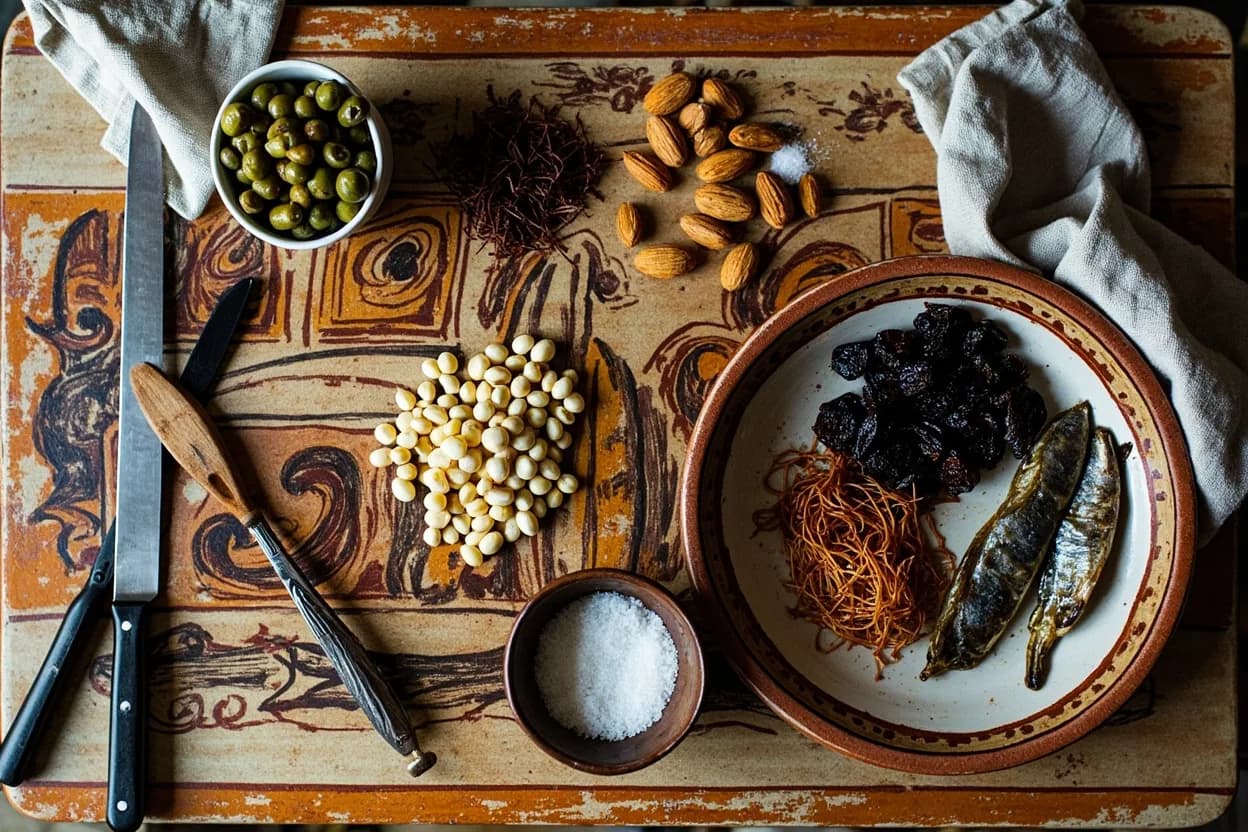
Agrodolce (sweet-sour) built from vinegar and sugar, anchored by capers, olives, and pine nuts, and brightened with raisins. Saffron and cinnamon appear in savoury contexts; wild fennel scents the definitive pasta.
Pantry staples
Key ingredients
Signature techniques
Signature dishes
Sicilian on the table
At the table
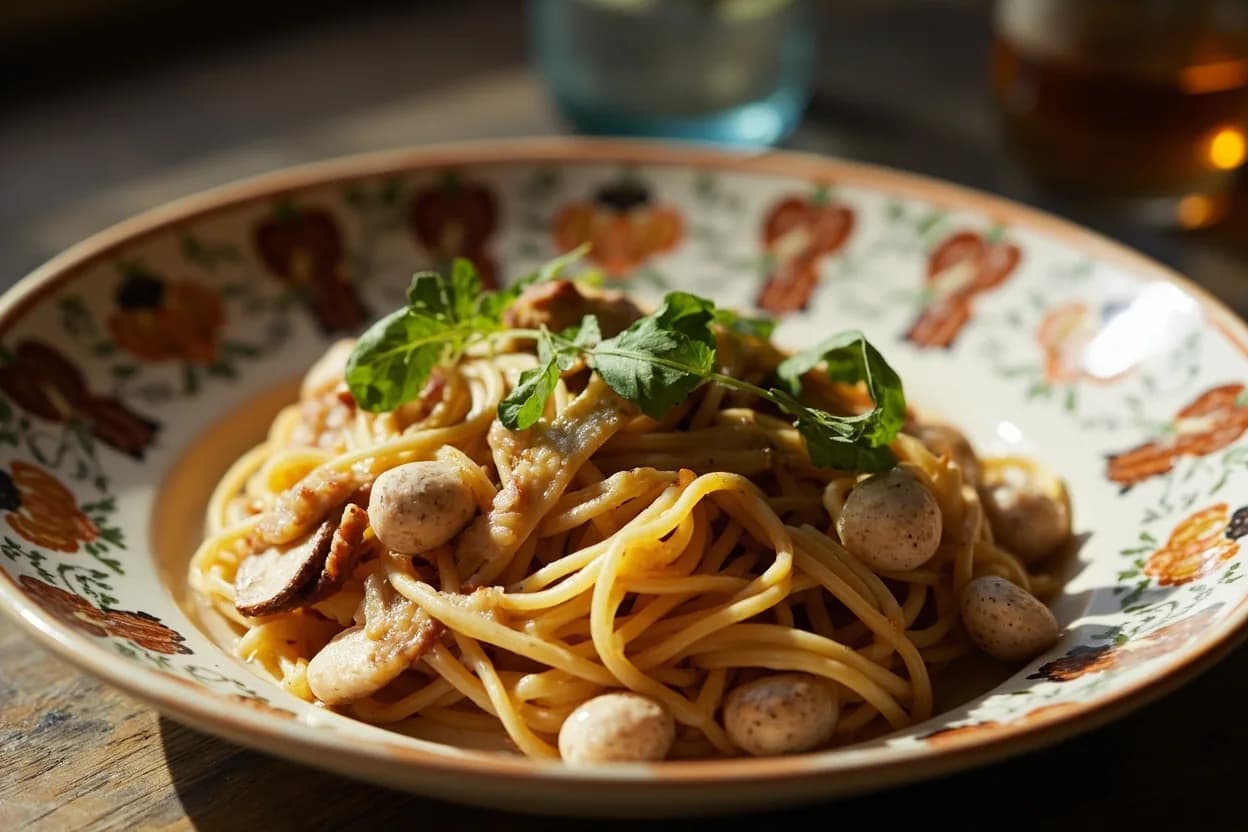
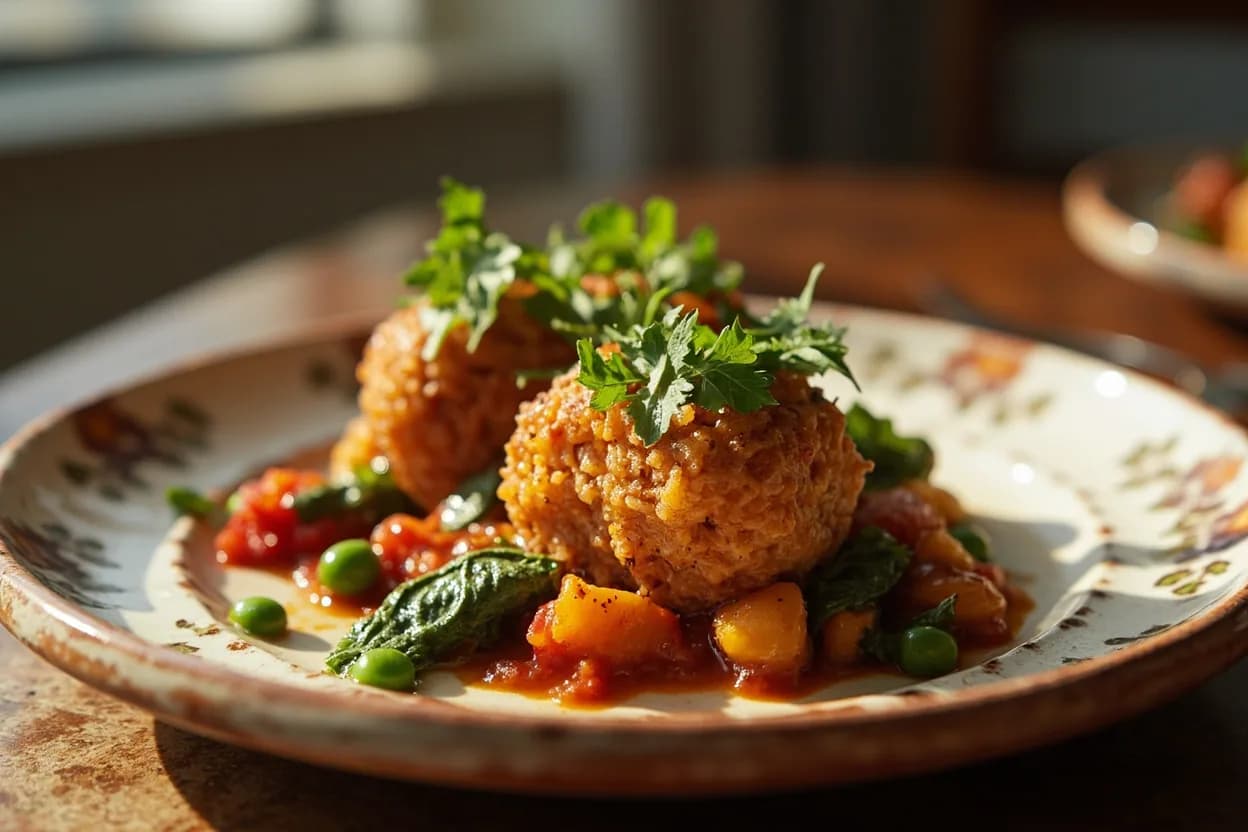
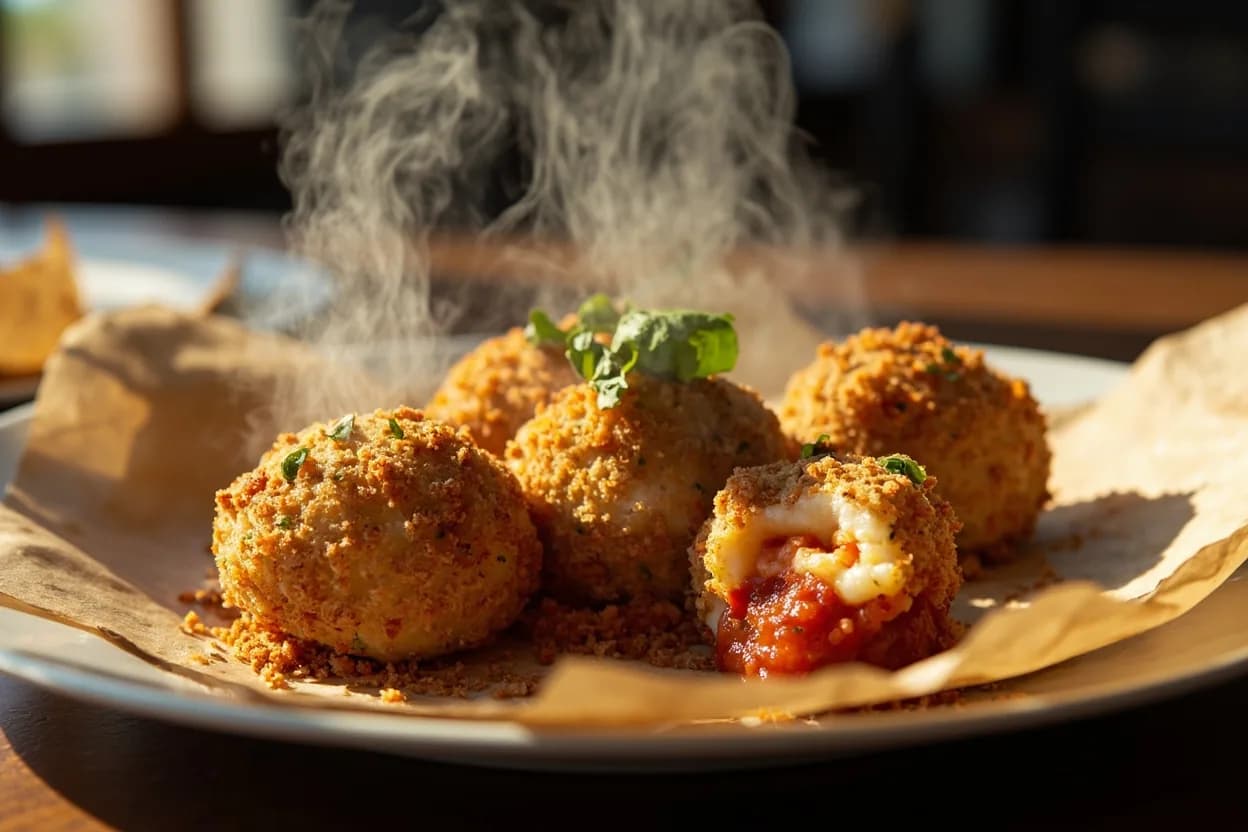
Street food functions as a full culinary register in Sicily — arancini, pane cunzatu, panelle (chickpea fritters), and stigghiola are meals, not snacks. Formal meals follow a Southern Italian arc: antipasto of preserved fish or vegetables, pasta primo, a fish or meat secondo, then fruit or a single elaborate pastry. The Sicilian table rarely separates sweet from savoury at the conceptual level — raisins appear in savoury mains, and a granita with brioche is a legitimate breakfast.
History & context
Sicily's culinary history is inseparable from its political history as the most-contested island in the Mediterranean. Greek colonists planted the first wheat fields and olive groves in the 8th century BCE. Arab governors (827–1072) introduced irrigation, expanded the citrus orchards, brought sugarcane, and established the conceptual framework of combining sweet, sour, and savoury that still organises Sicilian cooking. Norman rulers (post-1072) imported the French tradition of luxury saucing and set the template for baroque convent pastry. Spanish rule (1500s–1700s) introduced chocolate and new-world tomatoes; the chocolate was immediately routed to Modica, where it is still made without conching. Italian unification in 1861 brought economic marginalisation that accelerated emigration — and exported Sicilian-American cooking to the United States — while preserving an insular authenticity at home.
Regional variations
- Palermo
Street food capital: sfincione (thick Sicilian pizza with onions and anchovies), pani ca' meusa (spleen sandwich), frittola, arancine (feminine in Palermo, masculine arancini elsewhere).
- Catania
Arancino (masculine) with meat ragù or butter-and-ham; pasta alla Norma (the canonical eggplant-tomato-ricotta salata combination named for Bellini's opera).
- Trapani
North African proximity is strongest here: pesto alla trapanese (almonds, not pine nuts; raw tomato); cous cous di pesce is a local first course, a direct inheritance from Tunisian proximity.
- Modica
Chocolate made without added fat or milk, in the pre-conching Mesoamerican style; the only extant European tradition of cold-process chocolate.
Related cuisines
Shared Arab-Norman influence; Neapolitan ragù and Sicilian slow braises share structural DNA.
- Tunisian
Trapanese couscous di pesce and North African harissa tradition are direct Maghrebi inheritances.
- Greek
The island's original wheat, olive, and vine culture descends from Magna Graecia settlements.
Canonical recipes
The dishes that define Sicilian, documented in the Canon.
References
- 1.Sicilian Food — Mary Taylor Simeti (1989)
- 2.Pomp and Sustenance: Twenty-Five Centuries of Sicilian Food — Mary Taylor Simeti (1991)
- 3.The Leopard — Giuseppe Tomasi di Lampedusa (1958, for gastronomy-as-culture context)
- 4.Il Cucchiaio d'Argento — Editoriale Domus (10th ed., 2011)
Confidence: high
Notes
Pangrattato over Parmigiano
The substitution of toasted breadcrumbs for grated cheese on pasta is called 'muddica atturrata' in Sicilian dialect and 'pan del povero' (poor man's cheese) in Italian. Its persistence in a wealthy modern island is a point of pride — the textural difference from cheese is entirely intentional, especially on oily fish pasta.
Cassata vs. cannoli
Both are products of the Arab-Norman convent tradition. Cassata uses ricotta sweetened with cane sugar (Arab) encased in marzipan (Arab almond paste) under royal icing — a Norman luxury application. Cannoli shells are fried in lard and filled with sweetened sheep's-milk ricotta; their Carnevale origin predates the Arab period and represents one of the few pre-Islamic Sicilian pastry traditions.