East Asia
Sichuan (Chuancai)
Also: Szechuan, Szechwan, 川菜 (Chuāncài), Sichuan cuisine
China's most internationally copied and least accurately reproduced cuisine — a system of 24 canonical flavors built on the paradox of numbness, heat, and extraordinary delicacy.
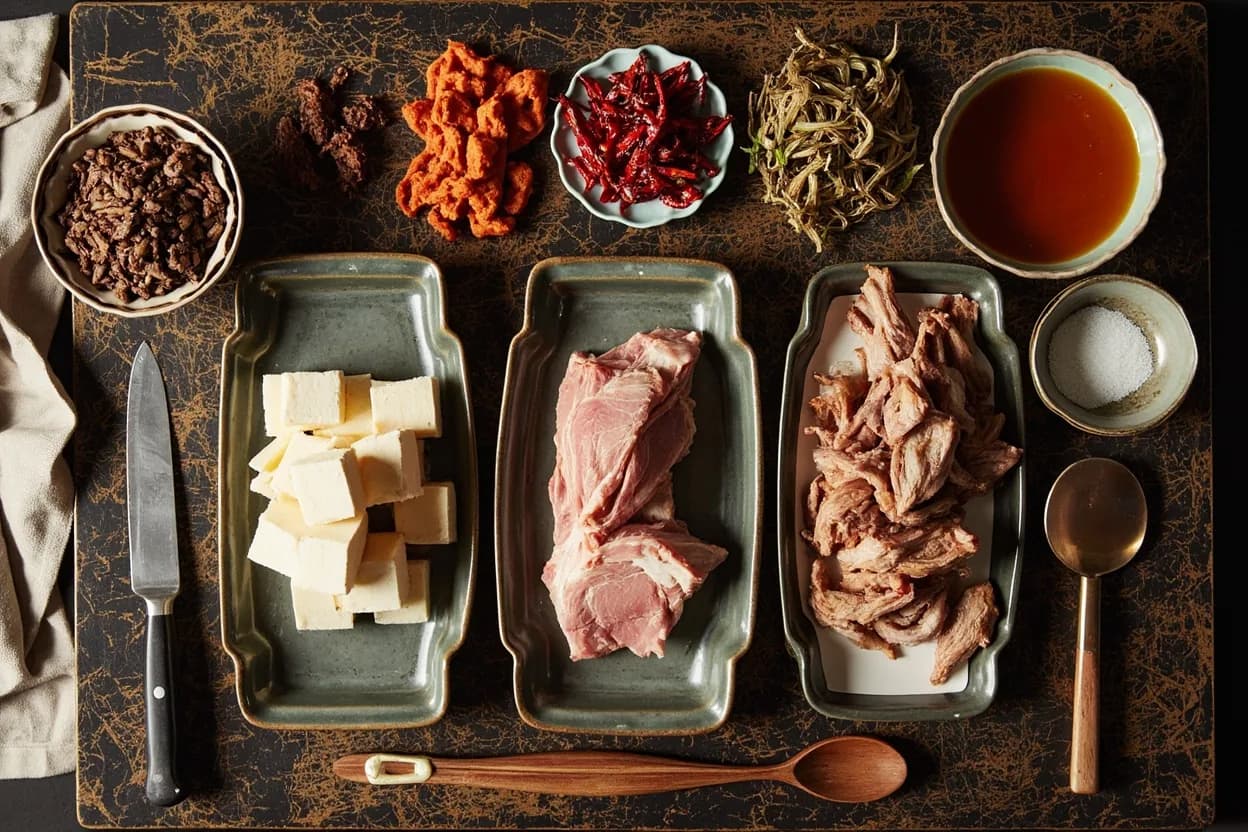
Sichuan cuisine (川菜, Chuāncài) is the cooking tradition of Sichuan province in southwestern China, including the Chongqing municipality. It is defined by its command of the málà (麻辣, 'numbing-spicy') flavor principle — the combination of Sichuan peppercorn's mouth-numbing hydroxy-alpha-sanshool with the heat of dried chillies — but this is only one of 24 officially recognized flavor profiles in the Sichuan culinary canon. The cuisine encompasses subtle vinegar fish, garlic-cloud rabbit, clear-steamed vegetables, and courtly 'palace cuisine' alongside its fiery signature dishes. Fermentation is central: doubanjiang (fermented broad bean chilli paste from Pixian), paocai pickles, and fermented black beans underpin the cuisine's complexity.
The flavour base
Doubanjiang from Pixian is the heartland paste — fermented broad beans and chillies aged in clay jars, providing deep savoury-spicy-umami depth. It is paired with Sichuan peppercorn (花椒, huājiāo) in virtually every canonical málà preparation. Dried chillies (er jing tiao and heaven-facing varieties), garlic, ginger, and scallion form the aromatic foundation. Broad categories of Sichuan flavor include: málà (numbing-spicy), yúxiāng (fish-fragrant: ginger, garlic, pickled chilli, scallion, sugar, vinegar — no fish), guaiwei (strange flavor: sesame paste, chilli oil, soy, vinegar, sugar, Sichuan pepper combined), suāncài (sour-preserved vegetables), and jiāomá (pepper-numbing purity).
Pantry staples
Key ingredients
Signature techniques
Signature dishes
Sichuan (Chuancai) on the table
At the table
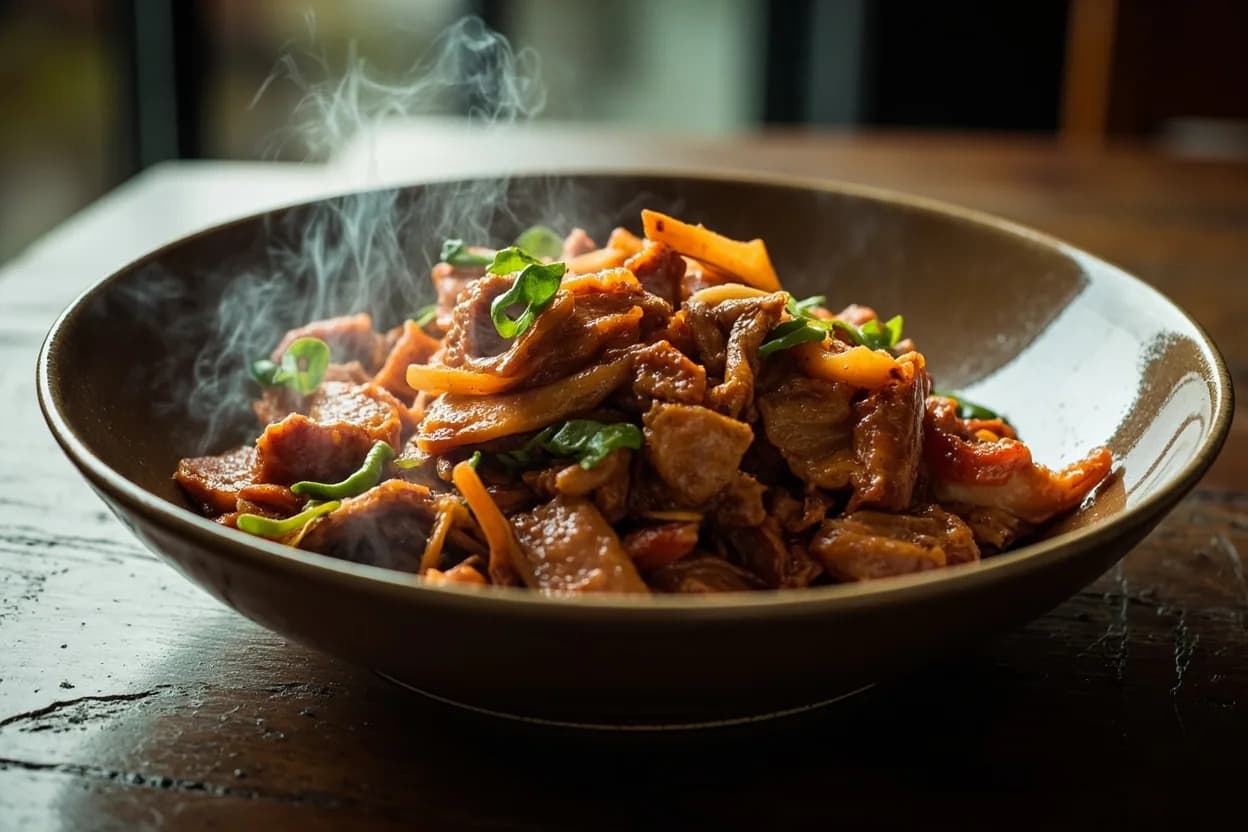
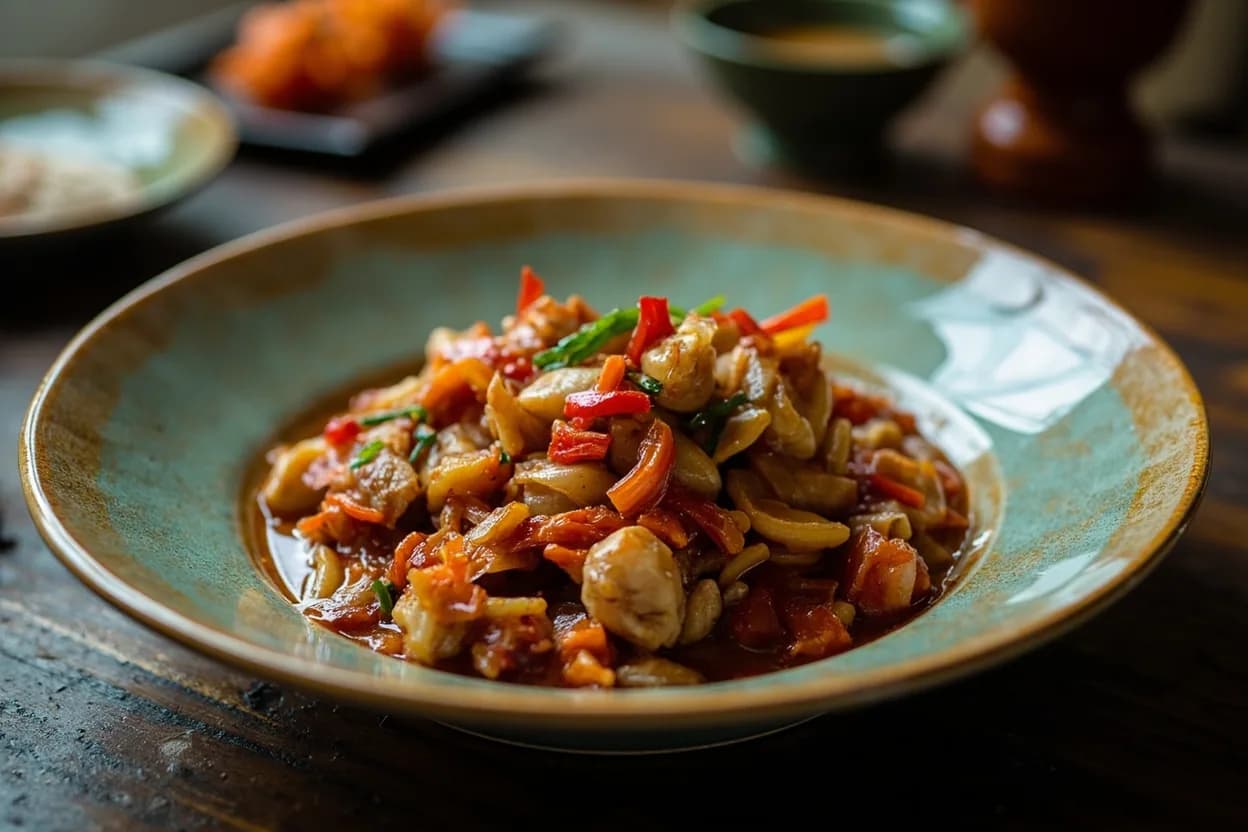
A Sichuan family meal follows the Chinese communal model — rice or noodles as the staple, multiple shared dishes — but deliberately balances málà with 'cooling' preparations. A meal might include mapo tofu (hot), a vinegar-dressed cold dish, a mild broth, stir-fried greens, and a fermented pickle — the heat is calibrated within the meal's composition, not maximized. Sichuan hot pot is an event meal: the divided 'mandarin duck' pot (鴛鴦鍋) with one málà and one clear broth half allows guests to self-regulate spice intensity.
History & context
Sichuan's geographic isolation — the province is ringed by mountains, accessible historically only through river gorges — produced a distinctive regional identity. Chillies arrived from the Americas via maritime trade routes in the 17th century and were rapidly adopted by Sichuan cooks who had already been using Sichuan pepper for numbness. The combination of New World heat with native numbing peppercorn produced the málà paradigm within roughly two generations. The Qing dynasty's post-conflict repopulation of depopulated Sichuan in the 18th century (the Huguang Fill Sichuan migration) brought diverse Han cooking traditions that merged with existing Sichuan practices. The cuisine was formally codified in the Republican era, with Chengdu's culinary institutions defining the 24 flavor profiles and the teaching canon. International awareness exploded after 2000 as China's economic opening brought Sichuan restaurants to global cities; a second wave in the 2010s introduced authentic málà — as opposed to earlier 'Szechuan' imitations using dried red pepper without the peppercorn.
Regional variations
- Chengdu
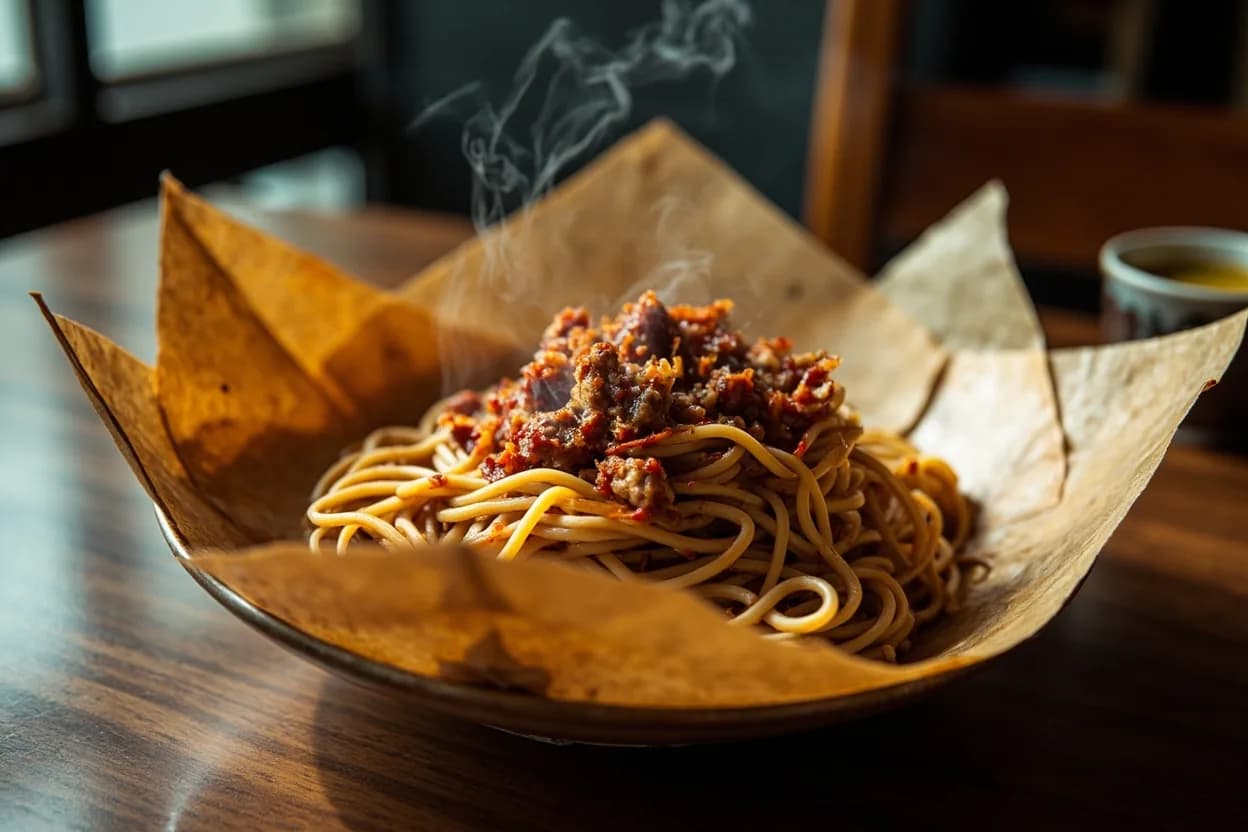
The classical capital of Chuancai: refined snack foods (小吃, xiǎo chī), cold dressings, dan dan noodles at streetside stalls; more emphasis on the 24-flavor complexity than pure heat.
- Chongqing
Bolder, oilier, fiercer than Chengdu: Chongqing hot pot uses significantly more chilli and oil; mala xiang guo (dry pot) was born here; the cuisine's heat-maximising reputation is largely Chongqing's.
- Zigong (Salt Capital)
Sichuan's historic salt-producing city developed a distinct sub-tradition: cold rabbit dishes (兔丁), saltier preparations, and the famous 'cold eating rabbit' (冷吃兔) — a dry-fried, soy-marinated rabbit now eaten across China.
- Leshan
Heavy influence of Buddhist vegetarian cooking from Mount Emei; vegetarian Sichuan dishes (素食川菜) are more developed here, with doubanjiang-free versions of signature dishes.
Related cuisines
- Hunan (Xiāng Cuisine)
The other great chilli cuisine of China; Hunan is more straightforwardly hot without the numbing effect, and relies more on fresh chilli and preserved meats (腊味).
- Yunnan Cuisine
Neighboring southwestern province; shares some dried chilli vocabulary but is less fermentation-dependent and integrates minority ethnic cooking traditions (Dai, Yi, Bai) absent in Sichuan.
- Guizhou Cuisine
Overlaps with Sichuan in málà sensibility but prioritises sourness (suān) alongside heat; sour soup fish and pickled vegetable dishes are anchors.
The contrasting pole in Chinese regional cooking — delicate, ingredient-focused, minimal spice — against which Sichuan's boldness is usually measured.
Canonical recipes
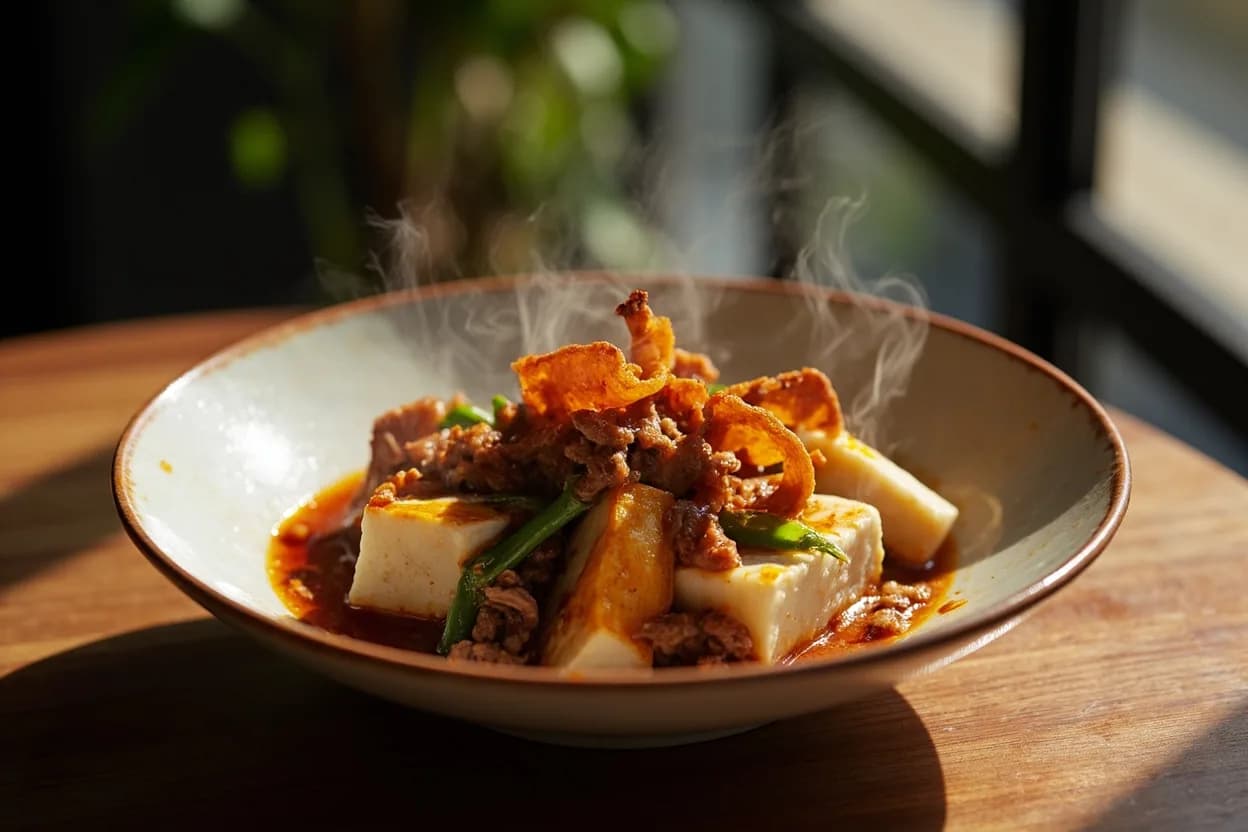
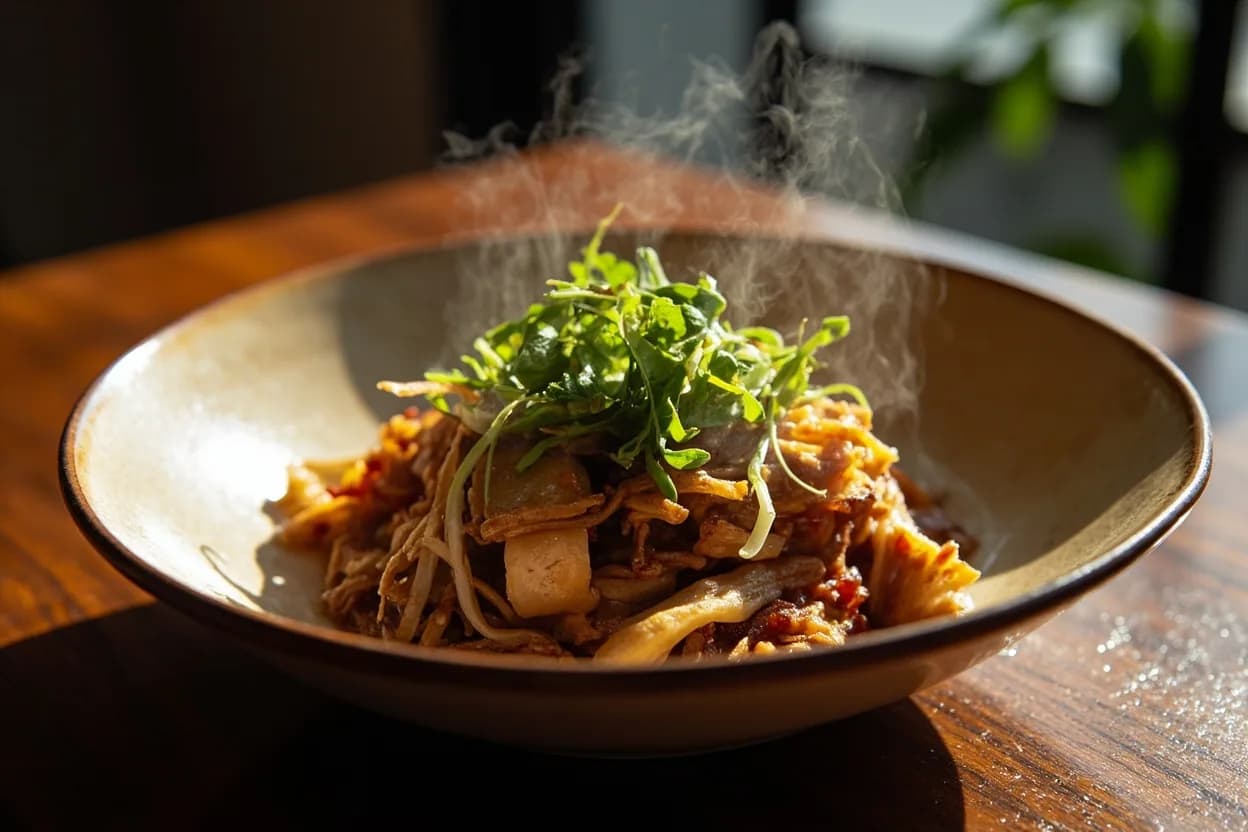
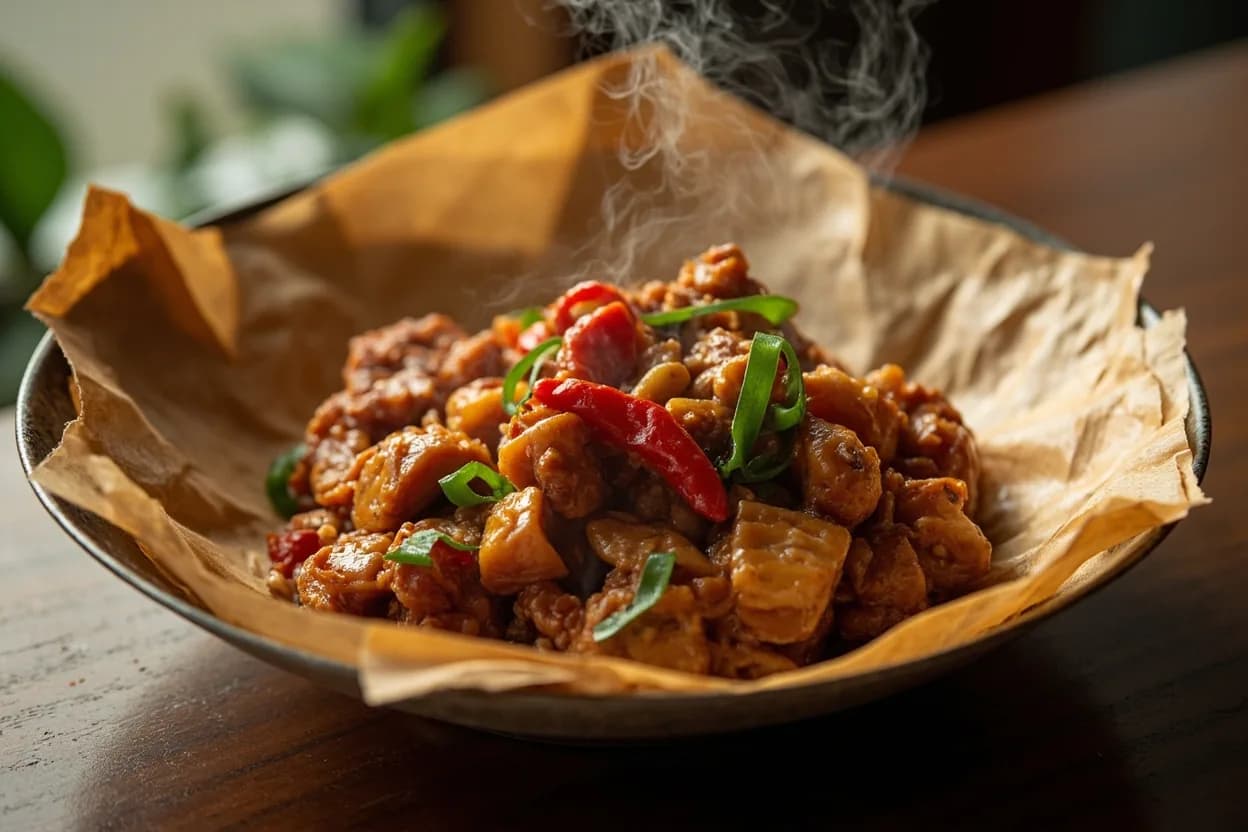
The dishes that define Sichuan (Chuancai), documented in the Canon.
References
- 1.Land of Plenty: A Treasury of Authentic Sichuan Cooking — Fuchsia Dunlop
- 2.The Food of Sichuan — Fuchsia Dunlop
- 3.All Under Heaven: Recipes from the 35 Cuisines of China — Carolyn Phillips
- 4.Sichuan Cookery — Yan-Kit So
- 5.Chinese Gastronomy — Hsiang Ju Lin and Tsuifeng Lin
Confidence: high
Notes
Málà Is a System, Not a Dish
The commonly held view that Sichuan food equals spicy food misses the point. Málà is one of 24 distinct flavor profiles codified in the official Sichuan culinary canon. The same cuisine produces dishes of extraordinary restraint — yúxiāng preparations that balance garlic, vinegar, and sugar without a gram of chilli — and the cold-dressed rabbit dishes of Chengdu that deploy Sichuan pepper without heat at all. Sichuan food is a system of flavor contrast, not a single register.
Doubanjiang: The Soul Paste
Pixian doubanjiang, produced in Pixian county outside Chengdu, is the fermented broad bean and chilli paste aged in clay jars under the sun, turned daily, for a minimum of one year (premium grades: 3–5 years). The paste's color, depth, and salt content shift dramatically with age. Sichuan chefs are opinionated about which vintage of Pixian doubanjiang is appropriate for which dish — it functions in Sichuan cooking as wine does in French: an ingredient whose specificity matters enormously.