Spices
Sichuan Peppercorn
Citrusy husk that creates a signature tingling, numbing buzz in Sichuan cooking.
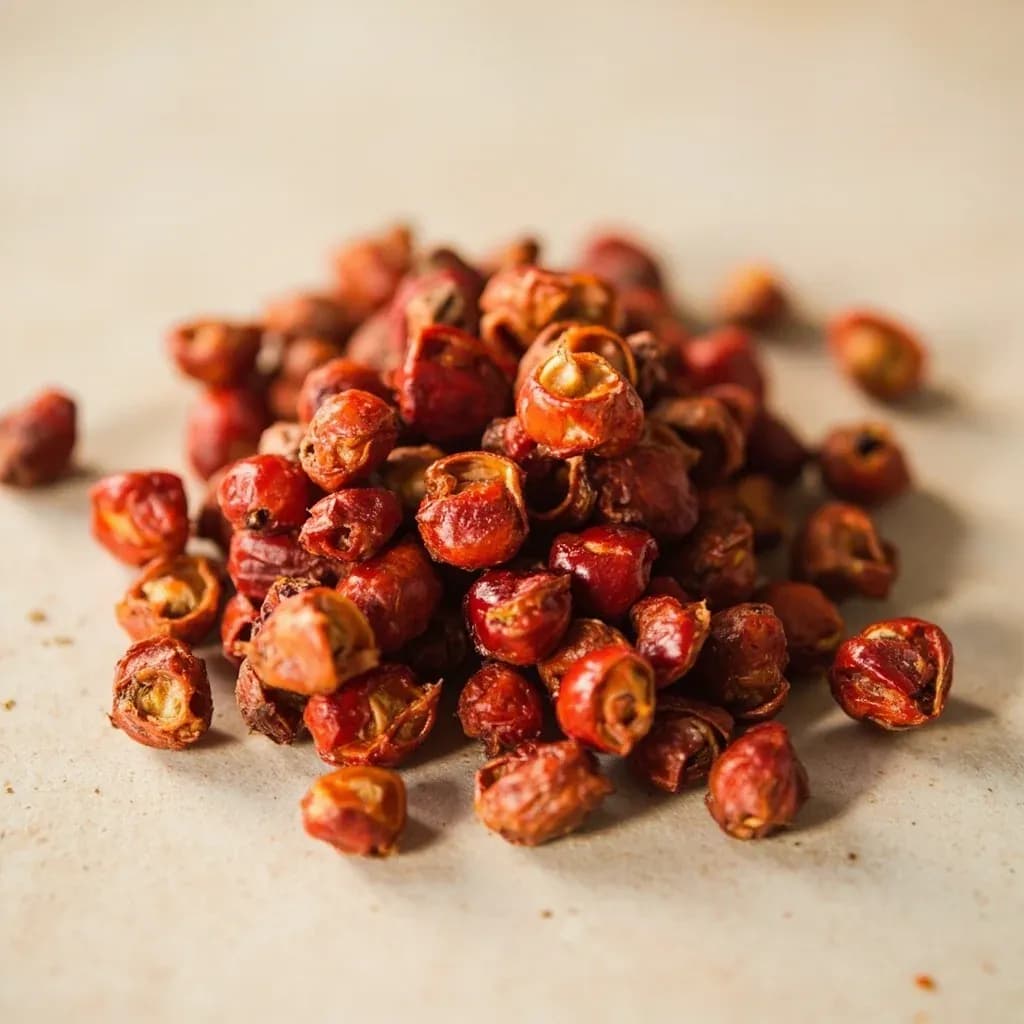
Sichuan peppercorn is the dried husk of a prickly ash berry, with a citrusy aroma and a unique tingling, numbing sensation on the tongue called mala. It is essential to Sichuan cuisine, paired with chili in dishes like mapo tofu and dan dan noodles. Toast and grind the husks for the brightest aroma, discarding any black seeds.
Sichuan peppercorn is the dried outer husk of the prickly ash tree (Zanthoxylum bungeanum and related species)—not a true pepper from the Piper nigrum family. What makes it irreplaceable in Sichuan cooking is hydroxy-alpha-sanshool, an active compound that triggers a distinctive tingling and temporary numbing sensation on the lips and tongue. This sensation, known as má (麻), combines with the heat of chilies to create the region's signature "mala" balance—numbing-spicy—and is unlike anything produced by other spices.
The peppercorns are harvested in late summer to early autumn, cleaned, and dried whole. The inner black seed is hard and gritty and should always be discarded; only the outer husk delivers the fragrance and numbing quality. Sichuan peppercorns require heat to release their essential oils—either dry-toasting in a wok or blooming briefly in hot oil. Without this step, they taste raw and grassy. Whole peppercorns keep for one to two years sealed in an airtight container away from heat, but ground peppercorns lose potency within weeks, which is why grinding fresh as needed is always preferable.
Quality varies enormously. Hanyuan County in Sichuan is considered the premier growing region; its peppercorns are prized for deep red color, intense fragrance, and potent numbing effect. When purchasing, seek whole peppercorns with vibrant color and a strong citrusy aroma—pre-ground versions are rarely worth buying. The US import ban on whole Sichuan peppercorns, lifted in 2005, was an agricultural quarantine measure, not a safety concern; the spice is entirely safe in culinary quantities.
- Measured in
- g
- Storage
- Pantry
Types & varieties
From Zanthoxylum bungeanum. Bright burgundy-red, intensely numbing; the most widely used type in Sichuan cooking.
From Zanthoxylum schinifolium or Zanthoxylum simulans. Fresher, brighter citrus aroma with less numbing intensity; also called 'flower pepper.' Preferred in southwestern Sichuan and Yunnan cuisines.
A premium red variety from Hanyuan County, Sichuan. Prized for strong fragrance, deep red color, and potent mouth-numbing quality. Often cited as the benchmark for quality.
A red type noted for particularly strong numbing (ma) sensation; the name literally means 'numbing peppercorn.'
Picked immature before drying; softer texture, intensely herbal and citrus. Available seasonally in some Asian markets; must be used within days of purchase.
The Mala Principle
Sichuan cuisine revolves around the balance of má (麻, numbing) and là (辣, spicy). Sichuan peppercorns alone deliver the numbing quality, but the full mala effect requires pairing them with dried Sichuan chilies—typically málà varieties like erjingtiao. Together they create a complex sensation that is simultaneously tingly, buzzy, and hot, with the peppercorns tempering the chili's heat while adding their own unique texture. Neither ingredient produces this effect alone; the combination is what defines dishes like mapo tofu, kung pao chicken, and mala hot pot.
- Combine whole toasted peppercorns with roughly torn dried chilies when building stir-fry aromatics
- The ratio of peppercorns to chilies can be adjusted: more peppercorns for intense numbing, more chilies for heat
- In dipping sauces, add both at the table for the freshest sensation
Sourcing and Quality
Seek whole peppercorns with vivid color and strong fragrance. Red varieties should be deep burgundy-red, not pale or brownish. Green varieties should appear bright and smell intensely citrusy. Avoid peppercorns that smell musty, flat, or like old hay. Reputable Asian grocers and specialty spice merchants typically stock better quality than large supermarkets. If buying pre-ground, assume it is largely spent—always prefer to grind your own from whole peppercorns.
- Hanyuan County peppercorns are considered the gold standard; they are worth seeking out
- Avoid peppercorns with visible debris or broken husks
- Test freshness by crushing a peppercorn: it should release strong aroma immediately
Common uses
Tips & pitfalls
- Always dry-toast whole peppercorns in a dry wok or pan over medium heat until fragrant and slightly darkened—this releases the essential oils and eliminates raw, grassy notes
- Bloom in hot oil for 30–60 seconds maximum; overheating destroys the sanshool compounds and produces a bitter, acrid taste
- Grind together with coarse salt in a mortar for a superior spice-salt blend; pre-ground versions lose potency rapidly
- Always remove the inner black seed before use—it is hard, gritty, and adds no flavor
- Sift toasted peppercorns through a fine-mesh strainer to remove any burnt bits or debris before grinding
- For the full mala effect, combine with dried Sichuan chilies (especially erjingtiao) rather than using peppercorns alone
- Start with 1/4 to 1/2 teaspoon per dish serving—a little goes a long way
- Do not confuse with Japanese sansho (Zanthoxylum piperitum), which has a different, more lemon-forward flavor profile and different potency
Nutrition
Energy
121 kJ · per 100 g
Where the calories come from
Protein
0.9g
2% DV
Carbs
6.5g
2% DV
Fat
0.4g
0% DV
Fiber
2.8g
10% DV
Sugars
4.1g
of which
Sodium
3mg
0% DV
Source · USDA FoodData Central · approx. Peppers, jalapeno, raw
View on FDC →In the shops
Matched grocery products
No matched grocery products for Sichuan Peppercorn yet.
Good to know
- Origin
- Sichuan province, China; Zanthoxylum bungeanum and related species
- What it is
- Dried outer shell of the prickly ash tree berry; not a true pepper from Piper nigrum
- Active compound
- Hydroxy-alpha-sanshool, which triggers the tingling and temporary numbing sensation
- Flavor
- Citrusy, piney, slightly resinous with a distinctive buzzy, tingling numbness
- Form
- Whole dried husks; inner black seed is discarded as it is hard and gritty
- Peak season
- Late summer to early autumn harvest
- Shelf life
- Whole: 1–2 years sealed; ground: loses potency within weeks
- Storage
- Airtight container, away from heat and direct light
- Notable region
- Hanyuan County in Sichuan is considered the premier growing area
Substitutes
- Japanese sansho — From Zanthoxylum piperitum. Closest in botanical family; provides a similar tingle but with stronger lemon notes. Use sparingly.
- Black peppercorns + lemon zest — Provides heat and citrus but lacks the numbing quality entirely. Not a true substitute for the mala effect.
- Allspice — Has a warming, slightly citrusy quality but no numbing sensation. Useful for approximating the flavor note in a pinch.
Pairs with
Also called
szechuan-pepper · timur · sichuan-pepper · triphal
Appears in these dishes
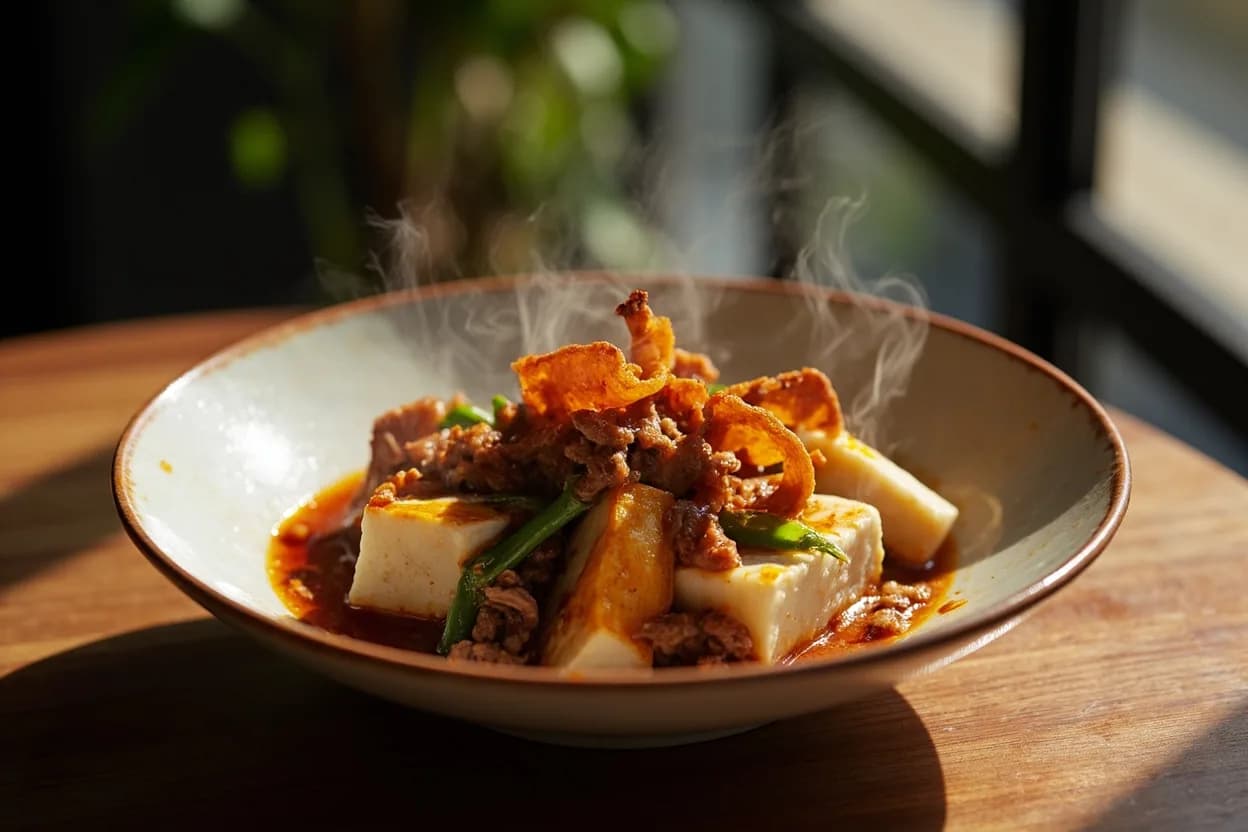
Related
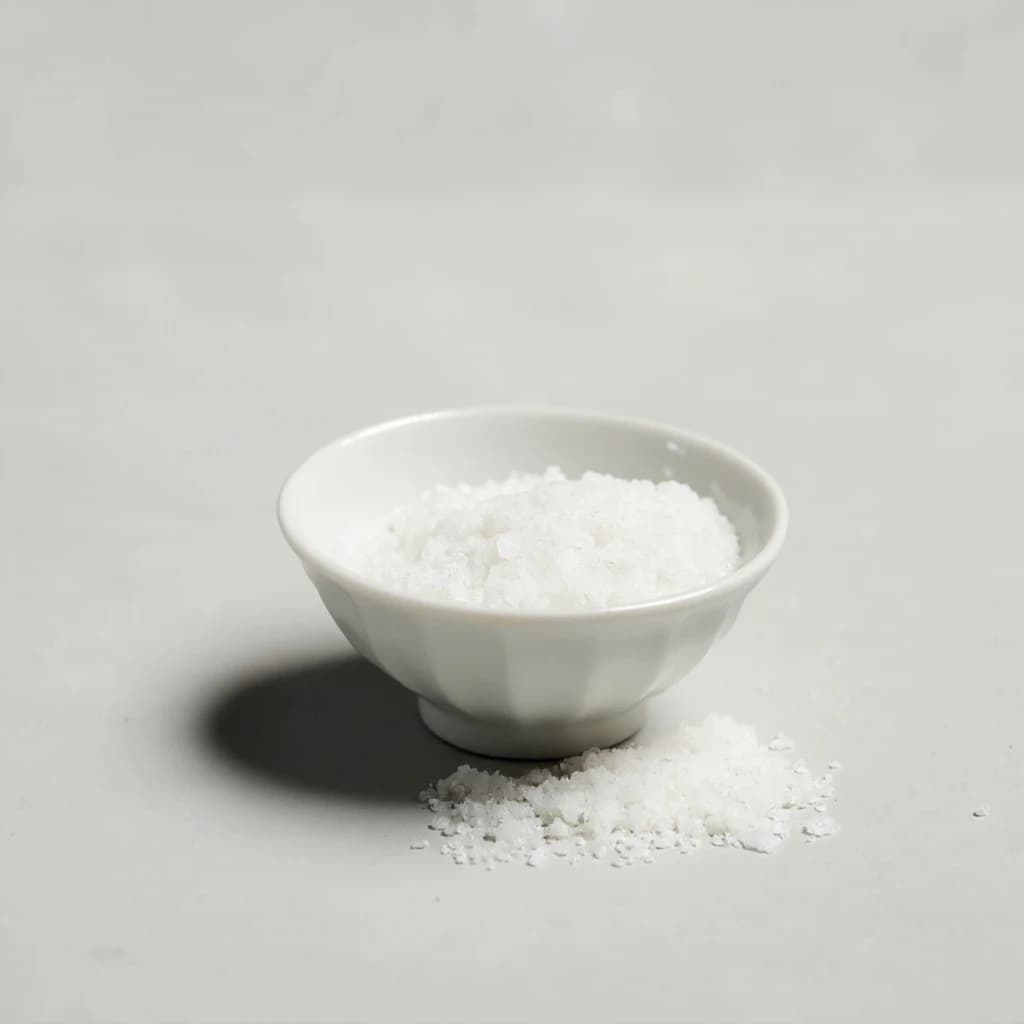
Salt
The one seasoning that makes everything else taste like itself

Black Pepper
Pungent, woody heat — best cracked fresh over anything savory
Amchur
Dried unripe mango ground to a tart, fruity souring powder
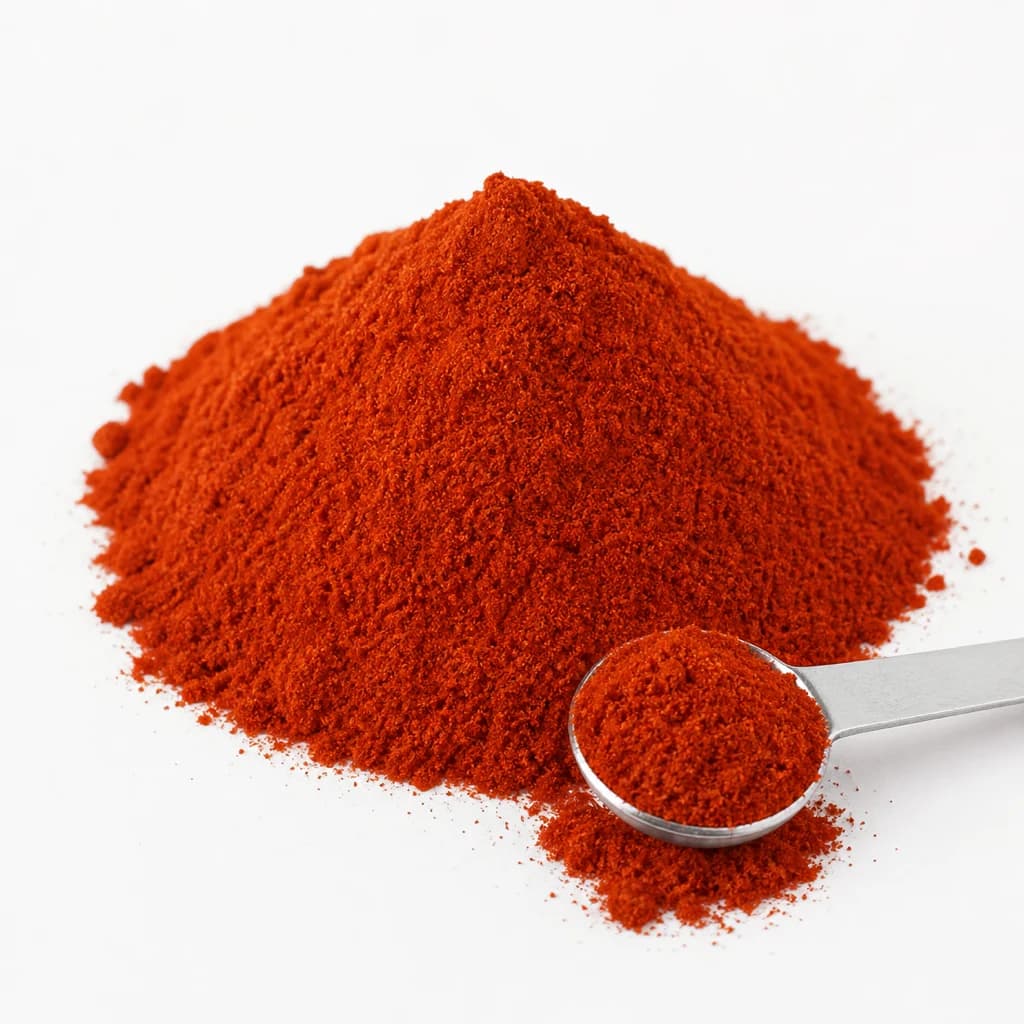
Paprika
Sweet, vivid ground pepper for color and gentle warmth
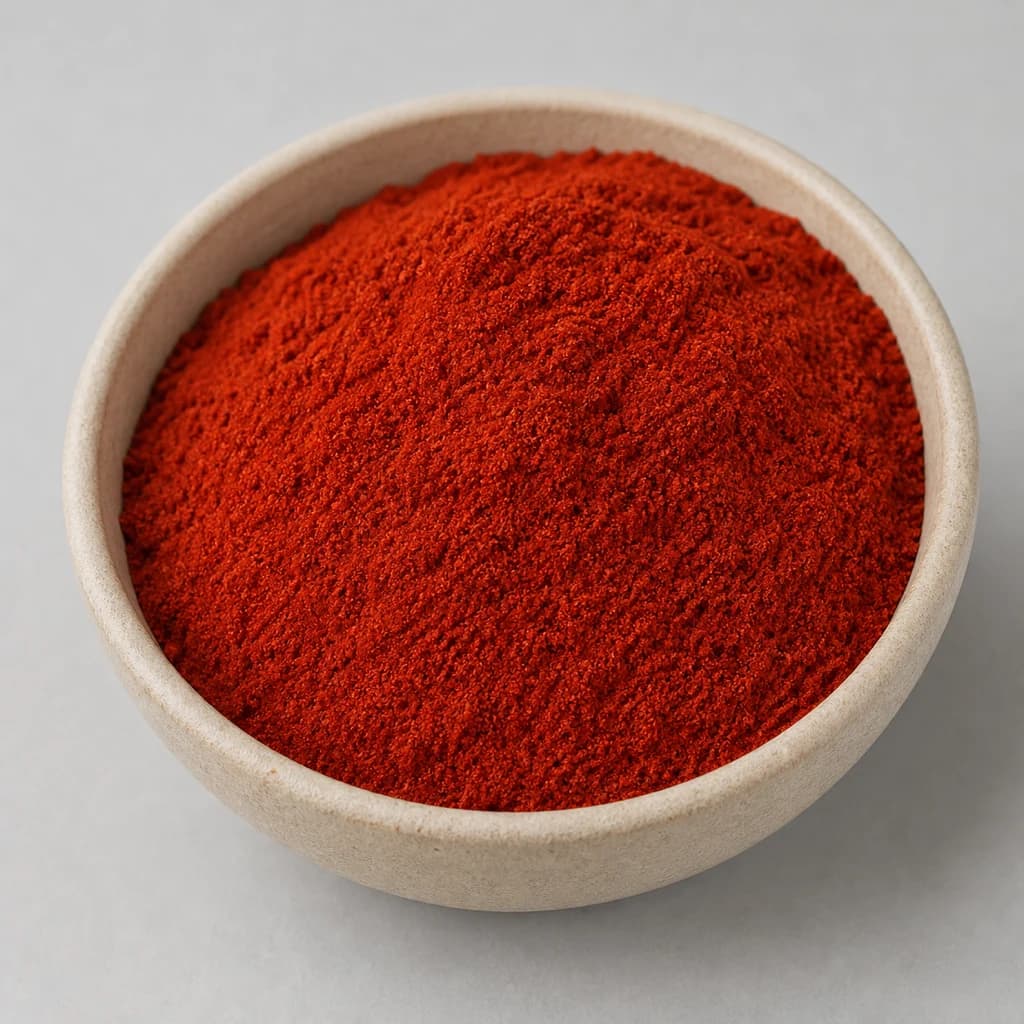
Smoked Paprika
Deep, smoky ground pepper for a campfire warmth
Cumin
Warm, earthy spice central to curries, chili, and tacos
Coriander Seed
Citrusy, warm seed for curries, pickles, and rubs
Turmeric
Golden, earthy spice for curries, rice, and color