East Asia
Washoku (Classical Japanese Home Cuisine)
Also: Washoku, traditional Japanese cuisine, nihon ryori
UNESCO-recognized traditional Japanese cuisine — a philosophy of seasonal restraint, dashi-built depth, and the ichiju-sansai meal structure that has quietly shaped how the world now thinks about umami.
Washoku — literally 'harmonious food of Japan' — is not a style of restaurant cooking but the living domestic tradition of the Japanese table. Its architecture is ichiju-sansai (one soup, three sides), always composed around a bowl of rice. Dashi (kombu-and-katsuobushi stock) is the invisible grammar beneath almost every dish: it carries the fifth taste, umami, that Kikunae Ikeda identified in 1908. Washoku prizes seasonality (shun), presentation harmony, and the quality of a single ingredient over complexity of preparation. Fermented and preserved foods — miso, soy sauce, tsukemono pickles, mirin, sake — form the condiment architecture. UNESCO inscribed washoku as Intangible Cultural Heritage in 2013 for its role in community life, seasonal festivals, and biodiversity preservation.
The flavour base
Dashi — a clear stock drawn from dried kombu (Saccharina japonica kelp) and katsuobushi (fermented, smoked, dried skipjack tuna shavings) — is the foundational flavor base. Secondary bases: niboshi dashi (from dried sardines) for miso soup; shojin dashi (kombu and dried shiitake, no animal products) for temple cooking.
Pantry staples
Key ingredients
Signature techniques
Signature dishes
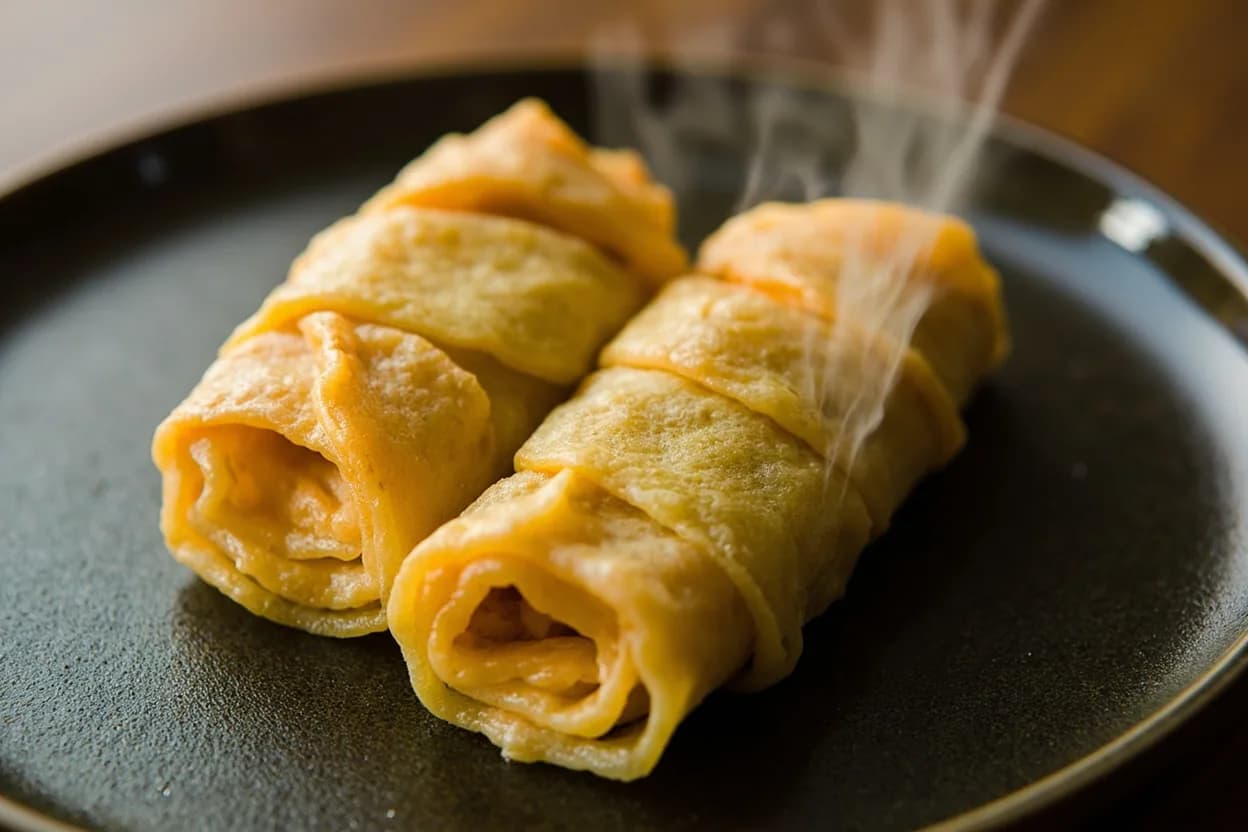
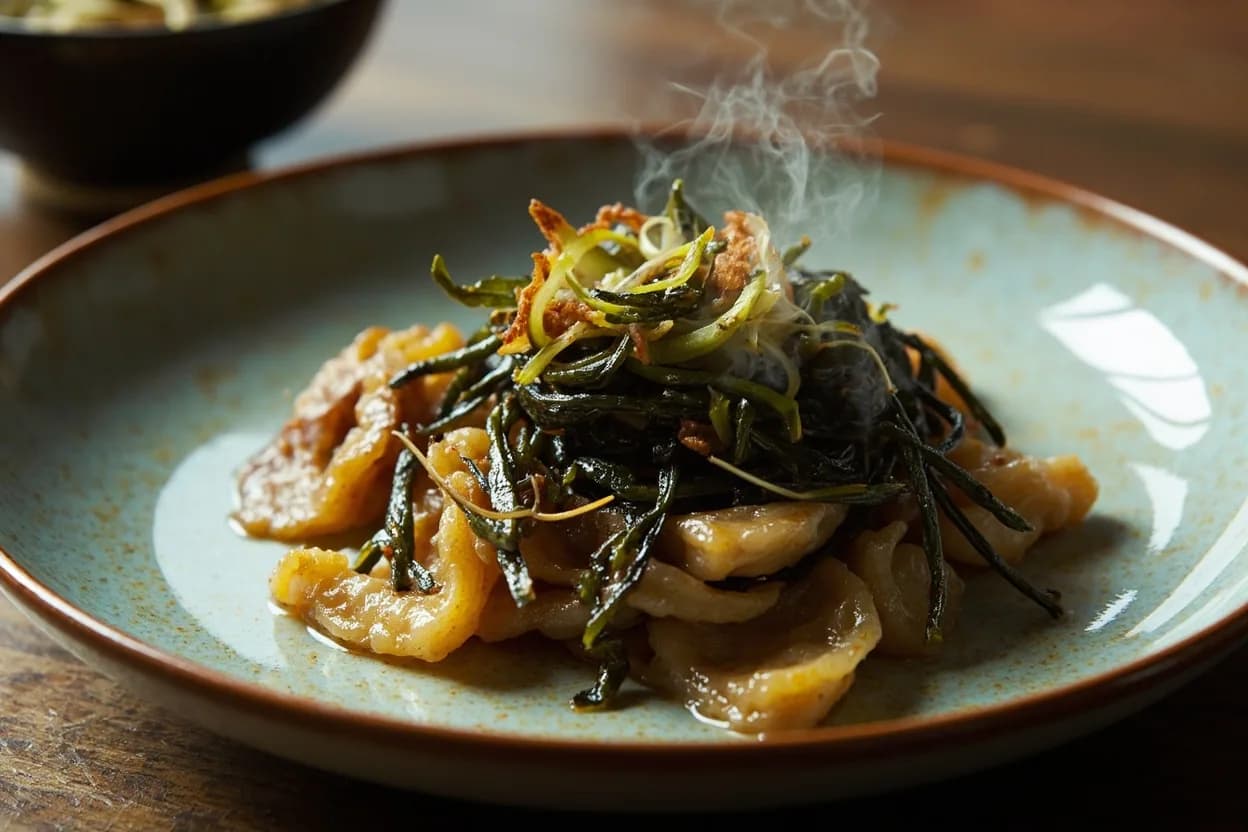
Washoku (Classical Japanese Home Cuisine) on the table

At the table
The canonical ichiju-sansai structure: a bowl of plain steamed rice (gohan), one soup (miso shiru), and three sides (sansai) — typically one protein dish, one vegetable nimono or ohitashi, and one pickled side (tsukemono). Rice is eaten throughout the meal, not as a course; tea is served before and after, never during. Festival and seasonal occasions expand to ichiju-gosai (one soup, five sides) or more elaborate osechi-ryori arrangements.
History & context
Washoku's formal structure evolved through the Heian period (794–1185) court food culture and was systematized in the Muromachi period (1336–1573) through the honzen-ryori banquet system, which established the ichiju-sansai and ichiju-sansai frameworks. Buddhist influence via shojin ryori (temple vegetarian cooking) contributed the dashi-less vegetable cookery and the philosophy of using every ingredient without waste. The Edo period (1603–1868) gave washoku its domestic form as urban food culture flourished and regional fermented products (Kyoto white miso, Hatcho miso, Kishibori tamari) proliferated. Kikunae Ikeda's 1908 isolation of glutamate from kombu provided a scientific name — umami — for what washoku cooks had always known.
Regional variations
- Kanto (Tokyo-area)
Darker, saltier soy and stronger dashi; eel (unaju) grilled in the Edo style (steamed then grilled); robust miso soups.
- Kansai (Osaka-Kyoto)
Lighter usukuchi soy sauce, more delicate dashi, emphasis on ingredient color and natural sweetness; see Kyoto cuisine.
- Tohoku
Preserved foods dominate due to harsh winters — kiritanpo (pounded rice cakes), hatahata fish, and intensely fermented miso.
- Okinawa
Ryukyuan influences diverge sharply — pork-heavy, goya (bitter melon) prominent, rafute (braised pork belly), different fermented soy traditions.
Related cuisines
The formal artistic elaboration of washoku principles — same dashi grammar and seasonal logic, taken to multi-course tea-ceremony heights.
Washoku's most refined regional expression — vegetable-centered, light dashi, obanzai home cooking.
- Shojin Ryori
Buddhist temple cooking — the vegetarian ancestor and philosophical substrate of washoku; no meat, fish, or alliums.
Canonical recipes
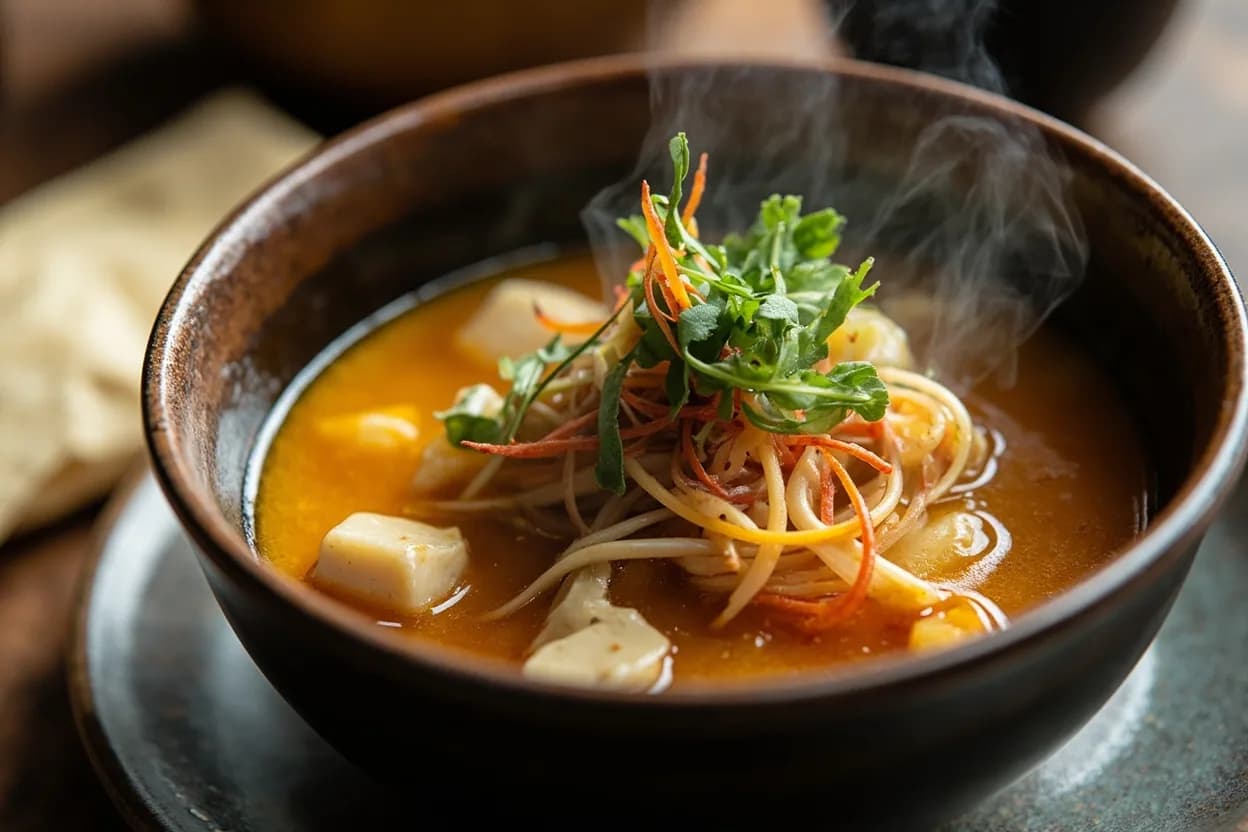
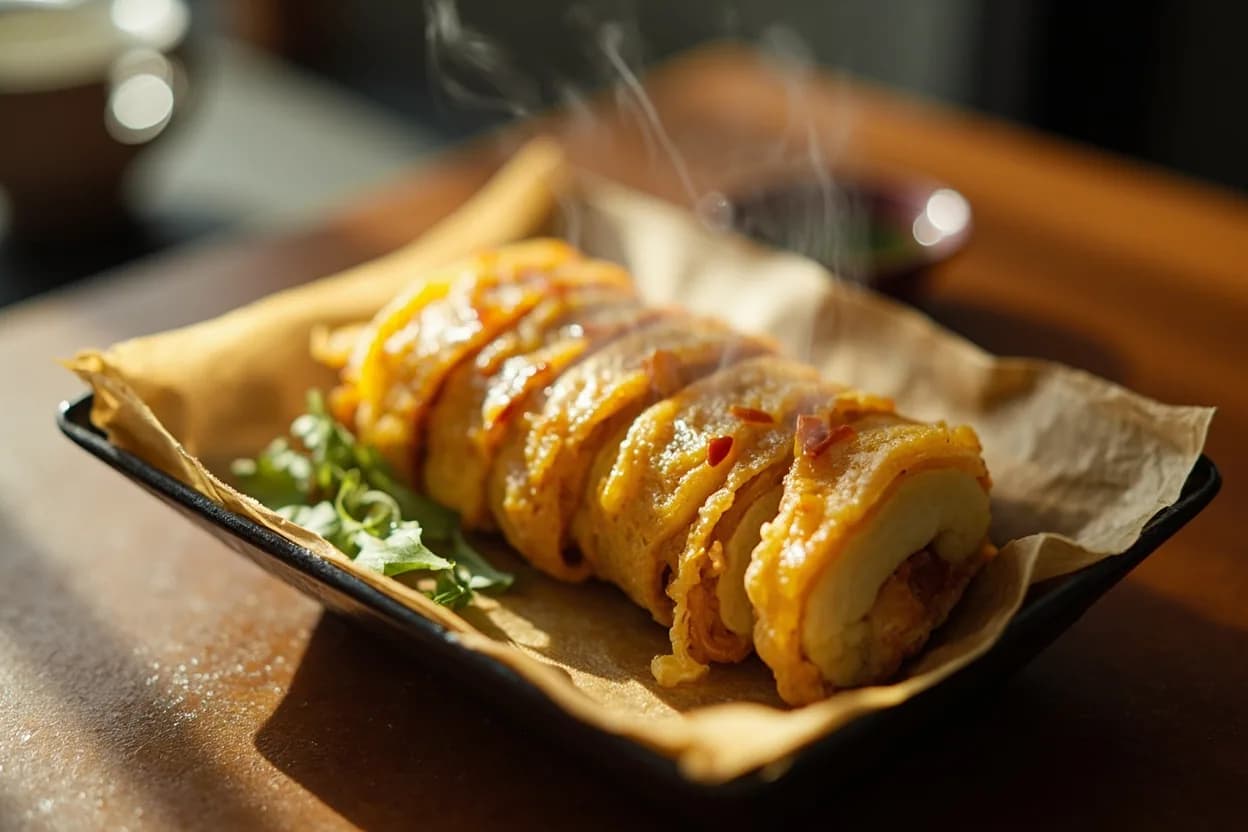
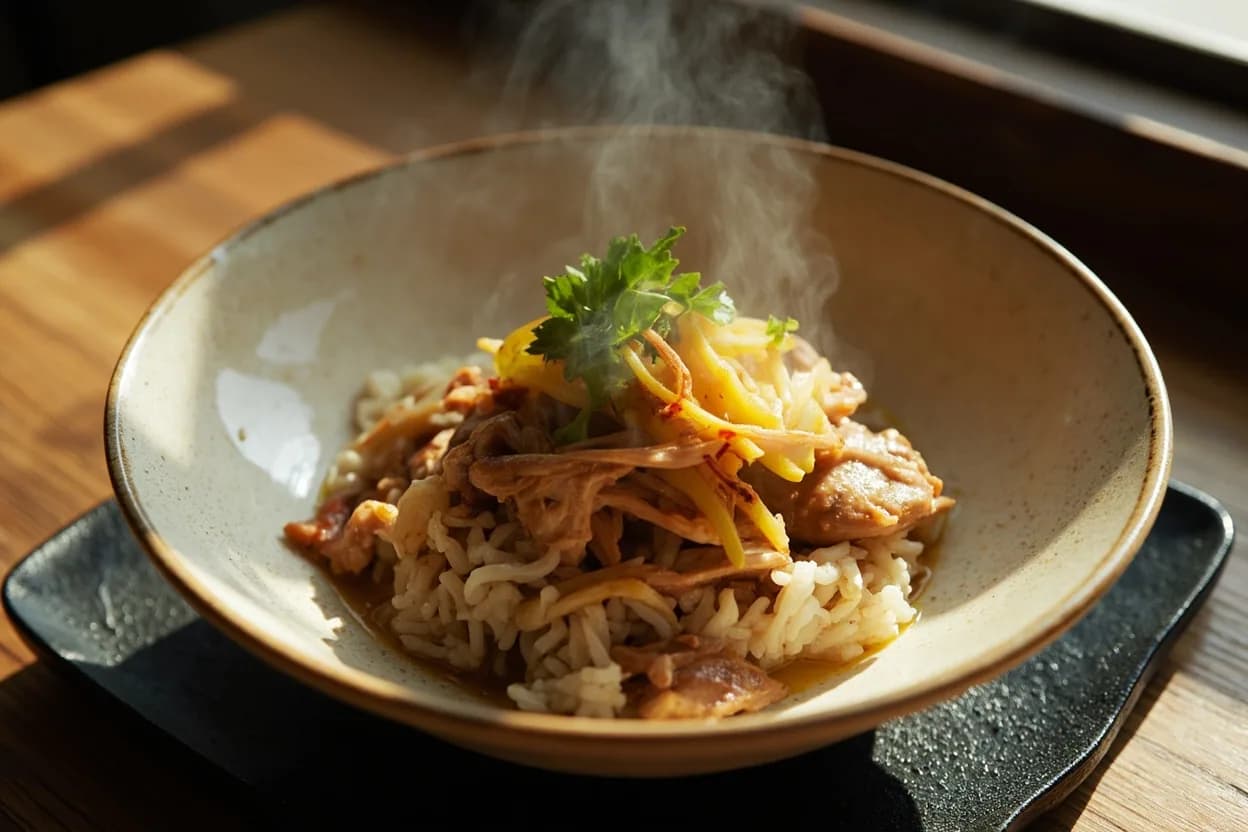
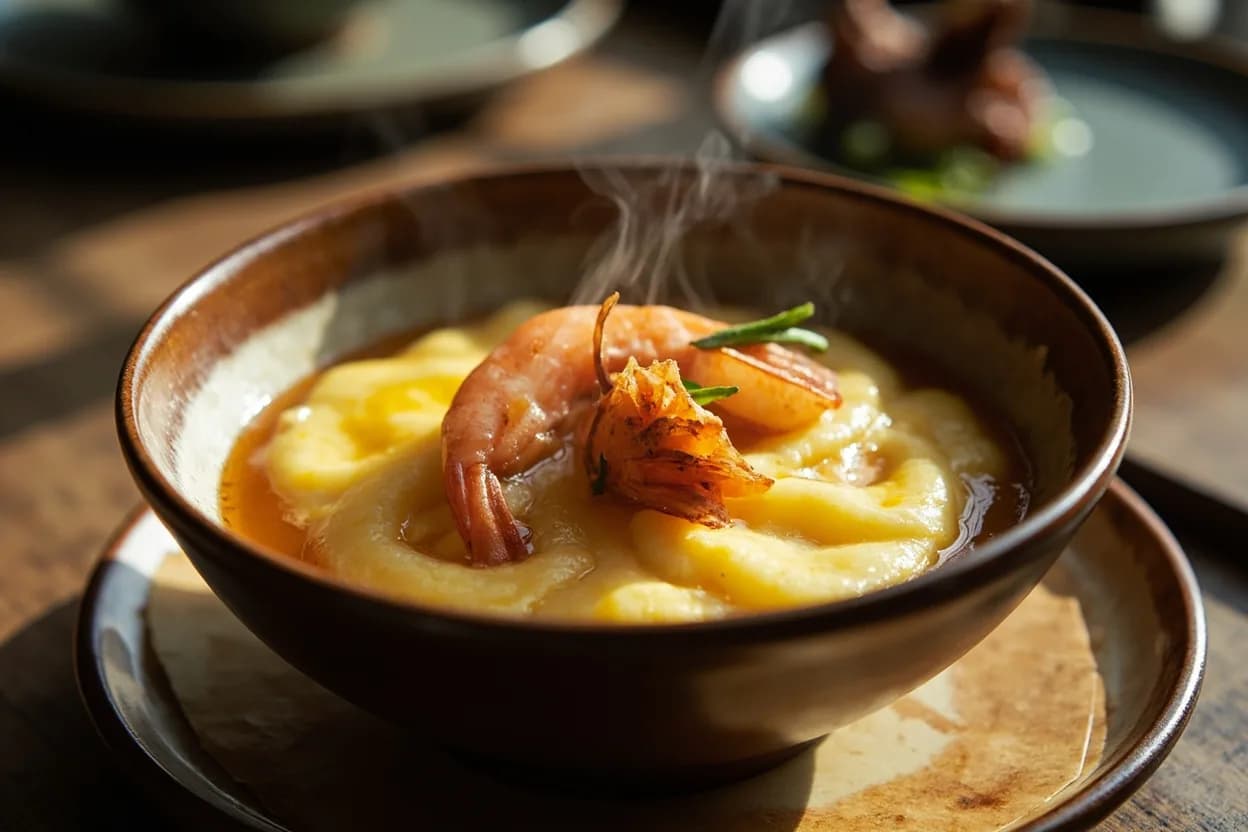
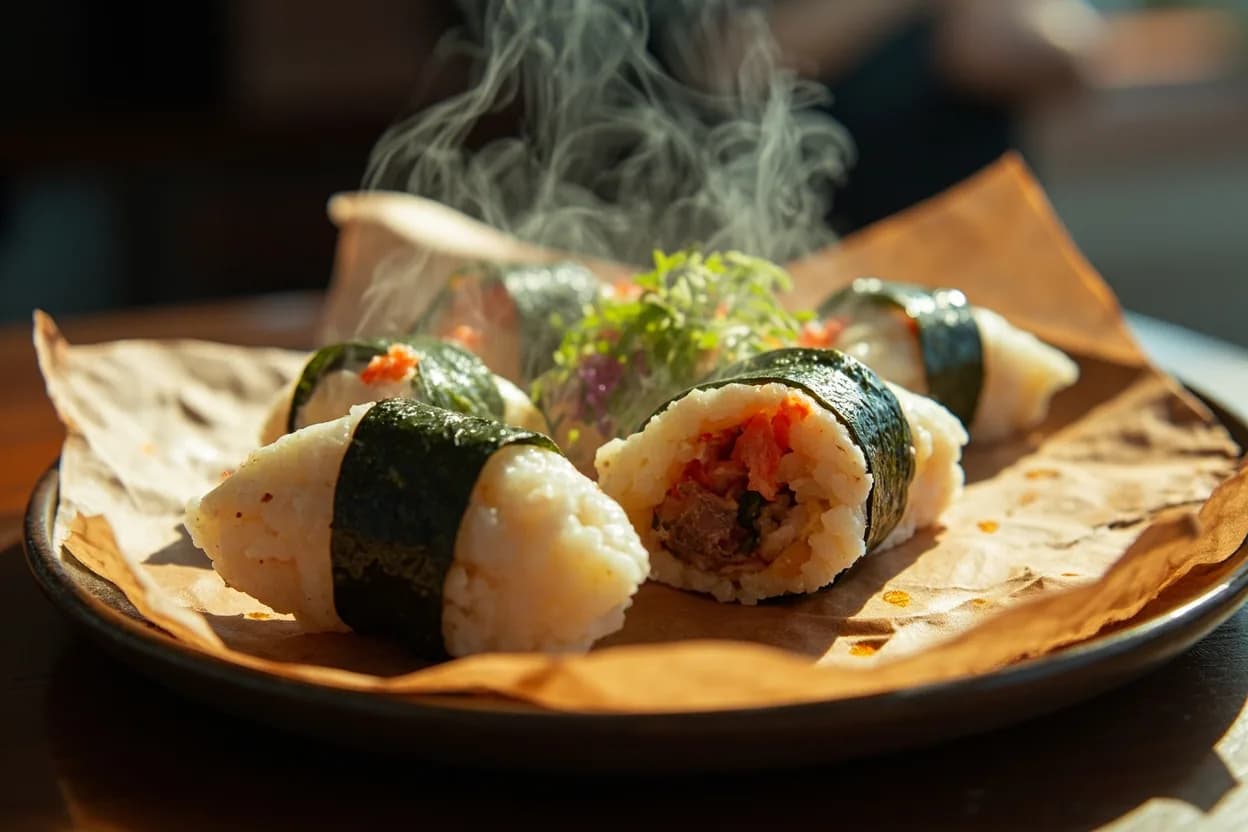
The dishes that define Washoku (Classical Japanese Home Cuisine), documented in the Canon.
References
- 1.Japanese Farm Food — Nancy Singleton Hachisu
- 2.The Japanese Kitchen — Hiroko Shimbo
- 3.Dashi and Umami: The Heart of Japanese Cuisine — Heston Blumenthal et al., Cross Media Ltd.
- 4.UNESCO Intangible Cultural Heritage — Washoku, Traditional dietary cultures of the Japanese, 2013
Confidence: high
Notes
Umami as a Structural Principle
Washoku does not build flavor through fat and salt in the Western sense. Depth comes from layering umami sources — kombu (glutamate), katsuobushi (inosinate), and dried shiitake (guanylate) — which synergize multiplicatively. A dashi of kombu alone has ~30 mg/100ml glutamate; combined with katsuobushi it is perceived as exponentially richer.
Shun — The Seasonality Imperative
Shun (旬) — the peak season of an ingredient — is not a suggestion in washoku but an organizing principle. Menus, market trips, and the vocabulary of the meal all reference it. Eating takenoko (bamboo shoots) in April or sanma (Pacific saury) in early autumn is a cultural act as much as a culinary one.