Southeast Asia
Vietnamese (Southern / Ho Chi Minh)
Also: Southern Vietnamese cuisine, Saigon food, Nam Bo cuisine, Mekong cooking
The sweeter, more exuberant cooking of South Vietnam, where Mekong Delta abundance, French baguette culture, Chinese immigrant flavors, and Cham and Khmer layers fuse into one of the world's great street food traditions.
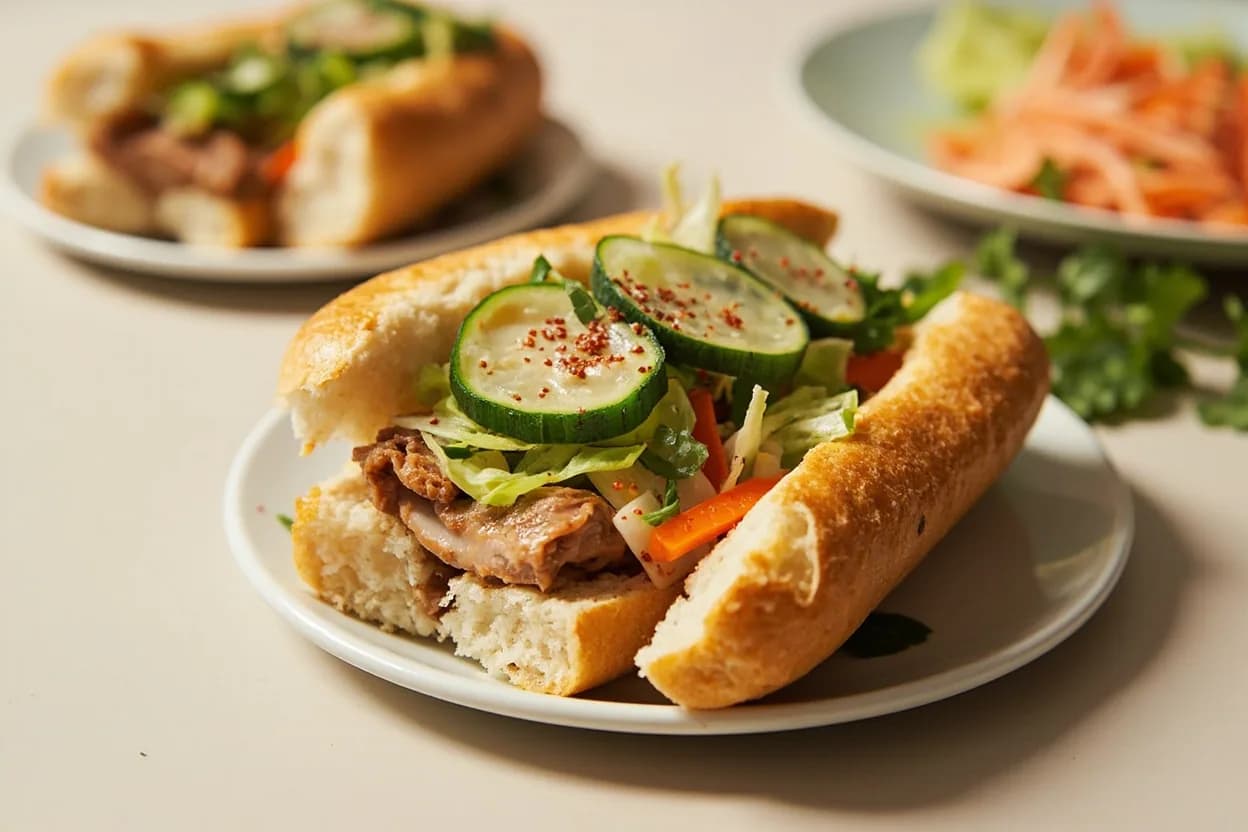
Southern Vietnamese cuisine — centered on Ho Chi Minh City (Saigon) and extending through the Mekong Delta — is distinct from northern Vietnamese cooking in its greater sweetness, its lavish use of fresh herbs and greens at the table, its street food density, and its multicultural layering. Sugar appears in savory dishes far more than in the north; pho broth in the south is sweeter and more lush; banh mi in Saigon is dressed with more condiments. The French left baguettes and pâté; the Chinese immigrant Hoa community shaped the char siu pork and wonton noodle culture of Cholon; the Cham and Khmer populations of the delta contributed fermented fish and coconut-milk cooking. The result is an abundant, vivid, sweet-sour-umami cuisine that has become the global face of Vietnamese food.
The flavour base
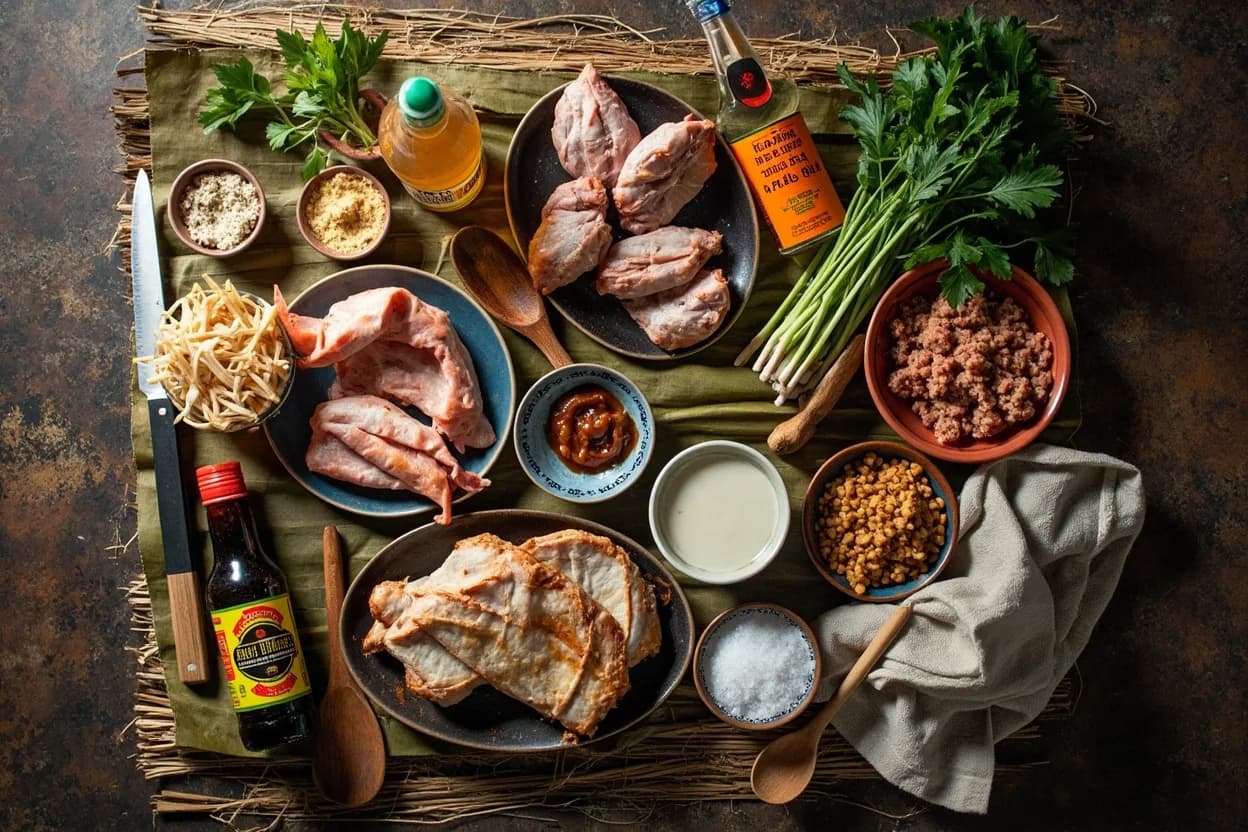
Fish sauce (nuoc mam), palm or cane sugar, fresh lime, and a generous herb platter — rau song — served with nearly every dish: Vietnamese coriander (rau ram), perilla, bean sprouts, sawtooth herb, and shredded banana blossom.
Pantry staples
Key ingredients
Signature techniques
Signature dishes
Vietnamese (Southern / Ho Chi Minh) on the table
At the table
Southern Vietnamese eating is less formal and more continuous than northern eating. Street food and cafe culture are dominant; com tam (broken rice) and pho are morning-to-night dishes with no assigned mealtime. A family meal places rice at the center surrounded by a soup (canh), a braised or grilled protein, a stir-fried vegetable, and nuoc cham as the universal condiment. The herb platter (rau song) is mandatory and is used to wrap, garnish, or eat alongside main dishes. Sweets (banh) are eaten as snacks rather than as a meal-ending dessert.
History & context
Southern Vietnamese food history is inseparable from the region's political and demographic history. The Mekong Delta was Khmer territory until the 17th century; Vietnamese settlement displaced and absorbed Khmer and Cham food cultures. Chinese Teochew and Cantonese merchants settled in Cholon from the 18th century, bringing wonton noodles, char siu, and their own fermented condiments. French colonialism from 1859 introduced baguettes, pâté de campagne, crème caramel (banh flan), and café au lait (ca phe sua da) — all of which the Vietnamese transformed into their own idiom. The 1954 partition of Vietnam brought northern refugees south, mixing culinary traditions. American influence during the war created industrialized food culture, and the fall of Saigon in 1975 scattered Vietnamese cooks and restaurateurs across the US, France, and Australia, making Southern Vietnamese cooking one of the most globally disseminated Asian cuisines.
Regional variations
- Ho Chi Minh City / Saigon
Maximum street food density; Chinese Hoa influence in Cholon (dim sum, roast meats); banh mi culture most developed; com tam is an urban institution
- Mekong Delta (Can Tho, My Tho)
Freshwater fish is dominant; hu tieu noodle soup originated here; floating markets define food distribution; coconut-milk curries reflect Khmer Krom heritage
- Ca Mau / coastal southwest
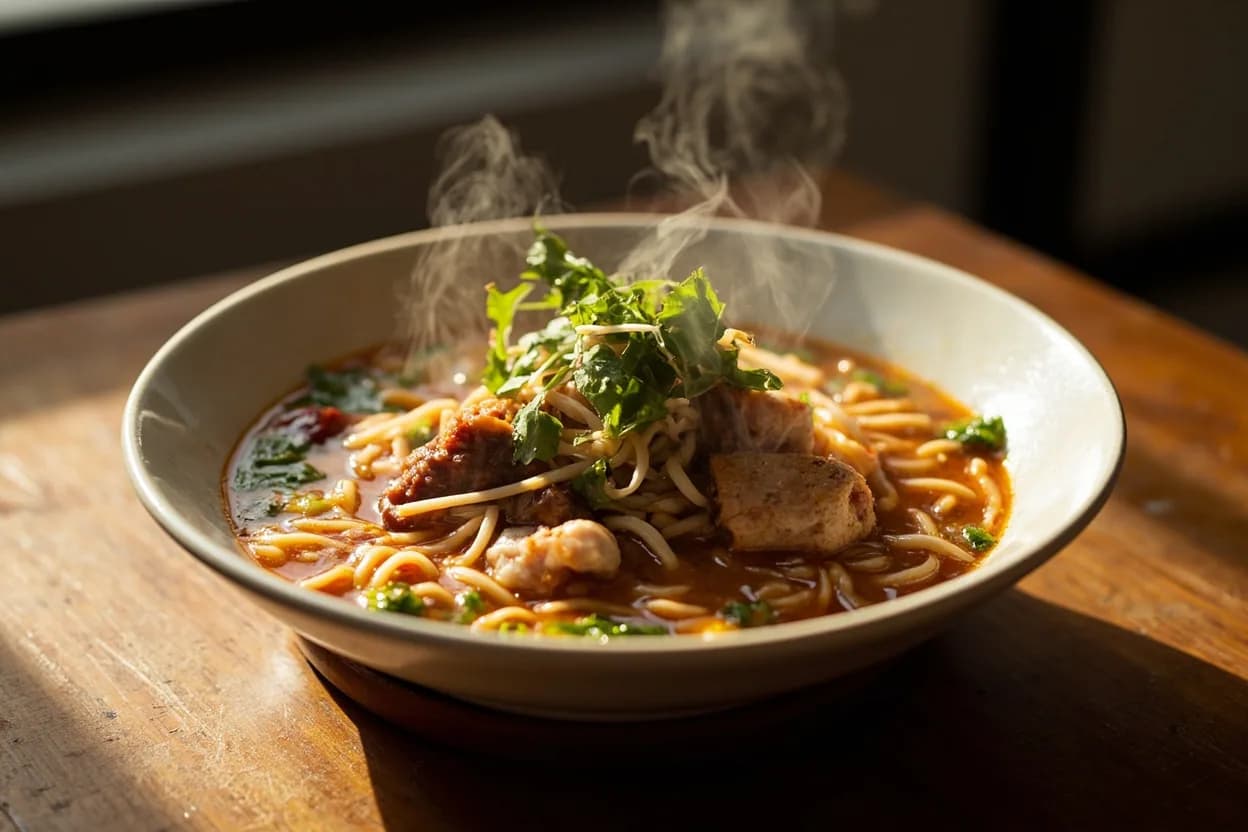
Shrimp and crab-heavy cuisine at the tip of the Mekong delta; bun mam (fermented fish noodle soup) is the regional signature — intensely pungent and complex
- Vietnamese diaspora (US, France, Australia)
Preserved and in some ways amplified southern Vietnamese cooking; pho popularized globally originates from southern Vietnamese restaurants; banh mi evolved in diaspora toward local bread and ingredient availability
Related cuisines
The same culinary lineage but less sweet, less herb-abundant, and with a more austere aesthetic; pho is the linking dish but prepared very differently in each region
Mekong Delta shared heritage; hu tieu noodle soup and fermented fish condiment use reflect centuries of Khmer-Vietnamese overlap in the delta region
- Teochew / Cantonese Chinese
Cholon's Chinese community profoundly shaped southern Vietnamese noodle culture, roast meat tradition, and clear-broth soup style
- French
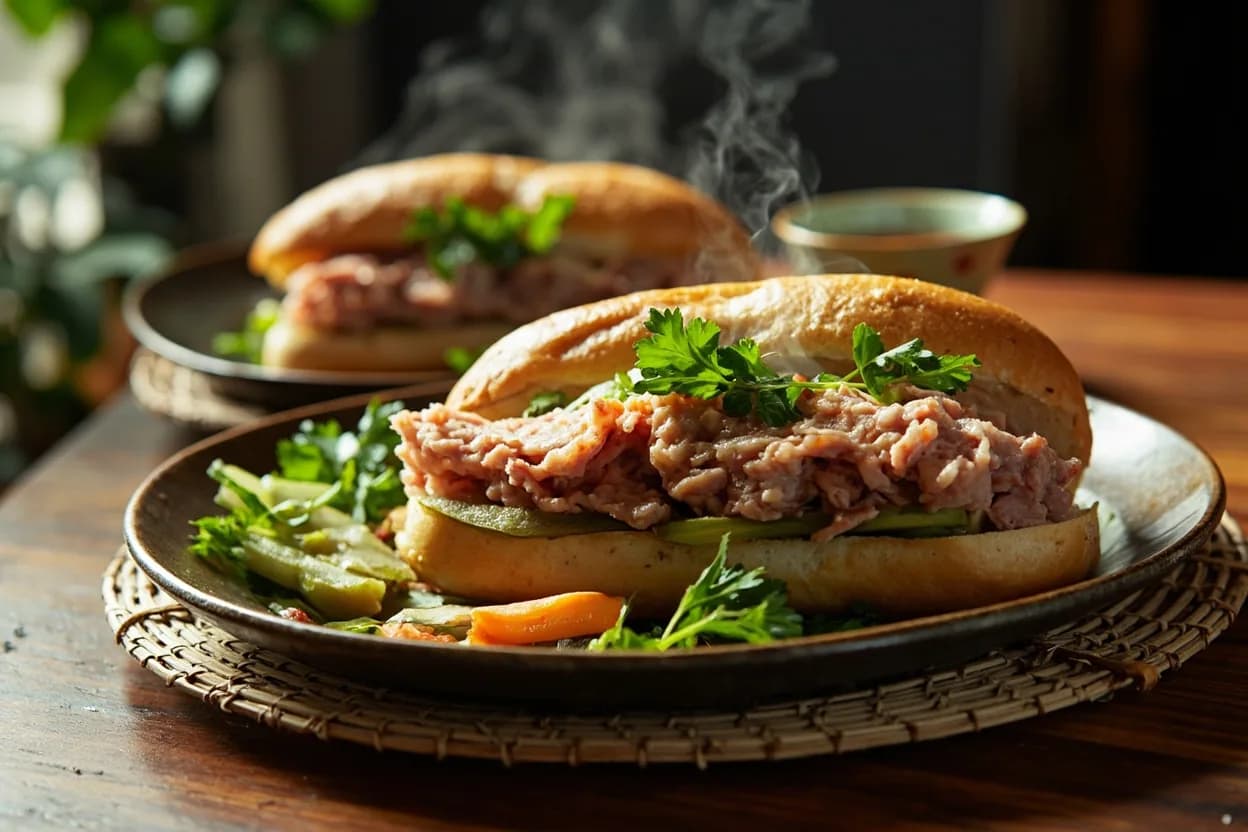
Colonial legacy lives in baguettes, pâté, café culture, crème caramel, and the general embrace of bread as an ingredient — all transformed into unmistakably Vietnamese idioms
Canonical recipes
The dishes that define Vietnamese (Southern / Ho Chi Minh), documented in the Canon.
References
- 1.Into the Vietnamese Kitchen — Andrea Nguyen (Ten Speed Press, 2006)
- 2.The Food of Vietnam — Bobby Chinn (Murdoch Books, 2009)
- 3.Vietnam: A Culinary Journey — Nongkran Daks & Alexandra Greeley (Tuttle, 2010)
Confidence: high
Notes
Com tam — broken rice and the beauty of imperfection
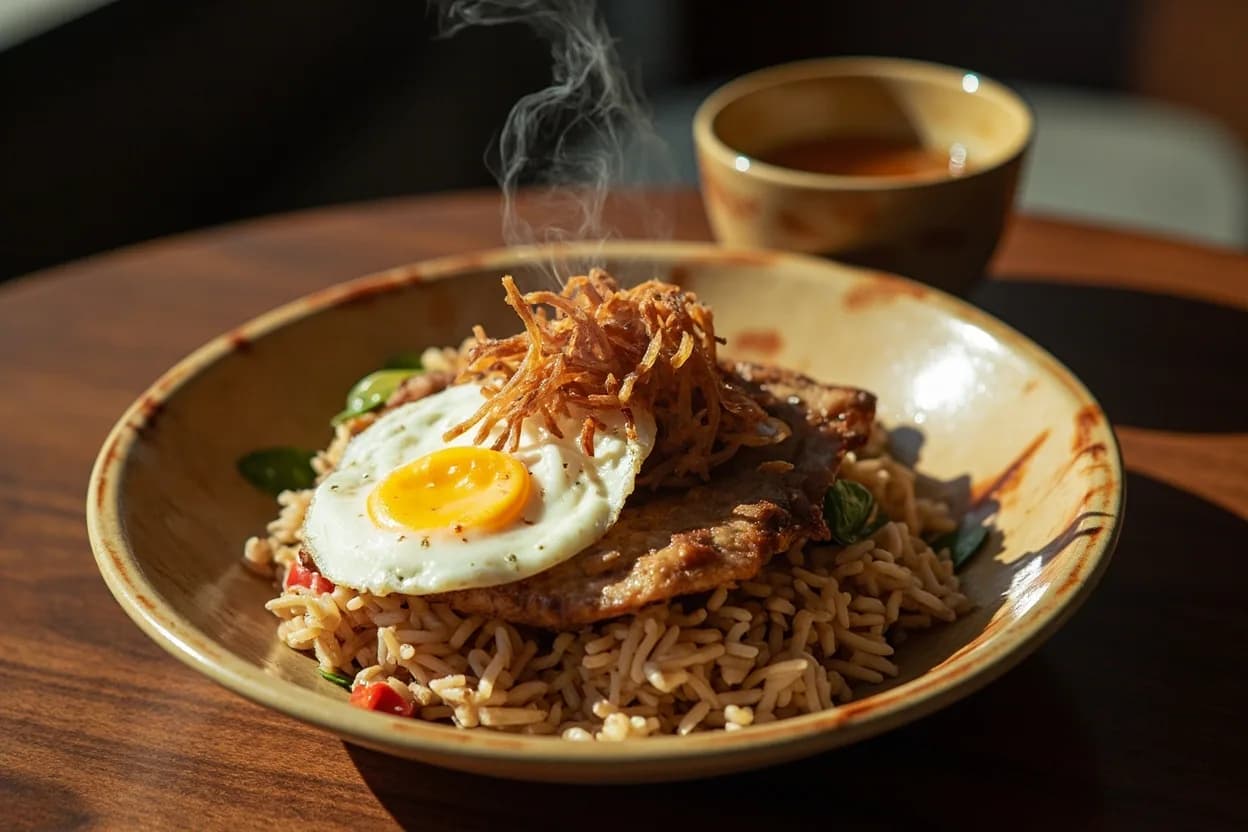
Com tam ('broken rice') was originally the unsellable rice fragments left after milling — the food of the poor. In Saigon it became the city's most beloved dish: a plate of these short, slightly chewy fragments topped with suon nuong (grilled pork chop marinated in fish sauce and lemongrass), bi (shredded pork skin), cha trung (egg meatloaf), pickled daikon and carrot, a fried egg, and a small cup of nuoc cham. It is eaten from morning through night and represents the South Vietnamese genius for elevating humble ingredients.
The southern pho divergence
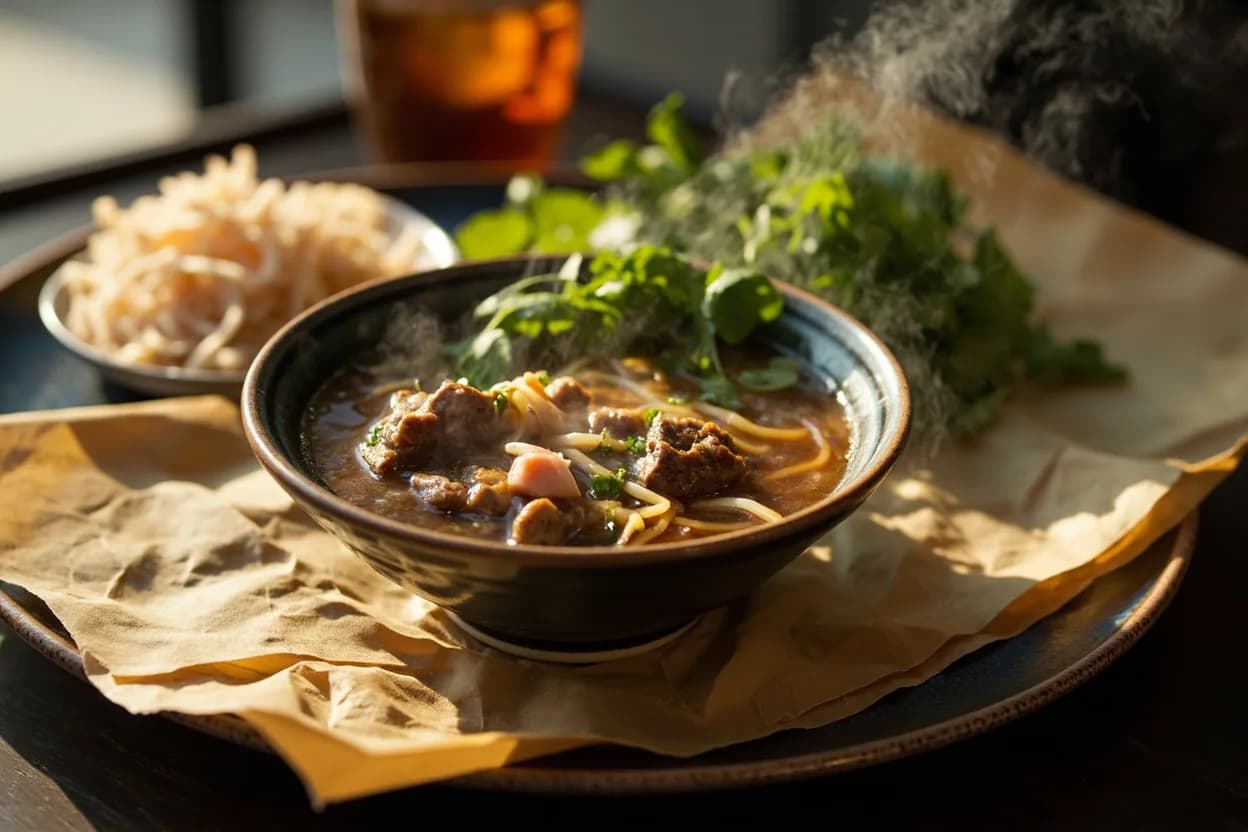
Pho bo as served in Ho Chi Minh City differs substantially from the Hanoi original. The southern broth is sweeter, richer, and more heavily spiced with star anise and cinnamon. The bowl arrives with a side plate of bean sprouts, Thai basil, sawtooth herb, and sliced fresh chili — condiments the northern version traditionally omits. Hoisin sauce and sriracha are placed on the table for self-seasoning, a practice that Hanoi pho purists view with barely concealed dismay.