Southeast Asia
Cambodian (Khmer)
Also: Khmer cuisine, Cambodian food, Angkorian cuisine
A subtle, herb-forward cuisine anchored in prahok fermented fish paste and kroeung spice pastes, carrying Angkor-era culinary memory into a cooking tradition unlike any other in Southeast Asia.
Khmer cuisine is defined by restraint and complexity rather than heat. It sits between Thai and Vietnamese cooking without belonging to either: less chili-hot than Thai, less broth-focused than Vietnamese, and more reliant on fermented fish (prahok), fresh-herb bundles, and hand-ground kroeung pastes. Rice — both steamed jasmine and sticky — is the backbone. Fish from the Tonle Sap lake, one of the world's most productive freshwater fisheries, has shaped the diet for millennia. The flavor register leans toward earthy, slightly funky, aromatic, and bright rather than bold or aggressively spiced.
The flavour base
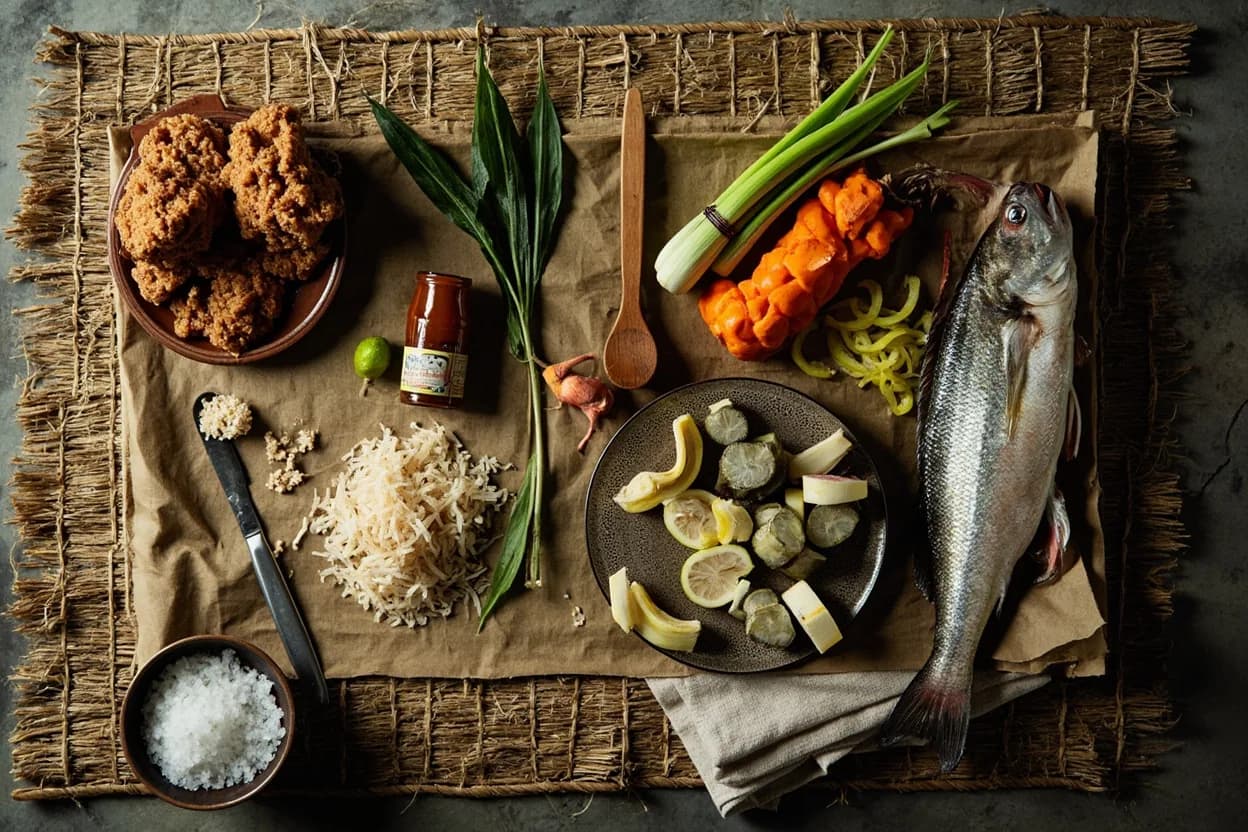
Kroeung — a family of hand-pound lemongrass, galangal, turmeric, kaffir lime zest, and garlic pastes — and prahok fermented fish paste, used either as a condiment or cooked into dishes for depth.
Pantry staples
Key ingredients
Signature techniques
Signature dishes
Cambodian (Khmer) on the table
At the table
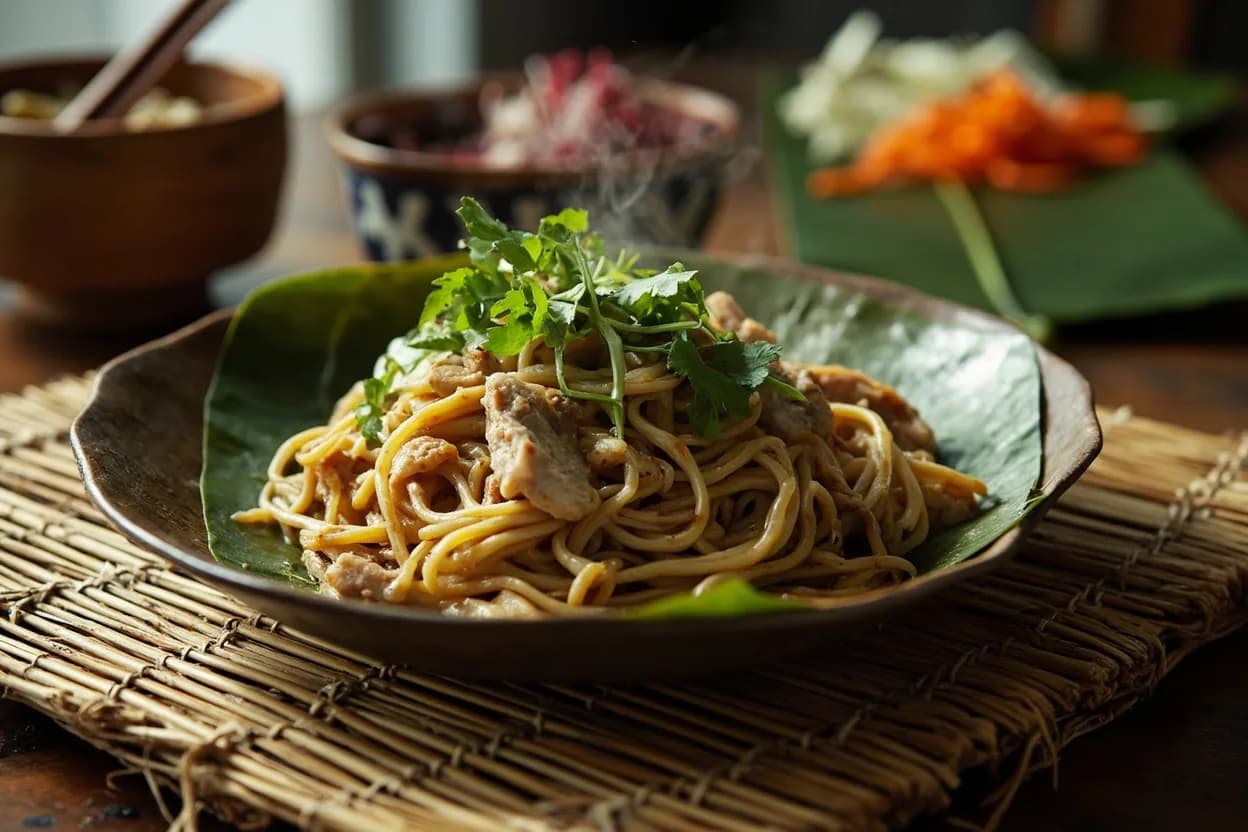
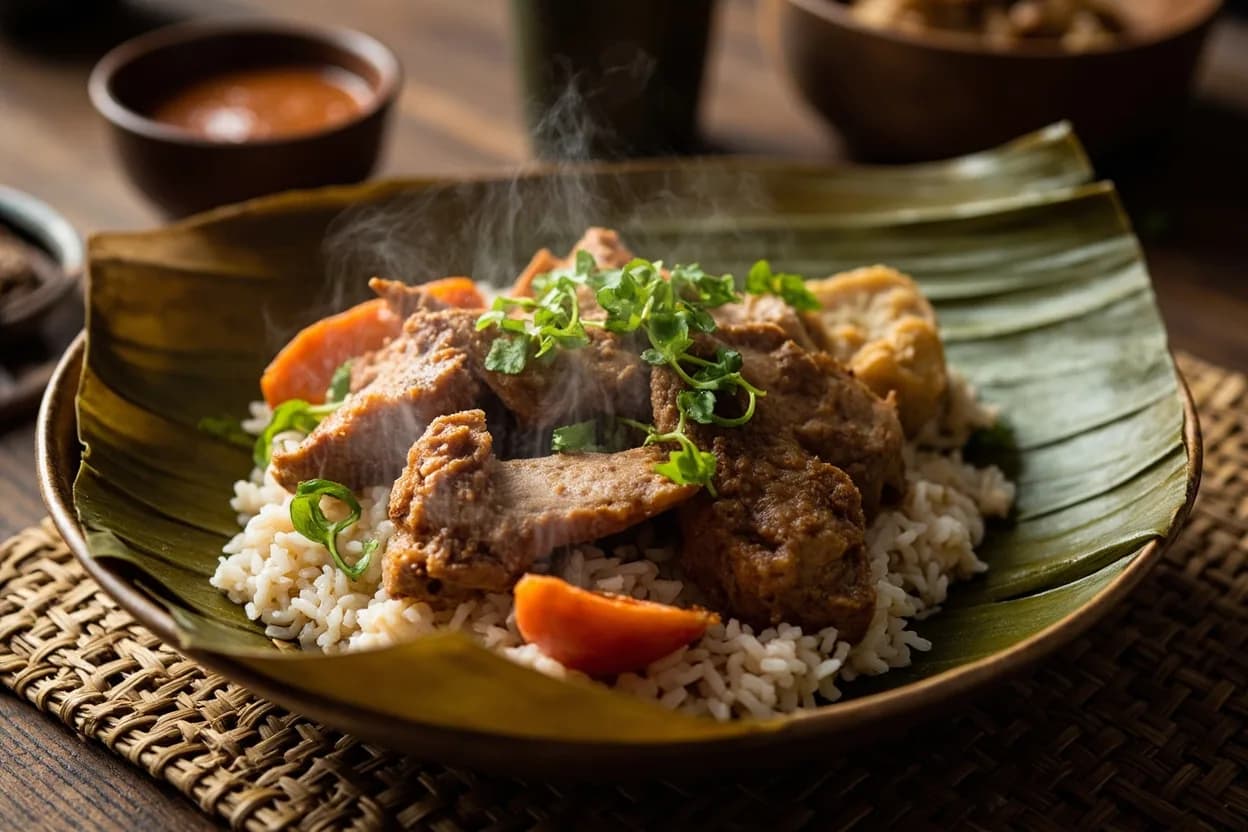
A traditional Khmer meal is simultaneous: all dishes arrive at once and diners eat communally, each person with their own bowl of rice. Samlor (soup) is always present and sipped throughout rather than eaten as a first course. Meals typically include a soup, a stir-fry or grilled protein, a raw herb salad, and prahok as a condiment. Breakfast is its own register — nom banh chok noodles or rice with pork are common morning dishes.
History & context
Khmer cuisine is one of Southeast Asia's oldest codified food traditions. The Angkor Empire (9th–15th centuries CE) was a hydraulic civilization built around rice cultivation and the Tonle Sap fishery, and both remain central today. Sanskrit inscriptions at Angkor Wat reference food offerings that reflect the cuisine's current vocabulary. The Khmer Rouge period (1975–1979) was catastrophically disruptive — not only to people but to culinary knowledge, as chefs and elders perished and food was reduced to communal gruel. Contemporary Khmer cuisine represents both an ancient continuity and a painful reconstruction, with diaspora communities in France, the US, and Australia playing a role in memory-keeping.
Regional variations
- Phnom Penh urban
Chinese and Vietnamese culinary influence is strong; noodle soups, stir-fries, and dim-sum-style snacks are integrated into daily life
- Siem Reap / Angkor region
More traditional Khmer cooking; nom banh chok and samlor are dominant; the tourist economy has created a parallel restaurant cuisine
- Kampot / coastal south
Famous for Kampot pepper, one of the world's most prized; local seafood dishes built around fresh peppercorns are distinct
- Mondulkiri / northeastern highlands
Indigenous Khmer Loeu cuisine using foraged ingredients, bamboo shoots, and game; distinctly different from lowland Khmer cooking
Related cuisines
- Thai
Shared kroeung-style paste tradition and coconut-milk curries; Khmer influence on central Thai cuisine is historically significant and often under-acknowledged
- Vietnamese (Southern)
Mekong Delta proximity creates shared ingredients and noodle traditions; Khmer-Krom community maintains distinct cooking practices within Vietnam
Similar prahok / padaek fermented fish paste use, sticky rice culture in northern Cambodia, and shared Mekong foodways
Canonical recipes
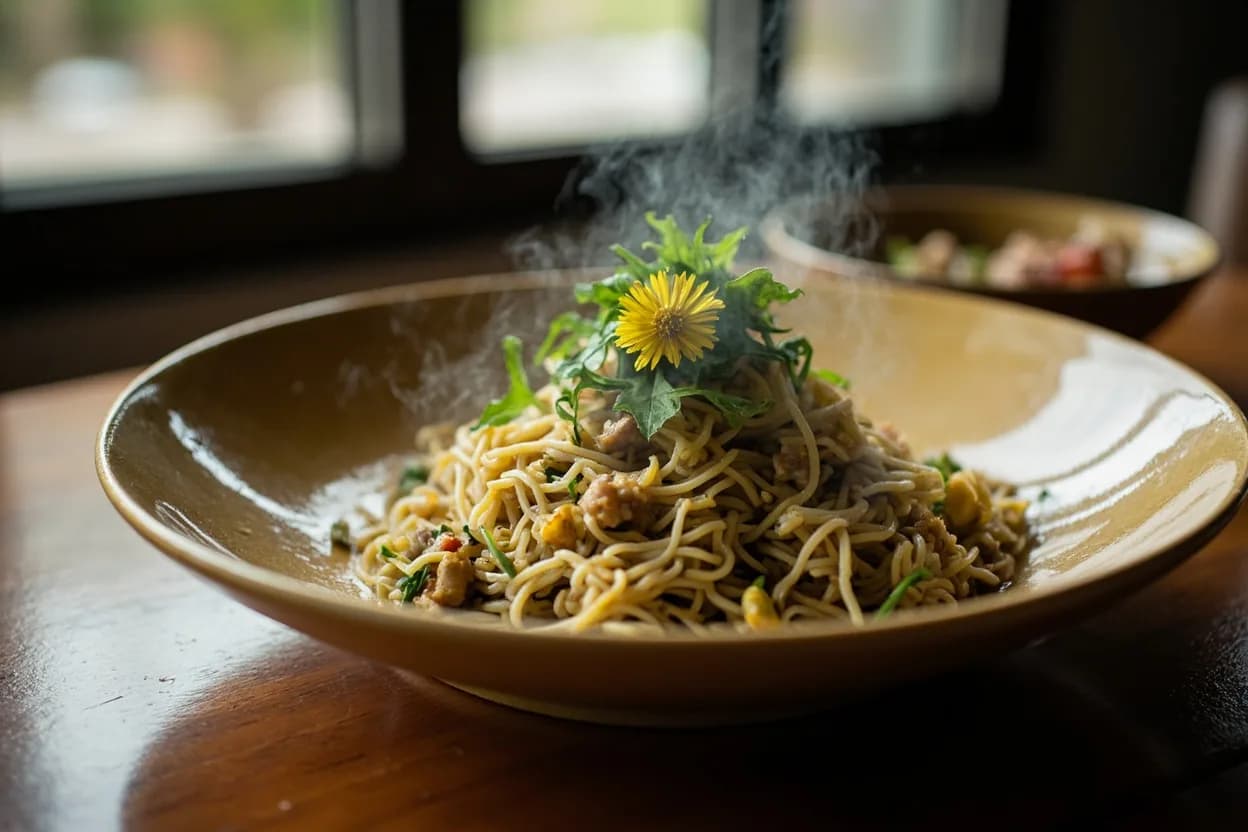
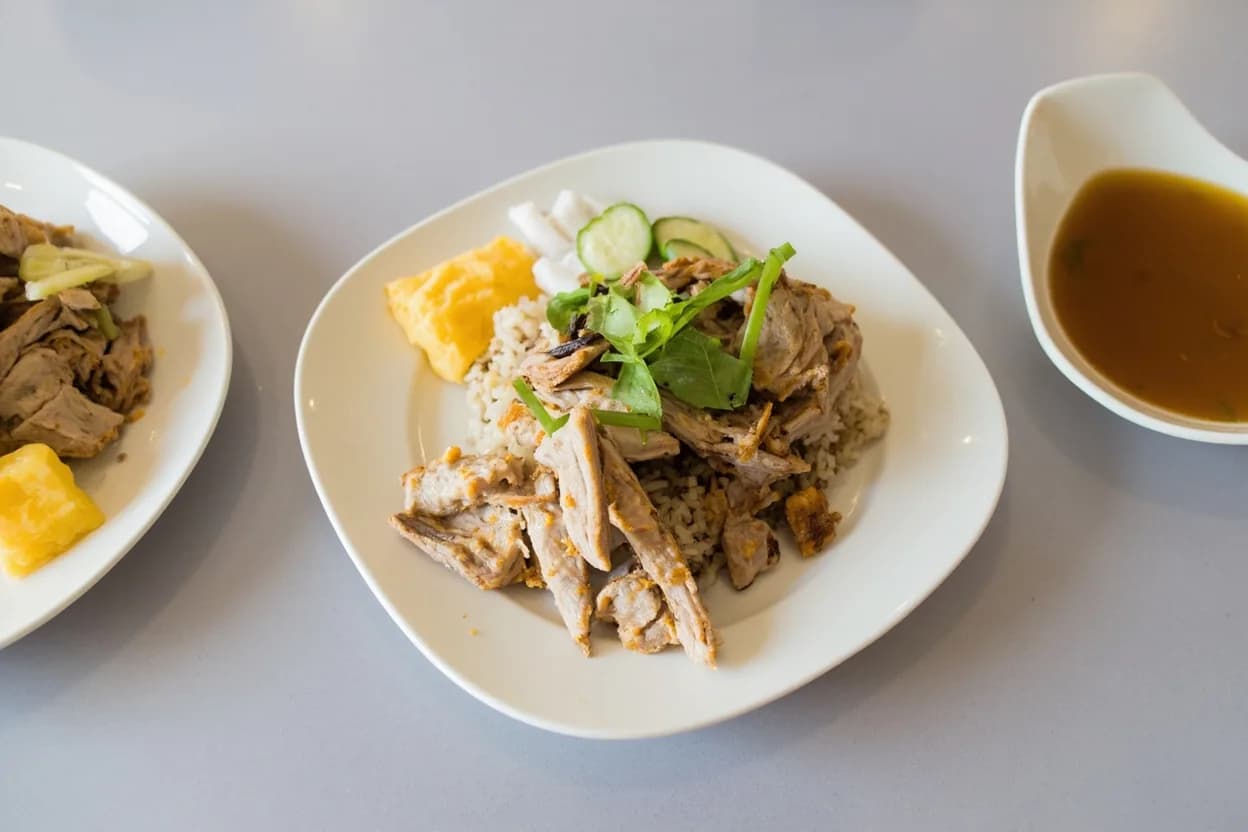
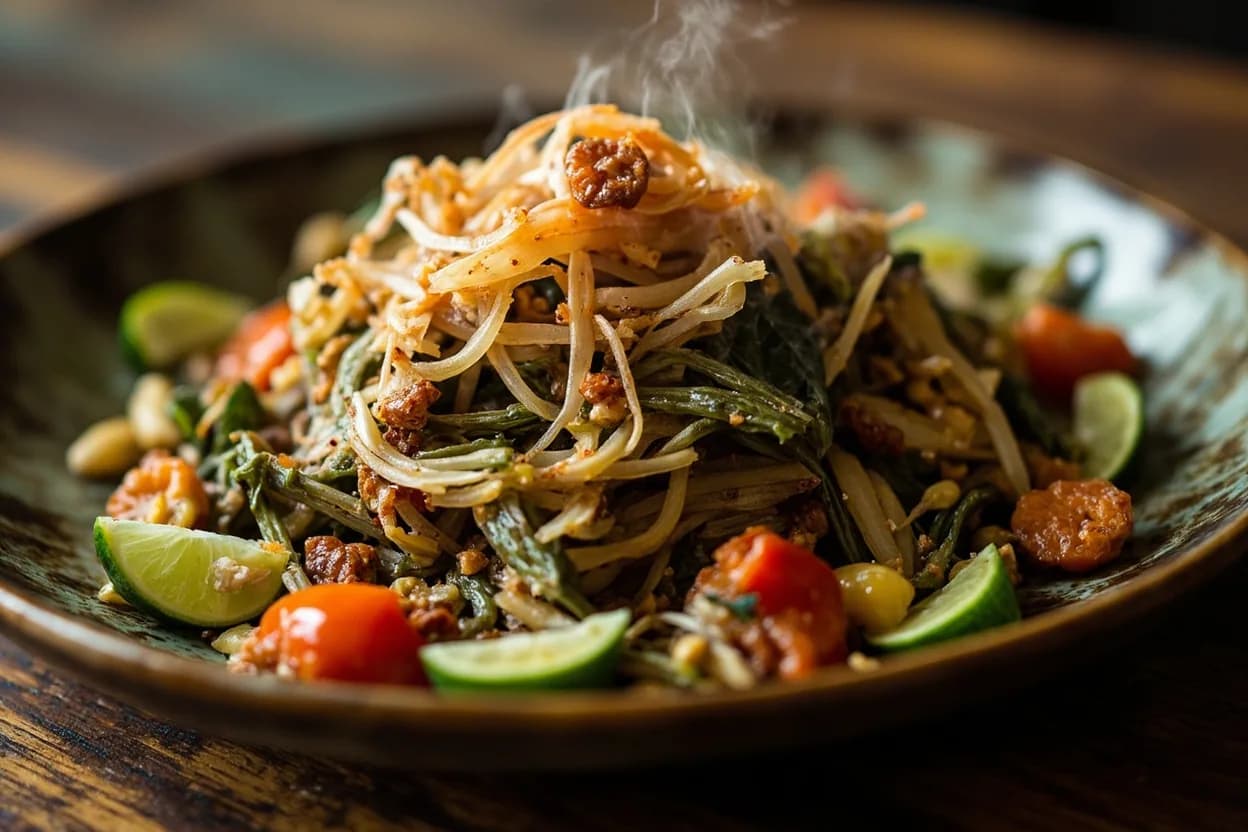
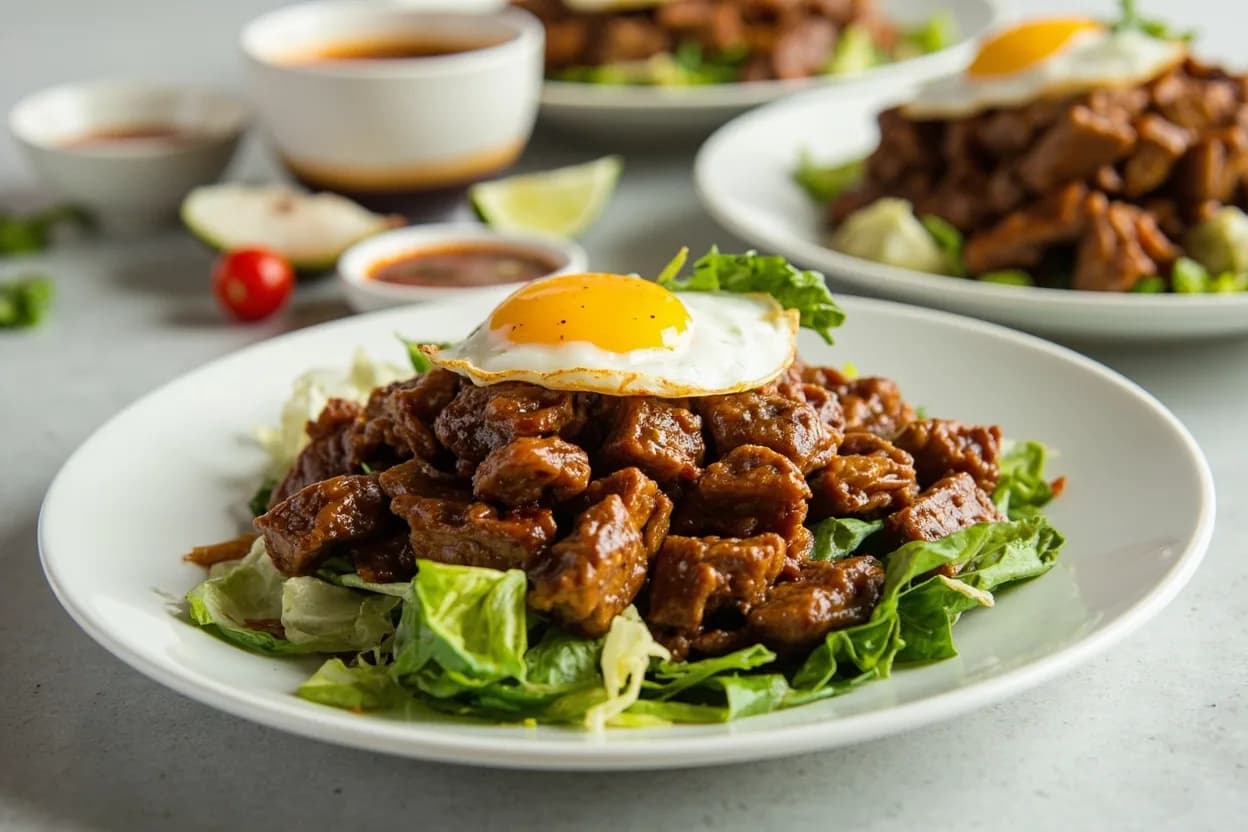
The dishes that define Cambodian (Khmer), documented in the Canon.
References
- 1.The Elephant Walk Cookbook — Longteine De Monteiro & Katherine Neustadt (Houghton Mifflin, 1998)
- 2.Foods of Southeast Asia — Jennifer Brennan (Interlink, 2000)
- 3.Cambodian Cooking — Joannes Rivière (Periplus, 2008)
Confidence: high
Notes
Amok — national dish debate
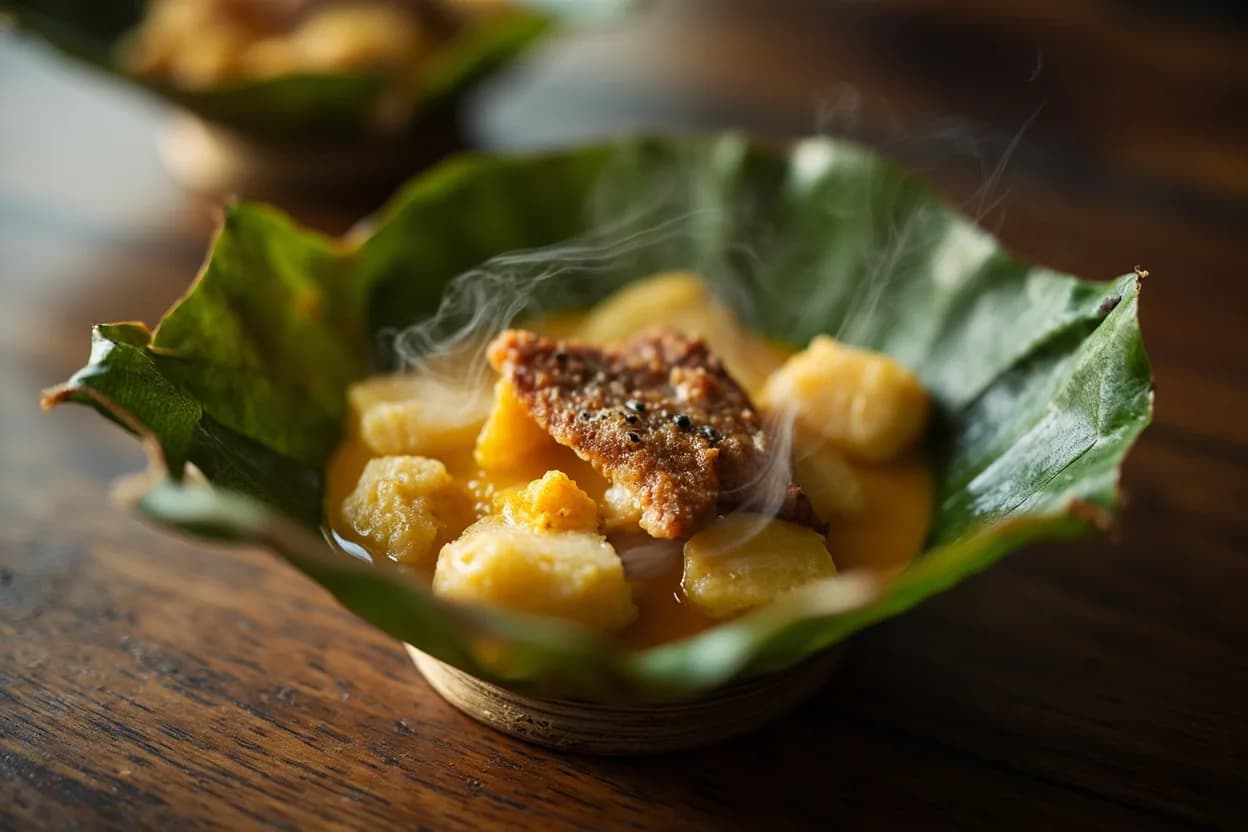
Fish amok (amok trey) is widely identified as Cambodia's national dish, though the claim is contested by food historians who note it may have been elevated to that status partly through tourism marketing. What is undeniable is its technical distinctiveness: the use of chha kreung (fried kroeung paste) stirred into coconut milk and beaten egg to create a savory custard, then steamed in a banana leaf bowl until just set, is a genuinely unusual cooking method in Southeast Asian context.
Prahok — the soul ingredient
Prahok is made by fermenting mudfish with salt for months; the result is a pungent, gray paste that Cambodians call 'Khmer cheese.' It is used raw as a condiment (mixed with lime and chili), cooked into stews, or pounded into kroeung. Its smell is polarizing to outsiders but essential to Khmer cooks — a dish without prahok is considered incomplete in traditional kitchens.