
Natural form
A young green coconut whole, showing the husk and tip where water is accessed.
Shows readers the origin form of coconut water — the intact young coconut before any processing.
Beverages
Coconut Water
Light, hydrating juice for sipping and smoothies
Faintly sweet and hydrating, coconut water refreshes straight from the fridge and blends into smoothies and tropical drinks. Keep it cold once opened.
Coconut water is the clear, faintly sweet liquid found inside young green coconuts — light, refreshing, and subtly nutty, with natural electrolytes that make it a popular hydrator. Quite different from rich, fatty coconut milk, coconut water is thin and watery, with a delicate tropical flavor. In cooking it works as a gently sweet, aromatic liquid: it cooks rice and grains to a tender, fragrant finish, poaches fish and chicken, forms the base of smoothies and tropical drinks, and brightens marinades and braises in Southeast Asian and Caribbean cooking. Its mild sweetness adds nuance without the heaviness of coconut milk.
- Measured in
- ml
- Storage
- Refrigerate
Find it in
Types & varieties
Most delicate, best flavor
Convenient — choose 100%, no sugar
Includes soft coconut jelly bits
How to use in cooking
Use coconut water as a flavorful cooking liquid where you want subtle tropical sweetness without fat. Cook rice, quinoa, or grains in it for a fragrant, tender result; poach fish, shrimp, or chicken gently; or use it in braises and curries (especially Brazilian and Southeast Asian) for lightness. It's a smoothie base, a tenderizing marinade liquid, and a refreshing addition to sorbets and tropical drinks. Don't confuse it with coconut milk — it adds aroma, not richness.
How to choose
Fresh young-coconut water has the best, most delicate flavor; bottled/canned 100% coconut water is convenient — choose unsweetened, with no added sugar or flavoring, for cooking. Cloudy, off-pink, or sour water is spoiled. Refrigerate after opening and use quickly, as it ferments fast.
Common uses
Tips & pitfalls
- It's not coconut milk — light and watery, not rich.
- Cook rice or grains in it for a fragrant, tender result.
- Choose unsweetened 100% coconut water for cooking.
- Refrigerate and use fast — it ferments quickly once open.
Nutrition
Energy
79 kJ · per 100 g
Where the calories come from
Protein
2.6g
5% DV
Carbs
3.1g
1% DV
Fat
0.2g
0% DV
Fiber
2.1g
8% DV
Sodium
113mg
5% DV
Source · USDA FoodData Central · approx. Water convolvulus,raw
View on FDC →In the shops
Matched grocery products
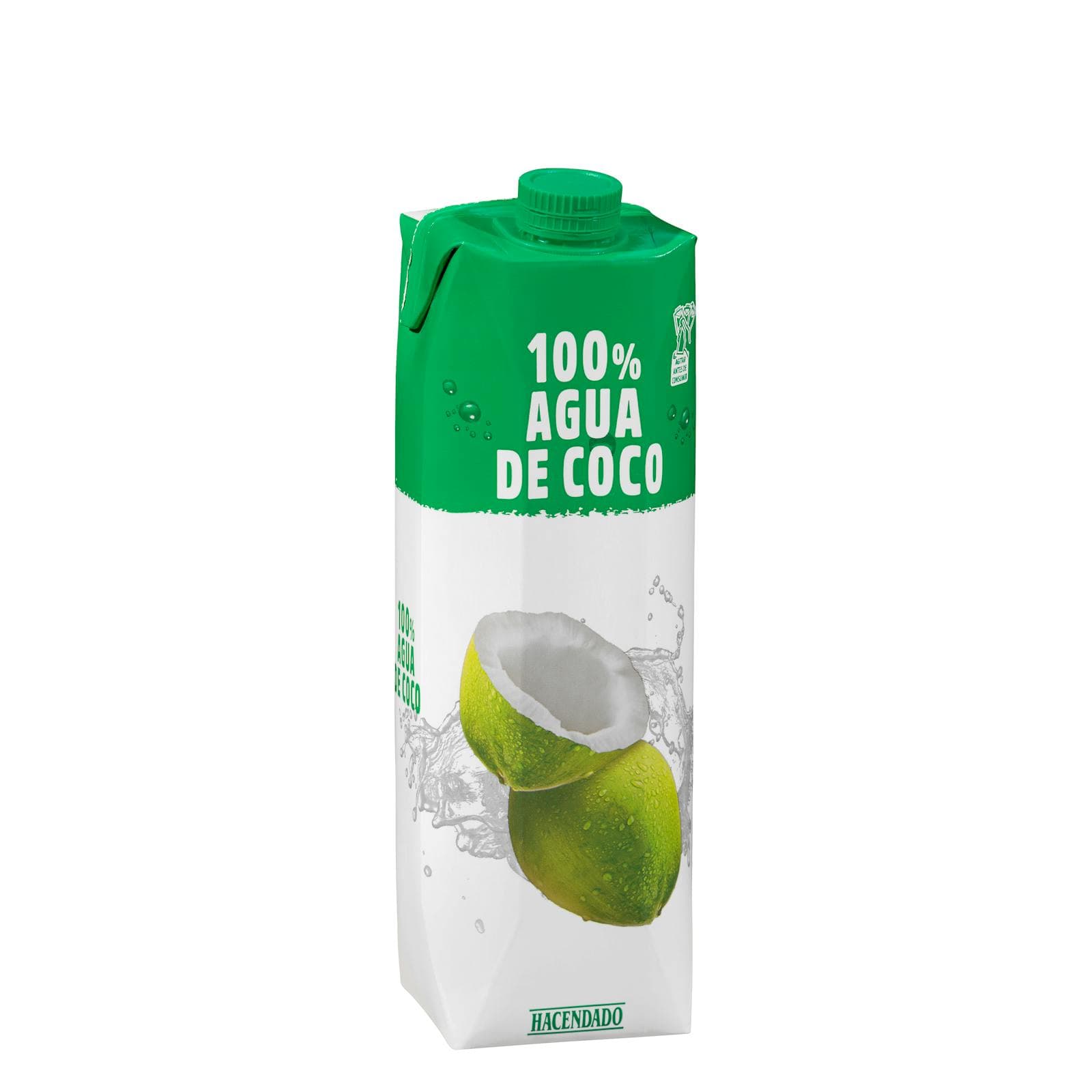 €2.30
€2.30Natural Coconut Water 100% Natural
Hacendado · 1 L · Mercadona
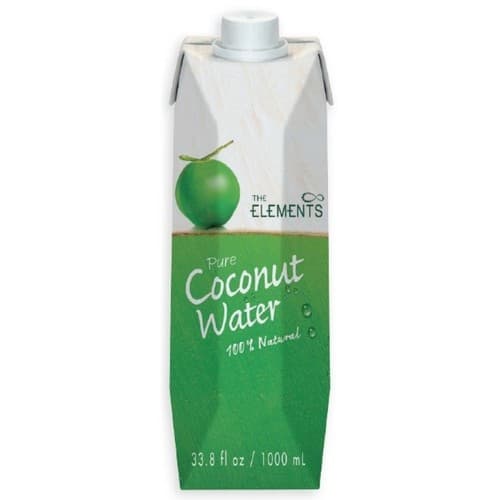 €2.69
€2.69The Elements Coconut Water 1 L Carton
THE ELEMENTS · l · Bonpreu
Good to know
- Flavor
- Light, faintly sweet, subtly nutty, refreshing
- Use in cooking
- Cooking rice/grains, poaching, smoothies, marinades
- Alcohol?
- No
- Substitute base
- Water + a splash of coconut milk, or light stock
- How to store
- Refrigerate after opening; use within 1–2 days
Substitutes
- Water + a splash of coconut milk — Adds mild coconut note without richness
- Light vegetable stock — For savory cooking, missing the sweetness
- Pineapple water / diluted juice — Tropical sweetness alternative
Also called
coconut water · agua de coco
Appears in these dishes



Related

White Rum
Light, clean rum for mojitos, daiquiris, and piña coladas

Dark Rum
Rich, molasses-deep rum for tiki drinks and sipping

Tequila
Bright agave spirit for margaritas, palomas, and shots
Mezcal
Smoky agave spirit for sipping and smoldering cocktails
Vodka
Clean, neutral spirit for mixing into almost any cocktail
Gin
Botanical, juniper-forward spirit for G&Ts and martinis

Whisky
Warm, oak-aged spirit for sipping and classic cocktails

Brandy
Rich, fruity grape spirit for sipping, sauces, and flambé