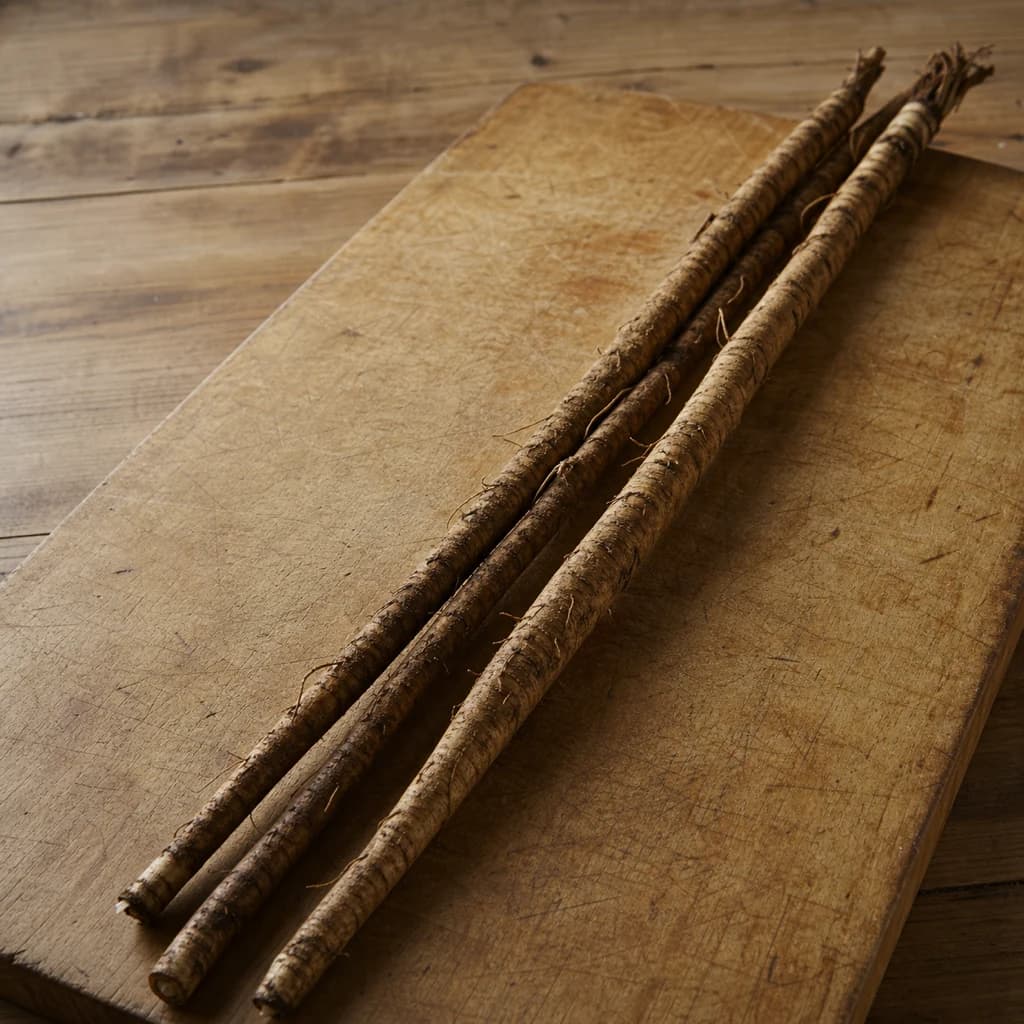
Natural form
Whole burdock root showing its characteristic long, slender brown form and rough skin.
Establishes the unmistakable size, shape, and earthy-brown appearance that distinguishes gobo from other root vegetables.
Produce
Burdock Root (Gobo)
Long, slender earthy root braised, stir-fried or simmered in Japanese and Korean dishes.
Burdock root, or gobo, is a long, thin brown root with crisp, earthy, slightly sweet flesh used widely in Japanese and Korean cooking. It is julienned for the braised dish kinpira gobo, added to soups, and simmered with soy. The flesh discolors quickly once cut, so it is soaked in water and often scrubbed rather than peeled to keep its flavor.
Burdock root is a long, slender taproot vegetable that has been a cornerstone of Japanese and Korean cooking for centuries, yet remains largely unfamiliar in Western kitchens. Its flavor is distinctive—earthy and mildly sweet, with notes of artichoke heart and parsnip, and a slightly bitter skin that mellows beautifully when cooked. When raw, the flesh is firm and crisp, becoming tender and yielding through cooking while retaining a pleasant slight crunch in well-prepared dishes. The vegetable's versatility spans preparations: julienned and stir-fried until caramelized in the classic kinpira style, slow-braised in dashi-based liquids until deeply infused, shaved raw into salads for textural contrast, or simmered in soups where it releases its earthy depth into the broth. In East Asia, burdock (gobo in Japanese, uong in Korean) is considered a winter vegetable, appearing in warming braises for the New Year's osechi ryori spread, as standard oden toppings, and in everyday home cooking.
Freshness is paramount with burdock: choose firm, unshriveled roots that feel heavy for their size, which indicates good moisture content. Lightweight or shriveled specimens will be fibrous and unpleasantly bitter. The root oxidizes rapidly when cut, turning gray-brown within minutes, so work efficiently or keep cut pieces submerged in acidulated water. Despite its tough appearance, burdock requires minimal technical skill—it responds well to simple preparations, though scrubbing and peeling can be labor-intensive depending on the root's age. Thicker specimens may develop a woody inner core that should be removed before cooking.
- Measured in
- g
- Storage
- Fridge
Types & varieties
Bred for tenderness and mild flavor; smoother skin and thinner body. The only widely sold cultivar is 'Takinogawa Long'.
Thinner, more fibrous, and more intensely flavored than cultivated varieties. Foraged in many regions; requires careful preparation to remove tough fibers.
Selecting and Storing
Choose burdock that is firm and unshriveled, with a brownish-black exterior. Heavier roots relative to their size indicate higher moisture content and better freshness. Avoid any specimens that feel lightweight or show signs of drying out—they will be fibrous and bitter. Thin young roots often need only a vigorous scrub; older, thicker roots require peeling with a vegetable peeler or paring knife.
Storage method dramatically affects longevity. Refrigerate unwashed roots wrapped in paper towels inside a perforated plastic bag for 1–2 weeks. For longer storage (up to one month), bury roots in sand in a cool cellar or cold basement, which mimics their natural growing conditions. Do not freeze fresh burdock, as the texture degrades significantly.
- Heavy for size = fresh and moist; lightweight = dried out and fibrous
- Thin young roots: scrub only, no peeling needed
- Thick or mature roots: peel before cooking
- Refrigerate wrapped in paper towels; change wrapping if it becomes damp
- Long-term storage: bury in sand in a cool location
Nutritional Profile
Burdock root is notably high in inulin, a prebiotic fiber that supports gut health and contributes to its slightly sweet flavor when cooked. It also provides appreciable amounts of potassium, iron, and antioxidants. In traditional East Asian medicine, burdock has been valued for its purported blood-purifying and diuretic properties, though these claims are rooted in folk tradition rather than clinical evidence.
- High in inulin (prebiotic fiber)
- Good source of potassium and iron
- Contains antioxidants
- Traditional folk medicine uses for blood purification and diuresis
Common uses
Tips & pitfalls
- Scrub vigorously under running water with a scrub brush; a vegetable peeler removes the skin but also some flesh—knife-peeling is more economical and preserves more of the root.
- Slice or julienne just before cooking; burdock oxidizes rapidly and turns gray-brown within minutes when exposed to air.
- To prevent oxidation, place cut pieces in cold water with a splash of rice vinegar (1–2 tbsp per quart).
- Do not overcook; a brief blanching (1–2 minutes) before stir-frying helps maintain a pleasant slight crunch in the final dish.
- The inner core of thicker roots can be woody—halve lengthwise and remove the central fibrous strand if present before cooking.
- Save trimmings for stock: earthy scrap pieces add depth to vegetable or dashi stocks.
- Common mistake: buying dried burdock—rehydrated dried gobo is useful as a pantry staple but lacks the fresh vegetable's crisp texture and vibrant flavor.
- Common mistake: discarding the peel entirely—thin young roots need only scrubbing; peeling removes much of the mineral-rich layer just beneath the skin.
Nutrition
Energy
301 kJ · per 100 g
Where the calories come from
Protein
1.5g
3% DV
Carbs
17.3g
6% DV
Fat
0.2g
0% DV
Fiber
3.3g
12% DV
Sugars
2.9g
of which
Sodium
5mg
0% DV
Source · USDA FoodData Central · Burdock root, raw
View on FDC →In the shops
Matched grocery products
No matched grocery products for Burdock Root (Gobo) yet.
Good to know
- Scientific Name
- Arctium lappa
- Japanese Name
- Gobo (ごぼう)
- Korean Name
- Uong (우엉)
- Origin
- Europe and temperate Asia; naturalized worldwide
- Peak Season
- Fall through early spring; available year-round from storage
- Shape
- Slender taproot, 60–90 cm (2–3 ft) long, 2–4 cm diameter when mature
- Flavor
- Earthy, mildly sweet; hints of artichoke heart and parsnip; slightly bitter skin
- Shelf Life
- 1–2 weeks refrigerated (wrapped in paper towels); up to 1 month in sand in a cool cellar
- Prep Yield
- Approximately 75–80% edible after peeling or scrubbing
- Difficulty
- Low; minimal technique required, but scrubbing and peeling can be labor-intensive
Substitutes
- Parsnip — Closest flavor substitute; slice thin and roast or braise. Slightly sweeter and lacks burdock's earthy depth.
- Carrot — Mild substitute in stir-fries and braises; similar texture when cooked but a distinctly different, sweeter flavor profile.
- Jerusalem Artichoke (Sunchoke) — Comparable earthy, slightly sweet flavor and similar crispness when raw. Different shape but interchangeable in many preparations.
- Daikon (White Radish) — Similar texture when cooked and neutral flavor that absorbs marinades well. Not a flavor substitute—lacks burdock's earthiness.
Pairs with
Also called
Gobo
Related
Tomato
Juicy, sun-sweet fruit for sauces, salads, and slow-cooked depth
Yellow Onion
The aromatic backbone of soups, sofritos, and braises
Garlic
Pungent cloves that perfume nearly every savory dish
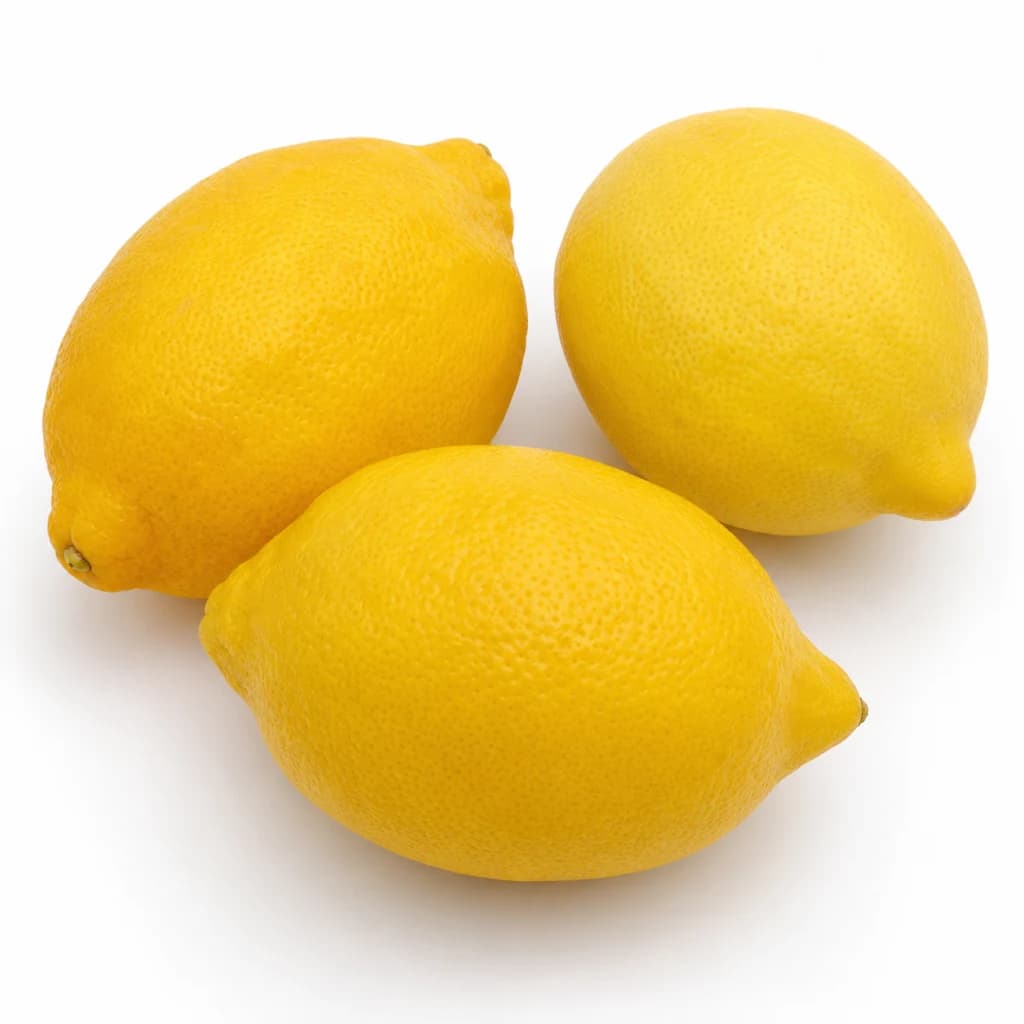
Lemon
Bright, acidic citrus that wakes up almost any dish
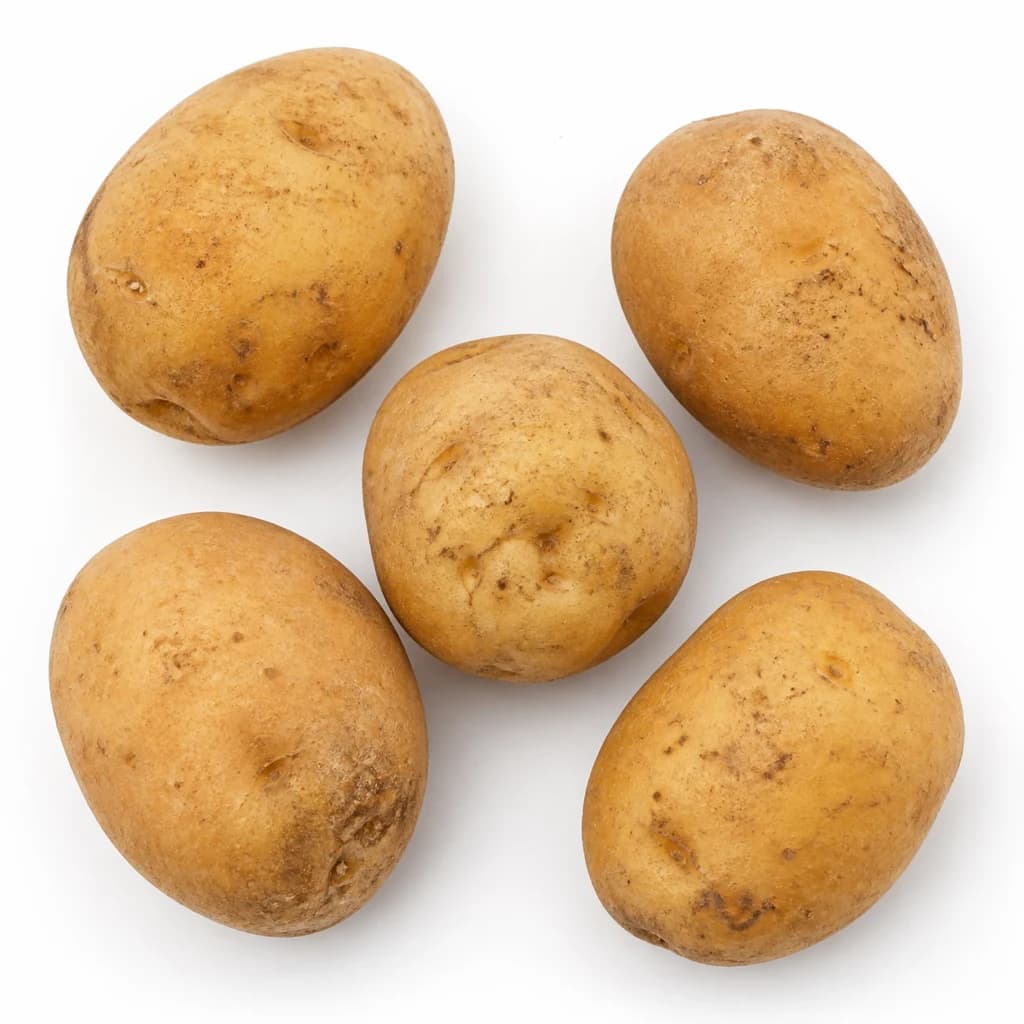
Potato
Humble, hearty staple — roast, mash, fry, or boil
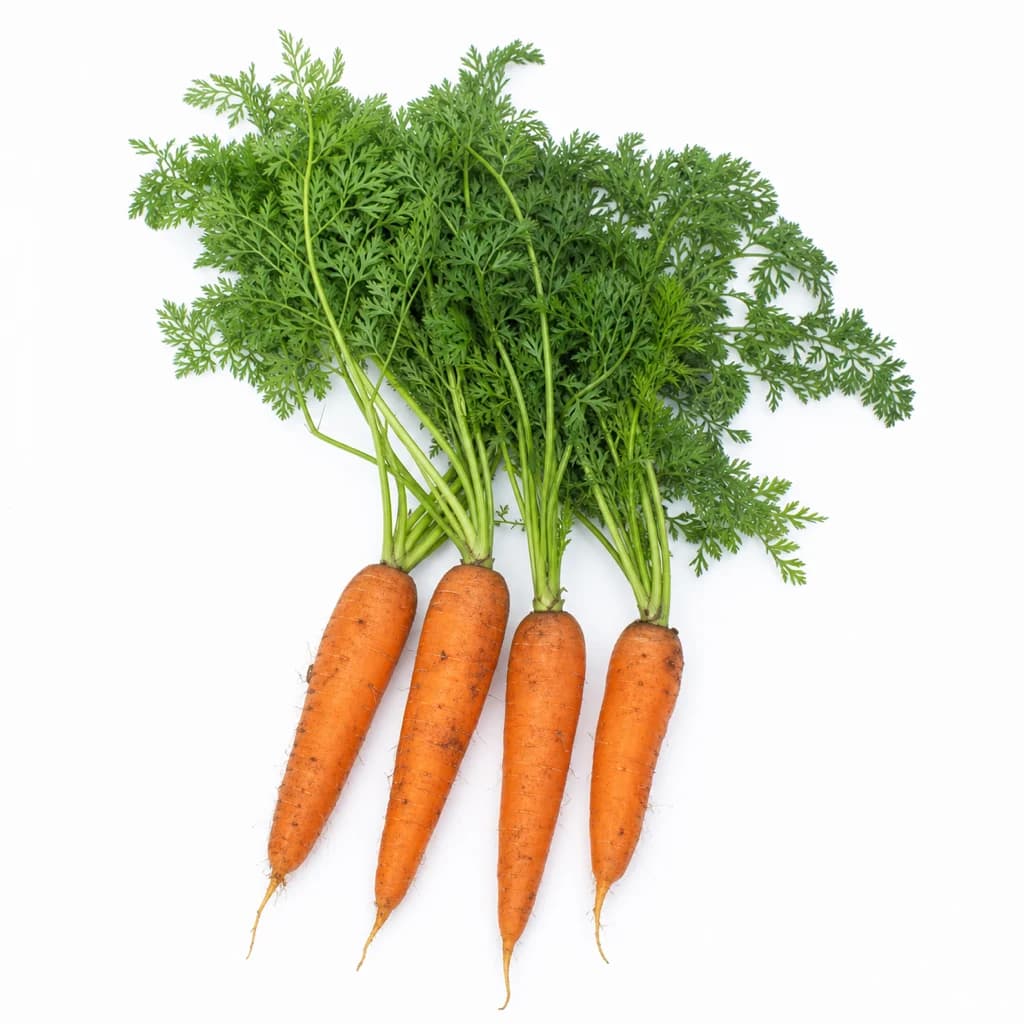
Carrot
Sweet, crunchy root — raw, roasted, or the base of a sofrito
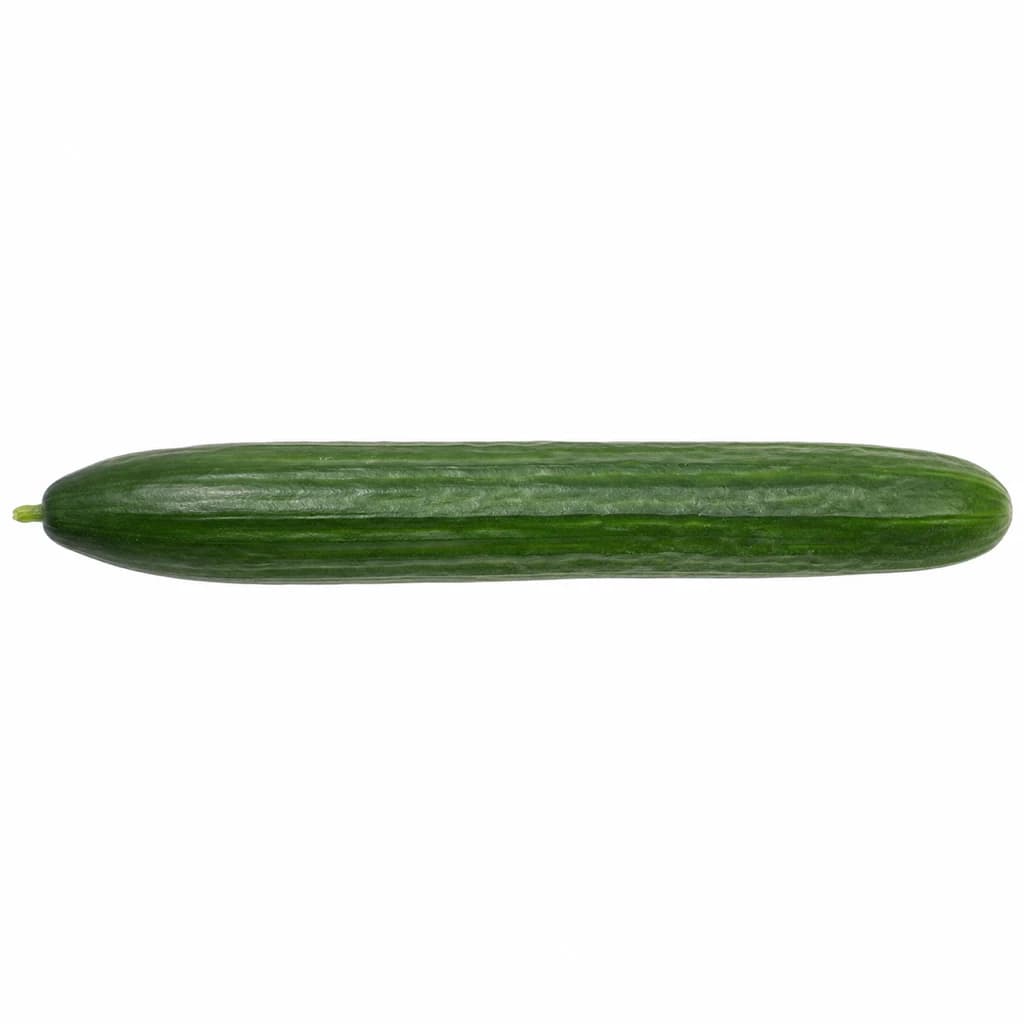
Cucumber
Cool, crisp, and watery — for salads, pickles, and tzatziki

Lettuce
Crisp leaves for salads, wraps, and a fresh crunch