Natural form
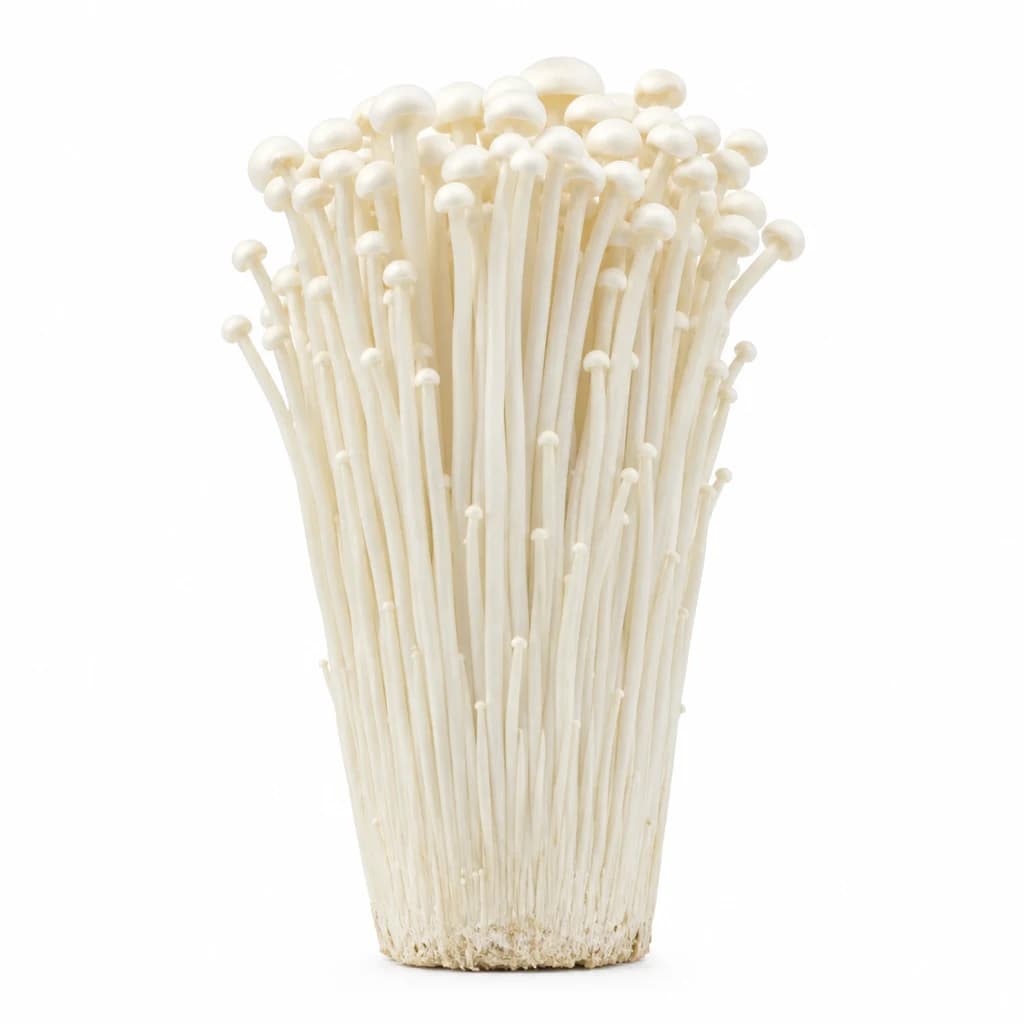
A fresh cluster of enoki mushrooms showing their characteristic long white stems and tiny caps.
Shows the defining visual signature of enoki — extreme stem length, miniature caps, and pure white coloration — so readers can identify them immediately.
Produce
Enoki Mushroom
Long thin white mushrooms with tiny caps, added to hot pots, soups, and stir-fries.
Enoki are clusters of slender, snow-white mushrooms with long stems and small caps, grown in the dark to keep them pale. Mild and slightly fruity with a delicate crunch, they are dropped into hot pots and miso soup, stir-fried, or wrapped in bacon. They cook in seconds and should be added near the end.
Enoki mushrooms (Flammulina velutipes) are among the most delicate cultivated fungi, recognized by their long, slender white stems and tiny rounded caps that cluster in dense bunches. Their name derives from the Japanese enoki (榎), the hackberry tree on which wild specimens traditionally grew. Commercial cultivation isolates a dwarf strain selected for its elongated stems and diminutive caps; the high-carbon-dioxide environment used during production keeps the stems thin and the color pale. This cultivation method, developed in Japan during the 1920s, transformed what was once a seasonal wild harvest into a year-round ingredient. Wild varieties, found on hardwood stumps across East Asia, develop larger tan-brown caps and a more pronounced earthy flavor—these are a different proposition entirely from the pristine white clusters sold in cellophane packages.
In the kitchen, enoki's chief asset is their tender texture when cooked, combined with a mild, slightly sweet flavor that readily absorbs surrounding seasonings. Their delicate nature demands respect: they require only brief heat to warm through, and their high moisture content means they can quickly turn soggy if overcooked or submerged too long. This makes them ideal for applications where they can shine briefly—swirled through a hot pot, dropped into a finished soup, or scattered raw across a salad for crunch. Their mildness also makes them excellent vehicles for bold flavors, whether a savory dashi broth, a pungent kimchi, or a finishing drizzle of sesame oil. The textural contrast between their caps and stems adds dimension to otherwise monotonous dishes.
Purchasing enoki is straightforward: look for firm, white, evenly colored clusters with no yellowing, sliminess, or strong odor. Avoid packages with excess condensation or visible moisture. At home, store them in a paper bag in the refrigerator's crisper drawer—they'll keep for one to two weeks. Note that enoki do not freeze well; ice crystals rupture their cell walls and produce a watery, mushy result upon thawing. When preparing, simply trim the tough base where the bunch was cut, then separate the individual stems or small bunches for more even cooking. Because they cook so quickly and release liquid readily, timing and heat management are critical—late addition and brief contact with high heat preserve their desirable texture and delicate character.
- Measured in
- g
- Storage
- Fridge
Types & varieties
Most common commercially; grown in complete darkness; pale white with long slender stems and tiny caps; the standard for most applications
Cultivated in dim light rather than darkness; ivory to pale gold color; slightly fuller, more robust flavor than white variety; preferred in some Korean preparations
Harvested from wild hackberry and elder stumps; tan-brown caps and shorter stems; more intense, earthy flavor; shorter seasonal availability in East Asian markets
Why the Name Matters
The 'velutipes' in the scientific name means 'velvet foot,' a reference to the fuzzy base of wild specimens. The elongated stems of cultivated enoki are a direct result of the CO₂-rich, lightless environment in which they grow—under normal conditions, the mushrooms would develop much shorter stems and wider caps. This cultivation technique, invented in Japan, is what gives commercial enoki their distinctive appearance.
- Wild enoki on hackberry stumps develop larger caps and shorter stems than their cultivated counterparts
- The dwarf strain used commercially was selected specifically for its elongated, slender form
- Light exposure during cultivation causes the stems to brown and the caps to widen—darkness maintains the prized pale color
Cooking Behavior and Moisture Management
Enoki mushrooms are essentially water balloons with delicate cell walls. They cook in seconds and release moisture rapidly, which is both their virtue and their Achilles' heel. In soups and broths, this means they dilute the liquid if added too early; in stir-fries, excess moisture prevents browning and creates steaming instead of searing. The fix is straightforward: add them late in cooking, let surface moisture evaporate before high-heat contact, or use them raw where their inherent moisture is an asset rather than a liability.
- 30 seconds to 2 minutes of cooking is sufficient in most applications
- Surface moisture must evaporate before sautéing for proper caramelization
- In broths, add enoki in the final minute or two to avoid dilution
- Raw enoki in salads or garnishes contribute crunch without adding excess liquid
Common uses
Tips & pitfalls
- Separate clusters into individual stems or small bunches at the base before cooking—unseparated mushrooms cook unevenly and some stems stay raw while others overcook.
- Clean by trimming the root end and shaking, or rinse very briefly and dry immediately with paper towels; soaking causes enoki to absorb water and turn mushy.
- Add enoki late in cooking—30 seconds to 2 minutes is sufficient. Overcooking turns them soft and releases excess liquid that dilutes broths and prevents browning.
- For a golden sautéed texture with better caramelization, separate the mushrooms, spread them on a clean kitchen towel, and let surface moisture evaporate for a few minutes before adding to a hot pan.
- Use enoki raw in salads or as a garnish for soups for a delicate crunch contrasting softer elements like tofu or noodles.
- In hot pots, swirl the bunch through the broth briefly with chopsticks and eat immediately—the brief contact with hot liquid is all they need.
- A common mistake is treating enoki like denser mushrooms (shiitake, cremini) that require longer cooking; enoki belong in the same quick-cook category as bean sprouts.
- Store enoki in their original packaging or a paper bag—plastic bags trap moisture and accelerate spoilage.
Nutrition
Energy
155 kJ · per 100 g
Where the calories come from
Protein
2.7g
5% DV
Carbs
7.8g
3% DV
Fat
0.3g
0% DV
Fiber
2.7g
10% DV
Sugars
0.2g
of which
Sodium
3mg
0% DV
Source · USDA FoodData Central · Mushrooms, enoki, raw
View on FDC →In the shops
Matched grocery products
 €2.05
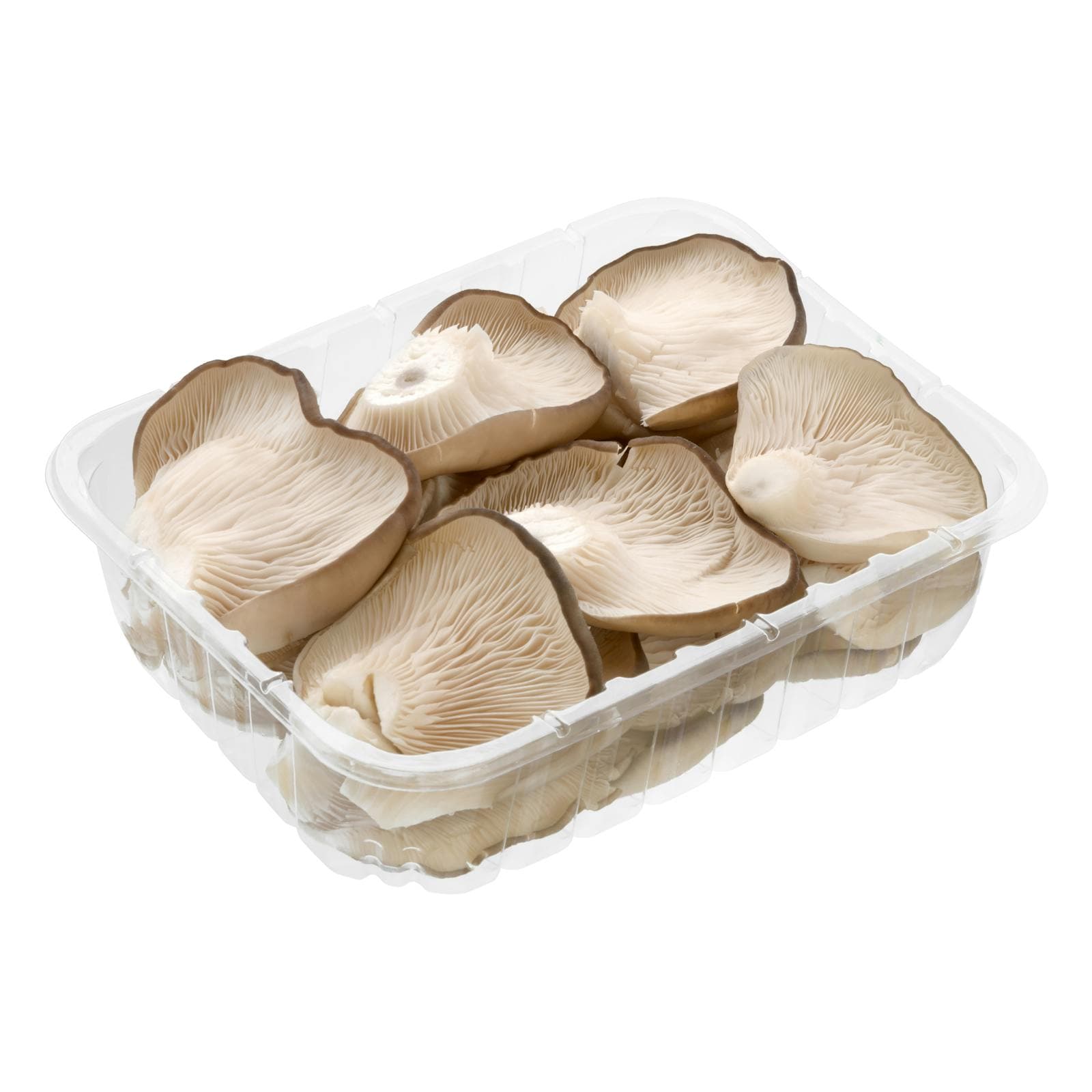
€2.05Mushrooms
250 g · Mercadona
 €1.45
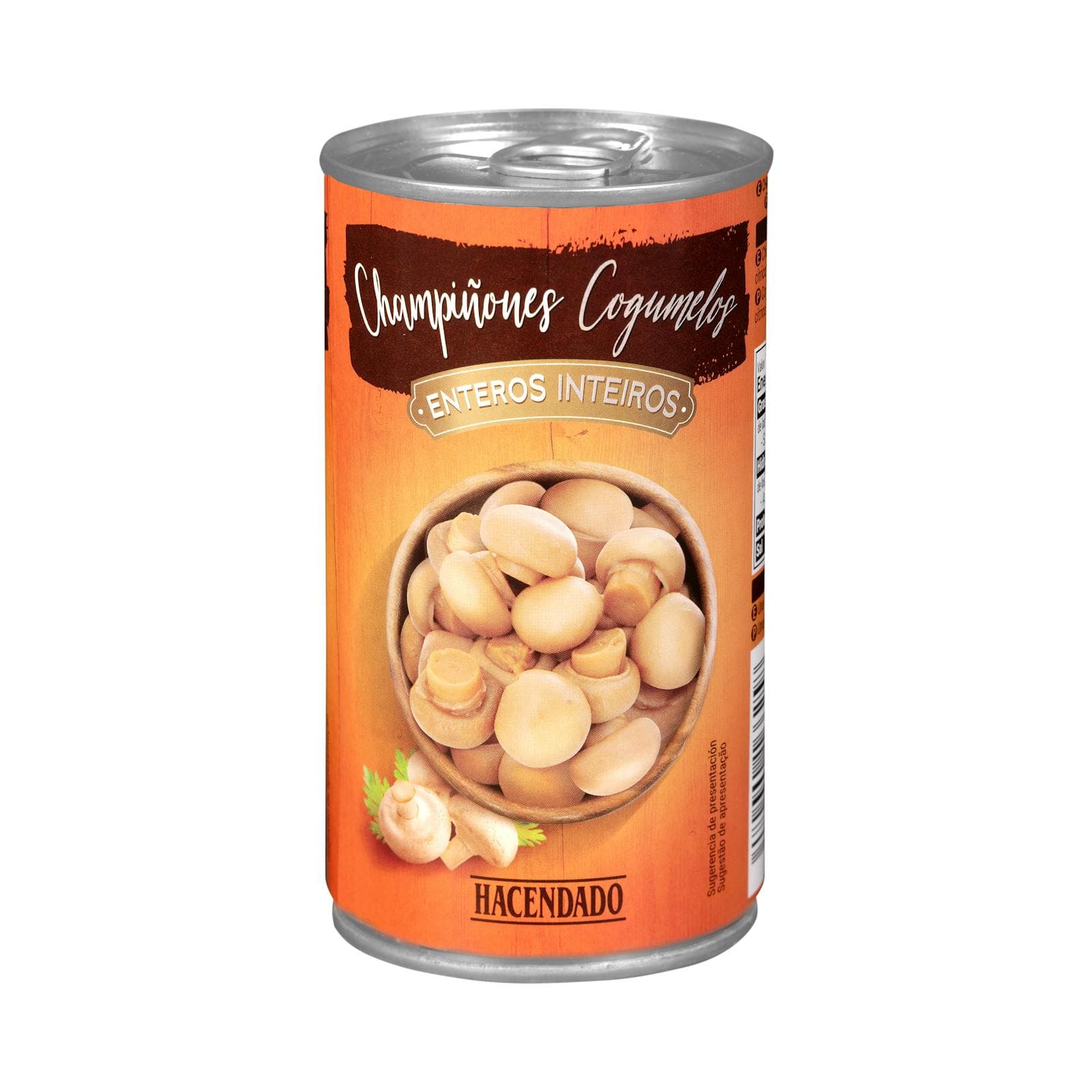
€1.45Whole Mushroom
Hacendado · 355 g · Mercadona
 €1.50
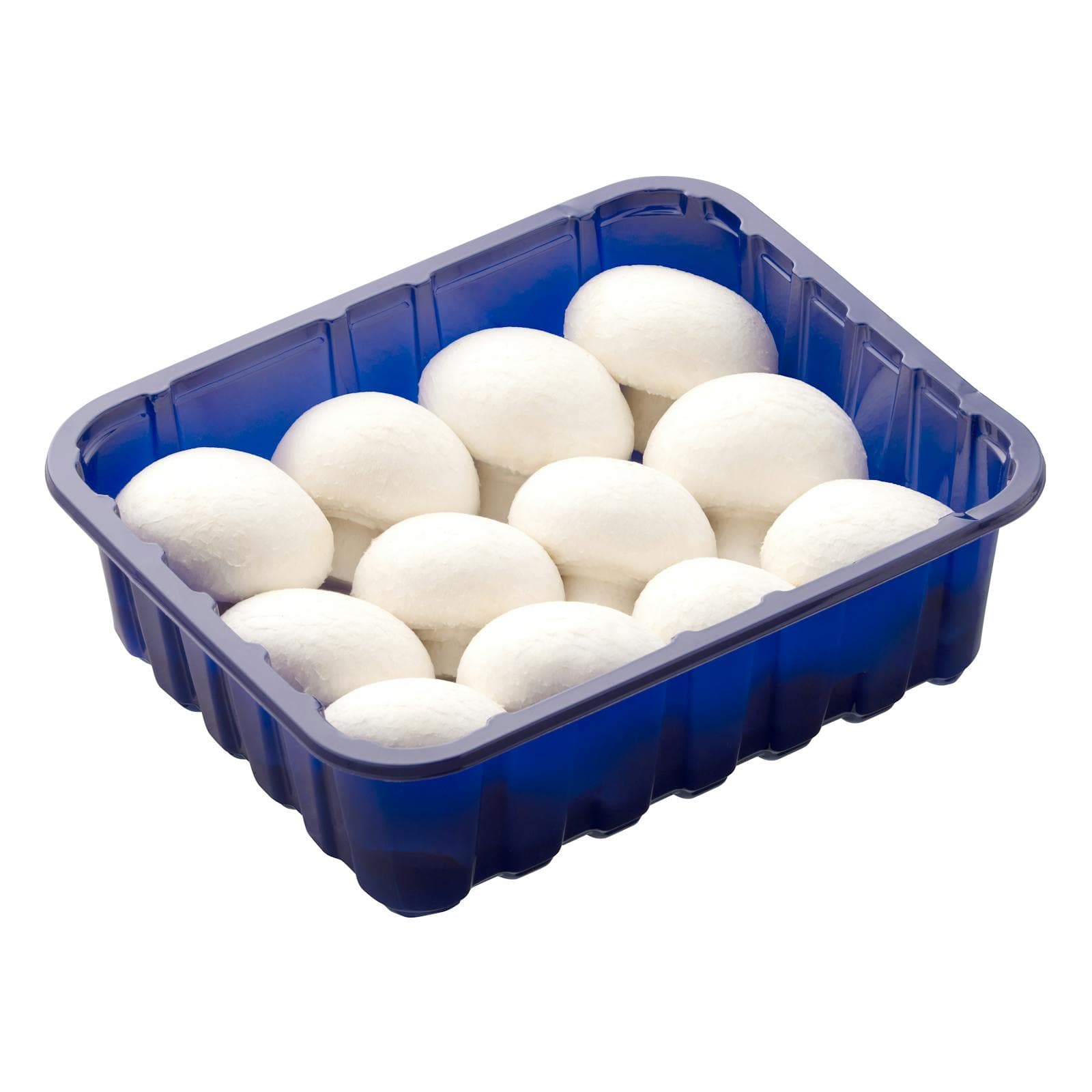
€1.50White Mushrooms
300 g · Mercadona
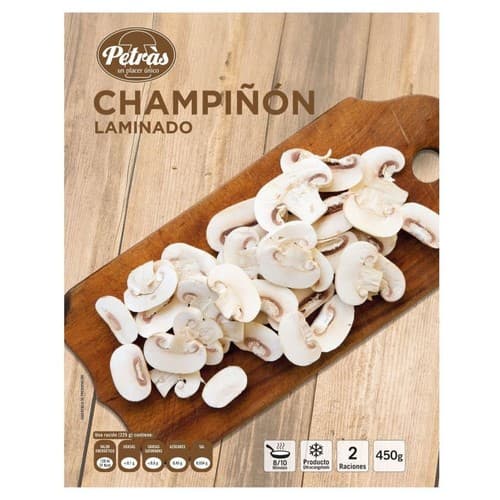 €1.99
€1.99Sliced Mushrooms
PETRAS · kg · Bonpreu
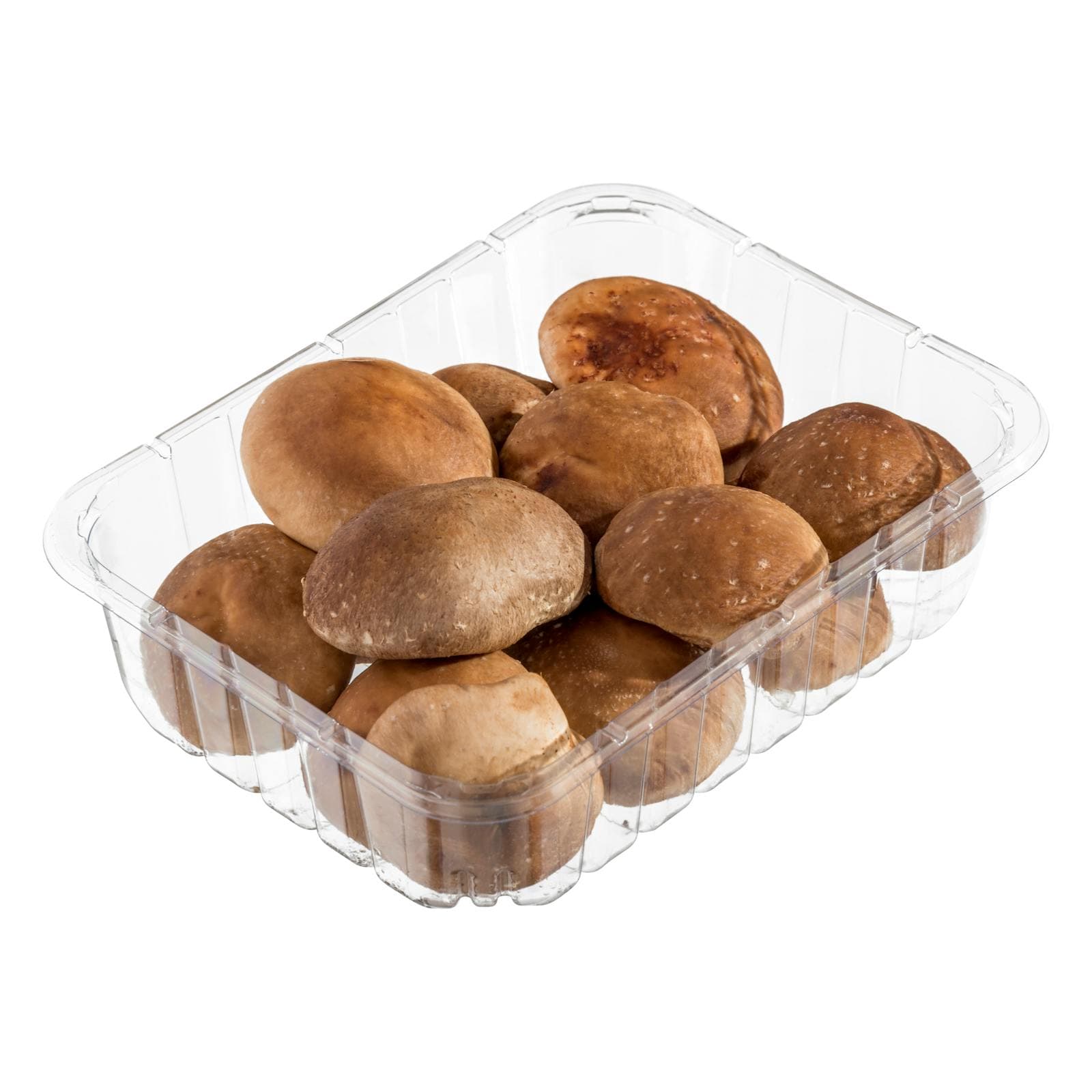 €3.96
€3.96Shiitake Mushrooms
300 g · Mercadona
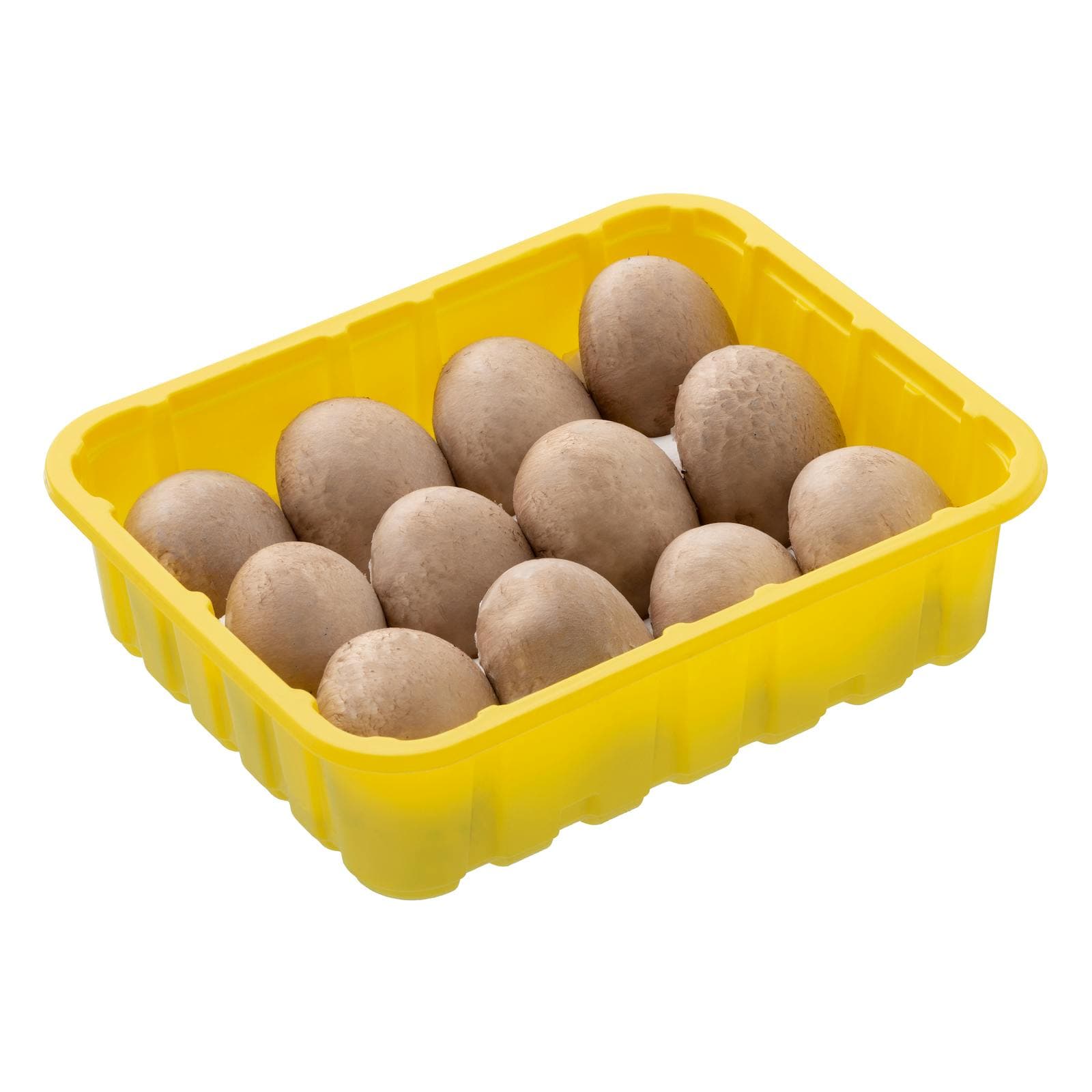 €2.16
€2.16Portobello Mushrooms
300 g · Mercadona
Good to know
- Scientific name
- Flammulina velutipes
- Also called
- Enoki-take, Winter Mushroom, Velvet Foot, Velvet Stem, Yungopi (Korean)
- Origin
- Wild varieties grow on hardwood stumps in East Asia; commercial cultivation began in Japan in the 1920s
- Cultivation method
- Grown in bottles in dark, cool, high-CO₂ conditions to produce pale white color and elongated stems
- Typical dimensions
- Stems 1–3 mm diameter, 4–15 cm long; caps 3–15 mm wide
- Flavor profile
- Mild, slightly sweet, subtle fruity note; wilder specimens taste more earthy and pronounced
- Shelf life
- Refrigerate in paper bag, 1–2 weeks; do not freeze
- Yield
- Virtually 100%; minimal trimming required
Substitutes
- Shimeji — Closest flavor and texture match; slightly nuttier and firmer; holds shape well in soups and stir-fries; use in equal quantity as a 1:1 replacement
- Beech mushroom (Buna shimeji) — Similar delicate flavor with a slightly firmer texture; good drop-in replacement in hot pot, sautéed, and light broth applications
- Oyster mushroom — Different shape but comparable mild flavor; tear into small strips to approximate the fine texture; cook 2–3 minutes longer than enoki would require
- Bean sprouts — Similar crunch and neutral flavor; suitable for Asian soups, stir-fries, and raw preparations; use raw or briefly blanched; less umami depth than enoki
Pairs with
Also called
金针菇 · Enokitake · Golden Needle Mushroom
Related
Tomato
Juicy, sun-sweet fruit for sauces, salads, and slow-cooked depth
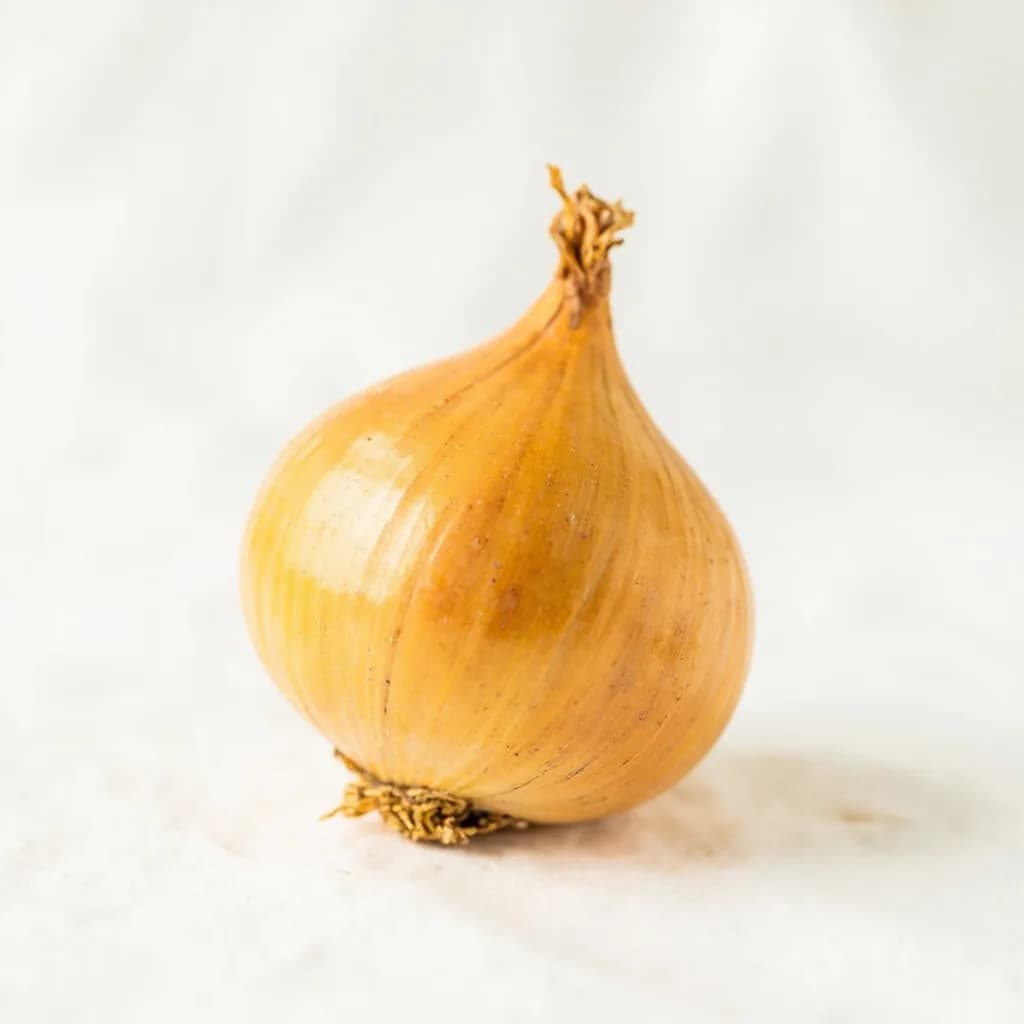
Yellow Onion
The aromatic backbone of soups, sofritos, and braises
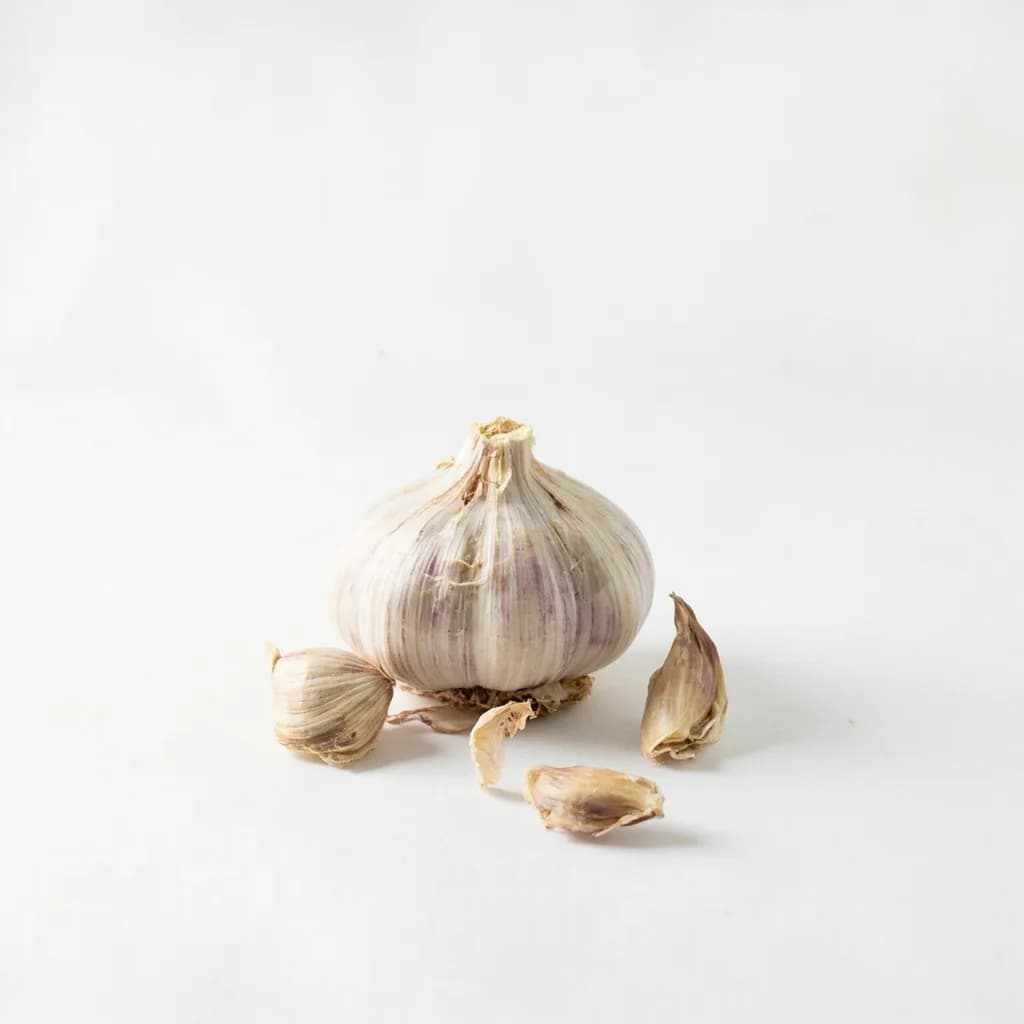
Garlic
Pungent cloves that perfume nearly every savory dish
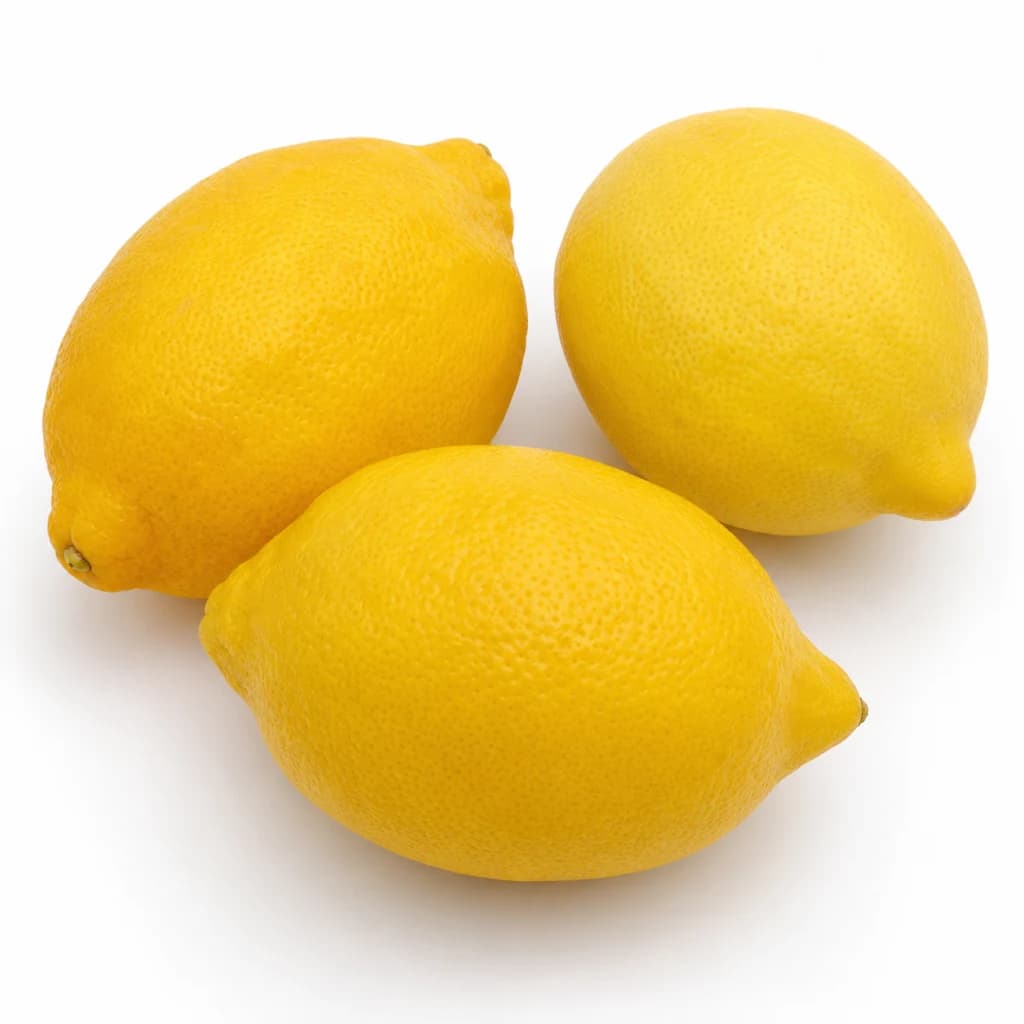
Lemon
Bright, acidic citrus that wakes up almost any dish
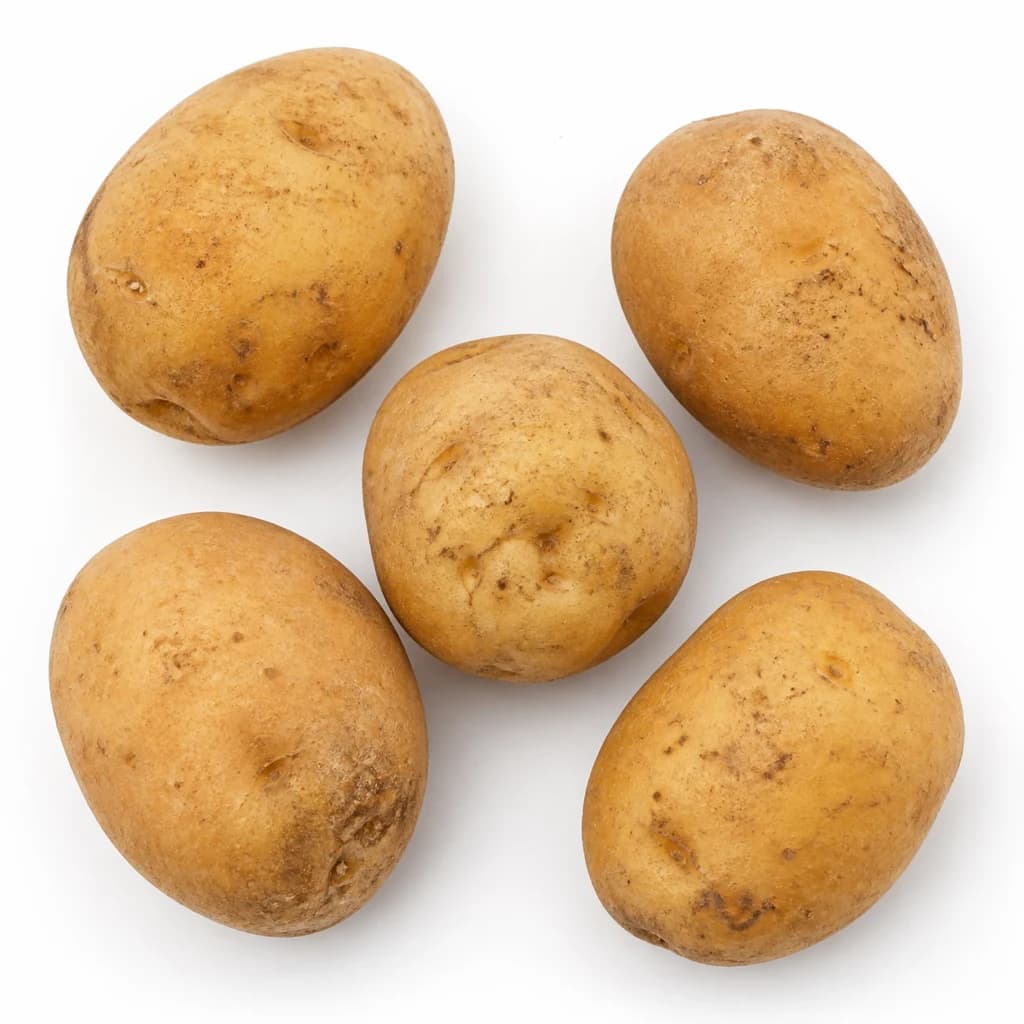
Potato
Humble, hearty staple — roast, mash, fry, or boil
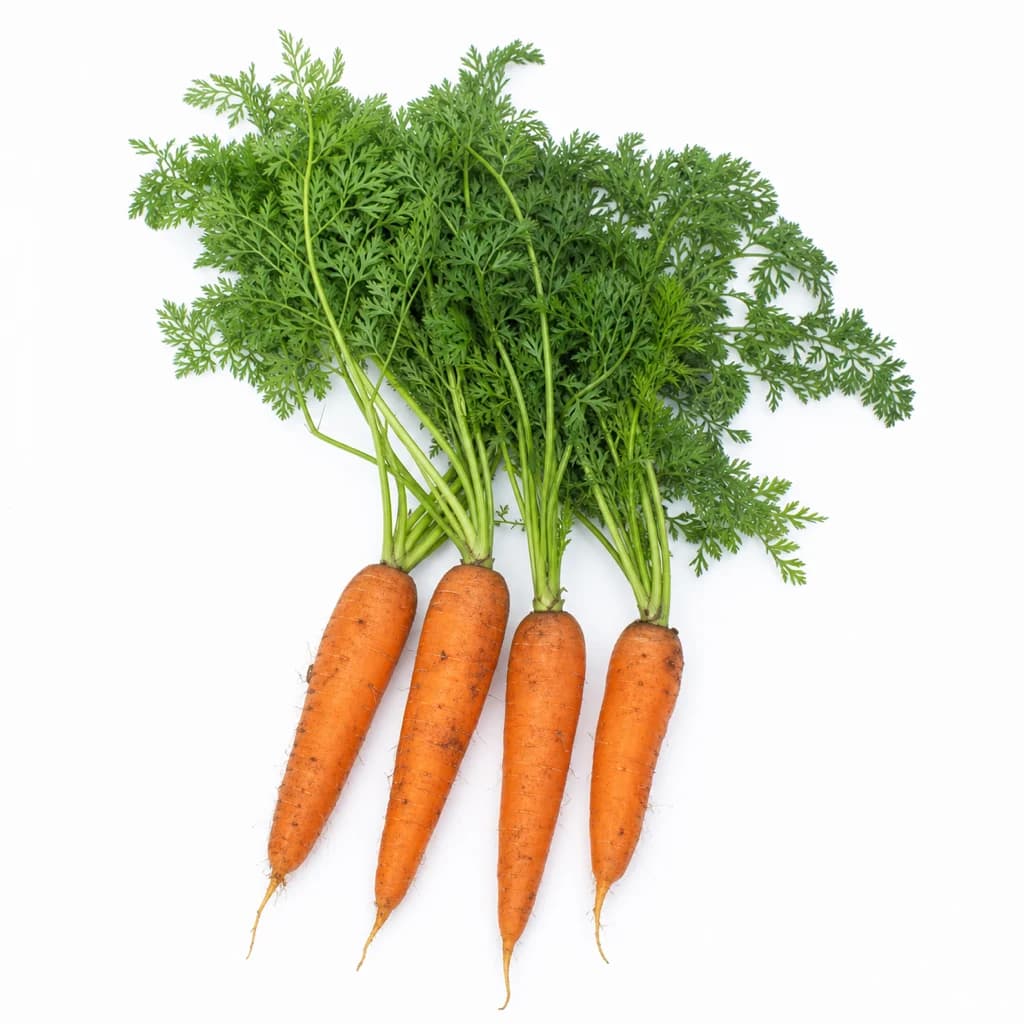
Carrot
Sweet, crunchy root — raw, roasted, or the base of a sofrito
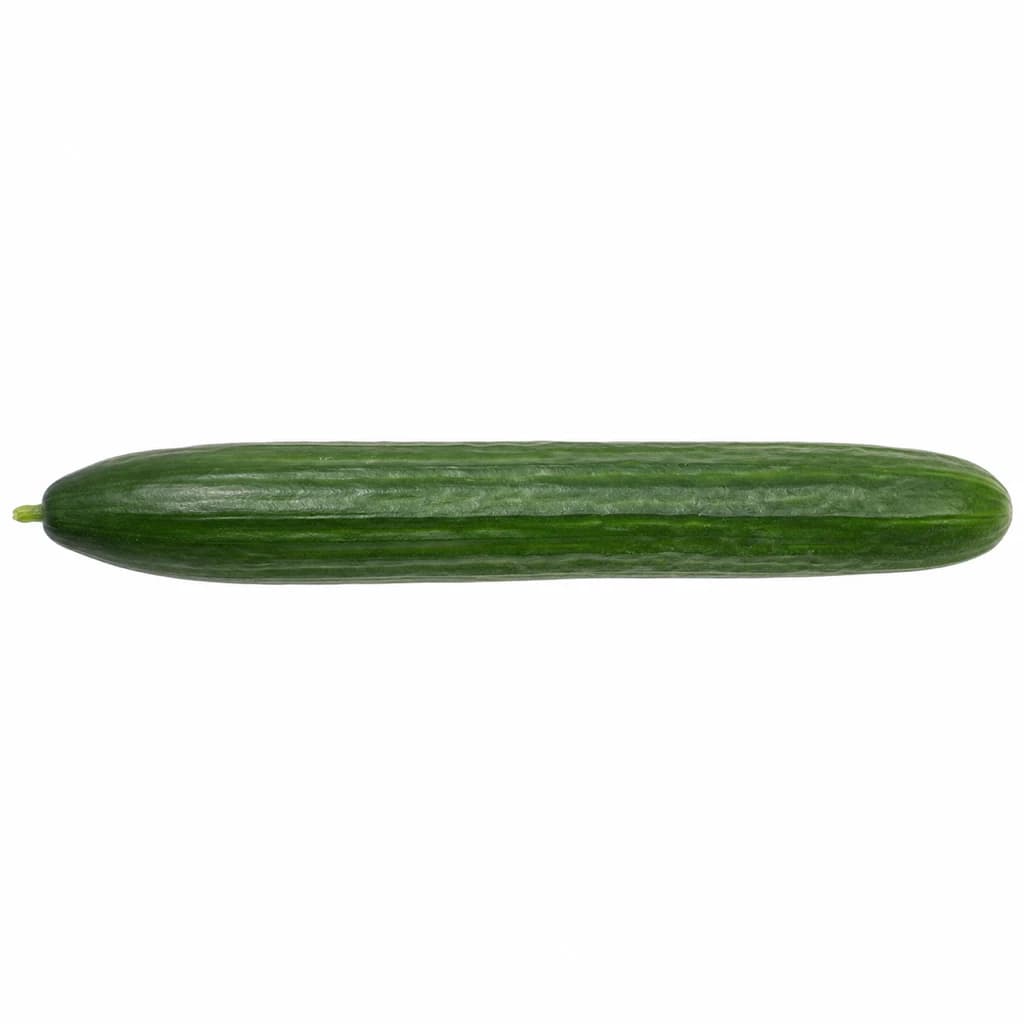
Cucumber
Cool, crisp, and watery — for salads, pickles, and tzatziki

Lettuce
Crisp leaves for salads, wraps, and a fresh crunch