
Natural form
A fresh cluster of pale grey oyster mushrooms with fan-shaped caps growing together.
Shows the mushroom's defining cluster growth habit, fan shape, and natural pale grey color so readers recognize it immediately.
Produce
Oyster Mushroom
Soft fan-shaped mushroom with a mild flavor and velvety texture.
Oyster mushrooms grow in soft, fan- or shelf-shaped clusters with a delicate, slightly sweet flavor and tender, velvety texture. They cook quickly and are used in stir-fries, soups, pasta and as a vegan meat substitute, taking on a savory chew when seared. They range in color from pale grey to golden and pink.
Oyster mushrooms (Pleurotus ostreatus and related species) grow in cascading, shelf-like clusters on dead and dying hardwood trees, developing distinctive fan or shell-shaped caps with offset stems. They are the second most cultivated mushroom worldwide, prized for their minimal prep requirements, quick cooking time, and remarkable versatility across cuisines. The raw texture is soft and velvety; when cooked properly over high heat, they develop a pleasantly meaty chew and concentrated umami flavor with subtle anise or nutty notes. Unlike many mushrooms, oyster varieties need no peeling, soaking, or lengthy preparation—their tenderness is an asset, not a flaw. The key to excellent results is treating them dry, cooking them hot, and avoiding crowding in the pan. This combination coaxes out their natural sugars, creates caramelized edges, and delivers the full-flavored, silky-smooth character that makes them indispensable for weeknight cooking and restaurant menus alike.
- Measured in
- g
- Storage
- Fridge
Types & varieties
Most common commercial variety; gray to brown caps, mild flavor, excellent all-purpose mushroom
Cream to pale ivory color; slightly milder flavor than pearl; oxidizes slowly
Vivid yellow; more aromatic and floral than gray varieties; smaller with delicate texture
Salmon to deep pink; tropical species (Pleurotus salmoneus); best dried or fried; turns gray when cooked
Bluish-gray when young, maturing to gray-brown; robust flavor; cold-tolerant strain
Pleurotus eryngii; thick, meaty stems ideal for grilling; less common than true oyster varieties
Pleurotus pulmonarius; tolerates warmer temperatures; slightly smaller, more tapered caps
Understanding the clusters
Oyster mushrooms grow in natural clusters that can span 6–12 inches, with individual caps ranging from 2–8 inches wide. When separating clusters for cooking, tear or cut at the natural junction where stems meet—do not break apart individual gills, as this damages the tender flesh. The entire cap is edible, as are the tender portions of the stem. Only the base where the cluster attaches to the tree (woody and pale) should be discarded. Save these tough stem bases for stocks and broths where they contribute flavor without affecting texture.
- Individual caps: 2–8 inches wide; clusters can span 6–12 inches
- Color varies by variety: pearl gray, cream, white, golden yellow, salmon pink, bluish-gray, or pale tan
- Minimal shrinkage when cooked; 1 pound raw yields about 6–8 ounces cooked
- Freeze only after blanching or sautéing; raw frozen mushrooms become mushy
Color changes during cooking
Some oyster varieties transform significantly when heated. Pink oyster mushrooms lose their vivid color and turn gray—a cosmetic change that does not affect flavor. Golden oysters may fade to pale yellow. These changes are normal and do not indicate overcooking or spoilage. If visual impact matters for a dish, add the mushrooms toward the end of cooking or use varieties that hold their color better, such as pearl or blue oysters.
- Pink oysters: salmon color fades to gray when cooked
- Golden oysters: vivid yellow may pale during extended cooking
- Pearl and blue oysters hold their color better
Common uses
Tips & pitfalls
- Never soak oyster mushrooms in water—they absorb liquid rapidly and become waterlogged; clean with a dry brush or damp cloth instead.
- Do not discard the stems unless they are woody; tender stem portions are edible and flavorful.
- Cook over high heat in a dry or minimally oiled pan until any released moisture evaporates and browning begins—this develops their umami character.
- Season with salt only after cooking or near the end; salting early draws out moisture and prevents browning.
- Use a wide, heavy skillet with space between pieces; crowding causes steaming rather than searing.
- For maximum flavor development, cook until the edges turn golden brown and slightly crispy.
- Refrigerate only; they deteriorate rapidly at room temperature. Use within a week for best quality.
- When purchasing, choose firm caps with even coloration; avoid specimens that are slimy, dark, or smell musty.
- Large whole caps can be marinated and grilled whole for a meaty, substantial texture.
- Add to cooked dishes near the end of cooking time to avoid overcooking into mushiness.
Nutrition
Energy
138 kJ · per 100 g
Where the calories come from
Protein
3.3g
7% DV
Carbs
6.1g
2% DV
Fat
0.4g
1% DV
Fiber
2.3g
8% DV
Sugars
1.1g
of which
Sodium
18mg
1% DV
Source · USDA FoodData Central · Mushrooms, oyster, raw
View on FDC →In the shops
Matched grocery products
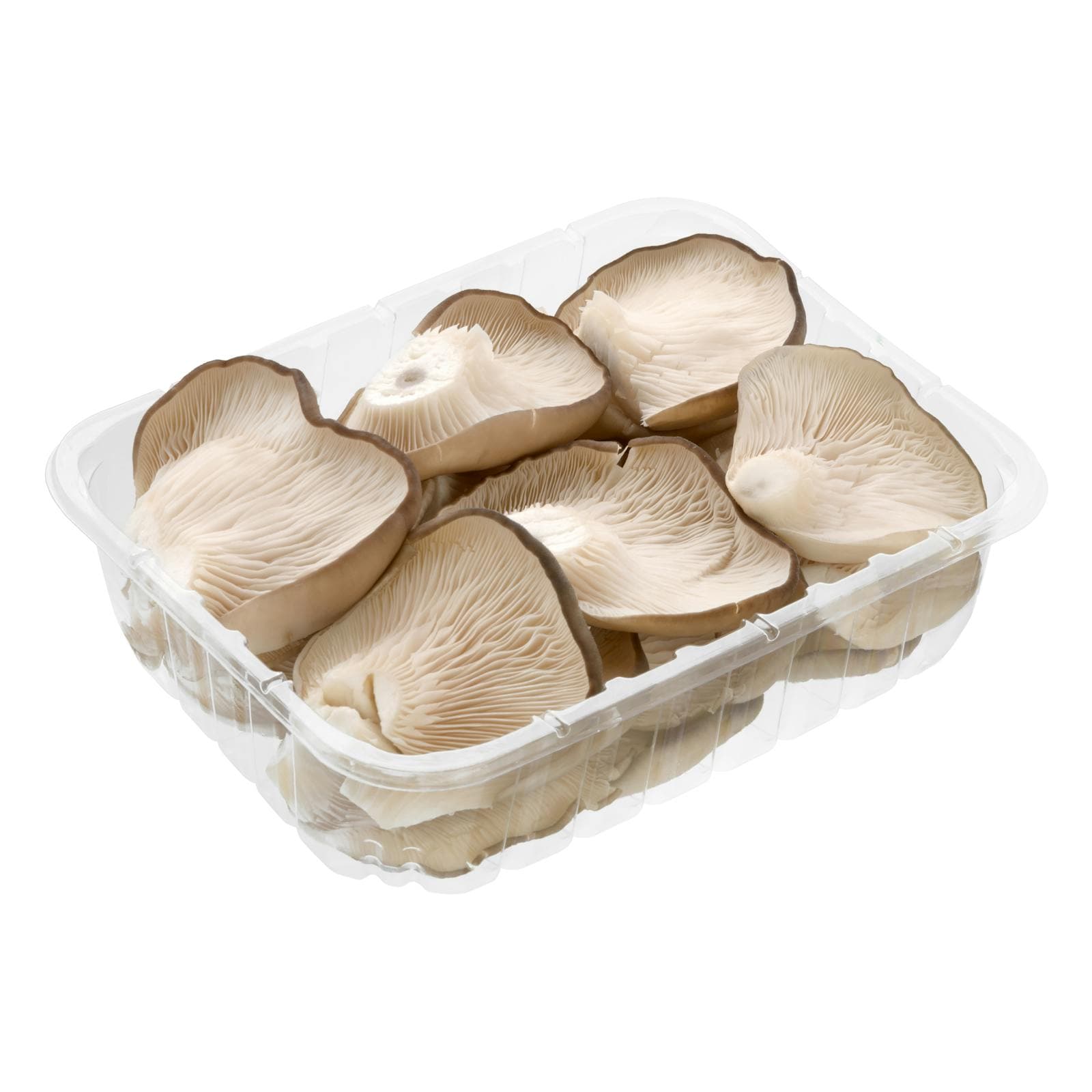 €2.05
€2.05Mushrooms
250 g · Mercadona
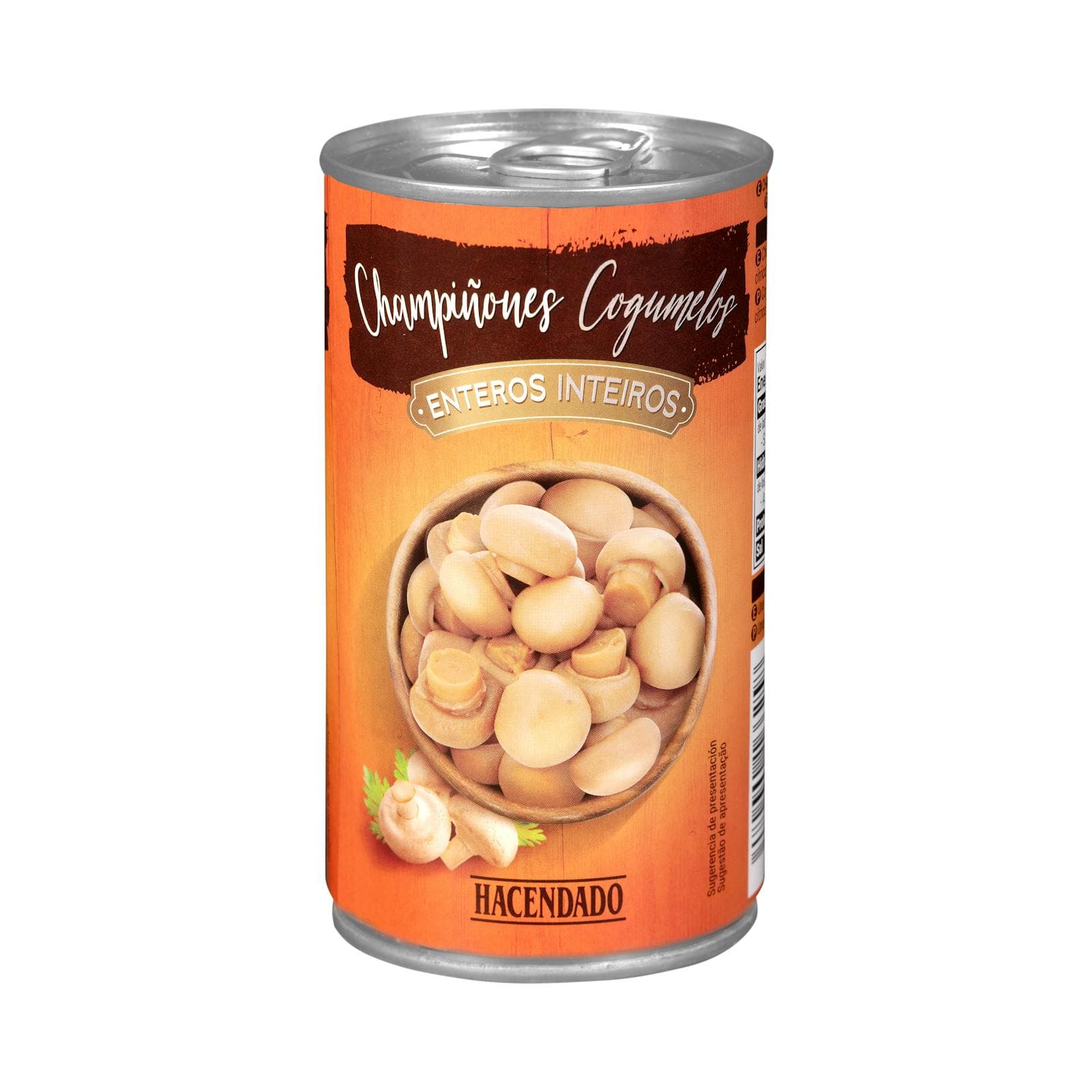 €1.45
€1.45Whole Mushroom
Hacendado · 355 g · Mercadona
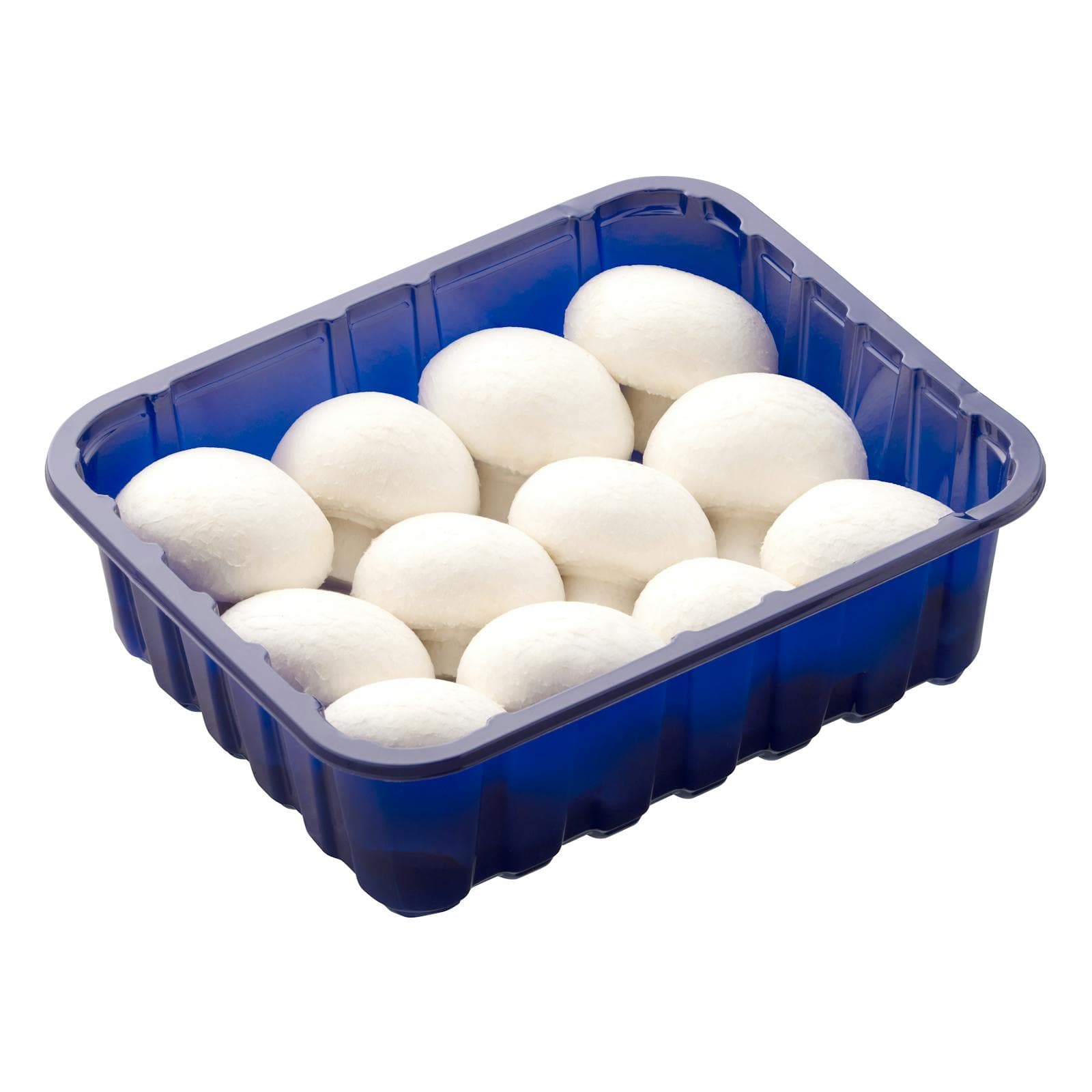 €1.50
€1.50White Mushrooms
300 g · Mercadona
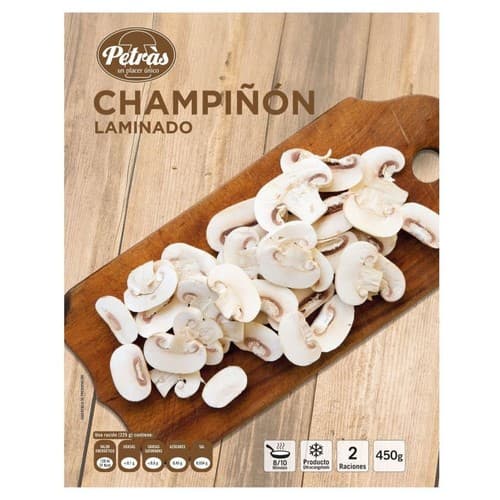 €1.99
€1.99Sliced Mushrooms
PETRAS · kg · Bonpreu
 €3.96
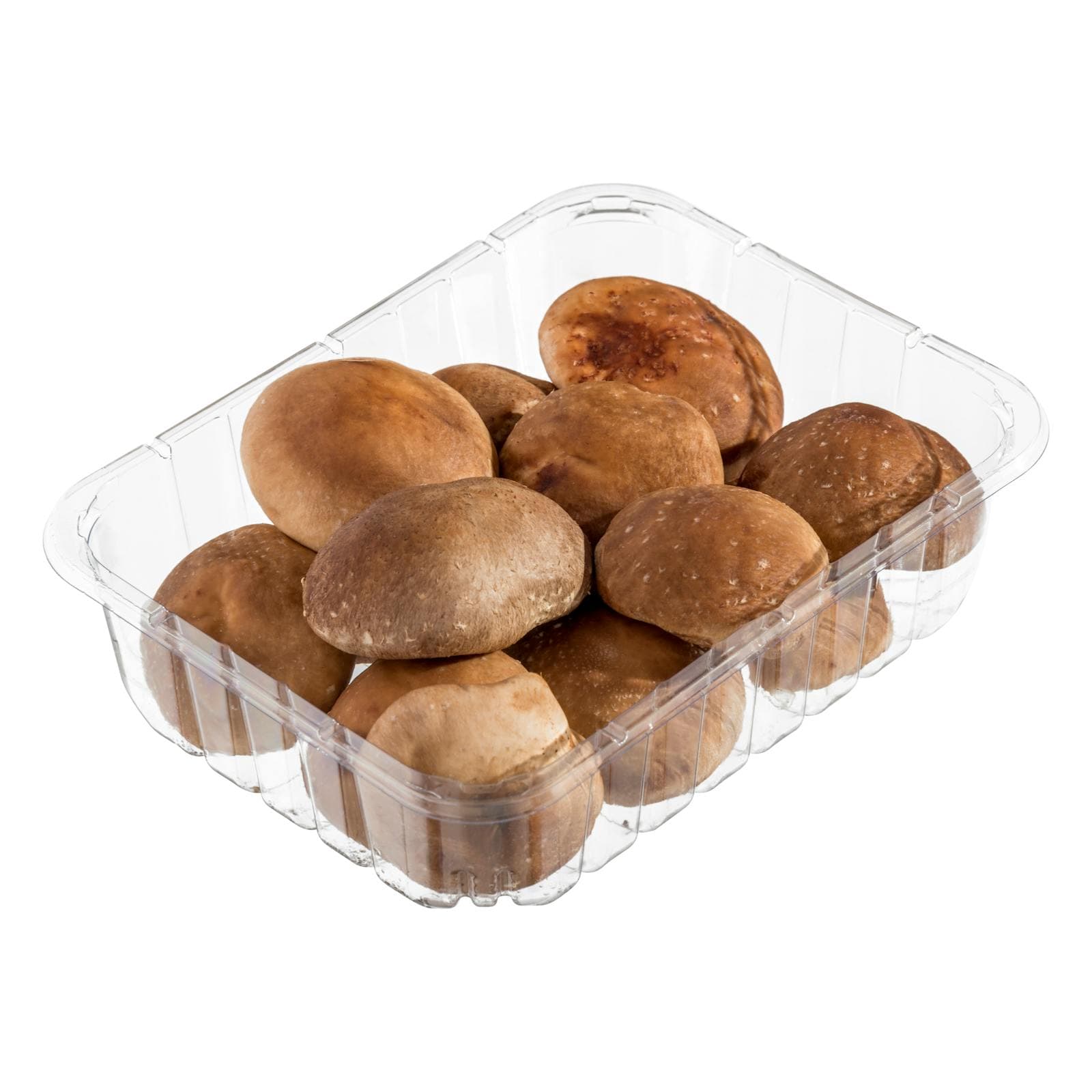
€3.96Shiitake Mushrooms
300 g · Mercadona
 €2.16
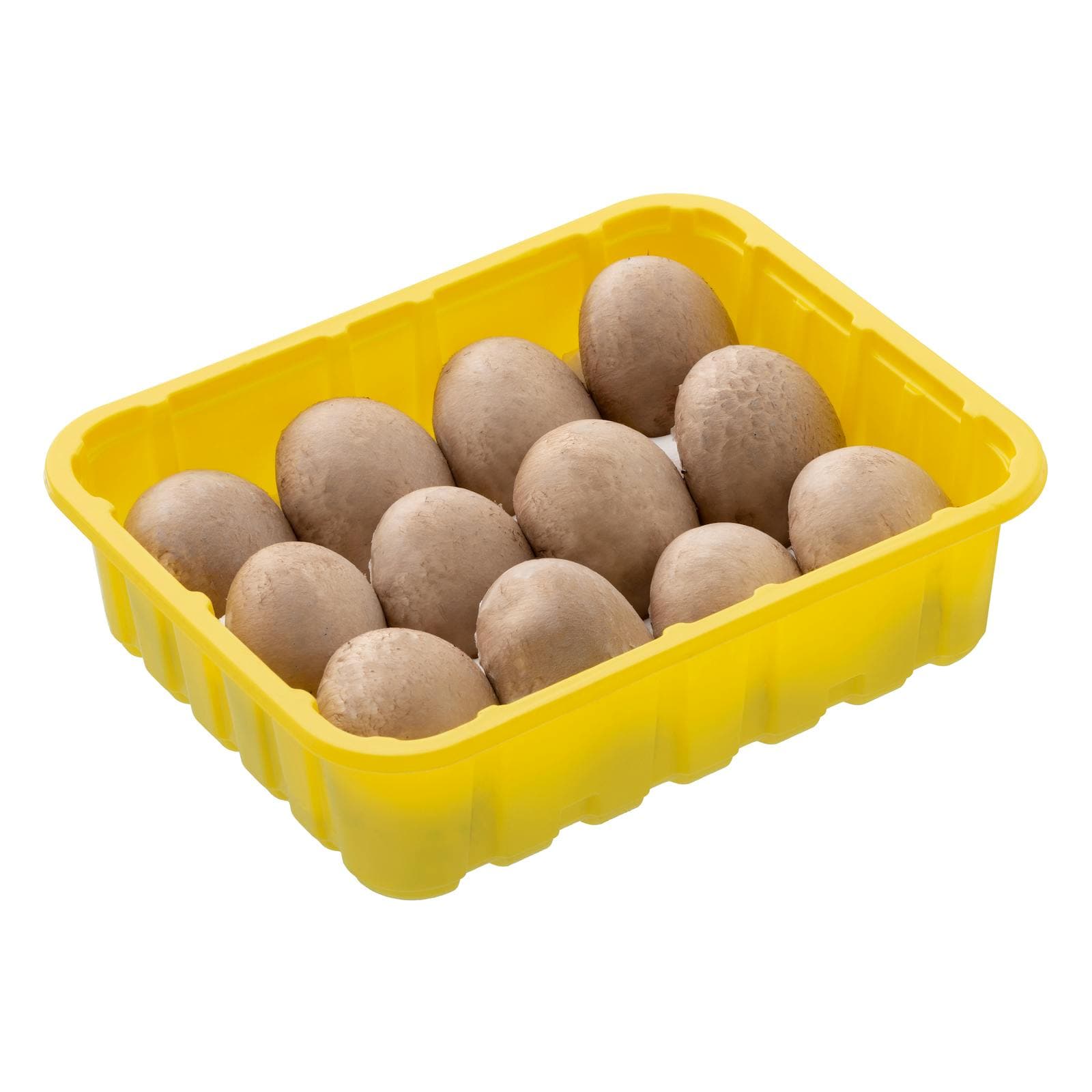
€2.16Portobello Mushrooms
300 g · Mercadona
Good to know
- Scientific name
- Pleurotus ostreatus (and other Pleurotus species)
- Origin
- Native to North America, Europe, and Asia; grows wild on hardwood trees worldwide
- Peak season
- Fall through early spring; cultivated varieties available year-round
- Cultivation rank
- Second most cultivated mushroom globally after shiitake
- Flavor profile
- Mild, subtle umami; faintly anise or nutty; intensifies and sweetens when cooked
- Texture
- Soft, tender, velvety when raw; meaty and pleasantly chewy when properly cooked
- Typical size
- Individual caps 2–8 inches wide; clusters can span 6–12 inches
- Color range
- Varies by variety: pearl gray, cream, white, golden yellow, salmon pink, bluish-gray, or pale tan
- Storage
- Refrigerate unwashed in a paper bag; 5–7 days optimal
- Freezing
- Blanch briefly or sauté before freezing; raw frozen mushrooms become mushy
- Yield
- Minimal shrinkage when sautéed; 1 pound raw yields about 6–8 ounces cooked
- Prep required
- Trim tough stem base only; no peeling, soaking, or special treatment needed
- Edible parts
- Caps and tender stem portions; tough stem bases suitable for stocks
Substitutes
- Shiitake mushrooms — More pronounced flavor but similar texture; remove tough stems before cooking
- Cremini mushrooms — Firm texture and earthy flavor; readily available; good for high-heat cooking
- King oyster mushrooms — Meatier texture with thick stems; excellent for grilling; flavor is more intense
- Beech mushrooms (bunapi shimeji) — Small caps with crunchy stems; mild flavor; hold texture well in cooking
- White button mushrooms — Milder flavor but similar cooking behavior; widely available year-round
Pairs with
Also called
Pleurotus
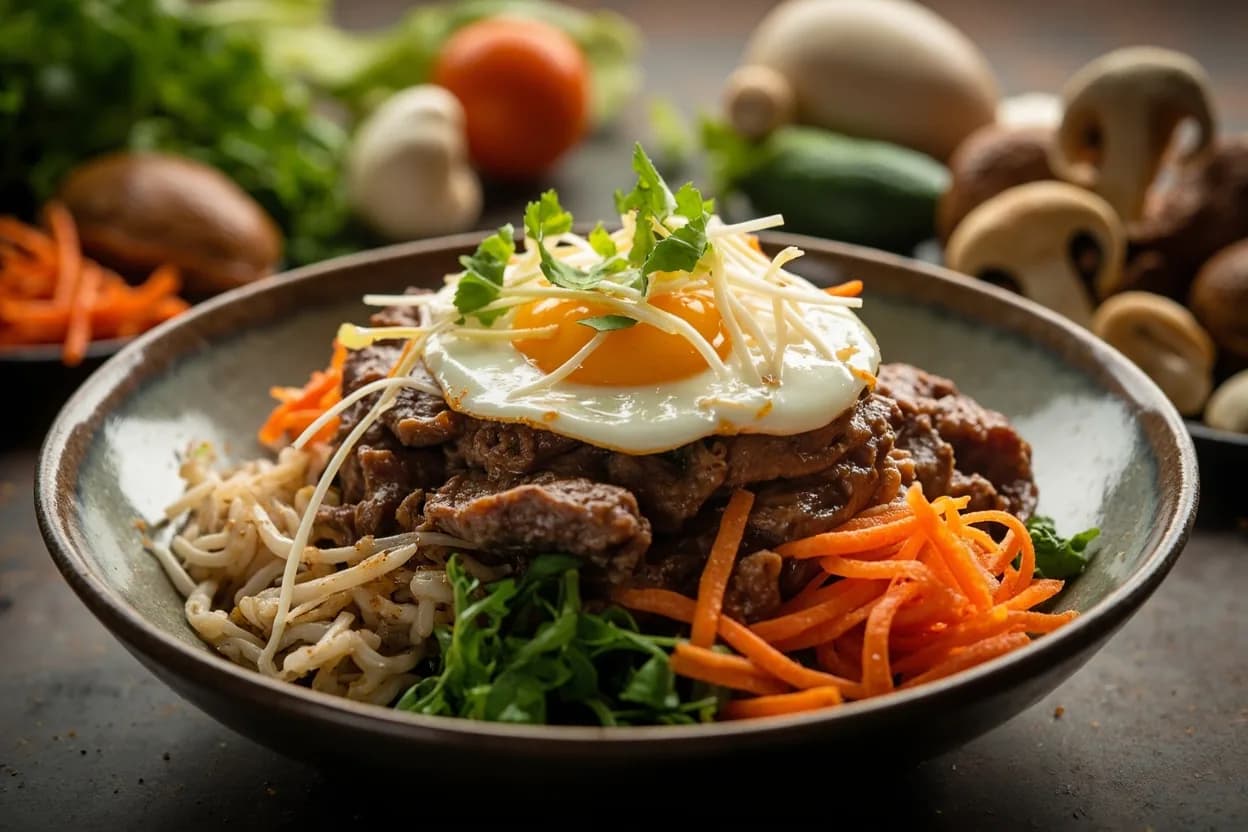
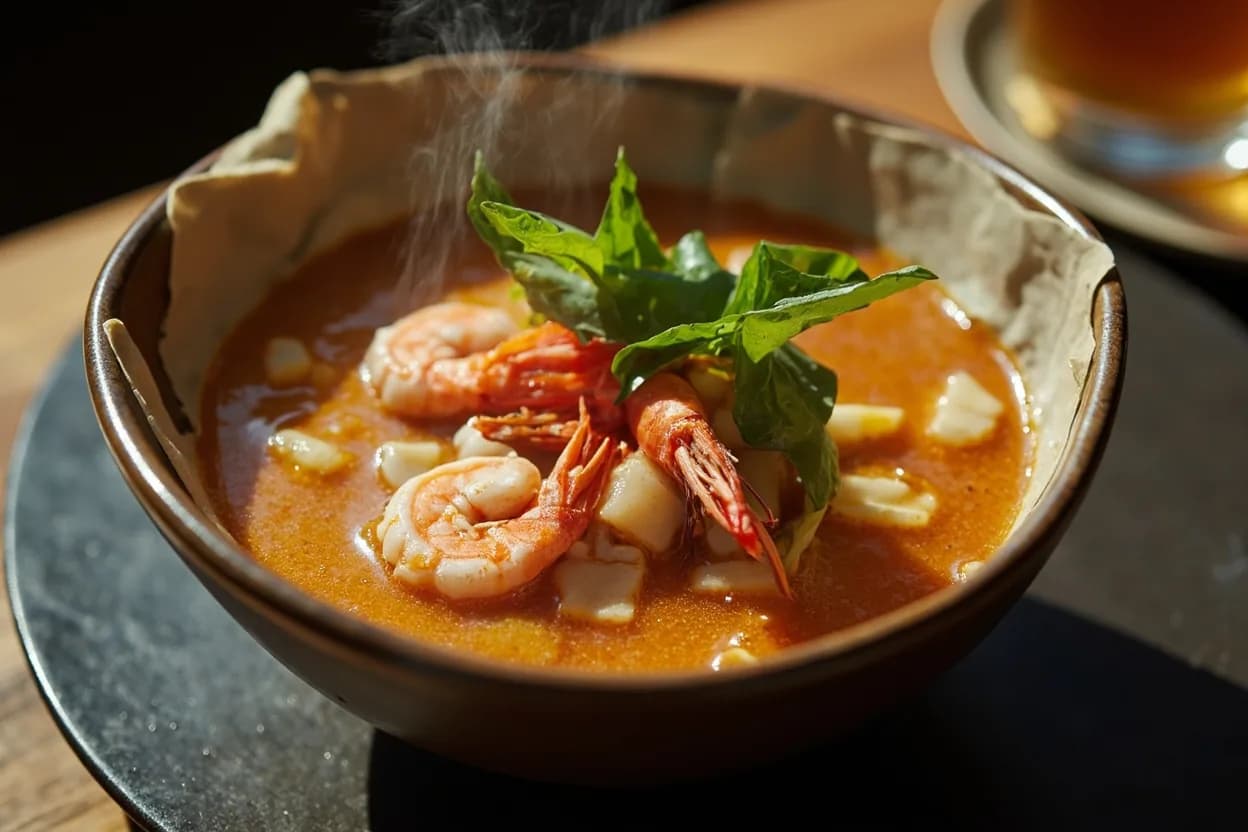
Appears in these dishes
Related
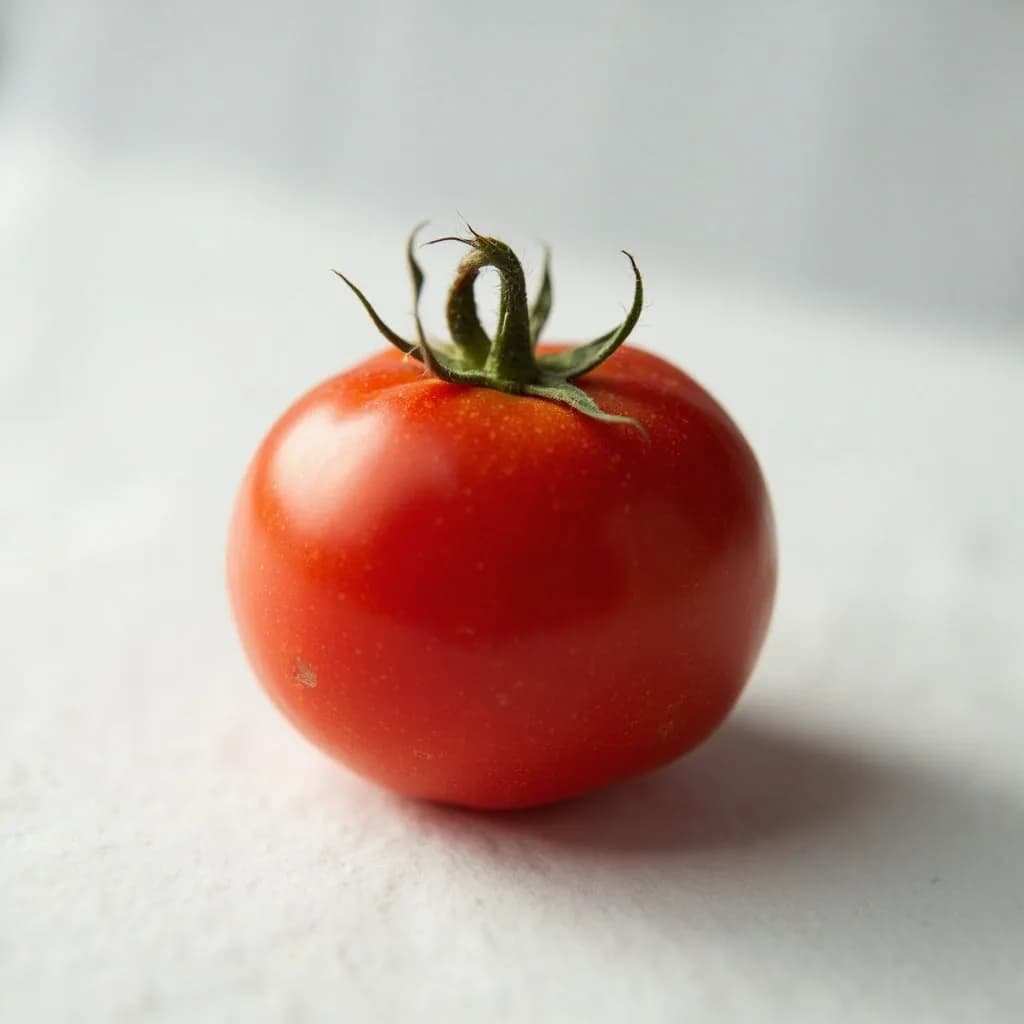
Tomato
Juicy, sun-sweet fruit for sauces, salads, and slow-cooked depth
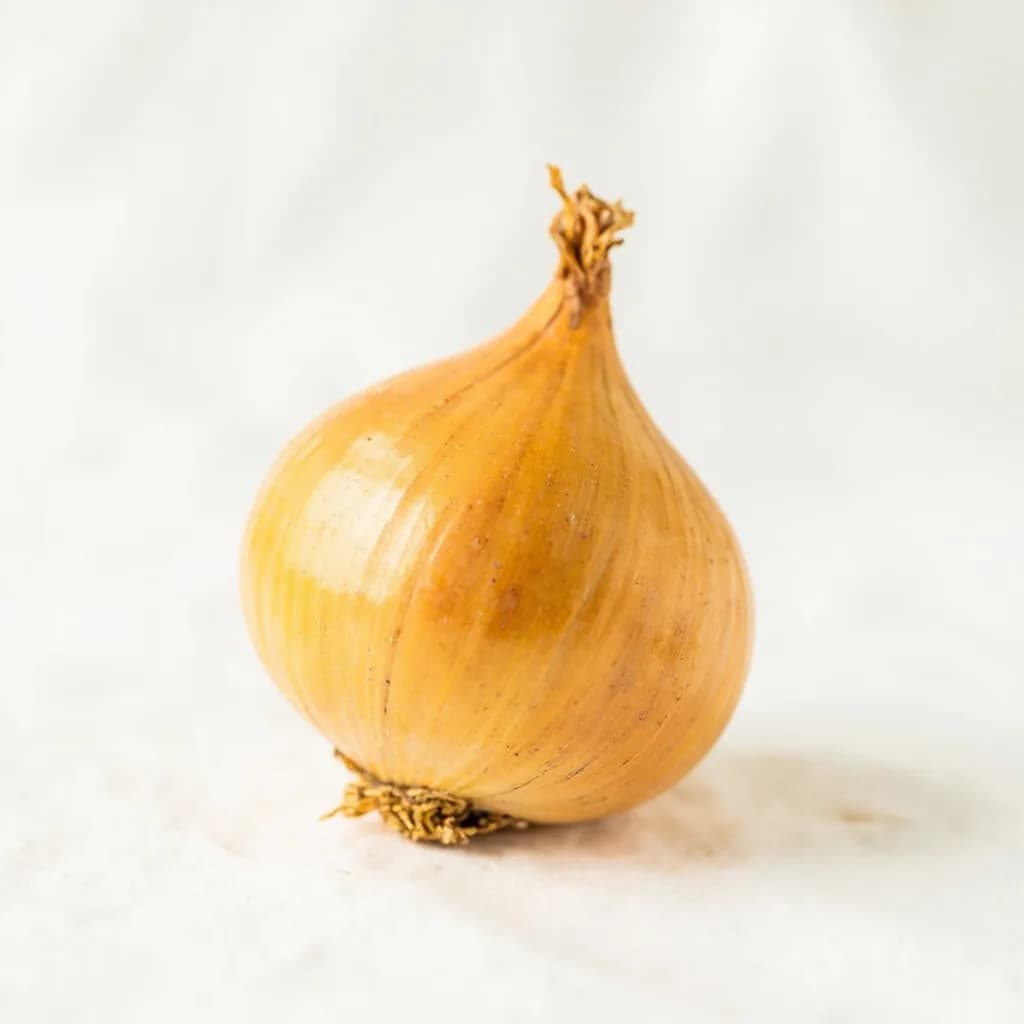
Yellow Onion
The aromatic backbone of soups, sofritos, and braises
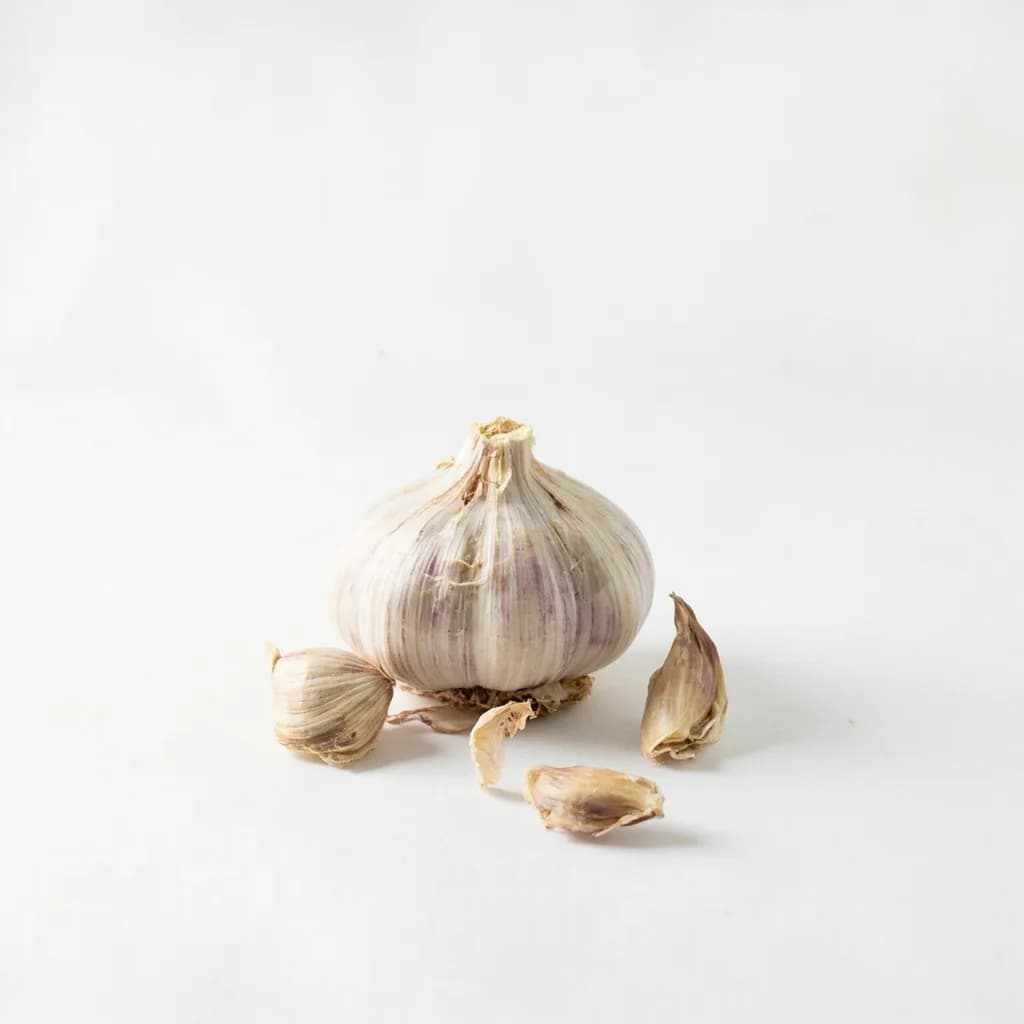
Garlic
Pungent cloves that perfume nearly every savory dish
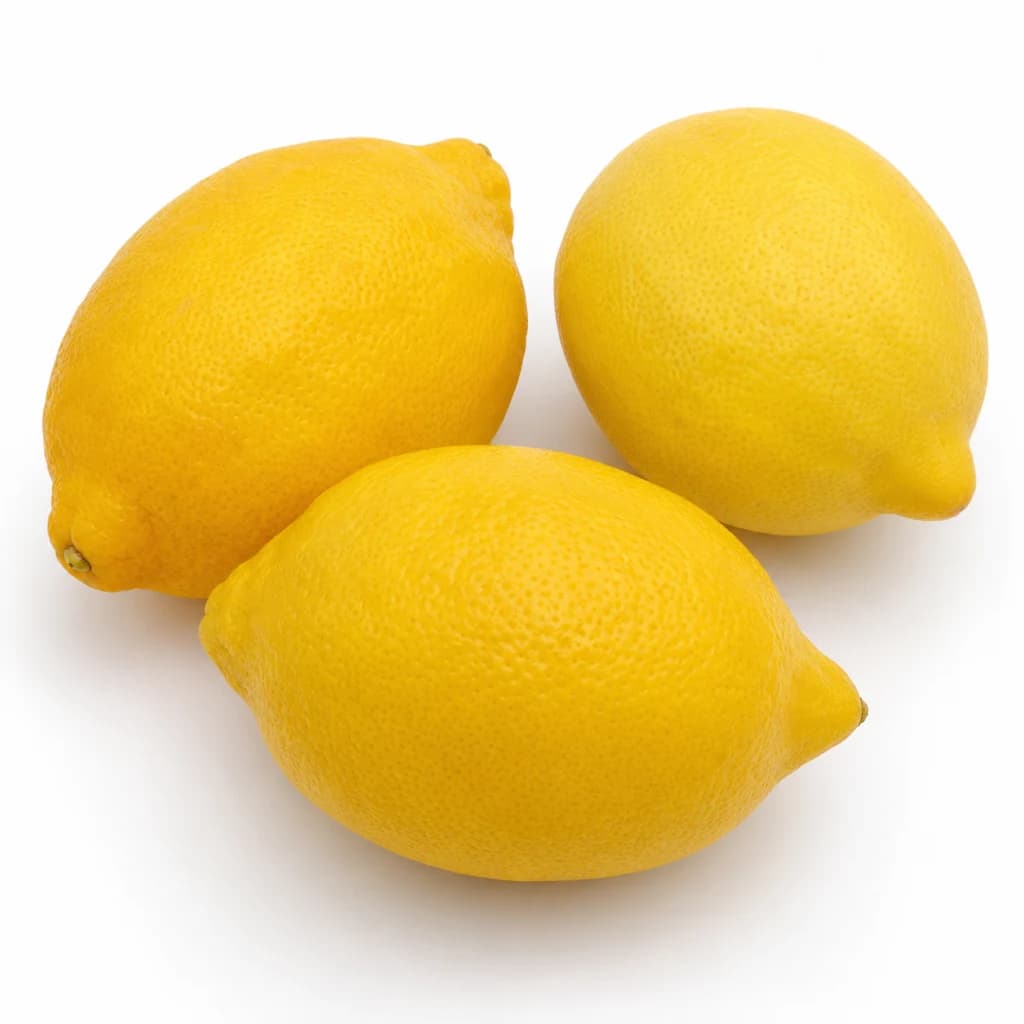
Lemon
Bright, acidic citrus that wakes up almost any dish
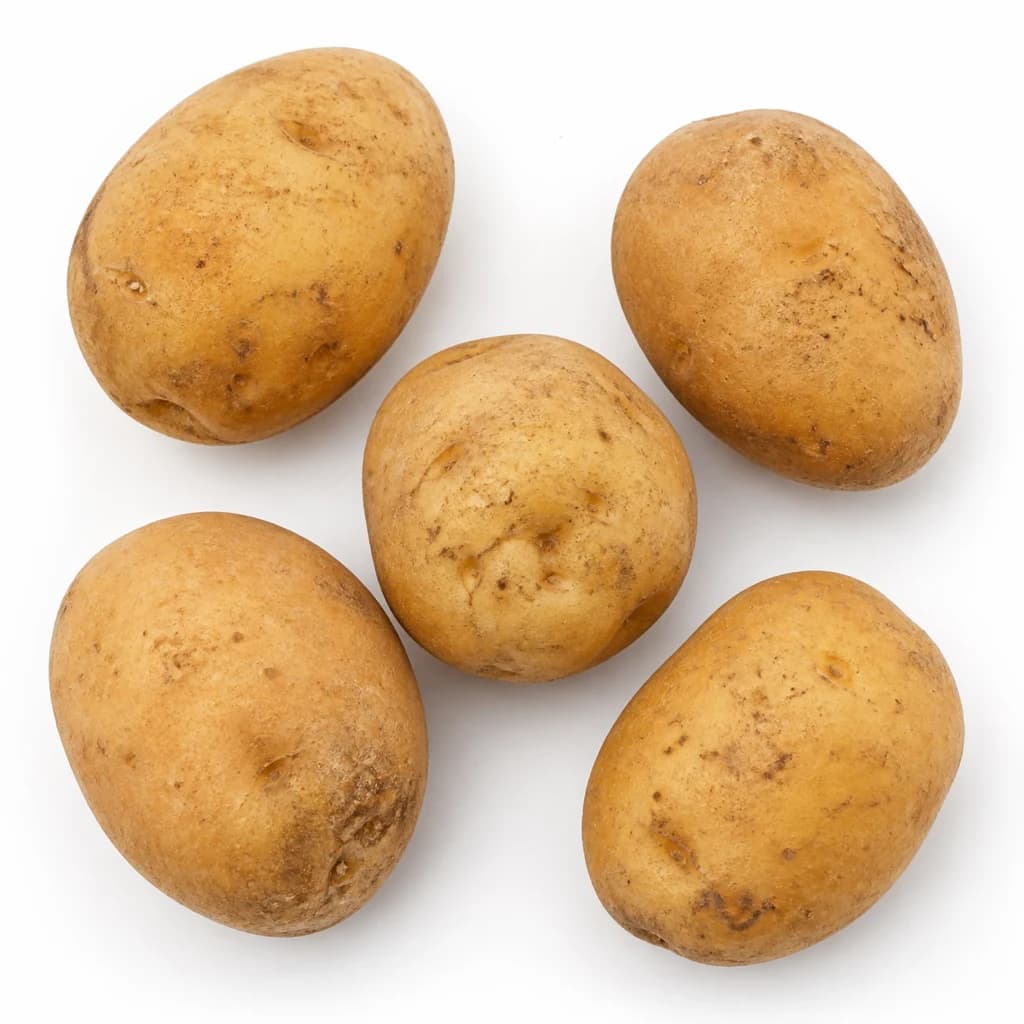
Potato
Humble, hearty staple — roast, mash, fry, or boil
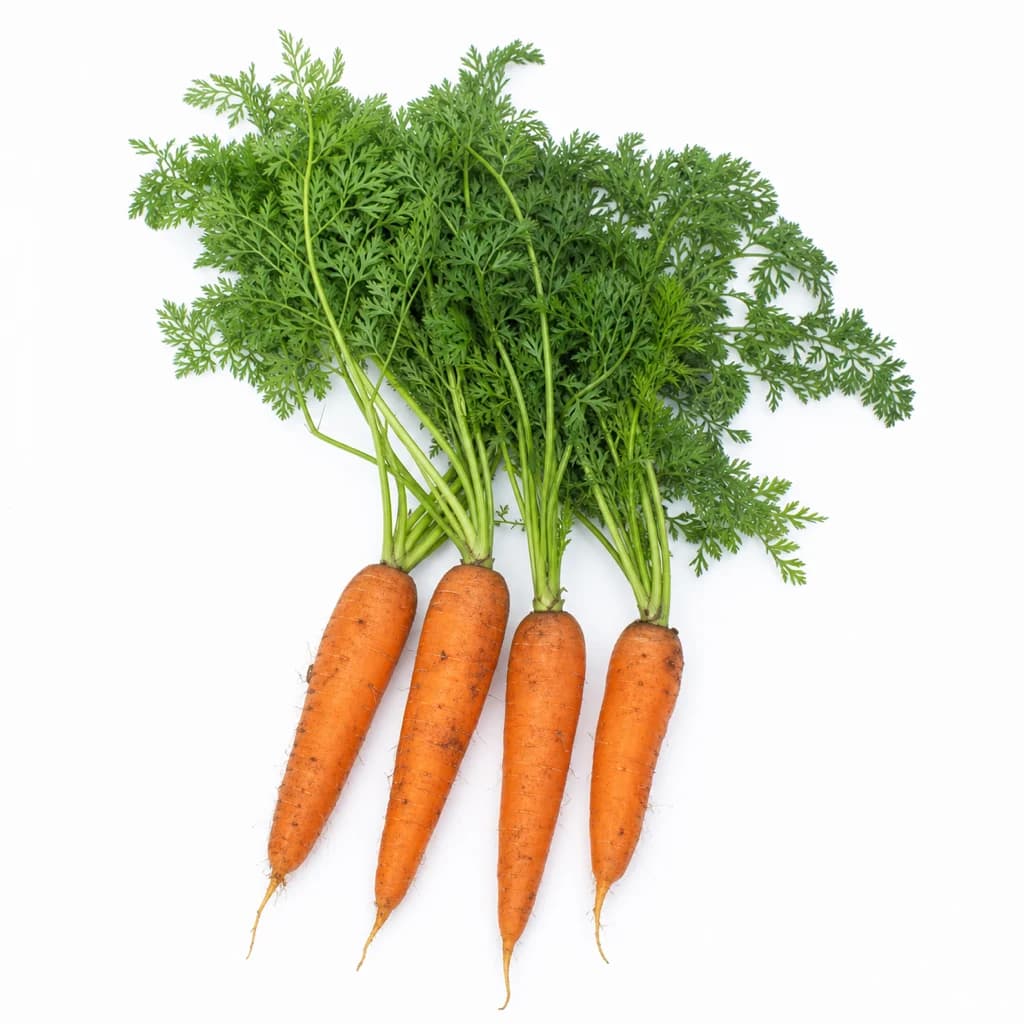
Carrot
Sweet, crunchy root — raw, roasted, or the base of a sofrito
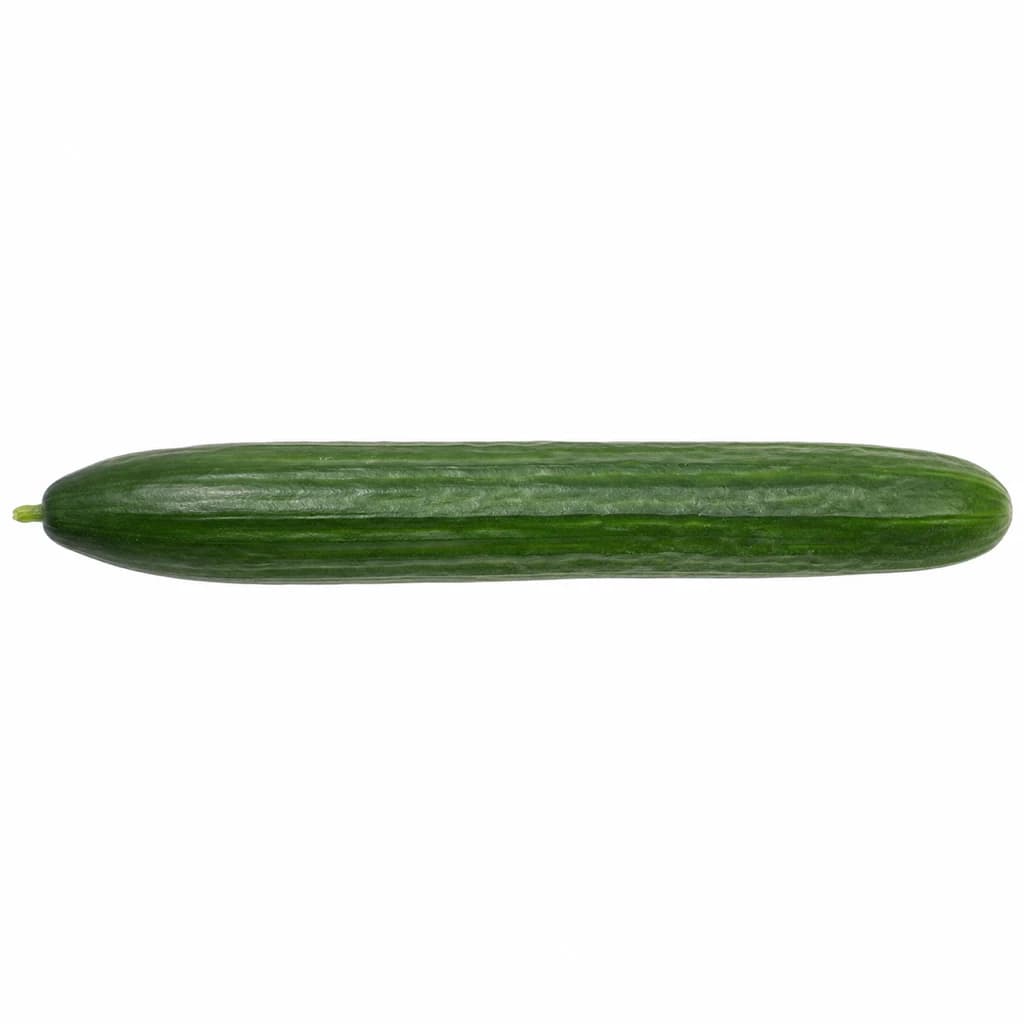
Cucumber
Cool, crisp, and watery — for salads, pickles, and tzatziki

Lettuce
Crisp leaves for salads, wraps, and a fresh crunch