Fermentation & Culturing Temperatures
Koji Incubation Temperature
Also: Aspergillus oryzae incubation, koji chamber temperature, koji room temperature
28–32°C is the sweet spot for Aspergillus oryzae growth on grain — warm enough to sporulate vigorously, cool enough to prevent self-destructive heat spikes.
Koji incubation temperature refers to the ambient heat maintained inside a koji muro (cultivation room or chamber) while Aspergillus oryzae mold colonizes steamed rice, barley, soybeans, or other substrates. The critical window is 28–32°C (82–90°F). Below 25°C growth stalls; above 35°C the mold produces excessive heat, risks off-flavors, and can kill the culture. Consistent temperature and 85–95% relative humidity together determine whether koji yields abundant amylase and protease enzymes or produces stressed, uneven growth.
In photos

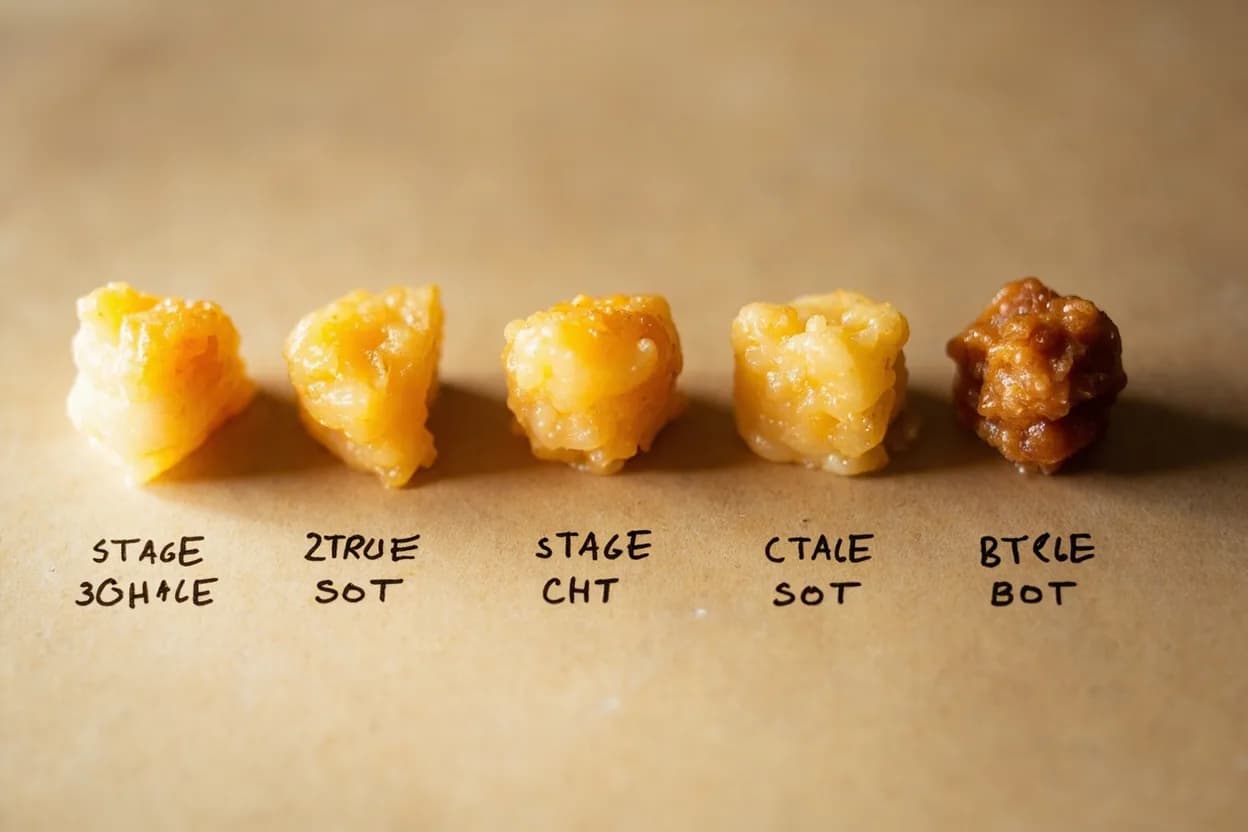
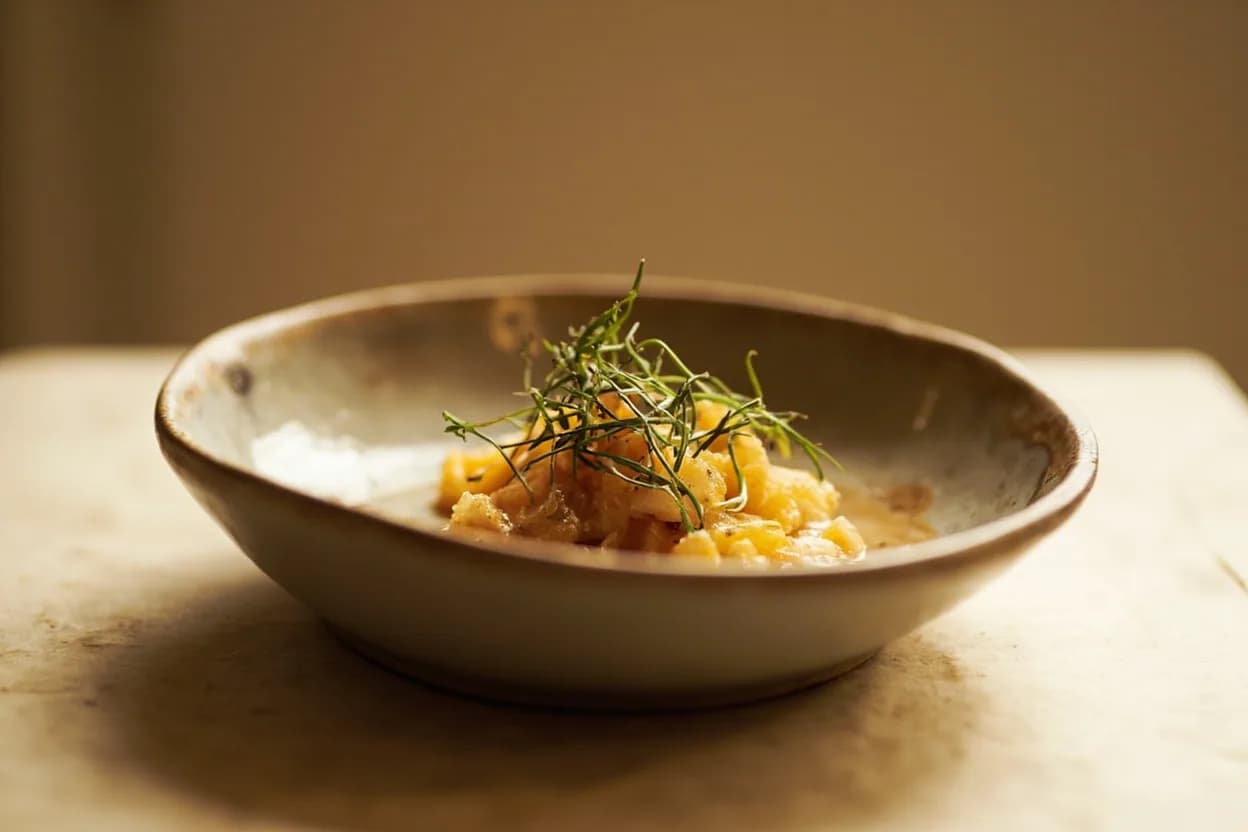
What happens
Aspergillus oryzae secretes amylase enzymes that hydrolyze starch into fermentable sugars, and proteases that break proteins into free amino acids and peptides. At 28–32°C enzyme production peaks and mycelium penetrates the grain interior. The mold's own metabolic respiration generates heat — interior grain temperatures can climb 3–5°C above ambient — so the incubation room must be cooler than the target substrate temperature, and grains must be turned (mixed) at intervals of roughly 8–10 hours to vent heat and equalize colonization. Above 35°C the mold shifts toward self-protective sporulation over enzyme production, and at 40°C the culture dies.
What to look for
- Sweet, chestnut-like or floral aroma developing from hour 20 onward
- White cottony mycelium visible on grain surface by hour 30–40
- Grain feels warm and slightly sticky to the touch when mold is actively growing
- Strong mushroomy or musty smell can signal overheating or contamination
- Fully mature koji has a powdery, dry texture with even white coverage
How to check
- Insert a probe thermometer into the center of the grain mass, not just the chamber air — the substrate runs hotter than ambient
- Use a data-logging thermometer with alerts set at 33°C to catch runaway heat before it kills the culture
- Check humidity with a hygrometer; target 85–95% RH — too dry stalls growth, too wet promotes bacterial contamination
- Perform turning (mixing) after measuring if interior temperature exceeds 32°C
The science behind it
- Amylase
Primary enzyme produced by koji; peaks at 28–32°C incubation
- Protease activity
Koji protease breaks down grain proteins into umami-rich amino acids, including glutamate
- Miso fermentation
Koji is the starter mold in miso production; incubation quality directly sets final miso flavor depth
- Sake brewing
Koji rice (kome-koji) converts starch to sugar in parallel with yeast fermentation
Salt-mixed koji used as marinade; enzyme activity continues slowly at refrigerator temperatures
Appears in
References
- 1.The Art of Fermentation — Sandor Ellix Katz
- 2.Koji Alchemy — Jeremy Umansky & Rich Shih
- 3.The Noma Guide to Fermentation — René Redzepi & David Zilber
- 4.Brewing Science and Practice — Dennis E. Briggs et al.
Confidence: high
Notes
Turning schedule
Professional koji makers typically turn grains twice: once at around the 24-hour mark when the mold is visibly established, and again 8–10 hours later. Each turning aerates the mass, dissipates metabolic heat, and redistributes moisture. Skipping turns in the second phase leads to uneven enzyme distribution and localized hot spots above 35°C.
Substrate temperature vs. air temperature
A common beginner error is setting the chamber thermostat to 30°C and assuming the grain mass matches. In practice the grain can run 3–5°C hotter during peak growth (hours 30–50). Set the chamber air to 28–29°C and monitor the grain core directly.