Spices & Dried Aromatics
Bird's Eye Chili
Also: Thai chili, prik khi nu, cabe rawit, siling labuyo, ot chim chim, kanthari mulaku
Southeast Asia's ferocious small chili — pure, clean, piercing heat with minimal fruitiness, built to sharpen and elevate rather than flavor.
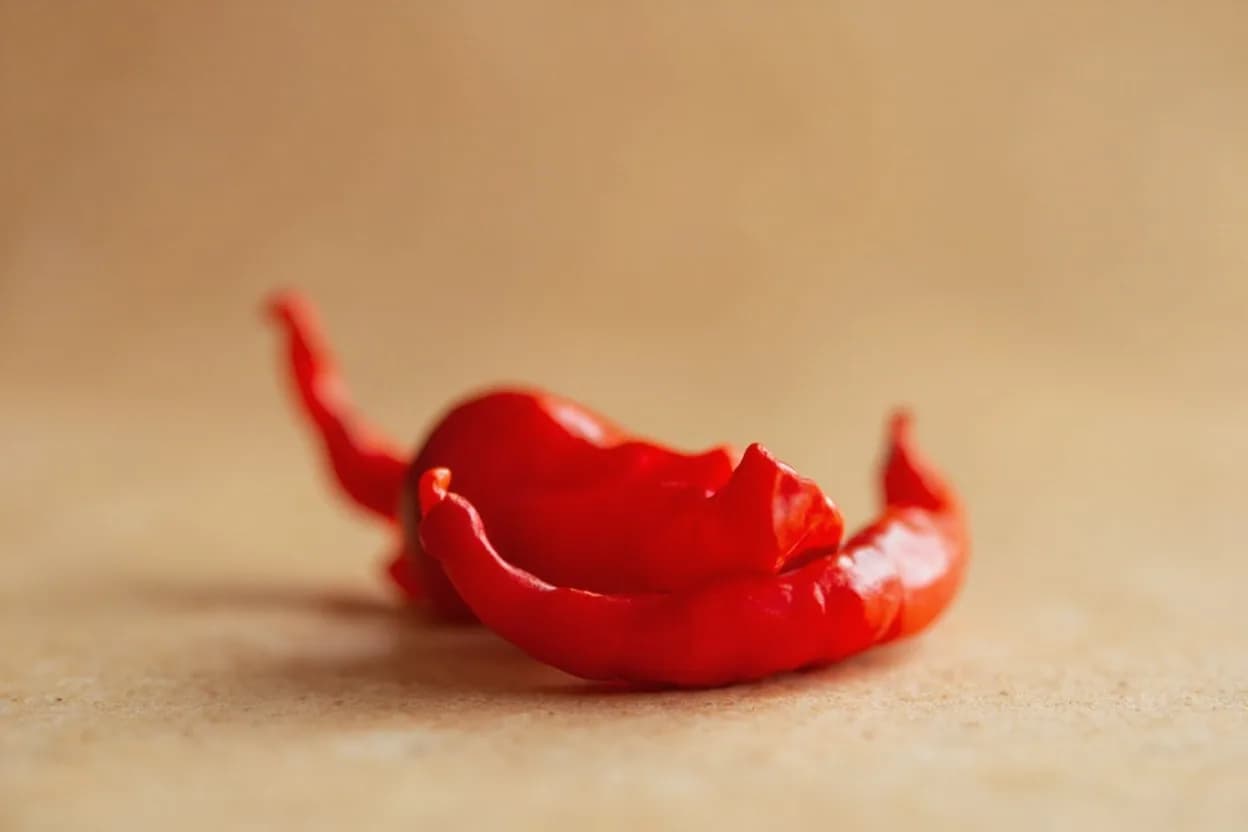
Bird's eye chili (Capsicum annuum var. glabriusculum and related Capsicum frutescens cultivars) is the dominant fresh chili across Thailand, Vietnam, Cambodia, Laos, Indonesia, the Philippines, and Sri Lanka. At 50,000–150,000 SHU, its heat is intense and direct — faster and cleaner than habanero or scotch bonnet. The flavor behind the heat is relatively spare: grassy, slightly floral, mildly vegetal. This purity is the point: it acts as a heat-delivery system that sharpens every other element in the dish without imposing its own flavor character. Used fresh, dried, pickled, and in pastes.
In photos
Flavour profile
Classic pairings
- Fish sauce (nam pla)Thai
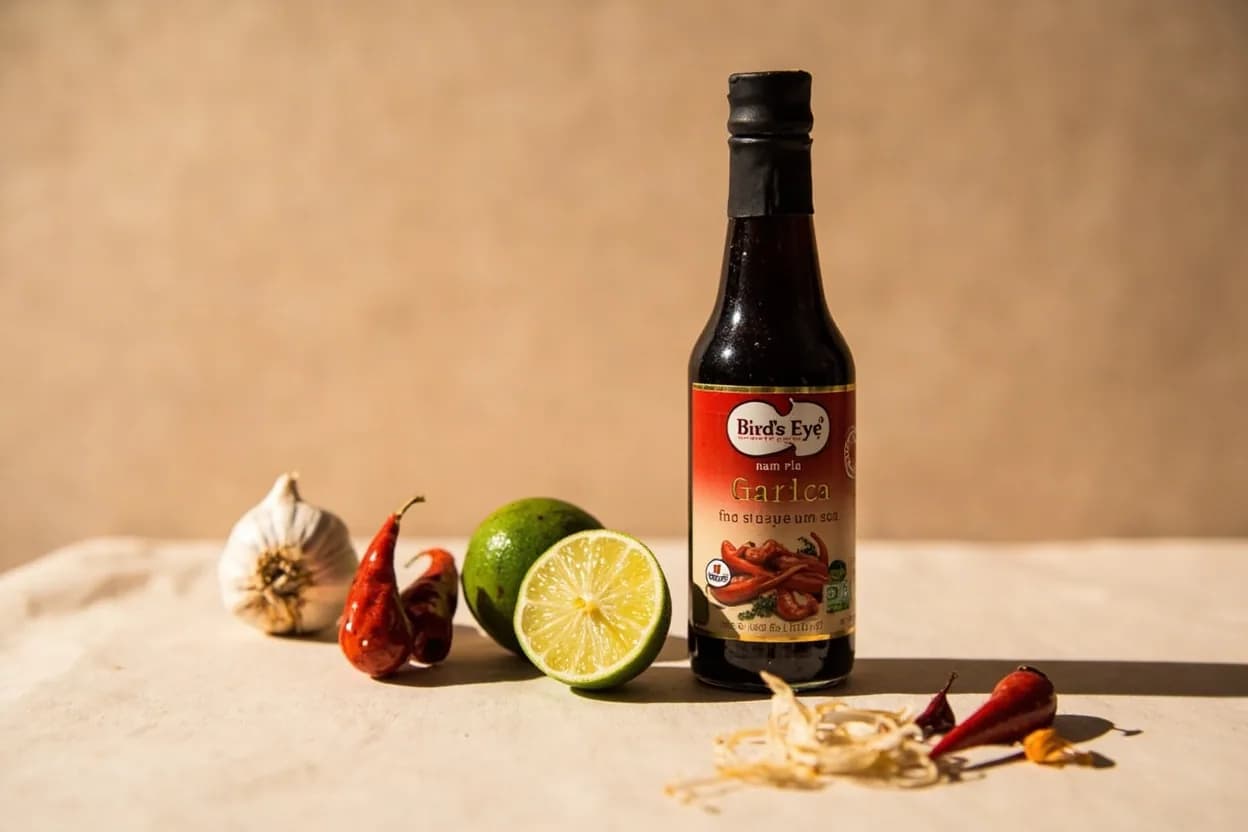
The foundational pairing of Thai cooking — fish sauce's umami salinity and the chili's heat reinforce each other, with the combination appearing in nearly every Thai sauce and condiment.
- Lime juiceThai, Vietnamese
Acid amplifies the perception of heat while the citrus brightens the chili's grassy quality — the cornerstone of Thai green papaya salad, Vietnamese dipping sauces, and Thai larb.
- GarlicThai
Minced raw garlic and bird's eye chili are the aromatics that begin most Thai stir-fries; oil-frying them together mellows the heat and builds a savory base.
- Palm sugar (or coconut sugar)Thai
Thai cooking's quintessential sweet-hot balance: palm sugar's caramel depth softens the sharp edge of bird's eye chili without suppressing its heat.
- LemongrassThai
The grassy, citronella character of lemongrass resonates with the chili's vegetal brightness — together they define the aromatic base of Thai green curry paste.
- Pork (minced or sliced)Thai
Pad kra pao (Thai basil stir-fry with minced pork) is Southeast Asia's most replicated weekday dish — the fat of the pork carries and distributes the chili's capsaicin.
- Vinegar (plain white or rice)Vietnamese, Filipino
Vietnamese dipping sauces (nuoc cham), pickled chilies (prik dong), and Filipino sawsawan all use vinegar to carry the chili's heat in a bright, acidic medium.
Adventurous pairings
- Honey
The complex sugars and floral notes of raw honey wrap around the chili's clean heat — a Southeast Asian-inspired glaze for fried chicken, shrimp, or roasted carrots.
- Miso (white or red)
Japanese umami paste paired with bird's eye chili creates a rich, savory heat that bridges Japanese and Southeast Asian flavors — exceptional as a glaze for eggplant or salmon.
- Pineapple
The chili's clean heat slices through pineapple's thick sweetness — a classic street-food combination in Thailand and Vietnam (pineapple fried rice with bird's eye chili).
- Aged sherry vinegar
The oxidative, nutty depth of aged sherry carries the chili's heat into an unexpected but effective Spanish-Asian condiment for raw fish or cold vegetables.
Tread carefully
- Very delicate dairy (fresh ricotta, fromage blanc)avoid
Bird's eye chili's clean punch overwhelms the subtle lactic character of fresh cheeses without the fat buffer of coconut milk or full cream.
- Floral dessert sauces (rose, lavender)avoid
The chili's clean heat competes with and destroys delicate floral dessert aromatics — unlike scotch bonnet, it contributes no fruity counterweight.
How to use it
- Bruise or crush whole to release heat slowly into oils, curries, or soups
- Mince finely (seeds in) for maximum heat distribution throughout a dish
- Pickle in white vinegar with garlic for prik dong — a Thai table condiment
- Dry and grind to flakes or powder (prik pon) for finishing and dry applications
- Steep in neutral oil or fish sauce to make an infused condiment
- Char briefly in a dry pan before grinding — deepens smokiness in curry pastes
- Blend with shallots, garlic, and shrimp paste for the base of Thai red or green curry paste
Appears in
Related flavours
- Thai Holy Basil (bai kra pao)
The canonical herb partner — its clove-like, peppery character hardens under heat while bird's eye chili sharpens the whole profile.
In Thai curry pastes, galangal's piney, medicinal sharpness and the chili's heat work in concert, both providing different types of heat sensation.
Tamarind's sour-sweet fruit balances bird's eye heat in many Southeast Asian sauces and condiments — especially prominent in Thai pad see ew and Filipino sinigang.
References
- 1.Simple Thai Food — Leela Punyaratabandhu
- 2.The Food of Vietnam — Luke Nguyen
- 3.The Flavor Bible — Karen Page and Andrew Dornenburg
- 4.Hot & Spicy & Meatless — Dave DeWitt, Mary Jane Wilan, and Melissa Stock
Confidence: high
Notes
Red vs. green
Green bird's eye chilies are unripe — equally hot but slightly more vegetal and grassy. Red bird's eye chilies are fully ripe — marginally sweeter, slightly less bright. Both appear together routinely in Thai cooking (the color contrast is intentional in som tam, pad kra pao, and many others). Dried red bird's eye chili is a distinct pantry ingredient used in Chinese Sichuan cooking and throughout Southeast Asia.
Regional names and varieties
The same small, fierce chili carries dozens of regional names: prik khi nu ('mouse-dropping pepper') in Thai, cabe rawit in Indonesian, siling labuyo in Filipino, and kanthari mulaku in Malayalam. Minor cultivar differences exist — Philippine siling labuyo is arguably a distinct species (C. frutescens) with a slightly more fruity note — but their culinary behavior is interchangeable.