Fermented Pastes & Sauces
Doenjang
Also: 된장, Korean fermented soybean paste, dwenjang
Korea's aged fermented soybean paste — earthier and more pungent than miso, the savory anchor of Korean home cooking.
Doenjang is a Korean fermented soybean paste produced from meju (sun-dried, naturally inoculated soybean blocks) fermented in brine for months to years in earthenware onggi pots. Unlike Japanese miso, which is deliberately inoculated with Aspergillus oryzae (koji), doenjang relies on wild microorganisms colonizing the meju outdoors, producing a more complex, less controlled, and noticeably funkier ferment. The resulting paste is coarser, drier, and more pungent than white or even red miso, with deep earthiness, a sharpness reminiscent of aged cheese, and a lingering savory finish. It is the foundation of doenjang jjigae — the quintessential Korean stew — and functions as both a seasoning paste and a cooking medium across Korean cuisine.
In photos
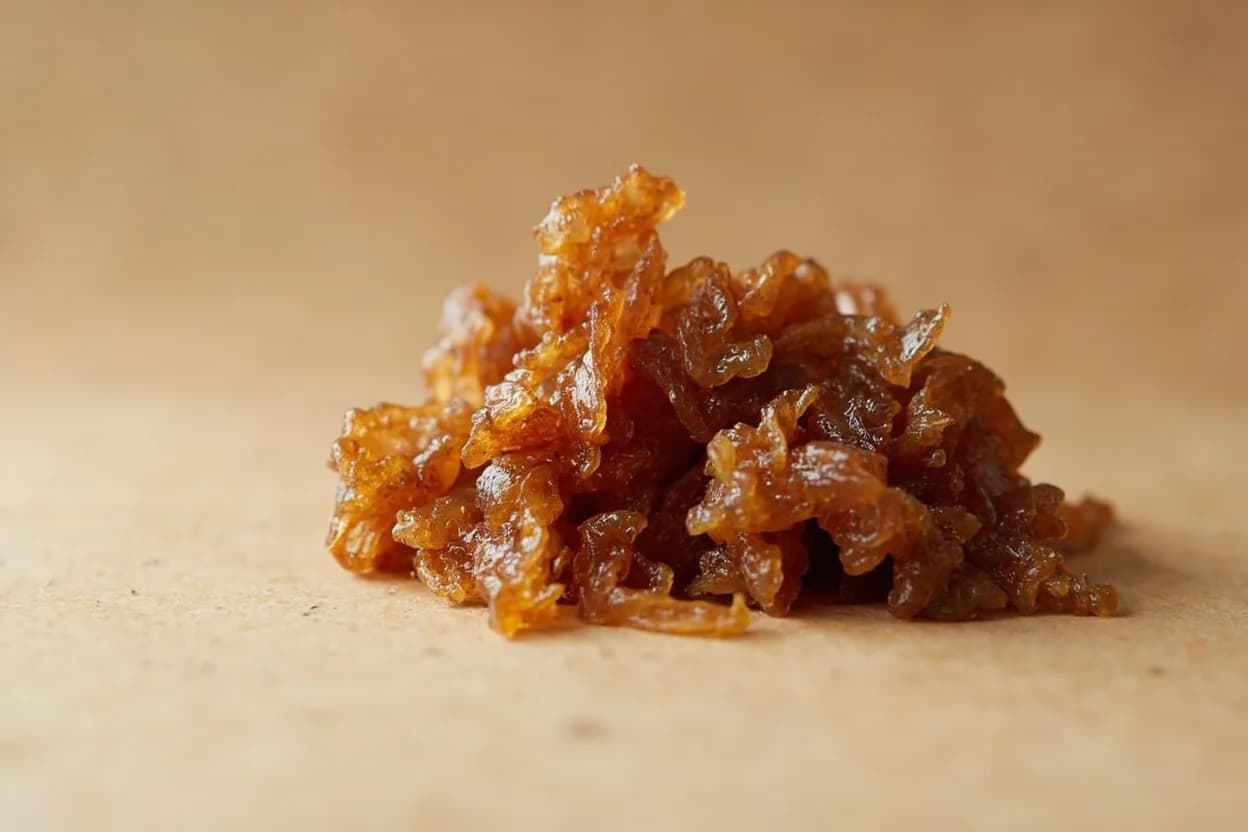
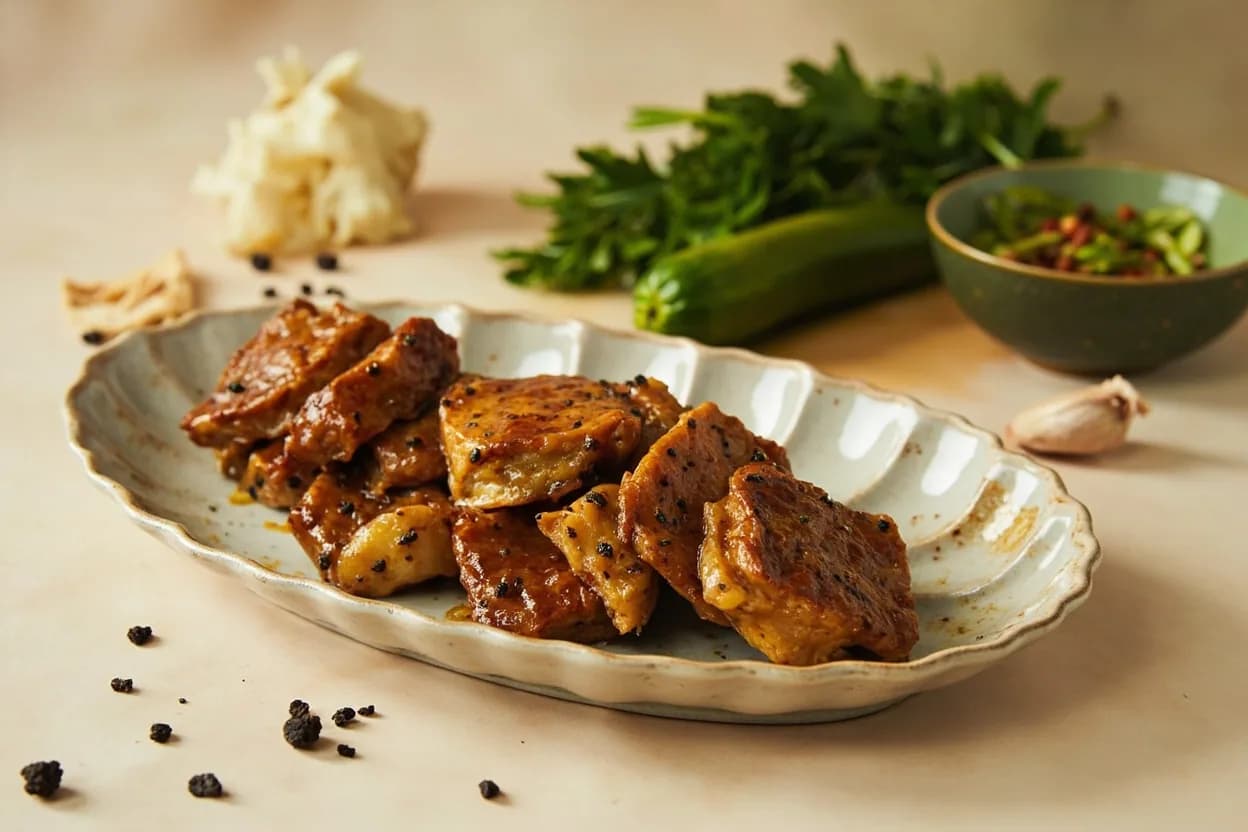
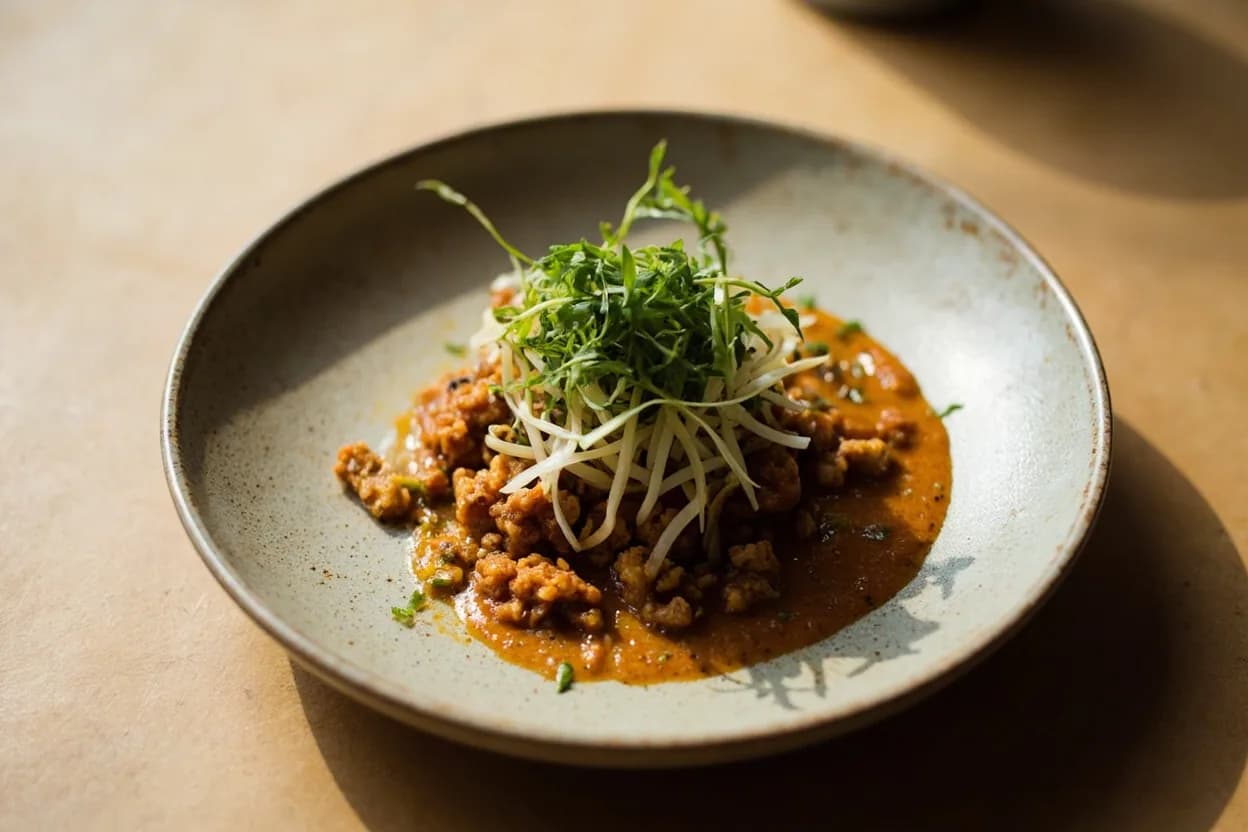
Flavour profile
Classic pairings
- Zucchini (hobak)Korean
The Korean kitchen's most iconic doenjang combination — zucchini's gentle sweetness softens the paste's pungency in doenjang jjigae and pan-fried banchan.
- Tofu (dubu)Korean
Silken tofu in doenjang jjigae absorbs the stew's fermented broth deeply; firm tofu, pan-fried and sauced with ssamjang (doenjang + gochujang), is a staple side dish.
- GarlicKorean
Raw and cooked garlic appear consistently in doenjang preparations — its pungent sulfur compounds align with the paste's savory sharpness and round out the fermented edge.
- Sesame oilKorean
A finishing drizzle of toasted sesame oil is nearly universal with doenjang — it adds aromatic gloss and a rich, nutty bridge to the paste's earth.
- Anchovy broth (myeolchi yuksu)Korean
Korean anchovy stock — briny, deeply savory — provides the umami base in which doenjang fully blooms; the combination is the liquid foundation of the national stew.
- Green onion (pa)Korean
Fresh green onion's allium sharpness and chlorophyll brightness cut the paste's density; raw green onion is the classic garnish and aromatic in doenjang jjigae.
- Perilla (kkaennip / sesame leaf)Korean
Perilla's anise-like herbal character acts as a bridge, taming doenjang's funk in wraps (ssam) and raw vegetable dipping — essential to the Korean barbecue table.
Adventurous pairings
- Aged parmesan or pecorino
Both derive their umami from prolonged protein breakdown by microorganisms; combined in a compound butter or emulsion, they amplify each other's savory depth with striking effect.
- Roasted bone marrow
The fat richness of marrow and doenjang's salinity and funk make a potent compound — doenjang-marrow butter on toast is a natural bridge between Korean and French bistro sensibilities.
- Miso (white)
A 50/50 blend of doenjang and white miso creates a layered, nuanced fermented paste with Korean funk grounded by Japanese sweetness — more complex than either alone.
Walnuts' tannins and bitter fat echo doenjang's own astringency; a walnut-doenjang sauce for noodles or roasted vegetables bridges Korean and Georgian flavor vocabulary.
- Ripe tomato
Tomato's glutamate richness is an umami ally; roasted tomatoes and doenjang in a braising liquid create a surprising, deeply savory East-meets-Mediterranean foundation.
Tread carefully
- Delicate seafood (raw oysters, sashimi-grade fish)avoid
Doenjang's assertive funk overwhelms clean oceanic flavors; save it for cooked, robust seafood preparations.
- Cream-based saucesavoid
The paste's strong fermented notes curdle against cream both literally and figuratively — the result is a muddy, sourish combination.
- Fruit-forward dessertsavoid
Doenjang's earthiness and saltiness compete with bright fruit in a way that reads as off rather than savory-sweet; white miso is the appropriate fermented paste for dessert applications.
How to use it
- Add directly to boiling anchovy or kombu broth and simmer 10–15 minutes to mellow the raw edge
- Blend with gochujang, sesame oil, and garlic to make ssamjang — the barbecue dipping sauce
- Use as a vegetable marinade: thin with sesame oil and soy sauce, coat, rest 30 minutes before grilling
- Fry a small spoonful in a dry pan for 60 seconds before adding aromatics and broth — toasting deepens the flavour
- Dissolve in warm water as a seasoning for namul (blanched, seasoned vegetable sides)
- Thin with dashi or broth to make a dipping sauce for raw vegetables and wraps
Appears in
Related flavours
The two are blended together to make ssamjang; their combination is fundamental to Korean barbecue
Functional cousin from Japan — less funky, more controlled ferment; interchangeable in some applications but distinct in character
- Sesame Oil
Nearly always used together as a finishing combination in Korean cooking
References
- 1.The Korean Table — Taekyung Chung & Yoon Hee Kim
- 2.Korean: Simple Recipes for Delicious Food — Judy Joo
- 3.My Korea — Hooni Kim
- 4.The Kimchi Chronicles — Marja Vongerichten
Confidence: high
Notes
Doenjang vs. Japanese Miso
The critical difference is the inoculation method. Miso uses Aspergillus oryzae cultivated on grain (koji), giving a clean, predictable ferment. Doenjang uses meju — soybean blocks colonized outdoors by whatever wild organisms arrive, including Aspergillus, Bacillus, yeasts, and lactic acid bacteria. This uncontrolled population produces more complexity and more assertive funk. The result is earthier, cheeselike notes you won't find in even the strongest hatcho miso.
Purchasing and storage
Quality varies enormously. Traditional hansik (artisanal) doenjang, aged for one or more years, is superior to fast-fermented commercial products and worth seeking at Korean grocers. Once opened, keep tightly sealed under refrigeration; the paste keeps for a year or more and may develop a surface bloom that can be stirred back in.