Preserved & Cured Fish
Garum
Also: liquamen, fermented fish sauce, colatura di alici, aged fish liquid, meat garum
The Roman world's umami engine — a fermented fish or meat liquid that silently amplifies everything it touches.
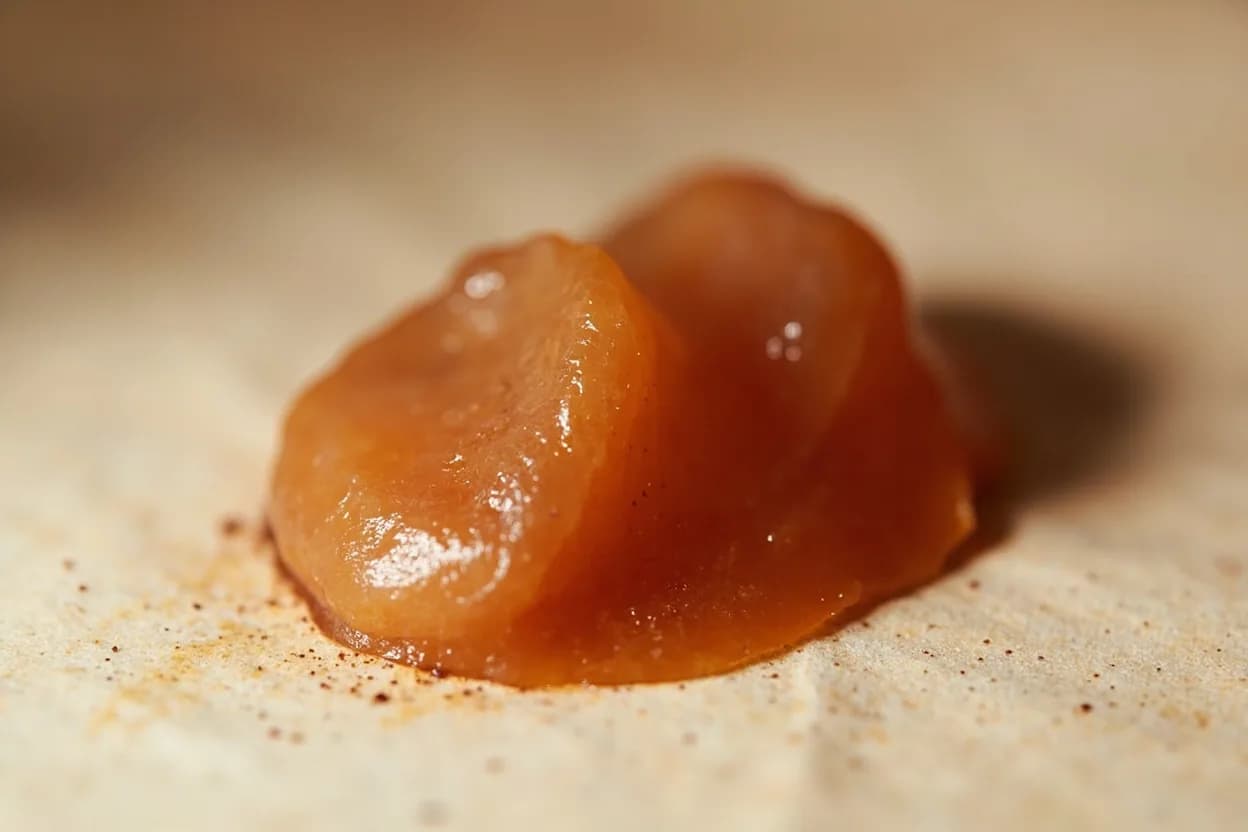
Garum is a fermented liquid condiment produced by salting and fermenting whole fish (or offal, meat, or shellfish) over weeks to months until proteins hydrolyze into a concentrated dark liquor dense with free glutamates, nucleotides, and biogenic amines. Ancient Rome's garum and Greek garos were the foundational seasoning of the Mediterranean world. Modern revivals — from Noma's beef and cricket garums to Italy's colatura di alici — use controlled enzymatic fermentation at 60°C or traditional barrel-aging to produce a liquid with extraordinary savory depth, an oceanic backbone, and an almost invisible finish that amplifies every other flavor in a dish without announcing itself.
In photos
Flavour profile
Classic pairings
- PastaItalian
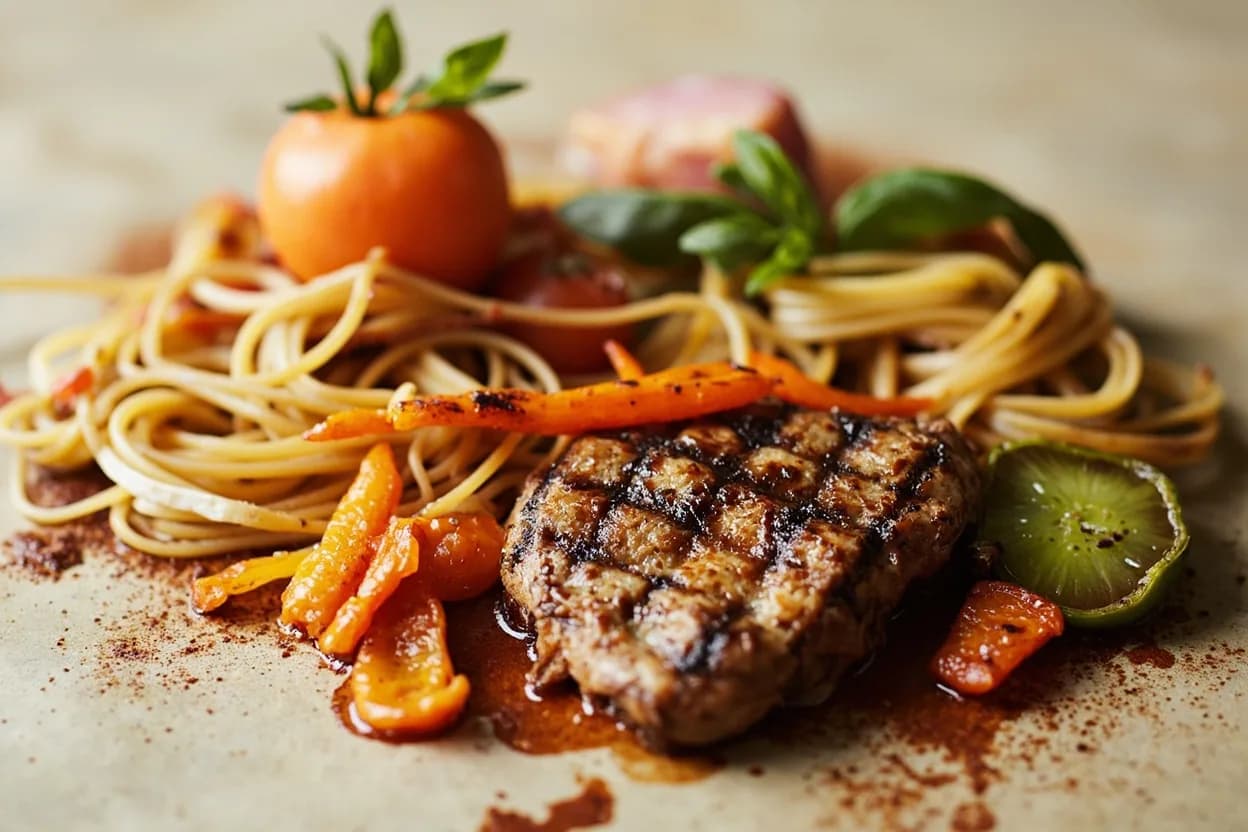
A few drops of colatura di alici stirred into spaghetti aglio e olio at the finish replaces salt and adds incomparable depth — the canonical Neapolitan application.
- Grilled meatRoman / Mediterranean
Roman cooks basted meats with garum; the glutamates accelerate Maillard browning and create a savory glaze that needs no other seasoning.
- Roasted vegetablesModern European
A small dose in a pan of roasting carrots, cauliflower, or cabbage provides animal-free depth that makes the vegetable taste more fully of itself.
- Butter saucesFrench-influenced
Whisked into beurre blanc or a simple pan sauce, garum replaces anchovies without texture, delivering pure umami lift without a fishy signal.
- EggsGeneral
Scrambled, fried, or soft-boiled eggs respond dramatically to a few drops: yolk richness is amplified, seasoning needs drop.
- LegumesMediterranean
Stirred into lentil soup, white bean stew, or chickpea braise at the end, garum acts as a salt-plus-depth seasoning that gives pulses a meaty resonance.
- Caesar-style dressingsAmerican / Italian
Colatura replaces both anchovies and Worcestershire in a Caesar, delivering a smoother, more integrated brininess.
Adventurous pairings
A single drop of beef or pork garum stirred into a ganache or hot chocolate adds a savory-sweet dimension — pioneered at Noma — that sharpens the cacao's bitterness.
- Strawberries
Noma's strawberry + beef garum pairing revealed how fermented umami liquid can amplify fruit ester compounds; a drop on macerated berries makes them taste more intensely themselves.
- Aged cheese
A small brush of colatura over a Parmigiano rind before grating, or a drop over a raw-milk cheese board, creates a glutamate-stacking effect that rounds tannins.
- Cocktails (Bloody Mary / savory martini)
A few drops replace Worcestershire in a Bloody Mary or brine in a dirty martini; the fermented depth is more complex and less sweet than conventional options.
- Vinaigrettes on bitter greens
Whisked with olive oil and lemon, a drop per serving transforms a radicchio or endive salad — the umami bridges the bitter gap and makes vinegar less sharp.
Tread carefully
- Delicate white fishavoid
Garum overpowers sea bass, sole, or halibut — their clean mineral taste is buried under fermented funk.
- Fresh dairy desserts (panna cotta, yogurt-based sweets)avoid
The fermented ammonia notes clash with lactic freshness and turn milky preparations unpleasantly saline-funky.
- High-acidity cevicheavoid
The acid environment amplifies garum's amine notes aggressively; fish sauce performs better here (lower aging = less amine buildup).
How to use it
- Add at the very end off heat to preserve volatile aroma compounds
- Use as a salt replacement: start with a quarter of your intended salt, add garum, taste before adding more salt
- Blend into compound butters and freeze for on-demand umami
- Brush lightly onto proteins before roasting to build a savorier crust
- Deglaze pans: add after fat, before stock, to capture all fond and amplify depth
- Ferment your own using enzymatic short-cut: blend protein with 2% salt and hold at 60°C for 8–12 hours (Noma method)
Appears in
Related flavours
- Fish sauce (nuoc mam)
Closest functional equivalent — less aged, higher in fresh fish aroma; often interchangeable in small quantities
- Anchovy paste
Solid cousin — shares glutamate load; garum integrates more invisibly
Plant-based umami parallel; combining garum + soy gives layered nucleotide synergy
The living Italian descendant, made in Cetara; highest-quality dropper-bottle garum available commercially
Contains fermented fish (anchovy); garum is the more concentrated, cleaner-tasting ancestor
References
- 1.The Noma Guide to Fermentation — René Redzepi & David Zilber (Artisan, 2018)
- 2.Apicius: De Re Coquinaria (c. 4th–5th century CE) — ed. Christopher Grocock & Sally Grainger (Prospect Books, 2006)
- 3.On Food and Cooking — Harold McGee (Scribner, 2004)
- 4.Sally Grainger, 'The Myth of Apicius' — Gastronomica, 2006
Confidence: high
Notes
Dosage matters above all else
Garum is a seasoning, not a sauce. A teaspoon in a dish for four is a lot. A few drops — 1–3 mL — is the correct scale. The goal is an invisible savoriness that makes tasters lean in wondering why the dish is so satisfying, not an identifiable fishy note.
The modern revival
Noma's experimental kitchen systematized garum-making by applying enzyme science to the ancient process, producing garums from beef, pork blood, cricket, and even mushroom. This popularized the technique in avant-garde kitchens globally and distinguished high-glutamate 'meat garum' from fish-derived colatura.