Cheeses
Labneh
Also: labne, labna, labaneh, strained yogurt cheese, yogurt cheese, kishk ball
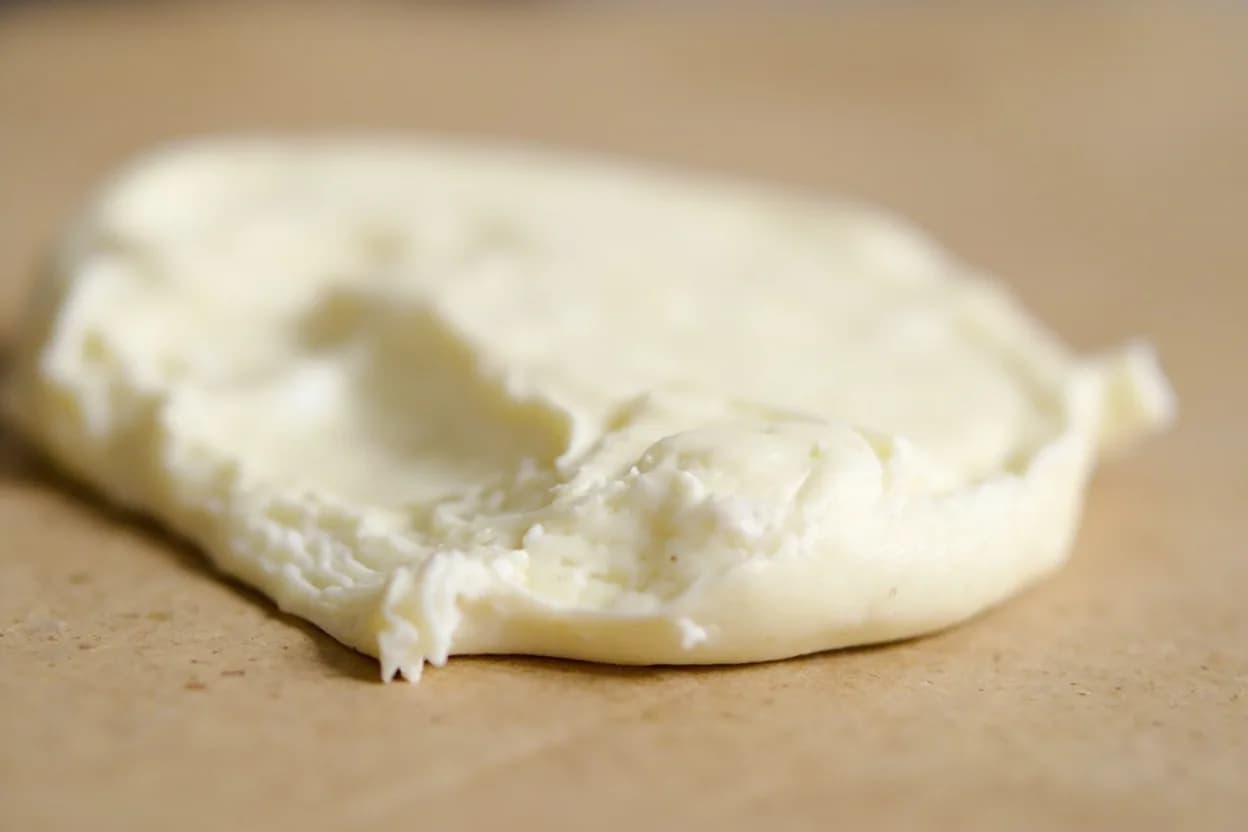
Strained yogurt transformed into a silky, tangy cheese — the Levantine table's most versatile dairy, equally at home under olive oil and za'atar or sweetened with honey and walnuts.
Labneh is made by straining whole-milk yogurt through cheesecloth or fine muslin until the whey drains away, leaving a thick, creamy, spreadable cheese. The concentration of protein and lactic acid creates a flavour markedly more tangy and complex than the original yogurt, with a rich body that can range from a thick dip to a rollable ball depending on drainage time. Goat's-milk labneh is tangier and more minerally; sheep's-milk versions are richer. Ball-form labneh (kishk balls) is often rolled in dried herbs and preserved in olive oil for months.
In photos
Flavour profile
Classic pairings
- Za'atarLevantine
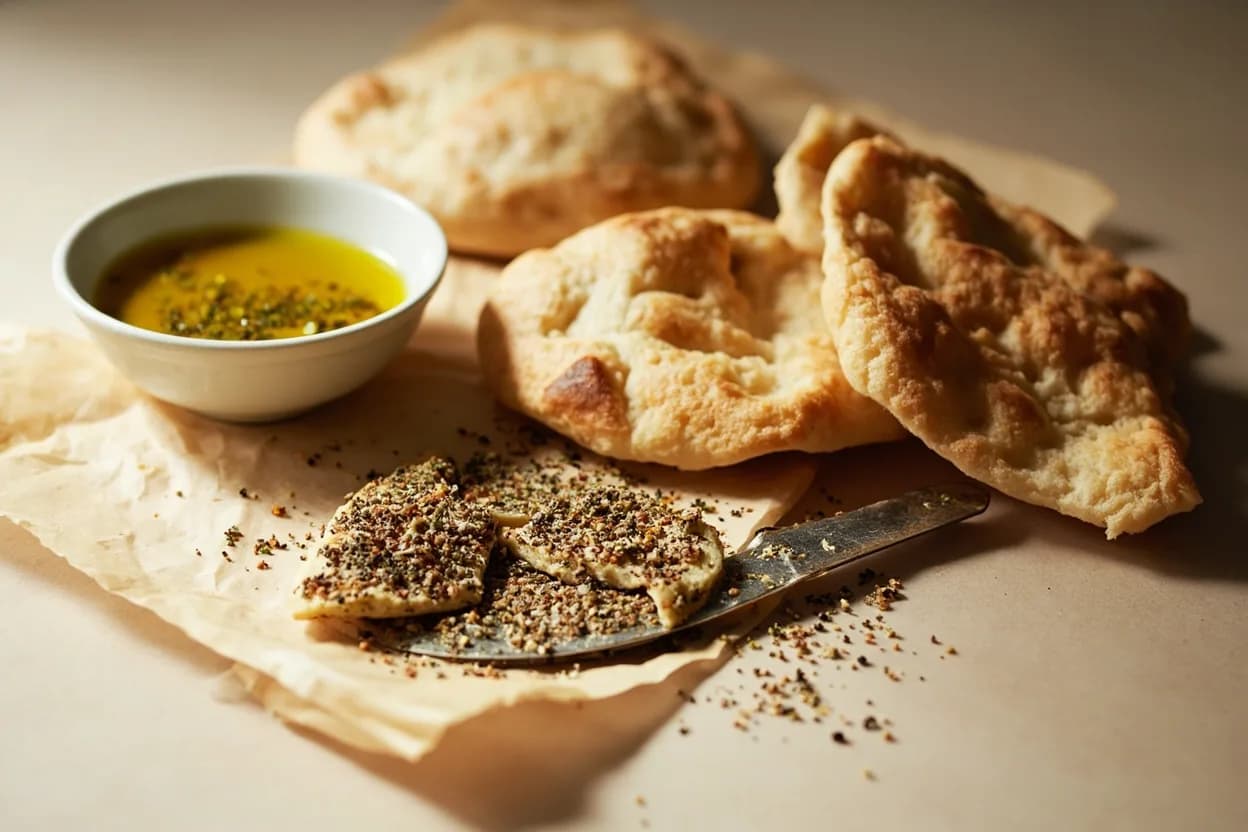
The Levantine spice blend of dried thyme, sumac, sesame, and salt is labneh's canonical partner — the herbal bitterness, sesame nuttiness, and sumac tartness all interact productively with the tangy dairy.
- Extra-virgin olive oilLevantine
A generous pour of fruity, peppery olive oil over labneh is the primary serving mode across Lebanon, Syria, and Jordan; the fat rounds the cheese's sharp tang and makes a sauce for flatbread.
- Flatbread (khubz, markook, pita)Levantine
Neutral, chewy flatbread is the vehicle for all labneh service; it moderates acidity between bites and allows the diner to control the ratio of creamy cheese to accompaniment.
- CucumberLevantine / Eastern Mediterranean
Fresh cucumber's water content and vegetal mildness act as a palate cleanser between the dense, tangy spoonfuls; a standard mezze pairing across the eastern Mediterranean.
- Dried mint and Aleppo pepperLevantine
Dried mint adds a cooling aromatic lift while Aleppo pepper contributes gentle warmth and mild fruitiness without overwhelming the dairy; classic Lebanese tableside finishing.
- Pomegranate seedsLevantine / Persian
Jewel-bright pomegranate seeds provide bursts of tart-sweet juice and visual contrast against the ivory labneh; the flavour pairing echoes through Persian and Levantine cooking.
Adventurous pairings
- Honey and toasted pine nuts
Chestnut or thyme honey's floral complexity plays against labneh's tang in the same way it works with Greek yogurt, while pine nuts add resinous fat and textural crunch — a Levantine mezze-dessert hybrid.
- Roasted beets and dill
Earthy, sweet beets are amplified by labneh's acidity; dill's anise notes bridge the two. The combination makes a visually arresting starter with Middle Eastern roots and Nordic sensibility.
- Smoked fish (trout, mackerel)
Labneh's tang has the same cutting power as crème fraîche for oily smoked fish; the combination works in canapes, on rye crackers, or as part of a modern mezze spread.
- Dukkah
The Egyptian nut-and-spice blend (hazelnuts, coriander, cumin, sesame) provides aromatic complexity, crunch, and warm spice that transforms labneh from simple dip into something layered.
The fermented rind of preserved lemon adds a funky, saline citrus layer that amplifies labneh's own tangy character; exceptional with roasted carrots or as a flatbread topping.
Tread carefully
- Strong pungent aged cheeses served alongsideavoid
The subtlety of labneh's tang is buried by the aggressive funk of aged cheeses; they occupy separate parts of the table, not the same board.
- Very sweet fruit jams or jelliesavoid
High-sugar preserves overwhelm labneh's delicate tanginess, collapsing it into a bland neutral backdrop; a light drizzle of honey is the sweet maximum that works.
- Strong raw garlic in large quantitiesavoid
While garlic appears in labneh variations, raw allicin at high concentration kills the dairy's finesse; use roasted or confit garlic, or a single clove maximum, raw.
How to use it
- Strain whole-milk (never low-fat) yogurt in a cheesecloth-lined strainer for 12–24 hours in the fridge; the longer the drain, the firmer and tangier the result
- Season with fine salt before straining, not after; pre-salting draws moisture more evenly and seasons throughout
- For labneh balls: strain for 48 hours, roll into balls, coat in dried herbs (thyme, sumac, chili), and submerge in olive oil in a sterilised jar — shelf-stable refrigerated for 2–3 weeks
- Bring to room temperature before serving; cold labneh is stiff and flavour-muted
- Use as a sauce base: thin with lemon juice and olive oil to a coating consistency for drizzling over roasted vegetables or grain bowls
Appears in
Related flavours
- Greek yogurt
The less-strained precursor to labneh; shares the lactic tang but lacks the spreadable body; works as a substitute in sauce applications
Both are salty, tangy, white dairy fixtures in mezze; feta is brine-cured and crumbles while labneh is strained and spreads — different textures, compatible flavour territory
Functional substitute in Western kitchens for cutting fatty or smoked dishes; less tangy than labneh, more neutral
References
- 1.Zaitoun: Recipes from the Palestinian Kitchen — Roden, C. and Tamimi, S., W&N, 2019
- 2.Jerusalem — Ottolenghi, Y. and Tamimi, S., Ebury Press, 2012
- 3.The Arab Table — Salloum, M., William Morrow, 2006
Confidence: high
Notes
Simplicity and depth
Labneh is one of the Levant's great pantry staples precisely because it does so much with so little processing. A yogurt left to drain overnight becomes a cheese; that cheese, rolled in herbs and submerged in oil, becomes a preserve. On the table it functions as a dip, a spread, a sauce, or a side dish. Za'atar and good olive oil are its canonical accompaniments not because the combination is traditional (though it is) but because the flavours are complementary at a chemical level: the sumac's tartness echoes the lactic acid, the thyme's carvacrol amplifies the herbal notes in the dairy, and the oil binds everything together.