Fats, Pastes & Condiments
Tahini
Also: tahina, sesame paste, sesame butter, ardeh
Ground sesame's creamy, bitter, nutty complexity — the backbone of Levantine cooking and an adaptable partner across sweet and savory alike.
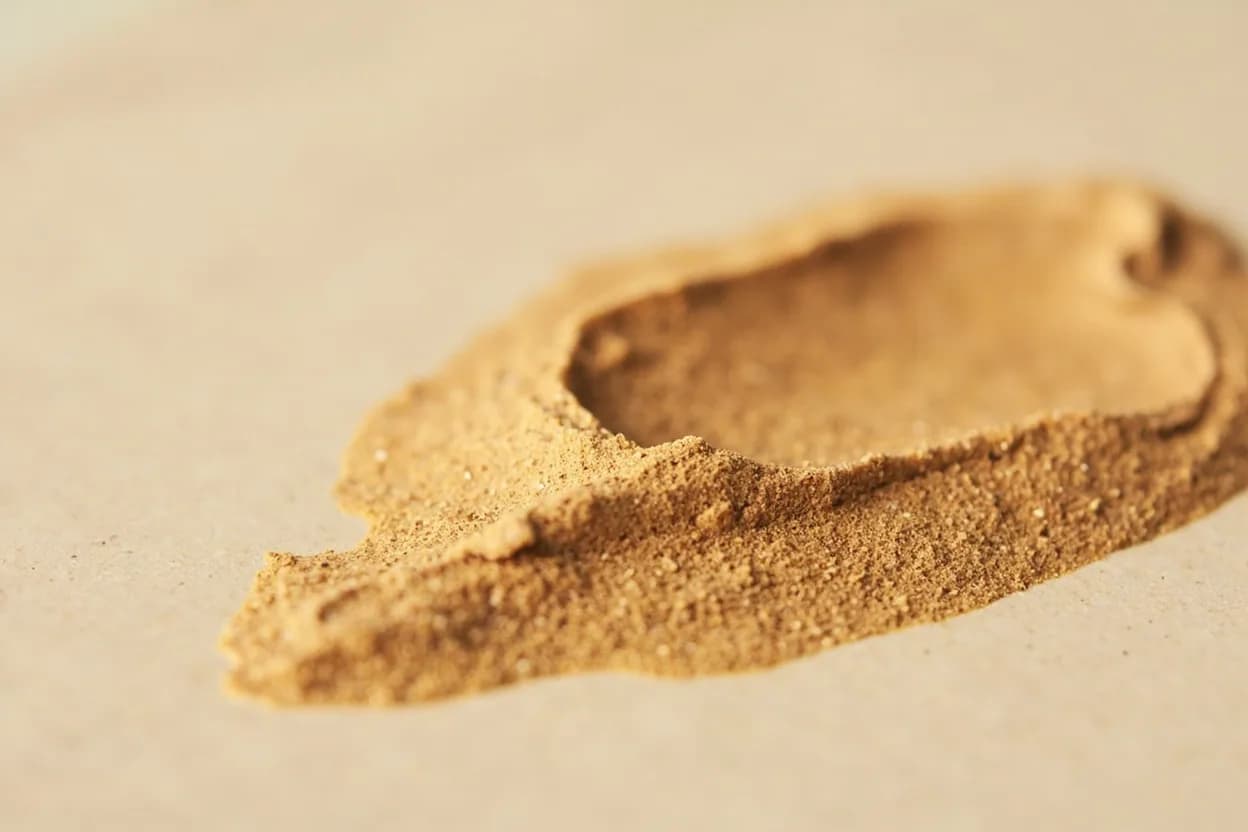
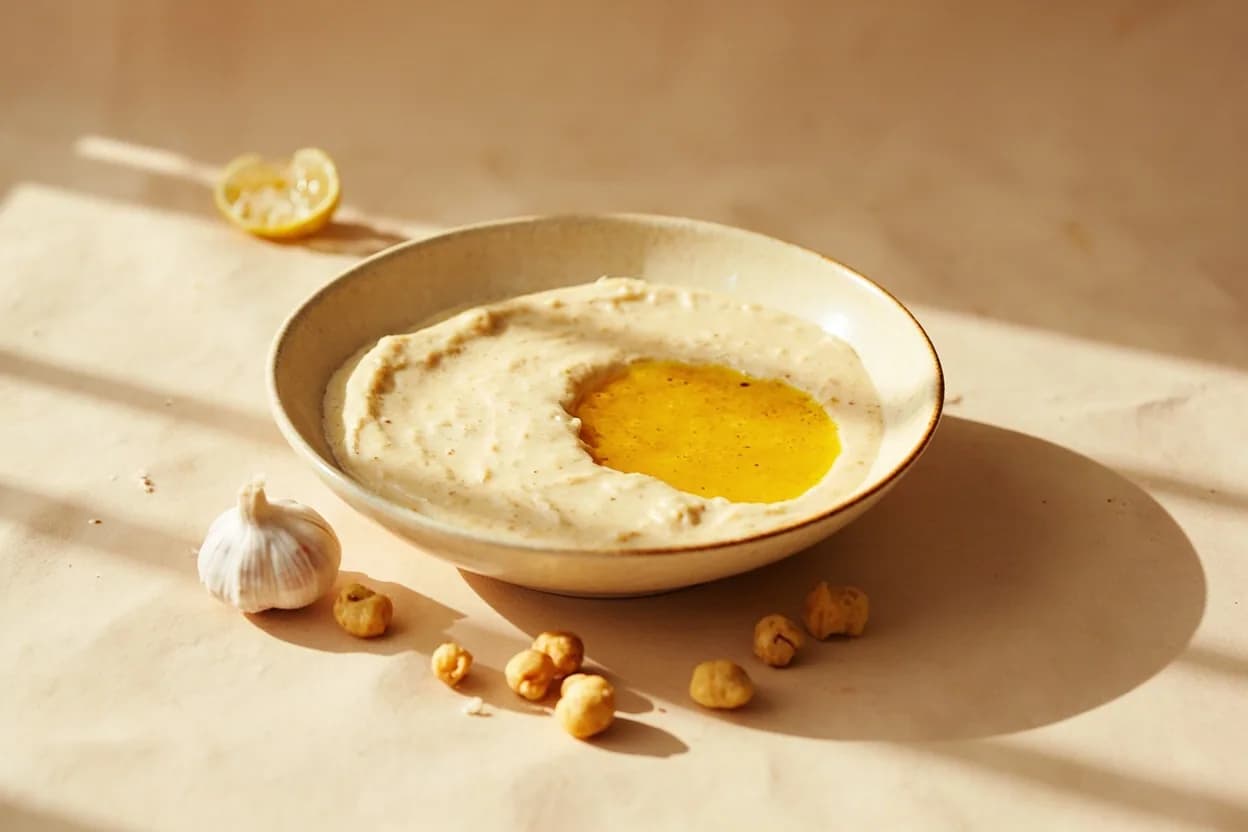
Tahini is a paste made from hulled (and usually lightly toasted) sesame seeds ground to a smooth, pourable consistency with a texture resembling natural peanut butter. Quality tahini flows easily at room temperature and separates into a thick paste and clear oil on sitting — this is normal and desirable. Its flavor is rich and nutty with a distinctive pleasant bitterness from sesamin and other sesame lignans, a subtle earthiness, and a lingering toasty warmth. Palestinian and Lebanese tahini (e.g., Al Arz, Soom, Seed + Mill) made from Humera Ethiopian sesame is regarded as the benchmark: pale ivory, very smooth, with a rounded bitterness. Chinese sesame paste, by contrast, uses roasted unhulled seeds and is much darker, more intensely bitter, and less suitable as a direct substitute.
In photos
Flavour profile
Classic pairings
- Lemon juiceLevantine
Acid is tahini's defining counterpart: lemon thins the paste, brightens its bitterness into a vibrancy, and emulsifies it with water for sauces, dips, and dressings. The ratio of 1 part lemon to 2-3 parts tahini is the Levantine standard.
- GarlicLebanese, Israeli, Palestinian
Raw crushed garlic stirred into tahini-lemon sauce (tarator) adds pungent sulfurous depth that balances sesame's nuttiness; together they form the master sauce of the Eastern Mediterranean.
- ChickpeasLevantine
Hummus is the canonical union: blended chickpeas carry tahini's fat and flavor while their starch softens bitterness; the pairing is so ubiquitous it is treated as a single entity in much of the world.
- Eggplant (roasted)Levantine, Turkish
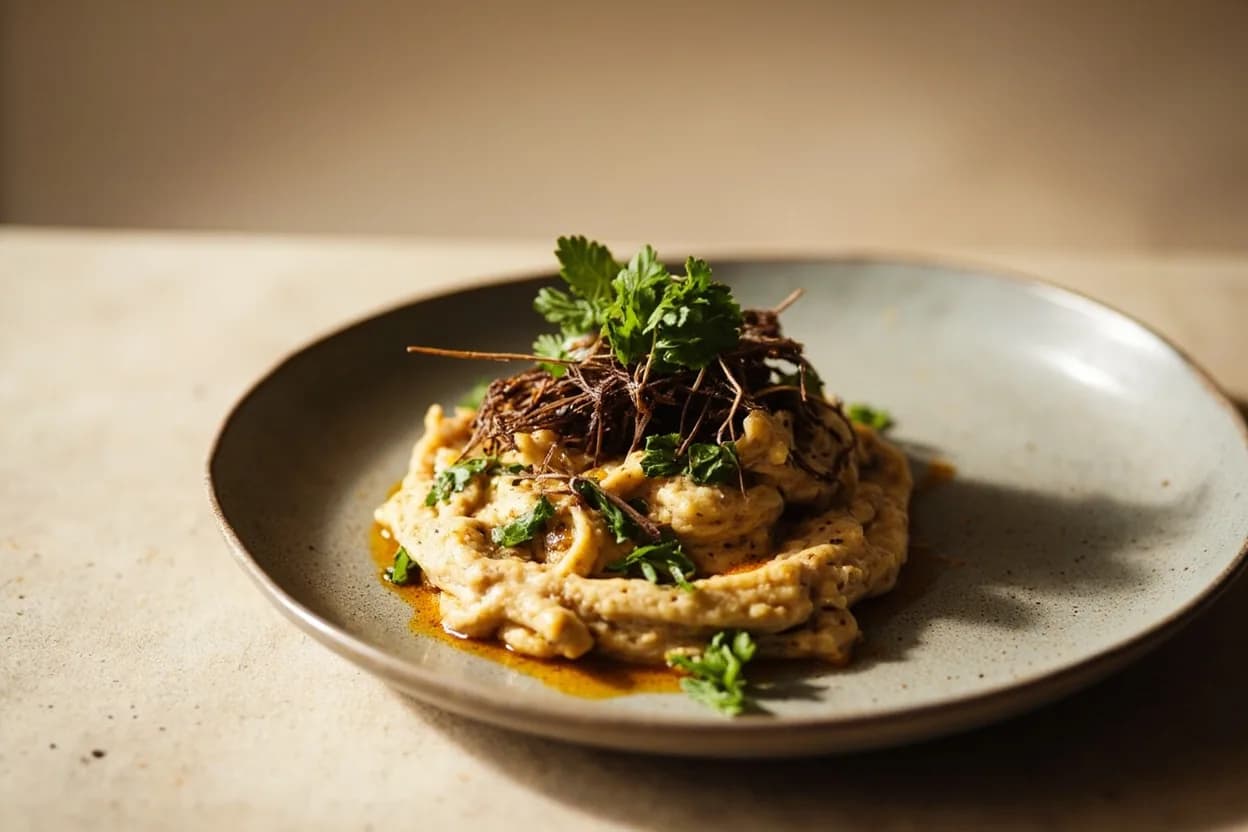
Charred eggplant flesh stirred with tahini, lemon, and garlic creates baba ghanoush; smoke amplifies sesame's nuttiness while eggplant's silky sweetness tempers its bitterness.
- HoneyIsraeli, Lebanese
Tahini and honey drizzled together on warm bread (a classic Levantine breakfast) is a study in complementary opposites: bitterness and sweetness, fat and sugar, earthy and floral.
- DatesPalestinian, Gulf
Medjool dates stuffed with or dipped in tahini appear across Palestinian and Gulf cuisine; tannins and caramel sweetness of the date absorb tahini's bitterness into a harmonious dessert.
- Lamb (ground or slow-cooked)
Tahini sauce poured over siniya (Palestinian ground lamb baked in tahini) or served alongside slow-roasted leg creates a rich, unctuous coating; sesame fat enriches lamb's own.
- Coffee (strong espresso or Turkish)Levantine, Turkish
Tahini sesame cookies or halvah alongside a bitter coffee is an ancient pairing in Levantine cafe culture; sesame's nuttiness echoes roasted coffee's own bitterness.
Adventurous pairings
Tahini and bitter chocolate share polyphenolic bitterness but each contributes different aroma compounds (sesame nutty vs. cacao fruity); tahini-swirled brownies and chocolate-tahini tarts exploit this harmony.
- Miso (white)
Whisked together with rice vinegar and sesame oil, tahini and white miso form a complex dressing that is simultaneously nutty, fermented, sweet, and deeply savory — outstanding on roasted cauliflower or cold soba.
- Roasted beets
Beets' earthy sweetness and deep iron note provide a dramatic foil for tahini's bitterness; the visual contrast (crimson on ivory) and flavor contrast are equally striking in a Levantine-inspired salad.
Tart, dark pomegranate molasses cuts tahini's fat and bitterness with fruit acid in a way that lemon cannot; the combination appears in some Syrian dipping sauces and works brilliantly on falafel.
- Banana
Tahini blended with ripe banana and a little honey makes a paste that is simultaneously peanut-butter-adjacent and more aromatic; popular in Israeli breakfast culture and increasingly in smoothie bowls.
Tread carefully
- Milk or cream (without acid)avoid
Combining tahini with dairy without an acid component (lemon, vinegar) produces a cloying, excessively rich paste with no counterpoint; the fat-on-fat pairing needs brightness to function.
- Aggressively spiced curriesavoid
Tahini's specific sesame bitterness tends to clash with South Asian curry profiles (fenugreek, turmeric), producing a muddled result; Chinese sesame paste is better suited to those contexts.
- Aged hard cheeses (Parmesan, aged Gouda)avoid
Tahini's assertive bitterness and dairy's sharp tang each need a blank canvas to shine; together they produce an over-rich, indistinct heaviness.
How to use it
- Thin with ice-cold water (not warm), lemon juice, and garlic for classic tarator sauce — it thickens first, then loosens
- Use as a butter substitute in baking for cookies, brownies, and cake (1:1 by weight) for a nutty, slightly denser result
- Whisk into warm braising liquid or pan sauce for a nutty, silky finish (Middle Eastern-style siniya technique)
- Stir into Greek yogurt with sumac and olive oil for a 5-minute dip
- Swirl raw into warm soup (lentil, cauliflower) at the table for richness without heat-loss
Appears in
Related flavours
- Sesame Oil (toasted)
Shares sesame's roasted nuttiness; used to fortify or dress tahini-based sauces.
- Lemon
Tahini's inseparable acid partner in nearly every application.
Fruity, tangy spice that complements tahini dips by adding acidity without liquid.
Standard warm spice in hummus and falafel sauce alongside tahini.
References
- 1.Ottolenghi, Yotam & Tamimi, Sami. Jerusalem: A Cookbook. Ten Speed Press, 2012
- 2.Wadi, Joudie. Palestine on a Plate. White Lion Publishing, 2017
- 3.Roden, Claudia. The New Book of Middle Eastern Food. Knopf, 2000
- 4.Duguid, Naomi. Taste of Persia. Artisan, 2016
Confidence: high
Notes
Choosing tahini
Quality varies enormously. Look for a single-ingredient list (sesame seeds, or sesame seeds and sometimes salt) and a pale, almost ivory color — darker paste indicates over-roasted seeds and more aggressive bitterness. Stir well before use. Store in a cool, dark place; refrigeration can cause excessive solidification.
The cold-water paradox
Tahini seizes up when water or lemon juice is first added — it looks like it has broken. Keep adding liquid and stirring vigorously; it will eventually loosen into a smooth, pourable sauce. Cold water works better than warm for final texture.