
Stored
Açaí pulp sold as flat frozen packets, the standard retail form before blending.
Teaches readers how açaí pulp is purchased and stored — the frozen packet is the defining commercial form most people encounter.
Produce
Açaí Pulp
Frozen purple Amazonian berry purée blended into bowls and smoothies.
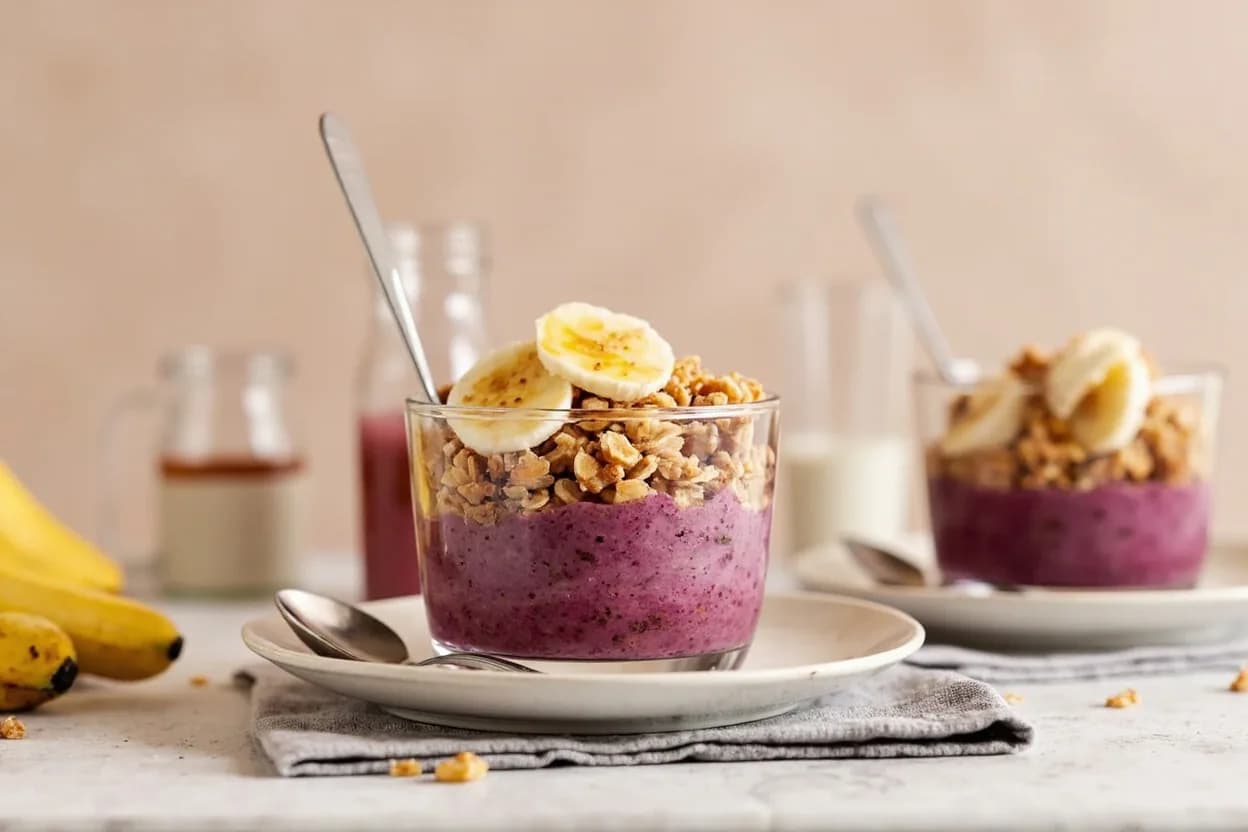
Açaí pulp is the frozen, deep-purple purée of the Amazonian açaí palm berry, with an earthy, mildly tart, lightly chocolatey flavor. It is blended into thick smoothie bowls topped with granola and fruit, and into drinks and desserts. In Brazil it is often served as a chilled, slightly savory staple rather than a sweet treat.
Açaí pulp is a frozen purée made from the small, dark purple berries of the Euterpe oleracea palm, which grows prolifically in the flooded forests of the Amazon Basin. Unlike most fruits that travel well fresh, açaí deteriorates within 24 hours of harvest, so virtually all culinary applications rely on the frozen product—the fresh fruit simply does not survive transit. The pulp has a deeply concentrated flavor that is tart and berry-forward with subtle undertones of dark chocolate and grape, and it carries an unusually low sugar content for a fruit of its intensity. What makes açaí genuinely distinctive in the kitchen is its behavior when blended: unlike softer fruits, frozen açaí purée resists liquefying easily and requires both a high-powered blender and careful technique to achieve the thick, spoonable consistency prized in açaí bowls. The fruit's extraordinary anthocyanin content—responsible for its deep violet color—also makes it one of the most antioxidant-dense foods in common circulation, though heat processing significantly degrades these compounds, which is why frozen raw purée is the preferred form for maximum benefit.
- Measured in
- g
- Storage
- Freezer
Types & varieties
Pure fruit purée with no additives; most versatile for both sweet and savory applications
Açaí mixed with guaraná syrup or added sugar; common in Brazil, sweeter, less flexible for cooking
Pressed into serving-size frozen blocks; common retail format in Brazil and export markets
Organic versions available; look for sustainably harvested products that support Amazonian livelihoods
The Frozen Supply Chain
Açaí enters Western kitchens almost exclusively through the frozen supply chain. The fresh fruit does not travel well—it oxidizes and ferments within a day of harvest, developing off-flavors and a mushy texture. After harvest, producers remove the large central seed and blend the remaining pulp, then freeze it rapidly to preserve flavor and anthocyanin content. This means that nearly every culinary application begins with working with frozen material, and the quality of that frozen product matters enormously: avoid packages with ice crystals or signs of freezer burn, which indicate thawing and refreezing.
- Look for vacuum-sealed or tightly packaged frozen pulp without visible ice crystals
- Check the ingredient list on blends—guaraná syrup and added sugar limit versatility
- Sustainable sourcing matters: wild-harvested açaí supports Amazonian communities and discourages deforestation
Why Frozen Technique Matters
The single most common mistake with açaí is thawing it fully before blending. Once thawed, the pulp becomes watery and loses its ability to hold a thick consistency, and the texture turns grainy and unpleasant. The goal is to break down the frozen mass while keeping it cold enough to maintain viscosity. This requires a powerful blender, patience, and measured liquid addition. The reward is a smooth, dense mixture that holds its shape in a bowl and supports toppings without becoming a soupy mess.
- Never thaw completely before blending
- Add liquid sparingly—start with 1–2 tablespoons at a time
- Stop blending as soon as smooth; continued processing creates gummy texture
Common uses
Tips & pitfalls
- Always blend frozen pulp directly with minimal or no thawing; fully thawed pulp becomes watery and loses its thick, spoonable texture
- Use a high-powered blender and add liquid gradually (1–4 tablespoons at a time) to achieve the correct consistency—rushing this step ruins the texture
- Balance the natural tartness with banana, honey, or agave; oversweetening drowns the berry character and subtle chocolate notes
- Stop blending once smooth—overprocessing causes the mixture to become gluey and gummy as the fiber and pectin break down
- Never refreeze thawed pulp; texture and flavor degrade significantly with each thaw cycle
- For savory applications, açaí works well with fish, shrimp, and citrus-based marinades, following traditional Brazilian patterns
- Seek FSC-certified or similarly sustainably sourced products—wild-harvested açaí supports Amazonian livelihoods and discourages deforestation
Nutrition
Energy
548 kJ · per 100 g
Where the calories come from
Protein
3g
6% DV
Carbs
21.6g
8% DV
Fat
3.6g
5% DV
Fiber
2.3g
8% DV
Sugars
19.2g
of which
Sodium
63mg
3% DV
Source · USDA FoodData Central · approx. Frozen yogurts, chocolate
View on FDC →In the shops
Matched grocery products
No matched grocery products for Açaí Pulp yet.
Good to know
- Origin
- Amazon Basin, primarily Pará, Amazonas, and Amapá states in northern Brazil
- Peak Season
- June through December, with heaviest harvest August–November
- Form
- Frozen purée with seed removed; blended to smooth consistency
- Color
- Deep violet-purple, nearly opaque when blended
- Flavor
- Tart-berry with subtle chocolate and grape notes; naturally low in sugar
- Shelf Life
- Frozen: 2–3 months; once thawed, use within 24 hours
- Key Compound
- Anthocyanins (antioxidant pigments); also contains iron, calcium, and dietary fiber
- Equipment Required
- High-powered blender essential for smooth, non-gummy results
Substitutes
- Frozen Mixed Berry Blend — Provides similar texture and deep color but lacks açaí's distinctive tartness and earthy chocolate undertones
- Frozen Dragon Fruit (Pitaya) — Similar visual appeal and smooth texture; neutral flavor requires the same balancing with sweeteners
- Frozen Blackcurrant or Chokeberry (Aronia) Purée — Closest in tartness and anthocyanin intensity; harder to source in most markets outside specialty stores
Pairs with
Also called
Acai Puree · Frozen Açaí
Appears in these dishes
Related
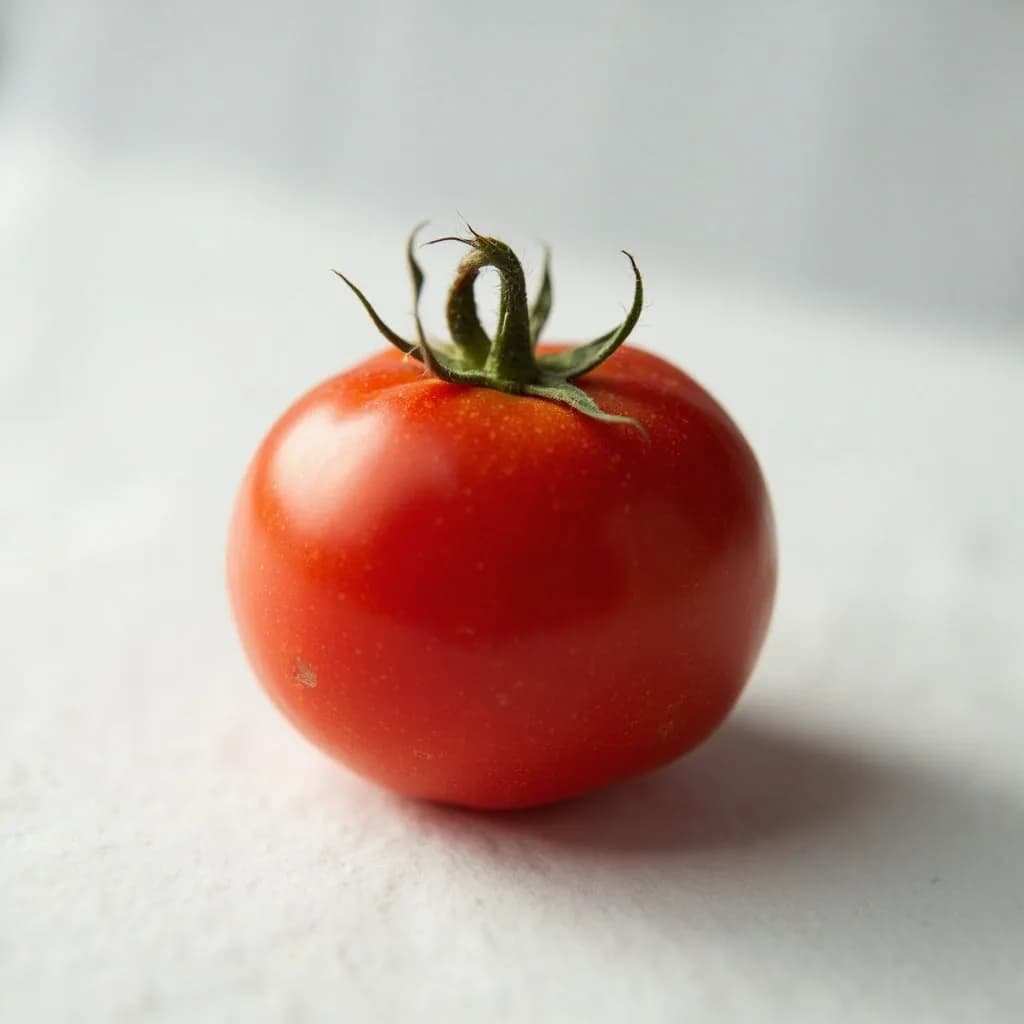
Tomato
Juicy, sun-sweet fruit for sauces, salads, and slow-cooked depth
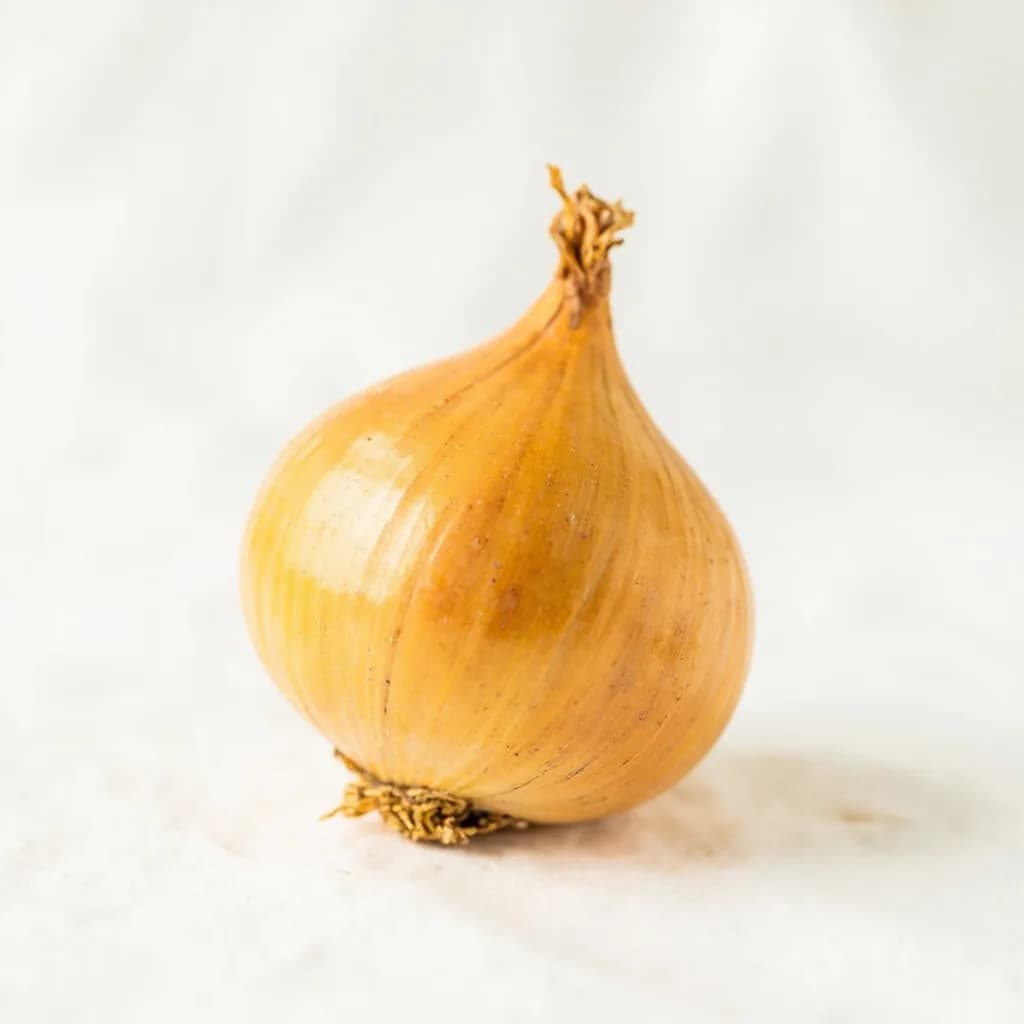
Yellow Onion
The aromatic backbone of soups, sofritos, and braises
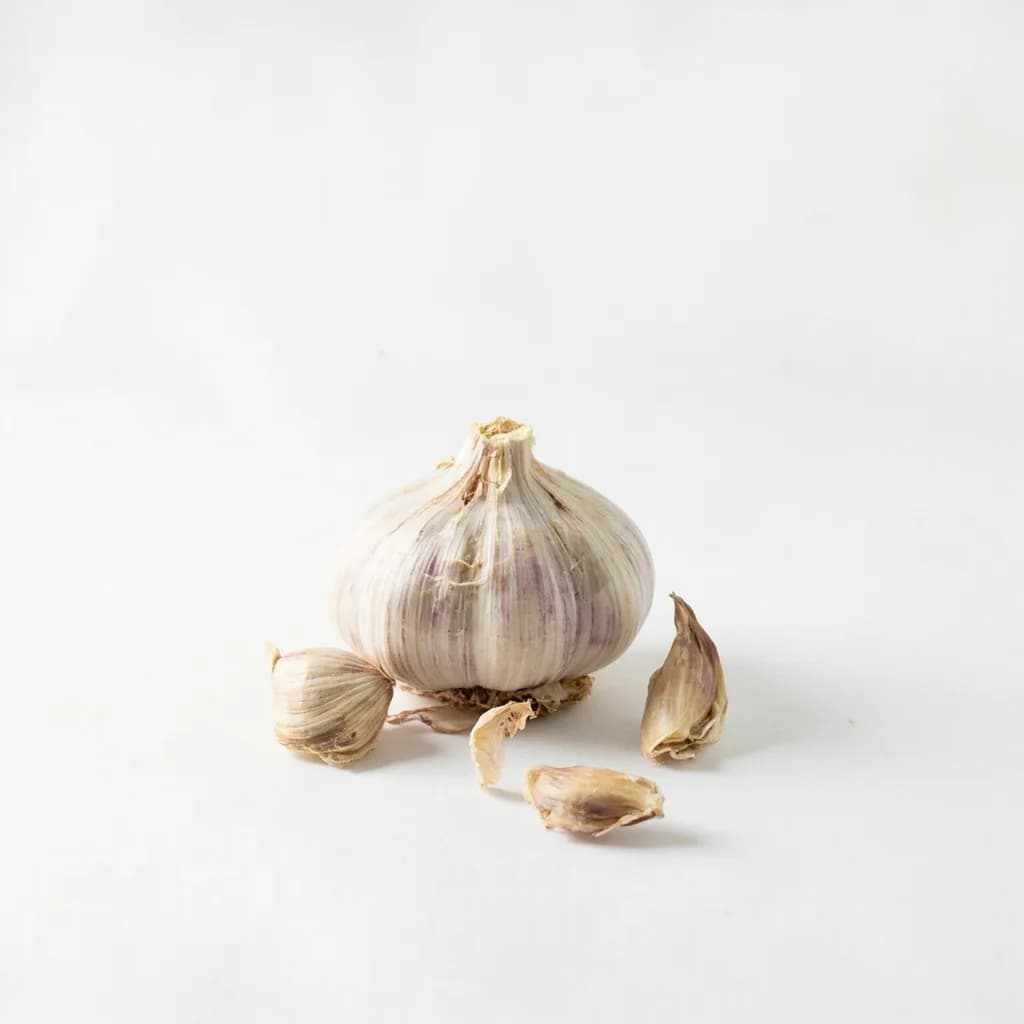
Garlic
Pungent cloves that perfume nearly every savory dish
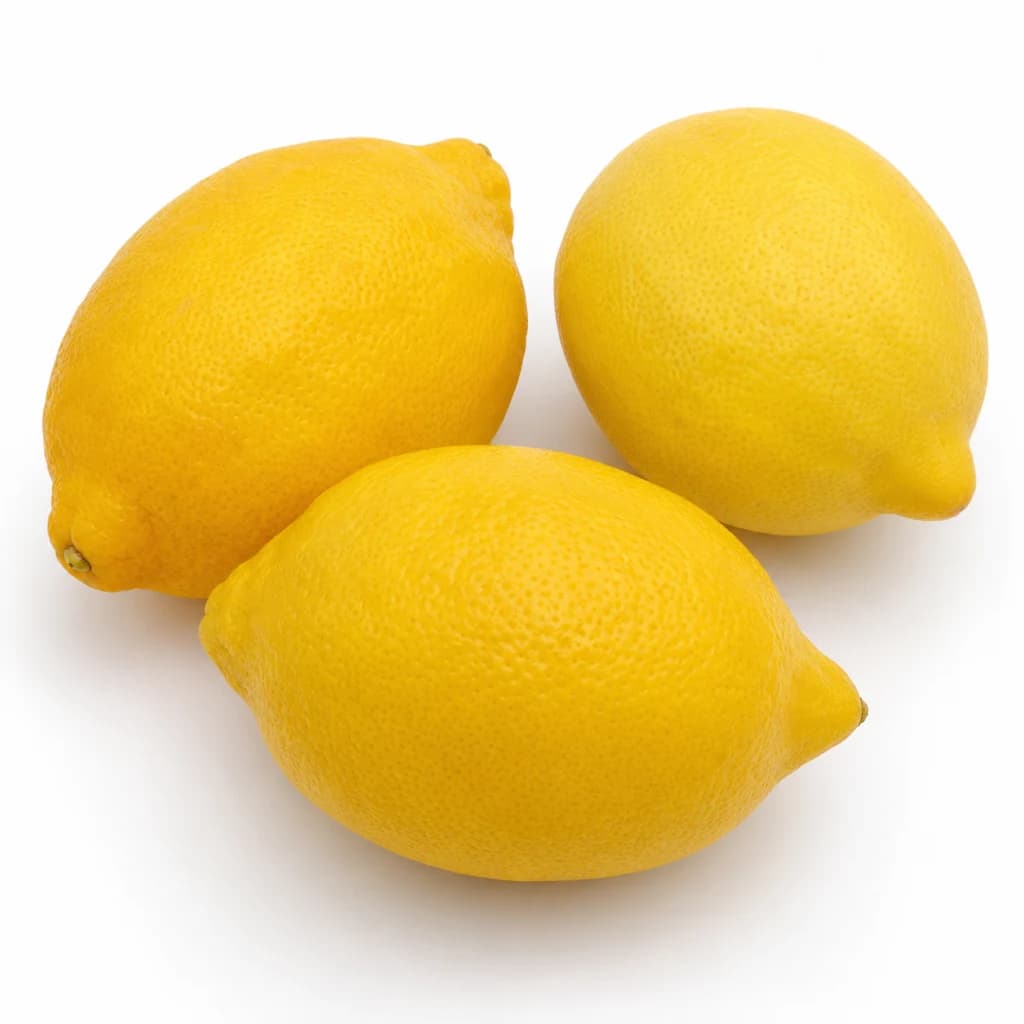
Lemon
Bright, acidic citrus that wakes up almost any dish
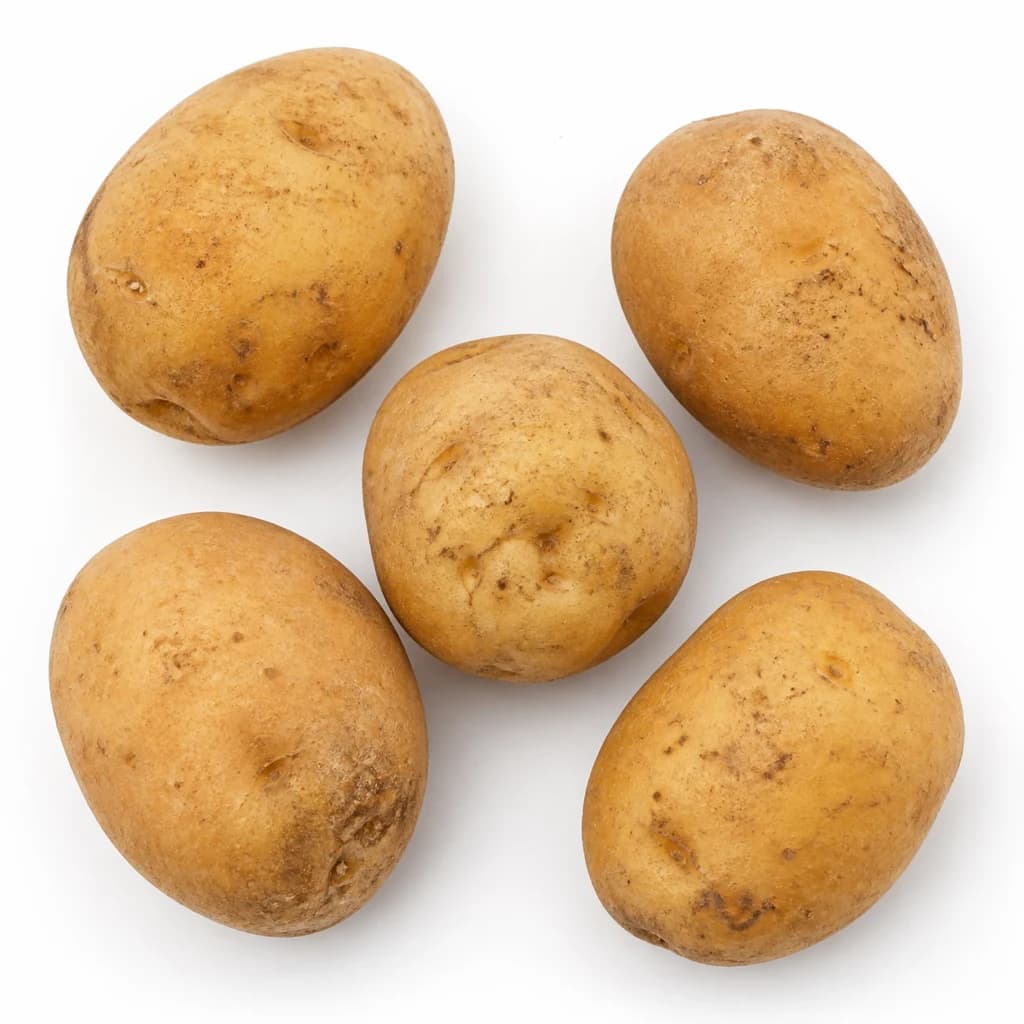
Potato
Humble, hearty staple — roast, mash, fry, or boil
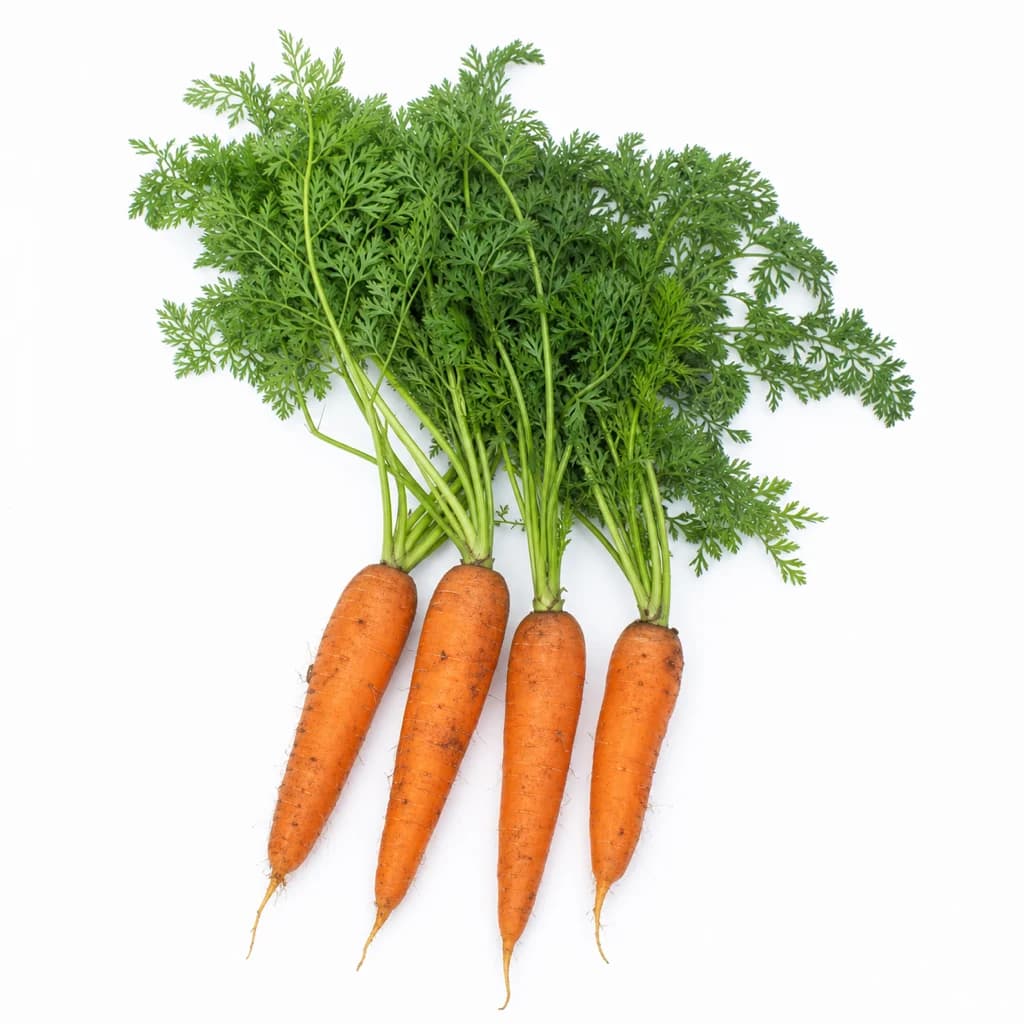
Carrot
Sweet, crunchy root — raw, roasted, or the base of a sofrito
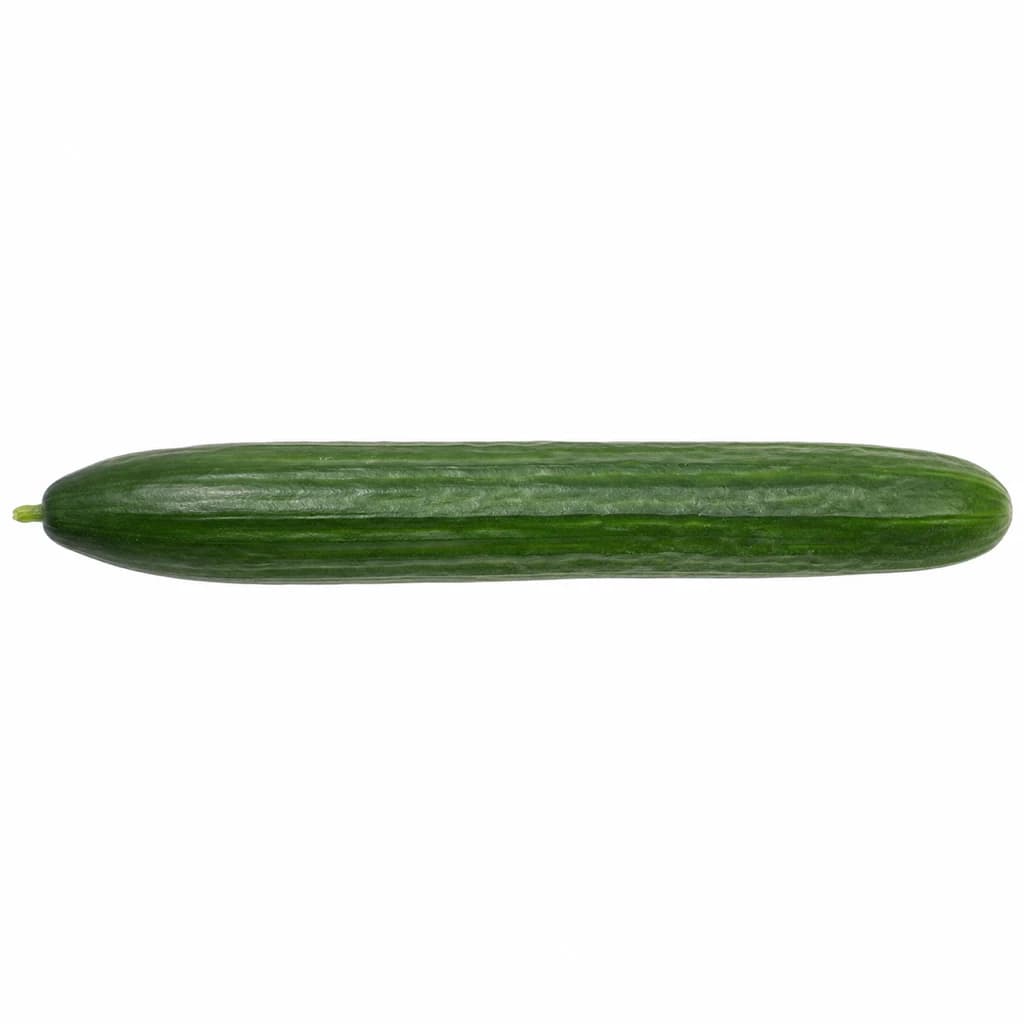
Cucumber
Cool, crisp, and watery — for salads, pickles, and tzatziki

Lettuce
Crisp leaves for salads, wraps, and a fresh crunch