Varieties
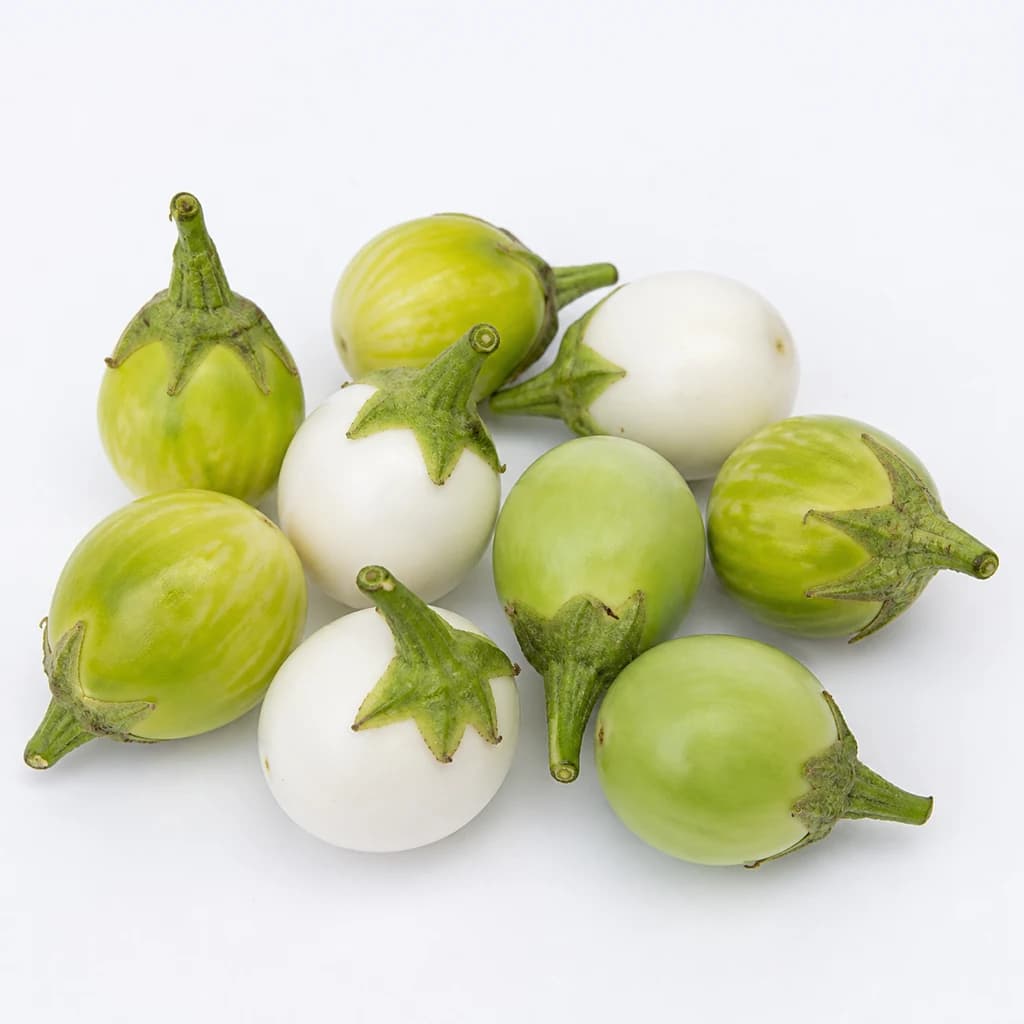
African garden eggs vary from white to green to yellow-striped, all small and round.
Shows the defining color and shape range that distinguishes garden eggs from other eggplant types.
Produce
African Eggplant (Garden Egg)
Small round eggplant, often bitter, eaten raw, stewed, or pounded into sauces across West Africa.
African eggplant, or garden egg, is a small, round-to-oval eggplant that can be white, green, yellow, or striped, with flesh that ranges from mild to markedly bitter. It is eaten raw as a snack, stewed into sauces, or boiled and pounded into West African dishes. The bitter varieties are prized in their own right and feature heavily in Ghanaian and Nigerian cooking.
African Eggplant, known as Garden Egg in English and by a dozen regional names—Gboma in Ghana, Njama Njama in Cameroon, Efo Sili among the Yoruba, Kpomin in Ewe-speaking areas—belongs to the Solanaceae family alongside its better-known nightshade relatives, tomato and common eggplant. What distinguishes it from those cousins is a compact, round fruit rarely larger than a golf ball and a characteristically bitter note that runs through both raw and cooked preparations. The Garden Egg group of Solanum aethiopicum was domesticated in West and Central Africa and has been a staple of the region for centuries, valued not only as food but as a medicinal plant associated with digestive health and blood sugar regulation.
In the hand, a garden egg feels firm and heavy for its size, with skin that ranges from ivory-white to pale green—occasionally faintly striped—and flesh that is dense with a small central seed cavity. Bite into one raw and the bitterness announces itself immediately, though it is gentler than bitter melon and accompanied by a satisfying snap and juiciness. Cooked, the bitterness softens substantially, the flesh turns tender, and the fruit takes on the flavors of its cooking medium with enthusiasm. The plant is remarkably productive: in addition to the fruit, the young leaves and shoot tips are harvested and cooked as a leafy green throughout West Africa, often called njama njama in Cameroon and Nigeria.
The garden egg's role in West African cuisine is foundational rather than decorative. It appears in daily stews, special-occasion sauces, roadside snacks, and fermented preparations. Its bitterness is functional—it cuts through rich palm oil stews, balances sweet peanut sauces, and provides a savory counterpoint to smoked fish. In a region where the interplay of bitter, savory, and fermented flavors defines the culinary identity, the garden egg is not an acquired taste to be acquired but a taste that home cooks have always known how to manage and celebrate.
- Measured in
- piece
- Storage
- Fridge
Types & varieties
Most common commercial variety; ivory-white skin, mild bitterness, excellent for frying and stewing
Slightly more bitter than white varieties; widely used in Ghanaian and Nigerian cuisine; skin has a subtle green tinge
Solanum aethiopicum 'Gilo' group; larger fruit up to 8 cm, orange-red when ripe; less bitter; also cultivated for medicinal use in Brazil and Italy (as 'gilo')
Small, very bitter variety common in Cameroon; traditionally consumed for its bitter taste and associated health benefits; often cooked with palm oil and fish
Nigerian variety with slightly larger fruit; traditionally roasted over open flame before incorporating into sauces
Bitterness Management
The garden egg's bitterness is its defining characteristic and the reason many recipes call for it. Managing that bitterness is a practical skill, not a mistake to avoid. The most reliable method: cut the fruit in half, score the cut surface lightly, and sprinkle generously with salt. Let it stand for 15–20 minutes—the salt draws the bitter compounds to the surface. Rinse thoroughly, pat dry, and proceed. This technique works well for stews and fried applications where a milder background bitterness is desired rather than a sharp foreground bite.
For raw snacking applications, bitterness is expected and welcome; salt and roasted peanuts provide the balance, not pre-treatment. In some rural communities, garden eggs are fermented or sun-dried to develop a different, more complex bitter-savory flavor profile, extending their usability beyond the fresh harvest window.
- Score and salt method: cut, score, salt, rest 15–20 minutes, rinse, dry
- Younger, smaller fruits are naturally milder; select these for first preparations
- Variety matters: Grumash/Kumba is bred for intense bitterness; white varieties are gentler
- Bitterness increases as fruit ripens and skin yellows; use firm, taut-skinned specimens for cooking
Cooking the Leaves
The garden egg plant produces edible leaves that are as important to West African cooking as the fruit, though they are rarely seen outside the region. Young leaves and tender shoot tips are harvested and cooked like spinach—wilting quickly in oil with onion and tomato, or combined with other leafy greens. The leaves have a slightly earthy, mineral quality and absorb palm oil and seasonings with the same enthusiasm as the fruit.
The leaves are highly perishable. Use them within 1–2 days of purchase, and cook the same day you buy if possible. They wilt rapidly and lose moisture, so do not store them in airtight containers; a loose plastic bag in the refrigerator crisper drawer is best. When cooking, treat them like spinach: a brief wilt in hot palm oil with aromatics, a splash of water, and a cover for 3–5 minutes is sufficient. Overcooking turns them mushy and dulls their color.
- Cook within 1–2 days; they deteriorate faster than spinach
- Treat as you would spinach: quick wilt in oil with aromatics
- Combine with the fruit in traditional 'njama njama' dishes for a complete use of the plant
- Do not overcook; they should retain some color and structure
Common uses
Tips & pitfalls
- Select firm, unblemished fruits with smooth, taut skin; avoid any with soft spots, wrinkles, or yellowed skin (over-ripe and excessively bitter)
- To reduce bitterness before cooking, score the cut surface lightly and sprinkle with salt; let sit 15–20 minutes, then rinse and pat dry
- The bitterness varies significantly by variety and ripeness; younger, smaller fruits are generally milder—start with these when learning
- When frying whole, pierce the skin in several places with a fork to prevent the fruit from bursting and splattering hot oil
- Do not overcook garden eggs; they should retain some structure and resistance when pierced with a fork, especially when served as a side
- Pair with ingredients that balance bitterness: palm oil, peanut butter, coconut milk, fermented locust beans (iru), stockfish, or smoked fish
- The leaves are highly perishable—use within 1–2 days of purchase and cook the same day if possible
- Avoid substituting with regular eggplant in dishes where the garden egg's bitterness is integral to the flavor balance of the dish
Nutrition
Energy
105 kJ · per 100 g
Where the calories come from
Protein
1g
2% DV
Carbs
5.9g
2% DV
Fat
0.2g
0% DV
Fiber
3g
11% DV
Sugars
3.5g
of which
Sodium
2mg
0% DV
Source · USDA FoodData Central · Eggplant, raw
View on FDC →In the shops
Matched grocery products
 €0.51
€0.51Eggplant
340 g · Mercadona
 €0.89
€0.89Black Eggplant
Bonpreu
 €0.92
€0.92Black Eggplant 1 unit
ud · Bonpreu
 €3.19
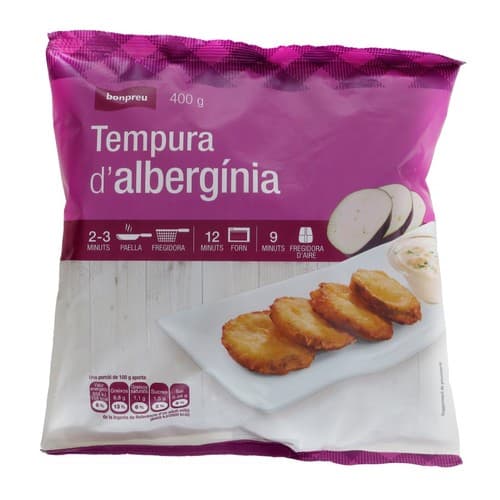
€3.19Bonpreu Aubergine Tempura
BONPREU · kg · Bonpreu
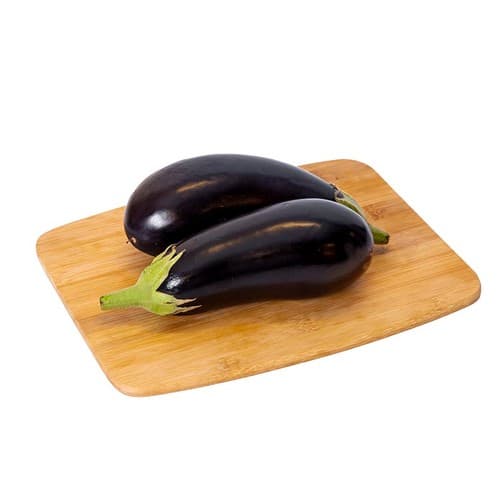 €3.29
€3.29Organic Aubergine in Tray 500 g
kg · Bonpreu
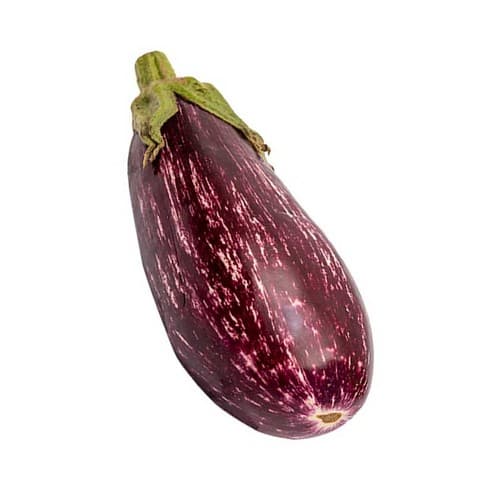 €1.29
€1.29Grated White Eggplant 1 unit
Bonpreu
Good to know
- Scientific Name
- Solanum aethiopicum (Garden Egg group)
- Family
- Solanaceae (nightshade)
- Origin
- West and Central Africa; domesticated from wild Solanum species in the region
- Other Names
- Garden Egg, Scarlet Eggplant, Gboma (Ghana), Njama Njama (Cameroon), Efo Sili (Yoruba, Nigeria), Kpomin (Ewe, Ghana/Togo)
- Typical Size
- 2–5 cm diameter, roughly the size of a small tomato or large marble
- Colors
- White, pale green, or cream; some varieties have faint green stripes; skin yellows when fully ripe
- Flavor Raw
- Mildly to moderately bitter; firm, dense flesh with small seed cavity
- Flavor Cooked
- Bitter notes mellow significantly; flesh becomes tender and absorbs surrounding flavors
- Peak Season
- Year-round in tropical regions; late summer to early autumn in temperate climates when grown as annual
- Plant Parts Used
- Fruit (immature stage most common); leaves also widely consumed as a cooked green
- Shelf Life
- Refrigerate unwashed in a plastic bag for up to 1 week; use before skin softens
- Edible Leaves
- Young leaves and shoot tips are cooked like spinach; traditional green in West African cuisine
Substitutes
- Regular Eggplant — Milder flavor and different texture; not a close substitute for bitter varieties but works in stewed dishes where the garden egg's bitterness is not central to the dish
- Bitter Melon — Shares the bitter profile but is too different in texture to be a reliable substitute; consider adding a small piece to regular eggplant to introduce bitterness instead
- Small White Eggplant — Better texture substitute; still lacks the characteristic bitterness; add a pinch of fenugreek or a small piece of bitter melon leaf to approximate the flavor profile
Pairs with
Also called
Gboma · Jakatu · Garden Egg · Bitterball · Jaxatu · Bitter Eggplant
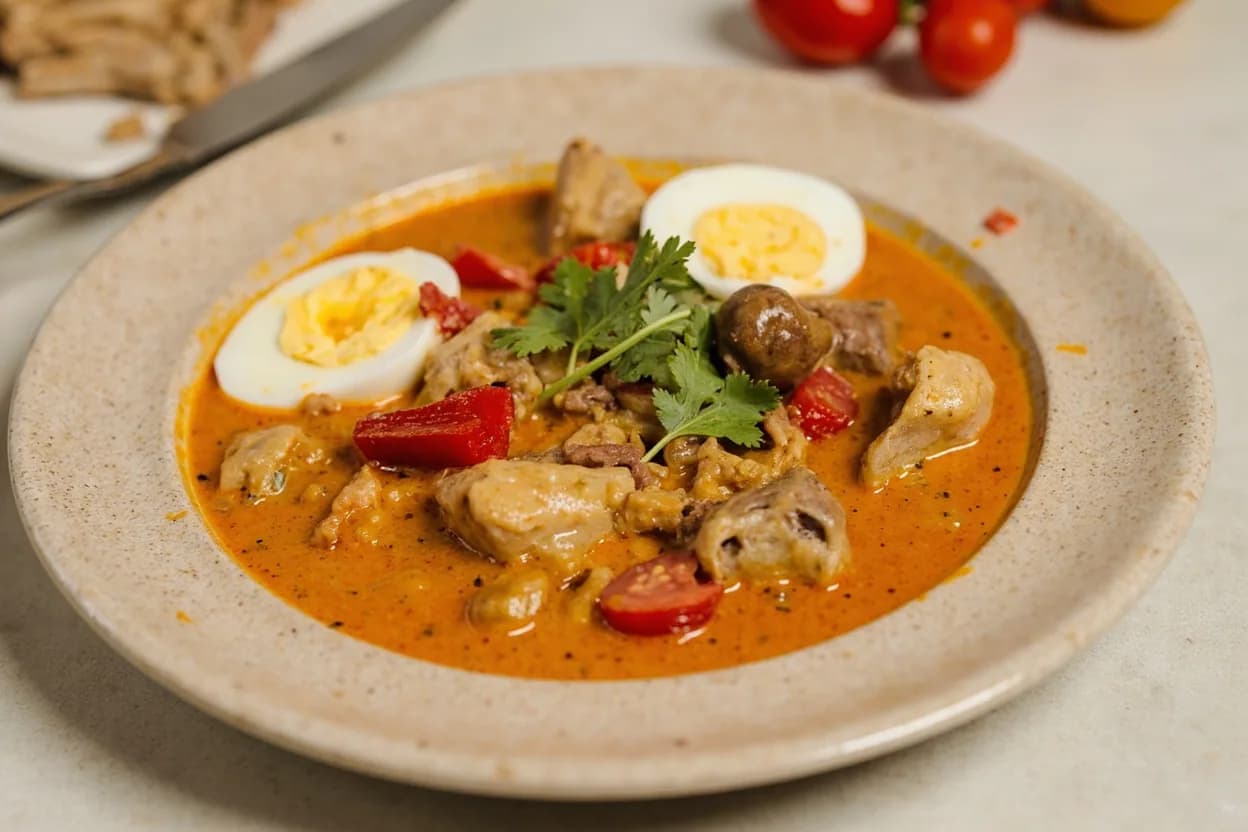
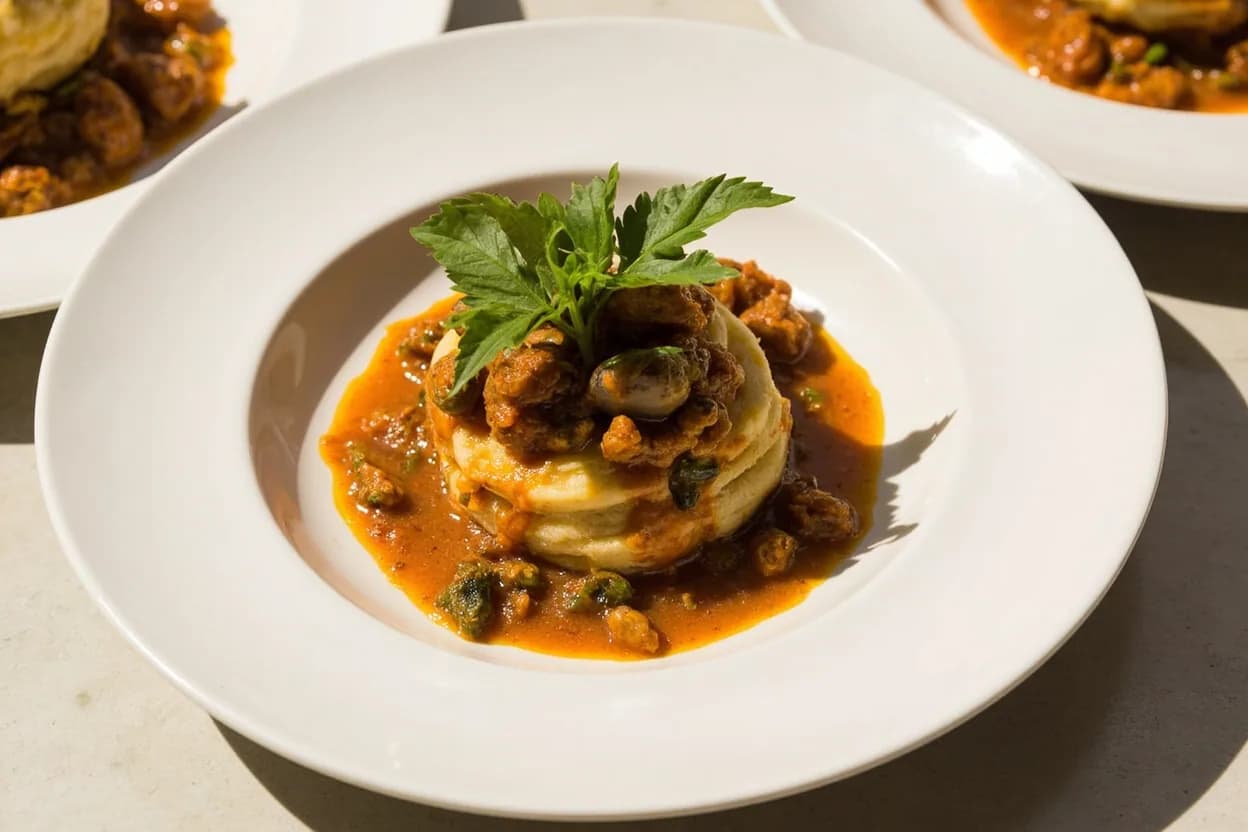
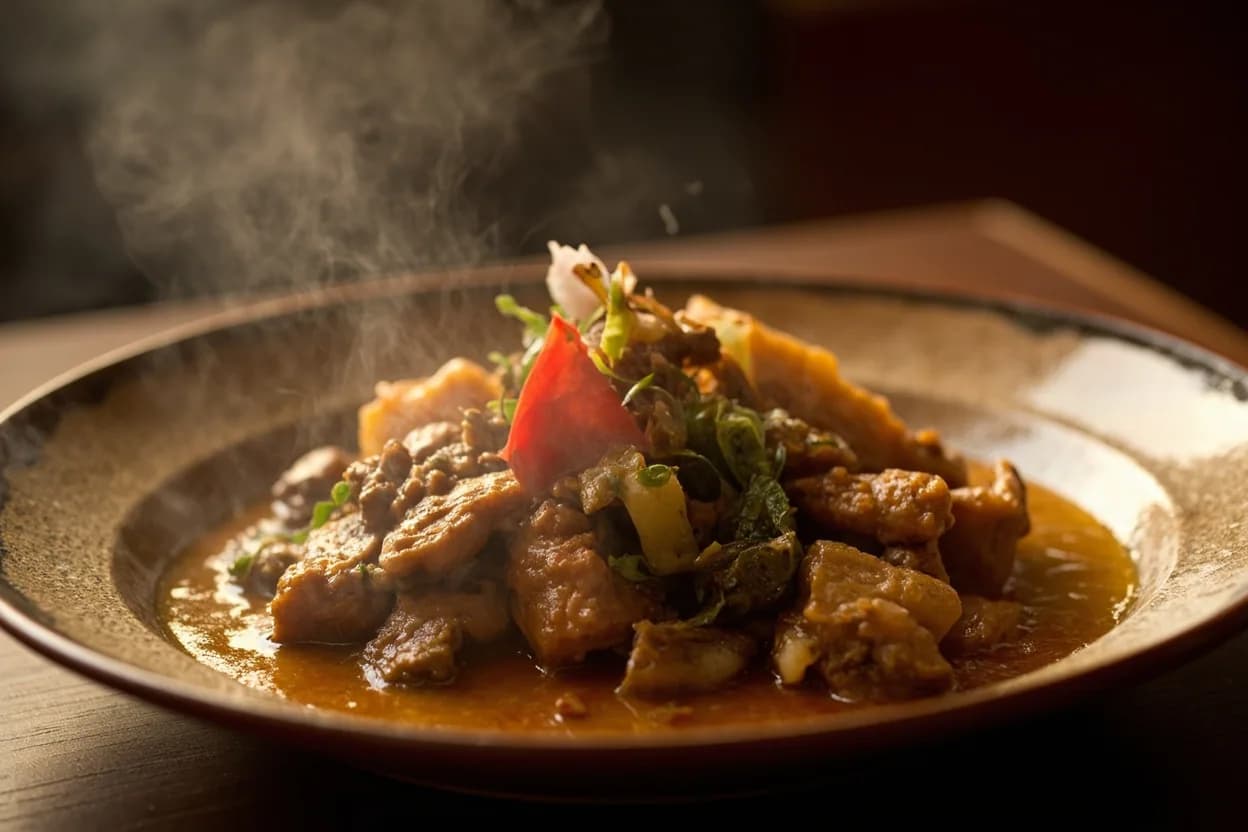
Appears in these dishes


Related
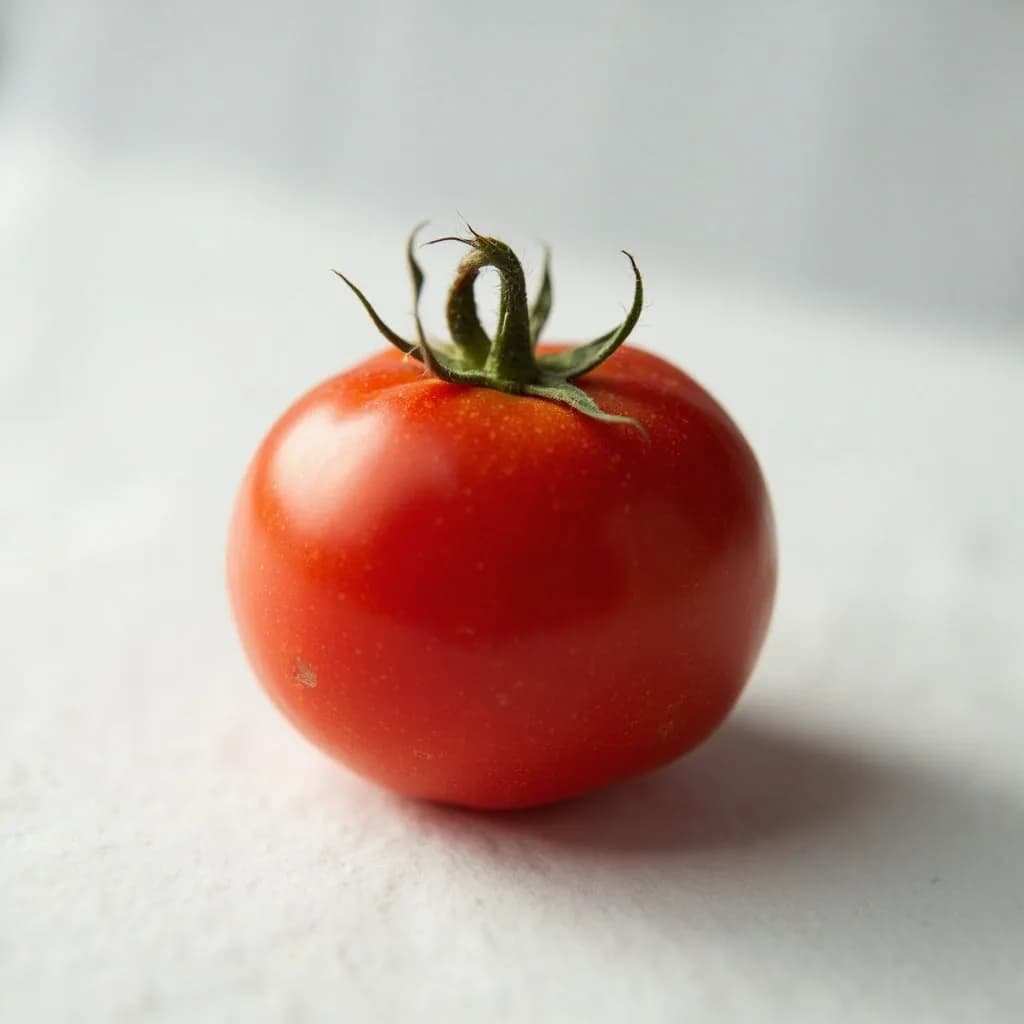
Tomato
Juicy, sun-sweet fruit for sauces, salads, and slow-cooked depth
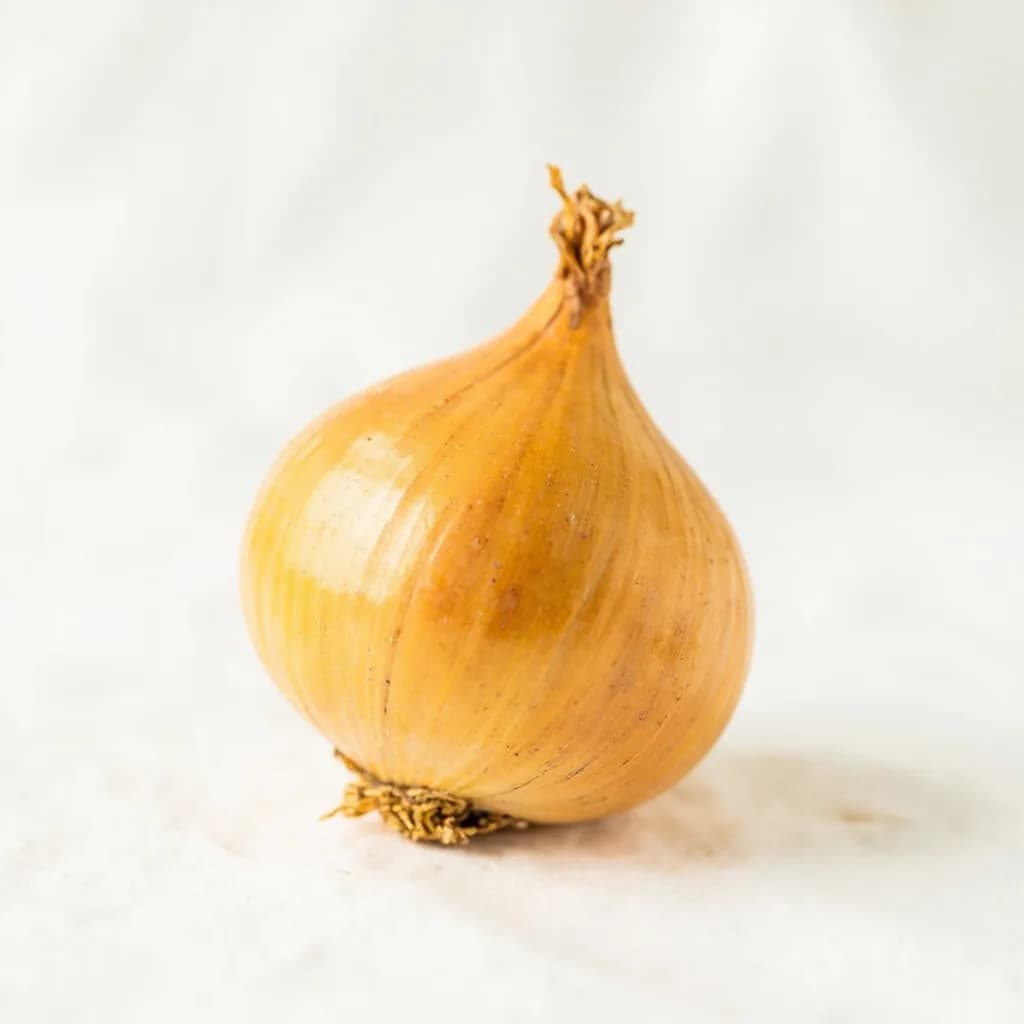
Yellow Onion
The aromatic backbone of soups, sofritos, and braises
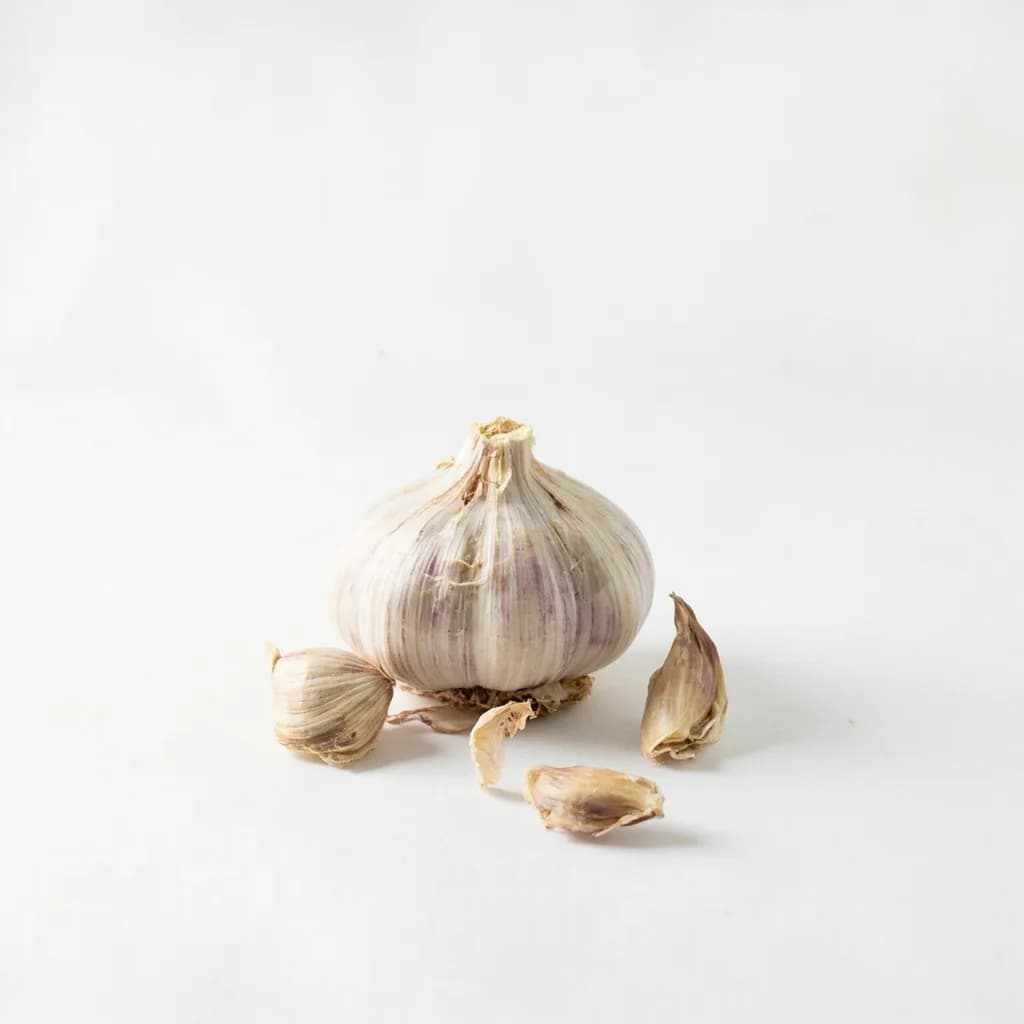
Garlic
Pungent cloves that perfume nearly every savory dish
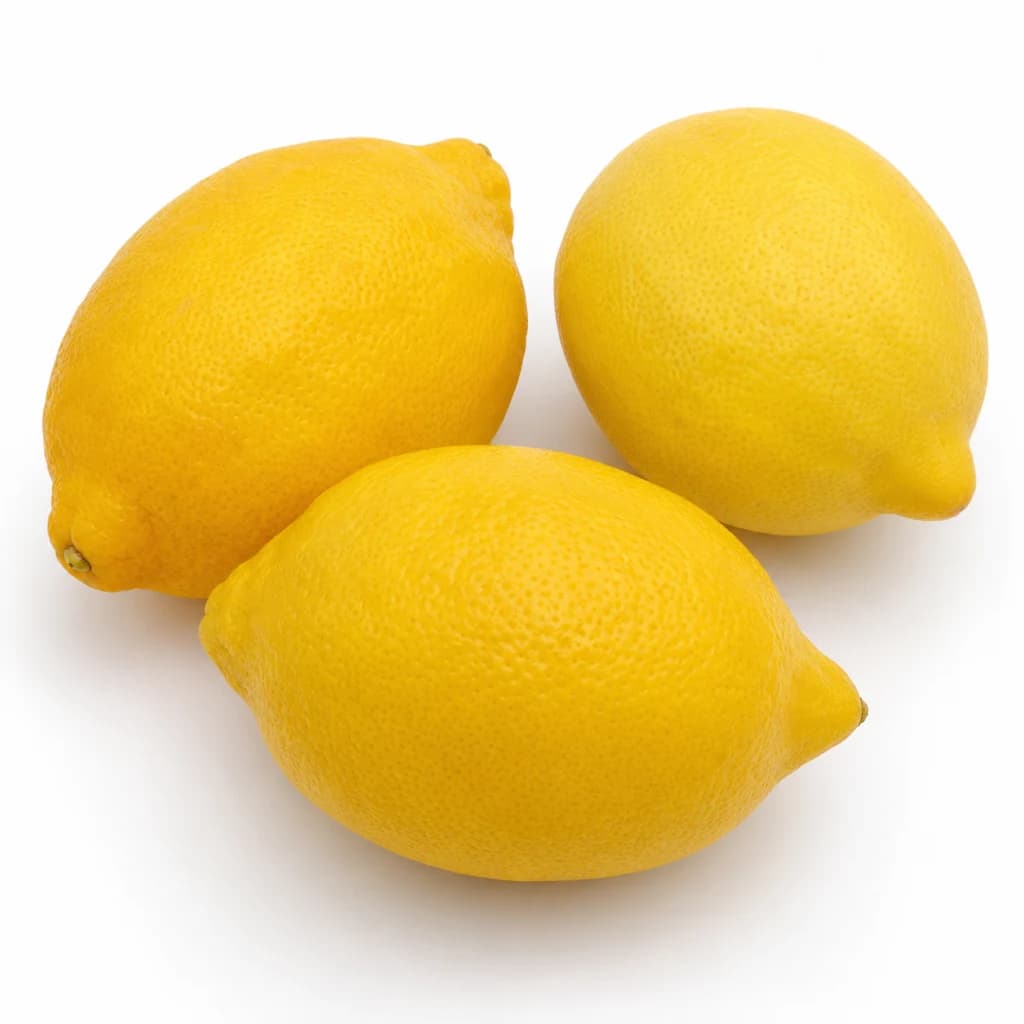
Lemon
Bright, acidic citrus that wakes up almost any dish
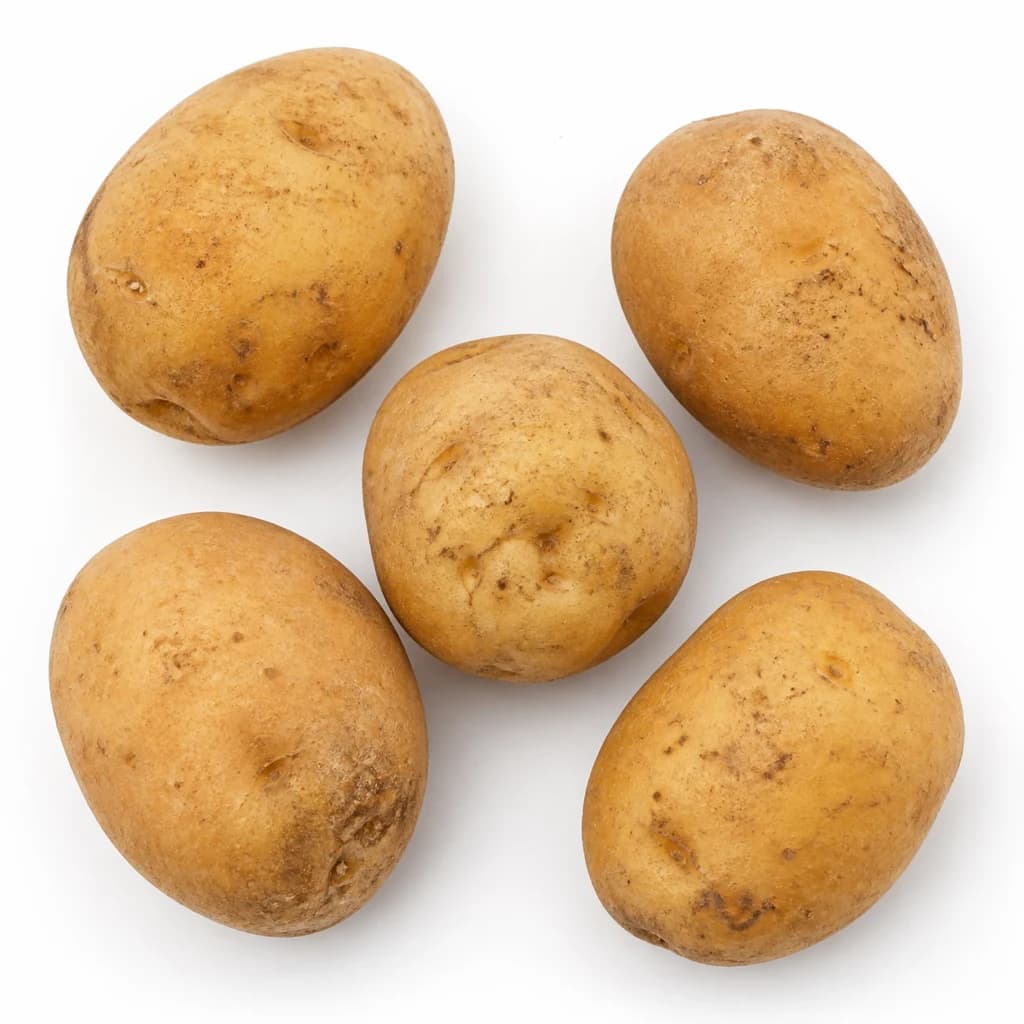
Potato
Humble, hearty staple — roast, mash, fry, or boil
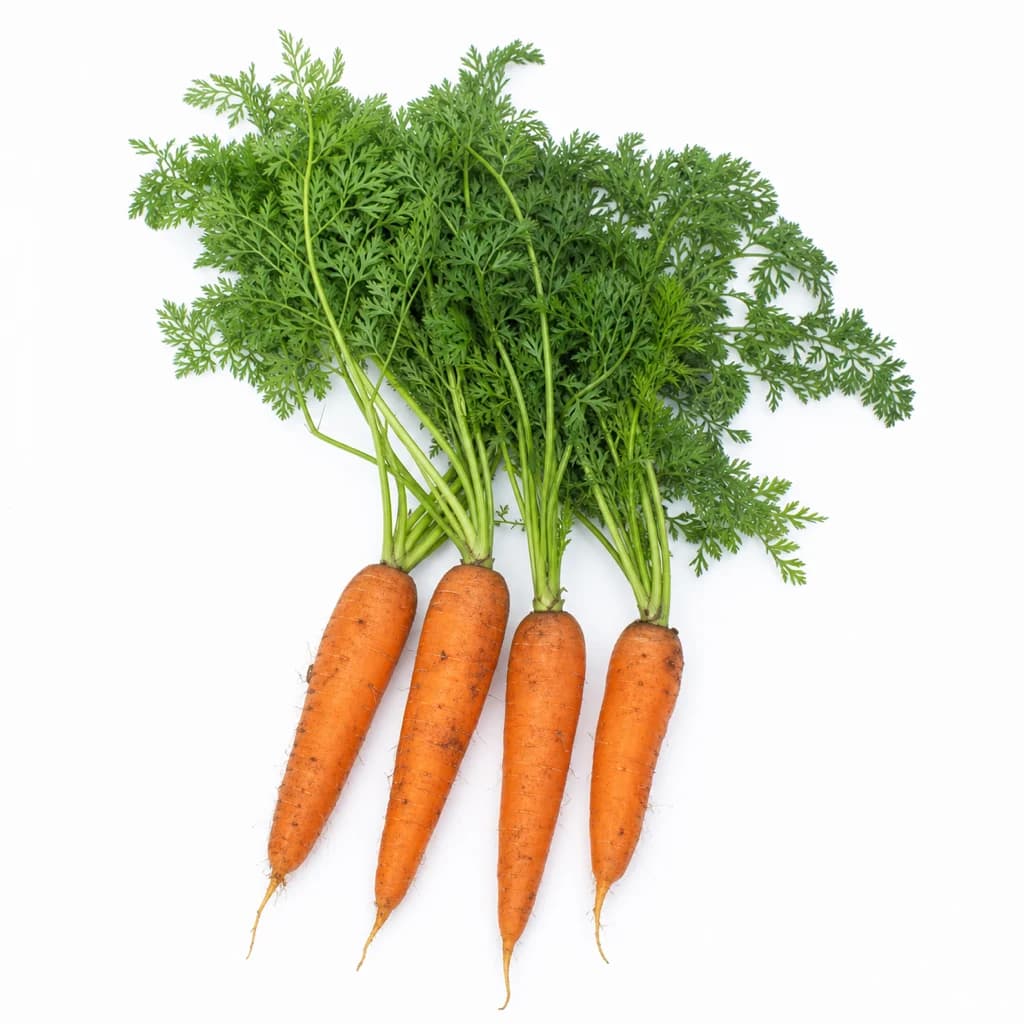
Carrot
Sweet, crunchy root — raw, roasted, or the base of a sofrito
Cucumber
Cool, crisp, and watery — for salads, pickles, and tzatziki

Lettuce
Crisp leaves for salads, wraps, and a fresh crunch