Grains & Rice
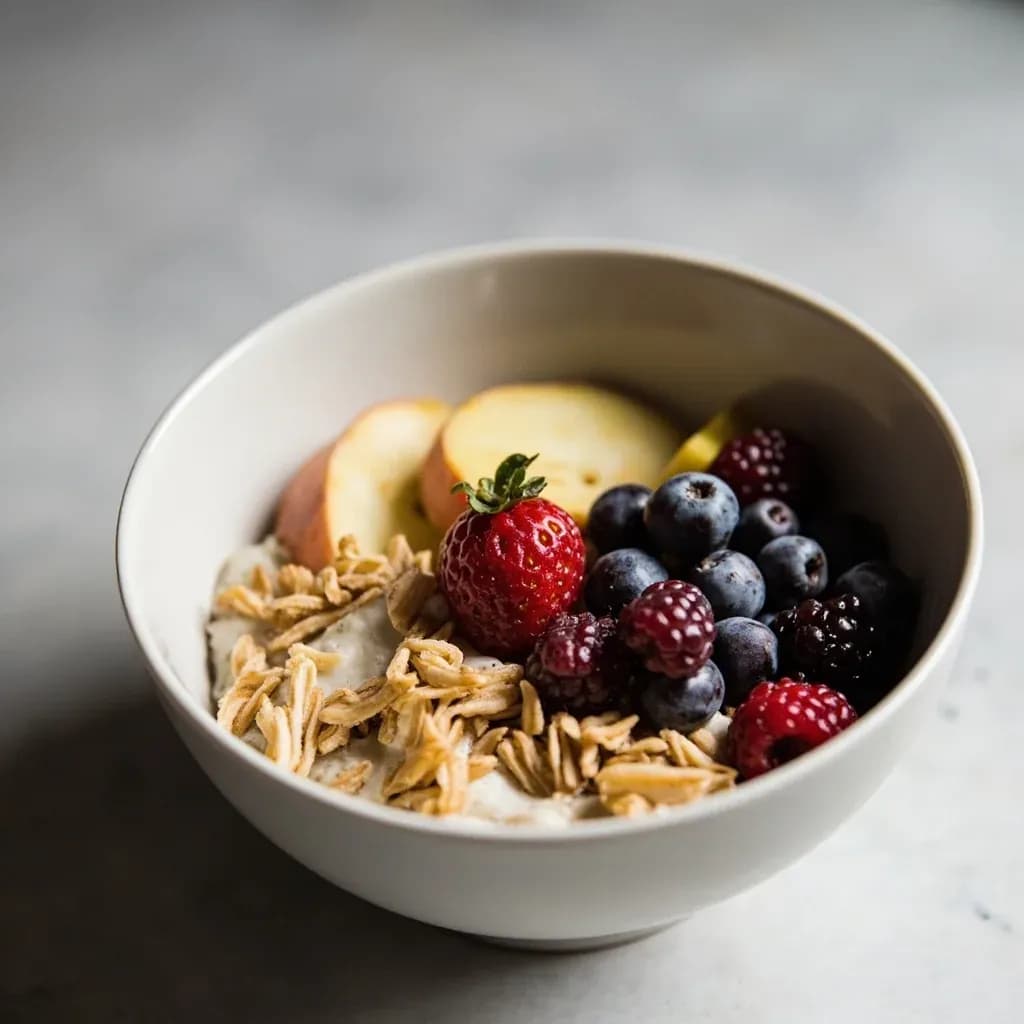
Bircher Muesli
Swiss overnight oats soaked in milk or juice with grated apple, nuts and yogurt.
Bircher muesli is a Swiss breakfast of rolled oats soaked overnight in milk, juice or yogurt, mixed with grated apple, lemon, nuts and dried fruit. Invented by physician Maximilian Bircher-Benner, it is served cold and creamy with fresh fruit on top. The soaking softens the oats into a porridge-like, spoonable texture.
Bircher Muesli is a Swiss preparation of raw rolled oats soaked overnight in apple juice or milk, typically finished with grated apple, nuts, and a dollop of yogurt. Developed around 1900–1904 by Dr. Maximilian Bircher-Benner at his Zurich sanatorium, it was originally called Apfeldiätspeise (Apple Diet Dish) and intended as a medicinal food. The physician believed raw foods carried vital energy, and the overnight soaking was not merely convenient but philosophically significant—the extended contact with liquid softens the oats and allows the apple's pectin to bind everything into a cohesive, creamy mass. Unlike dry muesli or granola, Bircher is never crunchy; the texture is soft, slightly swollen, and mildly tangy from the apple's natural acidity. The dish behaves as both a breakfast cereal and a light digestible meal, making it versatile for everyday tables and clinical diets alike. Its staying power across more than a century reflects its adaptability: the base is simple enough to accept seasonal fruit, but the method is precise enough that commercial shortcuts—skipping the soak, adding stabilizers—fundamentally alter the result.
- Measured in
- g
- Storage
- Fridge
Allergens
Types & varieties
Full German spelling and pronunciation; the authentic Swiss name
Prepared with dairy milk or plant-based milk instead of apple juice; produces a milder, creamier result
Soaked dried fruits such as raisins, apricots, or figs folded into the oat base before soaking
American reinterpretation using a similar method but with broader flavor profiles; typically uses more liquid and different ingredient timing
Ready-made versions sold in Swiss and German supermarkets; often contains added sugar and stabilizers, and frequently skips the overnight soak
The Bircher-Benner Philosophy
Dr. Bircher-Benner developed the dish after observing a simple Alpine preparation during a hike. He became convinced that raw foods held vital energy that cooking destroyed, and he designed his sanatorium menus around this principle. The original 1904 recipe combined oats, freshly grated apple, lemon juice, condensed milk, and honey, with grated hazelnuts served on the side. The overnight soak was integral to his nutritional theory: raw oats contain phytic acid and enzyme inhibitors that can impair mineral absorption, but extended soaking reduces these compounds and softens the grains. The beta-glucan in oats creates a thick, satiating gel that contributes to the dish's therapeutic reputation. Commercial versions that skip the soak miss this nutritional logic entirely.
- The original recipe included condensed milk and was significantly sweeter than modern versions
- Bircher-Benner's patients ate it as a primary therapeutic food, not a casual breakfast
- The grated hazelnut side became optional over time; most modern preparations fold nuts directly into the mixture
Choosing the Right Oats
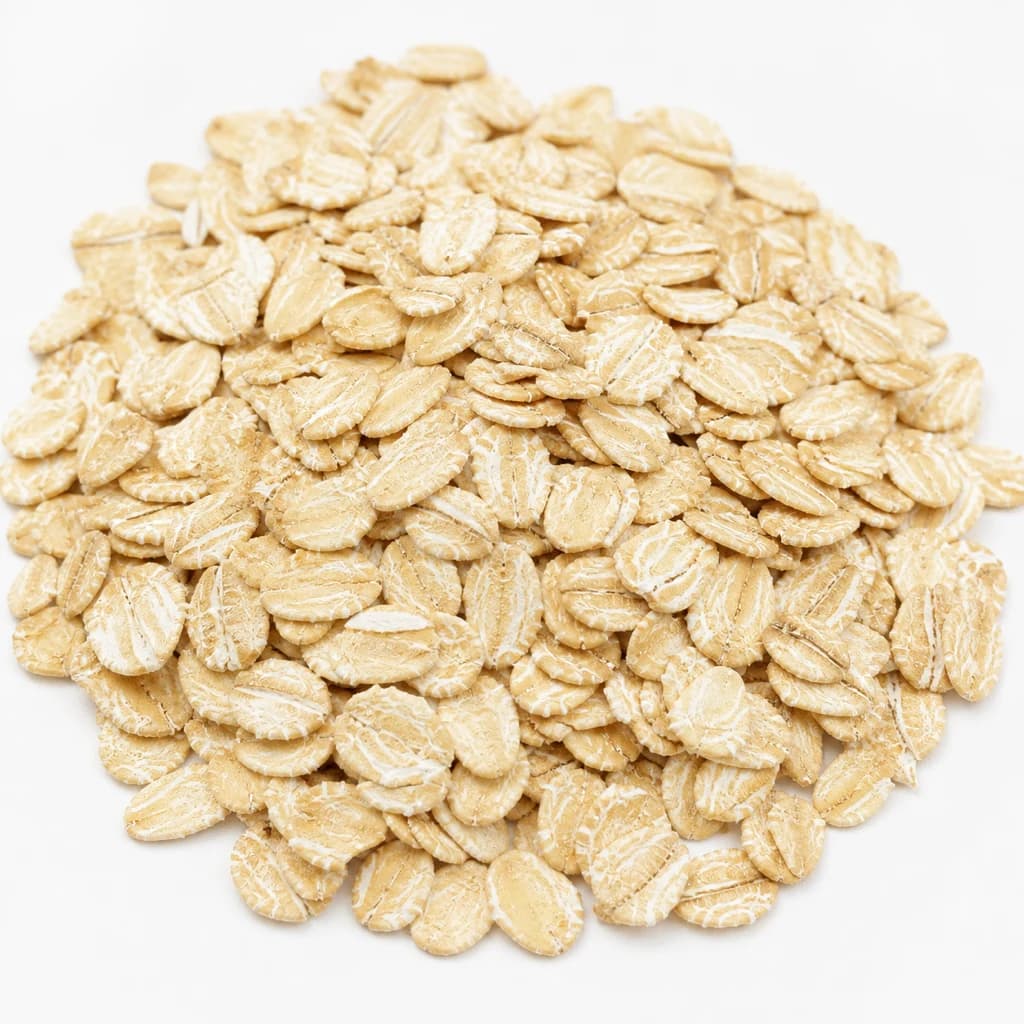
The oat type is not negotiable if you want authentic results. Rolled oats (also called porridge oats) are the correct choice—they have been steamed and flattened, which allows them to absorb liquid evenly and swell to a pleasing texture overnight. Instant oats break down too quickly and turn gluey. Steel-cut oats, despite being minimally processed, remain too hard even after 12 hours of soaking and will never achieve the proper creaminess. They are unsuitable for this preparation without cooking.
- Look for 'rolled oats' or 'porridge oats' on the package—not instant, quick-cooking, or steel-cut
- Steel-cut oats are fundamentally unsuitable for this preparation without cooking
Common uses
Tips & pitfalls
- Use rolled oats (not instant or steel-cut); instant oats turn gluey and steel-cut remain hard even after overnight soaking
- Grate the apple on the large holes of a box grater directly into the oats before soaking—this integrates the pectins and juices that thicken the mixture
- Toast hazelnuts or almonds lightly in a dry pan before folding in; this sharpens their flavor and creates the essential textural contrast against the soft oats
- Add lemon zest or a small squeeze of citrus to brighten the apple's natural sweetness and prevent the dish from tasting flat
- Fold yogurt into the mixture only at the moment of serving; stirring it in early causes the oats to become gluey and dense
- Do not skip the nuts—they are not optional; they provide the textural contrast that defines the dish
- If the mixture is too thick in the morning, stir in cold liquid a splash at a time; if too thin, add extra oats or a tablespoon of chia seeds and rest 15 minutes before serving
- Commercial 'Bircher' cereals that lack an overnight soak are not Bircher Muesli—they are dry granola and do not behave the same way
Nutrition
Nutrition
No USDA FoodData Central match for Bircher Muesli yet. We surface a per-100 g profile once a generic whole-food entry is matched and verified.
In the shops
Matched grocery products
No matched grocery products for Bircher Muesli yet.
Good to know
- Origin
- Switzerland, Zurich sanatorium, circa 1900–1904
- Inventor
- Dr. Maximilian Bircher-Benner, Swiss physician and nutrition pioneer
- Original Name
- Apfeldiätspeise (Apple Diet Dish)
- Oat-to-Liquid Ratio
- 1:1 by volume; equal parts oats and soaking liquid
- Soak Time
- Minimum 2–3 hours; overnight (8–12 hours) is standard practice
- Traditional Liquid
- Apple juice or milk, sometimes blended; plant milk works equally well
- Texture When Ready
- Soft, swollen oats with a creamy, slightly thick consistency—not crunchy or dry
- Refrigerated Shelf Life
- 3–5 days in an airtight container; flavor improves after the first night
Substitutes
- Rolled oats (porridge oats) — The standard base; do not substitute with instant oats (turn mushy) or steel-cut (remain too hard even after overnight soak)
- Apple juice — White grape or pear juice work well as alternatives; orange or pineapple juice are too acidic and alter the flavor profile significantly
- Plant-based milk — Oat milk, almond milk, or coconut milk in place of dairy milk for vegan preparation; results are comparable in texture
- Freshly grated apple — Essential—pre-cut apple chunks do not release enough pectin to thicken the mixture properly
- Nuts — Toasted sunflower seeds, pumpkin seeds, or unsweetened coconut flakes for nut-free versions
- Honey or agave — Any liquid sweetener can replace sugar if sweetening is desired; use sparingly
Pairs with
Also called
Birchermüesli · Bircher Müesli
Related

White Rice
Fluffy long-grain rice — the neutral base for almost any meal

White Bread
Soft sandwich loaf for toast, sandwiches, and crumbs
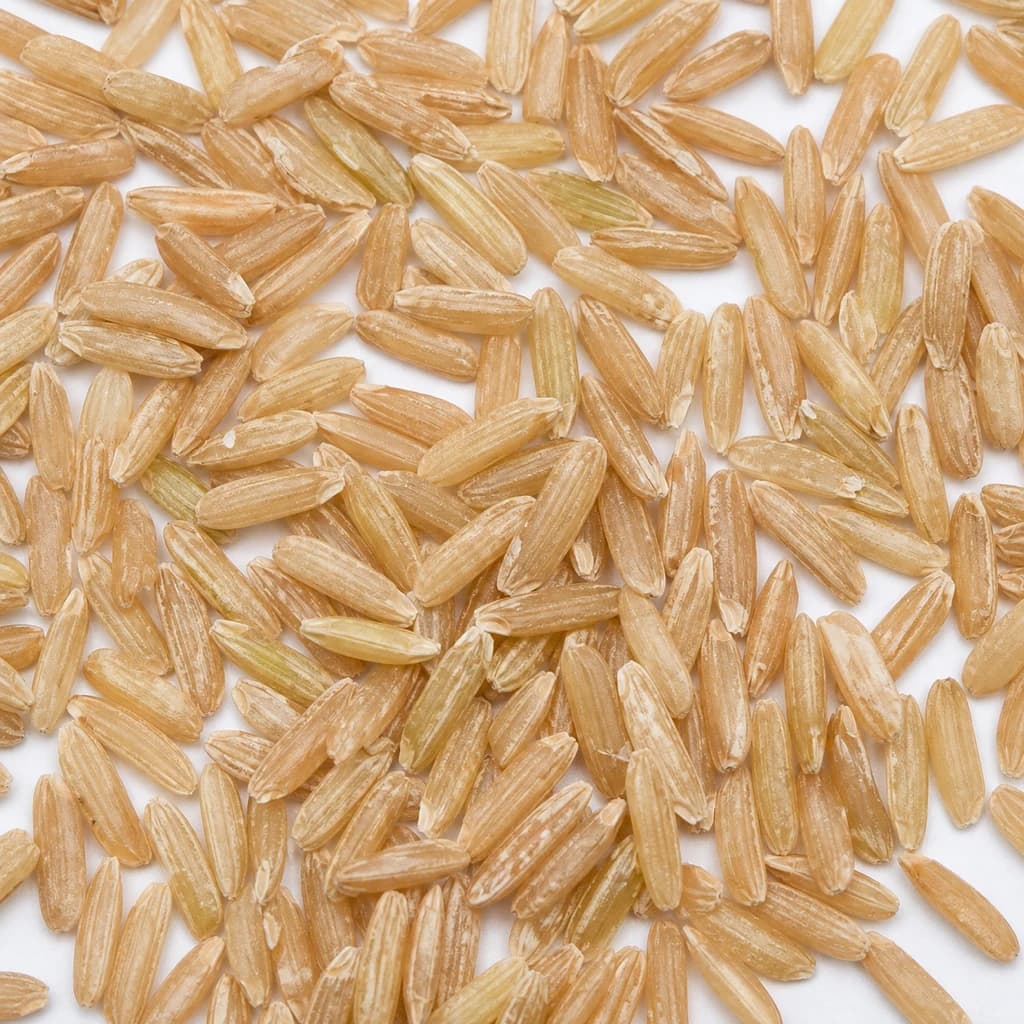
Brown Rice
Nutty, whole-grain rice with chew and extra fiber

Basmati Rice
Fragrant, long-grain rice that cooks up light and separate
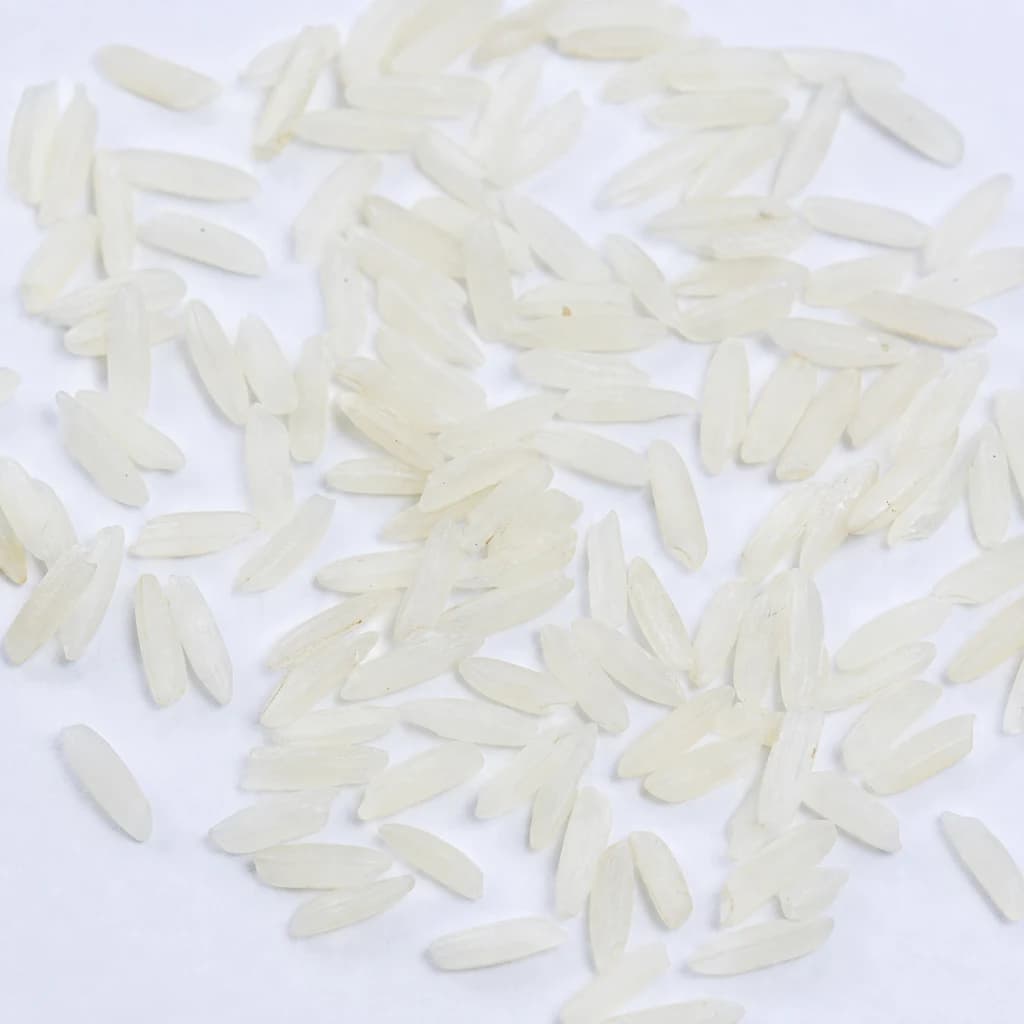
Jasmine Rice
Soft, floral-scented rice that's the pillar of Thai meals
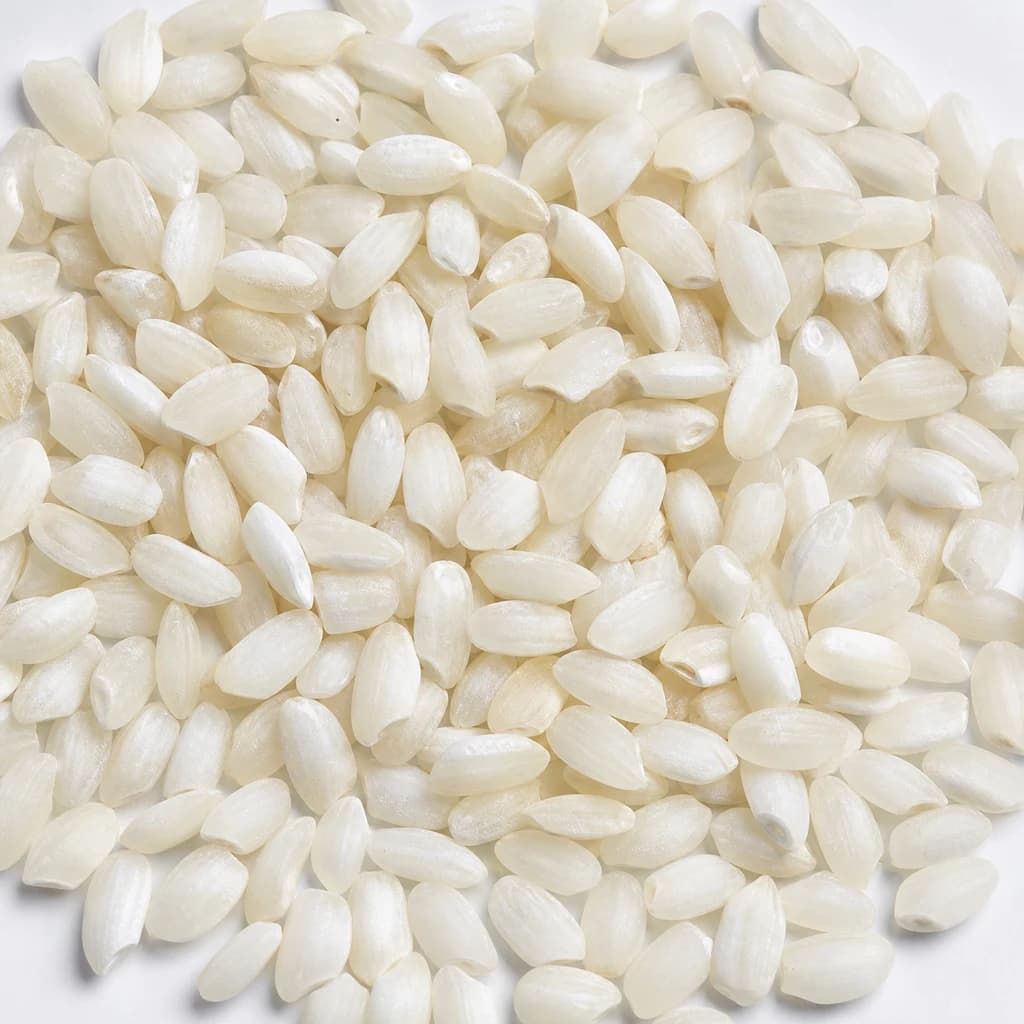
Arborio Rice
Plump, starchy rice that makes risotto creamy
Fusilli
Spiraled pasta that twirls up sauce and dresses cold salads
Rolled Oats
Hearty flakes for porridge, granola, and chewy cookies