
Natural form
Whole bitter tomato fruits, small and round with smooth green and yellow-streaked skin.
Shows the reader the fruit's distinctive small size, round shape, and characteristic green-to-yellow coloration so it can be recognized at a market.
Produce
Bitter Tomato (Jakhatu)
Small bitter eggplant relative used in Northeast Indian and African stews.
Bitter tomato is a small round fruit of a Solanum species, related to eggplant rather than the common tomato, with a distinctly bitter flavor. Called jakhatu in Northeast India and bitter ball in West Africa, it is cooked into stews, chutneys and curries where its bitterness balances rich or spicy dishes. It is usually cooked rather than eaten raw.
Bitter tomato (Solanum aethiopicum) is a small, firm-fruited nightshade closely related to eggplant, distinguished by its assertive bitter flavor that mellows significantly with cooking. Unlike the mild, creamy flesh of common eggplant, bitter tomato delivers a sharp, earthy bitterness concentrated in its skin and seed cavity. Native to Sub-Saharan Africa and now cultivated throughout tropical regions of Asia, the fruit typically measures 2–4 cm in diameter and transitions from green to orange, red, or yellow as it ripens. In Northeast India—particularly Meghalaya and Nagaland—Jakhatu is prized alongside wild bitter greens as a foundational element of the regional palate, appearing in markets alongside names like gboma eggplant, nakati, and anara in African markets, where it has long served as both food and functional digestive aid.
The bitterness comes from alkaloid compounds that are heat-labile and partially water-soluble, making them manageable through simple prep techniques. Its role in traditional cuisines is less about dramatic flavor and more about the essential bitter counterpoint that cuts through rich, starchy, or fatty dishes—functioning the way bitter melon does in South Asian cooking, or the way char-grilled radicchio serves in Italian cuisine. The fruit works best when allowed to integrate slowly into long-cooked preparations where its flavor can meld with other ingredients rather than dominate them.
In both African and Northeast Indian cooking traditions, bitter tomato fulfills a specific functional role beyond mere seasoning. It acts as a digestive aid alongside heavy rice dishes and pork or goat preparations, deliberately balancing the cloying quality that starch and fat produce. Understanding this functional role explains why substituting sweet eggplant fundamentally changes a dish's character—not just its flavor.
- Measured in
- piece
- Storage
- Fridge
Types & varieties
Bright orange to red fruits; most common in West African markets and the variety most likely encountered internationally
White to pale green fruits; often sold as gboma eggplant in Nigeria and Ghana; mildly sweet when ripe
Small-fruited type; frequently used in Ethiopian and Eritrean cooking; holds texture well when cooked
More intensely bitter, smaller fruits; foraged in rural areas of Northeast India; requires more careful preparation
Understanding and Taming Bitterness
The alkaloids responsible for bitter tomato's flavor are water-soluble and heat-labile, meaning they break down when exposed to boiling water and prolonged cooking. This makes the fruit genuinely manageable compared to ingredients like bitter melon or certain bitter greens. The key is controlled exposure to both heat and water.
- Blanching in salted water for 2–3 minutes then discarding the water removes a significant portion of bitterness
- Soaking cut pieces in cold salted water for 20 minutes before cooking achieves similar results without precooking
- The seed cavity and inner membranes carry the highest concentration of bitter compounds; removing them reduces intensity without losing the characteristic flavor
- Coconut milk or other fats added during cooking help carry and moderate bitter notes on the palate
- Salting bitter tomato before cooking draws out moisture and can intensify the bitter flavor if that character is desired
Northeast Indian Traditions: Jakhatu in Meghalaya and Nagaland
In the Khasi Hills and Naga territories, bitter tomato is one component of a broader culinary philosophy that embraces bitterness as essential balance. Jakhatu appears alongside other bitter ingredients—fermented soybeans (akhuni), bitter greens, and dried fish—in dishes that can seem aggressively savory to the uninitiated. The bitter elements are not incidental; they are deliberately paired with heavy rice dishes and pork preparations to aid digestion and prevent the cloying quality that starch and fat can produce. Understanding this functional role helps explain why substituting sweet eggplant for bitter tomato fundamentally changes a dish's character, not just its flavor.
Common uses
Tips & pitfalls
- Blanch whole or halved fruits in salted water for 2–3 minutes, then drain and refresh before adding to stews—this is the most effective bitterness-reduction technique
- Use immature green fruits for the most balanced bitter flavor; fully ripe fruits become soft and develop an unpleasant sour note
- Add bitter tomato early in the cooking process so bitterness integrates into the dish rather than sitting as a surface element
- Score or halve the fruits if you want deeper bitterness penetration into the cooking liquid; leave whole for more contained, milder flavor
- Do not overcook to the point of mushiness—bitter tomato should retain some texture even in long-simmered stews
- If your bitter tomato is very ripe and soft, sauté it briefly rather than simmering to prevent it from disintegrating
- Store unwashed in the refrigerator; wash only before use to prevent premature spoilage from moisture on the skin
- When pickling, use firm unripe fruits and ensure they are completely submerged in the oil or brine
Nutrition
Energy
63 kJ · per 100 g
Where the calories come from
Protein
1g
2% DV
Carbs
3g
1% DV
Fat
0.3g
0% DV
Fiber
0.7g
3% DV
Sodium
23mg
1% DV
Source · USDA FoodData Central · approx. Tomatoes, yellow, raw
View on FDC →In the shops
Matched grocery products
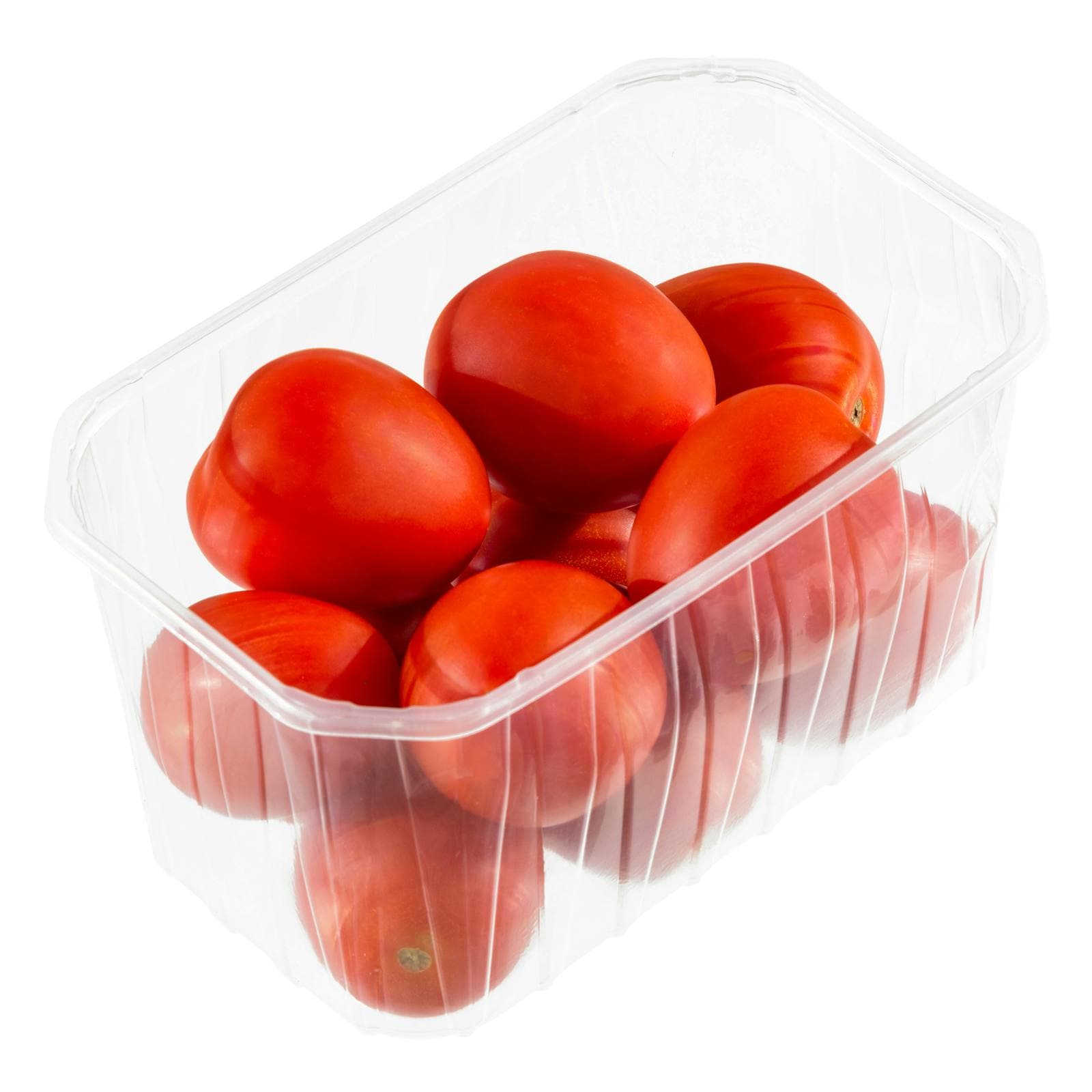 €2.62
€2.62Pear Tomatoes
1.14 kg · Mercadona
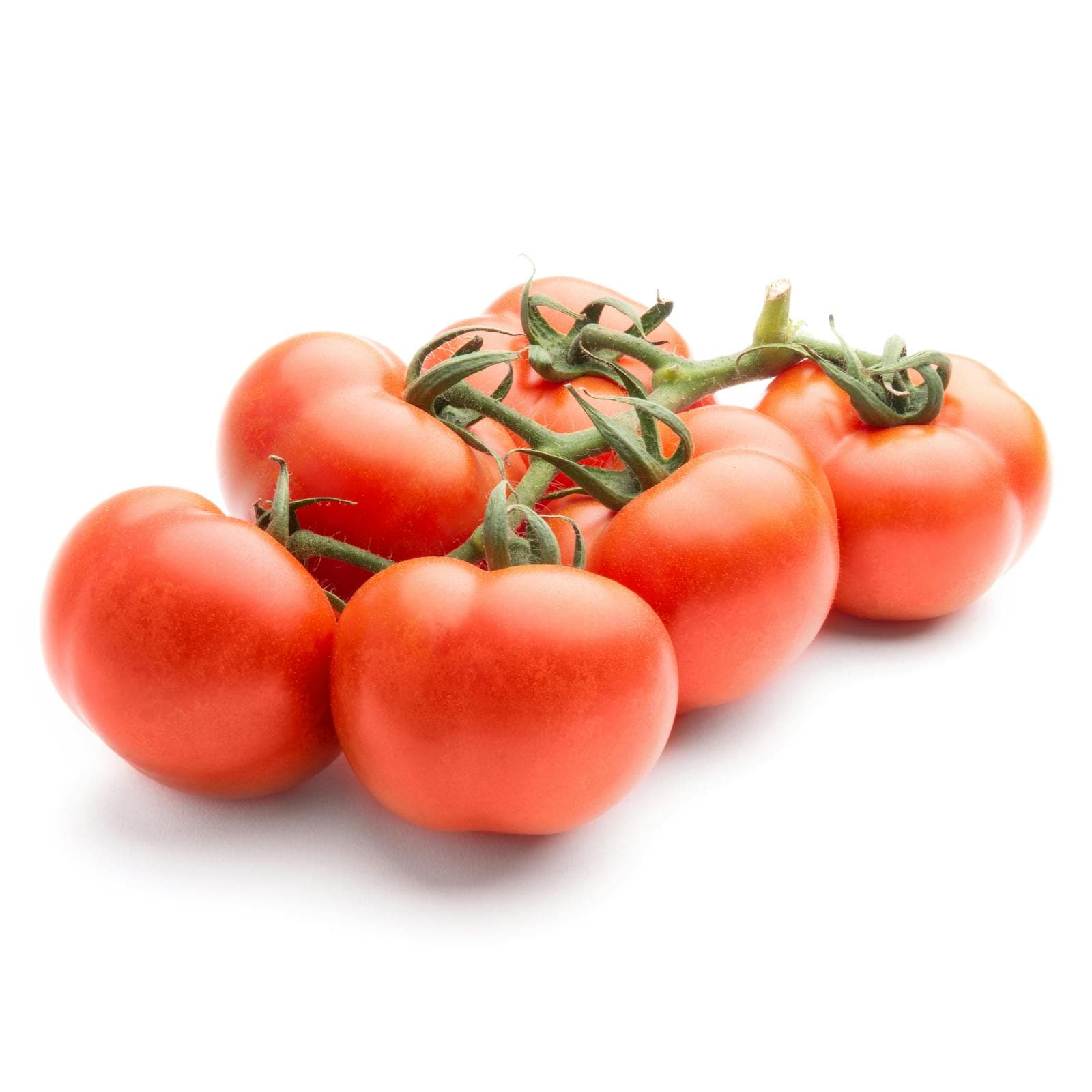 €1.49
€1.49Truss Tomatoes
550 g · Mercadona
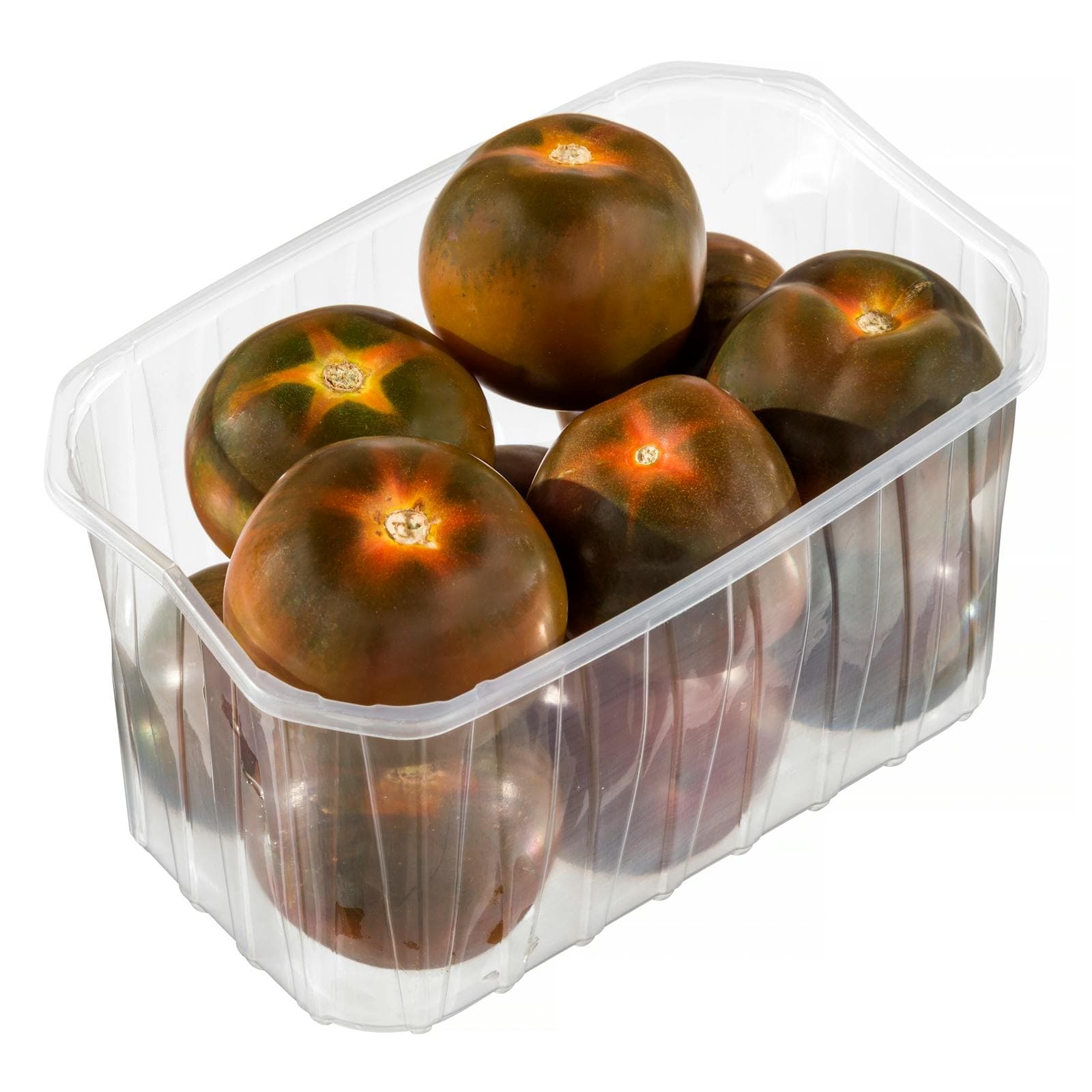 €2.60
€2.60Black Tomatoes
1 kg · Mercadona
 €0.29
€0.29Plum Tomato
130 g · Mercadona
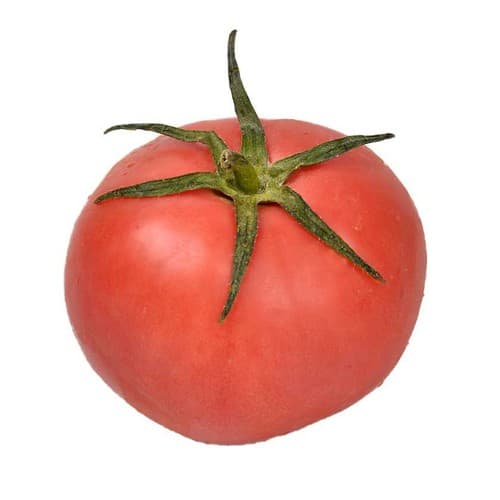 €1.07
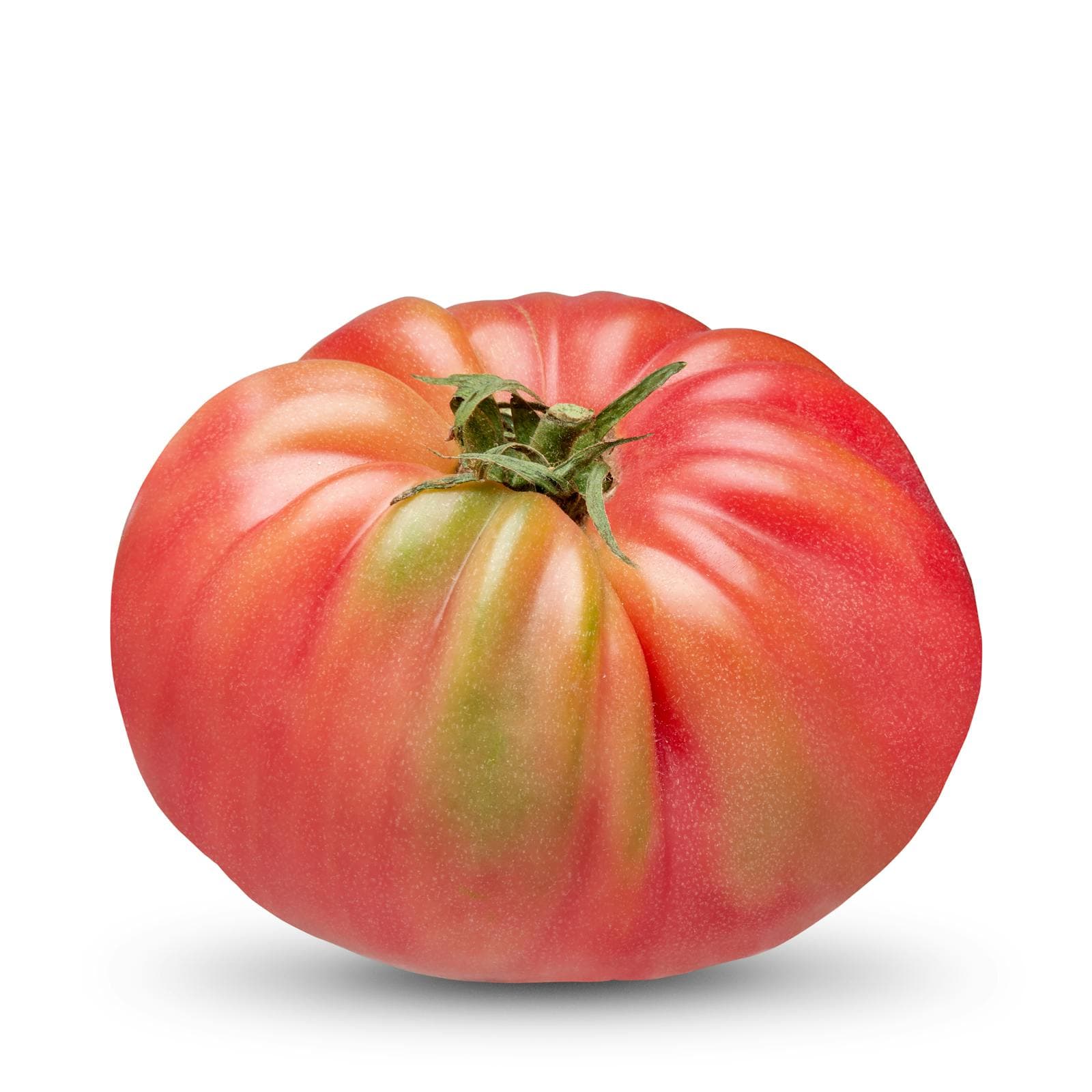
€1.07Pink Tomato
ud · Bonpreu
 €1.16
€1.16Pink Tomato
340 g · Mercadona
Good to know
- Botanical Name
- Solanum aethiopicum
- Family
- Solanaceae (nightshade)
- Origin
- Sub-Saharan Africa; cultivated throughout tropical Africa and Asia
- Season
- Year-round in tropical climates; late summer to early fall in temperate zones
- Flavor
- Intensely bitter and slightly earthy when raw; bitterness mellows substantially with cooking
- Appearance
- Small round fruit, 2–4 cm diameter; green when immature, ripening to orange, red, or yellow
- Texture
- Firm, dense flesh with a small central seed cavity
- Storage
- Refrigerate unwashed in crisper drawer for up to 1 week
- Prep Note
- Rinse before use; may be used whole, halved, or sliced depending on the recipe
- Common Names
- Jakhatu (Northeast India), Nakati (Uganda), Gboma eggplant (Ghana/Nigeria), Anara, Ethiopian eggplant
Substitutes
- Thai bitter eggplant (Makhuea Phuang) — Closest flavor and texture match; small, round, and intensely bitter; use 1:1
- Regular eggplant with bitter melon peel — Strip bitter melon skin thinly and combine with mild eggplant flesh; approximates the flavor profile though not the exact texture
- Bitter melon (karela) — Much stronger bitterness; use sparingly as a partial substitute and expect significantly more assertive bitter notes
Pairs with
Also called
Jakhatu · Bitter Ball · Garden Egg · Gboma
Appears in these dishes





Related
Tomato
Juicy, sun-sweet fruit for sauces, salads, and slow-cooked depth
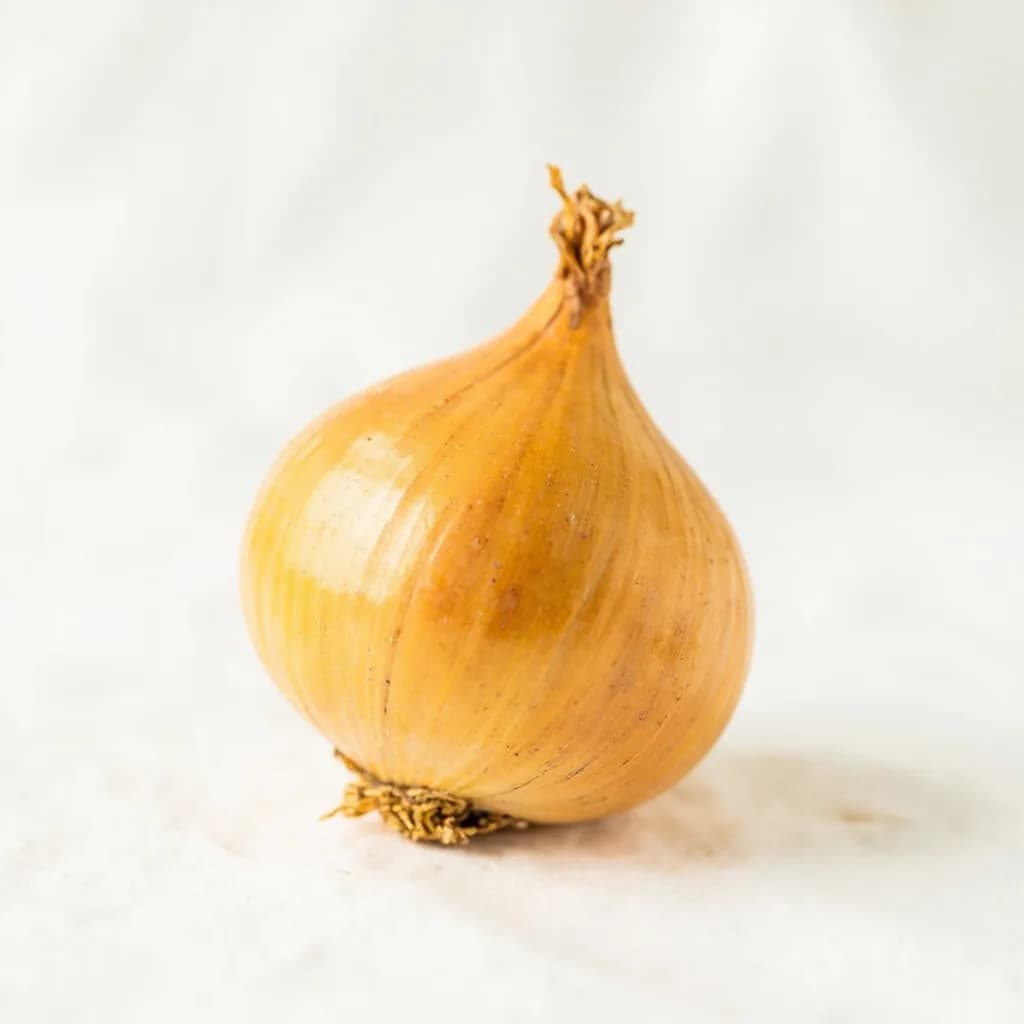
Yellow Onion
The aromatic backbone of soups, sofritos, and braises
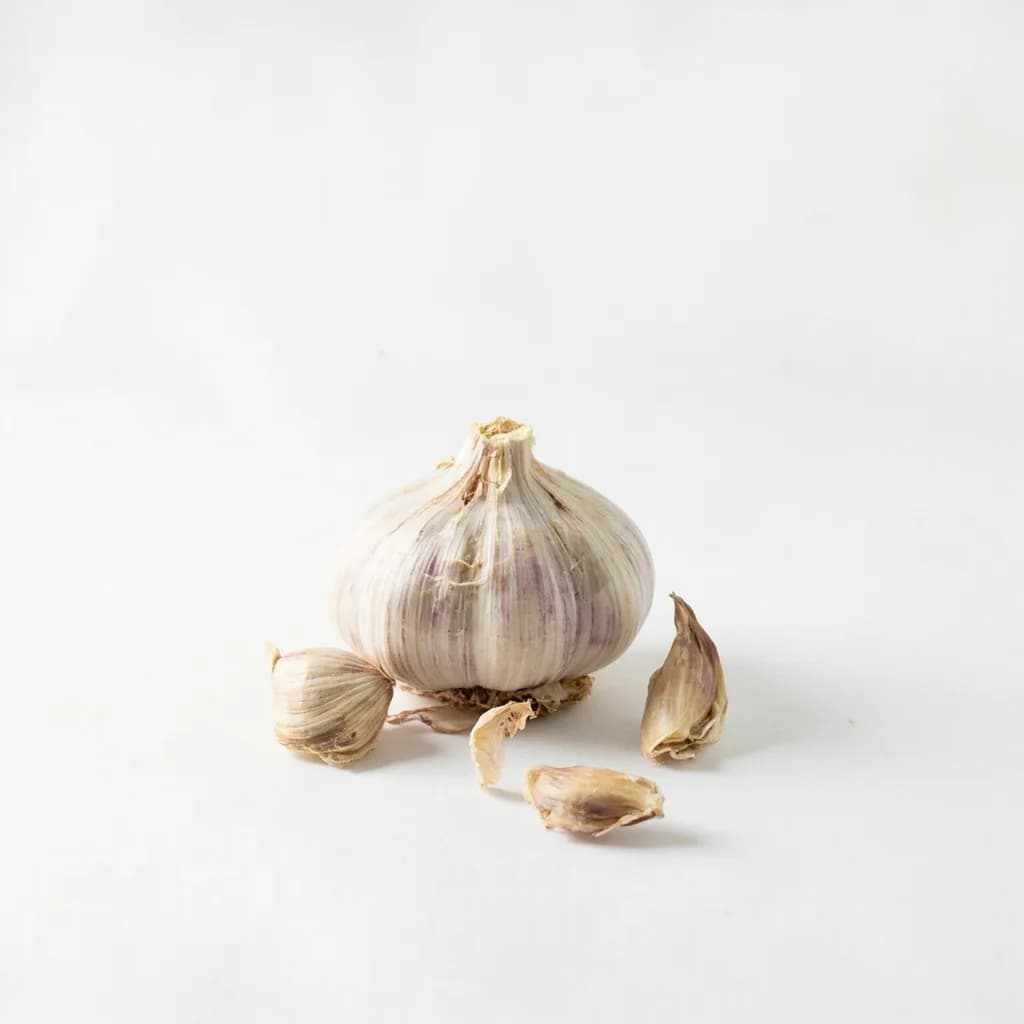
Garlic
Pungent cloves that perfume nearly every savory dish

Lemon
Bright, acidic citrus that wakes up almost any dish
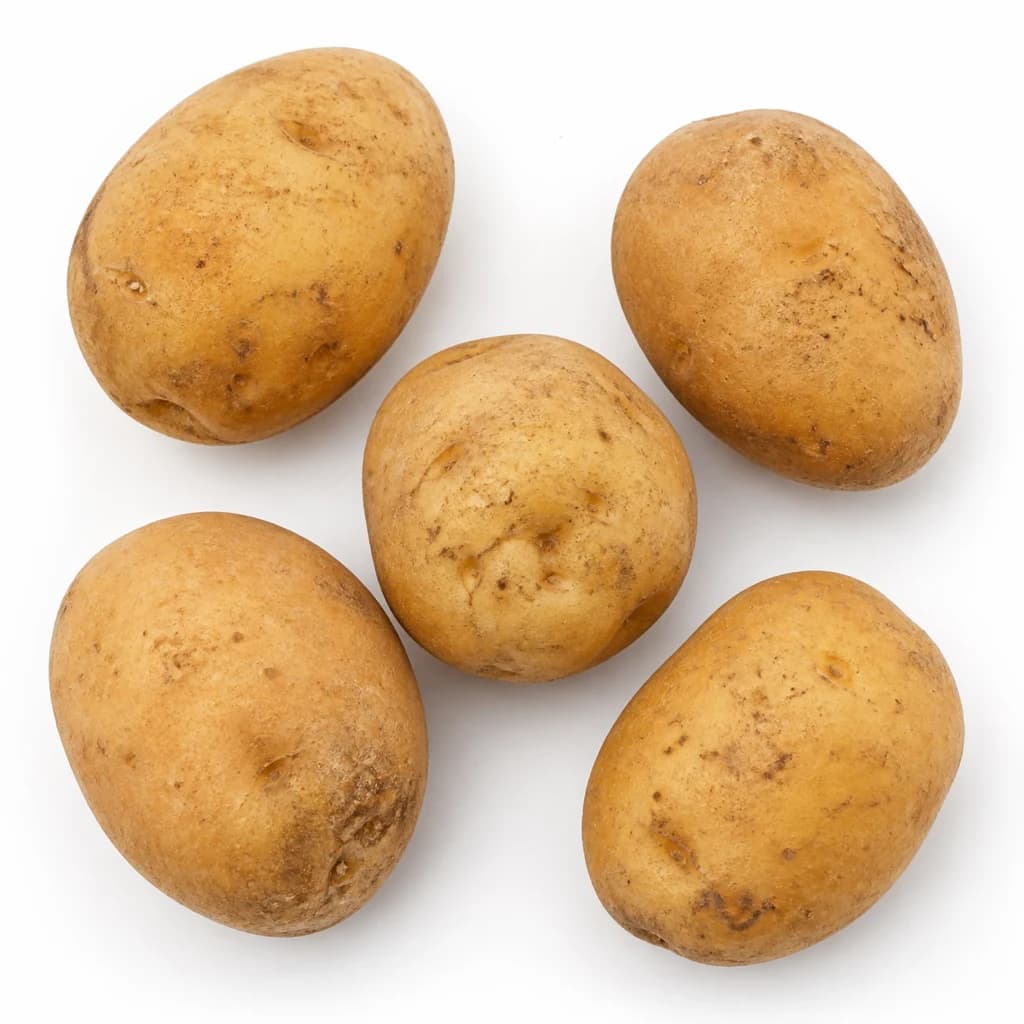
Potato
Humble, hearty staple — roast, mash, fry, or boil
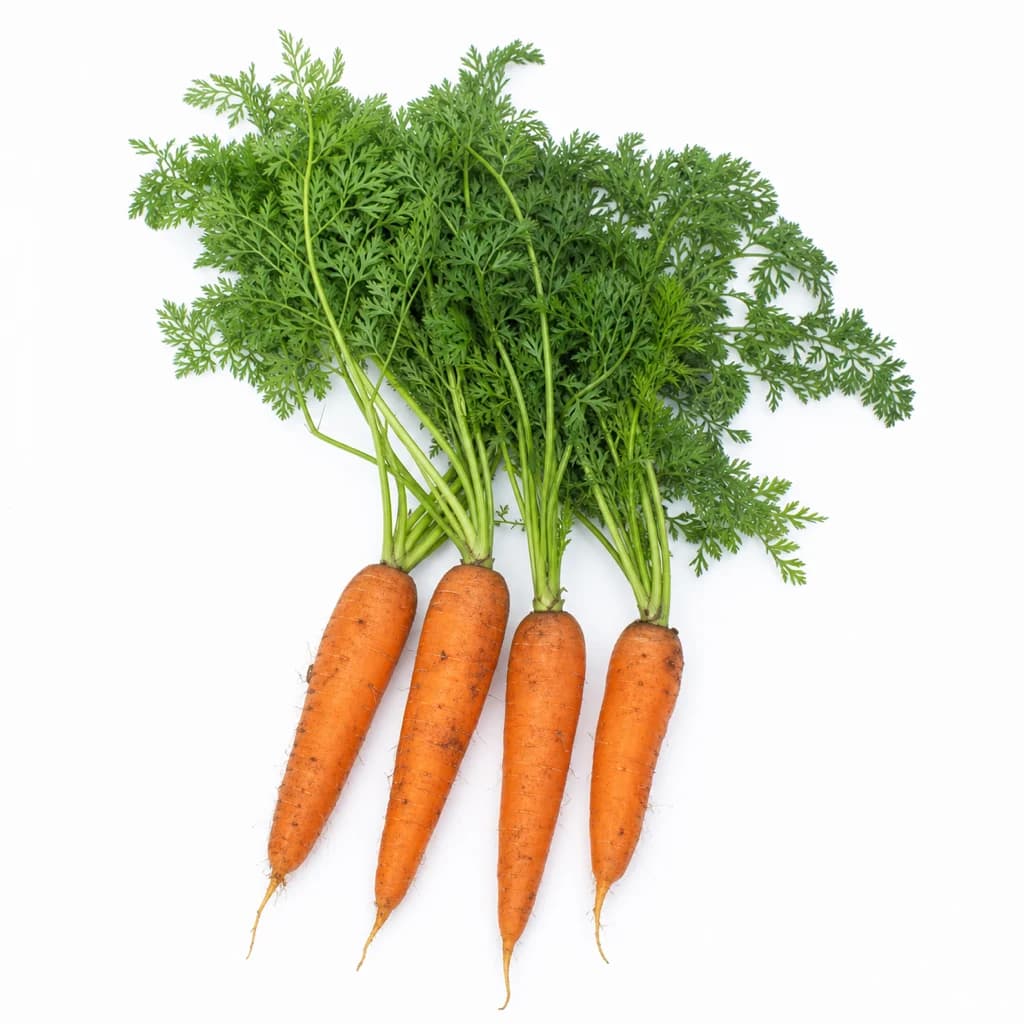
Carrot
Sweet, crunchy root — raw, roasted, or the base of a sofrito

Cucumber
Cool, crisp, and watery — for salads, pickles, and tzatziki

Lettuce
Crisp leaves for salads, wraps, and a fresh crunch