Grains & Rice
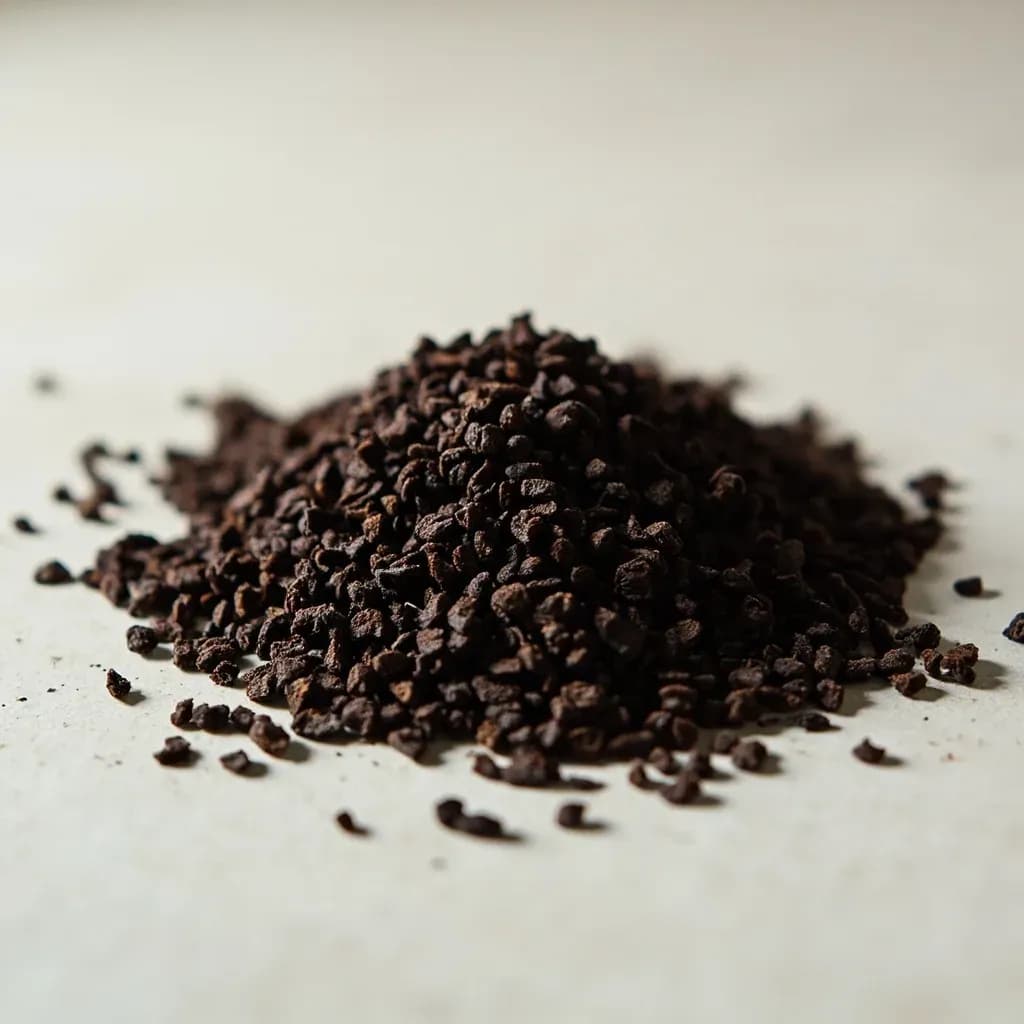
Black Patent Malt
Heavily roasted dark brewing malt that gives stouts and porters their black color and roast bitterness.
Black patent malt is barley malt roasted at high heat until nearly black, used in small amounts in brewing. It contributes the deep black color and sharp, roasty, coffee-like bitterness characteristic of stouts and porters. Because its flavor is intense, brewers add it sparingly to the grain bill.
Black Patent Malt is a heavily roasted barley malt produced by kilning malted barley at temperatures between 480–560°F (250–295°C), achieving Lovibond ratings of 500–700°L—far darker than any other standard brewing grain. The extreme roasting destroys all enzymatic activity, so it cannot function as a base malt and must be used as a specialty grain. At usage rates of just 2–10% of the total grist, it imparts jet-black color and a distinctive roasted, slightly bitter, acrid character with notes of burnt toast and coffee. The term "patent" refers not to exclusivity but to the original British patent granted in 1855 to N. P. Allen for the industrial roasting drum process that allowed maltsters to achieve darkness levels impossible through traditional floor malting. While Black Patent defined 19th-century London-style dry stouts and was used historically by Guinness, modern craft brewers often prefer dehusked alternatives for a smoother roast character. Beyond brewing, the malt appears occasionally in specialty breads and coatings where its deep color and malty intensity enhance crust development and visual appeal.
- Measured in
- g
- Storage
- Pantry
Allergens
Types & varieties
The classic form; Lovibond ~500–600°L. Widely available from all major malt suppliers.
Hull removed before roasting, reducing harsh astringency. Popular in craft brewing for smoother roast character.
Not technically malt (not germinated), but a roasted unmalted barley offering similar darkness with slightly different grain husk character. Used interchangeably in some recipes.
The History of Black Patent in Stout Brewing
Black Patent Malt shaped the character of 19th-century London-style dry stouts before modern malting techniques emerged. Its availability transformed what had been pale, sweet porters into the jet-black, bitter, and dry beers that defined British brewing. Guinness used it historically, though the brewery shifted toward roasted barley in modern times to achieve its signature creamy mouthfeel. Understanding this history helps brewers make informed choices about which roasted grain best suits their desired beer style.
- Black Patent defined the London dry stout tradition
- Guinness switched to roasted barley for mouthfeel reasons
- Industrial roasting technology enabled color depths impossible through traditional malting
Black Patent vs. Roasted Barley in Irish Stouts
The choice between Black Patent Malt and Roasted Barley fundamentally changes a stout's character. Roasted barley contributes a smooth, creamy mouthfeel and sweet roast flavor that many associate with classic Irish stouts. Black Patent, by contrast, produces a drier, more astringent finish with sharper roast bitterness. Most craft brewers targeting traditional Irish-style stouts use roasted barley as the primary dark grain, reserving Black Patent for color correction or when a more aggressive roast profile is desired.
- Roasted barley: smoother, sweeter, creamier mouthfeel
- Black Patent: drier, more bitter, sharper astringency
- Combine both for complexity: roasted barley for body, Black Patent for color depth and bitterness
Common uses
Tips & pitfalls
- Do not exceed 10% of grist in all-grain brewing — it can strip enzymatic power and make the beer harsh
- Use in conjunction with roasted barley if you want both color depth and the classic creamy mouthfeel of Irish stouts
- Store in an airtight container; the high roast temperature makes it brittle and prone to staling
- If substituting chocolate malt, use roughly 2–3× the weight to achieve similar darkness, but expect a milder, more chocolatey result rather than true black patent bitterness
- Steep Black Patent Malt in hot water (150–170°F) for 20 minutes like other specialty grains; do not boil
- Crush Black Patent gently — its brittleness from high-temperature roasting means it mills to dust easily, which can cause lautering issues
Nutrition
Nutrition
No USDA FoodData Central match for Black Patent Malt yet. We surface a per-100 g profile once a generic whole-food entry is matched and verified.
In the shops
Matched grocery products
No matched grocery products for Black Patent Malt yet.
Good to know
- Source
- Barley malt roasted to 480–560°F (250–295°C)
- Color contribution
- 500–700°Lovibond; adds blackness at very low usage rates (2–10% of grist)
- Enzymatic activity
- None (kilned at temperatures that destroy all diastatic power)
- Flavor profile
- Intense roasted, slightly bitter, acrid; notes of burnt toast and coffee undertones
- Year introduced
- Patent granted in Britain 1855 (N. P. Allen); U.S. patent 1860
- Typical usage rate
- 2–10% of total grain bill in stouts and porters
- Color earned per pound
- ~300–400°Lovibond per pound (approximately 30–40°SRM contribution per pound in 5 gallons at 1.050 OG)
- Moisture content
- ~2–4%
- Shelf life
- 12+ months sealed; vulnerable to moisture and oxidation
Substitutes
- Roasted Barley — Closest flavor match; use 1.5–2× the weight. Less blackening power but similar roast bitterness and mouthfeel contribution.
- Chocolate Malt (350°L) — Use 2–3× the weight for equivalent color; flavor will be more chocolate and less acrid. Best for adjusting color in porters.
- Carafa Special III (dehusked black malt) — Better substitute for modern craft brewing — smoother, less harsh, and cleaner roasted character. Use at similar rates to standard black patent.
Pairs with
Also called
Black Malt · Patent Malt
Related

White Rice
Fluffy long-grain rice — the neutral base for almost any meal

White Bread
Soft sandwich loaf for toast, sandwiches, and crumbs
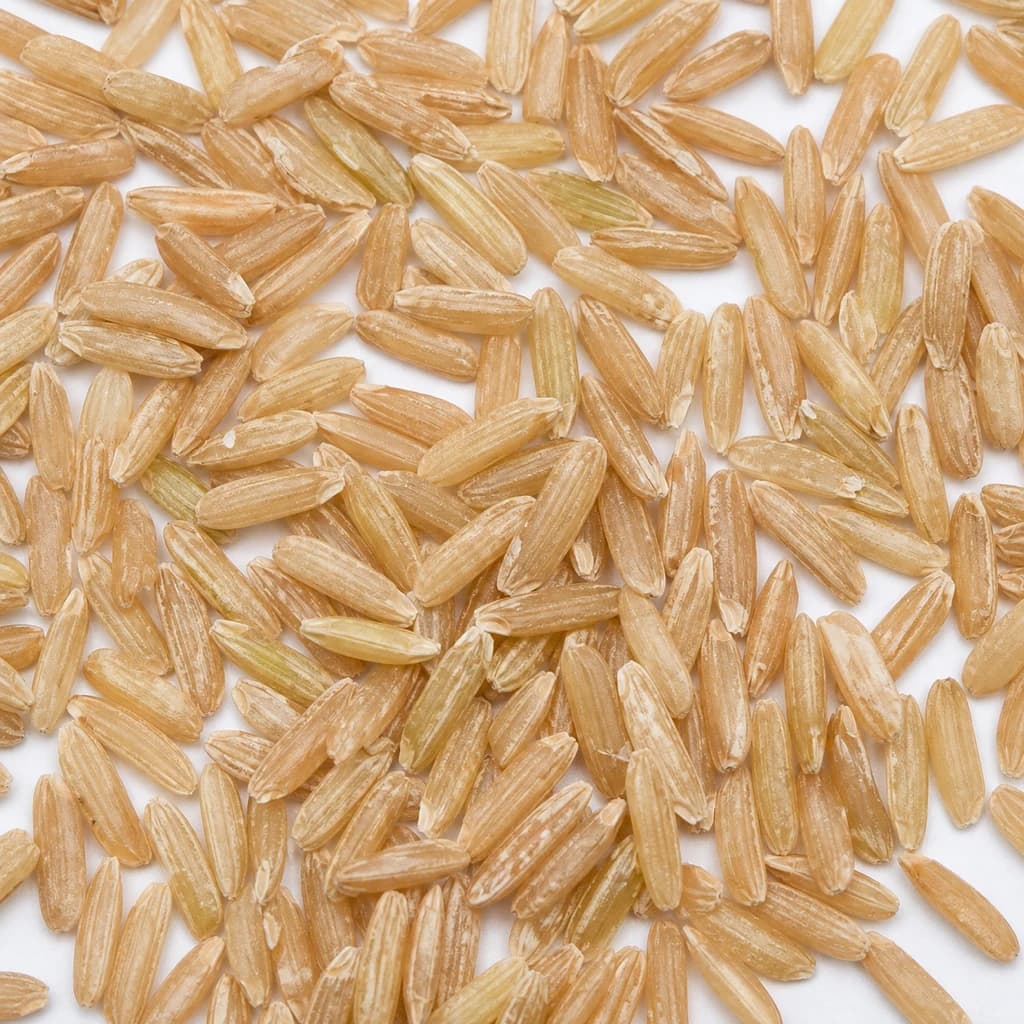
Brown Rice
Nutty, whole-grain rice with chew and extra fiber

Basmati Rice
Fragrant, long-grain rice that cooks up light and separate
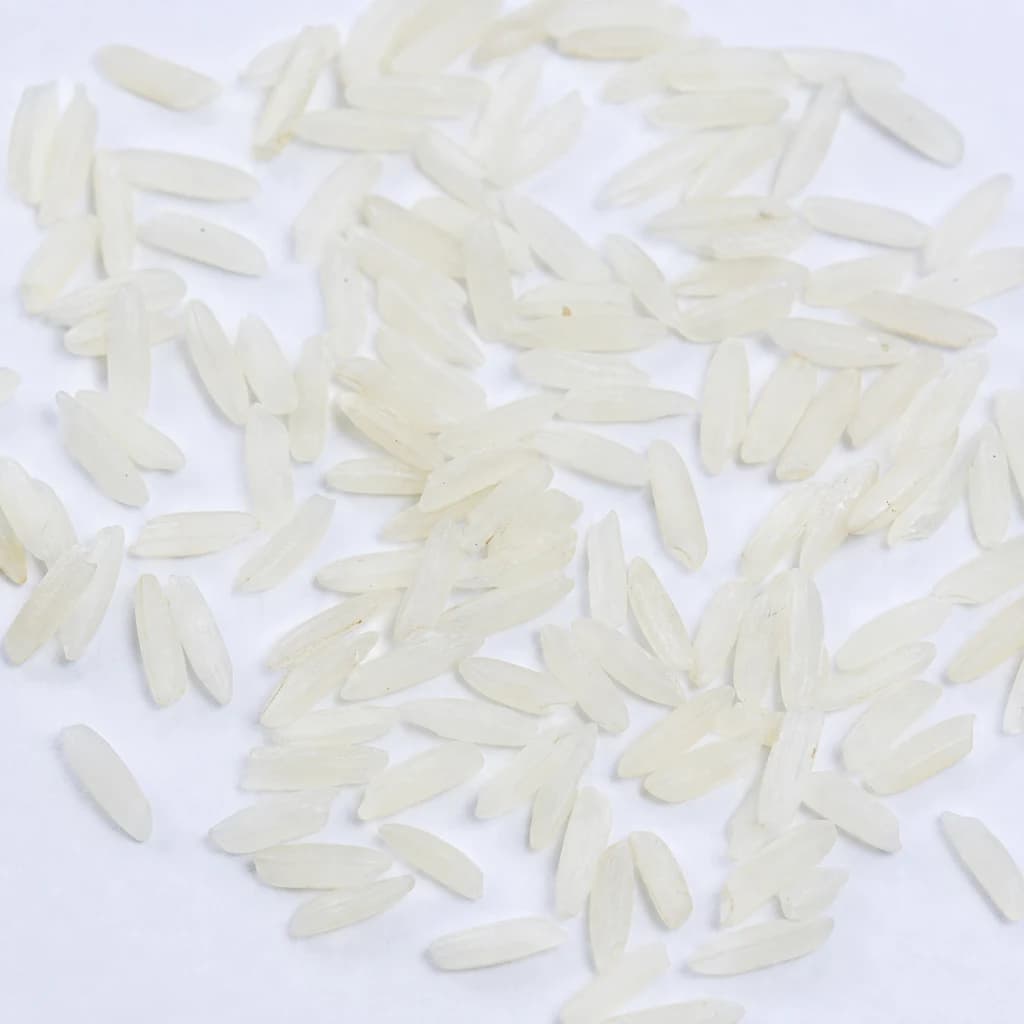
Jasmine Rice
Soft, floral-scented rice that's the pillar of Thai meals
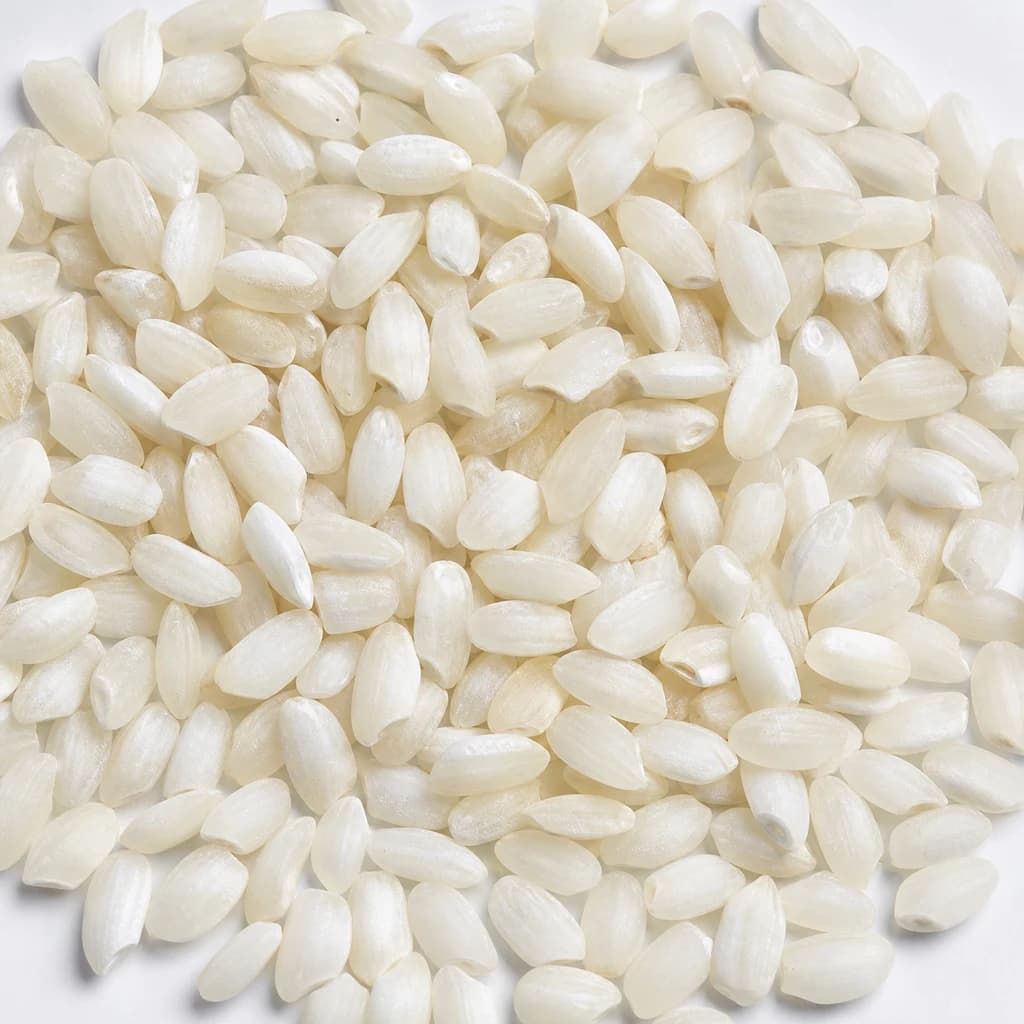
Arborio Rice
Plump, starchy rice that makes risotto creamy
Fusilli
Spiraled pasta that twirls up sauce and dresses cold salads
Rolled Oats
Hearty flakes for porridge, granola, and chewy cookies